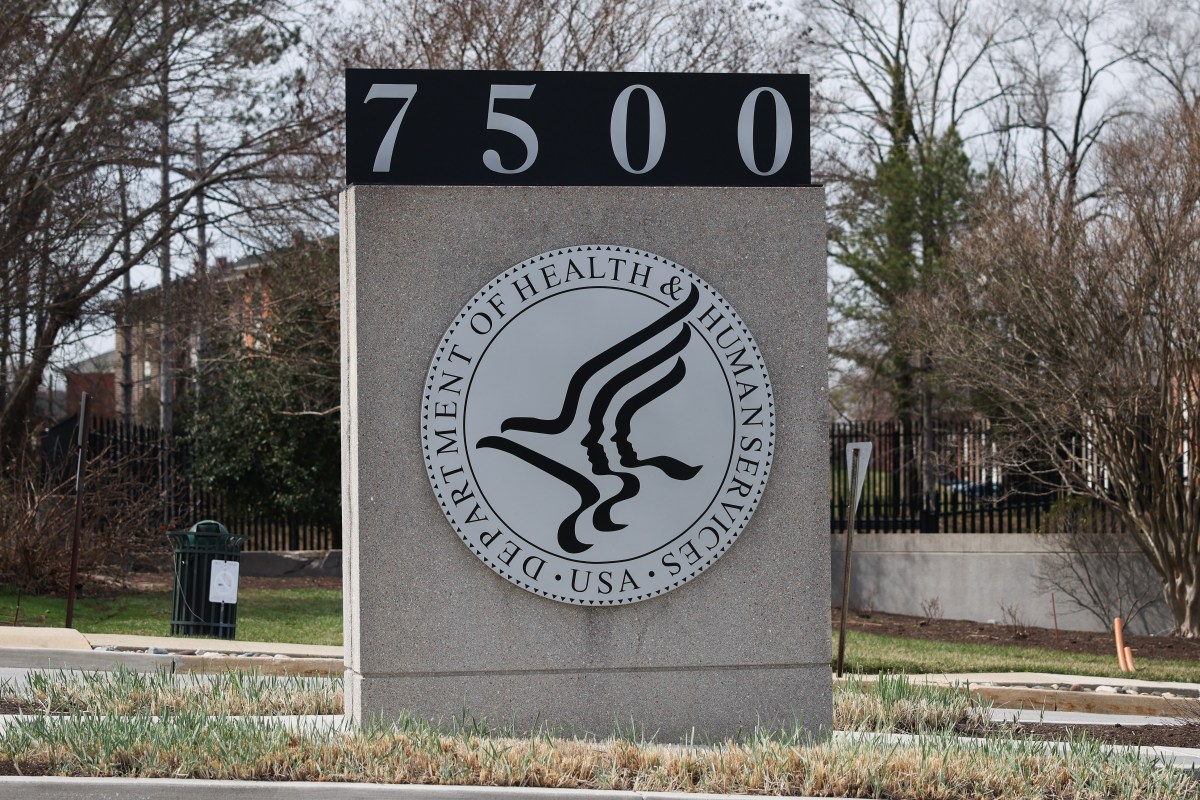
A federal judge ruled against the health insurer Humana in a lawsuit over Medicare Advantage ratings. The ruling means Humana will lose significant bonus payments from the government due to lower star ratings, impacting their service offerings and customer base.
Key Facts
Humana is a major health insurer involved in the Medicare Advantage program.
The Centers for Medicare & Medicaid Services (CMS) assigns star ratings to these plans.
U.S. District Judge Reed O’Connor ruled in favor of CMS against Humana's lawsuit.
Humana's star rating dropped from 4.5 to 3.5 stars, affecting their bonuses.
This rating drop impacts about 45% of Humana's Medicare Advantage members.
Higher star ratings lead to more government payments to insurers.
Humana argues the ratings were calculated unfairly based on a test related to language support.
The downgraded rating means Humana will receive less government money and might affect customer benefits.
Read the Original
Want the full story? Tap a source to open the original
article.
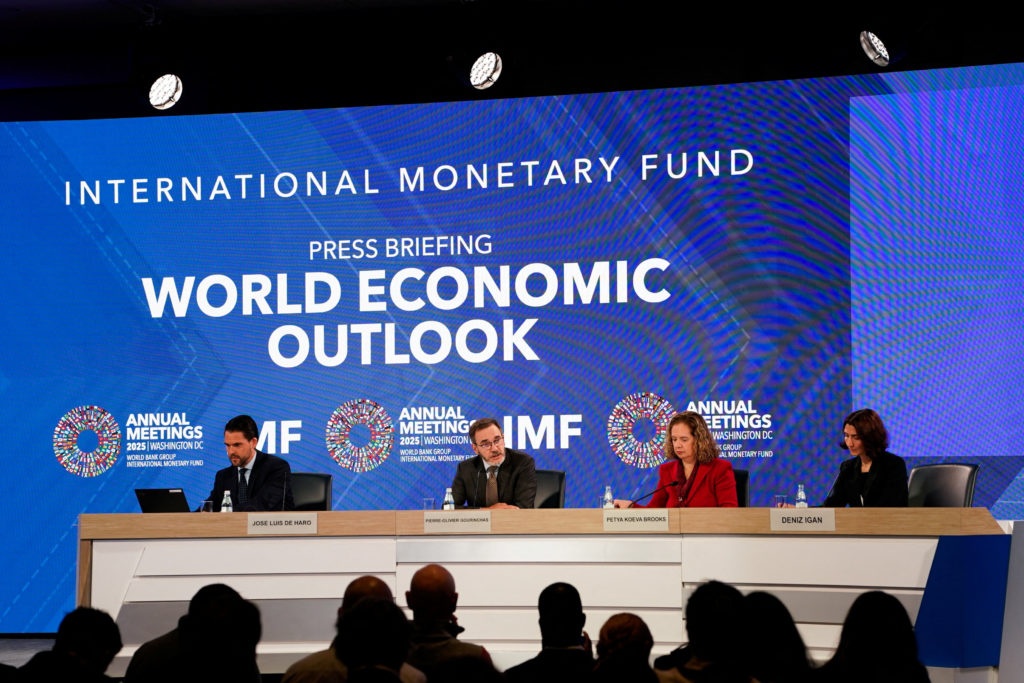
The International Monetary Fund (IMF) suggests that the current investment surge in artificial intelligence (AI) in the U.S. may resemble the dot-com bubble of the early 2000s, with a risk of a market correction. The IMF's chief economist, Pierre-Olivier Gourinchas, states that while this could negatively affect some investors, it likely won't lead to a broader economic crisis. Current AI investments are smaller than those during the dot-com era and are mainly funded by cash-rich tech companies rather than debt.
Key Facts
The IMF warns that the AI investment boom in the U.S. could be similar to the dot-com bubble and might burst.
Pierre-Olivier Gourinchas, the IMF's chief economist, believes this won't cause a severe economic downturn.
Unlike the dot-com era, AI investments are not largely funded by debt.
Tech companies are heavily investing in AI infrastructure, such as data centers and computing power.
The scale of AI investment has increased less than 0.4% of the U.S. GDP since 2022, compared to 1.2% during the dot-com rise.
An AI market correction could still affect market sentiment and asset pricing.
Current AI-driven economic growth does not show corresponding productivity gains.
IMF’s latest outlook also expects a slower than previously projected decrease in U.S. inflation rates for 2025 and 2026.
Read the Original
Want the full story? Tap a source to open the original
article.
General Motors will face a $1.6 billion financial hit in the next quarter as tax incentives for electric vehicles (EVs) are reduced, and emission rules are relaxed by the U.S. government. This change coincides with President Trump's policies that reduce pressure on automakers to produce electric cars. GM will incur charges related to EV production adjustments but maintains that its current EV models will still be available for consumers.
Key Facts
General Motors expects a $1.6 billion impact in the next quarter due to changes in tax incentives and emission rules.
Last month, the $7,500 credit for new EVs and up to $4,000 for used ones ended in the U.S.
The Environmental Protection Agency is easing rules on auto emissions as per President Trump's policies.
GM will book $1.2 billion in non-cash charges for EV capacity adjustments and $400 million mostly for contract cancellations.
Current Chevrolet, GMC, and Cadillac EV models will still be sold.
GM had announced a $27 billion investment for EVs and autonomous vehicles by 2025 and aims for most factories in North America and China to produce EVs by 2030.
Competition from Chinese EV automaker BYD is increasing, as their sales rose by 31% early in the year.
Read the Original
Want the full story? Tap a source to open the original
article.
The International Monetary Fund (IMF) has updated its forecast, predicting the U.S. economy will grow slightly more than expected due to tariffs having less impact for now. However, the IMF warns that ongoing trade disputes and tariffs, particularly those involving China, still pose risks to the economy. The U.S. is expected to grow by 2% in 2025, with potential growth attributed to investments in artificial intelligence.
Key Facts
The IMF predicts the U.S. economy will grow 2% in 2025, slightly up from previous forecasts.
Global economic growth is projected at 3.2% this year, an increase from earlier estimates.
Ongoing tariffs and trade tensions, particularly between the U.S. and China, pose risks to economic stability.
Investment in artificial intelligence, such as data centers and advanced computing, is supporting U.S. economic growth.
The prospect of a financial market bubble in tech investments could slow down growth if it bursts.
Many U.S. companies preemptively imported goods to avoid or delay the impact of tariffs.
Importers and retailers in the U.S. are absorbing many tariff costs, which may eventually increase consumer prices.
Despite some initial fears, the impact of tariffs has been smaller due to trade deals, exemptions, and adaptable supply chains.
Read the Original
Want the full story? Tap a source to open the original
article.
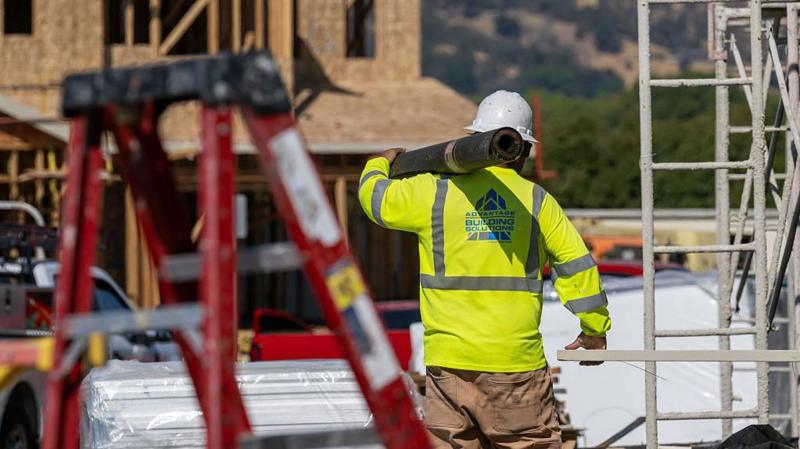
Tariffs on imported kitchen cabinets, bathroom vanities, and certain types of upholstered furniture in the U.S. have taken effect. These tariffs are intended to boost domestic production, but some small businesses are concerned about potential negative impacts on pricing and consumer behavior. President Trump cited national security and foreign trade practices as reasons for imposing these tariffs.
Key Facts
New U.S. tariffs on imported kitchen cabinets, bathroom vanities, and upholstered furniture began on a recent Tuesday.
The tariffs are 25% until the end of the year and will increase to 50% on January 1 for cabinets and vanities.
Upholstered chairs, seats, and sofas face a 25% tariff, set to rise to 30% on January 1.
President Trump cited national security and foreign trade practices as reasons for these tariffs.
The tariffs include a 10% tax on softwood timber and lumber, primarily affecting imports from Canada.
Some countries, like the U.K., E.U., and Japan, have lower tariff rates on their exports to the U.S.
The American Kitchen Cabinet Alliance and other groups lobbied for these tariffs, aiming to reduce cheap imports from countries like Vietnam, Malaysia, and China.
The tariffs could add about $280 to the average cost of building a single-family home.
Read the Original
Want the full story? Tap a source to open the original
article.
UnitedHealthcare and Ascension Wisconsin reached a multiyear agreement that keeps Ascension in-network for UnitedHealthcare patients. This agreement covers various health plans, including employer-sponsored, Medicare Advantage, and Medicaid plans, ensuring patients' continued access to Ascension's services in Wisconsin. The deal is effective immediately and retroactively covers any coverage gaps.
Key Facts
UnitedHealthcare and Ascension Wisconsin have reached a long-term deal.
Ascension hospitals stay in UnitedHealthcare's network for Wisconsin patients.
The agreement includes employer-sponsored, individual, Medicare Advantage, and Medicaid plans.
The deal was reached after negotiations failed to meet an October 1 deadline.
It ensures no interruption in coverage for more than 1.7 million UnitedHealthcare members in Wisconsin.
Ascension is a nonprofit Catholic health system with facilities in 16 states.
UnitedHealthcare is also negotiating with Michigan's Bronson Healthcare regarding network agreements.
The new agreement is meant to be affordable for both consumers and employers.
Read the Original
Want the full story? Tap a source to open the original
article.
The Dutch government has taken control of the semiconductor company Nexperia, owned by Chinese company Wingtech Technology. This action is due to concerns about management issues and the importance of maintaining access to semiconductor technology in Europe. Nexperia's operations will continue, but the government can stop or change business decisions if needed.
Key Facts
The Netherlands used the Goods Availability Act to take control of Nexperia, a semiconductor manufacturer.
The act allows intervention in private companies if there's a threat to economic security or if it's necessary to keep critical goods available.
The Dutch Enterprise Chamber found issues with Nexperia's management under former CEO Zhang Xuezheng.
The government wants to ensure that Nexperia’s products continue to be available during emergencies.
Nexperia has offices and factories in Europe, Asia, and the U.S., and it employs approximately 12,500 people.
The company can make over 50 billion components annually.
Zhang Xuezheng has been removed as CEO, and Stegan Tilger is now interim CEO.
Nexperia was bought by Wingtech Technology in 2018 for $3.63 billion.
Read the Original
Want the full story? Tap a source to open the original
article.
Walmart is teaming up with the AI company OpenAI to allow customers to shop directly through ChatGPT, an artificial intelligence program. This partnership aims to simplify the shopping process, making it easier and more convenient for customers to buy products.
Key Facts
Walmart is partnering with OpenAI to enhance shopping experiences.
Customers will soon be able to use ChatGPT for instant checkout when buying items in Walmart stores.
The partnership aims to make shopping more convenient by reducing friction and enhancing customer experiences.
Walmart has over 10,000 stores in 19 countries.
The AI integration also ties into Walmart's efforts to improve other services, such as translation features and car maintenance.
Walmart has not announced when the new AI features will be fully available in stores.
Doug McMillon, Walmart CEO, stated this partnership heralds a more interactive and personalized shopping experience.
Sam Altman, CEO of OpenAI, expressed enthusiasm for making everyday purchases easier through AI.
Read the Original
Want the full story? Tap a source to open the original
article.
The International Monetary Fund (IMF) predicts that the UK's economy will grow faster than most G7 countries, except the United States, over the next two years. Growth in the UK is projected at 1.3% for both years, with inflation expected to rise significantly in 2025 and 2026. The IMF also highlighted potential economic risks, such as the impact of tariffs and uncertainties in the tech industry.
Key Facts
The UK is expected to be the second-fastest-growing G7 economy in 2023 and 2024, behind the US.
The UK's economic growth is projected at 1.3% for both years.
Inflation in the UK is expected to increase, reaching the highest in the G7 by 2025 and 2026.
The IMF forecasts inflation to average 3.4% in 2023 and 2.5% in 2026 but fall to 2% by the end of 2024.
The G7 includes the US, UK, France, Germany, Italy, Canada, and Japan, excluding fast-growing economies like China and India.
The UK moved ahead of Canada in the IMF forecast due to Canada's economic challenges.
The IMF mentioned possible global economic risks, including the effects of tariffs on US imports and uncertainties surrounding AI technology.
Read the Original
Want the full story? Tap a source to open the original
article.
President Donald Trump has introduced new U.S. tariffs on imported kitchen cabinets, lumber, and certain furniture. A 10% tariff on softwood lumber and timber and a 25% tariff on kitchen cabinets and vanities, rising to 50% in 2022, have come into effect. The tariff increases aim to protect U.S. manufacturers but may lead to higher prices for consumers.
Key Facts
New tariffs include 10% on softwood lumber and timber, and 25% on kitchen cabinets and vanities.
By January 1, 2022, the tariff on cabinets and vanities will rise to 50%.
A 25% tariff on upholstered wooden furniture will increase to 30% unless new deals are made.
The tariffs aim to protect U.S. manufacturing and address national security concerns.
There is a longstanding trade dispute with Canada over softwood lumber.
Tariffs are likely to increase housing and renovation costs in the U.S.
Retailers may raise prices due to increased import costs.
Ikea and other companies are closely observing the impact of these tariffs on their business.
Read the Original
Want the full story? Tap a source to open the original
article.
Taylor Swift's album "The Life of a Showgirl" debuted as a major success on the charts. The album sold 4.002 million units in its first week, with a significant portion, 1.334 million copies, sold on vinyl. This vinyl sales figure represents a notable share of total U.S. vinyl sales for the year.
Key Facts
Taylor Swift released her album "The Life of a Showgirl" on October 3.
The album sold 4.002 million "equivalent album units" in its first week.
It debuted at No. 1 on the Billboard albums chart.
All 12 of the album's songs entered the Hot 100 singles chart, filling the Top 10.
The album sold 1.334 million vinyl copies in the first week.
This vinyl sale makes up about 3.3% of the total U.S. vinyl sales for the year.
Swift's vinyl sales surpass those of other pop artists like Bad Bunny and Morgan Wallen.
If each vinyl LP sold for $29.99, sales would exceed $40 million.
Read the Original
Want the full story? Tap a source to open the original
article.
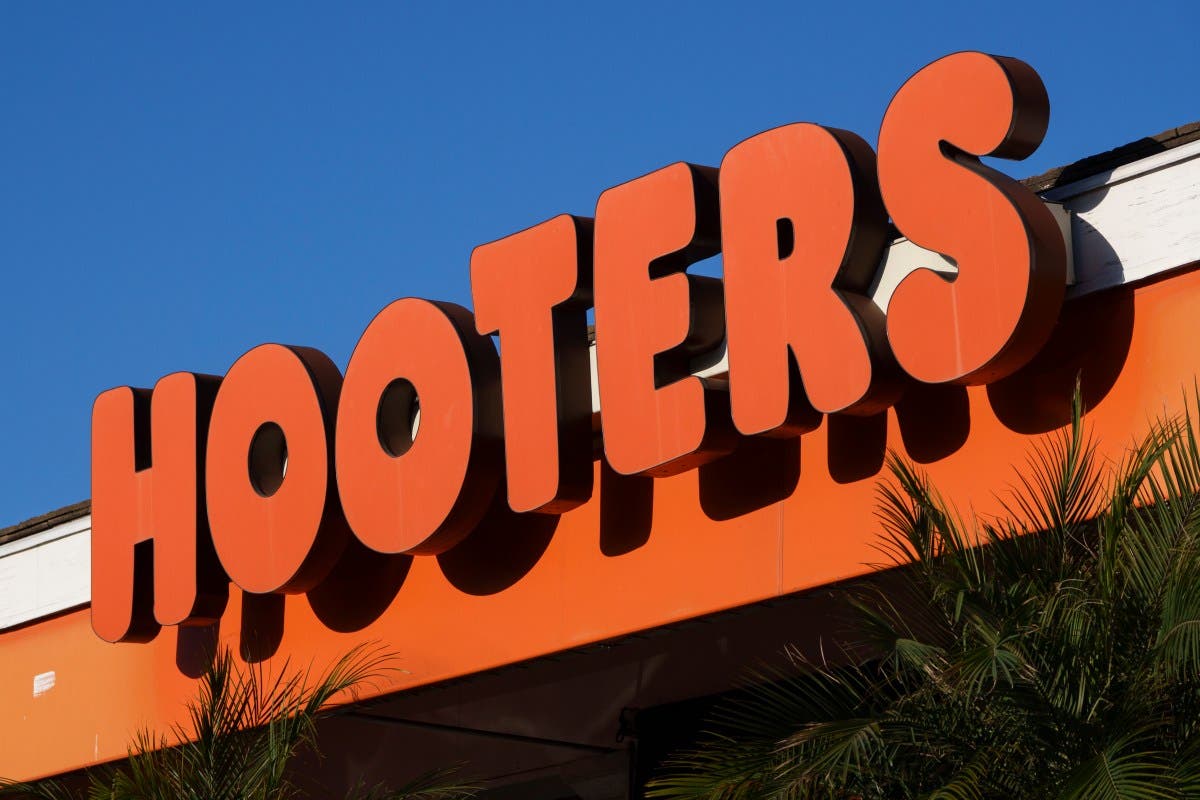
The original founders of the Hooters restaurant chain have regained full ownership of the brand. They plan to focus on updating menus and remodeling restaurants to attract more customers. This change follows the financial struggles of the previous ownership, which filed for bankruptcy earlier this year.
Key Facts
The founders of Hooters have taken back ownership of the brand.
Hooters plans to update its menu with fresher ingredients and renovate restaurants.
The signature uniforms, known for their distinctive orange and white colors, will return.
Hooters of America previously filed for bankruptcy with $376 million in debt.
The chain has closed over 40 restaurants in recent years but plans to revive the brand by focusing on its core values.
The new ownership includes Hoot Owl Restaurants LLC, a major franchisee.
Hooters now owns about 130 out of 200 U.S. locations.
Read the Original
Want the full story? Tap a source to open the original
article.
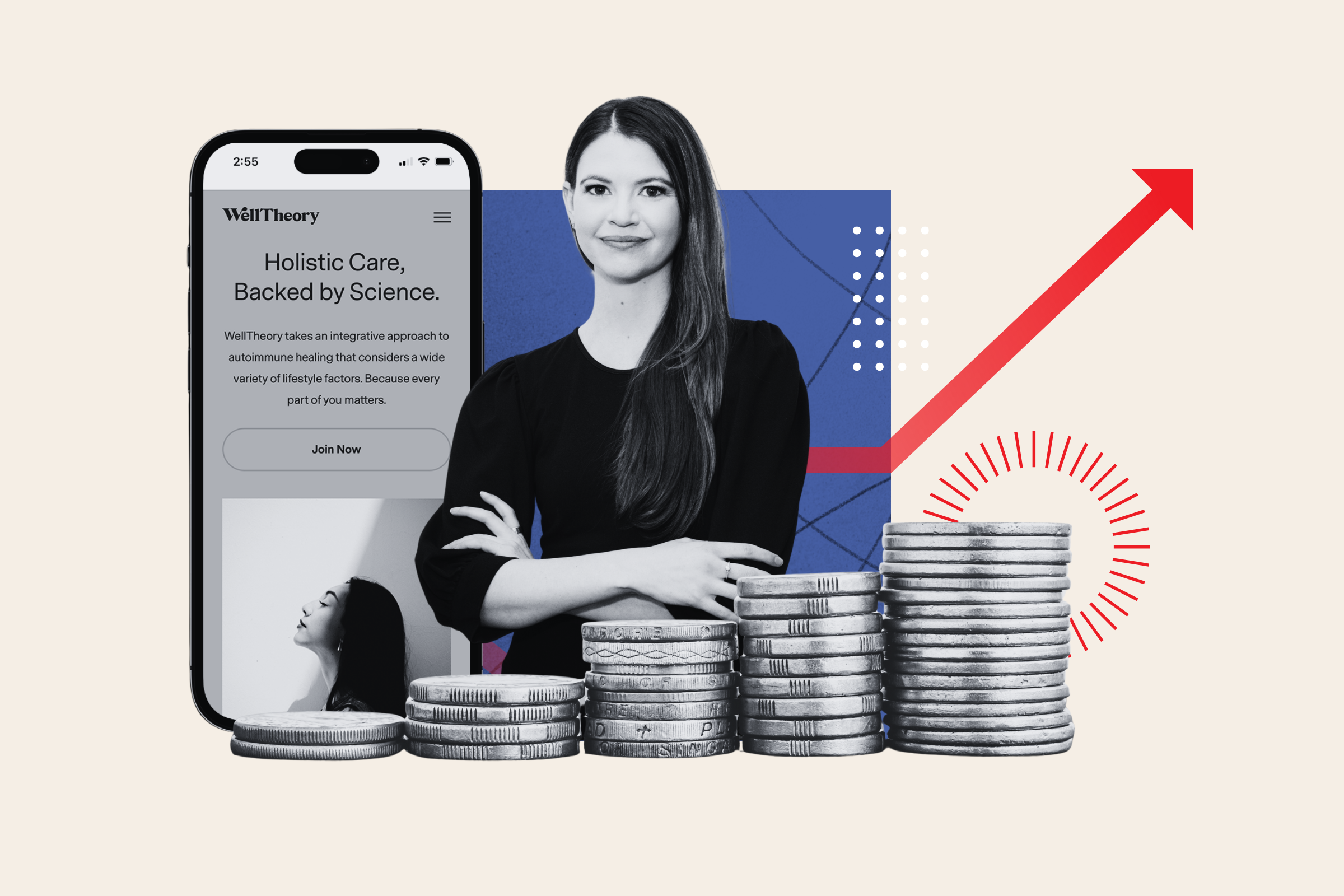
A company named WellTheory, which focuses on autoimmune care using artificial intelligence (AI), has raised an additional $14 million from investors, reaching a total of $26.2 million. The recent funding round was led by General Catalyst and included backing from investors such as 7wire Ventures and Ingeborg Investments, all of which had female partners. This funding will help WellTheory grow commercially and develop its AI technology further.
Key Facts
WellTheory is a startup that uses AI to provide care for autoimmune diseases.
The company recently raised $14 million, bringing its total funding to $26.2 million.
The funding round was led by General Catalyst, and all investors involved had female partners.
WellTheory plans to use the new funds to grow its business and advance its AI technology.
Ellen Rudolph, who founded WellTheory, has personal experience with autoimmune disease.
The company already partners with large employers and health plans to offer its services.
More than 50 million Americans are affected by autoimmune diseases.
Diagnosing autoimmune diseases can take over four years and consultations with multiple doctors.
Read the Original
Want the full story? Tap a source to open the original
article.
American soya bean farmers are facing financial challenges due to a trade dispute between the United States and China. China, which used to buy a lot of US soya beans, has reduced its purchases significantly after President Trump imposed tariffs on Chinese imports, leading to higher Chinese tariffs on US products. This has caused soya bean prices to drop and increased competition from other countries.
Key Facts
The US has seen a reduction in soya bean exports to China, their biggest buyer, by over 50% this year.
Soya bean prices in the US have decreased by about 40% compared to three years ago.
China imposed a 20% tariff on US soya beans after US tariffs on Chinese goods.
Argentina has made its soya beans more appealing to China by suspending its export tax.
President Trump promised to use tariff revenues to support US farmers but has not provided specifics.
Farm bankruptcies in the US increased by about 50% this year compared to 2024.
Costs for farming supplies have risen as a result of the tariffs.
US farmers are under more financial pressure due to these trade issues.
Read the Original
Want the full story? Tap a source to open the original
article.
The 2025 Nobel Prize in Economic Sciences was awarded to Joel Mokyr, Philippe Aghion, and Peter Howitt for their work on understanding how technology drives economic growth. Mokyr's research focuses on why Britain led the Industrial Revolution, attributing it to the country's unique application of Enlightenment ideas and its open economic and political environment.
Key Facts
Joel Mokyr, Philippe Aghion, and Peter Howitt won the 2025 Nobel Prize in Economic Sciences.
Mokyr's research explains why Britain was the first to lead the Industrial Revolution.
His work highlights Britain's embrace of science, technology, and Enlightenment ideas.
A crucial factor was Brits turning scientific ideas into practical economic use.
Britain had a skilled class of workers ready to apply new technologies.
The British Parliament supported the changes that disrupted traditional systems.
Mokyr believes these elements helped elevate Britain's economy beyond stagnation.
Read the Original
Want the full story? Tap a source to open the original
article.
Wage growth in the UK slowed down slightly over the summer months, while unemployment rose a little. The Office for National Statistics (ONS) reported that the average earnings growth was 4.7% in the three months to August, compared to 4.8% in the previous period.
Key Facts
Wage growth in the UK was 4.7% from June to August 2023.
This was a small decrease from a previous growth rate of 4.8%.
UK unemployment rose to 4.8% in August, up from 4.7% in July.
The ONS advised caution when interpreting the unemployment data and is working to improve data quality.
Private sector earnings growth was the lowest in four years but still exceeded inflation.
Annual earnings growth, adjusting for inflation, was 0.6% for regular pay and 0.8% when including bonuses.
Read the Original
Want the full story? Tap a source to open the original
article.
China has set new rules to limit the export of rare-earth elements, which are important materials used in many technologies. The U.S. is taking steps to reduce its dependence on these materials from China by increasing its own production and working with other countries. President Trump and his administration have made efforts to strengthen the U.S. rare-earth supply chain, viewing it as a national security priority.
Key Facts
China announced restrictions on exporting rare-earth elements and technology related to their processing.
Rare-earths are a group of 17 metals used in technologies like electric cars and radar systems.
China produces more than two-thirds of the world's rare-earth elements.
The U.S. Pentagon has invested $400 million in MP Materials to boost American rare-earth production.
President Trump signed an order to speed up U.S. mining projects and opened more federal lands for mineral production.
The Pentagon is funding Lynas Rare Earths to expand rare-earth refining in Texas.
A review by President Biden highlighted weaknesses in U.S. mineral supply chains and suggested partnering with other countries.
Read the Original
Want the full story? Tap a source to open the original
article.
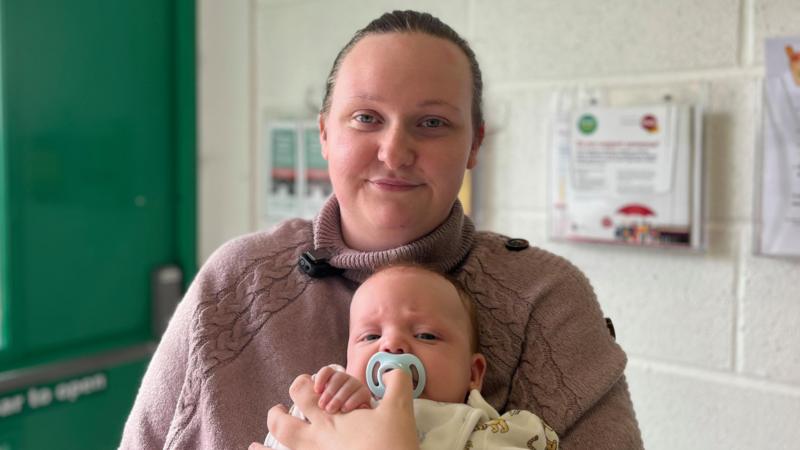
Families in the UK are struggling with high energy bills, causing some to resort to cold showers and borrowing money. Energy prices are set to rise further, and efforts are being made to help those affected, but many families still face financial difficulties. The energy regulator Ofgem is working on ways to address these issues and provide support.
Key Facts
Energy prices in the UK are rising, and an average household will pay £1,755 a year, which is £35 more than before.
Families like Bethany Walker's are avoiding using hot water to save on energy bills.
The energy charity Severn Wye warns the situation may worsen as bills continue to rise.
Ofgem is implementing plans to manage increasing consumer debt and support households.
Bethany Walker's family is borrowing money from her parents to pay energy bills as they do not qualify for government support.
Twice as many households will receive a £150 reduction on their energy bills this winter under a government program.
Severn Wye expects more people will need their services for energy advice and debt support due to accumulating debt.
Hayley Huntley, another resident, faces high energy bills and must decide between essential expenses for her family of six.
Read the Original
Want the full story? Tap a source to open the original
article.
Business leaders and Hispanic groups are urging changes to immigration policies to address labor shortages in key industries. They want long-term immigrant workers to get legal work permits. The call comes as President Trump's administration steps up immigration enforcement.
Key Facts
Business leaders and Hispanic advocacy groups want policy changes for immigrant workers to get legal work permits.
Industries like construction, hospitality, agriculture, and health care are facing challenges in finding workers.
President Trump's administration is increasing efforts to enforce immigration laws, affecting the workforce.
The H-2B visa program helps fill temporary jobs when there are not enough American workers.
Massey Villarreal from Comité de 100 emphasizes the economic contributions of immigrant workers.
The American Immigration Council estimates mass deportation costs could reach up to $315 billion.
In Berks County, PA, 23% of residents are Hispanic, highlighting immigration policy impacts.
Local business leaders say legal work permits are essential to fill critical jobs and support the economy.
Read the Original
Want the full story? Tap a source to open the original
article.
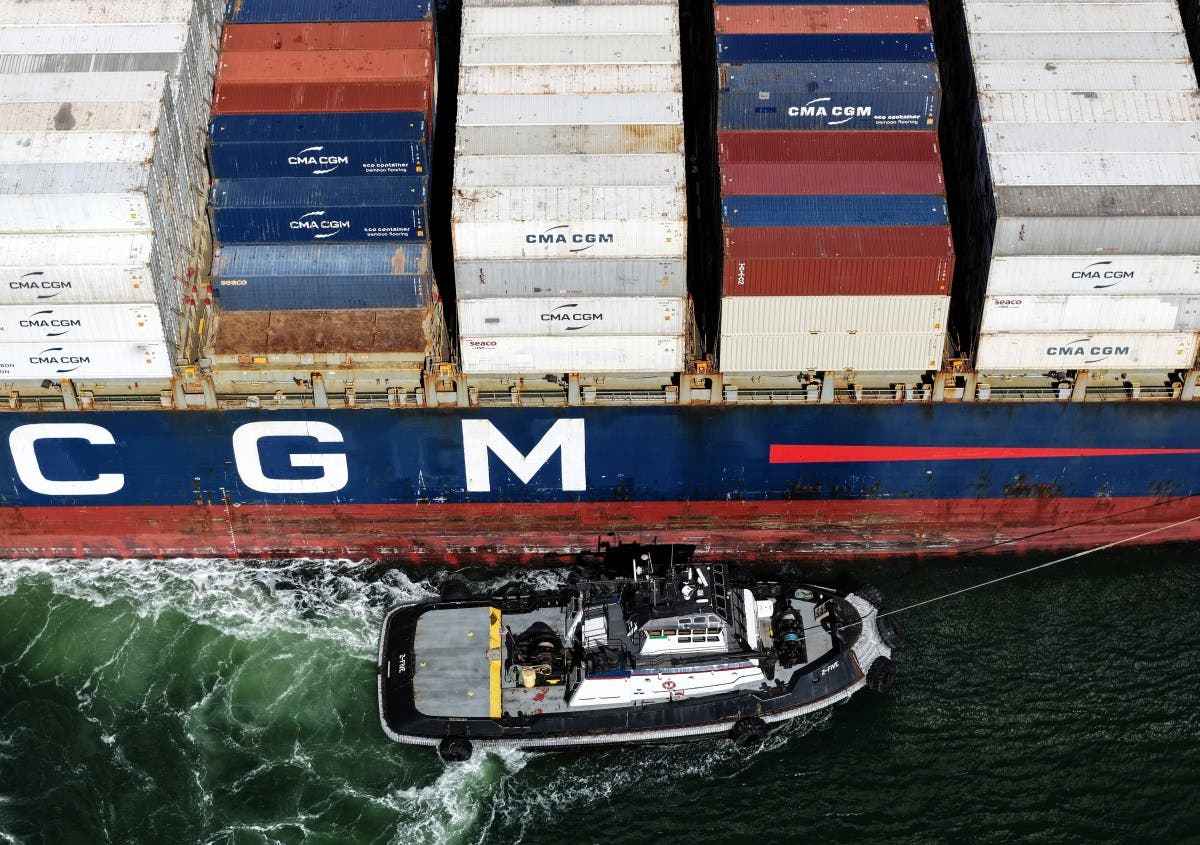
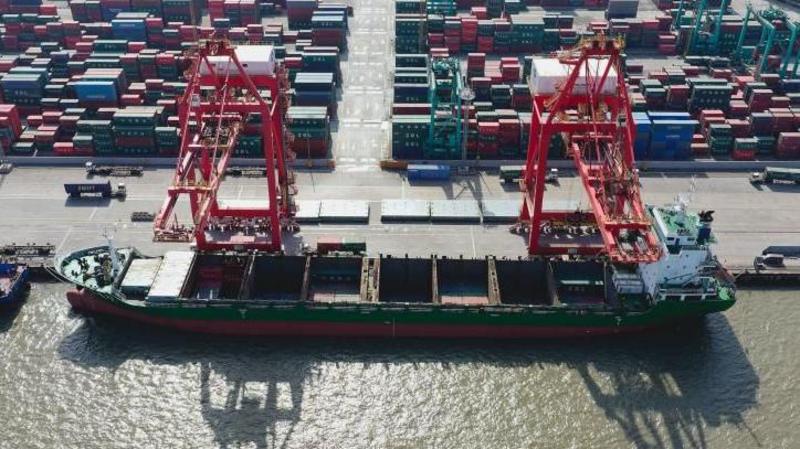
Trade tensions between the US and China are rising as China starts new fees on US ships entering its ports. This action follows the US plan to begin charging fees on Chinese ships. Both countries are engaging in these measures as they continue negotiations to reduce trade tensions.
Key Facts
China started charging fees on US-owned, operated, built, or flagged ships entering Chinese ports.
The new Chinese fees are a response to US plans to charge fees on Chinese ships starting October 14.
President Trump has threatened an additional 100% tariff on Chinese goods.
New US tariffs on certain products like timber and furniture, mainly from China, took effect.
US Treasury Secretary Scott Bessent mentioned that President Trump and President Xi are expected to meet in South Korea to discuss these issues.
China's government says the US duties on its ships are against a previous maritime agreement.
Both countries had earlier agreed to drop high tariffs, but the US kept a 30% tariff on Chinese goods while Chinese tariffs stayed at 10%.
Read the Original
Want the full story? Tap a source to open the original
article.