The cost of travel in the United States has risen by 20% since 2019. This increase is due to higher prices for gas, hotels, and food, which limits the amount of money people have left to spend on vacations. As a result, many Americans are changing their travel plans, opting for fewer or less expensive trips.
Key Facts
U.S. travel costs have increased by 20% since August 2019.
Higher prices for gas, hotels, and food contribute to this increase.
Restaurant food and drink prices have gone up over 30% since the pandemic.
Rising overall costs, including housing and groceries, reduce discretionary spending.
A market divide shows luxury travel doing well, while lower-income travelers feel the pinch.
Many Americans report cutting back on travel or choosing less expensive destinations.
In an NPR survey, people mentioned difficulty affording travel due to rising living costs.
Read the Original
Want the full story? Tap a source to open the original
article.
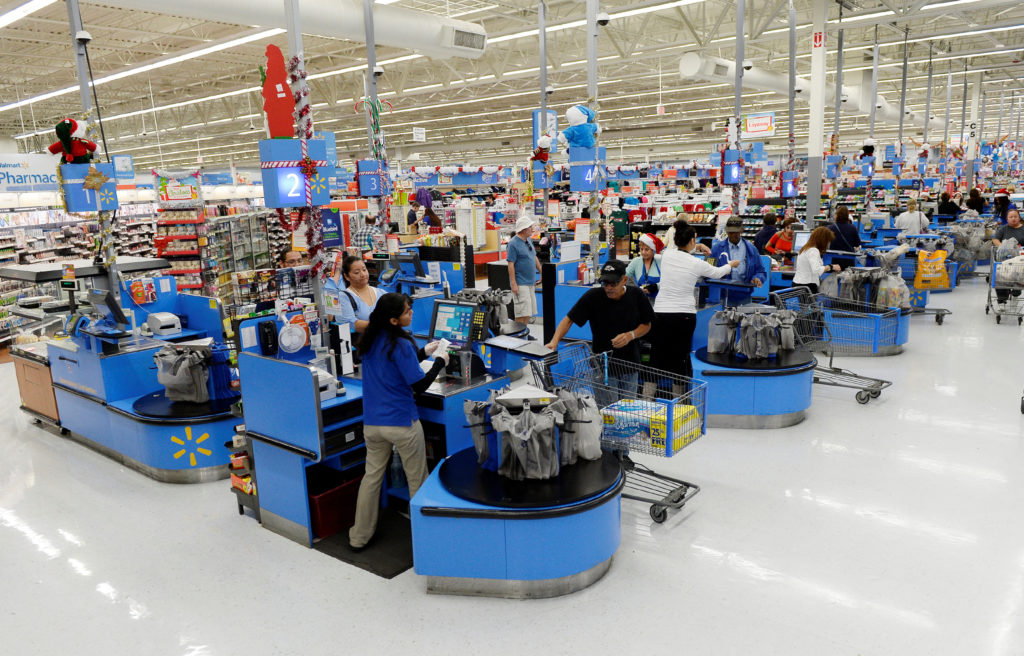
American retailers are expecting a challenging holiday season due to financial pressures, tariffs, and inflation, which affect consumer spending. Economic forecasts predict a slow increase in holiday sales compared to previous years, and businesses are adapting by managing inventories and pricing strategies. Tariffs and other economic stressors are leading companies to expect reduced spending and shifts in consumer behavior.
Key Facts
Shoppers plan to spend 5.3% less this holiday season compared to the previous year.
Sales from November to January are projected to grow by only 2.9% to 3.4%, the slowest since the pandemic.
Inflation is causing higher prices, meaning spending increases are not due to more shopping activity.
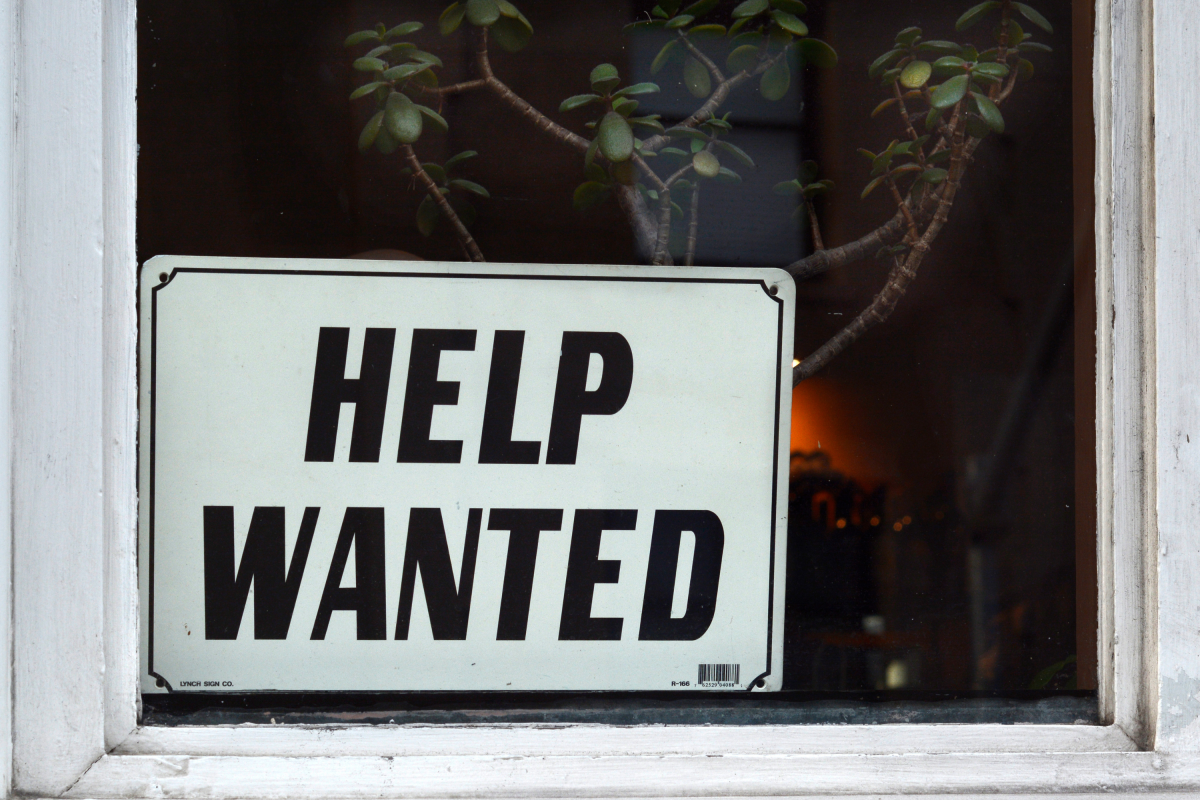
The job market shows signs of weakness, with high layoffs and open positions.
Consumers are more budget-conscious due to high inflation, tariffs, and debt.
Businesses face challenges from tariffs impacting their holiday margins, leading them to adjust imports and inventories.
Companies like Flora and 4Knines are scaling back sales forecasts and noting changes in consumer behavior, such as longer decision times for large purchases.
The National Retail Federation expects a 20.1% drop in imports by December due to these economic pressures.
Read the Original
Want the full story? Tap a source to open the original
article.
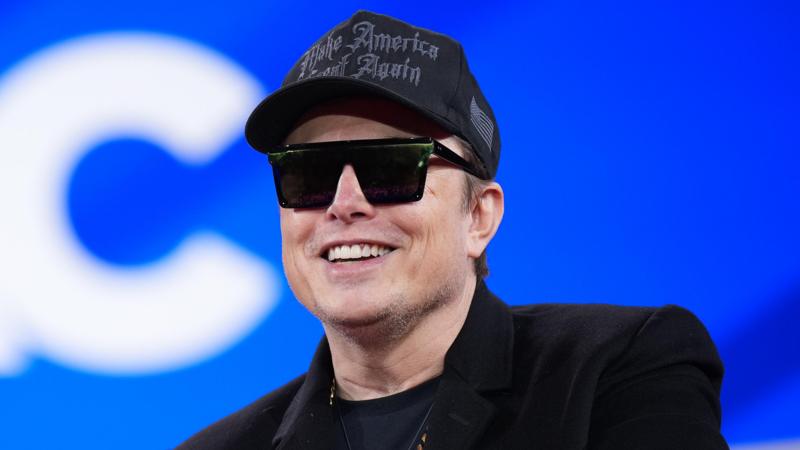
Elon Musk is the first person to have a net worth of over $500 billion, mainly due to the rising value of Tesla and his other companies. His wealth increased this year as shares in these companies, like Tesla and SpaceX, saw growth.
Key Facts
Elon Musk's net worth briefly reached over $500 billion.
Tesla shares have risen more than 14% this year.
Musk owns over 12% of Tesla, contributing significantly to his wealth.
Other ventures, including SpaceX and the AI startup xAI, also increased in value.
Musk faced earlier criticism for his role in a government group under the Trump administration.
Musk purchased about $1 billion worth of Tesla shares recently.
Tesla faces strong competition from other electric car companies like China's BYD.
Tesla is working on expanding into AI and robotics.
Read the Original
Want the full story? Tap a source to open the original
article.
The Caribbean faces financial concerns during hurricane season, as many residents find home insurance too expensive. Since hurricanes, earthquakes, and volcanoes are common, the insurance premiums in the region are high, making insurance coverage less accessible.
Key Facts
Home insurance costs have increased up to 40% in some Caribbean islands over the past two years.
Many Caribbean homes, especially in hurricane-prone areas, remain uninsured due to high premiums.
Insurance coverage is low: in Jamaica only 20% of homes are insured and about 50% in Barbados.
The Atlantic hurricane season runs from June to November, with peak activity from mid-August to mid-October.
The high cost of insurance is due to the increasing risk of natural disasters and the small population size, which offers low returns for insurance companies.
Caribbean islands like Antigua and Barbuda are among the most at risk during hurricane season.
Some Caribbean nations, such as Turks and Caicos, have emergency funds for post-storm recovery, but others, like Antigua, do not.
Read the Original
Want the full story? Tap a source to open the original
article.
Nadine Fallone won nearly £65,000 at an employment tribunal for unfair treatment, but she still hasn't received the money over a year later. A government scheme exists to enforce tribunal payments, but three-quarters of cases using the scheme remain unpaid. Despite penalties issued to employers, few payments have been made, and no employers have been publicly named for non-payment.
Key Facts
Nadine Fallone was awarded nearly £65,000 by a tribunal for unfair dismissal and detrimental treatment.
More than a year after winning, Nadine has not received the payment due.
Peckham Levels Ltd, the company involved, went into administration, complicating payment recovery.
A government scheme offers penalties for companies that don't pay tribunal awards in 28 days.
Out of about 7,000 cases using the scheme, more than 5,000 remain unpaid.
Over 4,800 financial penalties have been issued, but only 109 are recorded as paid.
The government has yet to name any employers publicly for non-payment, despite many requests.
Similar issues are faced by Rosie Davies, who also has not received her tribunal award after 18 months.
Read the Original
Want the full story? Tap a source to open the original
article.
PPE Medpro, a company associated with Michelle Mone, has been ordered to pay £122 million in damages. The issue involves a fine related to the supply of personal protective equipment (PPE).
Key Facts
PPE Medpro must pay £122 million in damages.
The case involves PPE, which stands for personal protective equipment.
Michelle Mone is a person associated with PPE Medpro.
The situation concerns a legal matter involving a financial penalty.
The information was released on October 1, 2025.
Read the Original
Want the full story? Tap a source to open the original
article.
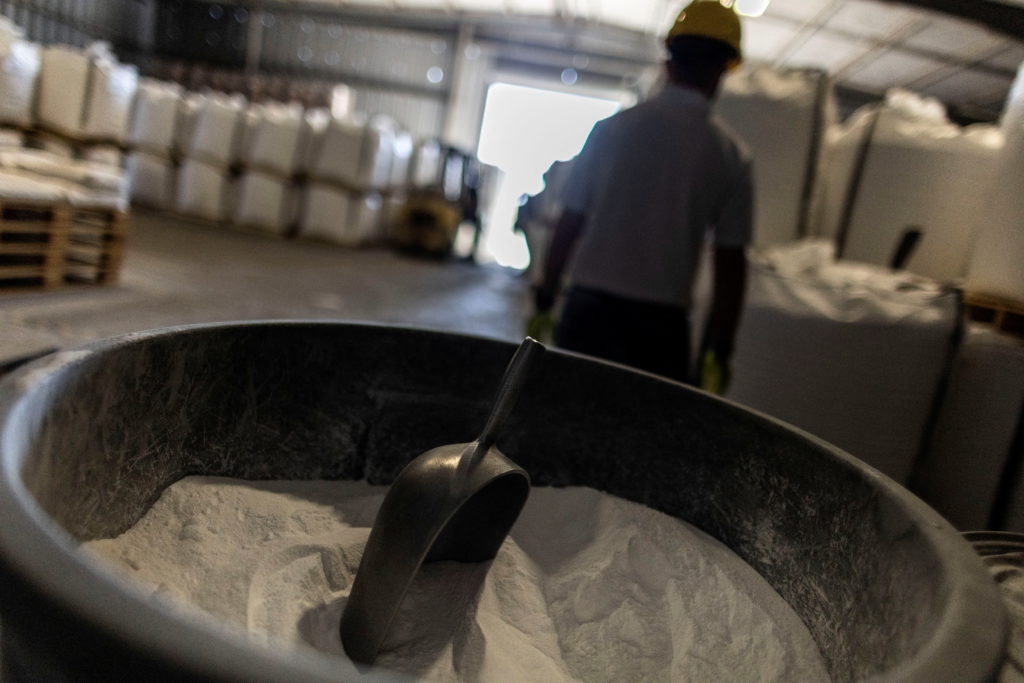
The meat production industry in the U.S. relies heavily on immigrant workers, a trend that started about 50 years ago. This shift happened as labor unions lost influence and wages went down. A city in Minnesota experienced a significant strike 40 years ago that highlights these changes.
Key Facts
The U.S. meat production industry depends greatly on immigrant workers.
This reliance on immigrant labor started around 50 years ago.
The influence of labor unions has decreased over the years.
Wages in the livestock and meat production industry have gone down.
A Minnesota community was the site of an important strike 40 years ago.
The strike is seen as an example of the changes in labor dynamics.
Read the Original
Want the full story? Tap a source to open the original
article.
The U.S. government is buying a 5% share of Lithium Americas, a company developing a large lithium mine in Nevada. This is part of a move to reduce reliance on China for lithium needed for batteries in technology and electric vehicles. The project is supported by both major political parties in the U.S.
Key Facts
The U.S. Department of Energy is buying a 5% share in Lithium Americas.
Lithium Americas is working on a major lithium mining project called Thacker Pass in Nevada.
The Thacker Pass project is a joint effort with General Motors.
The U.S. aims to reduce its dependence on China for lithium, which is crucial for batteries used in electronics and electric vehicles.
The first phase of Thacker Pass is expected to produce 40,000 tonnes of lithium carbonate annually, enough for 800,000 electric vehicles.
The U.S. government has pledged $435 million in federal loans to support this project, with some debt service deferred for five years.
General Motors has committed over $900 million to help develop Thacker Pass.
The U.S. currently produces less than 1% of the global lithium supply.
Read the Original
Want the full story? Tap a source to open the original
article.
Walmart will remove synthetic dyes and other additives from its private-label foods in the U.S. by January 2027. This decision is part of a broader movement by companies responding to government pressure to make food healthier. The change will start to be visible in various products in the coming months.
Key Facts
Walmart plans to phase out synthetic dyes in its private-label food brands by January 2027.
Other ingredients, like artificial sweeteners and preservatives, will also be removed.
The move is influenced by government pressure to reduce harmful food additives.
Health officials link these additives to issues like childhood obesity and mental health problems.
Most of Walmart’s private-label foods are currently free of synthetic dyes.
Reformulated products will begin to be available in the coming months.
The decision aligns with consumer demand for healthier and simpler ingredients.
After the announcement, Walmart’s stock fell by more than 1.9 percent.
Read the Original
Want the full story? Tap a source to open the original
article.
Northern Ireland-born designer Jonathan Anderson presented his first women's collection for Dior at Paris Fashion Week. The show drew many celebrities, including actors and musicians, and received positive reviews. Anderson is now the first designer to lead both the women's and men's lines at Dior, a major global fashion brand.
Key Facts
Jonathan Anderson debuted his first women's ready-to-wear Dior collection at Paris Fashion Week.
Actors Johnny Depp and Jennifer Lawrence attended the show, as well as K-Pop stars Jimin and Jisoo.
Anderson is from Magherafelt, County Londonderry, and was appointed to lead both women's and men's lines at Dior earlier this year.
Dior is known for its long history and iconic fashion designs.
Vogue Magazine described Anderson's work as a "daring new Dior."
The Independent praised the collection for its mix of romance and freshness.
Jen Kelly, an Irish designer, highlighted Anderson's talent and potential influence on Dior's direction.
Anderson previously led another fashion brand, Loewe, and has his own label.
Read the Original
Want the full story? Tap a source to open the original
article.
Gold prices have reached record highs as the U.S. government experiences its first shutdown in nearly seven years. The economic uncertainty caused by the shutdown and trade issues has led to increased demand for gold as a "safe haven" investment. Other precious metals like silver have also seen significant price increases.
Key Facts
The price of gold in New York hit a record $3,858.45 per troy ounce on Tuesday.
Investors often buy gold during times of economic uncertainty as it is considered a "safe haven" asset.
Gold futures have increased by over 45% since the start of 2025.
Silver futures have risen by more than 59%, reaching nearly $48 per ounce.
The U.S. government shutdown could potentially affect 750,000 federal workers.
Tariffs imposed by President Trump have contributed to economic uncertainty and impacted businesses.
Wall Street has remained mostly unaffected by the shutdown so far, but Treasury yields dropped following a negative hiring report.
Analysts note that demand from central banks and geopolitical tensions also influence gold prices.
Read the Original
Want the full story? Tap a source to open the original
article.
Despite positive economic indicators like low unemployment and strong GDP growth, many Americans feel financially strained. Surveys show that public sentiment about the economy is negative, similar to past economic downturns. Factors such as rising prices for staple goods and stagnant wages contribute to this outlook.
Key Facts
Unemployment is low, but many Americans feel financially squeezed.
Consumer sentiment has fallen, with the University of Michigan Consumer Sentiment Index down 21.4% from the previous year.
The Conference Board's Consumer Confidence Index decreased to 94.2 in September.
Prices for essentials like ground beef, eggs, and coffee have significantly increased over the past year.
47% of people surveyed find it harder to afford groceries compared to last year.
The GDP grew at 3.8% in the second quarter, driven by tech investments.
The hiring rate is at its lowest in five years, despite low unemployment.
Stock market gains do not benefit everyone equally, affecting consumer sentiment.
Read the Original
Want the full story? Tap a source to open the original
article.
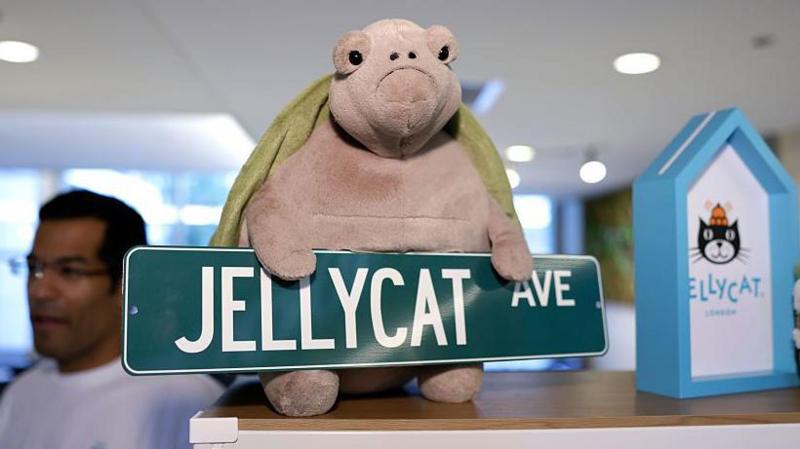
Toy maker Jellycat plans to pay its owners £110 million in dividends after doubling its annual profit in 2024. The company's profits increased from £67 million the previous year to £139 million, driven by the popularity of its cuddly toys sold worldwide.
Key Facts
Jellycat plans to pay £110 million in dividends to its owners.
The company's annual profit doubled to £139 million in 2024, up from £67 million in 2023.
Jellycat experienced a 66% increase in revenue, reaching £333 million for the year ending December 31, 2024.
The planned dividends represent a 75% increase from the previous year's £63 million payout.
Jellycat's success is attributed to its viral popularity on social media and a trend of adults buying toys for themselves.
The company operates in 80 countries and has seen strong demand for its products.
Jellycat offers pop-up experiences in cities like London, New York, and Paris, enhancing customer engagement.
Videos of these pop-up experiences have millions of views, effectively promoting the brand.
Read the Original
Want the full story? Tap a source to open the original
article.
The ADP jobs report shows that the U.S. private sector lost about 32,000 jobs in September. Some sectors like leisure and hospitality saw job losses, while others like education and health services gained jobs. This report has sparked criticism of President Trump, though experts caution that the ADP data may not be as reliable as the official BLS data.
Key Facts
The ADP report says the U.S. lost over 30,000 private sector jobs in September.
The report shows a drop from around 134,558,000 jobs in August to 134,526,000 in September.
Leisure and hospitality, and professional services saw the biggest job losses.
Education and health services sectors reported more job openings.
Some economists warn that ADP's numbers might not match official BLS data.
Critics of President Trump link the job losses to his policies, though experts caution against drawing conclusions without official data.
The government shutdown might delay the Bureau of Labor Statistics' official report.
Read the Original
Want the full story? Tap a source to open the original
article.
A new report from Bankrate reveals that one in six aspiring homebuyers has given up on purchasing a home due to high prices and unaffordable mortgage rates. The report highlights that many potential buyers, especially younger generations, feel priced out of the market, which affects overall homeownership rates. This trend has implications for wealth accumulation and the generational shift towards permanent renting.
Key Facts
16% of aspiring homebuyers have given up on buying a home in the last five years.
High home prices, low supply, and high mortgage rates are the main reasons for this trend.
28% of potential buyers cite local home prices as the most important factor in their decision not to buy.
Gen Z feels particularly priced out, with 54% believing older generations had better opportunities.
Millennials are the most likely to give up homebuying, with 22% unable to find affordable homes.
To afford a typical U.S. home, a household needs nearly $117,000 in annual income.
There is a risk of creating a generation of people who never own homes, which affects wealth accumulation.
Read the Original
Want the full story? Tap a source to open the original
article.
The U.S. government is obtaining a 5% stake in Lithium Americas, which is working on the Thacker Pass lithium mining project in Nevada. This move aims to reduce U.S. dependence on China for lithium, a key material for batteries in electric vehicles. The project is expected to produce enough lithium to support 800,000 electric vehicles annually.
Key Facts
The U.S. Department of Energy will take a 5% stake in Lithium Americas and the Thacker Pass project.
Thacker Pass is a joint venture with General Motors.
The project aims to decrease U.S. reliance on China for lithium, crucial for high-tech batteries.
In the first phase, Thacker Pass plans to produce 40,000 metric tons of lithium annually.
General Motors is investing over $900 million in Thacker Pass.
The deal includes a $435 million federal loan, with some debt service deferred for five years.
Lithium Americas' stock increased by over 30% after the announcement.
Read the Original
Want the full story? Tap a source to open the original
article.
In 2025, large corporate bankruptcies in the U.S. are rising, mainly due to inflation, high interest rates, and regulatory uncertainty. A report notes 32 mega bankruptcies—companies with over $1 billion in assets—occurred in one year, the highest on record since the pandemic began. Companies cite reduced demand and higher costs as key factors for Chapter 11 filings.
Key Facts
In 2025, the U.S. saw 32 mega bankruptcies, surpassing the two-decade average of 23.
17 mega bankruptcies took place in the first half of 2025.
Companies filing for bankruptcy often blame high inflation and interest rates.
Notable bankruptcies include firms in the healthcare and retail sectors, like Rite Aid.
Personal bankruptcies also increased by 11.8% compared to the previous year.
Policy uncertainty, especially in renewable energy and trade, affects corporate stability.
The retail chain At Home filed for bankruptcy citing tariff-related challenges.
117 bankruptcy filings involved companies with assets over $100 million in the past year.
Read the Original
Want the full story? Tap a source to open the original
article.
Walmart announced plans to remove artificial colors and other additives from its store brand products in the U.S. by January 2027. The change will affect about 1,000 products, including snacks and beverages, aiming to meet consumer demand for fewer additives. Walmart's initiative includes removing certain preservatives, sweeteners, and chemicals that have raised health concerns.
Key Facts
Walmart plans to eliminate artificial colors and other additives from store brands by January 2027.
The changes will affect about 1,000 products like snacks, baked goods, and drinks.
Walmart targets synthetic dyes, preservatives, and artificial sweeteners for removal.
Some additives, such as certain synthetic dyes, are already banned or not widely used in the U.S.
The initiative involves Walmart's Great Value, Marketside, and Freshness Guaranteed brands.
The move responds to consumer demand for cleaner labels on food products.
Other major companies, like Kraft Heinz and Nestle, are also removing synthetic dyes.
Health advocates have raised concerns about some of the additives Walmart plans to eliminate.
Read the Original
Want the full story? Tap a source to open the original
article.
Saudi Arabia's Public Investment Fund (PIF) plans to buy the gaming company Electronic Arts (EA) for $55 billion. PIF is investing along with partners Silver Lake and Affinity Partners. This acquisition is part of Saudi Arabia's efforts to expand its influence in the gaming industry.
Key Facts
Saudi Arabia's Public Investment Fund (PIF) leads a consortium to acquire Electronic Arts (EA) for $55 billion.
The consortium includes Silver Lake and Affinity Partners, led by Jared Kushner.
Saudi Arabia has invested in other areas, such as sports teams and events, drawing scrutiny related to their broader goals.
PIF previously owned about 9-10% of EA.
EA creates popular video games like Apex Legends, FIFA (now EA Sports FC), and The Sims.
The deal means EA will become a private company, with all public shares being bought.
The acquisition reflects Saudi Arabia's strategic move to control and influence the gaming industry.
Read the Original
Want the full story? Tap a source to open the original
article.
The BET Hip Hop Awards, a prominent event for the hip-hop community, has been suspended and removed from cable television, reportedly due to declining viewership. This change comes amid Paramount Global's sale to Skydance Media, which includes the elimination of diversity, equity, and inclusion (DEI) efforts. The suspension occurs during a shift in corporate focus away from DEI initiatives.
Key Facts
The BET Hip Hop Awards has been suspended and is no longer airing on cable TV.
The show's viewership dropped by nearly 50% in 2024, leading to its suspension.
Paramount Global, the parent company of BET, was sold to Skydance Media.
The sale agreement involved ending all DEI initiatives at Paramount.
DEI stands for diversity, equity, and inclusion, which are efforts to support representation and equal opportunities within companies.
BET's CEO described the change as a suspension, not a cancellation.
The merger was approved after Paramount settled a lawsuit for $16 million.
Read the Original
Want the full story? Tap a source to open the original
article.