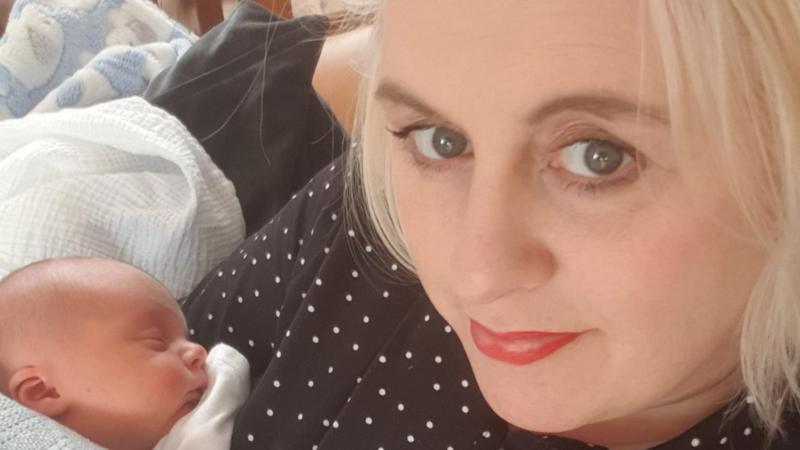
The UK Labour MP Michelle Welsh and baby loss charities have asked Meta, the owner of Facebook and Instagram, to meet families affected by pregnancy loss who keep seeing baby-related ads on these platforms. Meta acknowledged the issue and said it is working to improve how it shows ads to avoid upsetting users who have experienced miscarriage or stillbirth.
Key Facts
Families who lost babies reported seeing pregnancy and baby product ads on Facebook and Instagram after their loss.
Michelle Welsh, a Labour MP and new government maternity adviser, wrote to Meta on May 26 asking for a meeting and changes to ad targeting.
Meta admitted its ad systems are imperfect and said it is trying to improve ad sensitivity and accuracy.
The letter urging Meta to act is supported by several baby loss charities and medical organizations.
Many grieving parents feel these ads cause extra pain and distress after their baby loss.
Welsh has personal experience with maternity service problems and is part of a major NHS maternity review involving 2,500 families.
Some users tried blocking keywords or unfollowing pages, but still got targeted ads.
One mother started a petition with over 400 signatures demanding social media companies be held accountable for insensitive ad targeting.
Read the Original
Want the full story? Tap a source to open the original
article.
Dreams of Violets is a 75-minute drama about protests in Iran, created almost entirely using artificial intelligence (AI). Directed by Ash Koosha, it is the first fully AI-generated live-action feature accepted at a major film festival and was made quickly and inexpensively using AI tools.
Key Facts
Dreams of Violets tells a fictional story based on real events in Iran’s crackdown on protesters in January.
The film was made mostly with AI, including all images and characters.
The director, Ash Koosha, used descriptions of people he knew but avoided basing characters on real Iranians for safety reasons.
The film will premiere at the Tribeca film festival in New York.
This is the first fully AI-generated live-action film accepted at a major festival, marking a new step for AI in movies.
Koosha is also a tech entrepreneur and co-founder of an AI startup and studio specializing in AI-made films.
The film’s script was written by Koosha but refined with an AI language chatbot called Claude.
Koosha plans to use licensed real faces for characters in his next AI film, which could allow actors to sell their image rights separately.
Read the Original
Want the full story? Tap a source to open the original
article.
The article explains how many young people, especially Generation Z, fear being seen as "cringe," which means behaving in a way that others find embarrassing or awkward. This fear affects their willingness to express themselves online and in real life. The feeling of cringe comes from worrying about how others judge them on social media and in everyday interactions.
Key Facts
"Cringe" is a slang word that means feeling embarrassed for yourself or others.
Generation Z includes people born from the mid-1990s to early 2010s.
A poll found that over half of Generation Z avoid expressing themselves freely online because of fear of being cringe.
Fear of cringe also stops about 55% of Gen Z from opening up emotionally.
Mental health experts say cringe is a new kind of shame connected to social media pressure.
Cringe often comes from a lack of self-awareness or "trying too hard" in a way that seems awkward to others.
Older generations often appear cringe when they try to use youth slang or trends incorrectly.
The article features TikTok content and views on how cringe culture influences young people’s behavior.
Read the Original
Want the full story? Tap a source to open the original
article.
A senior academic at Western Sydney University used artificial intelligence (AI) to help write an opinion piece urging students not to use technology to avoid doing their own work. The Sydney Morning Herald removed the article after discovering it was fully written by AI, which broke the newspaper's rules about AI use in published stories.
Key Facts
Professor Cath Ellis from Western Sydney University wrote an opinion article warning students against using AI to skip learning.
The article was found to be 100% generated by AI when tested with an AI-detection tool.
Ellis used an AI tool called Copilot LLM, which summarized her own 40,000 words of material to produce the article's early drafts.
Western Sydney University said this use of AI was proper because it was based on Ellis’s original work and expertise.
The Sydney Morning Herald’s editorial policy allows AI only for initial research but not for writing published stories.
The newspaper removed the article after learning AI was used without informing them, calling it “unacceptable.”
There is growing concern about undisclosed AI use in media and education, with some incidents leading to article removals and job losses.
University graduation speakers supporting AI have recently been booed by students worried about AI replacing jobs.
Read the Original
Want the full story? Tap a source to open the original
article.
A recent report shows many people spend a large part of their phone time scrolling without a clear purpose. Experts say this habit is influenced by how technology is designed, making it hard to control, but noticing it is the first step to managing phone use better.
Key Facts
People in the UK spend on average four hours daily on their phones.
About 36% of this phone time happens without a clear goal, often called mindless scrolling.
Study participants sometimes feel worse after using their phones without intention.
Self-reported phone use can be unreliable and may not show the full picture.
Experts say technology design, like automatic notifications, encourages frequent phone checking.
Some people find scrolling relaxing or a way to connect, but it can leave others feeling unhappy later.
Turning off non-essential notifications can help reduce unwanted phone use.
The report, called Age of Autopilot, surveyed around 6,000 people aged 16 and over between 2024 and 2026.
Read the Original
Want the full story? Tap a source to open the original
article.
Microsoft announced new tools and hardware for developers at its Build conference. These include a new developer PC called the Surface RTX Spark Dev Box with advanced Nvidia chips, and improvements to Windows 11 for better Linux support and safer use of AI tools.
Key Facts
Microsoft introduced the Surface RTX Spark Dev Box, a compact PC for developers powered by Nvidia’s RTX Spark chip with up to 128GB memory.
The Dev Box runs Windows 11 Pro with developer-focused settings and tools preinstalled.
Microsoft is improving Windows Subsystem for Linux (WSL) by adding native Linux core tools and enabling WSL to run inside containers soon.
Windows Developer Configurations will allow developers to set up a complete coding environment quickly using one command on any Windows 11 device.
Microsoft introduced Microsoft Execution Containers (MXC), which provide secure, controlled environments for AI agents to operate safely without access to personal or sensitive data.
The new tools aim to help developers work faster and safer with AI and Linux on Windows.
Microsoft did not share pricing for the RTX Spark Dev Box but it is expected to cost more than their previous Project Volterra device.
The announcements focus on making Windows better for software development, especially for AI, Linux, and new hardware support.
Read the Original
Want the full story? Tap a source to open the original
article.
A large group of drones performed a light show near Taipei 101 in Taiwan. The drones created images like a giant robot, a sports car, and Earth during the Computex Taipei event, a major technology exhibition in Asia.
Key Facts
The drone light show took place near the Taipei 101 skyscraper.
It featured images of a giant robot, a sports car, and the planet Earth.
The event was part of Computex Taipei.
Computex is one of Asia’s biggest technology trade shows.
The show happened in the evening.
Drones are small, flying machines controlled remotely.
The display used many drones flying together to create pictures in the sky.
Read the Original
Want the full story? Tap a source to open the original
article.
Some companies are starting to question if using artificial intelligence (AI) is cheaper than hiring human workers. While many businesses have laid off employees to adopt AI quickly, firms like Uber and Microsoft are reconsidering the fast shift to AI technology.
Key Facts
AI technology is developing very fast.
Many companies are laying off workers as they adopt AI.
Some businesses are now doubting if AI saves money compared to human labor.
Uber and Microsoft are examples of companies rethinking their AI plans.
The discussion about AI’s impact on jobs is ongoing in corporate America.
Reyhan Harmanci from Wired magazine talked about the current state of AI in businesses.
Read the Original
Want the full story? Tap a source to open the original
article.
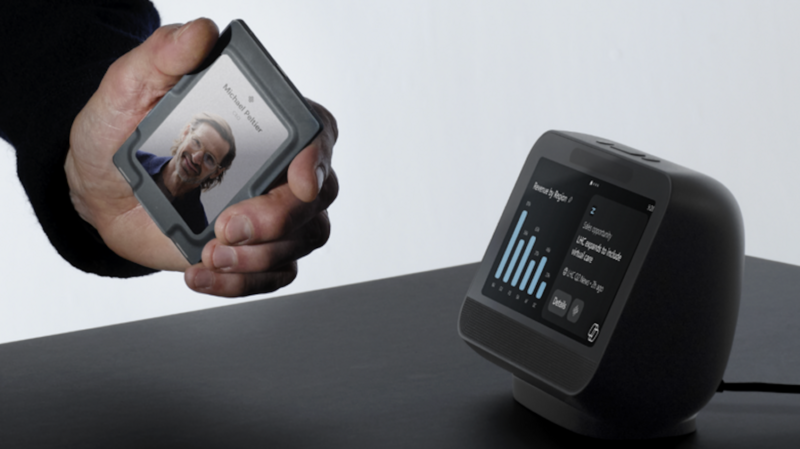
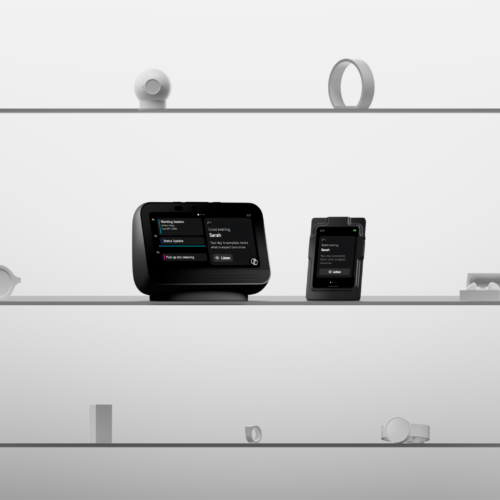
Microsoft is testing two new AI-based hardware gadgets designed for office workers: a small portable cube with a touch and voice screen, and a wearable access badge that can be worn on a lanyard or belt. These devices are aimed at helping people interact with AI tools outside normal computers and are currently being used by a few hundred Microsoft employees.
Key Facts
Microsoft showed two AI-enabled hardware concepts at its yearly developer conference.
One device is a portable cube with touch and voice controls meant for a desk.
The other is a lightweight wearable access badge for quick AI interaction on the go.
The badge includes a camera and can be activated with a fingerprint.
Both gadgets connect to Microsoft software and PCs to help office workers use AI assistants.
These devices are part of ongoing tests to decide how such technology might be built in the future.
Microsoft previously made the Hololens wearable headset but stopped its production in 2024.
Other companies like Google are also renewing efforts in wearable AI gadgets after past challenges.
Read the Original
Want the full story? Tap a source to open the original
article.
Meta is introducing a new setting called Limited Content to reduce harmful posts shown to teenagers. This feature will limit certain types of content like weightlifting, nutrition, and anxiety coping posts, aiming to protect young users online.
Key Facts
Meta is launching a new safety feature for teenage users.
The feature is named Limited Content.
It limits specific types of posts, including those about weightlifting, nutrition, and ways to cope with anxiety.
This change is part of Meta’s effort to protect kids online.
The update follows two important legal decisions against Meta.
The goal is to reduce exposure to content that might be harmful to teens.
Read the Original
Want the full story? Tap a source to open the original
article.
Microsoft announced Project Solara, a new software platform based on an open-source version of Android. It is designed to run AI agents instead of traditional apps and can create user interfaces just when they are needed, adapting to different devices like smart badges or displays.
Key Facts
Project Solara is an Android-based operating system created by Microsoft.
Instead of apps, Solara runs AI agents that perform tasks and build interfaces in real time.
The platform is called the Microsoft Device Ecosystem Platform and uses open-source Android code.
Solara can adapt its interface depending on the device, providing simple or detailed views as needed.
Microsoft showed two concept devices: a smart desk display and a touchscreen work badge with biometric security.
The work badge could have features like 5G, a camera, microphones, and fingerprint scanning.
Microsoft plans to demonstrate Solara with partners like Best Buy, CVS Health, and Target.
The project is still experimental and not available to the public yet.
Read the Original
Want the full story? Tap a source to open the original
article.
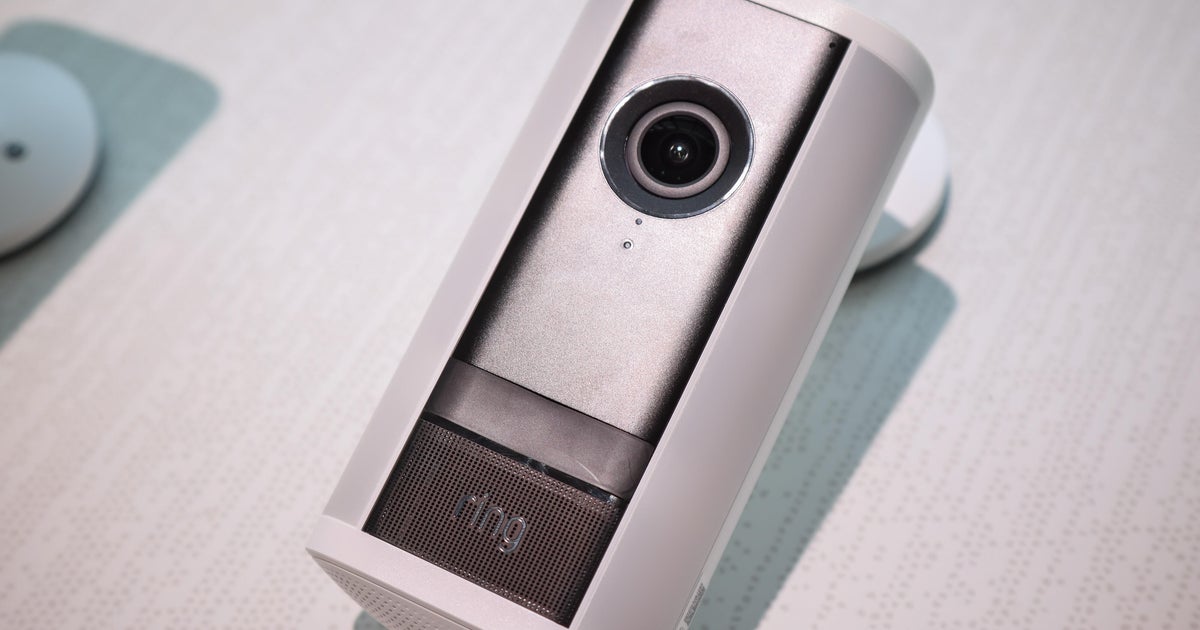
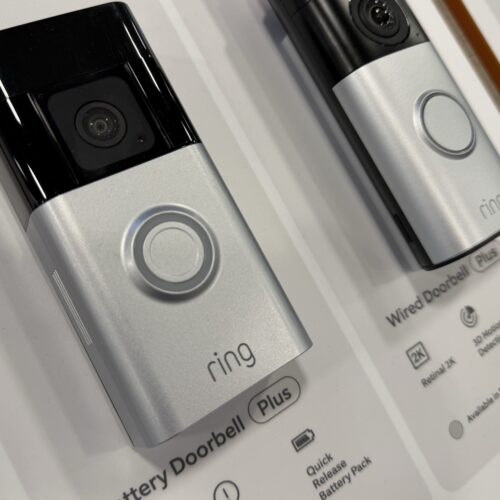
A Virginia man is suing Amazon because its Ring doorbell camera used facial recognition without his permission. The lawsuit claims the camera’s "Familiar Faces" feature scans and stores people’s face data without consent, raising privacy concerns.
Key Facts
Charles Sigwalt filed a lawsuit in Seattle federal court against Amazon’s Ring for privacy violations.
The Ring's "Familiar Faces" feature uses facial recognition to identify and categorize people who come near the camera.
The feature collects a "face print," allowing the system to recognize the same person later.
Sigwalt says his face data was collected when he visited friends and is still stored by Amazon.
Ring introduced the Familiar Faces feature in September 2025 to give doorbell owners specific alerts with names.
Users can turn this feature on or off.
Privacy groups and some politicians have raised concerns that this technology invades privacy and risks misuse or data leaks.
Amazon has faced prior legal issues related to Ring’s privacy and security, including a $5.8 million settlement with the FTC in 2023.
Read the Original
Want the full story? Tap a source to open the original
article.
A lawsuit against Amazon claims its Ring cameras illegally scanned and stored millions of Americans’ facial data through the Familiar Faces feature. The suit seeks more than $5 million in damages and argues that Amazon violated privacy laws and misused biometric information without proper consent.
Key Facts
The Familiar Faces feature uses facial recognition to identify people at the door and notify the camera owner.
Ring camera owners must enable Familiar Faces; it is not turned on automatically.
The lawsuit was filed by Charles Sigwalt in the US District Court for the Western District of Washington.
The suit represents all Americans whose facial data was collected by Ring and a special group for Virginia residents.
Facial recognition creates a unique “face print” using artificial intelligence to identify people repeatedly.
Amazon does not offer Familiar Faces in Texas, Illinois, and Portland, Oregon due to strict biometric privacy laws there.
The lawsuit claims Amazon broke federal law by collecting biometric data without clear consent or warning, violating consumer privacy.
It also alleges Virginia law was breached by using people’s images for business without their permission.
Read the Original
Want the full story? Tap a source to open the original
article.
Blue Origin’s recent rocket test ended in an explosion. This failure could delay NASA’s plans to build a permanent base on the Moon as part of its Artemis program.
Key Facts
Blue Origin conducted a rocket test that ended in a fireball.
The failed test may slow down NASA’s schedule for lunar exploration.
NASA’s Artemis program aims to create a long-term human presence on the Moon.
Delays could affect contracts worth billions related to the Moon missions.
Each test failure adds pressure to NASA’s goal of establishing a Moon base.
Read the Original
Want the full story? Tap a source to open the original
article.
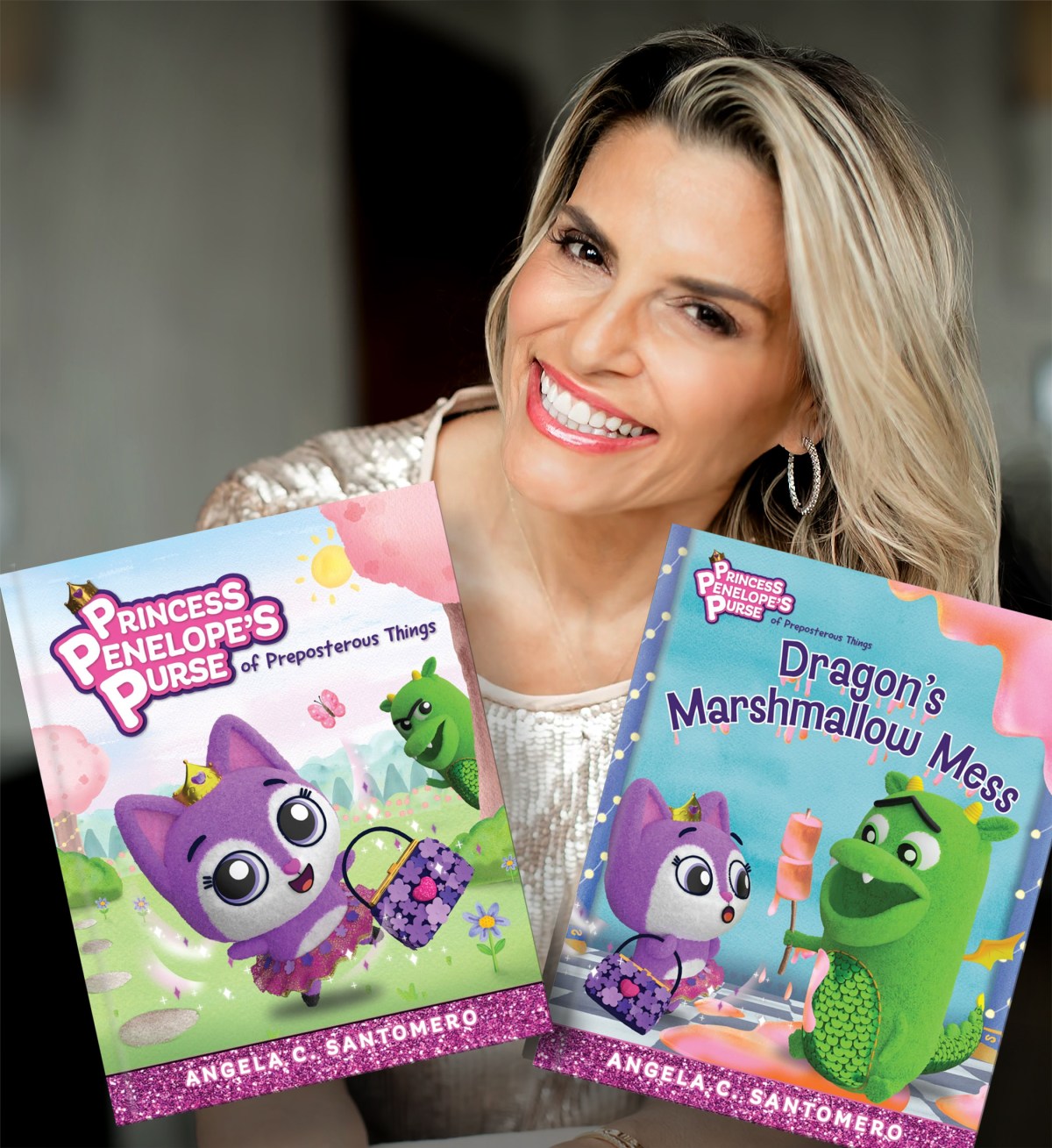
Angela Santomero, creator of Blue’s Clues, has launched Princess Penelope, a new children’s series on YouTube Kids and companion books. The show uses interactive storytelling to encourage kids to think, solve problems, and engage their imagination while supporting early literacy skills.
Key Facts
Angela Santomero created Blue’s Clues and Super Why! and has worked in children’s educational media for decades.
Princess Penelope is a new series on YouTube Kids with an accompanying book franchise.
The show features a brave kitten named Penelope who uses magical items to solve problems.
Episodes pause to let children think, predict, and participate actively in the story.
Santomero has a master’s degree in child developmental psychology and bases her work on research.
Scripts are tested with children in different stages before final production.
The series is designed to build attention, comprehension, and a love for storytelling in children.
Penelope as a character is a smart, brave, and playful leader, redefining traditional princess roles.
Read the Original
Want the full story? Tap a source to open the original
article.
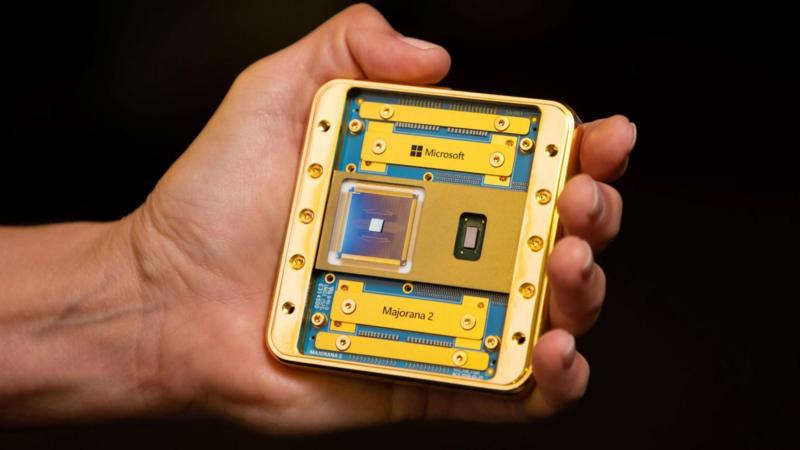
Microsoft has introduced a new quantum chip called Majorana 2, marking a significant development in its quantum computing efforts. The company aims to advance practical quantum computing, while also exploring new technologies for events like the World Cup.
Key Facts
Microsoft revealed a new quantum chip named Majorana 2.
The chip is large, about the size of a human hand.
Microsoft's quantum program had faced criticism before this release.
The company’s goal is to make practical quantum computing possible.
The BBC interviewed Microsoft’s executive vice president for quantum about the chip.
New technology for soccer fans at the World Cup was also discussed.
A critic of exaggerated claims about artificial intelligence appeared on the same program.
The news was shared on the BBC’s Tech Life show, presented by Chris Vallance.
Read the Original
Want the full story? Tap a source to open the original
article.
Microsoft announced that its new quantum chip, called Majorana 2, is 1,000 times more reliable than its previous version. This improvement helps bring the company closer to building a quantum computer that can solve useful commercial problems within a few years.
Key Facts
The Majorana 2 chip’s qubits last about 20 seconds, compared to milliseconds in the earlier chip.
Microsoft aims to have a commercial quantum computer by 2029.
The current Majorana 2 chip has 12 qubits, but a future useful machine would need millions.
Microsoft uses a “topological” approach involving a special particle called a Majorana quasi-particle predicted in the 1930s.
Microsoft faced skepticism in the past, including a retracted 2018 research paper.
The company collaborates with the US defense agency Darpa for validation of its quantum technology.
Experts find Microsoft’s timeline plausible but want more published details and peer-reviewed research.
Read the Original
Want the full story? Tap a source to open the original
article.
The article reviews six practical products to help relieve neck and back pain caused by long hours in front of screens. These include a neck wedge, slip-on shoes, a seat cushion, a laptop lap desk, and a massage device, all designed to provide comfort and reduce muscle tension.
Key Facts
Many people suffer from tight necks and back pain due to prolonged screen time.
Lumia Occipital Release Neck Wedge helps relax jaw muscles and shoulders by supporting the neck.
Kizik Lima 2 Slip-on Shoes make it easier to put on shoes without bending or tying laces, aiding those with back injuries.
Xtreme Comforts Seat Cushion offers thick memory foam to reduce discomfort from sitting long hours.
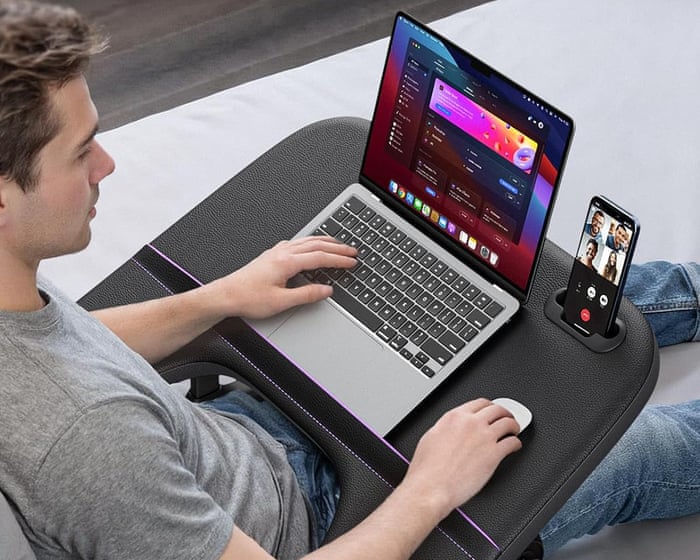
Saiji Laptop Lap Desk allows working in bed with adjustable heights and angles, reducing back strain.
Therabody Theragun Sense Gen 2 is a massage device that can relieve muscle aches.
These products are tested and found helpful but are not miracle cures for pain.
Prices for these items range from about $34 to $300 and are available from stores like Amazon and Walmart.
Read the Original
Want the full story? Tap a source to open the original
article.
Blue Origin's rocket New Glenn exploded during a test at Cape Canaveral, causing damage to its launch pad but not as severe as first thought. The company plans to fix the pad and resume launches by the end of the year.
Key Facts
The New Glenn rocket exploded during a "hot-fire" engine test, a routine procedure to check readiness.
The explosion destroyed the rocket and its transporter-erector, a device used to move and raise the rocket.
Important propellant tanks for oxygen, liquid hydrogen, and methane survived the blast without major damage.
The main support gantry was damaged but can be repaired without complete replacement.
Blue Origin will switch to a new vertical assembly method and won’t need a replacement transporter-erector.
The explosion delayed a planned launch of Amazon’s internet satellites on the New Glenn rocket.
Blue Origin has only one launch pad for New Glenn in Florida and must repair it before flights can resume.
The company aims to launch New Glenn again before the end of the year.
Read the Original
Want the full story? Tap a source to open the original
article.
Mathematicians have issued the Leiden Declaration warning about the challenges artificial intelligence (AI) brings to their field. They are concerned about AI producing unreliable proofs, copyright issues, and tech companies influencing research priorities.
Key Facts
The Leiden Declaration was created by 16 researchers over eight months after a conference at Leiden University in 2025.
It was published on June 2, 2026, and endorsed by the International Mathematical Union.
AI can generate plausible but incorrect mathematical proofs, making it hard to trust and verify research.
AI models often fail to properly credit original human work and may use data without permission.
The declaration warns that AI may disrupt hiring, funding, and recognition in mathematics, disadvantaging some researchers.
Communication about math research via press releases or blogs may oversimplify findings and exaggerate AI capabilities.
Technology companies’ growing involvement in math research may threaten academic independence and steer research towards AI-friendly problems.
This declaration follows OpenAI announcing an AI model that disproved an 80-year-old math conjecture.
Read the Original
Want the full story? Tap a source to open the original
article.