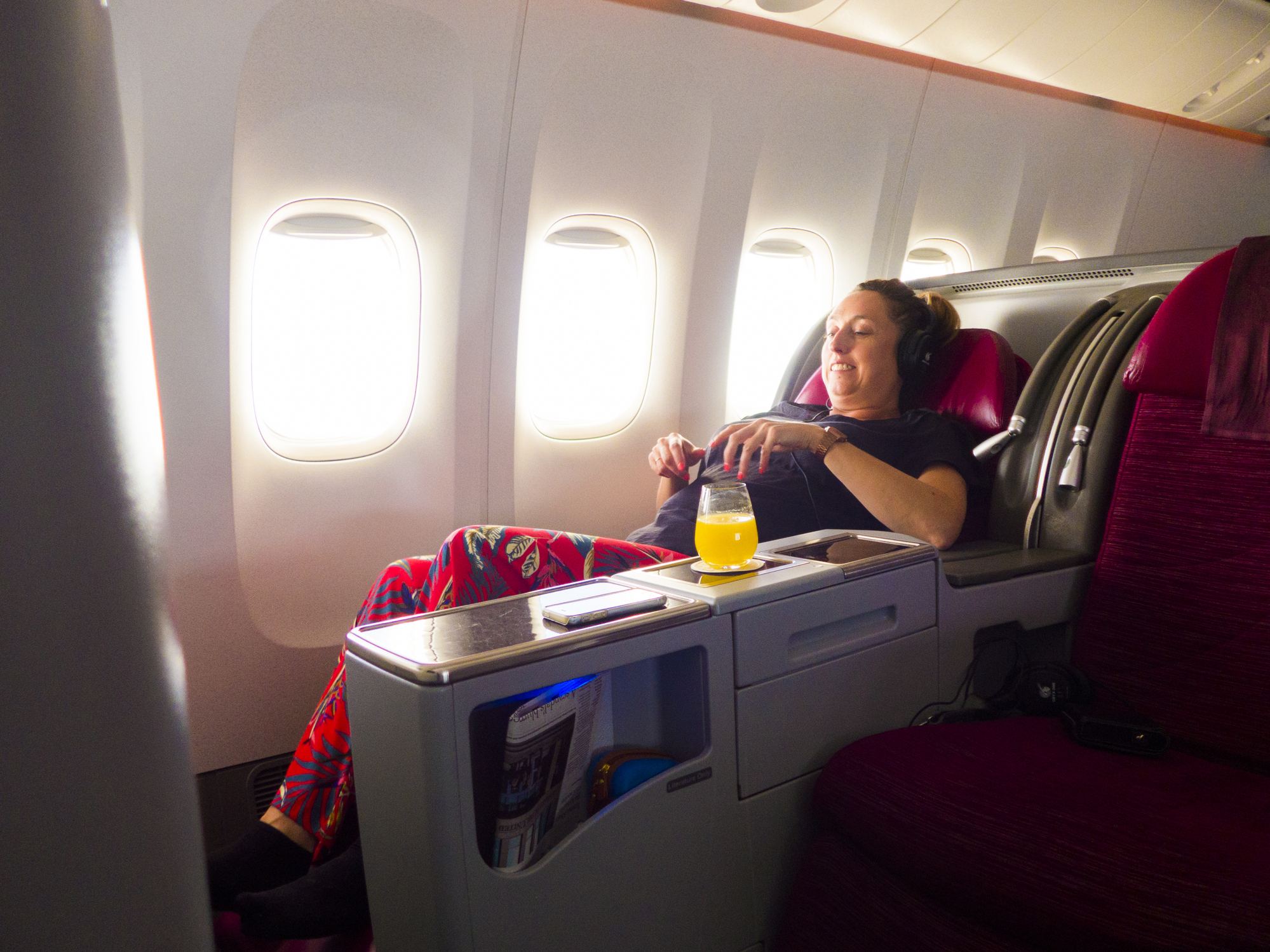
A video on social media warns air travelers to research thoroughly before upgrading to premium economy seating on flights. The video highlights that the quality of premium economy seats varies greatly between airlines, using Emirates and Lufthansa as examples.
Key Facts
A social media video explains why travelers should research premium economy upgrades carefully.
Premium economy seats are more profitable for airlines than regular economy.
Emirates offers premium economy with features like wider seats, more legroom, upgraded menus, and quiet, separate sections.
The video points out significant differences between Emirates’ premium economy and Lufthansa’s business class options.
Emirates' premium economy is described as much better than similar classes on U.S. airlines.
Users commented that premium economy often feels like a slightly improved economy class rather than true business class.
Travelers are advised to do research to ensure the value of a premium seat upgrade.
Read the Original
Want the full story? Tap a source to open the original
article.
Lime, a company offering e-bikes and e-scooters, has introduced a new subscription service called LimePrime. This service offers a fixed price for the first 20 minutes of a ride in certain UK cities, which could make using e-scooters and bikes cheaper than taking the bus for some commuters.
Key Facts
Lime has launched a subscription service called LimePrime.
LimePrime charges £1.50 for the first 20 minutes of a ride with a £2.99 monthly fee.
The service is available in cities like Salford, Nottingham, London, Oxford, and Milton Keynes.
The aim is to make e-scooters and e-bikes more affordable than buses for short commutes.
Other companies like Forest and Bolt offer similar schemes.
Using Lime e-scooters and e-bikes can be faster and more convenient than buses.
Lime bikes and scooters need to be parked neatly in approved zones.
In Manchester, different transport schemes mean Lime cannot operate city-center rides.
Read the Original
Want the full story? Tap a source to open the original
article.
Category: technology
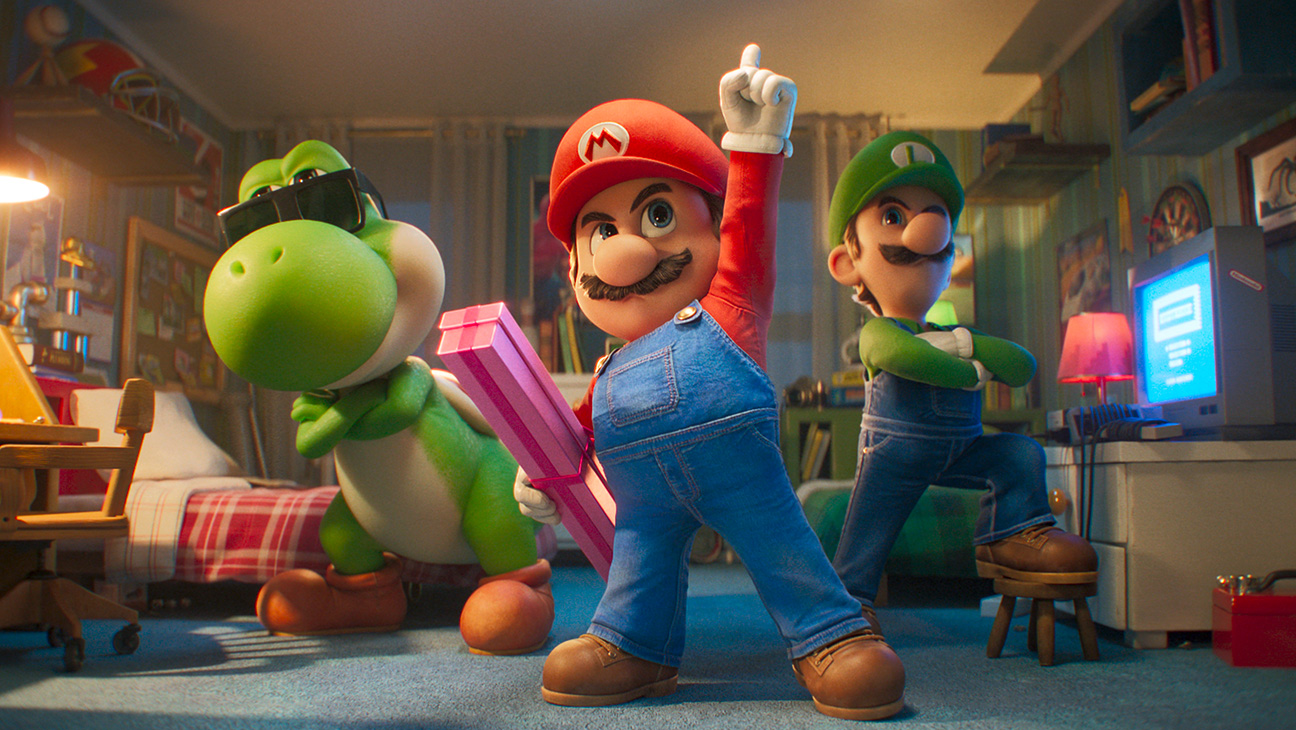
Nintendo has announced that a sequel to "The Super Mario Galaxy Movie" will not feature a large ensemble of Nintendo characters like the "Super Smash Bros." series. Instead, the movie will focus on individual fun scenes rather than a long-term story plan.
Key Facts
Nintendo confirmed a sequel to "The Super Mario Galaxy Movie."
The sequel will not include many Nintendo characters like "Super Smash Bros."
Shigeru Miyamoto, a Nintendo producer, shared this information.
The focus will be on fun, individual movie scenes.
Illumination CEO Chris Meledandri mentioned it won't follow a long-term plan like Marvel movies.
There is interest in a possible "Luigi's Mansion" movie, but nothing is confirmed.
"The Super Mario Galaxy Movie" was first released on April 1, 2026.
No definite sequel has been announced yet, but the possibility exists due to Nintendo's rich character library.
Read the Original
Want the full story? Tap a source to open the original
article.
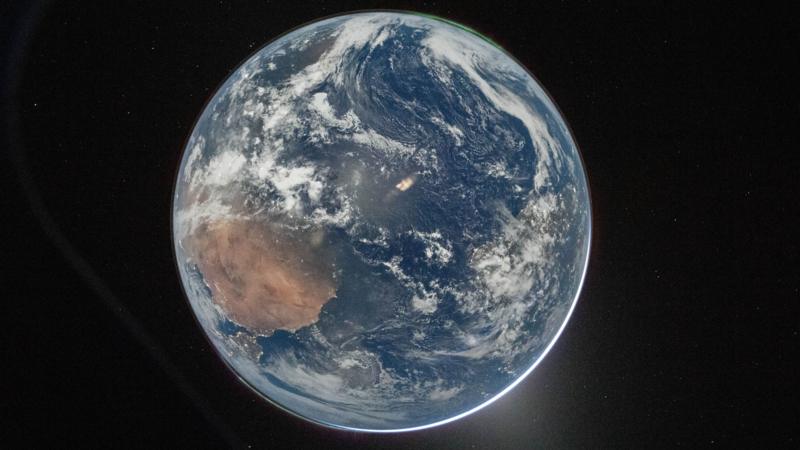
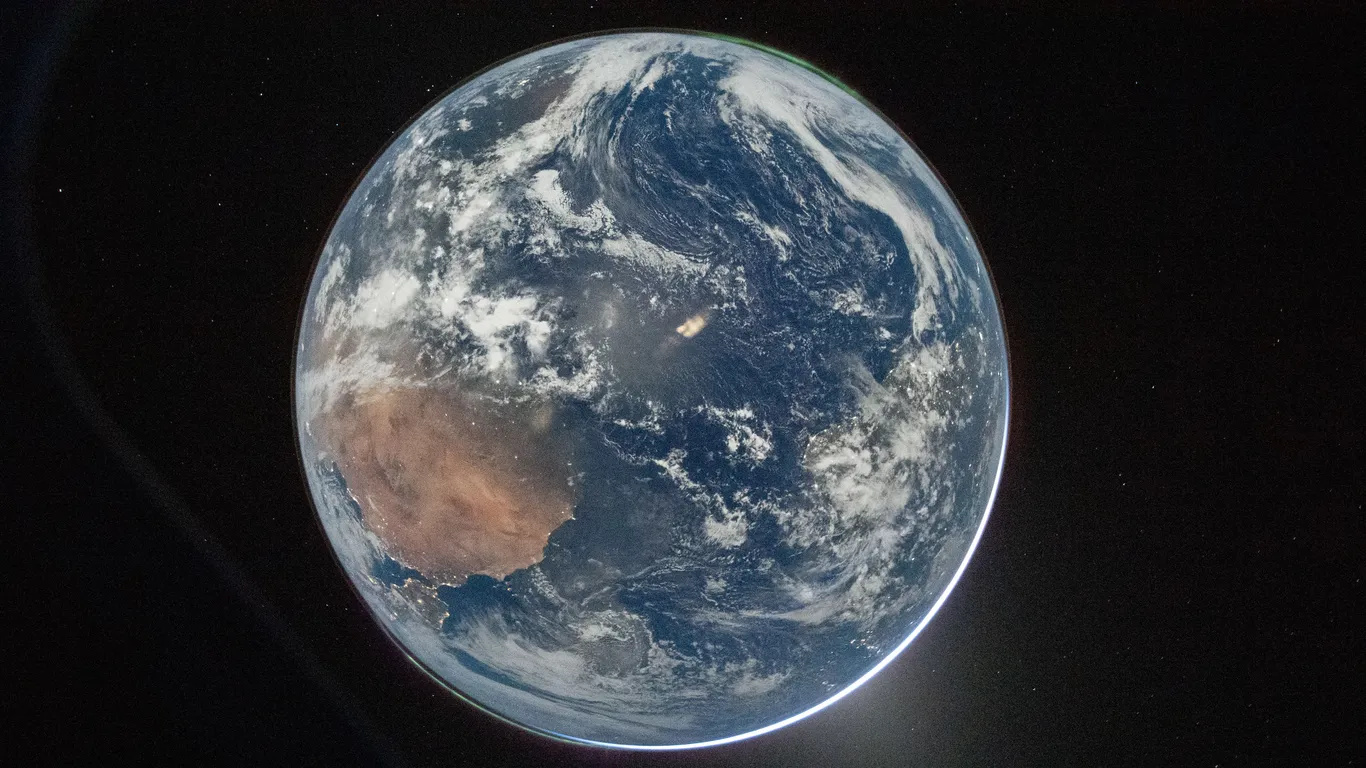
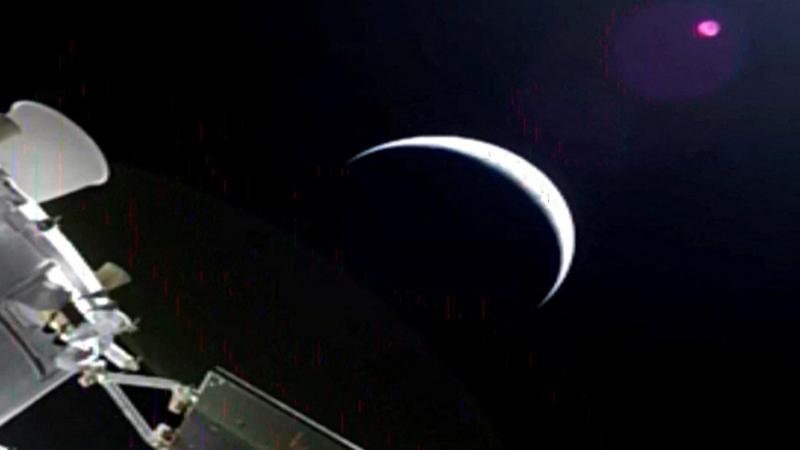
NASA released the first pictures from the Artemis II mission showing Earth from the Orion spacecraft, which is flying around the moon. The spacecraft, carrying four astronauts, is part of a 10-day mission to orbit the moon and return to Earth without landing. The mission aims to gather important information and marks the first human trip this far into deep space in over 50 years.
Key Facts
NASA shared photos showing Earth from the Orion spacecraft on the Artemis II mission.
Four astronauts, including three Americans and one Canadian, are onboard.
The mission involves flying around the moon without landing.
The spacecraft was 100,000 miles from Earth and headed towards the moon on Friday.
The mission is 10 days long, with the closest moon approach happening on the sixth day.
The astronauts will be the first humans to travel this far into deep space in over 50 years.
The mission aims to observe scientific phenomena and test procedures.
The journey will conclude with a return to Earth, landing in the Pacific Ocean near San Diego.
Read the Original
Want the full story? Tap a source to open the original
article.
The Artemis II crew, on a mission to orbit the Moon, captured high-resolution images of Earth. These pictures were taken from the Orion spacecraft as it set a path towards the Moon, highlighting Earth's features and nearby Venus.
Key Facts
NASA shared images taken by the Artemis II crew on their mission around the Moon.
The photos were taken by mission commander Reid Wiseman from the Orion spacecraft.
One image, "Hello, World," shows Earth with the Atlantic Ocean and Venus.
The Artemis II mission marks the first time humans have traveled beyond Earth's orbit since 1972.
The spacecraft completed a maneuver called a trans-lunar injection burn to head towards the Moon.
The crew aims to circle the Moon and return to Earth, with key dates on April 6 and April 10.
Photographs show Earth from the capsule with features like the night-day divide, known as the terminator.
The astronauts experienced challenges with photography but overcame these to capture clear images.
Read the Original
Want the full story? Tap a source to open the original
article.
EARTHGANG's Johnny Venus released a new single, "I Want You Back," showcasing a personal and emotional side. The song represents a plea for a second chance in a relationship, featuring R&B and soul influences. The track is part of his exploration into his upcoming solo album.
Key Facts
Johnny Venus is part of the rap duo EARTHGANG.
He released a new single called "I Want You Back."
The song is about asking for a second chance in a relationship.
The track was produced by Dominique Sanders.
Baby Tate, another artist, wrote the song for Johnny Venus.
He is working on a solo album exploring R&B, soul, and funk sounds.
Venus describes the new sound as inspired by various music styles ingrained in his culture.
Read the Original
Want the full story? Tap a source to open the original
article.
The article discusses how artificial intelligence (AI) is changing how travel companies handle bookings. As customers become more sensitive to prices, operators are using AI to make better pricing decisions. This shift helps companies adjust to varying demand trends among travelers.
Key Facts
AI is being used by travel companies to make pricing decisions more precise.
Small price changes can greatly influence a traveler's decision to book.
More travelers are becoming price-sensitive, with 42% saying they are more cautious about spending.
Rising fuel costs and other external factors are driving travel prices higher.
Demand for travel is strong, but travelers are cautious about spending more.
Budget travelers are cutting back, while luxury travelers are spending more.
AI helps travel firms understand real-time demand and what different customer segments are willing to pay.
When prices increase, travelers tend to adjust their plans rather than canceling their trips completely.
Read the Original
Want the full story? Tap a source to open the original
article.
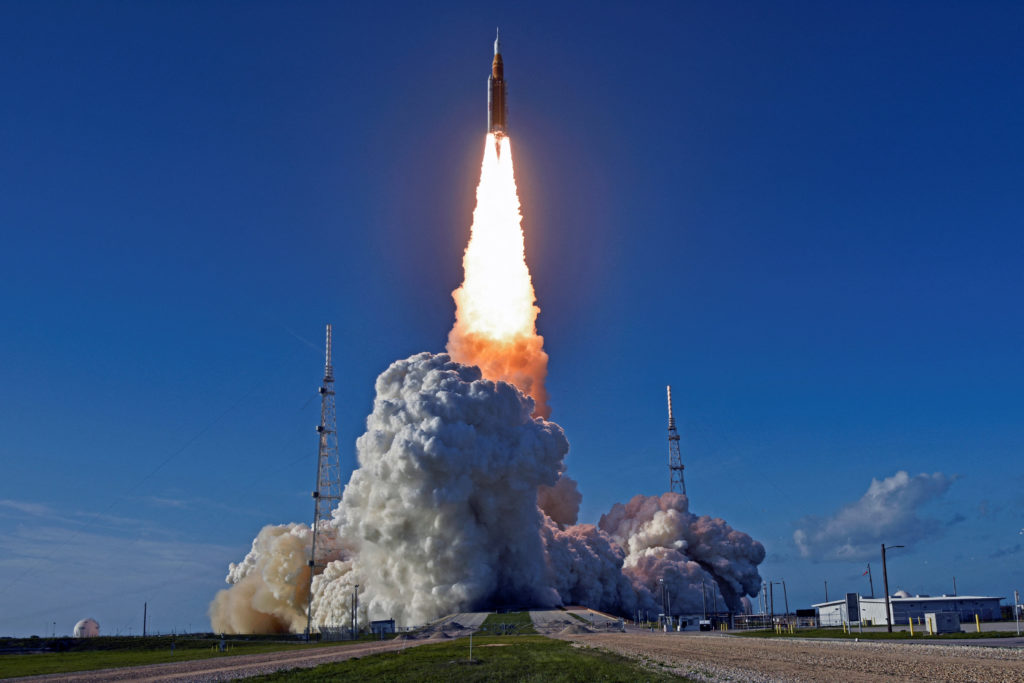
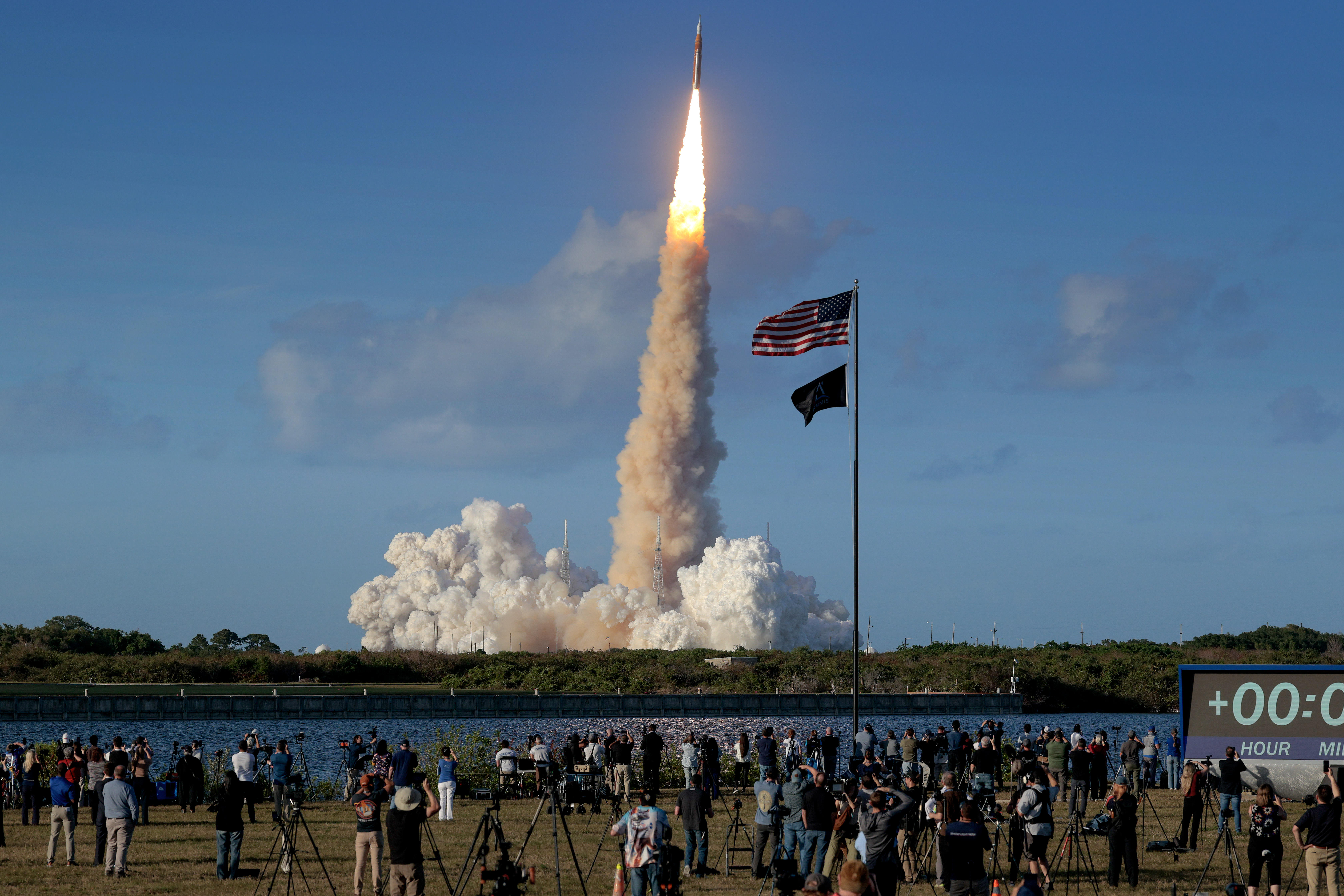
NASA's Artemis II mission is on its way to the moon after its engine ignition occurred 25 hours after liftoff. The mission includes three American astronauts and one Canadian astronaut, marking the first human space travel beyond Earth's orbit since 1972.
Key Facts
The Artemis II mission is traveling to the moon.
The mission involves three Americans and one Canadian astronaut.
The spacecraft performed a maneuver called translunar ignition to head towards the moon.
This is the first time humans have left Earth's orbit since the Apollo 17 mission in 1972.
The spacecraft, called Orion, is traveling nearly 250,000 miles (400,000 kilometers) to reach the moon.
NASA will hold a news conference to provide more updates about the mission.
Read the Original
Want the full story? Tap a source to open the original
article.
NASA's Artemis II mission has shared one of its first photos, showing Earth along with auroras and zodiacal light. The mission is heading to the Moon and plans to observe a solar eclipse from space.
Key Facts
NASA released a photo taken from the Artemis II mission, showing Earth.
Mission commander Reid Wiseman took the photo.
The photo includes two auroras and zodiacal light, which is sunlight scattered by dust in space.
Artemis II is on its way to the Moon for a six-hour orbit planned for Monday.
The mission will also observe a solar eclipse, where the Sun is hidden by the Moon.
NASA aims to view different phenomena, like meteoroids hitting the Moon and dust above the Moon's surface.
Read the Original
Want the full story? Tap a source to open the original
article.
The Uffizi Galleries in Florence admitted that they experienced a cyber-attack but denied any breach of their security systems. They confirmed that no artworks were damaged or stolen, and no sensitive security data was compromised. The museum stated that the attack did not affect their internal security systems, and no passwords were stolen.
Key Facts
The Uffizi Galleries admitted to a cyber-attack but stated their security was not breached.
No damage or theft of artworks occurred, according to the Galleries.
Hackers reportedly accessed IT systems and made a ransom demand.
The Uffizi denied that access codes and security maps were compromised.
Some museum sections closed, but the Galleries explained it was due to renovations.
The attack did not affect the separate sites at Palazzo Pitti and the Boboli Gardens.
The museum accelerated security upgrades, replacing old cameras with digital ones.
Read the Original
Want the full story? Tap a source to open the original
article.
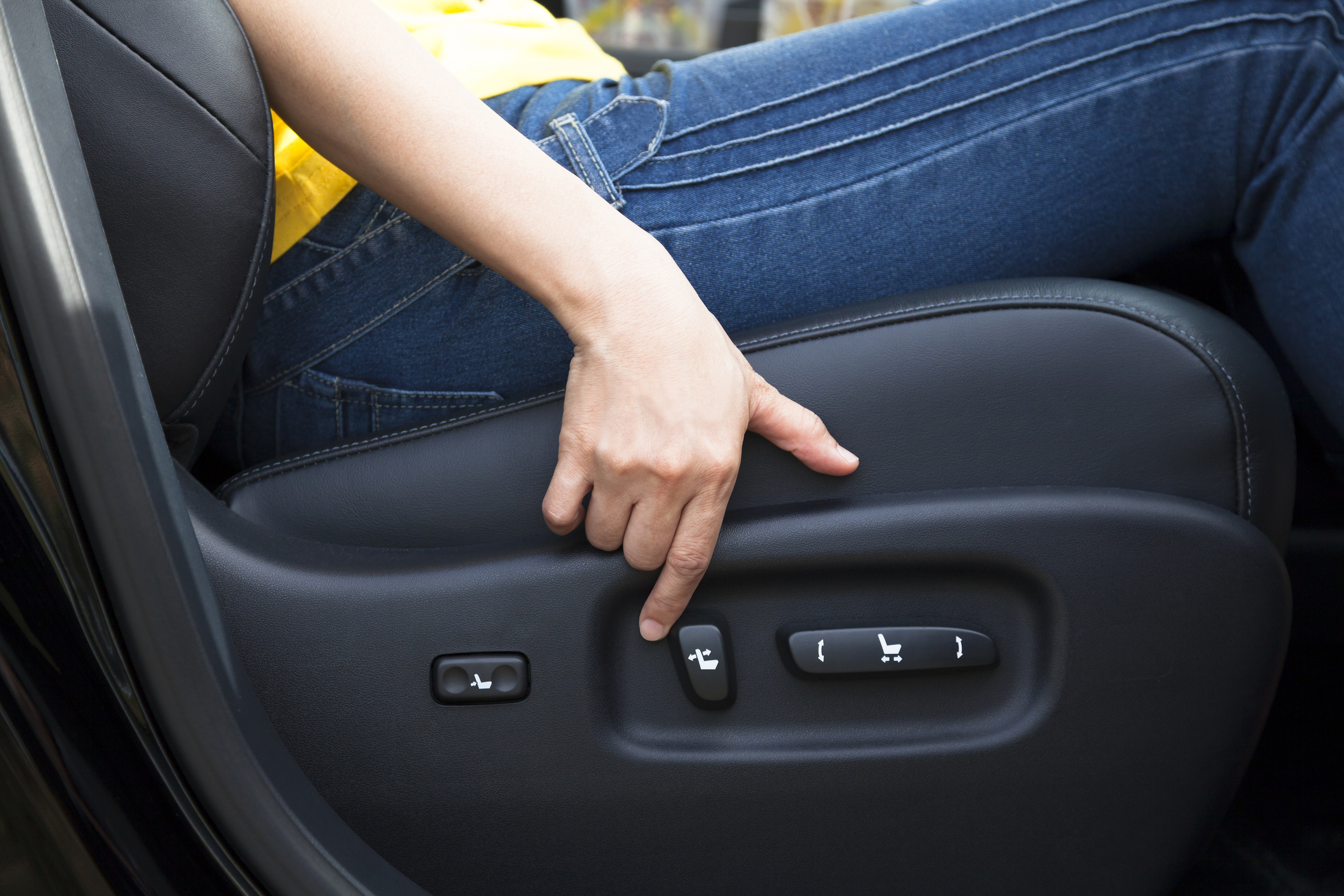
A woman tested the safety of her car's power seat and found it did not automatically stop when something was in the way. This issue became widely known after a two-year-old was tragically killed by a similar faulty seat in another vehicle, leading to a nationwide recall. Hyundai has since issued a software update to improve safety.
Key Facts
Whitney Sheahan tested her Ford Expedition's power seat with a doll in the way.
The power seat did not stop and crushed the doll completely.
This test was shared on TikTok and viewed over 40.4 million times.
The test was inspired by the death of a two-year-old in an Ohio car seat incident.
Hyundai recalled certain Palisade models and stopped selling them after the incident.
Hyundai is providing a software update to affected vehicles to improve safety.
Several similar complaints have been made to the National Highway Traffic Safety Administration.
Read the Original
Want the full story? Tap a source to open the original
article.
Presley Regier, a young pop artist, is releasing a new EP called "Sensitive to the Room." He started his career in music by making rap beats and signing a production deal as a teenager. Now, he combines production skills with singing to create a unique pop sound.
Key Facts
Presley Regier is a pop singer who began his musical career as a producer.
He is releasing an upcoming EP titled "Sensitive to the Room."
Regier started making music during his teenage years, initially focusing on producing beats.
As a child, he learned music instinctively and played instruments from a young age.
By 15, he was negotiating deals in studios and signed a producer contract at 18.
He shifted from solely producing to singing after encouragement from producers.
Regier’s music integrates his background in production with his vocal talents.
Read the Original
Want the full story? Tap a source to open the original
article.
The Orion capsule, carrying four astronauts, has successfully left Earth's orbit on its journey to the moon. The crew worked on various tasks during their first day in space, including navigation and fixing a malfunctioning toilet.
Key Facts
The Orion capsule is part of the Artemis II mission to the moon.
Four astronauts are on board the Orion capsule.
The capsule successfully exited Earth's orbit.
The crew is taking pictures and navigating while in space.
A faulty toilet on the capsule was repaired by the astronauts.
Read the Original
Want the full story? Tap a source to open the original
article.
California is taking steps to regulate artificial intelligence (AI), aiming to set a national standard for AI rules. Governor Gavin Newsom signed an executive order to strengthen AI regulations, as state legislators work on related bills. The Trump administration is also working on a national AI policy that could override state laws.
Key Facts
California is working on AI regulations that could influence national standards.
Governor Gavin Newsom signed an AI executive order to boost state regulation efforts.
California's approach might serve as a model for AI companies across the U.S.
President Trump’s administration is developing a national AI framework.
California's new AI rules could separate state and federal processes.
California’s legislature is advancing bills related to AI, including protecting minors.
Tech companies like OpenAI have shown support for California's AI leadership.
Read the Original
Want the full story? Tap a source to open the original
article.
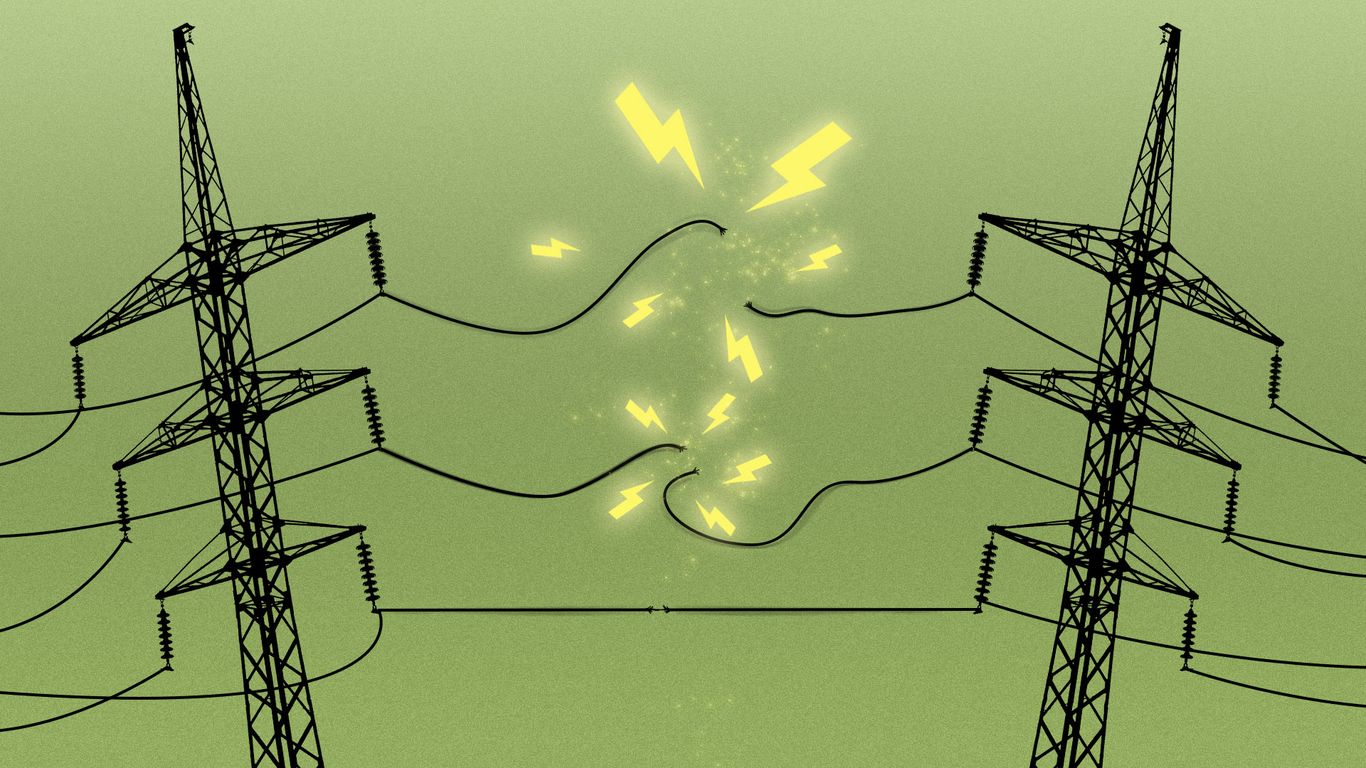
There is a debate about whether AI-driven data centers should use grid electricity or operate independently as "energy islands." Some support the island approach for speed and control, while others believe linking to the grid is more cost-effective and reliable. Companies like Chevron and Microsoft are exploring on-site power solutions for new data centers.
Key Facts
AI data centers are debating between using grid electricity or independent power systems known as "energy islands."
Chevron plans to build a natural gas plant for a Microsoft data center in Texas as part of this trend.
A market report states that 30% of planned data center power capacity is expected to be on-site.
Islanding data centers can avoid delays and provide control over electricity needs.
Critics argue that connecting to the grid reduces costs and offers backup power.
Natural gas companies support islanding to avoid overloading the grid.
Some experts warn that separating AI centers from the grid could increase costs and miss opportunities for the power sector.
Federal regulators are reviewing rules for data centers pairing with power plants, which may affect national energy policy.
Read the Original
Want the full story? Tap a source to open the original
article.
NASA's Artemis II mission to the moon fixed various issues after launch, such as a problematic toilet and a communication breakdown. The mission is now set to proceed with its plan to send four astronauts around the moon. These problems included technical glitches in communication and the ship’s on-board systems.
Key Facts
NASA's Artemis II mission had technical issues after launch.
The ship's $30 million toilet initially malfunctioned but is now functional.
The mission will send four astronauts around the moon, a first in over 50 years.
A communication glitch temporarily stopped data from reaching NASA for a short time.
NASA resolved the communication problem and is looking into the cause.
The crew also faced issues with Microsoft Outlook, which were corrected.
The improved toilet system prevents leaks and uses a private cubicle.
Read the Original
Want the full story? Tap a source to open the original
article.
Four astronauts on the Artemis II mission have left Earth's orbit on their way to the Moon. This mission will take them farther than humans have traveled in space since 1972. The spacecraft's engine ignited successfully, setting the path for a journey around the Moon.
Key Facts
The mission is called Artemis II.
Four astronauts are on board the Orion spacecraft.
The spacecraft left Earth's orbit and is heading towards the Moon.
The key engine burn, called translunar injection (TLI), lasted almost six minutes and was successful.
This is the first time since 1972 that humans have traveled beyond Earth's orbit.
Canadian astronaut Jeremy Hansen is the first non-American on a Moon mission.
The mission aims to travel more than 4,700 miles beyond the Moon.
The mission has safety plans in place for emergencies, allowing the spacecraft to return to Earth if needed.
Read the Original
Want the full story? Tap a source to open the original
article.
The article discusses how artificial intelligence (AI) is increasingly being used to generate fake content, especially related to breaking news, making it hard to tell what's real. It highlights the rise of AI-generated misinformation during the Iran war and offers tips on how to identify such content.
Key Facts
AI-generated content is becoming more common, making it difficult to identify what's true.
During the Iran war, many fake images and videos were created using AI.
Some AI-generated content involved misleading portrayals of events, such as fake bombings and altered images of President Donald Trump.
On International Fact-Checking Day, experts addressed the challenges of AI-generated misinformation.
A group of social media accounts that post AI-generated content gained over 1 billion views since the Iran conflict started.
Identifying AI content can involve looking for visual inconsistencies and using reverse image searches.
Verifying images may require consulting multiple trusted sources, like reputable news outlets or experts.
AI detection tools exist but are not always reliable; some have digital watermarking features.
Read the Original
Want the full story? Tap a source to open the original
article.
At the Women's Global Impact Forum, executives discussed how technology and AI are changing the workplace. They emphasized the importance of digital skills and curiosity over a technical background and encouraged women to actively engage with emerging tools like AI.
Key Facts
Eunice Lee and Marshae Mansfield spoke at Newsweek’s Women’s Global Impact Forum 2026 in Los Angeles.
They discussed how women can use technology to advance their careers.
The focus was on digital skills reshaping leadership roles.
Curiosity is highlighted as a key skill, more important than a technical background.
Lee mentioned Scopely’s AI-first approach for quick learning and idea development.
Mansfield warned that not adopting AI could result in job loss to others who utilize it.
The panel encouraged experimentation with AI and sharing knowledge with peers.
They highlighted a gap between confidence in using AI and seeing it as a career advancement tool.
Read the Original
Want the full story? Tap a source to open the original
article.
Artemis II is a NASA mission that will send a crew around the Moon, but it will not land on the lunar surface. This mission aims to prepare for a future lunar landing by 2028 and help plan even deeper space explorations.
Key Facts
NASA's Artemis II mission is the first crewed mission to the Moon in over 50 years.
The Artemis II mission will orbit but not land on the Moon.
This mission uses the most powerful rocket ever built by NASA.
The goal is to prepare for a potential Moon landing by 2028.
Artemis II is part of the Artemis program, which aims for deeper space exploration.
A BBC correspondent provided coverage of the mission from Florida.
Read the Original
Want the full story? Tap a source to open the original
article.