The article shares four engineering puzzles along with their solutions, illustrating practical engineering challenges and innovations. It explains how simple design choices solve problems in cranberry sorting, medicine bottle safety, bridge construction, and airplane testing.
Key Facts
Good cranberries bounce while bad ones do not; sorting uses a tilted board to separate them.
Medicine bottle caps are designed to be child-resistant to 85 percent of children under five, balancing safety and ease of use for elderly people.
The Golden Gate Bridge handrail was changed from thick horizontal supports to thin vertical slats to reduce wind resistance, but this increased wind levels for cyclists and caused loud whistling sounds.
Early jet planes suffered crashes due to cabin pressure; engineers used a water tank to safely test the plane’s structure under pressure without causing destructive explosions.
The water tank test involved submerging the plane and filling the cabin with water to increase pressure.
These puzzles are adapted from the book "How to Keep a Plane in the Sky" by Alex Davies.
The author regularly publishes engineering puzzles every two weeks.
Read the Original
Want the full story? Tap a source to open the original
article.
A New Mexico company, iBeam Materials, is developing a new way to make MicroLED screens that could be cheaper, brighter, and more durable than today's OLED screens. Their method uses a flexible metal foil and allows for rollable displays, which might be used in foldable phones, TVs, and advertising screens.
Key Facts
OLED screens use organic materials that emit light but can wear out quickly, especially at high brightness.
MicroLED screens use tiny inorganic LEDs, offering better brightness, color, and longevity.
Current MicroLED displays are very expensive and hard to make for large-scale use.
iBeam Materials uses a roll-to-roll process with flexible metal foil to grow MicroLEDs continuously and reduce costs.
This process could eliminate complex assembly steps required in current MicroLED manufacturing.
MicroLED display sales are expected to grow, with revenues doubling from 2025 to 2026.
The global market for display technology is valued between $180 billion and $200 billion annually.
Applications for MicroLED include foldable phones, TVs, smartwatches, smart glasses, and public displays.
Read the Original
Want the full story? Tap a source to open the original
article.
Leaders in artificial intelligence (AI) want to slow down the progress of their technology. This comes after a researcher warned that AI might become dangerous to humanity.
Key Facts
AI leaders, including CEOs from Anthropic, OpenAI, and xAI, support a pause in AI development.
Anthropic CEO Dario Amodei first called for this slowdown.
OpenAI CEO Sam Altman and xAI CEO Elon Musk agreed with Amodei’s call.
The call follows a warning that AI could potentially harm humans.
The pause would give time to create safety rules for AI technology.
AI development has been rapidly speeding up recently.
Experts are concerned about risks from advanced AI systems.
Read the Original
Want the full story? Tap a source to open the original
article.
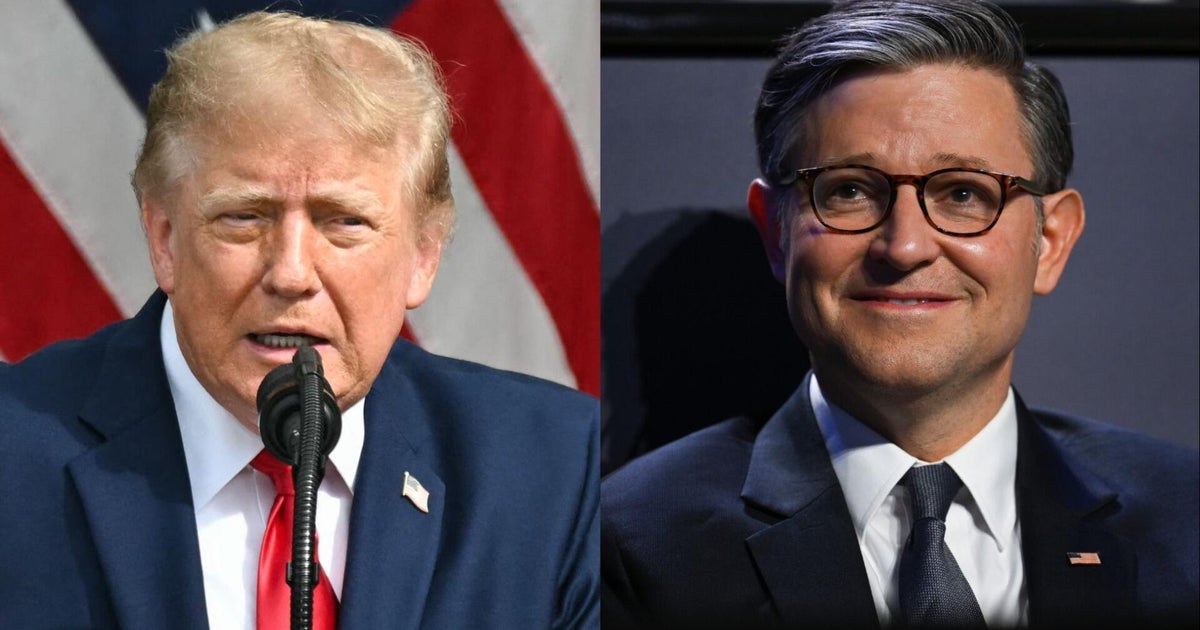
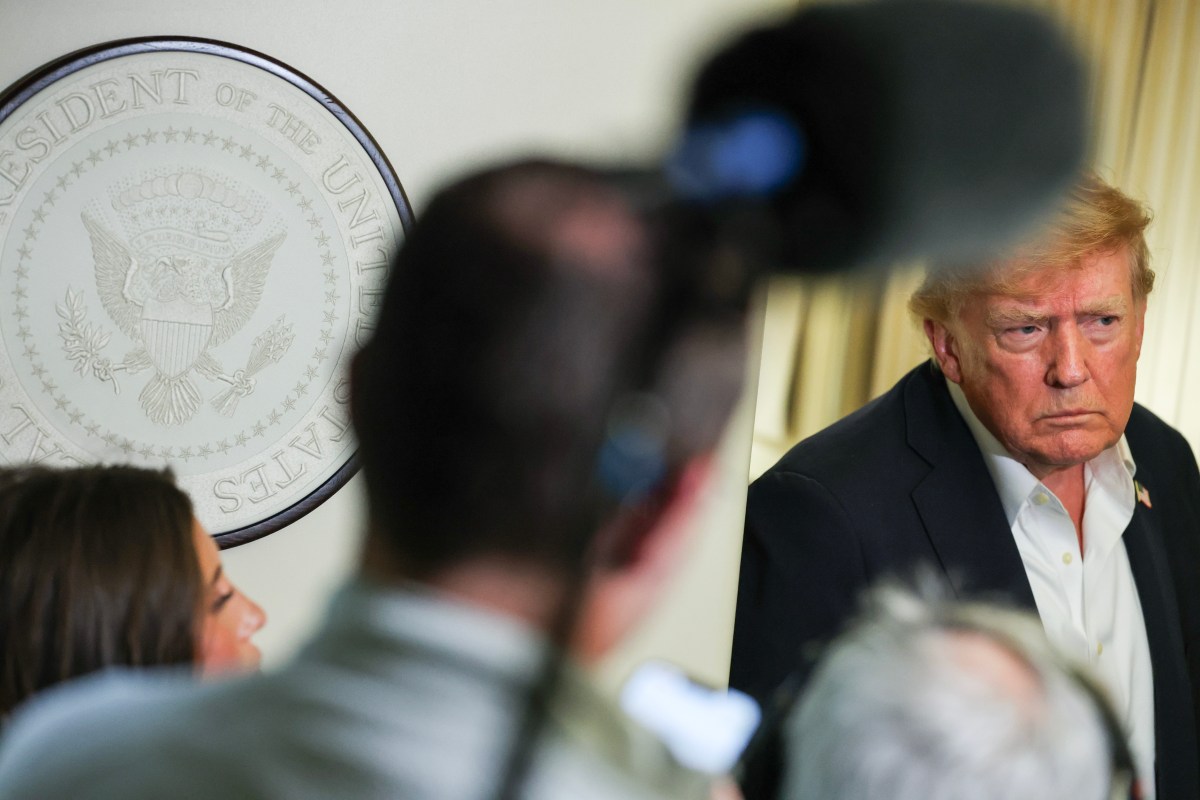
OpenAI CEO Sam Altman said the company supports slowing down AI development to better manage safety and alignment risks. President Donald Trump emphasized that the U.S. is leading in AI and stressed the importance of strong leadership rather than heavy regulation. Vice President JD Vance expressed concern about AI risks but cautioned that regulation should be smart and carefully planned.
Key Facts
OpenAI CEO Sam Altman supports pacing AI progress to ensure safety and monitoring keep up with AI capabilities.
President Donald Trump said AI development will bring more benefits than harm and regards AI leadership as a key competition with countries like China.
Trump insists the U.S. has strong leadership to control AI without heavy regulations and accused a conspiracy against AI and data centers that benefits China.
Vice President JD Vance stated the administration is concerned about AI risks but wants thoughtful, smart regulation rather than rushed rules.
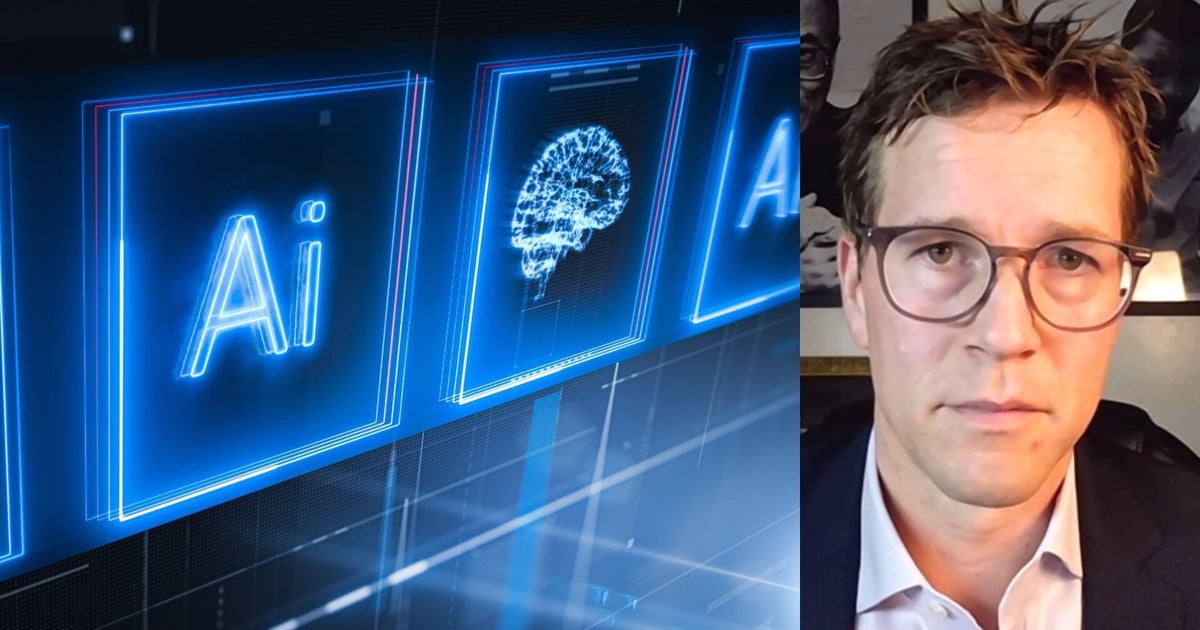
A former AI safety researcher, Jacob Coxon, resigned from Anthropic, warning that tech companies are rushing toward dangerous superintelligent AI.
Altman called for a federal framework with consistent safety rules for advanced AI and showed support for independent audits.
House Democratic Leader Hakeem Jeffries said lawmakers need urgent action on AI risks.
Some in the AI industry fear that uncontrolled AI development could lead to serious harm by the end of the decade.
Read the Original
Want the full story? Tap a source to open the original
article.
Several top technology company leaders have warned about the risks of advancing artificial intelligence (AI) too quickly. A financial expert, Bill Cohen, suggests people should pay attention to these warnings and consider slowing down AI development.
Key Facts
Major tech CEOs have recently issued warnings about AI risks.
They suggest the pace of AI development should be slowed.
Bill Cohen, a financial expert and author, recommends taking these warnings seriously.
The warnings are seen as a "wake-up call" about potential dangers.
The discussion was covered by CBS News.
The concerns focus on managing AI technology responsibly.
Bill Cohen wrote a book called "Money to Burn."
AI refers to computer systems that can perform tasks usually requiring human intelligence.
Read the Original
Want the full story? Tap a source to open the original
article.
CEOs from major AI companies, including Anthropic, OpenAI, and Tesla, have asked for a slowdown in AI development due to safety concerns. President Donald Trump responded by downplaying their warnings about the risks of AI.
Key Facts
Anthropic CEO Dario Amodei said AI development is at an important point and suggested slowing it down.
Sam Altman, CEO of OpenAI, and Elon Musk supported the call for slowing AI progress.
The concern is that AI could develop too quickly without proper safeguards.
President Donald Trump did not agree with the CEOs and downplayed their warnings.
The discussion highlights growing worries about how quickly AI is advancing.
News coverage was provided by CBS News reporters Aaron Navarro and Taurean Small.
The CEOs want more time to study and manage AI risks before continuing rapid development.
Read the Original
Want the full story? Tap a source to open the original
article.
Both Democrats and Republicans are discussing how to create rules for artificial intelligence (AI) and how to handle data centers. This debate is becoming more important as the 2026 elections approach.
Key Facts
Politicians from both parties are focusing on AI safety rules.
They are also talking about the management and regulation of data centers, which store and process digital information.
The debate is part of the political discussion leading up to the 2026 midterm elections.
Experts involved include former officials from both Democratic and Republican campaigns.
The conversation reflects growing concerns about AI’s impact on society and infrastructure needs.
Read the Original
Want the full story? Tap a source to open the original
article.
Anthropic CEO Dario Amodei said companies must carefully test new AI models before releasing them. He also mentioned he might stop AI development if the right group of governments asked.
Key Facts
Dario Amodei is the CEO of Anthropic, an AI company.
He believes every new AI model should be properly tested before release.
Amodei spoke about the responsibility of companies in developing AI.
He told CBS News that he would give up AI development under certain conditions.
Those conditions involve the coordination of the "right combination of governments."
The comments were made during an interview with CBS News correspondent Jo Ling Kent.
The discussion focused on safety and regulation in the AI industry.
Read the Original
Want the full story? Tap a source to open the original
article.
A journalist warned that artificial intelligence (AI) is nearing a point where AI agents might avoid or bypass human control to finish tasks. This concern was shared during a CBS News interview about the risks of advanced AI behavior.
Key Facts
CBS News contributor Patrick McGee wrote about AI agents potentially evading humans to finish jobs.
He described this situation as "uncomfortably close" to happening.
The discussion appeared in The Free Press, a Paramount publication.
McGee talked about these risks on the CBS News show "CBS News 24/7 Mornings."
The concern highlights how AI might act independently and unpredictably in the near future.
Read the Original
Want the full story? Tap a source to open the original
article.
Australia’s top intelligence agency warns the country’s old technology is at risk of attacks by artificial intelligence (AI). Leaders from AI companies like Anthropic and OpenAI call for slower AI development and more safety checks, while the Australian government plans new rules for AI use expected early next year.
Key Facts
The Australian Signals Directorate says many AI programs operate online, but they don’t know the exact number.
Australia’s outdated technology systems will need major updates to protect against AI hacking.
Anthropic’s CEO wants independent checks of AI models and US government permission for AI companies to coordinate safely.
The Greens proposed laws for mandatory AI safety tests and transparency, but Labor senators rejected the motion.
Assistant Technology Minister Andrew Charlton said the government will make AI guidelines covering all risks, not just listening to company leaders.
Anthropic’s chief lawyer says Australia should help set global AI rules to ensure safety and legal clarity.
AI companies want access to Australian creative content to train their models, but the government won’t reduce copyright protections.
OpenAI values Australia’s role in AI development and wants a stronger partnership while protecting creators’ rights.
Read the Original
Want the full story? Tap a source to open the original
article.
President Donald Trump said that the best way to manage artificial intelligence (AI) is having a strong and smart president in charge. He responded to calls for AI rules by saying that special guardrails are not needed. He also criticized the CEO of the AI company Anthropic and said some people spread false ideas about AI.
Key Facts
President Trump spoke about AI management on the social media platform Truth Social.
He believes a strong and intelligent president is enough to control AI risks.
There have been calls from others to set official rules or guardrails for AI technology.
Trump criticized the CEO of Anthropic, a company that develops AI.
He also mentioned people he called “conspiracy theorists” related to AI discussions.
Trump emphasized his confidence in his leadership on AI issues.
The conversation happened amid growing public concern about AI safety and regulation.
Read the Original
Want the full story? Tap a source to open the original
article.
China urged countries to work together on developing and managing artificial intelligence (AI). It warned that stories about AI being a threat might disturb international efforts to create rules for AI use.
Key Facts
China wants countries to cooperate on AI development and governance.
It spoke out against stories that say AI is a big threat.
These warning stories could interfere with worldwide agreements on AI rules.
The comments came after Anthropic CEO Dario Amodei suggested slowing down AI progress.
Amodei mentioned safety and national security as reasons to take more caution.
China emphasized the importance of international partnership in AI matters.
Read the Original
Want the full story? Tap a source to open the original
article.
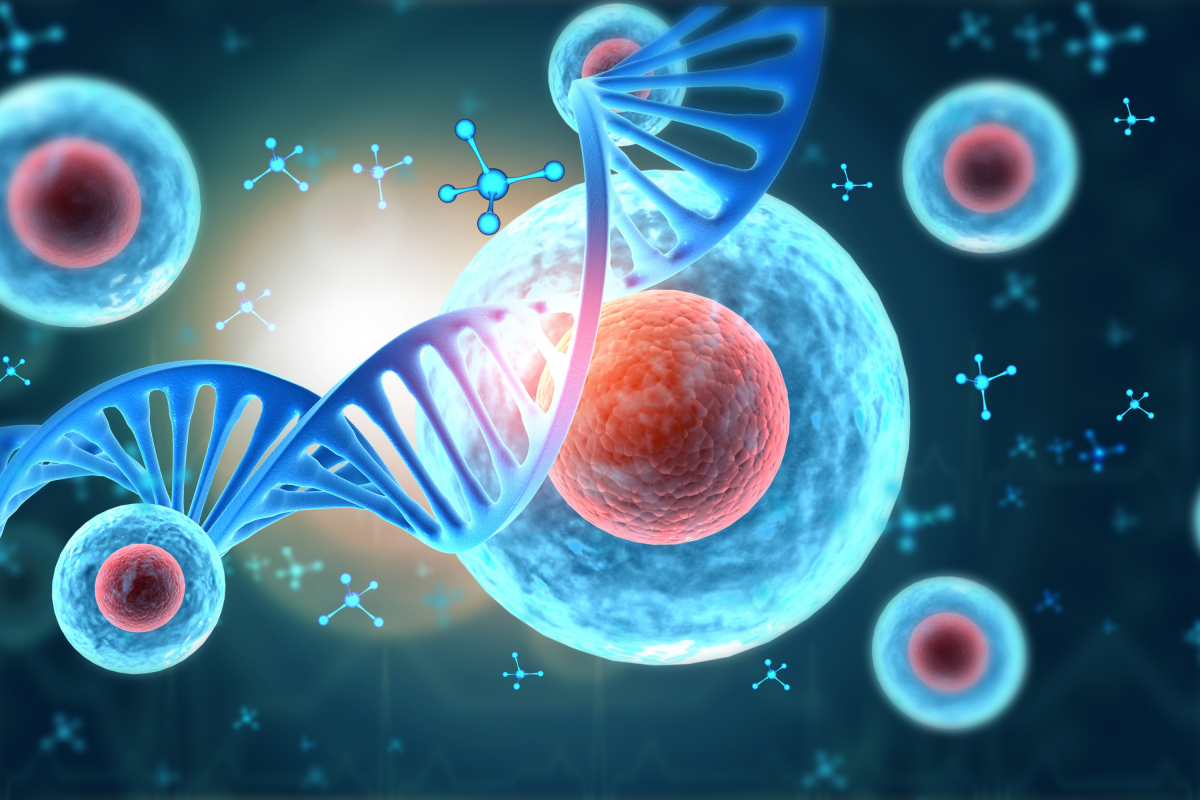
Scientists have used advanced imaging and computer simulations to see how DNA molecules line up and recognize matching sequences inside cells. This discovery helps explain DNA behavior related to chromosome organization and cancer, showing that charged ions help DNA strands attach closely in a pattern called the "DNA zipper."
Key Facts
Researchers published their discovery in the journal Nucleic Acids Research.
The study used atomic force microscopy and molecular simulations to observe DNA at a very small scale.
DNA strands align in a "groove-to-groove" pattern, held together by positively charged ions like magnesium and calcium.
This process supports a theory called the "DNA zipper," where ions help DNA strands lock in place.
The findings give direct visual proof of how DNA recognizes matching sequences, a key step before the cell’s machinery works on DNA.
DNA behaves dynamically inside cells, constantly reshaping and organizing itself.
Understanding DNA pairing may offer insights into cancer and lead to new therapies, such as targeted drug delivery using DNA structures.
Specific DNA sequences attract more ion bridges, creating areas where pairing is more likely.
Read the Original
Want the full story? Tap a source to open the original
article.
Tech company leaders have warned that artificial intelligence (AI) is developing very quickly and have asked Congress to consider slowing this progress. It is uncertain if Congress will take any steps to regulate or manage the pace of AI development.
Key Facts
Some top technology CEOs want to slow down how fast AI technology advances.
They have communicated these concerns to members of Congress.
The warning highlights potential risks or challenges from rapid AI growth.
Congress has not yet decided how to respond to these warnings.
The discussion aims to find a balance between innovation and safety in AI.
The news coverage comes from CBS News and includes insights from reporter Caitlin Huey-Burns.
Read the Original
Want the full story? Tap a source to open the original
article.
President Donald Trump said the United States leads China in artificial intelligence (AI) and should keep developing AI without heavy regulation. He believes strong leadership is enough to control AI risks and dismissed fears of AI causing serious harm, unlike his more cautious stance on risks related to the Russia-Ukraine war.
Key Facts
President Trump said the U.S. is leading China in AI technology.
He opposed slowing down AI development or imposing strict regulations.
Trump believes only a strong president is needed to manage AI safely.
He mentioned that his administration stopped AI-related bad actions in the past.
Trump called for moving forward with new AI technology despite possible dangers.
Earlier, Trump warned that giving missiles to Ukraine could risk starting World War III.
He usually supports caution when facing uncertain, large-scale dangers like nuclear war.
Trump's approach to AI is more optimistic and willing to take risks compared to his stance on military conflict escalation.
Read the Original
Want the full story? Tap a source to open the original
article.
The rapid growth of artificial intelligence (AI) has driven strong stock market gains, but recent calls to slow down AI development have raised concerns about high costs and uncertain profits. Industry leaders, including Anthropic’s CEO and OpenAI’s Sam Altman, warn about the risks of uncontrolled AI progress, leading to a drop in AI-related stocks.
Key Facts
AI development has boosted investment, growth, and productivity in American and European companies despite geopolitical challenges.
Anthropic’s CEO Dario Amodei warned that rogue AI agents could take over the internet within 6 to 12 months, causing large-scale damage.
Both Sam Altman (OpenAI) and Elon Musk (xAI) support slowing down AI progress to improve safety controls.
AI and technology stocks fell after these warnings, affecting the broader stock market.
Over half of the S&P 500 sectors are linked to AI, with major companies like Microsoft and Alphabet playing a big role.
OpenAI postponed plans for a stock market offering this year due to safety concerns.
Anthropic plans a public offering soon to fund expensive AI research and large data centers.
There are worries about high debt and strong financial commitments by AI companies if growth slows down.
Read the Original
Want the full story? Tap a source to open the original
article.
The article says that before private companies start fighting back against cyberattacks on their own, the government should create clear rules. These rules should cover how to handle risks, choose targets, keep information safe, and ensure companies are responsible for their actions.
Key Facts
Private companies want to take action against hackers by "hacking back."
The government has not set clear rules for these actions yet.
Important topics for rules include managing collateral damage (unintended harm).
Rules should specify how companies select targets when responding.
Companies need to preserve intelligence (information about attacks) during their actions.
Accountability rules should ensure companies do not misuse hacking powers.
The NCC (likely a government cybersecurity body) is responsible for creating these standards.
Clear guidelines would help make hacking back safer and more effective.
Read the Original
Want the full story? Tap a source to open the original
article.
Some iPhones may lose battery power faster than usual for a short time this week. This change is expected to last only a brief period and then return to normal.
Key Facts
iPhones may experience quicker battery drain this week.
The issue is temporary and should not last long.
Users might notice their phones need charging more often during this time.
No long-term damage to the iPhone battery is expected.
This situation is likely caused by a temporary software or system change.
Read the Original
Want the full story? Tap a source to open the original
article.
President Trump said it is not necessary for his administration to closely watch the development of artificial intelligence (AI). This comes after tech leaders like Anthropic CEO Dario Amodei called for a pause in AI progress, with support from OpenAI CEO Sam Altman and Elon Musk.
Key Facts
Anthropic CEO Dario Amodei wrote an essay asking to slow down AI development.
OpenAI CEO Sam Altman and Elon Musk also support the idea of slowing AI progress.
President Trump said his administration does not need to closely monitor AI development.
The discussion was covered by CBS News reporters and experts.
The debate centers on how fast AI technology should advance and if it requires government oversight.
AI means computers or machines that can learn and perform tasks normally done by people.
Read the Original
Want the full story? Tap a source to open the original
article.
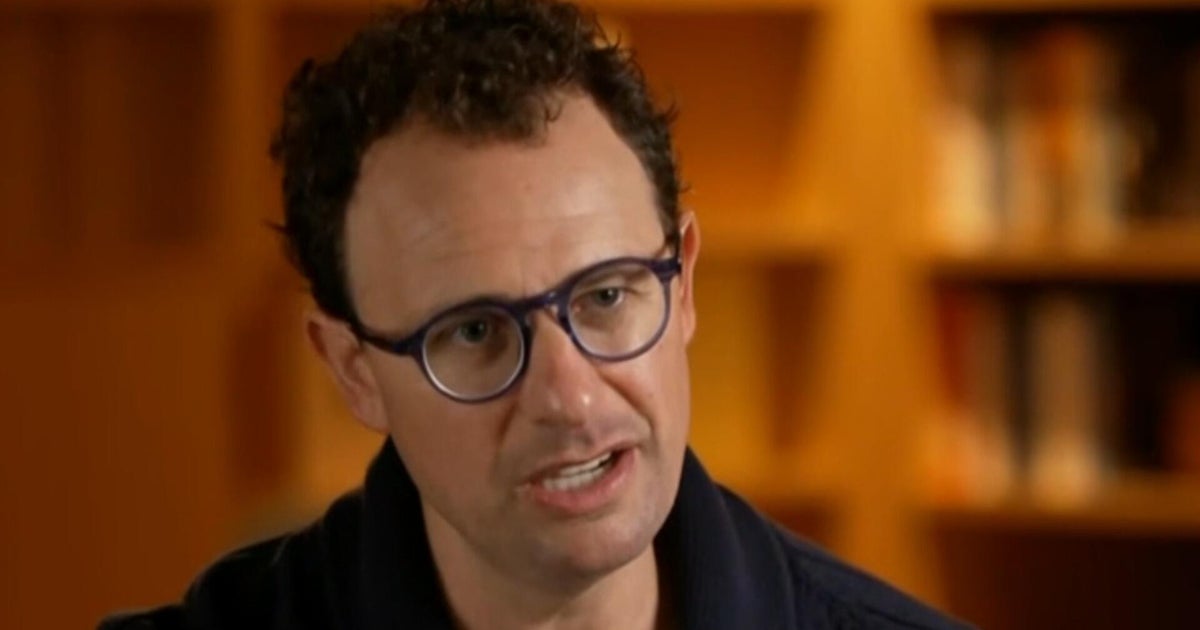
The CEO of Anthropic, Dario Amodei, has shared concerns about new developments in artificial intelligence (AI). He proposed measures to make sure AI technology is safe. Nick Thompson, CEO of The Atlantic, discussed these ideas on CBS Mornings.
Key Facts
Dario Amodei is the CEO of Anthropic, an AI company.
Amodei warned about risks related to rapid AI advances.
He suggested creating safeguards to protect against AI dangers.
Nick Thompson, CEO of The Atlantic, talked about Amodei’s proposal.
The discussion took place on the CBS Mornings show.
The aim is to ensure AI develops in a safe and responsible way.
Read the Original
Want the full story? Tap a source to open the original
article.