Iranian hackers are targeting U.S. and Israeli government officials and company employees with cyber threats, including data leaks and intimidation. This activity marks a shift toward more aggressive tactics by targeting individuals directly, instead of just large organizations.
Key Facts
Iranian hackers are focusing on psychological tactics aimed at government officials and company employees.
A group linked to Iran released supposed emails from FBI Director Kash Patel's personal account and claimed to have details on Lockheed Martin employees.
Lockheed Martin has stated they are confident in their data security systems.
Targeting individuals represents a new, more aggressive tactic in cyber warfare by Iran.
Unverified claims and old data can still require investigations and responses, which use up resources.
The Handala Hack Team, linked to Iran's intelligence, is connected with recent cyber activities.
The U.S. government accused Iran’s intelligence ministry of a cyberattack on medical tech company Stryker.
Future releases of more recent data could increase pressure on allies of the U.S. and Israel.
Read the Original
Want the full story? Tap a source to open the original
article.
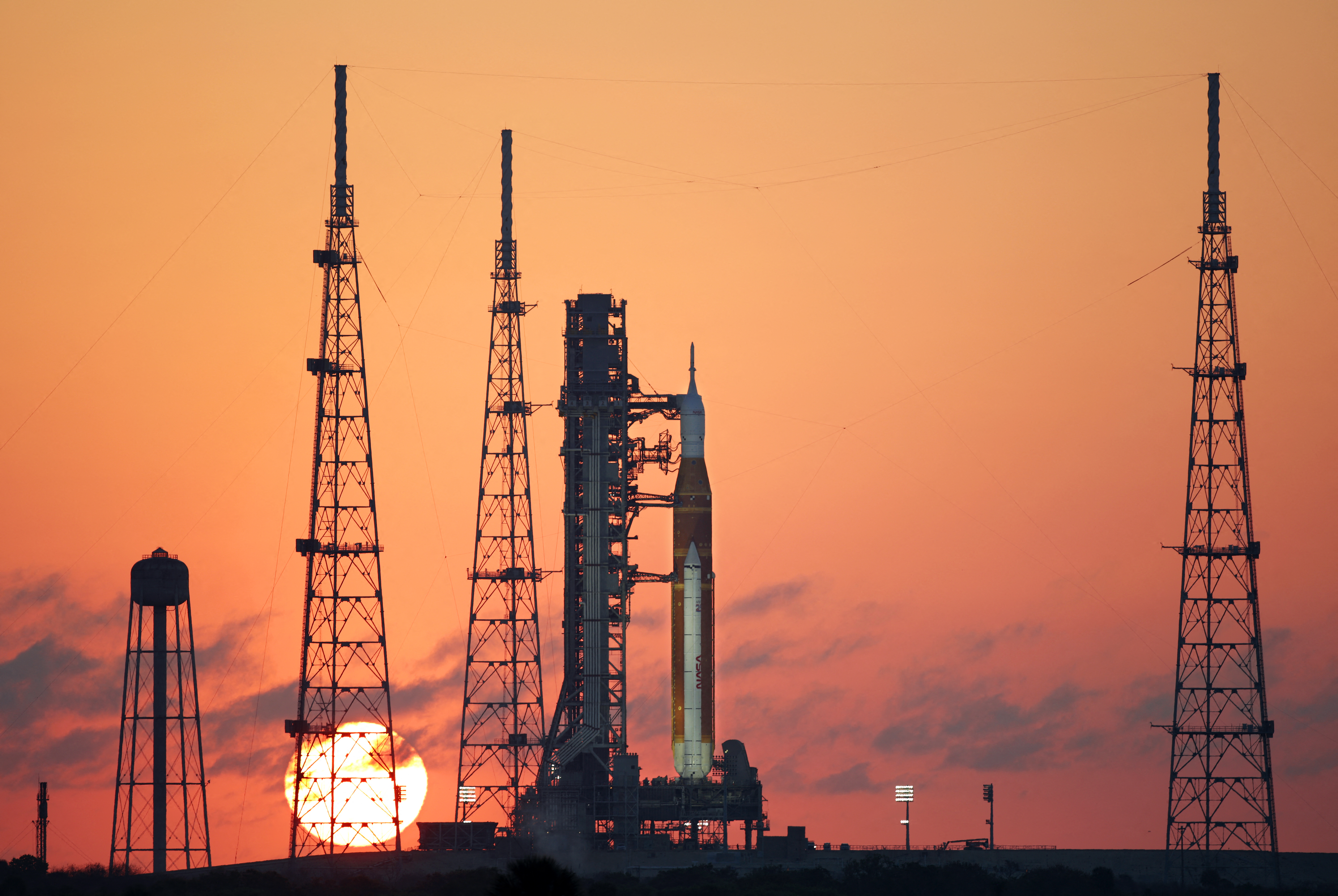
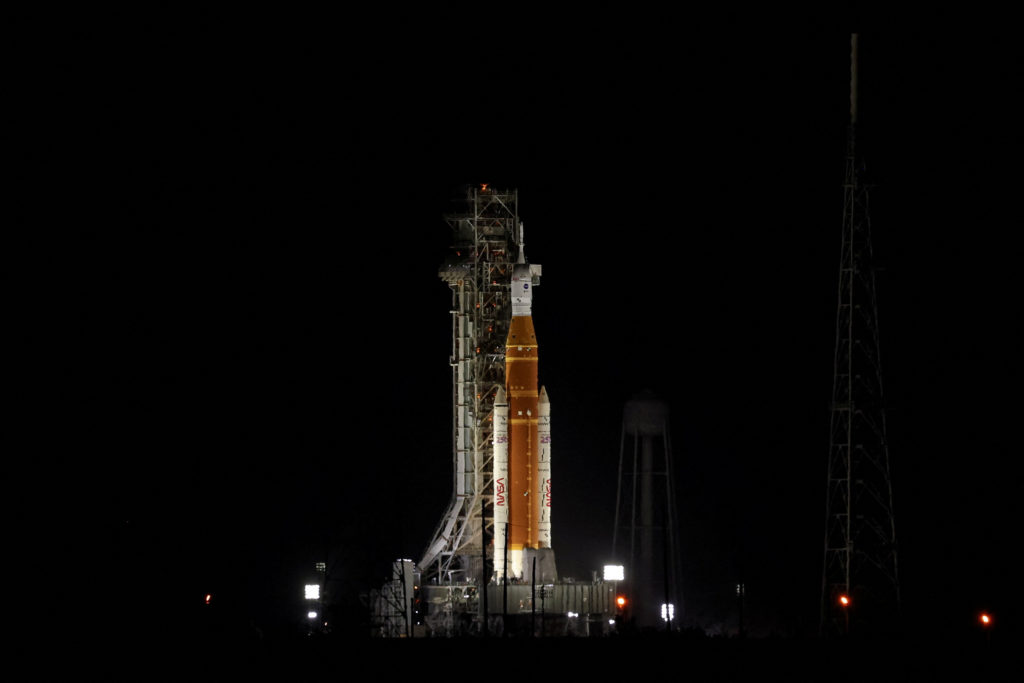
NASA plans to launch its Artemis II mission from Florida on a Wednesday evening, aiming for a 10-day lunar flyby without landing on the Moon. Weather conditions are being watched closely, but current forecasts suggest a low risk of disruption due to storms or winds.
Key Facts
Artemis II is the first crewed mission in NASA's Artemis program, flying astronauts around the Moon.
The mission includes NASA astronauts Reid Wiseman, Victor Glover, Christina Koch, and Canadian astronaut Jeremy Hansen.
The launch is planned for 6:24 p.m. ET on April 1, with a backup window extending to April 6.
NASA will broadcast the launch live on NASA+ and other streaming platforms.
Weather concerns focus on cloud cover and wind, but the weather is expected to be favorable.
Artemis II will not land on the Moon but will circle it and return to Earth.
This mission tests systems for future missions that plan to land on the Moon.
The risks include potential lightning from cloud coverage and high winds affecting the launch.
Read the Original
Want the full story? Tap a source to open the original
article.
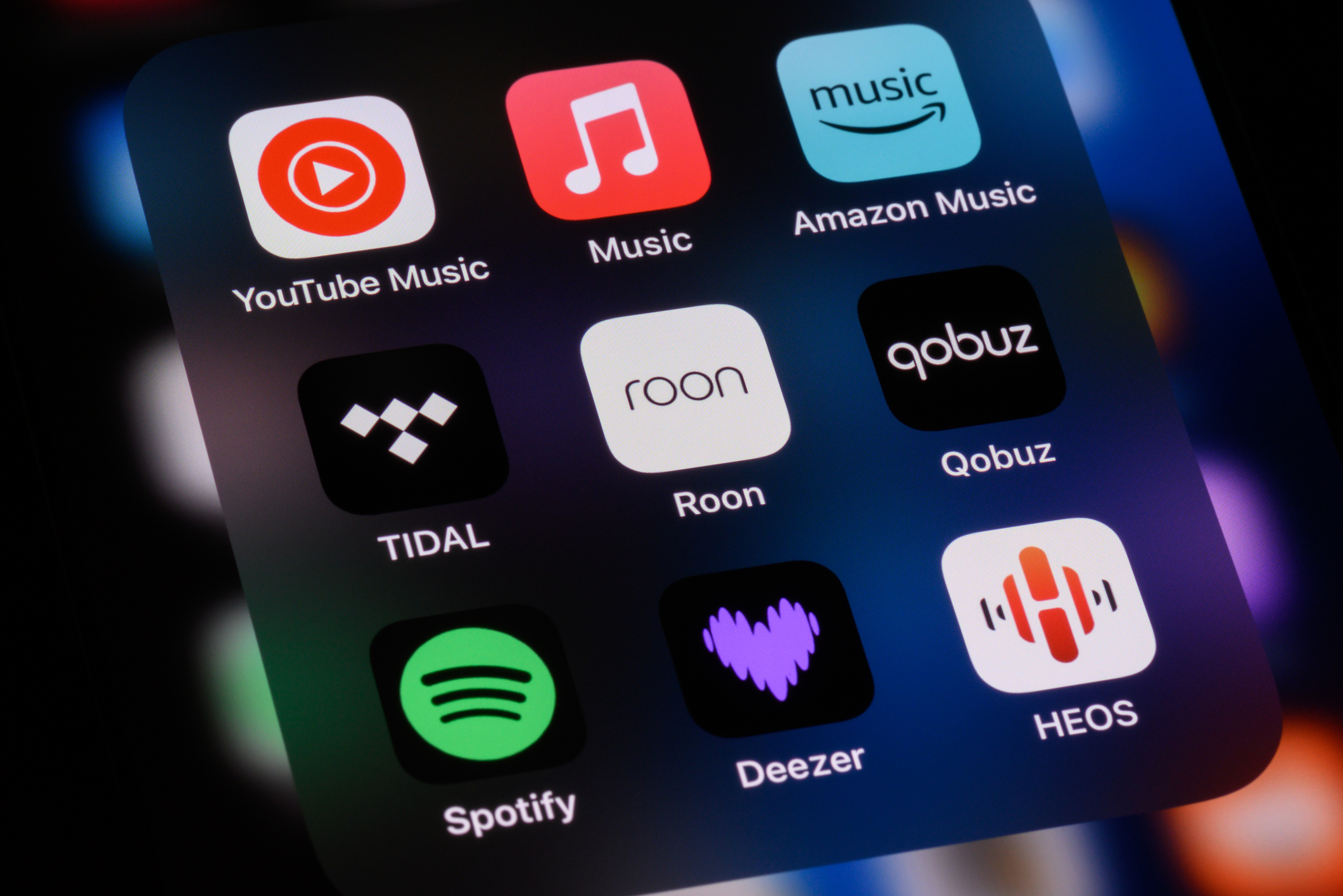
Taylor Swift released a music video that pays tribute to actress Elizabeth Taylor using clips from her movies and archive footage. The video supports Swift's song inspired by Elizabeth Taylor, with proceeds benefiting the actress's estate and charitable foundation. The video is exclusively available on Spotify and Apple Music initially, due to changes in how streaming counts towards music charts.
Key Facts
Taylor Swift released a surprise music video dedicated to Elizabeth Taylor.
The video uses scenes from Elizabeth Taylor's films and archive materials.
Swift received permission from Elizabeth Taylor's estate to use her likeness.
Proceeds from the video's streaming will go to the Elizabeth Taylor Aids Foundation.
Elizabeth Taylor's grandson, Quinn Tivey, praised the homage.
The video streams only on Spotify and Apple Music initially due to changes in chart rules.
The music video is part of Swift's album "The Life of a Showgirl."
Read the Original
Want the full story? Tap a source to open the original
article.
NASA is preparing to launch the Artemis II mission, which will be the first crewed moon mission in over 50 years. The mission involves a rocket launch followed by orbiting the Earth, traveling to the moon, and returning, all within a 10-day span.
Key Facts
NASA is launching a crewed mission to the moon for the first time in 53 years.
The mission is called Artemis II.
The launch is set for Wednesday evening at Cape Canaveral, Florida.
Four astronauts will be aboard the 32-story Space Launch System rocket.
The mission will involve orbiting Earth, going to the moon, and returning without landing on the moon.
The flight will last nearly 10 days and end with a splashdown in the Pacific Ocean.
Launch director Charlie Blackwell-Thompson stated the team is ready for the launch.
Read the Original
Want the full story? Tap a source to open the original
article.
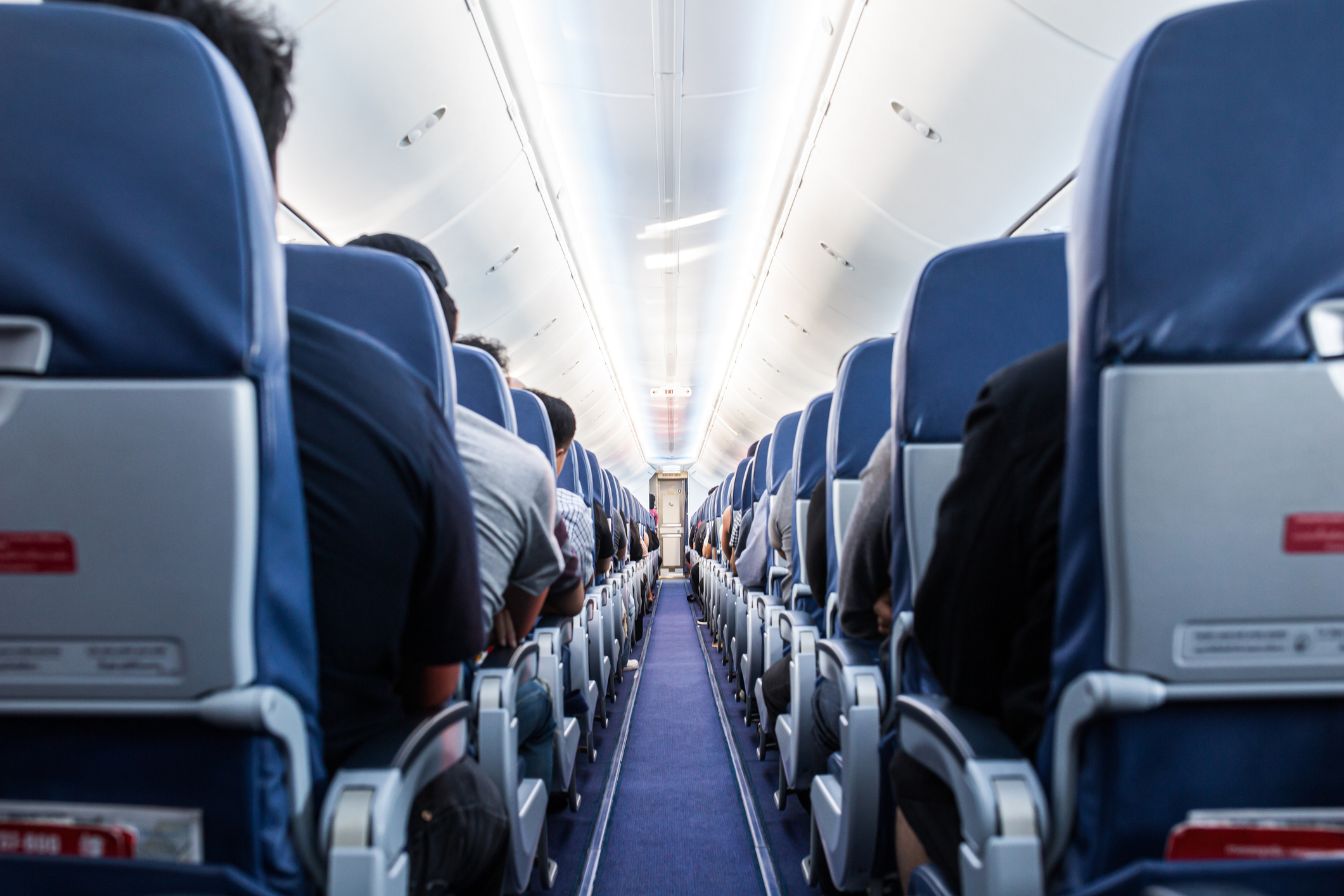
A study published by researchers looked at 27 different scenarios for evacuating an Airbus A320 airplane during an emergency. All scenarios failed to meet the 90-second evacuation requirement set by the FAA, with elderly passengers significantly slowing down the evacuation. The study aimed to improve safety by understanding these evacuation challenges.
Key Facts
The study used simulations to test evacuations on an Airbus A320 during emergencies like a dual-engine fire.
None of the 27 scenarios met the 90-second evacuation requirement set by the FAA.
Elderly passengers had the greatest impact on slowing down the evacuation.
The study used computer models and evacuation software to analyze passenger behavior.
A cabin layout with elderly passengers evenly distributed still exceeded the time limit, taking 141 seconds.
Elderly passengers may face difficulties due to cognitive decline and reduced dexterity.
Future research will explore evacuation challenges for babies, children, and pregnant women.
Researchers aim to help airlines improve evacuation times by considering passenger distribution.
Read the Original
Want the full story? Tap a source to open the original
article.
HBO Max announced its new releases for April 2026, which include a mix of movies and TV shows. Highlights include the release of 70 films on April 1, and the return of popular series like "Euphoria" Season 3 on April 12. The lineup also features a variety of programs from networks like Food Network and Magnolia Network.
Key Facts
HBO Max will release 70 films on April 1, including "Alien" and "The Mummy."
"Euphoria" Season 3 will premiere on April 12.
Additional releases on April 12 include shows from Food Network and Magnolia Network.
"Marty Supreme," a movie featuring Timothée Chalamet, will be available on April 24.
Other movie additions include "The Devil Wears Prada" and "Twister."
New seasons for shows across multiple networks, like HGTV and TLC, will also roll out in April.
Read the Original
Want the full story? Tap a source to open the original
article.
Artificial Intelligence (AI) is being used to improve care for people with Alzheimer's and dementia. It helps identify early signs of these conditions, matches patients with clinical trials faster, and connects patients in remote areas to specialists.
Key Facts
11 million Americans care for someone with dementia.
AI can find early Alzheimer's signs by analyzing eye photos and speech patterns.
AI tools can predict Alzheimer's up to six years before a traditional diagnosis.
Clinical trials for new drugs often face delays due to a lack of volunteers.
AI matches trial volunteers with 87.3% accuracy.
By 2025, the U.S. will have a 19% shortage of neurologists.
AI connects rural patients with specialists remotely to improve access to care.
Read the Original
Want the full story? Tap a source to open the original
article.
A man from North Carolina admitted in court to using artificial intelligence (AI) to create fake songs and artificially boost their popularity on music streaming platforms. This scheme allowed him to collect over $8 million in fraudulent music-streaming royalties. He faces a possible five-year prison sentence after pleading guilty to conspiracy to commit wire fraud.
Key Facts
Michael Smith, 54, generated fake songs using AI and boosted their streaming numbers illegally.
He used software to make bot accounts on platforms like Spotify and Apple Music to play these songs repeatedly.
The fake activity diverted over $8 million in royalties meant for real artists.
Smith admitted to his crimes and agreed to forfeit over $8 million.
The FBI and the U.S. Attorney’s Office for the Southern District of New York led the investigation.
Smith could be sentenced to up to five years in prison.
The misuse of AI for fraud in digital payment systems is a growing concern.
Read the Original
Want the full story? Tap a source to open the original
article.
NASA is preparing to launch Artemis II, a mission that will send four astronauts around the moon. This will be the first time humans go beyond low Earth orbit since 1972. The mission will launch in April 2024 and last about 10 days, testing the Orion spacecraft's systems with humans aboard.
Key Facts
Artemis II is a NASA mission to send humans around the moon.
It will be the first crewed mission beyond low Earth orbit since 1972.
The mission will launch from Kennedy Space Center in Florida on the Space Launch System rocket.
The flight will last about 10 days.
The crew includes three NASA astronauts and one Canadian astronaut.
Christina Koch will be the first woman on a lunar mission; Victor Glover will be the first person of color; Jeremy Hansen will be the first non-American.
The mission will provide important data for future moon and Mars trips.
NASA will stream live coverage on multiple platforms like NASA+, YouTube, and more.
Read the Original
Want the full story? Tap a source to open the original
article.
Ryan Gosling's interview for his new movie "Project Hail Mary" went viral after he used Gen Z slang. The interaction was part of a TikTok video by Jeremy Lynch, which got a lot of attention on social media.
Key Facts
Ryan Gosling used Gen Z slang during an interview about his film "Project Hail Mary."
The video was posted by interviewer Jeremy Lynch on TikTok.
People online praised Gosling's use of phrases like “no cap” and “main character energy.”
The interview style was casual, resembling social media interactions.
The video and its follow-up have received many views, with one reaching over 107,000 views.
Gen Z slang includes terms like “slay” and “no cap,” meaning to excel and to be serious, respectively.
Social media platforms like TikTok are important for film marketing and engaging audiences.
Read the Original
Want the full story? Tap a source to open the original
article.
Apple launched a new feature in Apple Music called "Playlist Playground," which helps make playlists using artificial intelligence (AI). Users complained that the feature often produces playlists that don't match their requests.
Key Facts
"Playlist Playground" is a new feature on Apple Music that uses AI to create playlists.
Users can make playlists by typing prompts like "songs for a rainy day" or "upbeat workout mix."
Many users reported that the feature often gets requests wrong, mixing up genres and moods.
Some users say the tool can't handle basic playlist requests accurately.
Apple Music's use of AI is part of a larger trend where companies try to enhance music streaming with AI-driven recommendations.
Critics on social media platforms like Reddit have commented that Apple's AI seems under-tested and performs inconsistently.
Apple has not shared specific plans on how often they will update or improve this feature.
Read the Original
Want the full story? Tap a source to open the original
article.
The article explains how to identify common scams related to Amazon by recognizing fake texts, emails, and phone calls. It provides tips on how to spot these scams by looking for unusual elements like odd spelling, strange links, and unfamiliar sender addresses.
Key Facts
Amazon is widely used, making it a target for scammers.
Scams often involve texts, emails, or phone calls claiming to be from Amazon.
Scam texts may have odd spelling or random characters to bypass spam filters.
Fake texts may contain strange links not related to Amazon.
Genuine Amazon texts often use specific shortcodes like “25392” or “262966.”
Scam emails might not come from Amazon email addresses; they may have slight misspellings.
Real Amazon emails usually address customers by their names, whereas scams might use generic terms like “Sir/Madam.”
Read the Original
Want the full story? Tap a source to open the original
article.
Apple is warning iPhone users with older software about potential cyberattacks. The company advises updating iOS to protect devices from vulnerabilities that hackers might exploit. Apple suggests using Lockdown Mode for extra protection if users can't update their iOS.
Key Facts
Apple is sending warnings to iPhone users about cyberattack risks.
The alerts target phones with outdated iOS versions.
Hackers use exploit kits like Coruna and DarkSword to attack older software.
Apple has released security updates to fix these vulnerabilities.
Users can update their devices through the Settings app by choosing General, then Software Update.
Lockdown Mode is recommended for those who can't update; it limits some phone functions to increase security.
Apple reports no attacks on devices using Lockdown Mode.
Read the Original
Want the full story? Tap a source to open the original
article.
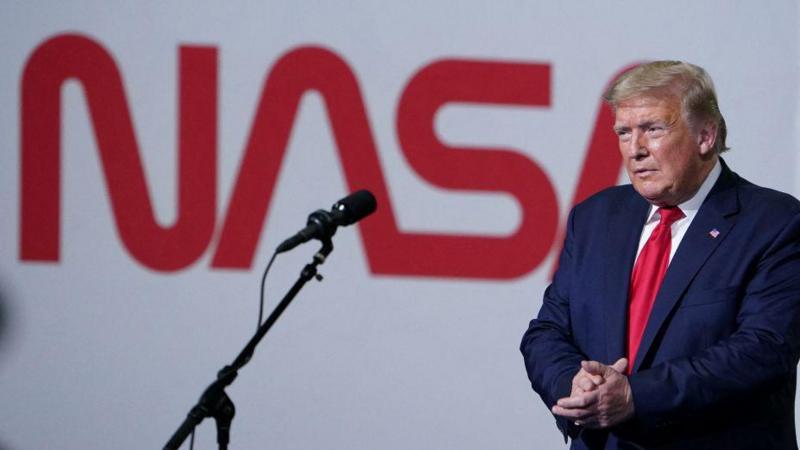
President Donald Trump wants to use a new NASA mission to the Moon to help improve America's global standing. Trump's administration supports the Artemis program, which will send astronauts farther into space than ever before. This mission is seen as a way for the U.S. to gain an advantage over China in space exploration.
Key Facts
President Trump supports a NASA mission called Artemis, which aims to send astronauts to the Moon and eventually Mars.
Four astronauts will be part of the Artemis mission, traveling farther into space than any previous missions.
Trump signed an executive order for a U.S. return to the Moon by 2028 and a permanent base by 2030.
The mission may boost U.S. competitiveness against China in space exploration.
NASA's plan involves using the Moon as a stepping stone to future Mars exploration.
Lunar resources, like helium-3 and water ice, could be important for technology and space travel.
Trump created the Space Force as a new military branch to protect U.S. interests in space.
Read the Original
Want the full story? Tap a source to open the original
article.
Fargo police admitted they made mistakes using facial recognition technology, which led to the wrongful arrest of Angela Lipps, a woman from Tennessee. She spent over five months in jail, although she was not involved in the crime. The charges were eventually dropped, and police announced new limits on using AI technology in investigations.
Key Facts
Angela Lipps, a 50-year-old grandmother from Tennessee, was wrongly jailed for over five months due to errors in facial recognition technology.
The arrest occurred after police in North Dakota issued a warrant linking her to bank fraud over 1,000 miles away.
Lipps was identified by a facial recognition tool called Clearview AI, used by West Fargo Police.
Clearview AI has been used in about 250 cases over the last two years by the department.
Bank records and location data showed Lipps was in Tennessee at the time of the alleged crimes.
The charges against Lipps were dismissed without prejudice on December 23, 2025, and she was released the following day.
Fargo Police Chief Dave Zibolski has announced new restrictions on the use of AI tools to prevent similar errors in the future.
The police acknowledged that the investigation is part of a broader organized fraud scheme across multiple states.
Read the Original
Want the full story? Tap a source to open the original
article.
Apple has released the MacBook Neo, a new budget-friendly laptop powered by the A18 Pro chip from the iPhone 16 Pro. It offers good performance and quality features similar to higher-end MacBooks but costs significantly less, starting at £599.
Key Facts
The MacBook Neo is a 13-inch laptop using the iPhone A18 Pro chip.
It costs around £599, which is about £500 less than the MacBook Air.
The laptop has a high-quality aluminum body and a screen with 500 nits brightness, but lacks True Tone technology.
It includes a mechanical trackpad and a keyboard without backlighting.
The base model does not have Touch ID; only higher storage versions include it.
The Neo has a 1080p webcam, good microphones and speakers, and a headphone jack.
Battery life lasts about 13 hours on typical use like browsing and editing photos.
It charges slowly (over 2 hours) using a 35W adapter, which is not included.
Read the Original
Want the full story? Tap a source to open the original
article.
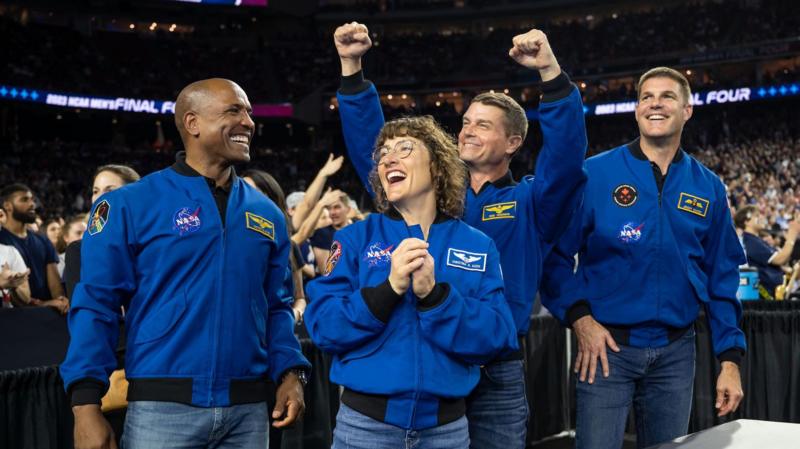
The Artemis II mission is preparing to send four astronauts on a trip around the Moon, marking the first such mission in over 50 years. The crew includes NASA astronauts Reid Wiseman, Victor Glover, Christina Koch, and Canadian astronaut Jeremy Hansen. Each member has unique accomplishments and personal stories, such as Koch's record-setting spaceflight and Wiseman's experience as a single parent.
Key Facts
Artemis II will be the first crewed mission to orbit the Moon in more than 50 years.
The mission includes three NASA astronauts: Reid Wiseman, Victor Glover, Christina Koch, and Canadian astronaut Jeremy Hansen.
Reid Wiseman, the mission commander, is a US Navy test pilot and has spent six months on the International Space Station.
Christina Koch holds the record for the longest single spaceflight by a woman, with a 328-day mission.
The astronauts are allowed to take personal items with them; Wiseman is bringing a notepad, and Koch is taking handwritten notes.
The mission aims to pave the way for future human exploration of the Moon and Mars.
Read the Original
Want the full story? Tap a source to open the original
article.
A teacher stated that students today lack basic computer skills despite their exposure to technology. This sparked an online debate about whether constant use of tech gadgets translates into real technical abilities. Many argue that students need formal instruction to develop necessary computer skills.
Key Facts
A teacher posted online claiming students aren't as tech-savvy as often assumed.
They observed students having difficulty with basic computer tasks, like distinguishing between an app and a file.
Many students rely on inefficient self-taught methods for computer tasks.
There is a debate about whether smartphone use leads to actual tech literacy.
International data shows U.S. students lag behind peers in countries like Germany and South Korea in digital skills.
Some teachers note a decline in typing and basic troubleshooting skills among students.
Students often lack formal computer education, impacting their ability to work independently.
Read the Original
Want the full story? Tap a source to open the original
article.
The article discusses the rise of dome and sphere-shaped entertainment venues, like the Las Vegas Sphere, which opened in September 2023. These venues offer immersive experiences by using large screens and visual effects but face challenges in proving their long-term popularity and financial viability.
Key Facts
The Las Vegas Sphere opened in September 2023 and has featured performances by groups like the Backstreet Boys and U2.
The Sphere covers a 15,000 square meter area inside and uses large screens for visual effects.
Initially questioned for its financial viability, the Sphere reported a net income of $57.6 million in early 2025.
Sphere Entertainment plans to create smaller "mini Spheres" with 5,000-seat capacity in other locations.
Prototype venues like the Sphere use advanced technology to create immersive experiences similar to virtual reality.
Concerns about their financial success mirror past trends like 3D cinema, which struggled to become widely popular.
Plans for a similar venue in London were canceled in 2024 due to planning permission issues.
Read the Original
Want the full story? Tap a source to open the original
article.
President Trump wants to significantly increase the U.S. nuclear power capacity by 2050. New advanced nuclear reactors are being developed, which could be important for future energy needs.
Key Facts
President Trump aims to increase U.S. nuclear power capacity four times by 2050.
The administration has reduced support for many other clean energy types, but not nuclear.
Advanced reactors, which are newer and have better technology, are being developed.
These new reactors might start a new era of nuclear energy.
The development of advanced nuclear power is part of a series called Tipping Point.
Read the Original
Want the full story? Tap a source to open the original
article.