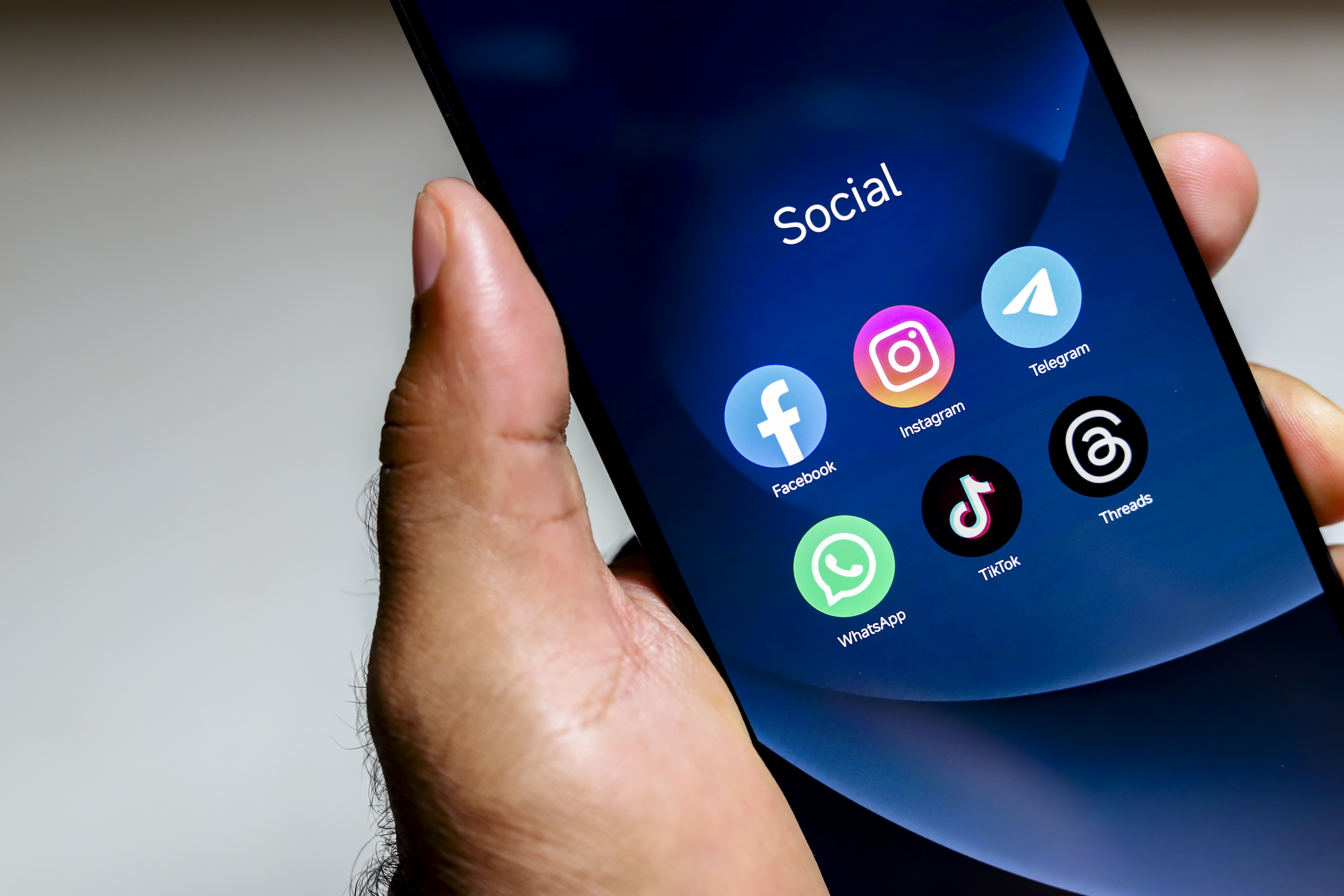
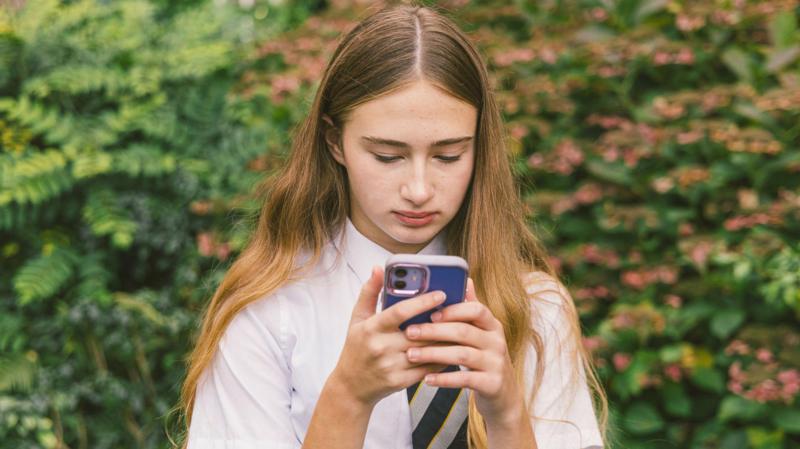
Apple is implementing age checks for iPhone and iPad users in the UK. Users will need to verify they are adults to access certain services, like 18-plus apps, by providing a credit card or scanning their ID. This change follows new safety rules in the UK aimed at protecting children online.
Key Facts
Apple is adding age verification checks for iPhone and iPad users in the UK.
Users must confirm they are adults to access specific apps by using a credit card or ID.
If users don't verify their age, web content filters will be automatically turned on.
The UK media regulator, Ofcom, supports this move for child and family safety.
New UK rules in the Online Safety Act of 2025 focus on child safety but don't include device-level age checks yet.
Children under 13 will need a guardian to create an Apple account.
An ongoing debate continues about online protection for young users and data privacy issues.
The UK is testing limits on social media use for teenagers as part of broader safety measures.
Read the Original
Want the full story? Tap a source to open the original
article.
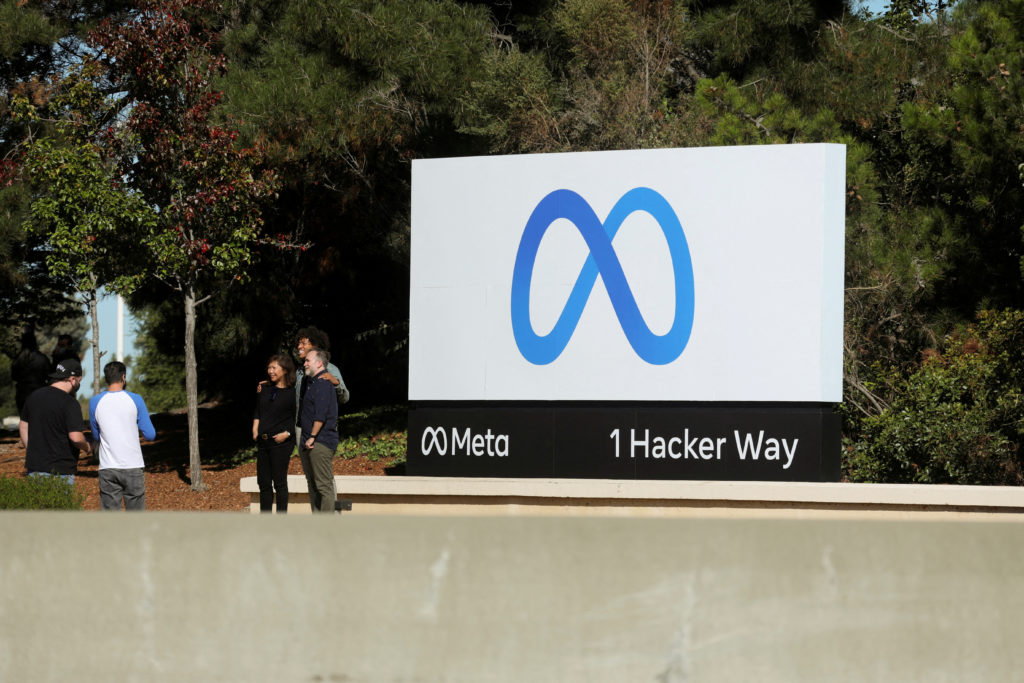
A New Mexico jury found Meta liable for $375 million for harming children's mental health and enabling exploitation on its platforms. However, these lawsuits may not bring the changes needed to protect children from social media harms. Existing laws are not designed to address these issues, and more effective regulation could come from different approaches.
Key Facts
A jury in New Mexico decided Meta must pay $375 million for harming children's mental health and violating consumer protection laws.
Meta was accused of enabling child exploitation and misleading about platform safety.
Internal documents from Meta showed Instagram was described like a drug and compared to a slot machine.
New Mexico's lawsuit is part of many legal actions against social media companies regarding youth mental health issues.
Current laws, like consumer protection and product liability, are not well-suited to address these social media problems.
Changes to protect children from harmful online content may require new regulations or Congress action.
A proposed solution is to implement age verification technology on devices to restrict minors' access to social media.
Read the Original
Want the full story? Tap a source to open the original
article.
A jury in New Mexico ruled that Meta platforms, which include Facebook and Instagram, harm children's mental health. They imposed a $375 million penalty on Meta for violating state consumer protection laws. This is the first verdict among many cases aiming to hold social media companies accountable for child safety issues.
Key Facts
A jury in New Mexico found Meta platforms harmful to children's mental health.
Meta was fined $375 million for violating state consumer protection laws.
The verdict is part of many ongoing cases seeking to hold social media companies responsible for child safety.
The lawsuits argue that platforms are designed to addict children and expose them to harmful content.
Legal challenges may affect tech companies' protections under the First Amendment and Section 230.
The New Mexico Attorney General's team posed as children online to build the case against Meta.
Meta plans to appeal the decision, asserting they prioritize safety on their platforms.
The outcome may lead to changes in how social media platforms operate.
Read the Original
Want the full story? Tap a source to open the original
article.
A judge in California has supported Anthropic, a tech company, in its efforts to regulate AI use in weapons, countering actions by President Trump's administration. The company was labeled a "supply chain risk," which could block it from military contracts due to its stance on AI regulation. This case could lead to a preliminary legal decision that stops the Defense Department from punishing Anthropic.
Key Facts
Anthropic is a tech company focusing on AI regulations regarding their use in weapons.
A California judge said that the U.S. Department of Defense might be unfairly targeting Anthropic.
The Defense Department categorized Anthropic as a "supply chain risk," impacting its government contracts.
The case involves discussions about AI's role and whether it should be regulated.
Legal experts and tech companies, like Microsoft and employees from OpenAI and Google, support Anthropic's position.
This is the first time a U.S. company has been labeled a "supply chain risk" in this way.
Anthropic argues that its AI should not be used without human oversight, especially for weapons and surveillance.
Read the Original
Want the full story? Tap a source to open the original
article.
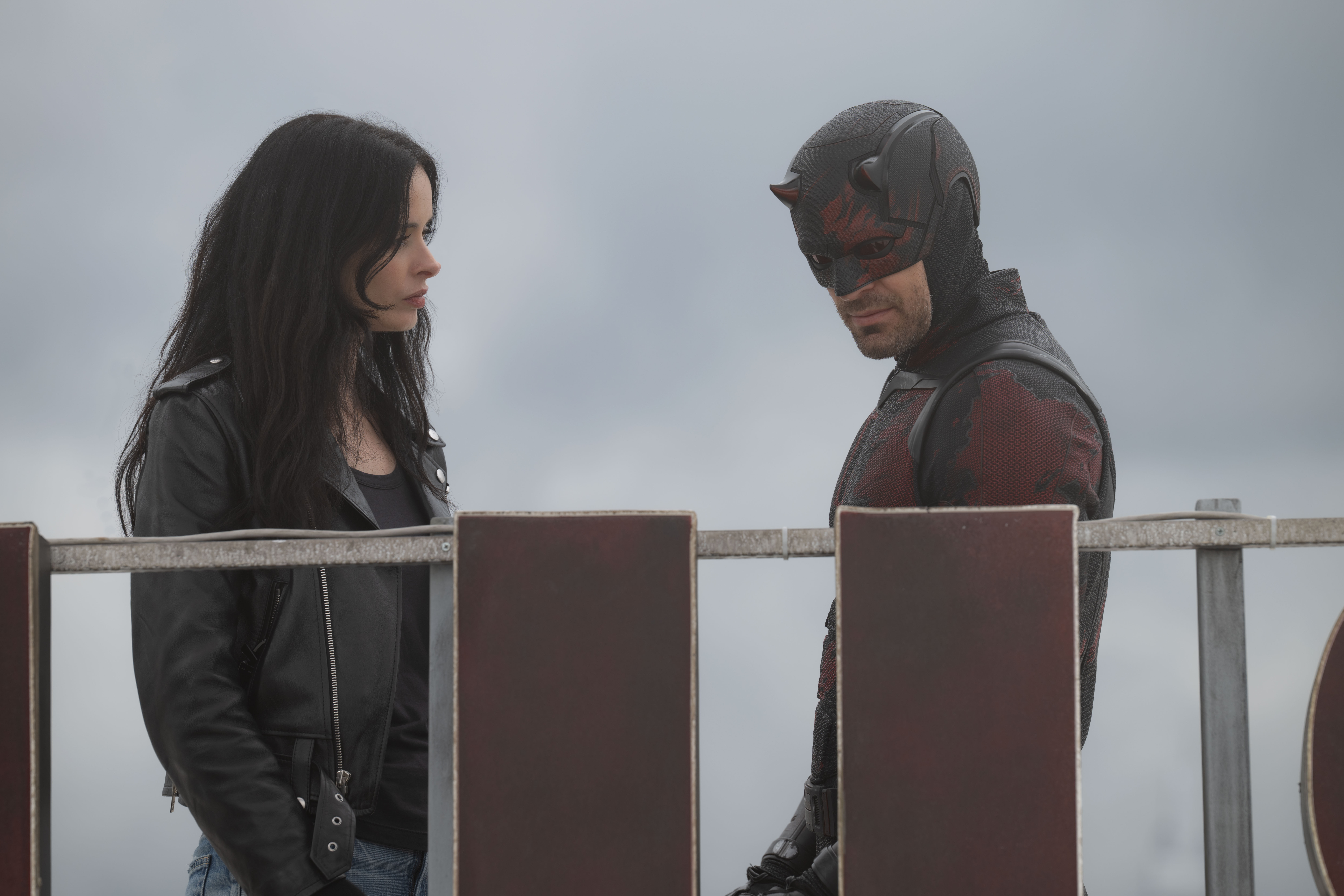
The second episode of the second season of "Daredevil: Born Again" will be streaming on Disney+ on March 31, 2026. New episodes of the series will be available every Tuesday until May 12, 2026. You need a Disney+ subscription to watch the show.
Key Facts
"Daredevil: Born Again" Season 2, Episode 2 will be available on March 31, 2026.
The show streams on Disney+ at 6 p.m. PT/9 p.m. ET.
Episodes release weekly every Tuesday until May 12, 2026.
To watch, a Disney+ subscription is necessary, costing $11.99/month with ads or $18.99/month without ads.
The series stars Charlie Cox as Matt Murdock/Daredevil and Deborah Ann Woll as Karen Page.
Episode 1 of Season 2 premiered on March 24, 2026.
Exact runtimes for Season 2 episodes have not yet been confirmed.
Read the Original
Want the full story? Tap a source to open the original
article.
An app in China called "Are You Dead?" became popular by asking users to check in daily to show they are alive. If they don't, an alert goes to an emergency contact. This trend reflects a broader pattern of using technology to address loneliness, which is becoming more common as more people live alone.
Key Facts
The app "Are You Dead?" alerts an emergency contact if a user doesn't check-in for 48 hours.
The app is popular in China, where almost 20% of people live alone.
In the U.S., loneliness is considered a public health concern.
Technology, like AI companions and dating apps, is being used to combat loneliness.
In 2023, 30% of U.S. adults had used a dating app or site.
Political thinkers link loneliness to potential political instability.
Read the Original
Want the full story? Tap a source to open the original
article.
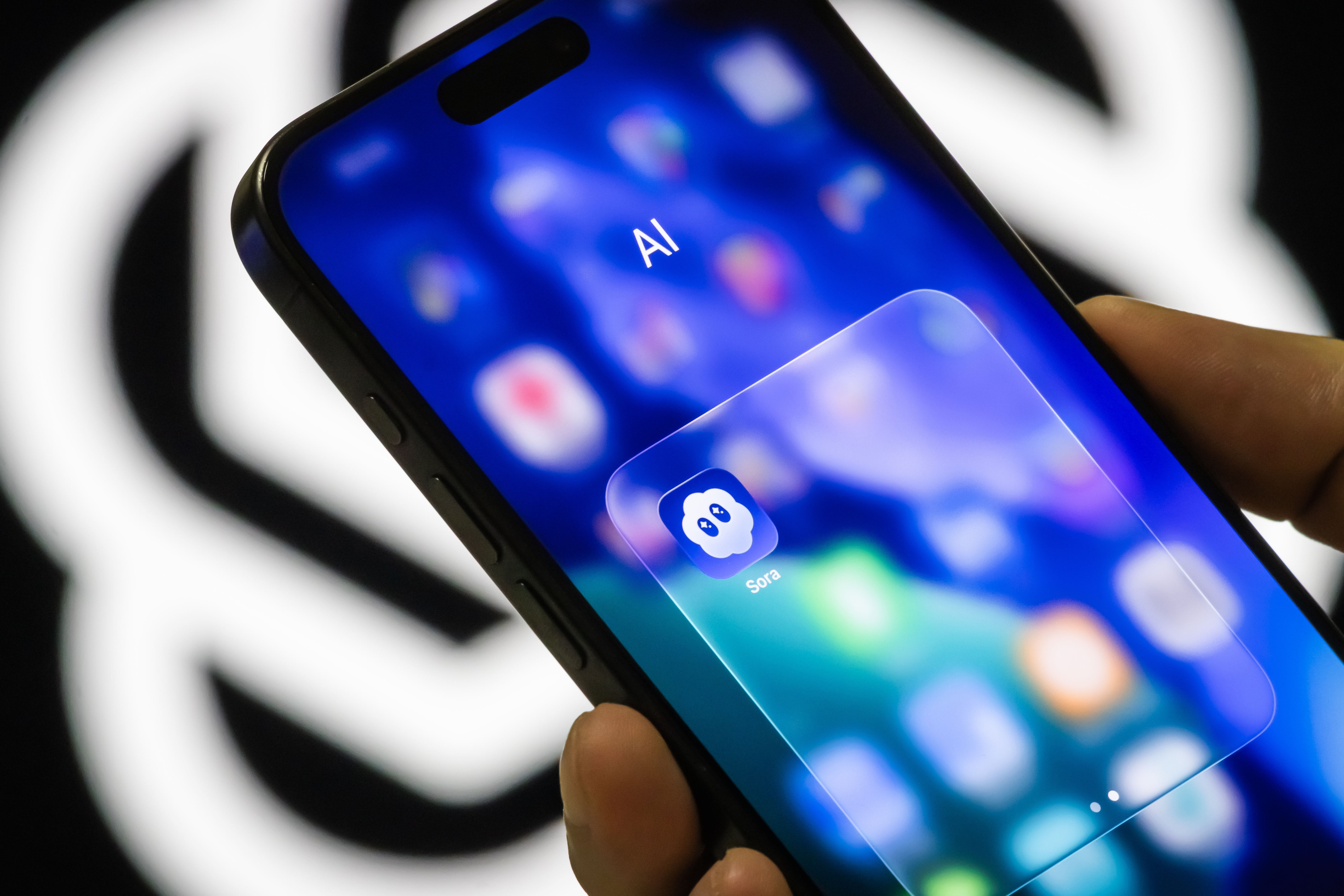
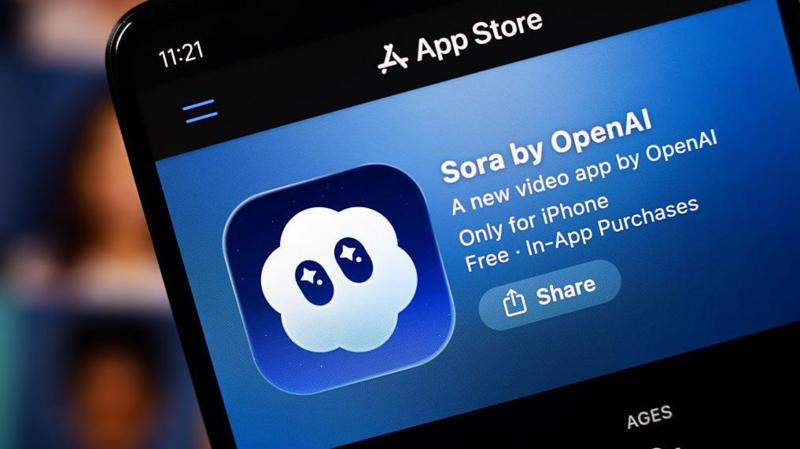
OpenAI announced it is shutting down its AI video app, Sora, just six months after its launch. The app allowed users to create videos from text prompts but faced issues with deepfake videos and inappropriate content. OpenAI is shifting focus to other projects, like robotics and coding tools, and ending its collaboration with Disney.
Key Facts
OpenAI is closing down its AI video generator app, Sora, after six months.
Sora allowed users to make videos from text prompts, similar to how ChatGPT works with text.
The app climbed to the top of Apple's App Store shortly after launching.
Sora faced criticism for enabling harmful content, including deepfakes.
OpenAI had recently introduced safety guidelines to curb problematic content.
OpenAI plans to focus on other tech areas, like robotics and coding.
A content partnership Sora had with Disney is also ending.
Read the Original
Want the full story? Tap a source to open the original
article.
NASA has revealed plans to create a permanent moon base by starting with robotic missions and gradually building infrastructure for humans to live and work there. The initiative aims to establish a continuous human presence on the moon, supporting future missions to Mars. This strategy aligns with President Trump's National Space Policy and responds to global competition in space exploration.
Key Facts
NASA plans to begin with robotic landers and equipment to test operations on the moon.
The project will evolve to include semi-habitable structures and equipment for short astronaut visits.
Eventually, heavier landers will deliver permanent living habitats and support for long-term human missions.
The plan is part of efforts to return humans to the moon quickly and maintain a permanent presence.
NASA's approach expands its Artemis program and includes frequent lunar landings starting in 2027.
The strategy focuses on using commercially developed spacecraft to lower costs and increase mission frequency.
Current work on the Gateway space station will shift to support lunar-focused operations.
International partners like Japan are contributing technologies and resources to the program.
Read the Original
Want the full story? Tap a source to open the original
article.
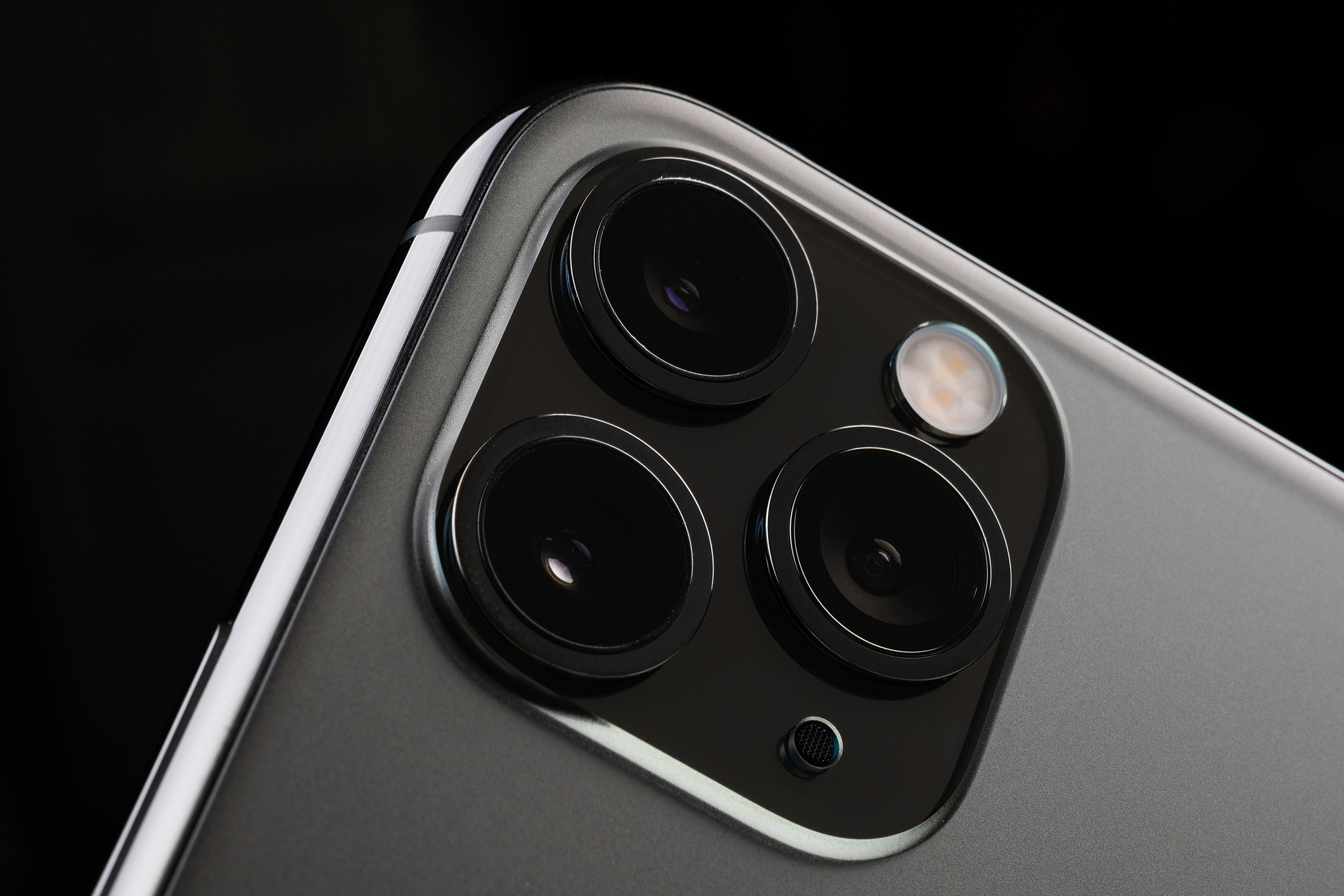
An iPhone user discovered that removing a lens protector improved their photo quality. The lens protector had been reducing picture clarity, and taking it off led to clearer images.
Key Facts
An iPhone user noticed their pictures were not clear and found the lens protector was the issue.
The user posted on Reddit comparing photos with and without the lens protector.
Removing the lens protector resulted in better image quality.
The user had used the lens protector for 3-4 months before noticing the issue.
Many Reddit users agreed that lens protectors might not be necessary since iPhone lenses are made from durable materials like sapphire.
Some iPhone cases have removable or hinge-based lens protectors for better photo quality.
The user expressed regret for using the lens protector, feeling it reduced the phone’s photo capabilities.
Read the Original
Want the full story? Tap a source to open the original
article.
OpenAI decided to close its AI video app Sora due to concerns about the misuse of deepfake videos and nonconsensual images. The app, released to compete with popular short-form video platforms, faced criticism from experts and advocacy groups about the potential dangers of AI-generated videos. The shutdown also affects a significant deal with Disney involving $1 billion and character usage.
Key Facts
OpenAI shut down the Sora app amid concerns over AI-generated deepfakes.
The app allowed users to create short videos using AI, similar to TikTok and Instagram.
Advocacy groups and experts worried about the misuse of the app for nonconsensual videos.
OpenAI faced backlash for AI depictions of public figures like Michael Jackson.
A planned $1 billion deal with Disney linked to Sora ended without completion.
Disney had agreed to provide over 200 characters for use in Sora's videos.
The decision reflects OpenAI's shift towards more lucrative business areas.
Read the Original
Want the full story? Tap a source to open the original
article.
OpenAI has closed its AI video-generation app called Sora, ending its partnership with Disney to focus on other AI technologies like robotics. Disney plans to work with other AI platforms to safely use this technology while respecting intellectual property rights.
Key Facts
OpenAI has shut down its Sora app that created videos using AI technology.
The closure comes less than two years after Sora was launched in December 2024.
OpenAI is also ending its content partnership with Disney.
OpenAI aims to focus on developing AI for tasks in robotics.
Disney will explore other AI options to use technology safely and legally.
The Sora app allowed users to create videos with Disney characters under a licensed deal.
Sora faced concerns about potential copyright issues and competition in the AI video market.
Read the Original
Want the full story? Tap a source to open the original
article.
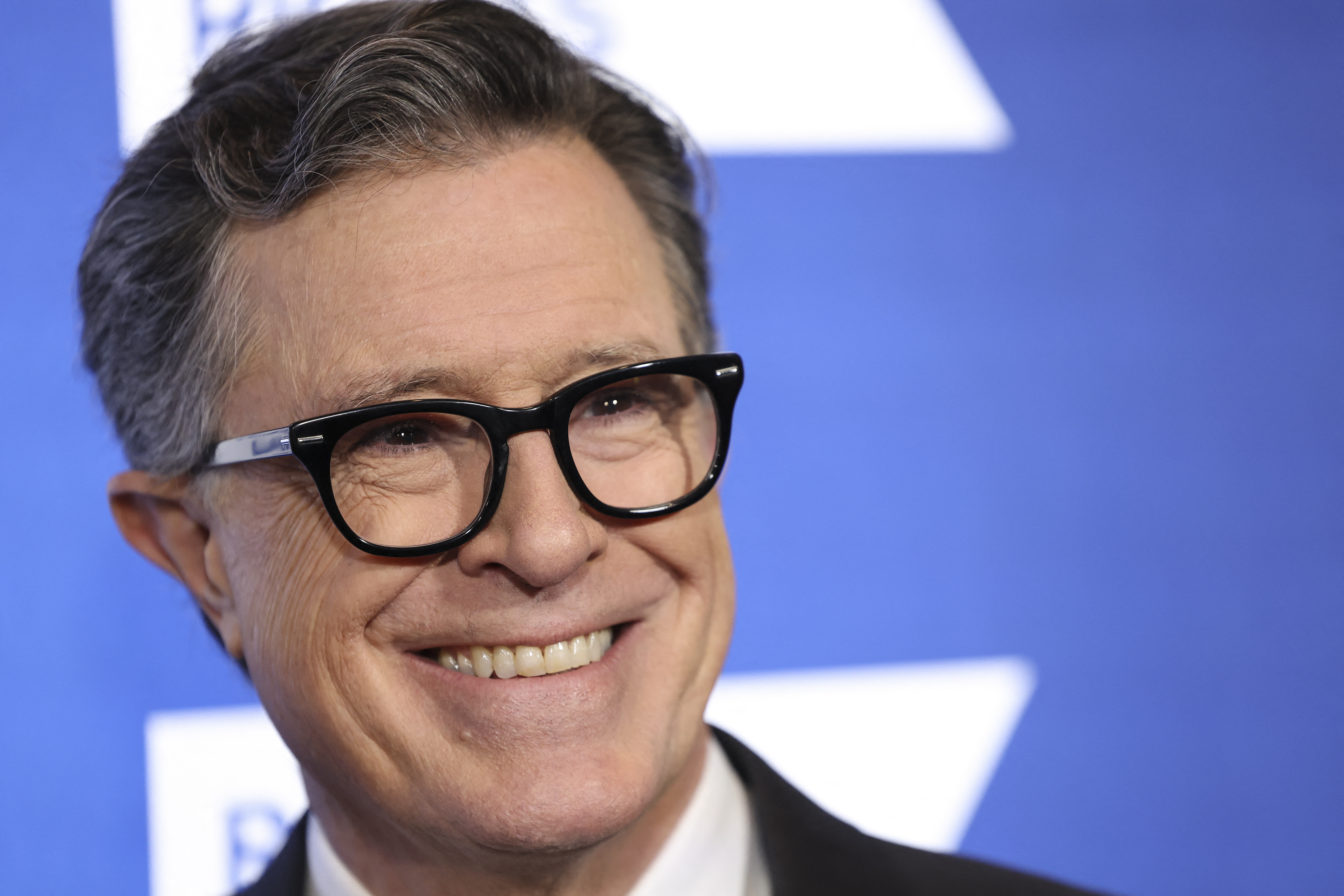
Stephen Colbert and his son are developing a new "Lord of the Rings" movie with Warner Bros. This new chapter in the "Lord of the Rings" series involves Colbert writing and developing the story, with a plot focusing on characters retracing adventures 14 years after Frodo's journey.
Key Facts
Stephen Colbert is developing a new "Lord of the Rings" movie with Warner Bros.
Colbert is writing the story along with his son.
The announcement aligns with Tolkien Reading Day.
The new film's plot involves characters like Sam, Merry, and Pippin retracing past adventures.
Sam's daughter, Elanor, discovers a secret about the War of the Ring.
This is the first major film Colbert is writing and developing.
No release date or casting details have been provided yet.
Read the Original
Want the full story? Tap a source to open the original
article.
A jury in New Mexico has ordered Meta, the company that owns Facebook and Instagram, to pay $375 million. The decision was made because the company was found to have harmed children’s mental health and exposed them to dangers. This is the first time a U.S. state has successfully sued Meta over issues related to child safety.
Key Facts
A U.S. jury has ordered Meta to pay $375 million for harming children's mental health.
The jury in New Mexico found Meta failed to protect minors on its social media platforms.
This case is the first successful lawsuit by a U.S. state against Meta for child safety issues.
Meta owns platforms such as Instagram, Facebook, and WhatsApp.
Prosecutors argued Meta prioritized profits over child safety and violated state laws.
40 witnesses and many documents were reviewed during the trial.
Meta plans to appeal the verdict, stating it disagrees with the decision.
Another legal phase in New Mexico will address further penalties and required changes for Meta.
Read the Original
Want the full story? Tap a source to open the original
article.
A photo of a new security feature inside a Southwest Airlines plane, nicknamed "sky jail," sparked online curiosity. The feature is actually a "secondary cockpit barrier" designed to protect pilots during moments when the cockpit door is open, following safety rules created after the September 11 attacks.
Key Facts
A passenger shared a photo of a "barred door" on a Southwest Airlines flight, calling it a "sky jail."
The feature is known as a secondary cockpit barrier, not a jail cell.
It is designed to secure the cockpit when the main door has to be opened during flights.
Reinforced cockpit doors have been standard since the September 11, 2001 attacks.
The Federal Aviation Administration requires these barriers on new aircraft, but older planes are not yet required to have them.
Southwest Airlines is among the first U.S. carriers to install these on newly manufactured planes.
The feature replaces older security methods, like using beverage carts to block access.
Read the Original
Want the full story? Tap a source to open the original
article.
Apple has raised prices for some external storage devices, with certain models now costing more than double their previous prices. The increased demand for memory in AI technology is affecting supply, leading to higher prices and limited availability.
Key Facts
Apple customers are noticing sharp price increases for external storage devices.
A 4-terabyte SanDisk external SSD rose from about $500 to around $1,200.
A 1-terabyte version increased from about $120 to approximately $360.
The price hikes are visible online and in-store, with some models hard to find.
The demand for AI infrastructure is putting pressure on supply chains for storage components.
Apple does not manufacture the external drives, and third-party vendors set prices.
Other retailers like Amazon and Best Buy are also experiencing price increases.
The shortages are linked to the high demand for AI hardware that uses a lot of memory.
Read the Original
Want the full story? Tap a source to open the original
article.
The UK government is testing social media restrictions on 300 teenagers to see how these changes affect them. The trial includes banning social media, setting digital curfews, and limiting app use. The government is also considering making it illegal for those under 16 to access many social media sites.
Key Facts
300 UK teenagers are part of the trial to test different social media restrictions.
The trial includes app bans, digital curfews, and time limits on app usage.
Some teenagers will not experience any changes to compare different effects.
The government is consulting on whether to follow Australia's ban on social media for under-16s.
Interviews will be conducted with participants before and after the trial to measure impact.
Nearly 30,000 responses have been received in the government's consultation.
The trial is part of a "world's first major scientific trial" funded by the Wellcome Trust.
Other countries like France, Spain, and Indonesia are also considering similar social media restrictions for young people.
Read the Original
Want the full story? Tap a source to open the original
article.
OpenAI announced it will shut down Sora, its AI video generator app, six months after launching its popular stand-alone version. The decision comes amid challenges with managing harmful content and shortly after a partnership with Disney ended.
Key Facts
OpenAI launched Sora publicly in late 2024, with a stand-alone app released in September that quickly became the top app on Apple’s store.
Sora allowed users to create and share realistic AI-generated videos, including those featuring famous characters and surreal scenarios.
The app faced criticism for generating violent, racist, and misleading videos, as well as deepfakes and copyrighted content issues.
Content moderation was difficult, causing problems controlling harmful or inappropriate material on the platform.
OpenAI worked on safety measures to restrict violent, sexual, and extremist content but still decided to close the app.
OpenAI and Disney had a three-year deal allowing use of licensed Disney characters in Sora videos, which ended after OpenAI’s shutdown announcement.
Disney expressed respect for OpenAI’s decision and plans to continue exploring AI responsibly.
OpenAI will provide instructions soon on how users can save their existing videos before the shutdown.
Read the Original
Want the full story? Tap a source to open the original
article.
A court in New Mexico ordered Meta to pay $375 million for misleading users about the safety of its platforms for children. The jury found that Meta's platforms exposed children to harmful content. Meta intends to appeal this decision.
Key Facts
Meta was ordered to pay $375 million by a New Mexico court.
The jury found Meta's platforms, like Facebook and Instagram, exposed children to explicit content.
New Mexico Attorney General Raul Torrez called the ruling "historic."
Meta, led by Mark Zuckerberg, disagrees with the verdict and plans to appeal.
The jury found Meta violated New Mexico's Unfair Practices Act.
Thousands of similar lawsuits against Meta are in U.S. courts.
The New Mexico lawsuit began in 2022.
The lawsuit claims Meta's algorithms showed harmful content to young users.
Read the Original
Want the full story? Tap a source to open the original
article.
OpenAI is shutting down its Sora video app to focus on other priorities like capital and enterprise products. The app, which let users create AI videos, will no longer be available, but the exact shutdown date hasn't been announced. OpenAI will continue its work on world simulation research for robotics.
Key Facts
OpenAI will close its Sora video app and API, with no set date announced yet.
The main reason for the shutdown is to concentrate on capital, chips, and enterprise products.
Sora allowed users to insert themselves into AI-generated short videos and garnered quick popularity but saw a decline in downloads.
OpenAI previously planned to collaborate with Disney for AI video content, but that deal is now off.
OpenAI's CEO, Sam Altman, will focus on raising capital and securing resources, delegating safety and security roles to other executives.
The company has finished initial development of a new AI model series called "Spud."
Sora's research team will still work on projects related to world simulation and robotics.
Read the Original
Want the full story? Tap a source to open the original
article.
A jury in New Mexico found Meta, which owns Instagram and Facebook, guilty of harming children's mental health and breaking state law. The decision came from a trial where prosecutors claimed Meta prioritized profit over safety and made misleading statements. Meta faces a $375 million penalty and the case is one of many similar lawsuits regarding the effects of social media on children.
Key Facts
A New Mexico jury decided that Meta harmed children's mental health and broke consumer protection laws.
The trial lasted almost seven weeks and focused on Meta’s platforms like Instagram and Facebook.
Meta was found to prioritize profits over user safety and make misleading statements.
The jury ruled there were numerous violations, leading to a penalty of $375 million.
The case is part of a wave of lawsuits concerning social media's impact on children.
Over 40 state attorneys general have filed lawsuits against Meta for similar reasons.
New Mexico’s lawsuit argued Meta did not fully address or disclose risks related to social media addiction.
Meta claimed it invests in safety and designs apps to connect people, not harm them.
Read the Original
Want the full story? Tap a source to open the original
article.