The creator of "The Night Agent," Shawn Ryan, is preparing for a potential fourth season by working on scripts even though Netflix hasn't officially approved it yet. The streaming service plans to observe the performance of Season 3, which premiered on February 19, before deciding about a Season 4.
Key Facts
Shawn Ryan is the creator of "The Night Agent."
The writers' room for Season 4 has begun developing scripts.
Netflix has not officially approved Season 4 yet.
Season 3 premiered on February 19.
Season 2 recorded 53.2 million watches in its first 159 days.
Netflix is waiting to see how Season 3 performs before deciding on a new season.
The next season may take around a year to release if approved.
No official release date for Season 4 has been announced yet.
Read the Original
Want the full story? Tap a source to open the original
article.
Apple is working to improve its iOS software with the upcoming iOS 27 update in hopes of enhancing battery life on its devices. The company plans to tidy up the software by removing old code and rewriting parts to make the system run faster and more efficiently. iOS 27 might be announced in June and could be released in September.
Key Facts
Apple plans to update its iOS software to improve battery life with iOS 27.
The current software has become complex, according to a report by Mark Gurman.
Apple will remove old code and rewrite features to make the system faster.
Apple is not removing the Liquid Glass feature, which some users found controversial.
New Apple products, like a foldable iPhone and touchscreen MacBook Pro, are expected.
iOS 27 might be announced at the Worldwide Developers Conference in June 2023.
The release of iOS 27 is expected in September, following iOS 26.4 updates.
Read the Original
Want the full story? Tap a source to open the original
article.
The article discusses how children are exploring AI tools like ChatGPT and highlights the need for adults to guide them safely. It emphasizes the importance of parental involvement and calls for stronger safety measures from AI companies to protect children.
Key Facts
Many children are using AI tools, with 64% of teens engaging with AI chatbots and about 30% doing so daily.
A study found that 90% of kids aged 8 to 14 are interested in learning about AI.
Schools are working to establish guidelines for using AI, even though the technology is new to them.
Only 37% of parents know about their teen's use of AI, and 45% have discussed generative AI with their children.
AI can be wrong or biased and may give misleading information.
Parents should encourage open discussions with children about AI use and set guidelines for safe interaction with AI.
Companies are starting to develop safety measures, but they need to improve to protect children better.
The Children's Online Privacy Protection Act (COPPA) helps protect children's online data, but more regulation may be needed for AI tools.
Read the Original
Want the full story? Tap a source to open the original
article.
YouTuber MrBeast responded to criticism about cliffhangers in his show, Beast Games, promising fewer in future seasons. The show, inspired by Squid Game, started in December 2024 and had its second season in January 2026.
Key Facts
MrBeast is a top YouTube creator, real name Jimmy Donaldson.
He responded to feedback on his show, Beast Games, about having too many cliffhangers.
MrBeast promised fewer cliffhangers in the next season.
Beast Games first aired in December 2024; its second season began in January 2026.
The show takes inspiration from Netflix’s Squid Game and a popular MrBeast video.
MrBeast's Squid Game video on YouTube has over 900 million views.
Read the Original
Want the full story? Tap a source to open the original
article.
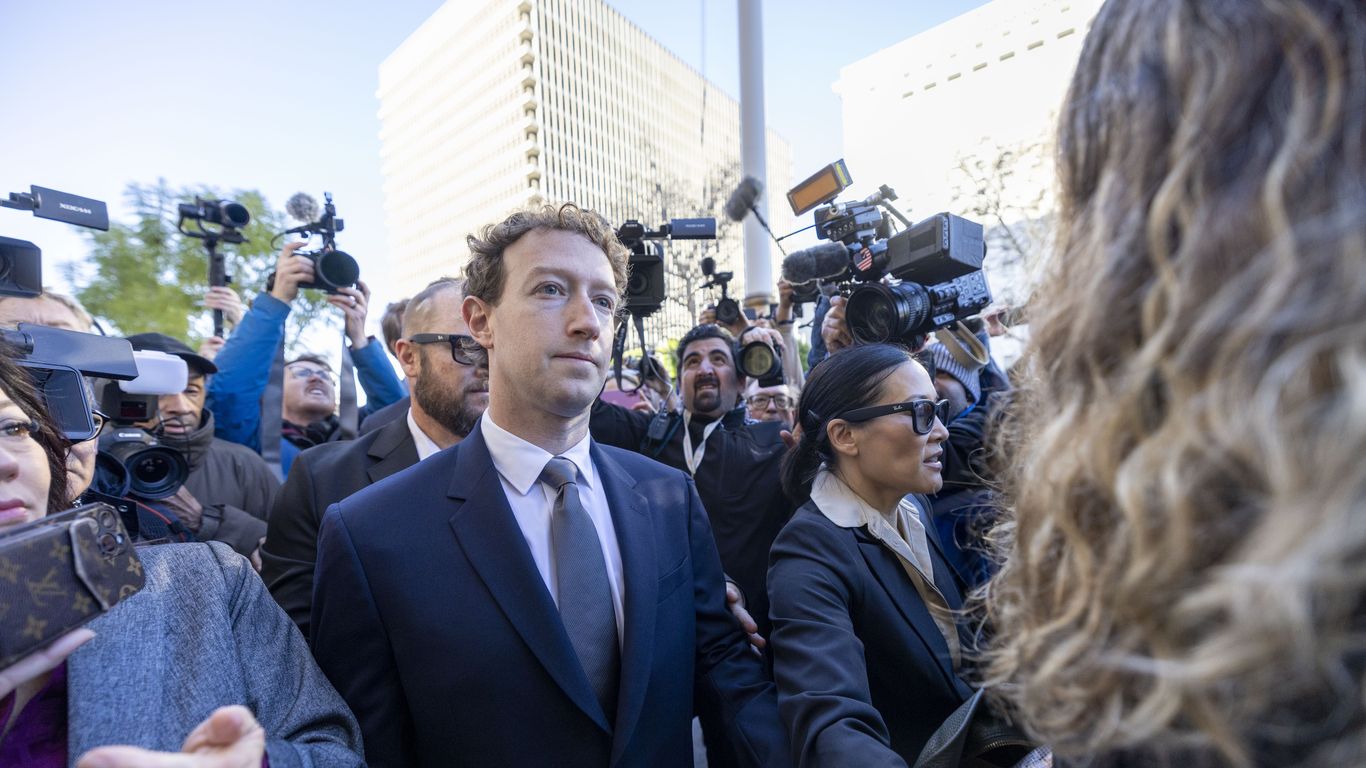
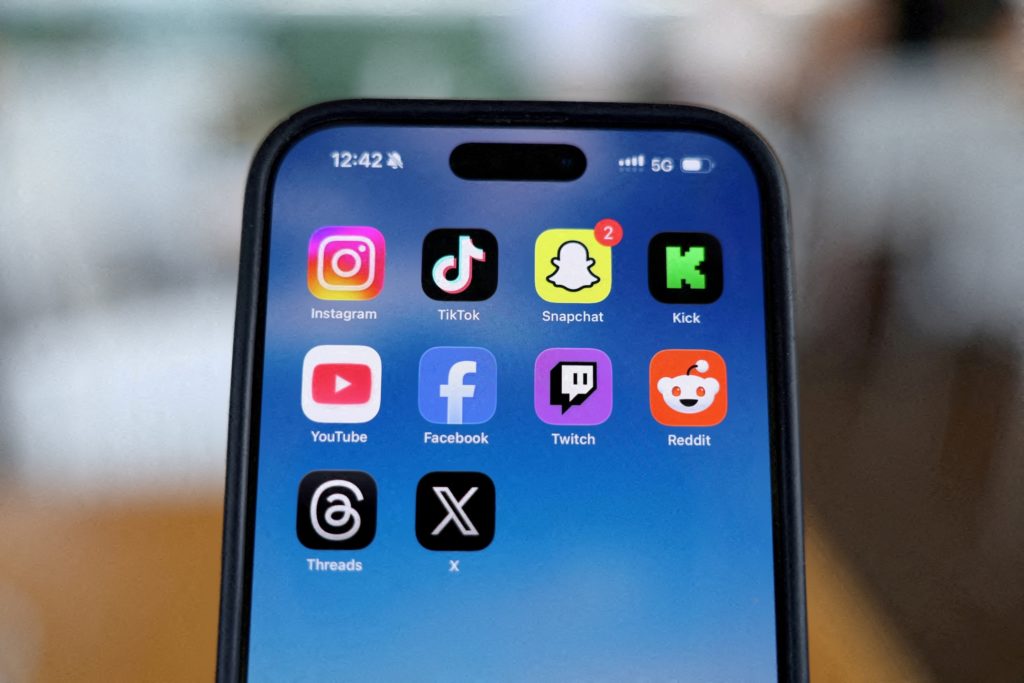
Meta CEO Mark Zuckerberg testified in a U.S. court about claims that Instagram affects young users' mental health. A woman claims Instagram and YouTube caused her depression and thoughts of suicide. The case could impact how social media platforms are held responsible for user harm.
Key Facts
Mark Zuckerberg, CEO of Meta, testified in a Los Angeles court about Instagram's impact on young users.
A woman, identified as KGM, claims that Instagram harmed her mental health starting in childhood.
KGM's lawyer, Mark Lanier, argued that Zuckerberg misled Congress about Meta's platform design to increase usage time.
Zuckerberg acknowledged past goals to increase app use but stated the company has changed its approach.
Meta may face damages if the jury finds the company liable for user harm.
TikTok and Snap, initially linked to the case, have settled for undisclosed terms.
About 1,600 similar lawsuits have been filed against social media companies in the U.S.
Meta has denied the allegations and highlighted safety features introduced in recent years.
Read the Original
Want the full story? Tap a source to open the original
article.
A new UK law would require tech companies to remove intimate images shared without consent within 48 hours. If companies fail to comply, they could face large fines or have their services blocked in the UK. This measure is part of the government's effort to address intimate image abuse and protect victims.
Key Facts
Tech companies must take down intimate images shared without consent within 48 hours under a proposed UK law.
The law treats intimate image abuse as seriously as child sexual abuse material and terrorist content.
Companies that do not comply could be fined up to 10% of their global sales or blocked in the UK.
The proposal is an amendment to the Crime and Policing Bill progressing through the House of Lords.
Once an image is flagged, companies must prevent it from being re-uploaded.
The law aims to provide guidance for blocking illegal content on rogue websites.
Intimate image abuse, or IIA, disproportionately affects women, girls, and LGBT people.
A separate report indicated young men and boys often face financial extortion threats involving intimate images.
Read the Original
Want the full story? Tap a source to open the original
article.
A study by Oxford University looked at how effective large-language models (LLMs), like ChatGPT, are at giving medical advice. The study found that these AI systems often give mixed or wrong information, which can be risky for people using them for health decisions. Researchers say these AI tools need more testing to ensure they are safe to use in healthcare.
Key Facts
Oxford University researchers conducted the study on 1,300 people.
Participants were divided into two groups to compare AI advice with traditional sources.
AI systems, like ChatGPT, often gave a mix of correct and incorrect medical advice.
The study found that AI sometimes failed to accurately understand user questions.
Researchers say relying on AI for medical advice can be dangerous without professional guidance.
Over a fifth of Americans have followed inaccurate AI medical advice.
AI systems need rigorous testing, similar to clinical trials for new medications.
AI tools could be manipulated to give false information, raising concerns about misinformation.
Read the Original
Want the full story? Tap a source to open the original
article.
Meta CEO Mark Zuckerberg testified in court for the first time regarding claims that Meta's social media platforms are harmful to children. This trial is part of a larger set of lawsuits concerning social media addiction. Zuckerberg defended Instagram by saying it is popular because it is valuable, while plaintiffs argue it can be addictive and harmful, particularly to young users.
Key Facts
Zuckerberg faced a jury in a social media addiction trial involving claims from families about Meta products harming children.
This trial could influence over 1,500 other similar cases.
A lawyer showed internal documents suggesting Zuckerberg was aware of child safety concerns.
Plaintiffs argue social media should be subject to product liability standards.
Companies claim that existing age verification and parental controls should shield them under Section 230.
Meta argued that external factors contributed to a plaintiff's mental health issues, not Instagram.
Zuckerberg has previously faced challenging questions from lawmakers about social media regulations.
Read the Original
Want the full story? Tap a source to open the original
article.
A university in India is under criticism because a professor showed a robotic dog at an AI summit, claiming it as their own work, even though it was made by a Chinese company. Because of this, summit officials asked the university to leave their exhibit space.
Key Facts
The incident happened at an AI summit, a big event focused on artificial intelligence.
The university is private and located in India.
The robotic dog shown at the summit was made by a Chinese company.
The university's claim of the robot being their own innovation got negative reactions.
Summit officials demanded the university vacate their stall due to the controversy.
Read the Original
Want the full story? Tap a source to open the original
article.
Mark Zuckerberg testified in federal court about claims that Instagram was made to be addictive for young people. The case also involves YouTube, while TikTok and Snapchat have already settled.
Key Facts
Mark Zuckerberg testified in court about Instagram's impact on youth.
The case claims Instagram is intentionally addictive for children and teens.
This is Zuckerberg's first time testifying about child safety to a jury.
YouTube is also named in the lawsuit about social media addiction.
TikTok and Snapchat settled the claims before the trial began.
Geoff Bennett and Bobby Allyn discussed the potential effects of this trial.
Read the Original
Want the full story? Tap a source to open the original
article.
A mother, Maureen Molach, lost her son, David, in 2016 when he died by suicide. She co-founded a group called Parents for Safe Online Spaces, which includes families who have lost children due to harms from online platforms. The group is involved in lawsuits concerning the risks of social media to children.
Key Facts
Maureen Molach lost her son, David, in 2016 to suicide.
Molach co-founded "Parents for Safe Online Spaces."
This group consists of families who have lost children due to online-related issues.
They are involved in lawsuits about the dangers of social media for children.
Molach is not directly involved in the trial currently taking place.
The discussion involves how social media platforms might be harmful to children.
Read the Original
Want the full story? Tap a source to open the original
article.
Mark Zuckerberg, the CEO of Meta, was given legal papers as he arrived at a Los Angeles courthouse. The legal case claims that his social media platforms intentionally cause harm to children by making them addicted.
Key Facts
Mark Zuckerberg is the CEO of Meta, the company that owns Facebook.
He was attending court in Los Angeles.
A man handed him legal documents and said, “you’ve been served with a summons and complaint.”
The lawsuit claims Meta's social media platforms intentionally make children addicted.
The case alleges these platforms harm children because of this addiction.
Read the Original
Want the full story? Tap a source to open the original
article.
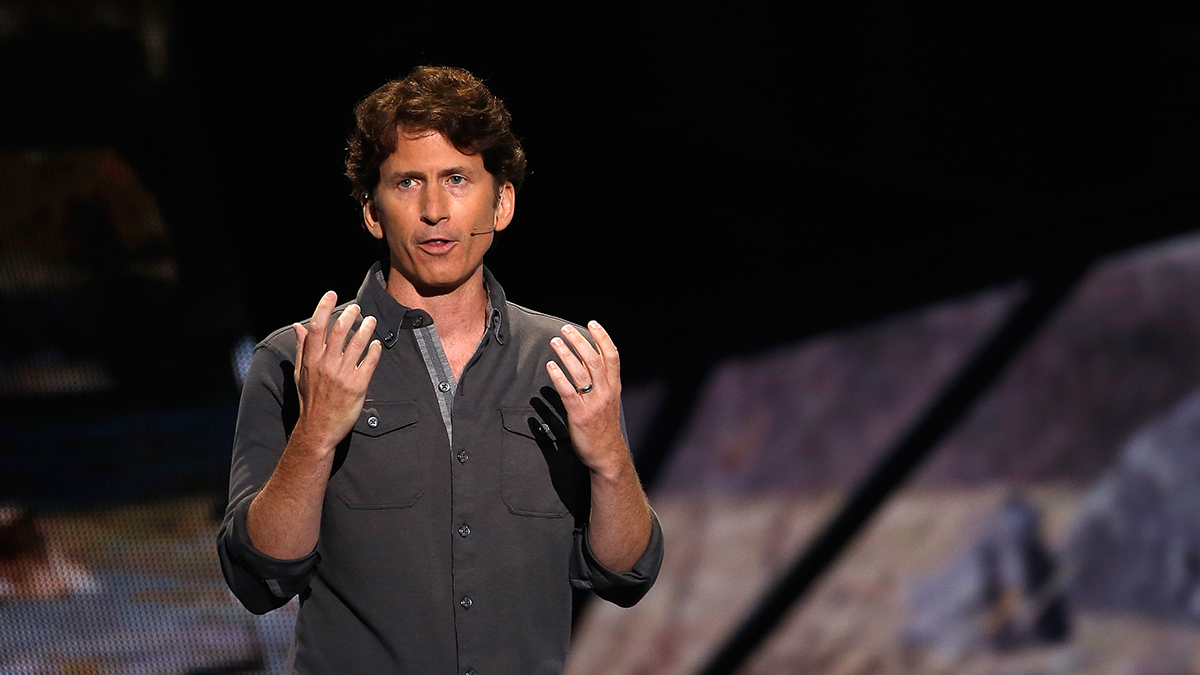
Bethesda Game Studios announced that "The Elder Scrolls 6" has been in development for eight years but still has no release date. Todd Howard, the director, shared that the game is progressing well but will take more time. The game will return to a classic style familiar to earlier Bethesda titles.
Key Facts
"The Elder Scrolls 6" was announced eight years ago and is still under development.
Todd Howard, director at Bethesda, shared updates about the game.
The game currently does not have a release date.
"The Elder Scrolls V: Skyrim" came out 15 years ago, marking a long wait for fans.
The development team is approaching a significant internal milestone.
The game will return to a classic style that earlier Bethesda games are known for.
Most of Bethesda and some partners are working on the game now.
Read the Original
Want the full story? Tap a source to open the original
article.
Mark Zuckerberg, co-founder of Facebook and owner of Instagram, will testify in a California court in a major case about whether social media is addictive to children. The trial involves Meta Platforms, and Google's YouTube is also a defendant. The case is part of numerous lawsuits alleging social media platforms are harmful to children.
Key Facts
Mark Zuckerberg will testify in a trial in California about social media addiction.
The case is focused on whether Instagram is addictive to children.
Meta Platforms, which owns Instagram, denies the claims, saying other factors affected the plaintiff.
Google’s YouTube is also a defendant in the trial.
TikTok and Snapchat were initially part of the lawsuit but settled before the trial.
The trial is expected to last several weeks and will include testimonies from former Meta employees.
The case is one of many lawsuits against social media companies, with 29 state attorneys general involved in one instance.
The outcome could impact how social media companies operate, especially concerning minors.
Read the Original
Want the full story? Tap a source to open the original
article.
The FCC is investigating "The View" for potential violations of the Equal Time Rule, which requires political candidates to get equal airtime on broadcasts. This investigation looks into the show's interviews with Democratic Senate candidates and raises questions about the FCC's actions in relation to the program's content and ratings.
Key Facts
The FCC's investigation focuses on "The View's" interviews with two Democratic candidates, Rep. Jasmine Crockett and James Talarico.
The Equal Time Rule requires broadcasters to provide equal opportunities for political candidates to appear on air.
FCC Chairman Brendan Carr is reviewing potential violations of this rule by "The View."
The show has had a range of political voices, including conservative guests and hosts, alongside its generally left-leaning content.
"The View" has been airing successfully for nearly 30 years, and its latest season premiere had the best ratings in five years.
ABC airs "The View" for its commercial success, not for political reasons.
First Amendment protections likely limit how far the FCC's actions can go against "The View."
Read the Original
Want the full story? Tap a source to open the original
article.
The U.S. Food and Drug Administration (FDA) will now review Moderna's application for a new flu vaccine made with mRNA technology after initially refusing it. The vaccine showed better results in adults over 50 compared to a standard flu shot, but the FDA was concerned it did not include a comparison with a brand recommended for those over 65.
Key Facts
The FDA is considering approval of Moderna's new mRNA flu vaccine.
There was an earlier refusal to review the vaccine application.
The vaccine uses mRNA technology, which has won a Nobel Prize.
A clinical trial with 40,000 participants showed better effectiveness in people over age 50 compared to an existing flu shot.
The FDA had concerns because the trial did not compare the vaccine to another brand recommended for those over 65.
Dr. Vinay Prasad, the FDA's vaccine director, initially refused to review the application.
Read the Original
Want the full story? Tap a source to open the original
article.
FCC Chair Brendan Carr responded to claims of censorship regarding an interview between Stephen Colbert and Texas State Representative James Talarico. Carr stated there was no censorship, explaining that equal time rules required CBS to provide similar opportunities for other candidates. CBS clarified it did not ban the interview but offered legal advice on how to meet these requirements.
Key Facts
FCC Chair Brendan Carr addressed censorship claims about a Colbert interview.
The interview involved Texas State Representative James Talarico.
Carr stated there was no actual censorship by the network.
The issue relates to equal time rules for political candidates.
CBS said it gave legal guidance but did not stop the interview.
Equal time rules require networks to offer similar airtime to all candidates in a race.
Read the Original
Want the full story? Tap a source to open the original
article.
The UK advertising regulator banned an advert for the video game Call of Duty: Black Ops 7. The advert was criticized for making light of sexual violence, featuring a scene where a man was humorously asked to strip by airport security officers. The regulator decided the advert was irresponsible and offensive and ruled it must not be shown again.
Key Facts
The advert was for the game Call of Duty: Black Ops 7.
It aired in November 2025 on YouTube and on-demand video services.
Viewers complained that the advert trivialized sexual violence.
The ad depicted a humorous scene at an airport security check.
The Advertising Standards Authority (ASA) received nine complaints.
The ASA concluded the advert was irresponsible and offensive.
Activision Blizzard UK Ltd defended the ad as humorous and not explicit.
Two complaints about the ad allegedly promoting drug use were not upheld.
Read the Original
Want the full story? Tap a source to open the original
article.
Mark Zuckerberg is set to testify in a trial that questions if Meta's social media platforms are designed to addict children and cause harm. The case involves a 20-year-old woman who claims using social media worsened her mental health. The trial's outcome could affect many other similar lawsuits against social media companies.
Key Facts
Mark Zuckerberg will testify about claims that Meta's platforms harm children.
The trial involves a young woman who says social media contributed to her depression.
Meta and Google's YouTube are defendants in this case; TikTok and Snap settled.
The outcome may influence thousands of other lawsuits against social media companies.
A Meta spokesperson stated the company disagrees with the lawsuit's allegations.
Meta argues that the woman's home environment, not Instagram, influenced her mental health.
Instagram's head, Adam Mosseri, previously testified that the platform protects young users.
Read the Original
Want the full story? Tap a source to open the original
article.