Crunchyroll, a popular anime streaming service, has launched Crunchyroll Manga, a new app that lets users read manga from various major publishers in one place. This initiative aims to make manga more accessible to fans by offering an easy-to-use platform with a wide range of titles.
Key Facts
Crunchyroll, known for streaming anime, launched Crunchyroll Manga to offer easy access to manga.
The app was developed with Link-U, a company in the Japanese digital manga space.
Crunchyroll Manga includes titles from major publishers like VIZ, Square Enix, and more.
The app provides features like offline reading, an intuitive interface, and personalized lists.
Crunchyroll Manga is a premium add-on for subscribers, with Ultimate Fan subscribers getting it at no extra cost.
The app aims to consolidate access to manga, reducing the need for multiple apps.
Crunchyroll Manga targets both eager readers of popular series and those interested in discovering new genres like shojo and josei.
The app offers value with features like ad-free reading and two-page spreads, appealing to regular manga readers.
Read the Original
Want the full story? Tap a source to open the original
article.
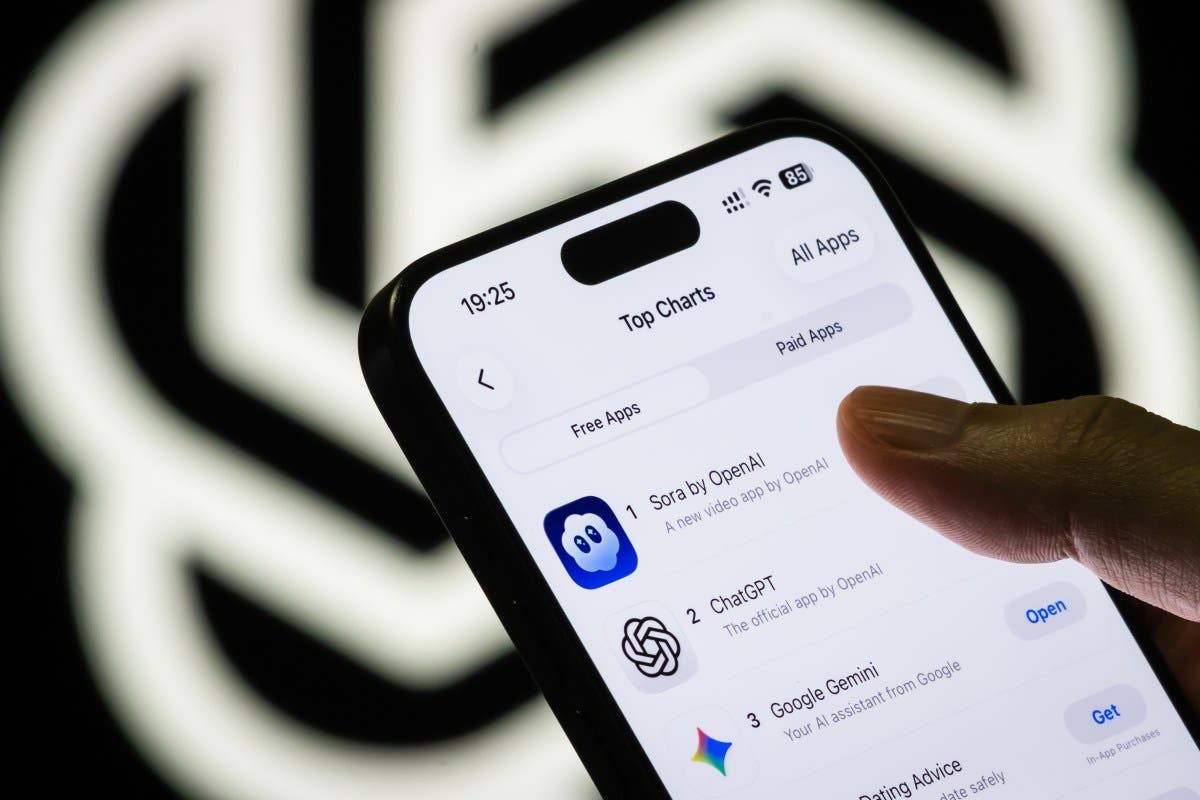
OpenAI's new video app, Sora, was downloaded over one million times in less than five days, achieving this milestone faster than ChatGPT at its launch. The app is popular for creating short, realistic videos from text prompts, but it has faced criticism over its use of copyright material and the depiction of deceased public figures. OpenAI is addressing these issues and is working on giving rights holders more control and possibly sharing revenue with them.
Key Facts
The Sora app reached over one million downloads in less than five days.
It generates ten-second videos from simple text prompts.
The app is only available to invited users in North America.
Some videos feature depictions of deceased celebrities, leading to criticism.
OpenAI's Sora app is among the top in the Apple App Store charts in the US.
Concerns have arisen over the use of copyright material, including characters from popular media.
OpenAI plans to give more control to rights holders and discuss revenue sharing.
A legal case settled by AI firm Anthropic highlights possible legal costs in this area.
Read the Original
Want the full story? Tap a source to open the original
article.
Eastern Radiologist will pay $3.25 million to settle a lawsuit after a cyberattack affected the personal and medical information of nearly 890,000 people. The settlement allows affected individuals to claim up to $5,000 for expenses related to identity theft and other damages. Eastern Radiologist denies wrongdoing but agreed to settle to avoid long court proceedings.
Key Facts
A cyberattack exposed personal and medical information of about 884,935 people associated with Eastern Radiologist.
The Superior Court in Pitt County, North Carolina, ordered a $3.25 million settlement.
The data breach reportedly happened between November 20 and November 24, 2023.
Personal information accessed included Social Security numbers, addresses, and medical records.
Eastern Radiologist, a 70-year-old practice, discovered the breach on November 24, 2023, and notified affected parties on March 4, 2024.
Individuals affected can submit claims with documentation to receive up to $5,000 for costs like identity theft protection and credit monitoring.
The settlement includes up to $1.5 million for attorney's fees and up to $50,000 for expenses.
The deadline to file a claim is December 1, 2025, with a hearing to finalize the settlement on December 18, 2025.
Read the Original
Want the full story? Tap a source to open the original
article.
A new study highlights that the United States lags behind Russia and China in developing hypersonic weapons, which poses a significant threat to U.S. military advantage. The Trump administration is pushing to create a missile defense system, called the “Golden Dome for America,” to counter this threat. Experts urge the U.S. to accelerate its hypersonic weapons development and collaborate with allies.
Key Facts
Hypersonic weapons travel over five times the speed of sound and are hard to detect and intercept.
The Atlantic Council report notes a growing gap in U.S. hypersonic weapon capabilities compared to China and Russia.
Current U.S. missile defense systems may be unable to stop coordinated hypersonic attacks.
The report suggests the U.S. needs more efficient, cost-effective missile systems and reusable aircraft.
Developing hypersonic weapon systems with allies and exploring new nuclear delivery methods is recommended.
Russia and China have already fielded several advanced hypersonic systems.
The U.S. has various hypersonic projects in testing or limited use, like the Long Range Hypersonic Weapon.
The government is considering more investments in defense technology and strengthening international cooperation.
Read the Original
Want the full story? Tap a source to open the original
article.
Bitcoin has become more mainstream, appearing on the balance sheets of companies and even in government reserves. As institutions hold significant amounts of bitcoin, they are under pressure to find ways to make it generate income. Bitcoin's unique features make it suitable to become a foundation for global financial systems and potential future use in blockchain-based financial products like bitcoin-backed stablecoins.
Key Facts
Bitcoin is now included in the finances of public companies and governments.
Institutions are looking to use bitcoin holdings productively, similar to how cash and bonds are used.
Bitcoin is positioned as a trustworthy, borderless asset that can be tracked on a public ledger.
Institutions are beginning to employ bitcoin as collateral in credit markets.
Bitcoin's supply is fixed, unlike traditional assets that can be inflated.
Bitcoin-backed stablecoins could be a way to make bitcoin more productive by using it to issue digital dollars.
The concept of stablecoins involves creating digital tokens that maintain a stable value, usually linked to the U.S. dollar.
Read the Original
Want the full story? Tap a source to open the original
article.
HBO released the trailer for a new "Game of Thrones" spinoff called "A Knight of the Seven Kingdoms." The series will follow stories from George R. R. Martin's books and will premiere in January 2026. Fans have had mixed reactions to the trailer, noting both excitement and concerns over production delays.
Key Facts
"A Knight of the Seven Kingdoms" is a new TV series based on George R. R. Martin's novellas "Tales of Dunk and Egg."
It is the third series in the "A Song of Ice and Fire" franchise after "Game of Thrones" and "House of the Dragon."
The show will have six episodes, each about 50 minutes long.
The series will premiere on HBO and HBO Max on January 18, 2026.
Production for the series began in June 2024 and finished in September 2024.
The main characters, Ser Duncan the Tall and his squire Aegon Targaryen, are played by Peter Claffey and Dexter Sol Ansell.
Fans have mixed feelings, with some appreciating the new tone and others concerned about delays and production issues.
Read the Original
Want the full story? Tap a source to open the original
article.
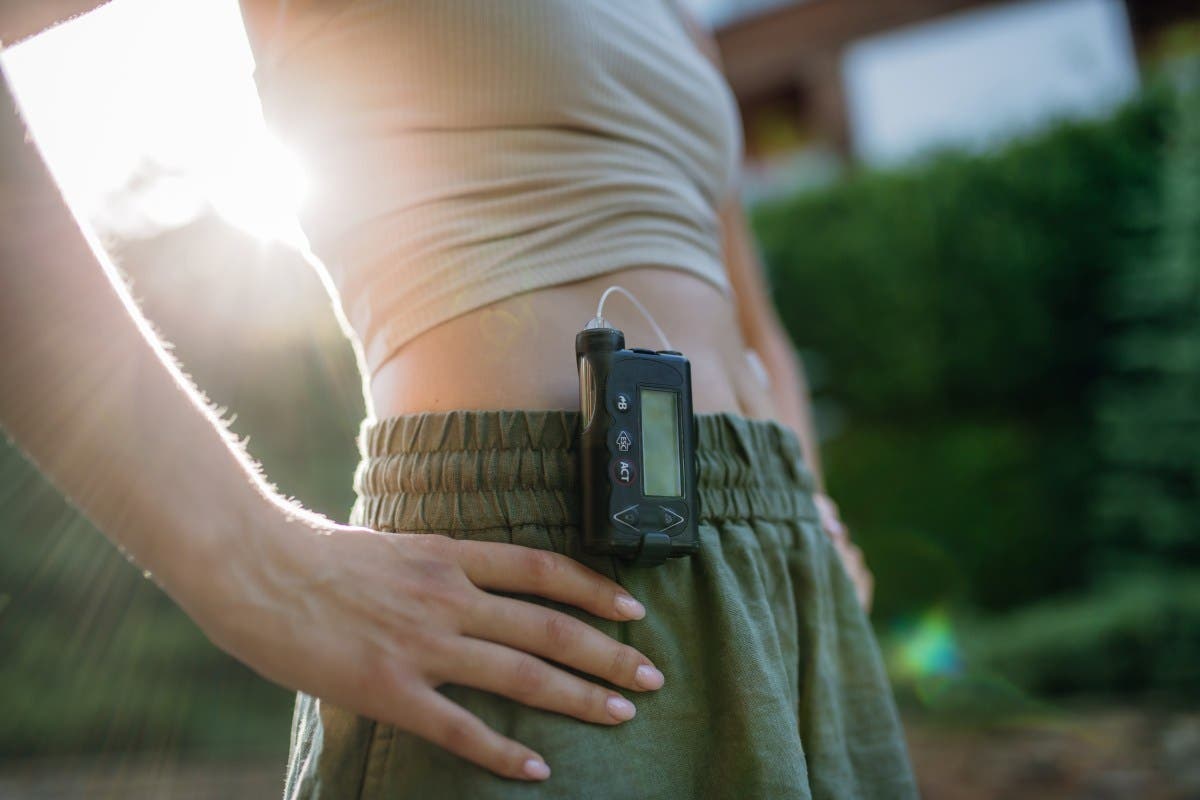
Researchers at Indiana University have developed a new "smart insulin" that can help manage blood glucose levels in people with type 1 diabetes. This new insulin combines insulin and glucagon, offering a potentially more effective treatment option for managing blood sugar levels.
Key Facts
Smart insulin is a new treatment option for type 1 diabetes.
It combines insulin and glucagon into one molecule.
About 2 million Americans have type 1 diabetes, including 304,000 children.
Type 1 diabetes patients need insulin because their bodies do not produce enough naturally.
The smart insulin switches roles depending on blood sugar levels: insulin acts when levels are high, glucagon when levels are low.
This new insulin aims to be stable without refrigeration before use.
Researchers saw positive results in rats, but more studies are needed before it can be used by humans.
The goal is to develop one weekly injection type and another for use with insulin pumps.
Read the Original
Want the full story? Tap a source to open the original
article.
Google might have to change its search engine in the UK due to a new rule from a UK regulator. The regulator, called the Competition and Markets Authority (CMA), gave Google a "strategic market status," meaning Google has a big position in the market. The CMA will start discussing possible changes in 2025 to make the market more competitive.
Key Facts
The Competition and Markets Authority (CMA) gave Google "strategic market status."
This status recognizes Google as having a major role in the search engine and search advertising sectors in the UK.
Google handles more than 90% of searches in the UK.
The CMA plans to start talks about making changes in 2025 to improve competition.
Potential changes may include a "choice screens" option for users to select different search engines.
Google warns that changes could slow innovation and product launches.
Consumer group Which? supports the CMA's decision, calling it an important step.
The CMA created a "roadmap" that includes giving publishers more control and having an effective complaints process.
Read the Original
Want the full story? Tap a source to open the original
article.
Apple is offering larger payments to security researchers who find bugs in iPhones and Macs, with some rewards going up to $2 million. This move is intended to help discover potential vulnerabilities that hackers or spyware could exploit. The iPhone 17 includes new security measures, and Apple's larger payouts aim to encourage researchers to find and report these issues.
Key Facts
Apple has increased the maximum reward for finding security bugs to $2 million.
Security researchers can earn these rewards by identifying vulnerabilities in iPhones and Macs.
The iPhone 17 introduced Memory Integrity Enforcement to protect its software.
Apple introduced Lockdown Mode for extra security against spyware.
Zero-click vulnerabilities, which require no user interaction, could earn researchers up to $2 million.
Payouts for one-click vulnerabilities can now reach $1 million.
Apple has also increased rewards for flaws involving close proximity and physical access.
Apple is donating 1,000 iPhone 17 units to organizations that aid at-risk journalists and activists.
Read the Original
Want the full story? Tap a source to open the original
article.
Scientists at the University of Saskatchewan have developed a 3D-printed lung model using living cells. This new model aims to improve the study of lung diseases and the development of treatments. The ultimate goal is to create lab-grown lungs for future transplants.
Key Facts
A team at the University of Saskatchewan created a 3D-printed lung model with living cells.
Current lung disease research often uses 2D models or animal studies, which do not perfectly represent human lungs.
The new 3D lung model allows researchers to study therapies directly on a human-like model.
This approach may improve the development of personalized treatments, especially in cancer research.
The 3D printing uses 'bioinks,' which contain living cells, to form the lung tissue.
Researchers are exploring the potential for lab-grown lungs to be used in organ transplants.
The team uses the Canadian Light Source to study the printed lung tissues without damaging them.
Scientists hope these models will advance understanding and treatment of lung diseases over the next 5–10 years.
Read the Original
Want the full story? Tap a source to open the original
article.
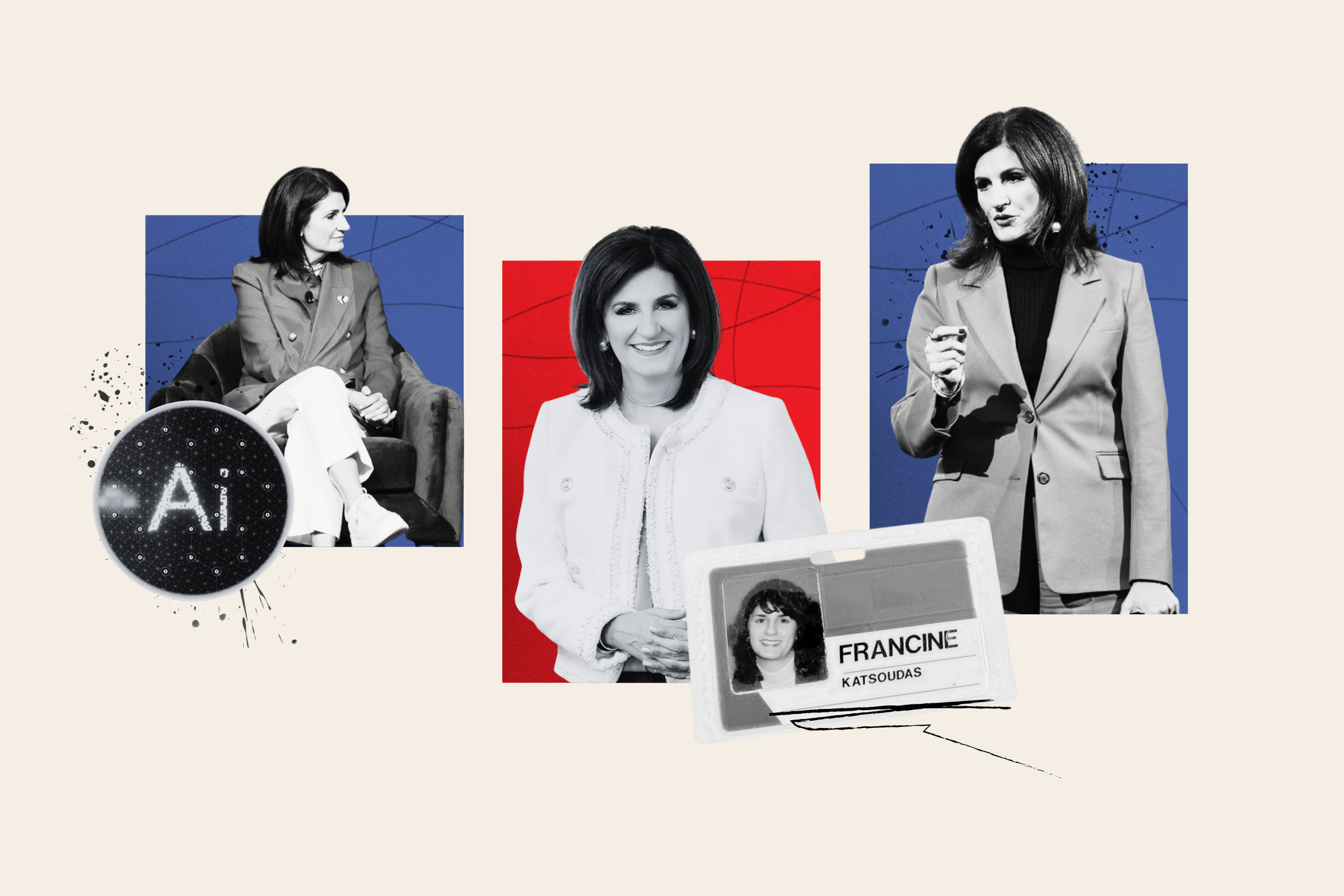
Fran Katsoudas, a long-time executive at Cisco, believes artificial intelligence (AI) could help people have longer careers within a single company. She thinks AI can support employees staying at one company for a long time, similar to how it used to be more common. A report from the AI Workforce Consortium highlights the importance of balancing AI skills with human-centric abilities like communication and critical thinking.
Key Facts
Fran Katsoudas has worked at Cisco for 29 years, starting her career there unexpectedly.
She is now the Chief People, Policy and Purpose Officer at Cisco.
Career-long employment at one company used to be common but has become less so since the 1990s.
Many people now prefer flexible work, often through freelancing or gig jobs.
The current job market sees higher unemployment and low wage growth according to recent statistics.
Katsoudas believes AI could encourage longer careers at a single company by supporting workers.
The AI Workforce Consortium, which includes major tech firms, released a report emphasizing the need for human-centric skills in the AI-driven job market.
The report points out that 80% of tech jobs require AI knowledge but also stress the importance of communication and critical thinking skills.
Read the Original
Want the full story? Tap a source to open the original
article.
Several products sold on Amazon have been recalled due to safety risks such as injury, death, and fire hazards. The U.S. Consumer Product Safety Commission (CPSC) issued warnings about these products and provided instructions for consumers to obtain refunds or repairs. Amazon and the companies involved are notifying customers and are working to remove these products from sale.
Key Facts
The CPSC has recalled multiple consumer products sold on Amazon due to serious safety concerns.
Affected items include children's LED tutu skirts, retractable safety gates, and wireless power banks.
About 740 children's LED tutu skirts were recalled for battery ingestion risks that violate safety standards.
Around 920 retractable safety gates were recalled for risks of entrapment and injury.
The recall of ESR HaloLock Wireless Power Banks expanded after reports of batteries overheating and igniting.
Amazon stated it stops offering recalled products immediately and informs affected consumers and sellers.
No injuries from these products have been reported to date, but there have been incidents of property damage.
Read the Original
Want the full story? Tap a source to open the original
article.
The article discusses OpenAI's app, Sora, which uses AI technology to create and spread deepfake videos on social media platforms like TikTok and Instagram. These videos are becoming widespread, affecting how people perceive reality and truth online. Experts express concern about the potential misuse of these technologies.
Key Facts
OpenAI's app Sora is producing AI-generated deepfake videos.
These videos are increasingly visible on platforms like TikTok and Instagram.
The app has moderation features to prevent misuse, but some users find ways to bypass these safeguards.
Experts worry that deepfakes could blur lines between real and fake information online.
Deepfake videos could be used for false propaganda or to manipulate beliefs and opinions.
OpenAI and other companies might relax safety measures to remain competitive.
Concerns exist over potential abuse, such as creating harmful synthetic content without regulation.
Read the Original
Want the full story? Tap a source to open the original
article.
Battlefield 6 is a new video game that aims to compete with Call of Duty. It has generated a lot of excitement and involved major investments by its publisher, Electronic Arts. The game features a return to a single-player campaign and is developed by teams in several countries.
Key Facts
Battlefield 6 is a new military shooter video game trying to compete with Call of Duty.
Electronic Arts (EA) invested hundreds of millions of dollars in developing the game.
Four EA-owned studios worked on the game, located in Sweden, the U.S., Canada, and the UK.
The game introduces a single-player campaign, which was missing in its predecessor, Battlefield 2042.
The game had a preview weekend earlier this year that broke records and created a lot of excitement.
Developers held invite-only community playtests to get feedback from players.
Analysts predict that the game might sell up to five million copies in its first week.
Read the Original
Want the full story? Tap a source to open the original
article.
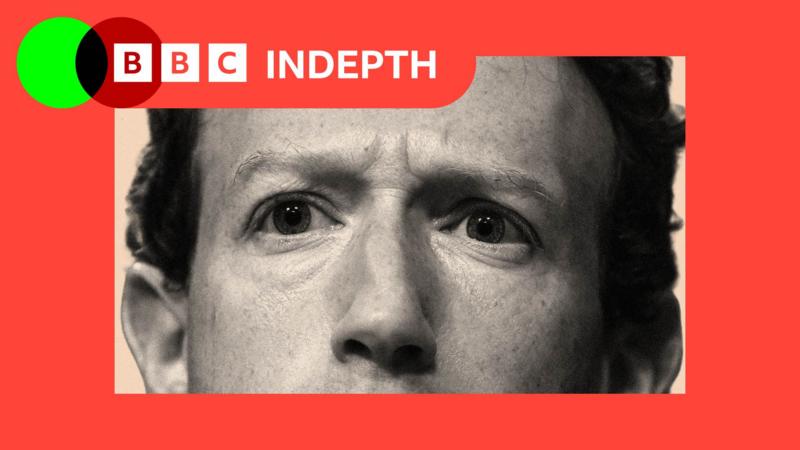
Some tech billionaires are reportedly preparing properties with underground shelters, which some interpret as doomsday bunkers. Mark Zuckerberg and other Silicon Valley leaders have invested in properties with significant underground spaces. Discussions also highlight concerns about artificial general intelligence (AGI), with some tech experts worried about its potential impact.
Key Facts
Mark Zuckerberg has developed a large property in Hawaii, which includes an underground area described as a "shelter" or "basement."
Zuckerberg purchased multiple properties in Palo Alto with underground construction, which some speculate to be bunkers.
LinkedIn co-founder Reid Hoffman suggests many wealthy individuals have "apocalypse insurance" and invest in safe locations like New Zealand.
Ilya Sutskever, co-founder of OpenAI, supposedly suggested building a bunker before releasing powerful AI technology.
There is ongoing concern about the future of artificial general intelligence (AGI) and its potential effects.
Tech leaders predict AGI might arrive sooner than expected, which has fueled fears about its transformative power.
OpenAI, the company behind ChatGPT, is advancing its AI technology swiftly, adding to these concerns.
Read the Original
Want the full story? Tap a source to open the original
article.
South Korea has set up a life-sized holographic police officer in a busy park in Seoul to help reduce crime. This hologram appears every two minutes in the evening and has reportedly led to a 22% drop in crime, leading to discussions about expanding its use to other areas.
Key Facts
A holographic police officer has been installed in central Seoul, South Korea.
The hologram is projected in Jeo-dong Park between 7:00 PM and 10:00 PM.
The area is known for being busy at night due to nearby bars.
Police report a 22% decrease in crime since the hologram was installed.
Authorities are considering using the hologram in more locations.
The initiative aims to deter crime by making people feel monitored.
Read the Original
Want the full story? Tap a source to open the original
article.
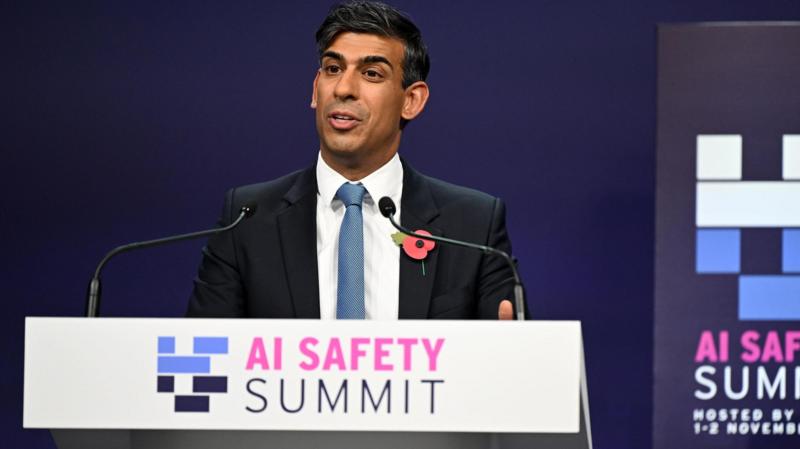
Rishi Sunak, the former UK Prime Minister, has become a part-time advisor for Microsoft and an AI start-up called Anthropic. The Advisory Committee on Business Appointments has restricted him from lobbying the UK government for these companies. Sunak plans to donate his earnings from these roles to a charity he started.
Key Facts
Rishi Sunak is now a part-time advisor for Microsoft and Anthropic, an AI company.
Anthropic aims to compete with companies like OpenAI, Google, and Meta.
Sunak cannot lobby UK government officials on behalf of these firms for two years after leaving office.
Payments for these advisory roles will go to a charity founded by Sunak.
As prime minister, Sunak prioritized tech regulation and organized an AI safety summit in 2023.
Sunak will also work as a paid advisor for Goldman Sachs, a bank he worked at previously.
Sunak plans to remain an active Member of Parliament for Richmond and Northallerton.
Read the Original
Want the full story? Tap a source to open the original
article.
A report by the AI platform UKG found that workers using artificial intelligence (AI) experience lower burnout rates than those not using it. While some fear AI could replace jobs, the technology appears to help workers by handling simple tasks, allowing them to focus on more important work.
Key Facts
A survey by UKG involved 8,200 front-line workers.
Workers using AI reported burnout rates of 41%, compared to 54% for those not using AI.
Front-line workers make up 80% of the global workforce.
Over one-third of front-line workers use AI.
66% of workers are worried AI might replace their jobs.
25% of workers said AI has already replaced part of their job.
20% predict their jobs will be replaced by AI in five years.
Education and training can help workers feel more comfortable using AI.
Read the Original
Want the full story? Tap a source to open the original
article.
The U.S. government is investigating Tesla's self-driving cars for driving on the wrong side of the road and not stopping at red lights. The National Highway Traffic Safety Administration (NHTSA) found 58 reports of such incidents, affecting approximately 2.9 million cars equipped with Tesla's full self-driving technology. The investigation will evaluate the safety and scale of these issues.
Key Facts
Tesla is under investigation by the U.S. government for traffic violations by its self-driving cars.
Reports include incidents of cars driving on the wrong side of the road and not stopping for red lights.
The NHTSA is the agency conducting the investigation.
Around 2.9 million Tesla cars with the full self-driving feature are involved in the investigation.
There have been six crashes reported due to failure to stop at red lights, with four resulting in injuries.
Tesla has attempted to fix an issue at a Maryland intersection where cars repeatedly ran red lights.
The full self-driving mode allows the car to change lanes and make turns but requires the driver to stay attentive.
Tesla is also under investigation for issues with door locking mechanisms that reportedly trapped children inside some cars.
Read the Original
Want the full story? Tap a source to open the original
article.
U.S. auto safety regulators are investigating Tesla's full self-driving technology after reports of crashes and traffic violations. The investigation looks into 58 incidents where Tesla vehicles reportedly drove through red lights or on the wrong side of the road. Tesla continues to claim that their system requires driver attention.
Key Facts
The National Highway Traffic Safety Administration (NHTSA) opened an investigation into Tesla's full self-driving technology.
58 reports involve Tesla vehicles violating traffic laws while in full self-driving mode.
Tesla drivers often said they received no warning before the vehicles behaved unexpectedly.
The investigation includes nearly 2.9 million Tesla vehicles.
Tesla faces separate investigations for other driver-assist features, including a "summon" feature.
NHTSA started another probe in August on Tesla for not reporting crashes quickly.
Tesla's CEO, Elon Musk, plans to deploy many self-driving cars by next year.
Recently, Tesla shares dropped by 2%.
Read the Original
Want the full story? Tap a source to open the original
article.