Jaguar Land Rover (JLR) has extended the closure of its factories in the UK and other countries due to a cyber attack. The attack led JLR to shut down its IT systems to prevent further damage, disrupting car production and affecting dealerships and suppliers.
Key Facts
Jaguar Land Rover's UK factories and other global sites are closed due to a cyber attack.
The cyber attack occurred on August 31, leading the company to shut down its IT systems.
Production at factories in places like Halewood, Solihull, and Wolverhampton is affected.
JLR normally makes about 1,000 cars a day; production is currently stopped.
The cyber attack also affected dealerships' ability to register new cars.
JLR is working with cybersecurity experts and law enforcement to resolve the issue.
The company has not confirmed how long the disruption will continue.
The attack impacted suppliers, causing some to tell their employees to stay home.
Read the Original
Want the full story? Tap a source to open the original
article.
Hollow Knight: Silksong, a game created by the small Australian studio Team Cherry, has been released after six years. Originally announced in 2017 as a sequel to the popular game Hollow Knight, its launch was eagerly awaited by fans, sparking much online anticipation and community creativity.
Key Facts
Hollow Knight: Silksong is a sequel to the 2017 game Hollow Knight.
Team Cherry, an Australian studio, developed both games.
Hollow Knight sold over 15 million copies and was highly acclaimed.
Silksong's protagonist is Hornet, a character from the original game.
Fans waited six years for Silksong, creating memes and content to cope with the long wait.
The game features challenging gameplay, requiring players to be focused and skillful.
Silksong uses religious imagery and is set in a world with deep exploration elements.
Read the Original
Want the full story? Tap a source to open the original
article.
A small town in Vermont is working to protect its water treatment plant from cyberattacks. NPR explores how the town is implementing security measures to prevent hackers from causing harm.
Key Facts
A Vermont town aims to secure its water treatment plant.
Hackers target critical infrastructure, like water plants, to disrupt services.
The town uses cybersecurity methods to stop potential threats.
Protecting such facilities is important for public safety.
This effort highlights the need for cybersecurity in critical public services.
Read the Original
Want the full story? Tap a source to open the original
article.
Microsoft's Azure cloud services are facing delays due to undersea cable cuts in the Red Sea. These cable cuts have affected data traffic moving through the Middle East. Microsoft has rerouted traffic, but users in the region may still experience slower service.
Key Facts
Microsoft's Azure cloud services are disrupted due to cable cuts under the Red Sea.
The disruption affects internet traffic going through the Middle East.
Microsoft rerouted traffic to minimize the impact, but delays may still occur.
Undersea cables help transmit data across continents and are crucial for internet services.
NetBlocks, a group monitoring internet access, noted these cuts affected countries like India, Pakistan, and the UAE.
The cuts happened near the Saudi city of Jeddah.
The damage can happen from ship anchors or targeted attacks.
Similar incidents have happened in the Baltic Sea, linked to geopolitical conflicts.
Read the Original
Want the full story? Tap a source to open the original
article.
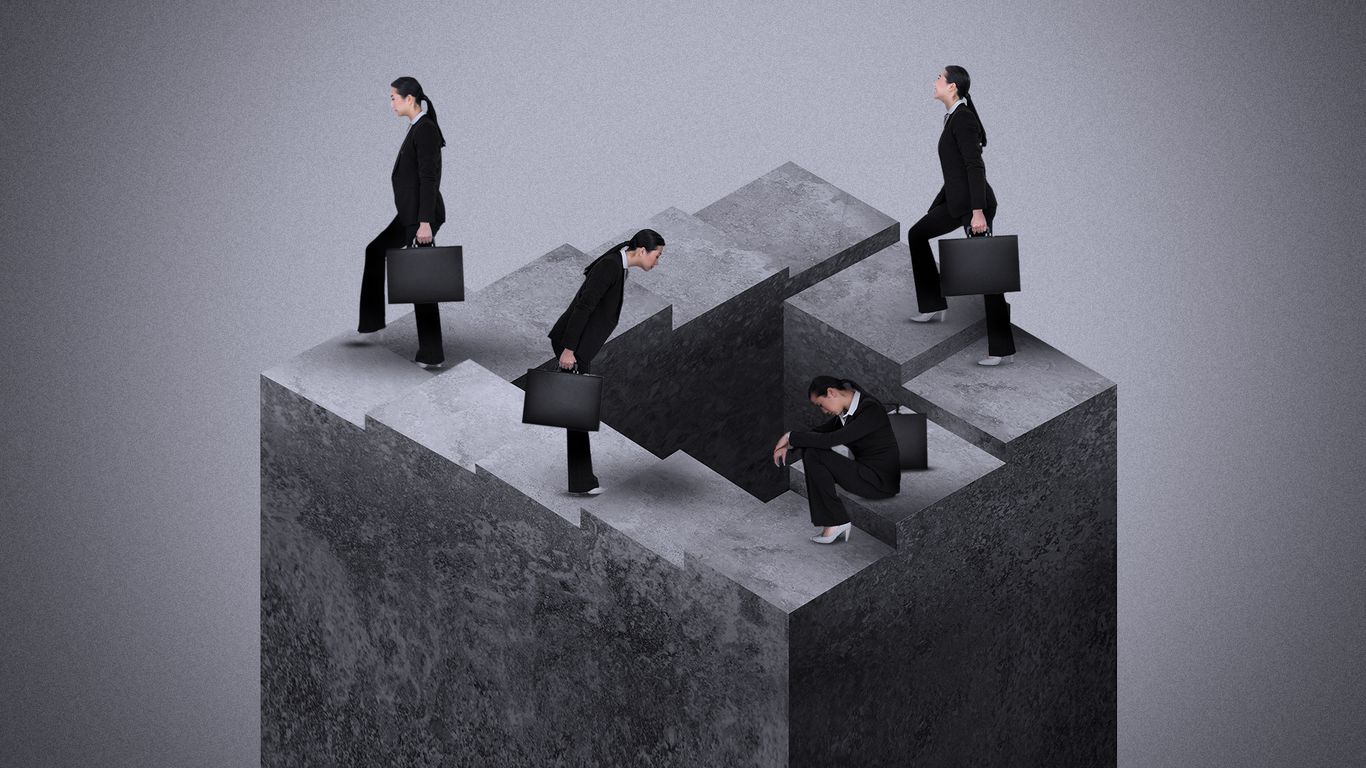
Many workers in the U.S. are feeling anxious about how quickly AI is being used in jobs, especially as the job market weakens. This anxiety is growing because it is unclear how AI will affect jobs, and workers feel uncertain and powerless about future changes.
Key Facts
Workers at all stages of their careers are worried about AI being used more in their jobs.
The number of unemployed people in the U.S. is now higher than the number of job openings, a shift not seen in four years.
Hiring in the U.S. is slowing, with only 22,000 new jobs added in a recent month.
Some company leaders, like Salesforce's CEO, have reduced staff while using more AI but plan to hire more sales staff.
Behavioral scientists say this anxiety is due to the fast pace of AI adoption and the uncertainty it brings.
Some workers fear companies will use AI in ways that are not responsible.
Anxiety is affecting workers' views of their own value, linking it to the misconception that self-worth is defined by profession.
Experts suggest that AI anxiety can encourage workers to develop new skills or consider new job roles.
Read the Original
Want the full story? Tap a source to open the original
article.
Undersea cables in the Red Sea were cut, leading to internet disruptions in the Middle East and South Asia. Microsoft reported that the cuts affected its Azure cloud services but did not impact general network traffic. The disruptions began on September 6, 2024, causing slow speeds and intermittent internet access in several countries.
Key Facts
Internet disruptions occurred in the Middle East and South Asia due to undersea cable cuts in the Red Sea.
The internet watchdog NetBlocks reported slow and intermittent access in countries like Saudi Arabia, Pakistan, the UAE, and India.
Microsoft confirmed these disruptions affected its Azure cloud services, the world's second largest after Amazon.
The disruptions began at 05:45 GMT on September 6, 2024.
Microsoft stated that general network traffic not passing through the Middle East was not affected.
Undersea cables carry global internet data and can be damaged by ships' anchors or targeted in attacks.
The cables affected include the SMW4 and IMEWE systems near Jeddah, Saudi Arabia.
Microsoft has faced criticism for its ties to Israel amidst ongoing conflicts.
Read the Original
Want the full story? Tap a source to open the original
article.
Pray.com is using AI to create videos about Bible stories, posting them on YouTube. These videos are popular, especially among younger viewers, although some theologians are skeptical about their spiritual value.
Key Facts
Pray.com produces AI-generated videos that depict Bible stories.
The videos are popular on YouTube, with one video gathering over 750,000 views.
The main audience for these videos is men under the age of 30.
Some theologians criticize the videos for making the Bible feel like an action movie.
Pray.com claims their content positively impacts viewers spiritually and mentally.
Historically, Christianity has used technology to spread religious messages.
Evangelicals are often early adopters of new tech for religious storytelling.
The AI videos are part of a growing trend of using technology in social media to create engaging content.
Read the Original
Want the full story? Tap a source to open the original
article.
A test of the UK's emergency alert system for mobile phones is scheduled for Sunday, 7 September, at 15:00 BST. The test will send a siren sound and message to compatible smartphones connected to 4G and 5G networks. People can opt out if they wish.
Key Facts
The emergency alert test occurs on 7 September at 15:00 BST.
It will send a siren sound and message to compatible smartphones on 4G and 5G.
About 87 million mobile phones in the UK could receive the alert.
The alert will not reach phones that are off, in airplane mode, or without 4G/5G.
Users can opt out by changing settings on their phones.
The government's test in April 2023 had technical issues, affecting some users.
The alert system has been used in the past for real emergencies, like during storms.
Domestic abuse charities caution users with secret phones to turn them off during the test.
Read the Original
Want the full story? Tap a source to open the original
article.
Scientists in the United States reported the largest-ever merger of two black holes, detected by gravitational wave observatories. This collision, recorded in November 2023, was shared at an international conference in the United Kingdom.
Key Facts
Scientists discovered the largest black hole merger using gravitational wave detectors.
The collision was observed on November 23, 2023, by LIGO detectors in Washington State and Louisiana.
The merger created gravitational waves detected briefly for 0.1 seconds and named GW231123.
The merging black holes were about 100 and 140 times the mass of the Sun, producing a new black hole over 265 times the Sun's mass.
This new black hole is larger than the previous biggest merger, GW190521.
Black holes are detected through gravitational waves because they absorb light and remain invisible.
Roughly 300 black holes have been found using gravitational waves.
The collision will not affect Earth or the Milky Way galaxy.
Read the Original
Want the full story? Tap a source to open the original
article.
The BBC conducted an undercover investigation to uncover drug dealers using Snapchat to sell vape liquids that might contain the dangerous drug spice instead of THC, a chemical found in cannabis. The operation revealed how easy it is for teenagers to access these drug-laced vapes through social media platforms.
Key Facts
BBC reporters posed as a schoolgirl to buy vape liquids from a drug dealer on Snapchat.
The vape liquids were claimed to contain THC but were suspected to have spice, a stronger and addictive drug.
The investigation highlighted instances where teenagers unknowingly vaped products containing spice, leading to addiction and severe health concerns.
Despite reporting the issue to police, the drug dealers continued their operations.
The dealer communicated via Snapchat, showing a menu with prices and offering delivery in Birmingham and Warwickshire.
Snapchat claimed to actively shut down accounts involved in drug dealings.
The BBC team conducted the operation with safety precautions, including constant communication among team members.
Read the Original
Want the full story? Tap a source to open the original
article.
The TV episode "Fighting Wildfires: Can Tech Help?" focuses on how new technology is helping to detect and prevent wildfires more quickly. Alasdair Keane visits Vancouver to explore these technological advancements.
Key Facts
The TV episode is titled "Fighting Wildfires: Can Tech Help?"
Alasdair Keane travels to Vancouver for this episode.
The episode looks at new technology for early detection and prevention of wildfires.
The episode first aired on September 6, 2025.
This episode is available for 11 months from its first showing.
Read the Original
Want the full story? Tap a source to open the original
article.
Anthropic AI has agreed to pay $1.5 billion to settle a copyright lawsuit filed by authors over the use of their books to train AI models. This settlement is pending court approval and is significant in the ongoing debate over fair use in AI technology. The case involves large language models and marks a unique point in the legal landscape between AI and creative industries.
Key Facts
Anthropic AI settled a copyright lawsuit with a group of authors for $1.5 billion.
The lawsuit involves the use of 500,000 books to train AI models.
Authors will receive about $3,000 for each book if the settlement is approved.
This case includes the first major legal decision on fair use related to generative AI.
Judge William Alsup will review the settlement in San Francisco.
Plaintiffs accused Anthropic of using books without permission or payment.
The case touches on how AI models use copyrighted works without direct consent.
The settlement may influence future licensing and compensation in AI training.
Read the Original
Want the full story? Tap a source to open the original
article.
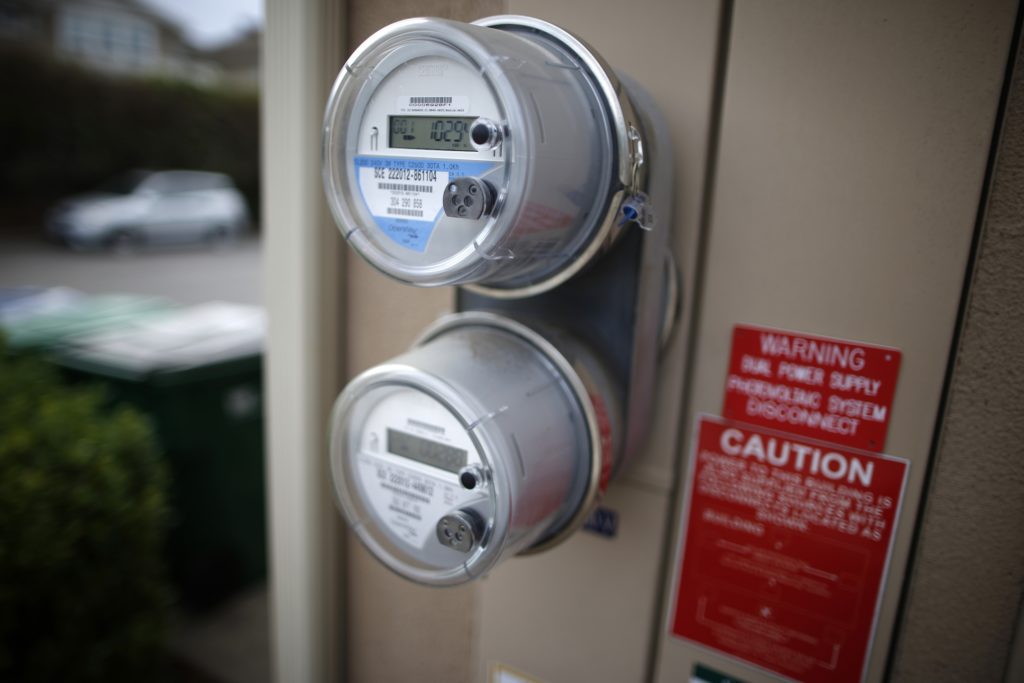
Electricity bills are going up across the country. The growing use of AI and the large data centers that support it are increasing electricity demand. Geoff Bennett discussed these issues with Ari Peskoe from Harvard Law School.
Key Facts
Electricity bills are increasing nationwide.
The growth of AI technology is a significant factor in this rise.
Large data centers, which AI relies on, use a lot of electricity.
This increased use is putting pressure on the power grid.
Inflation is not the only reason for higher electricity costs.
Geoff Bennett interviewed Ari Peskoe to understand more about these issues.
Read the Original
Want the full story? Tap a source to open the original
article.
The European Union has fined Google $3.45 billion for unfairly promoting its own advertising services over competitors'. The EU claims Google has abused its dominant market position in ad technology, affecting fair competition since 2014. Google disagrees with the ruling and plans to contest it in court.
Key Facts
The European Union fined Google 2.95 billion euros ($3.45 billion).
The EU accuses Google of using its power to favor its own ad services.
This is the fourth time Google has been fined by the EU over competition issues.
Google allegedly abused its market position since 2014 according to the EU.
Google's actions were found to harm publishers, advertisers, and consumers.
The EU has been investigating Google's ad technology practices since 2021.
Google plans to challenge the EU's decision in court.
This decision is part of ongoing international scrutiny and fines against Google.
Read the Original
Want the full story? Tap a source to open the original
article.
The European Union fined Google €2.95 billion for allegedly favoring its own advertising technology over competitors. The European Commission stated that Google's actions violated competition laws, leading to higher costs and decreased earnings for competitors and publishers. Google plans to appeal the decision.
Key Facts
The EU fined Google €2.95 billion for its advertising practices.
The European Commission accused Google of using its own technology to gain an unfair advantage.
This is the third time the EU has penalized Google for competition law breaches.
Google argues the decision is wrong and plans to appeal.
The fine is one of the largest issued by the EU to a tech company.
Competitors faced higher costs, possibly resulting in more expensive services for consumers.
Google has 60 days to propose changes to its practices or face further EU action.
Read the Original
Want the full story? Tap a source to open the original
article.
Anthropic, an AI company, agreed to pay $1.5 billion to settle a lawsuit with authors. The authors claimed their books were used without permission to train Anthropic's chatbot. This is one of the largest copyright settlements involving AI and could impact how AI companies use creative works.
Key Facts
Anthropic settled a lawsuit with authors for $1.5 billion.
Authors said Anthropic used pirated books to train a chatbot.
Each book in the lawsuit is set to receive about $3,000.
The lawsuit involved around 500,000 books.
A judge previously ruled that using pirated books was illegal.
Anthropic agreed to delete the pirated book files as part of the settlement.
If the case had gone to trial, Anthropic could have faced higher costs.
A hearing to finalize the settlement is scheduled for a judge.
Read the Original
Want the full story? Tap a source to open the original
article.
Anthropic, an artificial intelligence company, agreed to pay $1.5 billion in a settlement with book authors who accused it of using pirated copies of their books to train its chatbot. This settlement, if approved, would address claims of copyright infringement and aims to compensate authors for past uses of their work. The settlement involves about 500,000 books, with authors receiving roughly $3,000 per book.
Key Facts
Anthropic agreed to a $1.5 billion settlement with authors over pirated books used for AI training.
The settlement covers about 500,000 books, with authors set to receive around $3,000 each.
The lawsuit originated from claims that Anthropic used pirated books to train its chatbot, Claude.
A federal judge found Anthropic obtained millions of pirated books, which led to this legal action.
The authors' lawsuit was initially filed by authors Andrea Bartz, Charles Graeber, and Kirk Wallace Johnson.
The settlement is considered the largest copyright recovery in the context of AI technology.
If the case went to trial, Anthropic risked paying much more if found guilty of willful infringement.
A judge will review the settlement terms to decide if it will be approved.
Read the Original
Want the full story? Tap a source to open the original
article.
The Webb Space Telescope has captured a new image showing thousands of young stars in a star-forming region called the Lobster Nebula, located 5,500 light-years from Earth. This photograph highlights a cluster of baby stars known as Pismis 24 and a large cloud of dust and gas.
Key Facts
The image shows a star-forming area called the Lobster Nebula.
The Webb Space Telescope took the photo, which features thousands of new stars.
The Lobster Nebula is 5,500 light-years from Earth.
A light-year is a distance of about 5.8 trillion miles.
The image also reveals a large cloud made of star-forming dust and gas.
The star cluster in the image is named Pismis 24.
The Webb Space Telescope is the largest and most powerful space telescope.
The telescope uses infrared to see the universe and took over five hours to capture this image.
Read the Original
Want the full story? Tap a source to open the original
article.
President Trump held a dinner at the White House with major technology leaders. The meeting comes as the administration moves forward with legal actions against some companies in Silicon Valley.
Key Facts
President Trump hosted a dinner for technology leaders at the White House.
The dinner took place on a Thursday night.
This event happened while the U.S. government is taking legal steps against certain tech companies.
The companies involved are located in a region known as Silicon Valley, which is famous for technology firms.
The event and legal actions are part of the administration's broader dealings with the tech industry.
Read the Original
Want the full story? Tap a source to open the original
article.
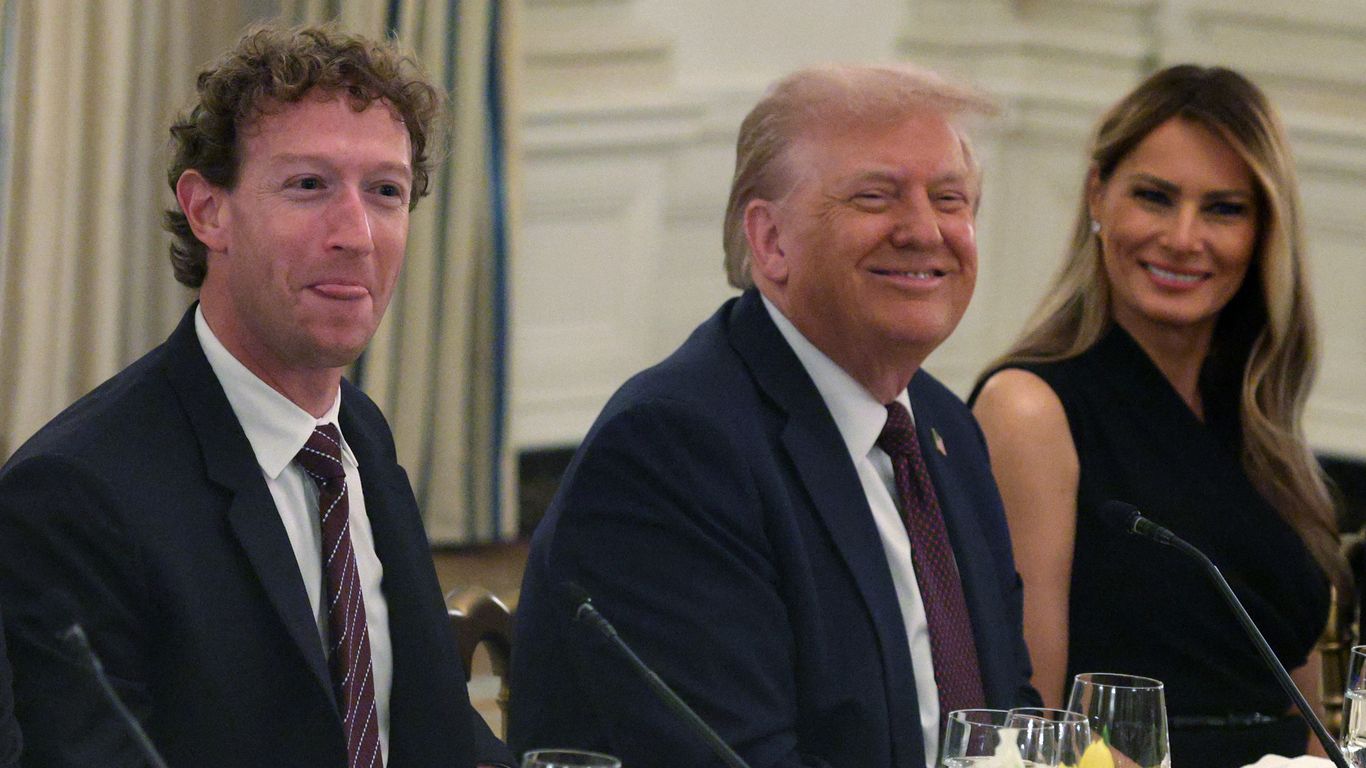
President Trump hosted a dinner at the White House with top tech leaders, including Mark Zuckerberg, Bill Gates, and Sam Altman, who praised his administration's approach. The event occurred amid discussions about government regulation of artificial intelligence and after tech CEOs invested heavily in the U.S. economy. Elon Musk was invited but did not attend the dinner.
Key Facts
President Trump hosted the dinner at the White House for top tech leaders.
Notable attendees included Mark Zuckerberg from Meta, Bill Gates from Microsoft, and Sam Altman.
The dinner happened during discussions about AI regulation and the role of the government.
Many tech CEOs previously donated to Trump's inauguration fund.
Zuckerberg mentioned that Meta plans to invest $600 billion in U.S. infrastructure by 2028.
Bill Gates also praised Trump for creating a favorable climate for investment and manufacturing.
Elon Musk was invited but stated he could not attend; a representative from his company was there.
A reporter asked Zuckerberg about freedom of speech issues, leading to an uncomfortable moment.
Read the Original
Want the full story? Tap a source to open the original
article.