President Donald Trump plans to meet with Venezuela's interim president, Delcy Rodriguez, next week during the UN General Assembly in New York. The meeting would be the first between the two leaders and reflects close relations, but it also raises political tensions, especially among Venezuelan exiles in the U.S.
Key Facts
President Trump is expected to meet Delcy Rodriguez, Venezuela’s interim president, as early as next week.
The meeting would happen during the UN General Assembly in New York.
Rodriguez took power after Nicolas Maduro was captured by U.S. forces in January.
Trump and Rodriguez have worked together to normalize relations, including a large Venezuelan oil deal.
Many Venezuelan exiles in Florida are unhappy with the U.S. working closely with Rodriguez, who has socialist ties.
Neither Trump nor Secretary of State Marco Rubio has called for elections in Venezuela.
Some Venezuelan opposition supporters are frustrated with U.S. officials for criticizing exiles.
Polls show Rodriguez and Trump are not very popular in Venezuela, while opposition leader Maria Corina Machado has higher support.
Read the Original
Want the full story? Tap a source to open the original
article.
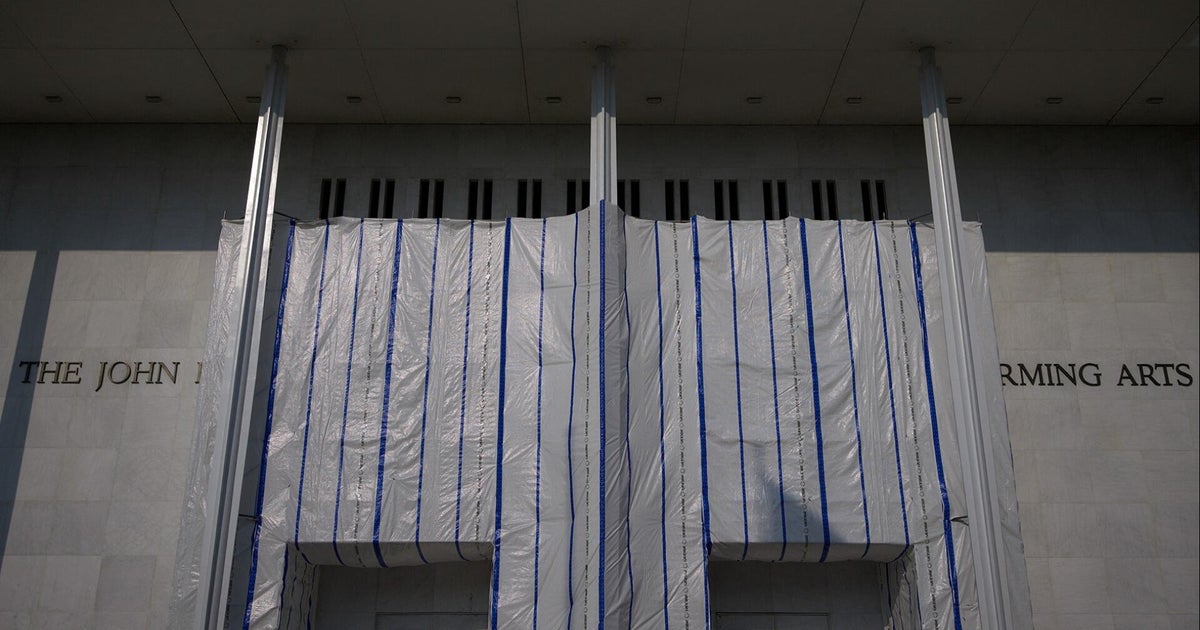
A U.S. federal judge has ruled that the Kennedy Center must give 30 days' notice before making major changes to its building, including tearing it down. The order came after President Donald Trump suggested the performing arts center might be demolished due to its poor condition and financial troubles.
Key Facts
The Kennedy Center closed temporarily due to safety concerns from structural problems like a partial ceiling collapse.
The center’s board, aligned with President Trump, voted for a long renovation because the building is in bad shape.
President Trump said his administration helped restore the Kennedy Center and warned it might be torn down otherwise.
Judge Christopher Cooper issued an order requiring 30 days’ notice before any major physical change or demolition.
Representative Joyce Beatty, a Kennedy Center board member, asked for an emergency hearing but was denied.
A photo showing President Trump with a demolition plan for the Kennedy Center gained widespread attention online and in the media.
The judge previously blocked attempts to add President Trump’s name to the Kennedy Center without Congress’s approval.
Read the Original
Want the full story? Tap a source to open the original
article.
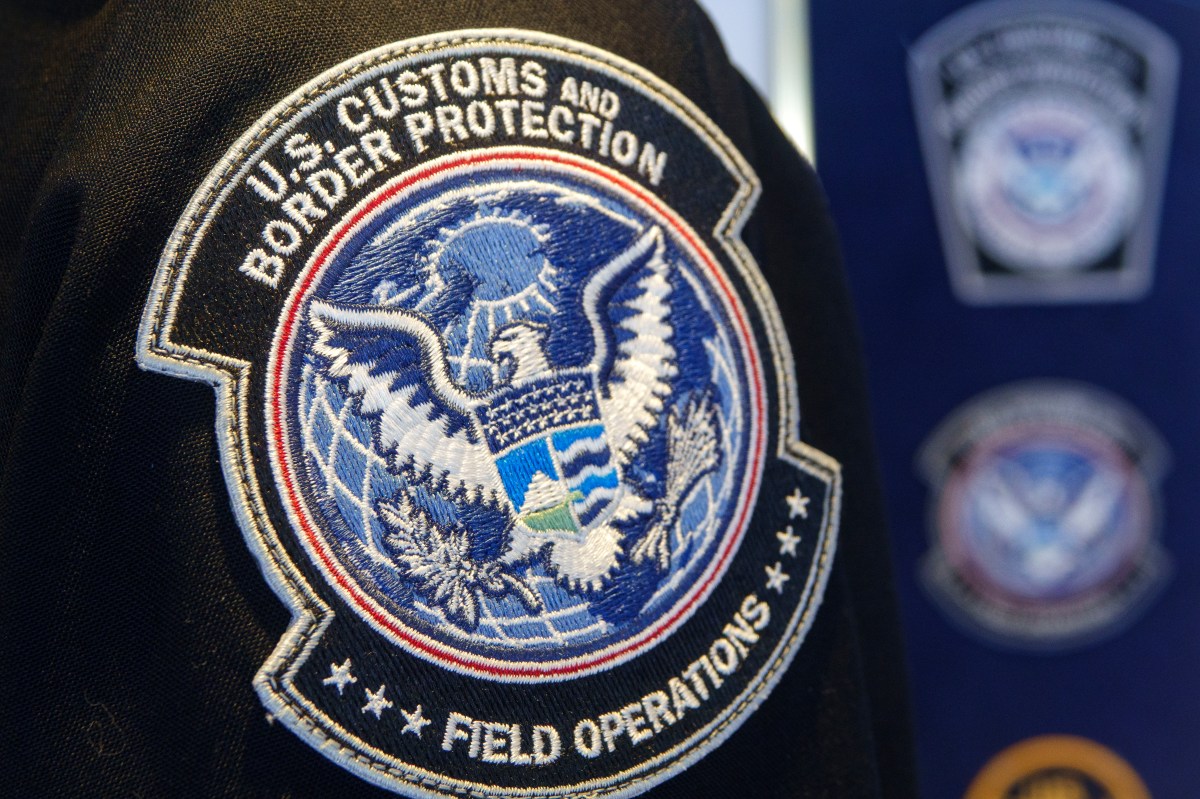
A U.S. Appeals Court ruled that border officers can search travelers’ phones without needing a warrant or suspicion. The decision was made by a panel including judges appointed by both President Trump and President Biden, and it affects both U.S. citizens and green card holders.
Key Facts
The court said phones can be searched at the border like other personal items such as suitcases.
The ruling was based on a case involving Chinwendu Alisigwe, a green card holder whose phone was searched at JFK Airport.
Evidence found on Alisigwe’s phone led to his conviction for bank fraud and money laundering.
The court rejected applying a 2014 Supreme Court decision that usually requires a warrant to search phones after arrest.
The judges said the First Amendment does not require special protections for phone searches at the border.
One Biden-appointed judge agreed Alisigwe’s conviction was valid but warned that phones contain very private information and should not be treated like regular luggage.
Civil rights and press freedom groups argued the ruling threatens privacy and protections for journalists.
The ruling impacts millions of travelers entering the U.S., who may have sensitive information on their devices.
Read the Original
Want the full story? Tap a source to open the original
article.
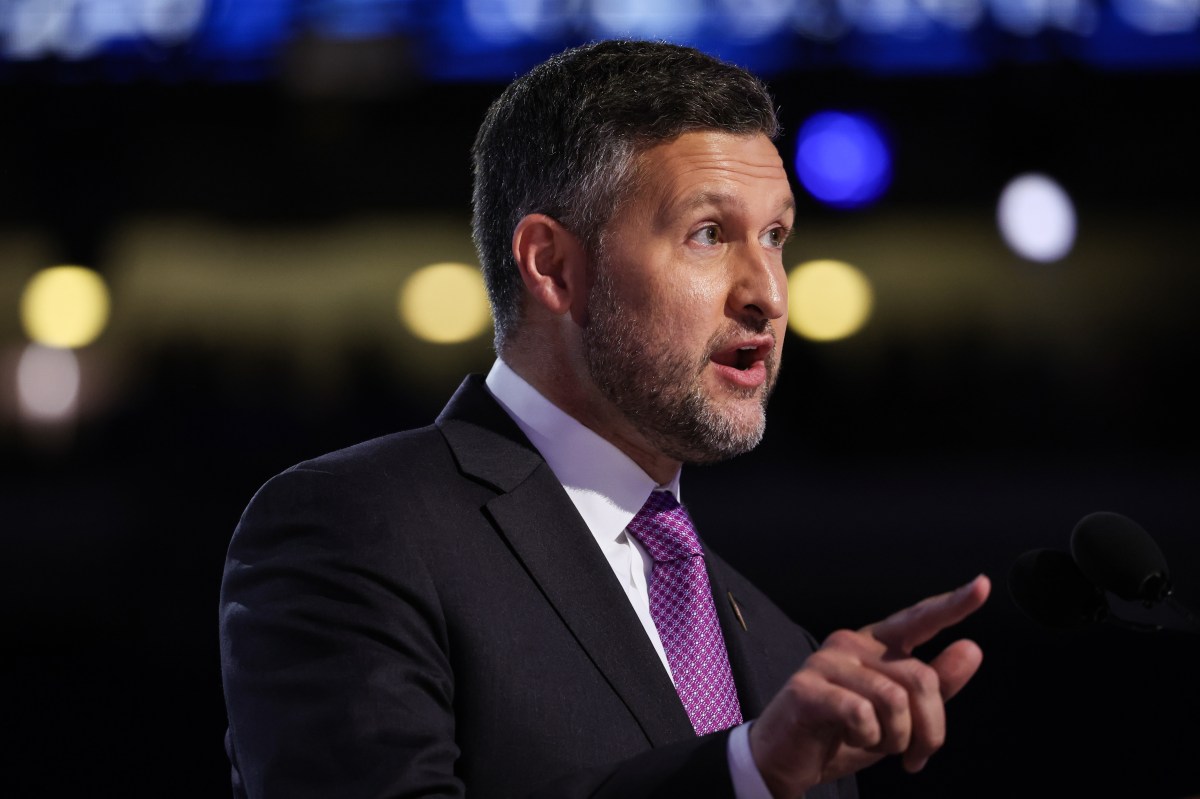
A new bill has been introduced by Congressman Pat Ryan to make sure that U.S. troops injured or killed in operations against Iran get the same benefits as those in officially declared combat zones. The bill responds to concerns that veterans and families have faced difficulties receiving benefits because the Trump administration did not classify these casualties as war-related.
Key Facts
The bill is called the Honoring the Sacrifice of Troops in War Act.
It aims to give troops involved in U.S. operations against Iran full combat-related benefits.
The Trump administration did not formally classify the Iran conflict as a war zone.
This classification affects military pay, benefits, and recognition.
The bill was prompted by complaints from military families and veterans.
Major Alex Klinner died in a crash supporting strikes on Iran; his family faced benefit issues.
The Pentagon said Klinner’s family received proper benefits and pledged ongoing support.
The legislation would ensure troops and families are recognized and compensated like in declared wars.
Read the Original
Want the full story? Tap a source to open the original
article.
President Donald Trump’s administration has requested approval from lawmakers to sell 48 F-35 fighter jets to Saudi Arabia for $24.3 billion. The sale aims to strengthen US foreign policy and security goals by supporting a key ally in the Gulf region while ensuring Israel’s military advantage remains.
Key Facts
The US is proposing to sell 48 F-35 jets to Saudi Arabia at a cost of $24.3 billion.
The State Department says the sale supports US foreign policy and national security by helping a major non-NATO ally in the Gulf.
The sale is said not to change the military balance in the region and keeps Israel’s superiority intact.
Houthi forces in Yemen recently claimed to have shot down a Saudi F-15 jet, showing increased military capability.
Fighting in Yemen has killed at least five people recently, including children.
The US will not directly intervene in the Yemen conflict between Saudi-backed forces and the Houthis.
Some US lawmakers worry the sale could risk US technology being accessed by China through Saudi partnerships.
Saudi Arabia has made defense agreements with Pakistan and Turkiye, possibly reducing reliance on the US for defense.
Read the Original
Want the full story? Tap a source to open the original
article.
A Kennedy Center spokesperson said that no part of the building is being destroyed. This statement came after President Trump said the center could be "ripped down" if it did not have his name on it.
Key Facts
A Kennedy Center official confirmed nothing is being demolished.
President Trump stated the center might be "ripped down" without his name on it.
The Kennedy Center spokesperson disagreed with President Trump's claim.
The exchange was reported by CBS News.
The Kennedy Center is a well-known cultural venue in the United States.
This conversation relates to comments made by President Trump regarding the center’s naming.
No demolition or destruction work is currently planned at the Kennedy Center.
Read the Original
Want the full story? Tap a source to open the original
article.
A U.S. appeals court allowed the Trump administration to continue changing how a homelessness program operates and how it decides who gets funding. This ruling pauses an earlier decision that blocked these changes.
Key Facts
The decision was made by a three-judge panel from the 1st U.S. Circuit Court of Appeals in Boston.
The court paused a March ruling by a federal judge in Rhode Island.
The March ruling had stopped the Trump administration’s changes to the homelessness program.
These changes involve how the program is run and who qualifies for aid money.
The appeals court’s approval means the Trump administration can move forward with the overhaul.
Read the Original
Want the full story? Tap a source to open the original
article.
The Trump administration has changed the way the Endangered Species Act (ESA) defines "take," which means how harming or killing protected animals is counted under the law. Now, harm or killing must be intentional to count as illegal, which could reduce protections for many endangered species.
Key Facts
The ESA protects more than 1,600 endangered species in the U.S.
The Fish and Wildlife Service (FWS) reinterpreted "take" to only include intentional harm or killing.
This means accidental harm from activities like logging, mining, or traffic would not be illegal.
In July, the administration removed the definition of harmful acts that included damaging animal habitats.
Twenty states and Washington DC are suing the administration over this change.
Environmental groups argue the reinterpretation goes against a 1995 Supreme Court ruling.
The Interior Department says the new rule follows the original law's intent while keeping core protections.
Critics say this change could lead to more endangered species going extinct.
Read the Original
Want the full story? Tap a source to open the original
article.
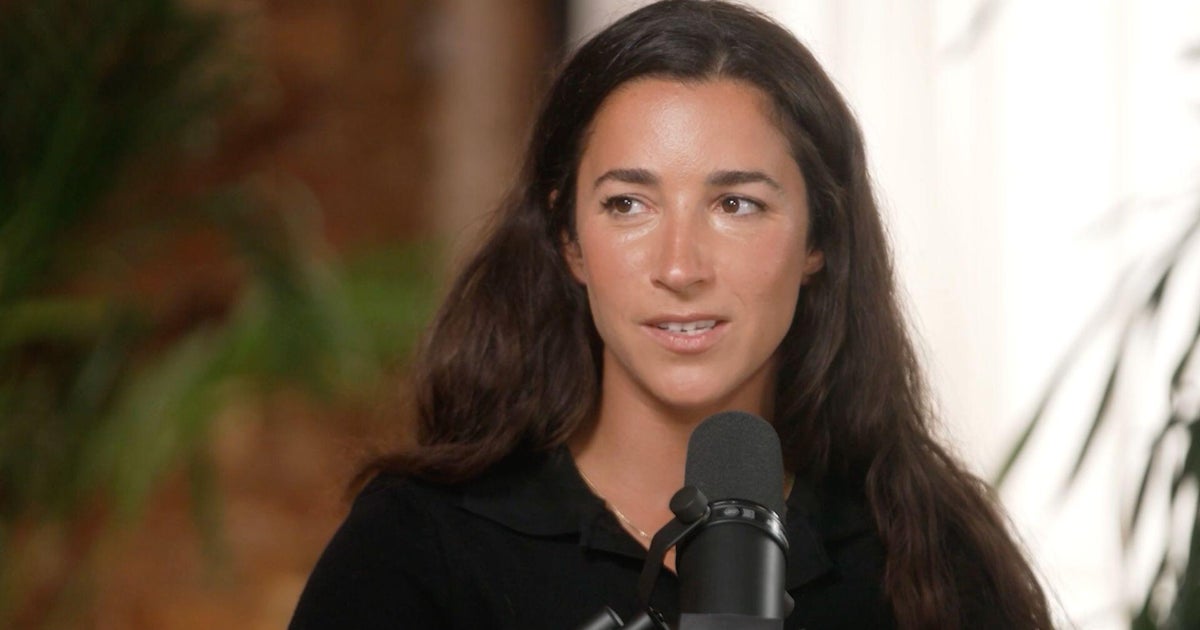
Aly Raisman shared her experience of trying to get medical help for her painful periods. Despite being cleared by three doctors, she is now waiting for a year to see a specialist.
Key Facts
Aly Raisman has painful periods that require specialist care.
She talked about her experience on the CBS News program "Healthful."
Raisman saw three different doctors, all of whom approved her to see a specialist.
She faces a long wait time of about one year to get an appointment.
The difficulty highlights challenges some people have in accessing timely healthcare for period-related issues.
Read the Original
Want the full story? Tap a source to open the original
article.
Before the US midterm elections, fake videos appeared online showing celebrities speaking against the Democratic Party. These videos were made using artificial intelligence and are part of a disinformation campaign linked to Russia.
Key Facts
The US midterm elections will happen in less than two months.
Videos surfaced online that seem to show celebrities criticizing Democrats.
These videos are fake and created with artificial intelligence (AI).
The disinformation campaign is connected to Russia.
Such efforts aim to influence voters by spreading false information.
The issue highlights concerns about AI being used to create misleading content during elections.
Read the Original
Want the full story? Tap a source to open the original
article.
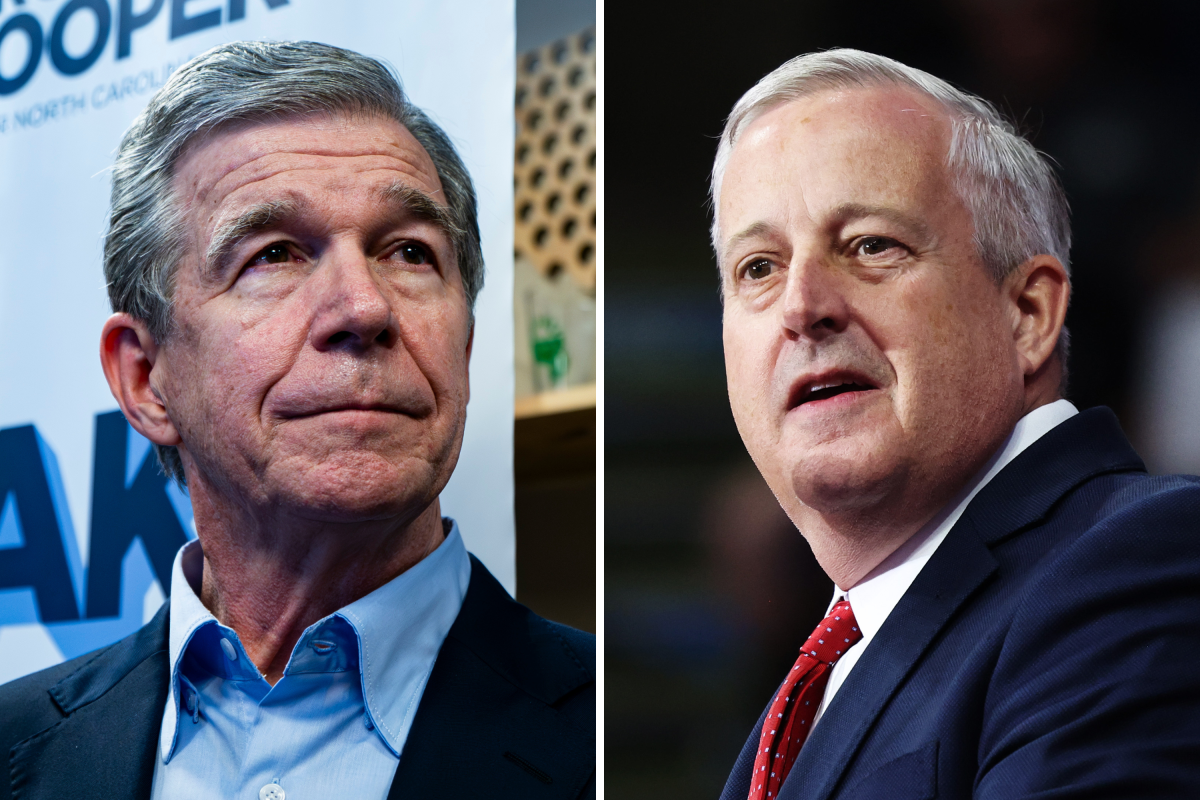
A new poll from a Republican-linked group shows Democrat Roy Cooper leading Republican Michael Whatley by 15 points in the North Carolina Senate race. The seat is open since Republican Senator Thom Tillis is not running again, and the election is less than 50 days away.
Key Facts
Roy Cooper, a Democrat and former governor, is leading Michael Whatley, a Republican and former RNC chair, in the North Carolina Senate race.
The latest poll was conducted by Harper Polling, a group connected to Republicans.
Cooper has 49% support, Whatley has 34%, with 5% for others and some voters undecided.
The poll surveyed 608 likely voters between September 13 and 15, 2026, with a margin of error of 3.97%.
This is Cooper's largest lead in Harper Polling surveys so far, growing from a 4-point lead in 2024 to 15 points recently.
Cooper is more well-known and viewed more positively by voters than Whatley.
President Donald Trump recently campaigned for Whatley in North Carolina.
Other recent polls also show Cooper leading, with margins ranging from 5 to 11 points.
Read the Original
Want the full story? Tap a source to open the original
article.
Philadelphia police and the FBI are investigating a possible series of murders linked to a house in the Olney neighborhood. They found evidence connected to at least five missing women at the location.
Key Facts
Authorities involved: Philadelphia police and the FBI.
The investigation focuses on possible serial murders.
Evidence was found in a home in the Olney neighborhood of Philadelphia.
The evidence relates to at least five missing women.
The case is ongoing, with police continuing their investigation.
CBS Philadelphia is reporting on the development.
Read the Original
Want the full story? Tap a source to open the original
article.
Learner drivers in the UK are using YouTube and TikTok videos to help reduce the cost of learning to drive. Driving instructors warn that while online videos can be helpful, they should not replace practical lessons because incorrect information can be dangerous.
Key Facts
Driving lessons in the UK cost about £35 to £50 per hour.
On average, learners take 45 hours of lessons plus 22 hours of practice.
The total cost of learning to drive is around £2,460, including lessons and test fees.
Social media videos help learners review content and save money.
Some online information, including AI-generated content, can be misleading or wrong.
Instructors say online learning should be combined with real-life practice for safety.
Learners sometimes rely on family support or part-time jobs to pay for lessons.
Mistakes shown in social videos may get attention but can spread incorrect driving skills.
Read the Original
Want the full story? Tap a source to open the original
article.
Pennsylvania has asked the U.S. Centers for Disease Control and Prevention (CDC) for help with a growing measles outbreak that has caused several deaths. However, the state says it will cancel the request unless the CDC officially recognizes four deaths linked to measles, a point the CDC disputes.
Key Facts
Pennsylvania is experiencing a major measles outbreak with 731 confirmed cases across 38 counties.
Four unvaccinated people have died, according to Pennsylvania health officials.
The CDC has not agreed to officially count these deaths as caused by measles, saying evidence is unclear.
Pennsylvania wants the CDC to recognize the deaths to aid public health efforts and has threatened to withdraw its request for emergency federal help.
The CDC says it has not formally received Pennsylvania’s request for assistance.
The disagreement involves how to classify deaths: “measles-associated” (linked to measles) versus deaths directly “caused” by measles.
The outbreak is the worst in the U.S. since 1991. Measles was declared eliminated in 2000 but has returned partly due to some people refusing vaccines.
Most measles cases in Pennsylvania are among unvaccinated people, with less than 1% of cases in vaccinated individuals.
Read the Original
Want the full story? Tap a source to open the original
article.
The Trump administration changed how the Endangered Species Act is enforced by saying that accidentally killing endangered animals is no longer illegal unless it is done on purpose. This shift allows activities like logging or building dams that might unintentionally harm protected species without legal consequences.
Key Facts
The administration issued a directive saying endangered species must be intentionally harmed for it to count as illegal under the Endangered Species Act.
Previously, even accidental harm to protected animals like grizzly bears and spotted owls was considered illegal.
The new policy permits actions like cutting down trees or building dams even if they accidentally kill endangered species, as long as there was no intent to kill them.
Fish and Wildlife Service Director Brian Nesvik clarified that harming animals indirectly or accidentally does not count as a violation.
The change is based partly on a dissenting opinion by former Supreme Court Justice Antonin Scalia from 1995.
The shift follows a 2024 Supreme Court decision limiting federal agencies’ power to interpret environmental laws.
Conservation groups and states have filed lawsuits to challenge the changes.
Officials say the changes return the law to its original meaning and still ban deliberate harm, such as hunting or capturing protected wildlife.
Read the Original
Want the full story? Tap a source to open the original
article.
President Donald Trump said he is confident that the Senate will approve this year’s farm bill after it passed an important committee vote by a small margin. The Senate Agriculture Committee approved the bill with a close vote of 12 to 11 along party lines.
Key Facts
President Trump expressed confidence the farm bill will pass the Senate.
The farm bill is known as “Farm Bill 2.0.”
The Senate Agriculture Committee approved the bill with a 12-11 vote.
The vote in the committee was split along party lines.
The full Senate vote on the bill is expected soon.
The farm bill covers policies related to farming and agriculture.
The bill’s progress is seen as important for farmers and rural communities.
Read the Original
Want the full story? Tap a source to open the original
article.
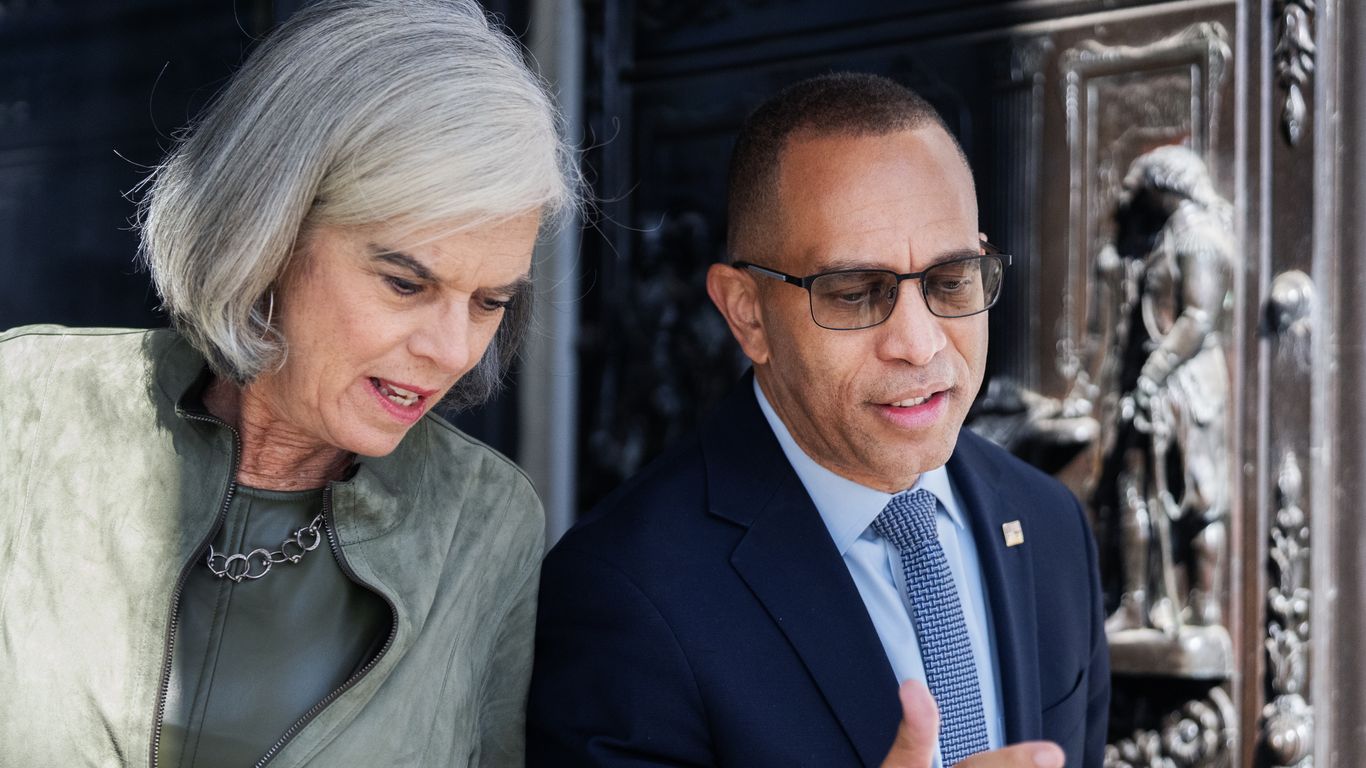
House Democrats experienced internal conflicts during the last week before the midterm elections, with some members breaking party rules in votes and leadership struggling to keep control. This tension could increase if Democrats regain the House after the election, especially with new rebellious lawmakers expected.
Key Facts
Some House Democrats voted with Republicans on important bills, including a Russia sanctions proposal.
Leadership, including Minority Leader Hakeem Jeffries and Minority Whip Katherine Clark, threatened punishments but faced continued defiance.
Rep. Al Green forced a vote on impeaching President Trump without leadership’s support, causing frustration within the party.
Jeffries and Clark voted "present" on the impeachment vote, while most Democrats either supported or opposed it.
Progressive Democrats say leadership treats them more harshly than moderates who break party unity.
Clark faced criticism for comments suggesting only loyal members should hold committee seats, seen as targeting moderate Democrats.
Democratic leaders state they work together and will address issues when appropriate.
Internal disagreements highlight challenges for Democratic leadership ahead of potentially regaining the House majority.
Read the Original
Want the full story? Tap a source to open the original
article.
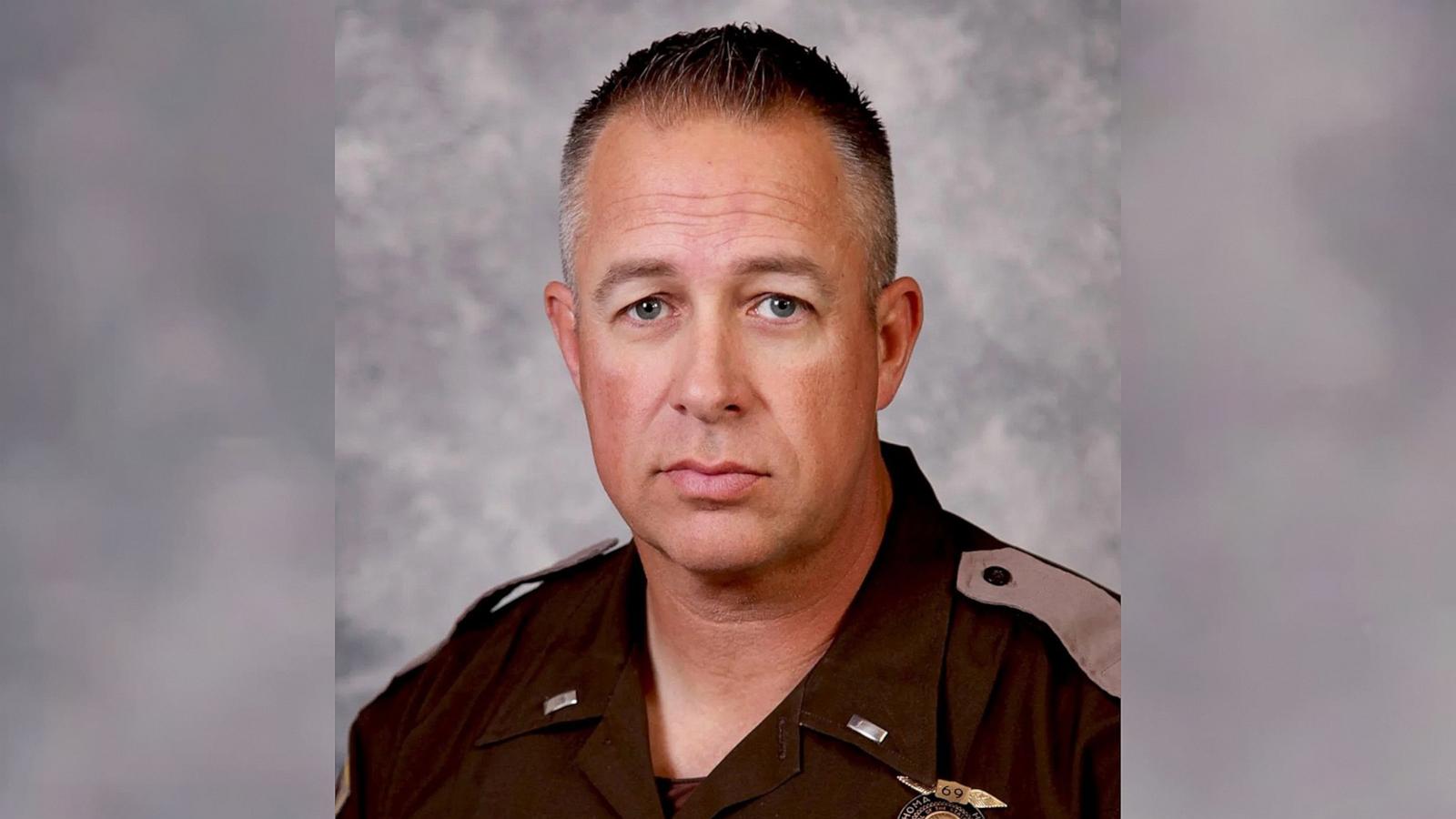
The White House has withdrawn the nomination of Lance Schroyer to lead Immigration and Customs Enforcement (ICE). Schroyer, a former Oklahoma trooper and adviser to Homeland Security Secretary Markwayne Mullin, faced criticism from both Republicans and Democrats over his qualifications.
Key Facts
Lance Schroyer was nominated in June to be the director of ICE.
ICE has not had a Senate-confirmed director since 2017.
Schroyer served as an Oklahoma state trooper for 29 years and in the Marine Corps.
He is a close adviser to Markwayne Mullin, the current Homeland Security Secretary.
Critics from both political parties said Schroyer was not qualified for the ICE director job.
His nomination stalled in the Senate Homeland Security Committee.
The White House gave no official reason for withdrawing his nomination.
ICE has a budget of over $75 billion, the largest for any U.S. law enforcement agency.
The agency is important to President Trump’s focus on deporting undocumented immigrants.
Read the Original
Want the full story? Tap a source to open the original
article.
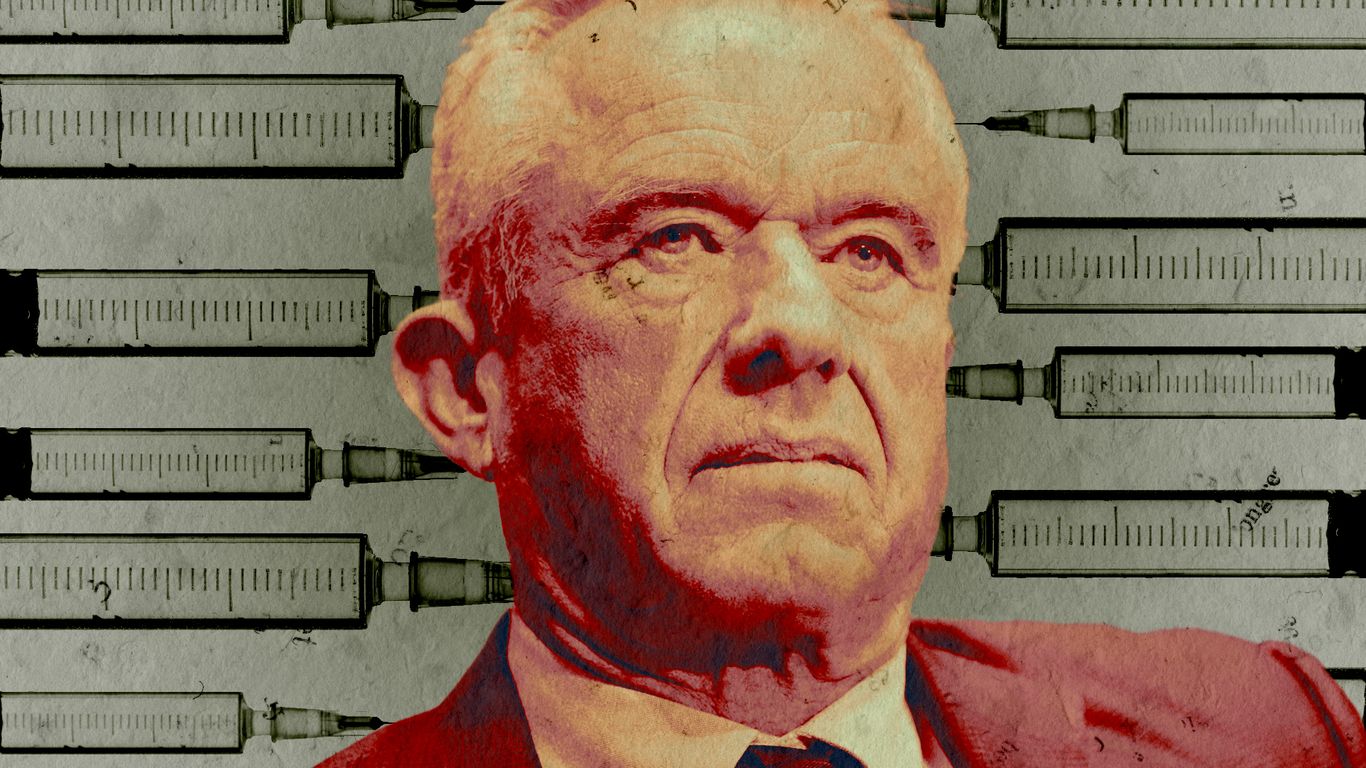
Health Secretary Robert F. Kennedy Jr. spoke at an event for the anti-vaccine group he founded, saying the Trump administration is working to change federal vaccine policies. He questioned the safety of routine vaccines and highlighted efforts to study vaccine safety, while President Trump supports his work.
Key Facts
Robert F. Kennedy Jr. gave a keynote speech to the anti-vaccine group Children's Health Defense.
He questioned the safety of routine childhood vaccines and suggested they might cause chronic illnesses.
President Trump supports expanding vaccine safety studies and allowing more vaccine options without federal mandates.
Kennedy emphasized the government is working slowly because of legal and bureaucratic processes.
The administration signed an executive order to reduce mandatory childhood vaccinations and change vaccine schedules.
Health experts say vaccine safety is well established and backed by years of scientific research.
Kennedy said several studies on vaccine safety, timing, and related health issues are underway within the Department of Health and Human Services.
Experts expressed doubt about the scientific quality of Kennedy’s vaccine safety research.
Read the Original
Want the full story? Tap a source to open the original
article.
A photo shows President Donald Trump looking at an image that seems to show the Kennedy Center in Washington being torn down. This comes after President Trump threatened to demolish the arts venue because he was blocked from renaming it after himself.
Key Facts
The photo was taken by AFP and shows President Trump examining a picture of the Kennedy Center being destroyed.
President Trump has threatened to tear down the Kennedy Center.
The threat came because he was blocked from changing the Kennedy Center’s name to his own.
The Kennedy Center is a well-known arts venue in Washington, D.C.
The incident gained wide attention on September 17, 2026.
The article’s focus is on President Trump’s reaction related to the cultural site.
This event is part of ongoing news about President Trump and U.S. cultural affairs.
Read the Original
Want the full story? Tap a source to open the original
article.