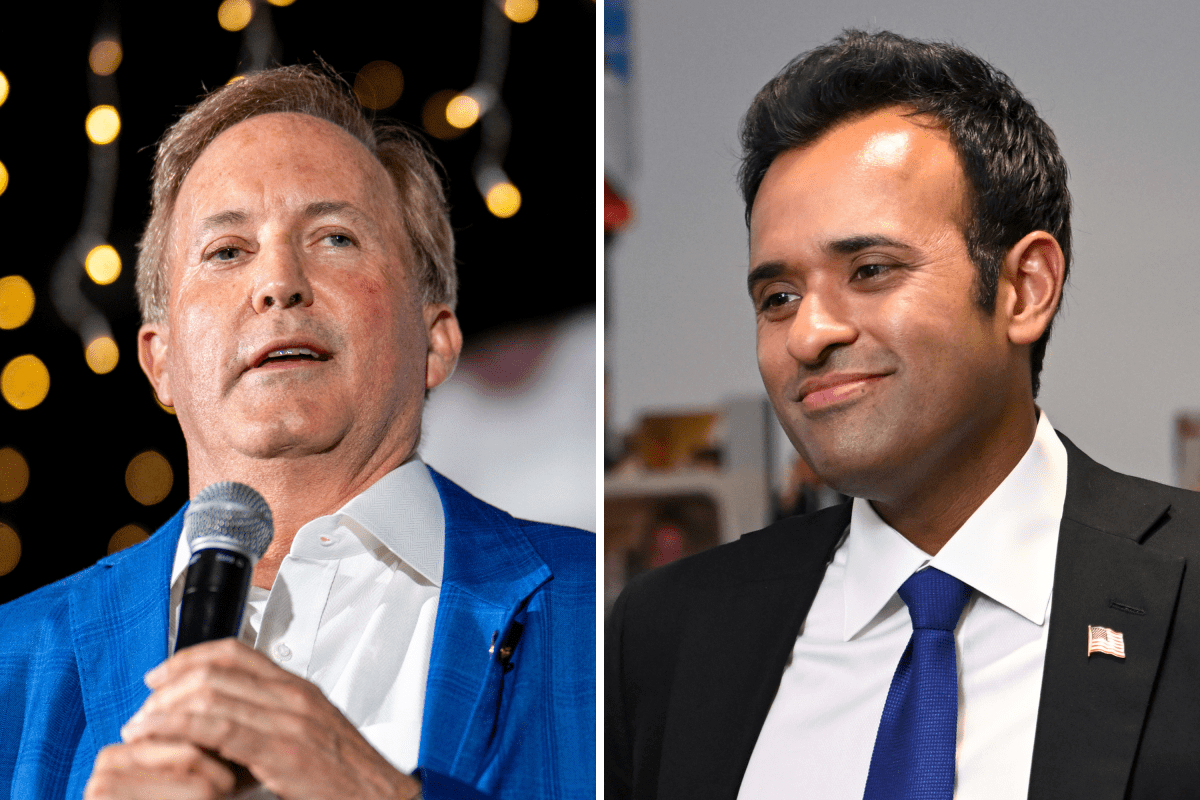
As the 2024 midterm elections near, Republicans are trailing Democrats in several key races that they have historically won for decades. Polls show Democrats leading in Senate races in Texas and North Carolina, and governor races in Georgia, Iowa, and Ohio, while Republicans lead in Michigan’s Senate race.
Key Facts
Republicans face challenges in races they have held for nearly 40 years.
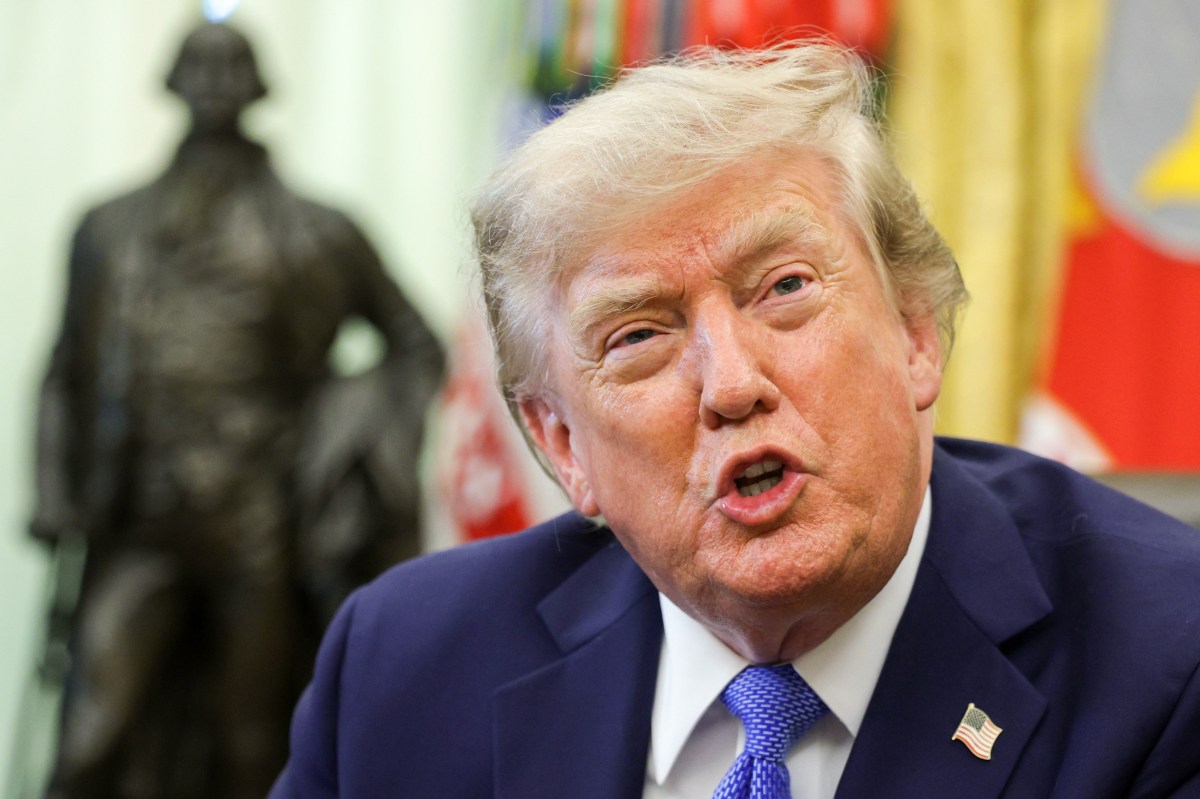
President Donald Trump’s approval rating is low, at about 35 percent according to a recent poll.
Democrats lead in polls for Senate seats in Texas and North Carolina.
Democrats also lead in governor races in Georgia, Iowa, and Ohio.
Republicans are currently ahead in Michigan’s Senate race, a state that usually votes Democratic.
Experts say midterms often result in losses for the party in the White House, and individual candidate popularity matters.
Democrats would need support from independents and some moderate Republicans to win these races.
Republicans emphasize their policies on drug prices, border security, jobs, and taxes as reasons for confidence.
Read the Original
Want the full story? Tap a source to open the original
article.
A recent Marquette Law School poll shows that President Donald Trump’s approval rating among white voters has increased to 51%, a sharp rise from 44% just a month earlier. However, other polls have shown a decline in his support among white voters, suggesting fluctuating opinions.
Key Facts
The latest Marquette poll surveyed 639 white voters between July 22 and 27.
51% of white voters approve of how President Trump is doing his job; 49% disapprove.
A June Marquette poll showed only 44% approval and 56% disapproval among white voters.
White voters are a large part of the U.S. electorate and important to Trump’s political success.
Other polls, including CNN and The Economist/YouGov, show Trump’s support among white voters has mostly fallen over the past year.
Republican support for Trump also shows signs of weakening based on recent polls.
Experts warn that poll results can change quickly and may differ due to how polls are conducted.
Changes in white voter support could impact control of Congress in the upcoming midterm elections.
Read the Original
Want the full story? Tap a source to open the original
article.
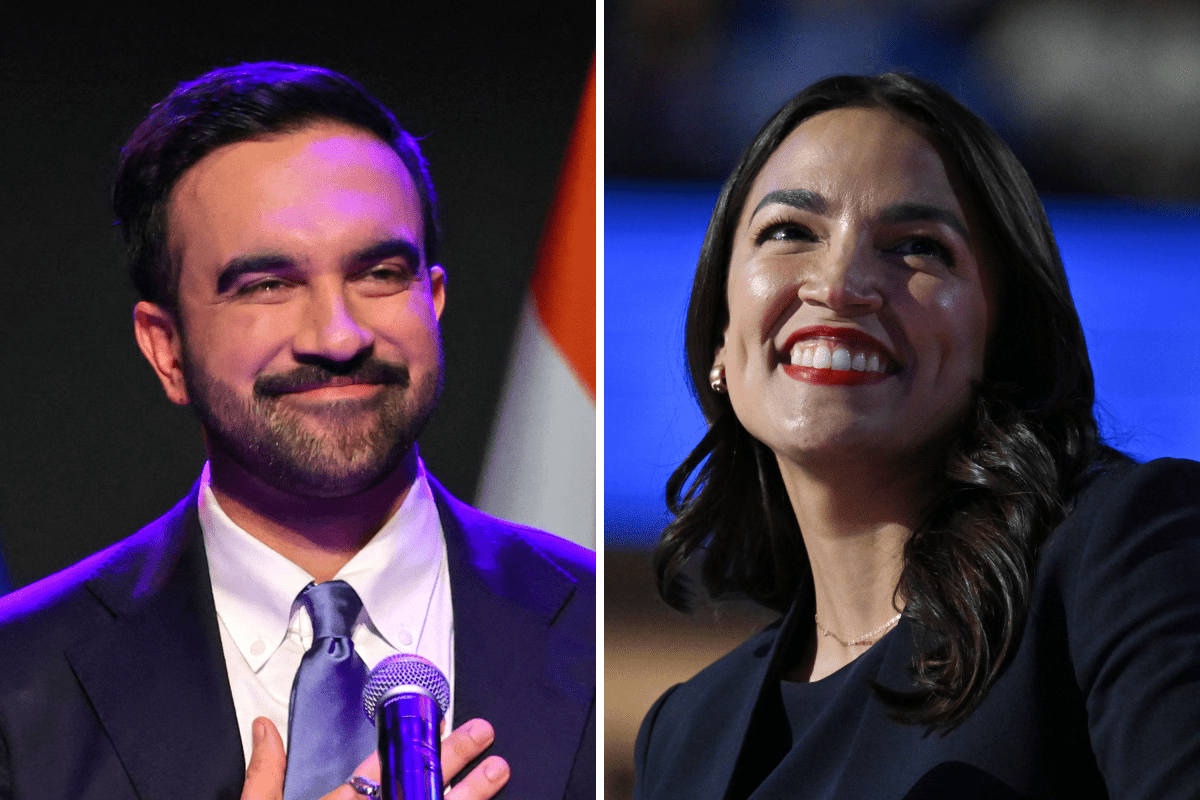
Left-leaning and democratic socialist candidates are winning important primary elections within the Democratic Party, challenging more moderate incumbents ahead of the 2026 midterms. This shift reflects growing frustration among Democrats with party leadership and a desire for stronger opposition to President Donald Trump’s policies.
Key Facts
Progressive and democratic socialist candidates have defeated moderate Democrats in several primary races nationwide.
Democratic Socialists of America (DSA) members are expected to more than double their presence in Congress after the 2026 elections.
Both progressives and democratic socialists support policies like Medicare for All and stronger environmental protections.
Some recent primary wins include Abdul El-Sayed in Michigan and DSA candidates Claire Valdez and Darializa Avila-Chevalier in New York.
Progressive group Justice Democrats endorsed several primary winners, including candidates in New Jersey, Tennessee, and Texas.
Most victories occurred in strongly Democratic districts, while a few wins happened in more competitive or redrawn districts.
There is a growing divide within the Democratic Party between moderates and various types of progressives.
Some progressives winning primaries do not identify explicitly as democratic socialists, showing diversity among the left wing.
Read the Original
Want the full story? Tap a source to open the original
article.
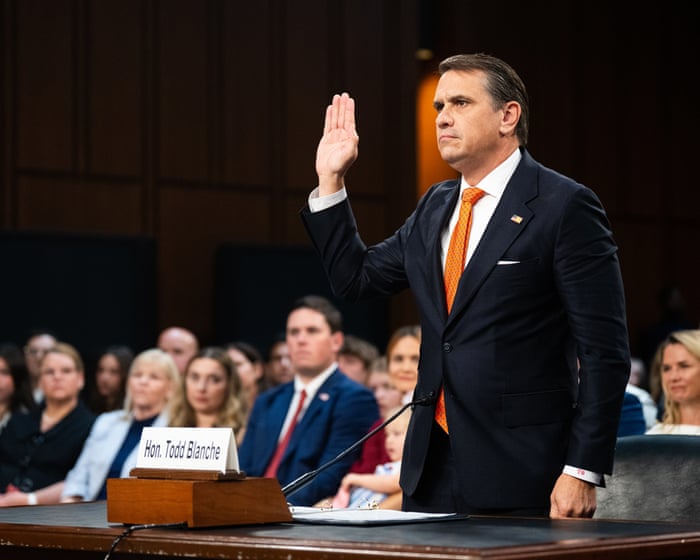
The Senate confirmed Todd Blanche as attorney general in a close 50-49 vote. Blanche, who was already acting attorney general, is a close ally of President Donald Trump and now leads the Justice Department with full confirmation.
Key Facts
The Senate vote to confirm Todd Blanche as attorney general took place early Saturday morning.
Blanche was previously President Trump’s personal lawyer.
The vote was very close, with two Republican senators, Susan Collins and Lisa Murkowski, opposing the nomination.
Blanche had been serving as acting attorney general before the confirmation.
Senator Bill Cassidy’s vote was key in securing Blanche’s confirmation.
Some Republicans and Democrats were concerned about Blanche leading a Justice Department closely aligned with Trump.
Blanche promised to drop Trump’s $1.8 billion compensation plan for Trump allies involved in the January 6 Capitol attack.
The confirmation process revealed tensions over Trump’s influence on the Justice Department.
Read the Original
Want the full story? Tap a source to open the original
article.
The US Senate confirmed Todd Blanche, President Donald Trump's former personal lawyer, as the new attorney general after a close 50-49 vote. Blanche had been serving as acting attorney general since April and his confirmation followed intense debate over his political ties and plans to handle prosecutions.
Key Facts
Todd Blanche was confirmed by the Senate with a 50-49 vote.
Blanche served as acting attorney general after Pam Bondi was fired by President Trump.
Blanche previously worked as Trump's personal lawyer in several legal cases.
Democrats opposed his confirmation, citing concerns about politicizing the Justice Department.
Blanche removed a controversial plan for a $1.8 billion fund aimed at victims of politicized prosecutions.
He also limited an immunity deal for Trump and associates in tax audits to past tax years only.
The confirmation reflected ongoing efforts by President Trump to control government agencies.
Blanche has faced criticism over his handling of files related to Jeffrey Epstein, a convicted sex offender linked to Trump.
Read the Original
Want the full story? Tap a source to open the original
article.
A federal appeals court has ordered President Donald Trump’s administration to stop the $400 million White House ballroom construction because Congress did not approve it. The court’s decision came after a historic preservation group challenged the project, and President Trump plans to appeal to the Supreme Court.
Key Facts
The White House ballroom construction costs $400 million.
A federal appeals court ruled the project must be stopped.
The court said Congress did not give permission for the construction.
The National Trust for Historic Preservation challenged the project.
A three-judge panel voted 2-1 to uphold the halt.
President Trump wants to take the case to the Supreme Court.
This issue causes problems for President Trump’s administration.
The story was reported by France 24 and Camille Corcoran.
Read the Original
Want the full story? Tap a source to open the original
article.
The US Senate confirmed Todd Blanche as Attorney General, a key pick for President Donald Trump, despite opposition from Democrats and some Republicans. Blanche has been involved in controversial actions at the Justice Department and faces criticism over his handling of several sensitive issues.
Key Facts
Todd Blanche was confirmed as US Attorney General by the Senate with a narrow vote.
Senator Bill Cassidy cast the deciding vote in favor of Blanche; two Republicans and all Democrats opposed him.
Blanche had been President Trump’s personal attorney before joining the Justice Department.
Some Republicans opposed Blanche due to concerns over a proposed $1.8 billion fund linked to the Justice Department.
Blanche faced criticism for mishandling files related to Jeffrey Epstein and for reluctance to meet Epstein victims.
Under Blanche’s leadership, several political rivals of President Trump have been indicted or investigated.
Blanche promised to make abortion restrictions permanent nationwide, aligning with anti-abortion advocates.
Critics say Blanche’s actions have increased political influence in the Justice Department, raising concerns about its independence.
Read the Original
Want the full story? Tap a source to open the original
article.
The Senate confirmed Todd Blanche as attorney general in a close 50-49 vote. Blanche, who was President Trump's former defense lawyer, faced opposition due to controversies involving a Justice Department fund and tax immunity provisions linked to Trump.
Key Facts
Todd Blanche was confirmed attorney general by the Senate with a 50-49 vote.
Two Republicans, Senators Susan Collins and Lisa Murkowski, joined Democrats in opposing the nomination.
Blanche previously served as deputy attorney general and acting attorney general under President Trump.
The Justice Department had planned a $1.8 billion "anti-weaponization" fund to compensate people who claimed to be wronged by the federal government, which Blanche said would not move forward.
A settlement gave tax immunity to President Trump, his two oldest sons, and the Trump Organization regarding past tax audits and investigations.
Senators John Cornyn and Thom Tillis reached a deal with Blanche, who rescinded the fund and clarified the tax immunity rules, winning their support.
Opposition came due to concerns about the Justice Department’s independence and the controversial settlement provisions.
Blanche was previously part of President Trump’s legal defense team in multiple criminal and federal cases.
Read the Original
Want the full story? Tap a source to open the original
article.
The Senate confirmed Todd Blanche as the new attorney general by a close vote of 50-49. He won enough support from Republican senators after promising how he would lead the nation’s top law enforcement office.
Key Facts
Todd Blanche was confirmed as attorney general by the Senate early Saturday morning.
The vote was very close, 50 in favor and 49 against.
Blanche gained just enough support from Republican senators to secure confirmation.
The vote was along party lines during the initial nomination.
Blanche made several promises regarding his approach as attorney general.
The attorney general is the country’s top law enforcement official.
The confirmation followed a tough and competitive process.
Read the Original
Want the full story? Tap a source to open the original
article.
The Senate approved a short-term funding bill to keep the federal government running until early December, aiming to avoid a shutdown before the upcoming election. The bill passed with strong bipartisan support and now awaits approval by the House before going to President Donald Trump for signing.
Key Facts
The Senate voted 90-6 to pass a funding bill extending government funding through December 11, 2026.
This early action is meant to prevent a government shutdown during the campaign season.
The bill keeps funding mostly at current levels but includes exceptions negotiated with the White House.
Democrats stopped funds from being used for Border Patrol transfers and blocked $1 billion for a new "Trump-class" battleship.
The measure delays a national ban on most intoxicating hemp products by one month.
Senate Republicans expressed concern that these hemp products are causing increased emergency visits among minors.
The hemp industry supports the delay, saying it allows time to create better safeguards.
Senator Ted Budd discussed the hemp issue with President Trump but has not dropped his effort to regulate hemp products.
Read the Original
Want the full story? Tap a source to open the original
article.
The Senate passed a temporary funding bill to keep the U.S. government running until December 11, avoiding a shutdown after the fiscal year ends on September 30. The bill now moves to the House, where lawmakers have different plans and face challenges in reaching an agreement.
Key Facts
The Senate approved the funding bill with a 90 to 6 vote.
The bill keeps government funding at current levels with some exceptions for six weeks beyond September 30.
The House previously approved a separate bill to fund the government until December, but it faced strong opposition from Democrats.
Senate leaders worked together across party lines to create the bipartisan bill.
The bill closes a loophole to allow funds to be transferred to Border Patrol for immigration enforcement.
The bill includes a temporary ban on a proposed rule about federal grants that some Democrats oppose.
The House will decide on the bill after returning from August recess on August 31.
Lawmakers want to avoid another government shutdown before the midterm elections.
Read the Original
Want the full story? Tap a source to open the original
article.
The Senate approved a short-term funding bill to keep the federal government running until December 11. This stops a government shutdown before the upcoming midterm elections. The bill will now go to the House of Representatives for approval.
Key Facts
The Senate voted early Saturday morning to pass a funding bill.
The bill will fund the government until December 11.
The vote count was 90 in favor and 6 against.
Republicans debated a rule added by the White House before voting.
The bill aims to prevent a government shutdown before the midterms.
After passing, the Senate will start a five-week break.
The bill now moves to the House for approval.
The midterm elections are the main reason for avoiding a shutdown now.
Read the Original
Want the full story? Tap a source to open the original
article.
The Senate voted to delay a federal ban on most hemp-derived THC products for one month. An effort to remove this delay failed in a 61-32 vote, allowing the temporary funding measure to include the one-month postponement.
Key Facts
The federal ban targets most THC products made from hemp.
The ban’s enforcement is delayed by one month.
Senator Ted Budd (R-N.C.) and other senators proposed an amendment to remove the delay.
The Senate voted 61-32 to table (set aside) that amendment.
The delay is included in a temporary government funding bill.
The decision keeps the original timeline from being implemented immediately.
This issue is part of a funding fight in the Senate.
Read the Original
Want the full story? Tap a source to open the original
article.
A charity shop in east London called S.M.I.L.E. London & Essex offers second-hand school uniforms for £5 to help families with rising living costs. The shop allows parents to donate outgrown uniforms and buy affordable clothing and shoes for their children going to school.
Key Facts
S.M.I.L.E. London & Essex runs the swap shop for school uniforms in Romford for the eighth year.
Families can buy uniforms for just £5, much cheaper than new ones costing £300-£400 per child.
The shop has about 1,000 uniform items from local areas like Havering, Barking, and Dagenham.
Around 500 children benefit from the shop each year, with numbers increasing due to the cost of living.
The shop also sells shoes and football boots at reduced prices.
The swap shop is open until 22 August and welcomes donations for disadvantaged families.
The Department for Education says average uniform costs are nearly £250, with PE kits costing about £140.
Visitors like parents Sandra Koli and Ishtiaq Khan say the shop helps them manage school expenses better.
Read the Original
Want the full story? Tap a source to open the original
article.
President Donald Trump signed new executive orders aimed at limiting birthright citizenship in the U.S. These orders focus on restricting automatic citizenship for children born to certain foreign officials, members of designated terrorist groups, and those born through "birth tourism" or surrogacy. The orders follow a recent Supreme Court ruling that struck down an earlier attempt to limit birthright citizenship.
Key Facts
Birthright citizenship currently grants U.S. citizenship to most people born on American soil under the 14th Amendment.
The Supreme Court recently blocked a previous attempt by President Trump to restrict birthright citizenship.
The new executive orders narrow the scope by targeting children born to foreign diplomats, embassy workers, and employees of international organizations.
Children born to parents involved in "birth tourism" or to members of groups labeled as terrorist organizations are also excluded from automatic citizenship under these orders.
"Birth tourism" refers to people traveling to the U.S. to give birth so their child automatically receives citizenship.
There is legal uncertainty around how the government will decide if a parent is part of a designated terrorist group.
The orders also address concerns about citizenship through surrogacy, though this raises further legal questions.
Legal challenges to these new restrictions are expected.
Read the Original
Want the full story? Tap a source to open the original
article.
California may start fining social media content creators if they do not clearly say they were paid to post political messages. This rule aims to increase transparency about who is funding political ads on platforms like Instagram.
Key Facts
California and Texas require influencers to disclose if they are paid by political campaigns.
California is considering fining creators who fail to disclose paid political posts.
Influencers with large and small followings are hired by campaigns to reach voters.
Some influencers openly say when their political posts are ads, while others do not.
There have been past cases where paid political posts were not clearly disclosed.
Political campaigns use influencers to promote candidates and sway voters.
Transparency in political advertising on social media is a growing concern before upcoming elections.
Democratic billionaire Tom Steyer spent over $215 million on his governor race and paid influencers to support him.
Read the Original
Want the full story? Tap a source to open the original
article.
The Trump administration will provide $1 billion in security aid to Colombia’s new rightwing president, Abelardo De La Espriella, who promised to crack down on drug trafficking and armed groups. De La Espriella aims to reduce government size and revive the oil and gas sector while targeting illegal coca crops with aerial herbicides.
Key Facts
The US announced $1 billion in security assistance to Colombia under President Trump’s administration.
Abelardo De La Espriella was sworn in as Colombia’s president after winning the June runoff election.
De La Espriella pledged to fight drug trafficking and armed groups, saying peace talks are over.
He plans to reduce the size of the government by up to 40% and boost the oil and gas industry.
The president supports using aerial herbicides to destroy coca plants without harming people or the environment.
Colombia will join the Shield of the Americas program, started by President Trump.
De La Espriella has received endorsements and held talks with regional leaders and US officials.
Opposition figures have not accepted his victory and plan peaceful protests to defend democracy.
Read the Original
Want the full story? Tap a source to open the original
article.
A new Texas Pulse poll shows Democrat James Talarico leading Republican Ken Paxton by 47% to 43% among likely Texas voters. The poll indicates a close race with Talarico gaining support, especially from independent and younger voters, while Paxton retains strong support among Republicans and older voters.
Key Facts
The Texas Pulse poll surveyed 619 likely Texas voters from July 27-30, with a margin of error of ±4.7%.
Talarico leads Paxton 47% to 43%, a shift from June when both were tied at 46%.
Talarico performs well with independent voters, leading 53% to 30%.
Talarico leads women voters 53% to 40% and voters under 65, especially 18-34 year olds (66% to 23%).
Paxton holds strong support among Republicans and voters age 65 and older.
Voters think Talarico would do better on issues like affordability, the war in Iran, safety, and water management.
Voters believe Paxton is tougher but view him as less honest and more corrupt by a 55%-35% margin.
Republicans currently hold a 53-45 Senate majority, and flipping the Texas seat is important to both parties.
Read the Original
Want the full story? Tap a source to open the original
article.
Two U.S. judges ruled against extending temporary protections for migrants from South Sudan and Myanmar. The Department of Homeland Security announced that as of August 7, these migrants no longer have Temporary Protected Status (TPS) and could face deportation.
Key Facts
Two U.S. district judges rejected legal cases defending TPS for South Sudan and Myanmar migrants.
The Department of Homeland Security confirmed TPS for these countries ended on August 7.
TPS is a program that gives migrants temporary protection from being deported.
Without TPS, migrants from these countries may have to leave the United States.
These changes affect people who had been living in the U.S. under special protections due to unsafe conditions in their home countries.
The decision follows legal challenges related to the continuation of TPS designations.
DHS posted alerts on its website to inform the public about the end of TPS for these groups.
Read the Original
Want the full story? Tap a source to open the original
article.
The Pentagon revoked former Air Force Secretary Frank Kendall's security clearance, accusing him of sharing classified details about the new Air Force One with the media. Kendall denied revealing any secret information and said he did not understand the reasons behind the revocation.
Key Facts
Frank Kendall lost his clearance to access classified information and was barred from sensitive roles.
The Pentagon claimed Kendall disclosed secret details about Air Force One’s capabilities.
The new Air Force One was a Boeing 747 gifted by Qatar and underwent a $400 million upgrade.
The plane lacks some advanced defense features found on previous Air Force One jets.
President Trump flew on the new plane to a NATO summit but left on an older, more secure model due to security threats.
The U.S. Secret Service advised using the older plane after detecting a credible missile threat from Iran.
Kendall served under President Biden and publicly discussed the Qatari 747 without revealing classified information.
The Justice Department subpoenaed reporters covering the story but later withdrew the subpoenas after criticism.
Read the Original
Want the full story? Tap a source to open the original
article.