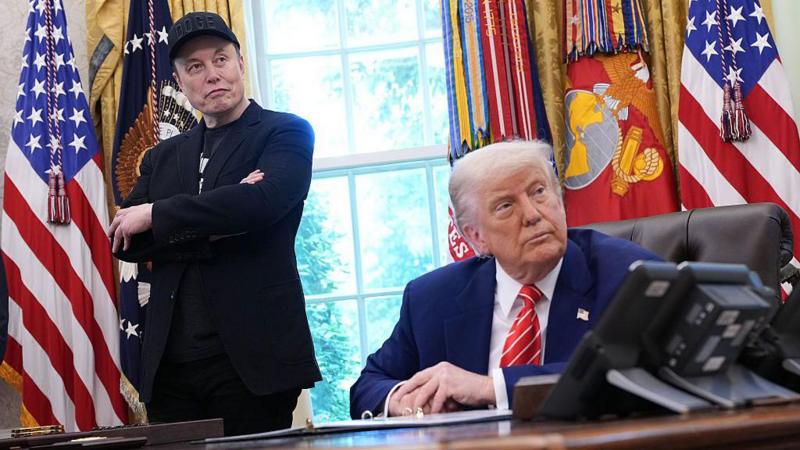
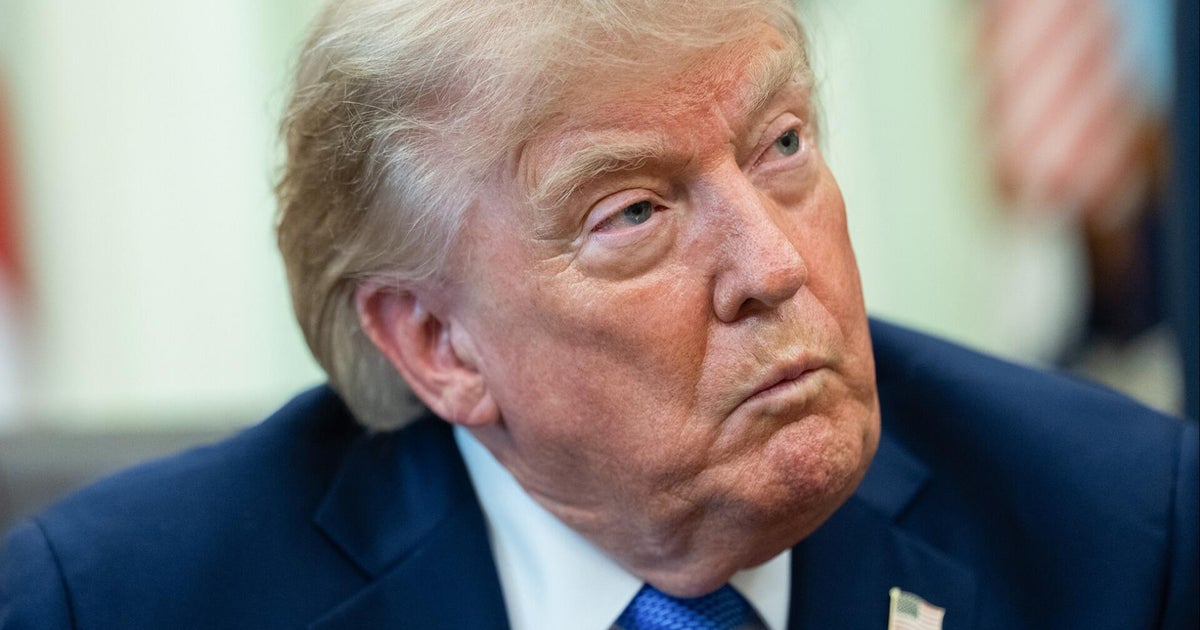
A U.S. government watchdog reviewed Doge, a group set up to cut government spending, and found that many of its claims about saving money were wrong or unsupported by evidence. Doge, started under President Donald Trump’s second term and once led by Elon Musk, closed recently after reporting $110 billion in savings that were questioned for accuracy.
Key Facts
Doge was created to reduce U.S. government spending and showed its savings on a public online list called the Wall of Receipts.
The Government Accountability Office (GAO) found many of Doge’s savings claims were incorrect, lacked proof, or were not clear about how they were calculated.
Some savings, like $1.7 billion from ending a defense contract, never happened because the contract was not actually ended.
About $15.3 million in savings from leases claimed by Doge were for leases already ending before Doge started.
Elon Musk, who once led Doge, promised to cut $2 trillion a year but Doge’s website later reported only $214 billion in estimated savings.
Doge pushed for big cuts in federal jobs and agencies but some actions faced legal challenges or were reversed.
Doge closed in mid-2026, but the government says efforts to stop wasteful spending will continue.
The GAO audit was requested by Democratic Senators Gary Peters and Richard Blumenthal.
Read the Original
Want the full story? Tap a source to open the original
article.
President Donald Trump signed new executive orders to limit birthright citizenship after the Supreme Court rejected his earlier attempt. These new orders aim to change rules about automatic citizenship for children born in the United States.
Key Facts
President Trump signed executive orders on birthright citizenship.
The Supreme Court previously struck down his earlier efforts to end or limit birthright citizenship.
Birthright citizenship means anyone born in the U.S. automatically becomes a citizen.
The new orders seek to change how birthright citizenship is applied.
Legal experts, including Jessica Levinson, have provided analysis on these changes.
These actions relate to U.S. immigration and citizenship policies.
The orders were signed after the Supreme Court's ruling against the prior attempt.
Read the Original
Want the full story? Tap a source to open the original
article.
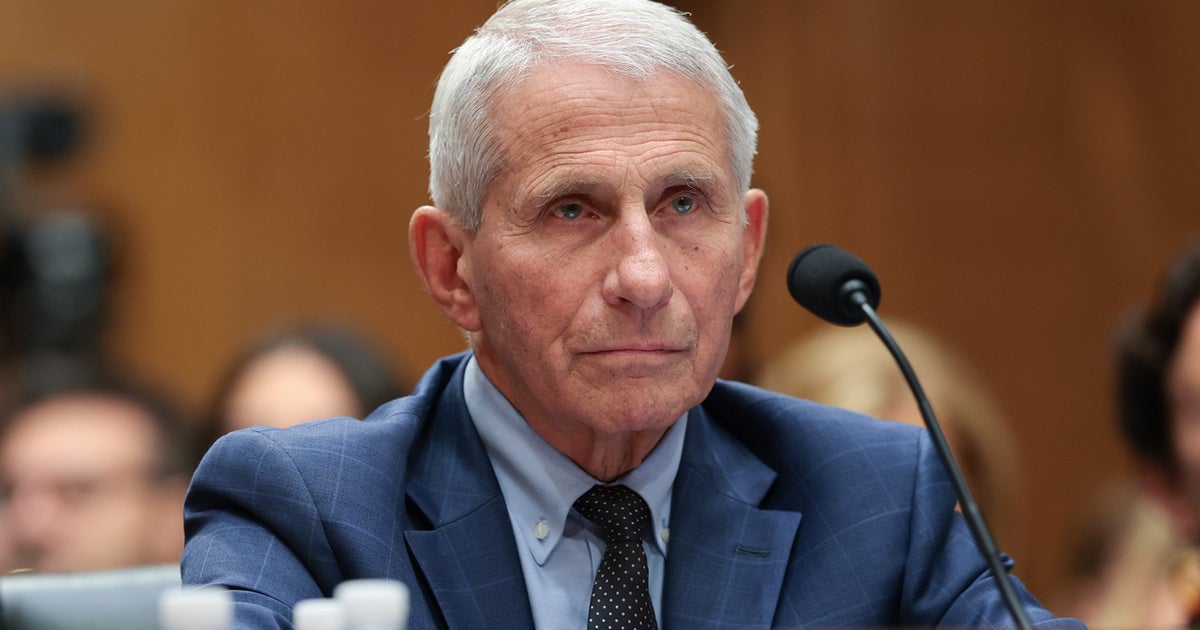
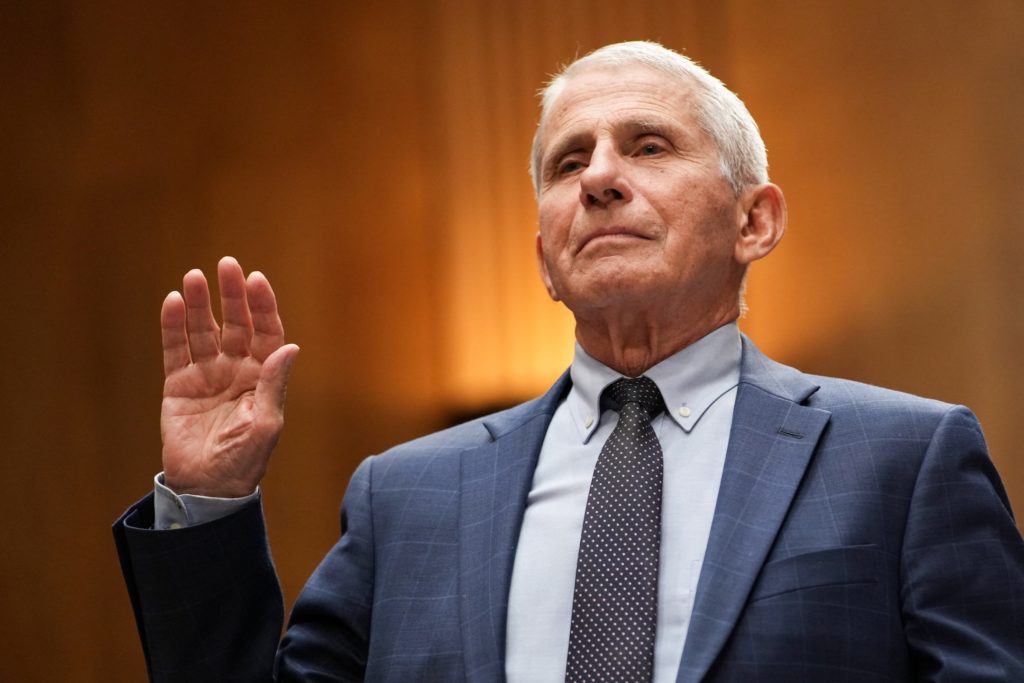
A Senate committee led by Republicans voted to hold Dr. Anthony Fauci in contempt for not answering questions during a recent hearing about the COVID-19 pandemic. The vote came after Dr. Fauci stayed silent during the congressional session.
Key Facts
The Senate committee is controlled by Republican members.
Dr. Anthony Fauci faced a vote of contempt.
The contempt vote was because Dr. Fauci refused to answer questions.
The hearing focused on the COVID-19 pandemic.
This event took place during a recent congressional hearing.
The vote shows a conflict between the committee and Dr. Fauci.
Such a contempt vote means the committee is formally expressing disapproval.
Read the Original
Want the full story? Tap a source to open the original
article.
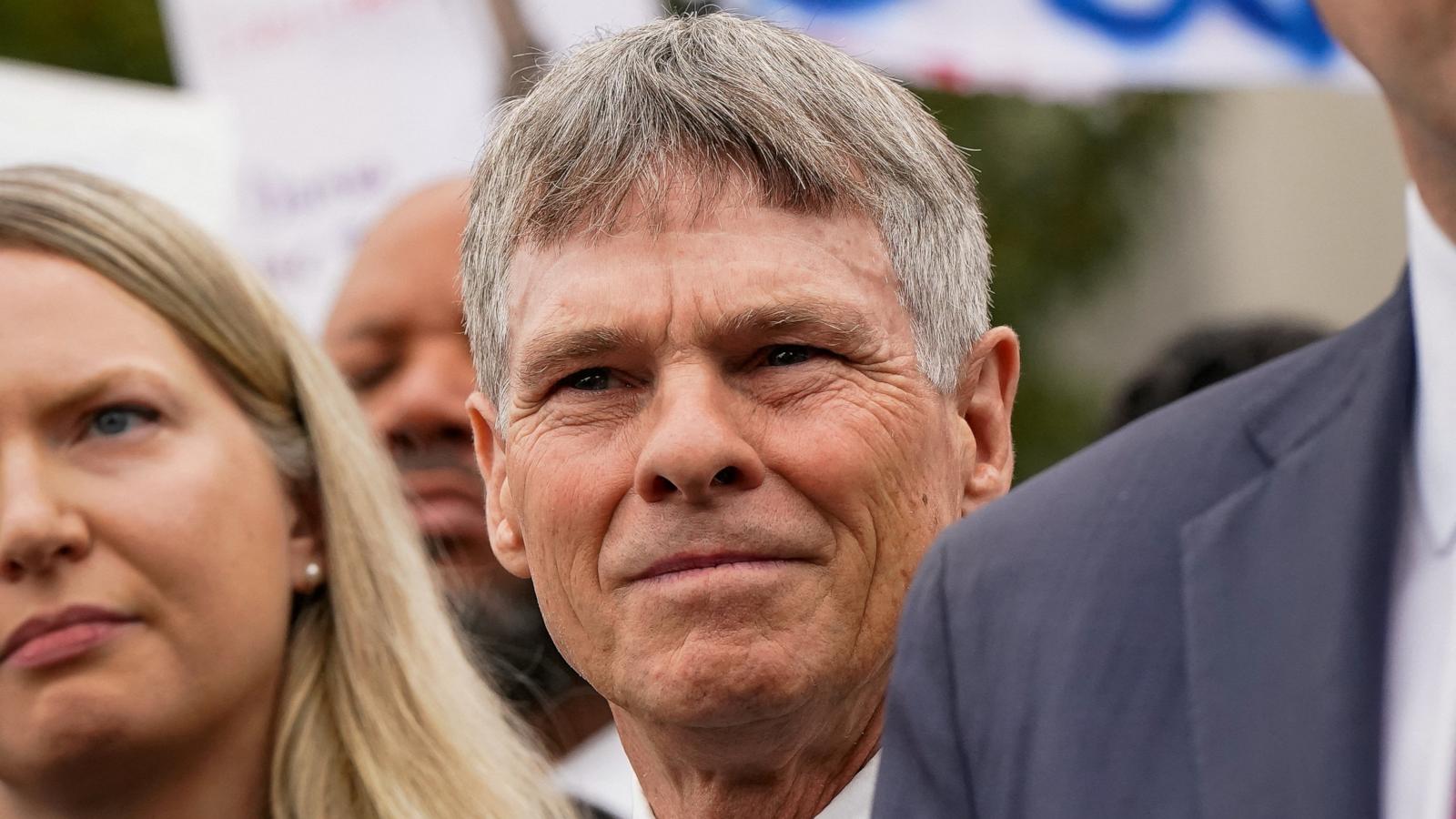
A federal judge has dismissed the criminal case against former Olympic canoeist David Hearn, who was charged with vandalizing the Lincoln Memorial Reflecting Pool. The judge will decide later whether to dismiss the case permanently, after hearing more arguments from both sides.
Key Facts
David Hearn was charged with felony destruction of property for damaging the Lincoln Memorial Reflecting Pool.
The Department of Justice asked to dismiss the case after discovering the pool damage was due to poor installation by the contractor.
The judge has not yet ruled if the dismissal will prevent the case from being reopened in the future.
Hearn’s lawyers are asking the judge to dismiss the case permanently, arguing the government acted without proper evidence.
The damage to the pool was found to result from a rushed and flawed installation process.
Hearn pleaded not guilty to the charges.
President Donald Trump criticized the Justice Department’s decision to drop the case.
A hearing for further arguments will be scheduled by the judge once both sides submit their filings.
Read the Original
Want the full story? Tap a source to open the original
article.
President Donald Trump has made several threats to carry out major attacks on Iran. However, he often changes his mind and pulls back from those threats.
Key Facts
President Trump has threatened Iran with large military attacks multiple times.
After issuing threats, he has frequently reversed his position or reduced the threat level.
CBS News national security analyst Aaron MacLean provided the timeline of these events.
The coverage highlights a pattern of making strong statements and then stepping back.
This behavior relates to U.S. relations and policy towards Iran.
Read the Original
Want the full story? Tap a source to open the original
article.
President Donald Trump signed two executive orders aimed at restricting birthright citizenship, which grants automatic U.S. citizenship to children born in the country. This action follows the Supreme Court blocking his earlier attempt to change this policy in June.
Key Facts
Birthright citizenship means any child born in the U.S. automatically becomes a citizen.
President Trump signed two new executive orders to limit this citizenship rule.
The U.S. Supreme Court had stopped his previous effort to change birthright citizenship in June.
These orders are intended to change who qualifies for citizenship by birth in the U.S.
Birthright citizenship has been a longstanding practice under U.S. law.
The executive orders are a part of President Trump’s immigration policy changes.
Read the Original
Want the full story? Tap a source to open the original
article.
Ohio Representative Max Miller is refusing to quit his position amid allegations of abuse involving his ex-wife and their child, which he denies. Despite growing calls for his resignation from fellow Republicans and officials, Miller says stepping down would be like admitting guilt, and he wants to fight the accusations while staying in office.
Key Facts
Max Miller faces allegations of abuse from his ex-wife involving their 2-year-old daughter, which he denies.
He believes quitting would be admitting he is guilty.
President Donald Trump has shown some support but privately doubts Miller's chances.
Ohio Senator Bernie Moreno, Miller’s ex-father-in-law, and other Republicans have called for Miller to resign.
House Speaker Mike Johnson stated that disciplinary action can't proceed until an Ethics Committee review is complete.
Miller’s allies say there is no evidence of abuse and cite the presumption of innocence.
Miller released documents claiming he was investigated but the abuse allegations were unfounded.
The last day for Miller to withdraw from his reelection race is August 10, after which a replacement candidate can be named.
Read the Original
Want the full story? Tap a source to open the original
article.
Senate Republicans are pushing to complete several key issues before the August recess, including government funding, nominations, election security, and laws about college sports and digital assets. They face challenges like divisions over hemp regulation and negotiating votes with Democrats.
Key Facts
Senate Republicans want to finish work before the August recess on government funding, 74 nominations, Russia sanctions, and college sports rights (NIL).
Senate Majority Leader John Thune is planning votes on election security laws, though they are unlikely to pass due to lack of Democratic support.
The vote on election security is partly to hold Democrats accountable and respond to President Trump’s demand to address election integrity.
Senate negotiations face challenges over the CLARITY Act, which would regulate digital assets like cryptocurrencies.
Democrats worry early votes on crypto bills could hurt bipartisan talks and increase political spending from crypto groups.
Republicans are divided on hemp product regulations, with some wanting to remove a delay on banning certain intoxicating hemp products.
The Senate may have to work into the weekend to resolve these issues before recess.
Read the Original
Want the full story? Tap a source to open the original
article.
The Trump administration has proposed major changes to Head Start, a federally funded preschool program for low-income children, by removing many existing rules. The plan aims to give local centers more control but has raised concerns that it could reduce important services for vulnerable children and families.
Key Facts
Head Start currently serves about 700,000 children who are poor, homeless, disabled, or in foster care.
The Trump administration wants to remove about 1,400 regulations, including rules on class sizes, staff-to-student ratios, and family support services.
The proposed changes would let local and state rules guide centers instead of federal guidelines.
Some mandatory health and safety requirements, like dental screenings and lead exposure prevention, would be eliminated.
Officials say the changes could save over $2 billion and increase the number of available Head Start slots.
Critics warn that loosening rules may hurt children and families who rely on the program’s comprehensive support.
The public has 60 days to comment on the proposed changes, which may face legal challenges.
Head Start was created in the 1960s as part of President Lyndon Johnson’s anti-poverty efforts.
Read the Original
Want the full story? Tap a source to open the original
article.
The U.S. Department of Justice accused Duke University’s law school of illegally using race as a factor in admissions, despite claiming to be race-neutral. This follows a 2023 Supreme Court ruling that banned affirmative action in college admissions. The DOJ is seeking a settlement with Duke Law.
Key Facts
The Justice Department said Duke Law used personal essays and first-generation college status as indirect ways to consider race.
Duke Law said it is reviewing the DOJ letter and wants to follow the law while maintaining its academic goals.
The DOJ’s Civil Rights Division said using diversity essays to favor certain races is illegal discrimination.
Affirmative action in college admissions was banned by the Supreme Court in 2023.
The DOJ found Black and Hispanic applicants were more likely admitted than white and Asian applicants with similar academic records.
In 2024 and 2025, rejected white and Asian applicants had higher median Law School Admissions Test scores than admitted Black applicants.
The DOJ also found similar race-based admissions issues at Yale and UCLA medical schools and is investigating others.
The DOJ under President Trump has focused on enforcing the ban on affirmative action and targeting schools for compliance.
Read the Original
Want the full story? Tap a source to open the original
article.
The U.S. Justice Department found that Duke University School of Law broke the law by discriminating against white and Asian applicants during admissions for three recent classes. The department said Duke considered race in a way that violated federal civil rights rules.
Key Facts
The Justice Department’s Civil Rights Division investigated Duke Law’s admissions process.
Duke Law admitted students for the 2023, 2022, and 2021 classes.
The department says Duke discriminated against white and Asian applicants because of their race.
Such discrimination is against federal civil rights law that bans unfair treatment based on race.
The findings were shared in a letter released by the Justice Department.
The issue involves how Duke Law considered racial diversity when choosing students.
The investigation shows federal authorities are monitoring race policies at universities.
Read the Original
Want the full story? Tap a source to open the original
article.
Senate leaders John Thune and Chuck Schumer are negotiating a deal to finance the U.S. government and begin the Senate’s August break. Some supporters of President Trump oppose the deal, wanting more Republican achievements added before the recess.
Key Facts
John Thune is the Senate Majority Leader from South Dakota and a Republican.
Chuck Schumer is the Senate Democratic Leader from New York.
They are working on an agreement to fund the federal government.
The deal would also set the start date for the Senate’s August recess.
Some allies of President Trump want more Republican successes included in the deal.
Thune aims to confirm a set of 74 items related to President Trump’s agenda (details not fully included).
The discussions reflect political negotiations between the two main parties in the Senate.
Read the Original
Want the full story? Tap a source to open the original
article.
Abdul El-Sayed won the Michigan Democratic Senate primary by a very small margin, defeating Haley Stevens, who was supported by many top Democrats. His victory challenges the influence of pro-Israel groups like AIPAC and signals a shift away from traditional party endorsements.
Key Facts
Abdul El-Sayed is a public health advocate who ran for the Michigan Senate seat.
He narrowly won the Democratic primary against Haley Stevens by less than one percent.
Stevens received strong support from Democratic leaders and officials, including Governor Gretchen Whitmer.
Pro-Israel groups, especially AIPAC, spent tens of millions of dollars supporting Stevens.
El-Sayed’s campaign was described as anti-war and opposed to special interest groups like AIPAC.
President Donald Trump called El-Sayed a “Communist loser who hates Jews and Israel” after the result.
El-Sayed will now face former Republican Congressman Mike Rogers in the November general election.
AIPAC said it will keep spending money to try to defeat El-Sayed in the general election.
Read the Original
Want the full story? Tap a source to open the original
article.
The Trump administration has proposed new rules that would change how Head Start operates nationwide. Head Start is a federal program started in 1965 that helps young children from low-income families get education and care.
Key Facts
The proposed changes would affect Head Start, a program for children ages three to five.
Early Head Start serves 160,000 infants and toddlers under this program.
Head Start was created in 1965 as part of efforts to reduce poverty.
The program currently serves a total of about 860,000 children.
The new guidelines come from President Donald Trump’s administration.
The changes could impact how Head Start is run across different states and communities.
Amna Nawaz discussed the proposal with Coral Davenport from The New York Times.
Read the Original
Want the full story? Tap a source to open the original
article.
President Donald Trump signed two new executive orders aimed at limiting birthright citizenship in the United States. One order expands restrictions on automatic citizenship for children born to certain non-citizen parents, and the other targets birth tourism, where pregnant women come to the US to give birth so their babies become citizens.
Key Facts
President Trump signed two executive orders trying to restrict birthright citizenship.
One order denies automatic citizenship to children born in the US if their non-citizen parents are linked to terrorism, foreign governments, fraud, or live in certain US territories.
The second order bans birth tourism, where pregnant women travel to the US to have babies who get citizenship.
Trump criticized the Supreme Court for rejecting his previous 2025 effort to end birthright citizenship based on the 14th Amendment.
The Migration Policy Institute estimates 22,000 to 26,000 babies are born each year in the US through birth tourism; government data showed 9,600 births to mothers with foreign addresses in 2024.
Trump and his advisor Stephen Miller say birth tourism allows children born in the US to access benefits meant only for citizens.
The Immigration and Nationality Act gives the president some power to limit who can enter the country, which Trump says supports his new orders.
The Supreme Court ruled in June that birthright citizenship cannot be ended by executive order and remains protected by the Constitution.
Read the Original
Want the full story? Tap a source to open the original
article.
A judge approved a $106 million settlement to end lawsuits from the 2019 partial collapse of the Hard Rock Hotel in New Orleans, which killed three people. The legal case involved nearly 500 plaintiffs and multiple defendants linked to the hotel construction.
Key Facts
The Hard Rock Hotel in New Orleans partially collapsed in October 2019 during construction.
The collapse caused three deaths and damaged nearby properties.
A grand jury chose not to charge anyone criminally for the collapse.
Lawsuits were filed by the City of New Orleans and others against the hotel owners, partners, and contractors.
The legal cases were combined into one with 490 plaintiffs and 21 defendants.
The settlement amount is $106 million, approved by Judge Kern Reese.
The case lasted more than six years before reaching this settlement.
A special master will manage how the settlement money is given to the claimants.
Read the Original
Want the full story? Tap a source to open the original
article.
Federal auditors found that the Department of Government Efficiency (DOGE), launched under President Trump and initially led by Elon Musk, overstated its reported savings and lacked clear evidence. The Government Accountability Office (GAO) reported that many savings claims were inaccurate or duplicated existing efforts, reducing the reliability of the savings data provided to lawmakers and the public.
Key Facts
DOGE posted estimated government savings on a web page called the Wall of Receipts starting February 2025.
As of July 7, 2025, DOGE claimed $110 billion in savings across contracts, grants, and leases.
The GAO found that 108 of 264 leases marked for termination were already being ended before DOGE began.
DOGE claimed $1.7 billion savings on a Department of Defense contract, but the contract was never terminated, so no savings occurred.
DOGE did not provide clear methods for how it calculated savings and failed to respond to GAO’s information requests.
The GAO said these data problems limit the usefulness of DOGE’s savings reports for policymakers and could reduce public trust.
DOGE was created by a presidential order from President Trump, but it ended operations on July 4, 2025.
Elon Musk initially led DOGE but stepped down after a few months.
Read the Original
Want the full story? Tap a source to open the original
article.
President Donald Trump criticized Jeanine Pirro after she said no vandalism happened at the Lincoln Memorial reflecting pool. Pirro, the top prosecutor for Washington, D.C., dismissed charges against people accused of damaging the pool, saying it was due to poor renovation work, not vandalism.
Key Facts
President Trump said there was "tremendous vandalism" at the Lincoln Memorial reflecting pool.
Jeanine Pirro rejected the vandalism claims and dismissed related charges in court.
Pirro is the top prosecutor for Washington, D.C., appointed by President Trump.
The pool’s damage was caused by a bad renovation, not vandalism, according to Pirro’s office.
Trump considered but had not decided whether to replace Pirro after her decision.
A former Olympian, David Hearn, faced felony charges for touching the pool’s damaged surface but pleaded not guilty; charges were dropped.
Hearn’s lawyers said the charges were an abuse of government power and called for an apology.
Legal actions against the prosecutors involved are possible, according to Hearn’s attorney.
Read the Original
Want the full story? Tap a source to open the original
article.
A Senate committee led by Republicans voted to hold Dr. Anthony Fauci in contempt of Congress because he refused to answer some questions during a hearing. The technology used in COVID-19 vaccines will soon help make flu vaccines for older people. There is also an ongoing salmonella outbreak linked to jalapeno peppers from Mexico.
Key Facts
A Senate committee with Republican leadership voted to hold Dr. Anthony Fauci in contempt of Congress.
Fauci refused to answer certain questions in a recent hearing.
The mRNA technology from COVID-19 vaccines will be used in upcoming flu vaccines for older adults.
Health officials are investigating a salmonella outbreak.
The salmonella outbreak is linked to jalapeno peppers imported from Mexico.
This news was part of a news summary on a Thursday.
Read the Original
Want the full story? Tap a source to open the original
article.
The FAA is looking into why a commercial plane took off as President Donald Trump's helicopter was arriving at Reagan National Airport. This event has raised new safety concerns about how crowded the airspace is around Washington, D.C.
Key Facts
The incident involved a commercial plane and President Trump’s helicopter, Marine One.
Both aircraft were operating near Reagan Washington National Airport at the same time.
The FAA has started an investigation into the cause of this overlap.
This incident follows a midair collision last January between a passenger plane and a military helicopter near the capital.
Airspace safety around Washington, D.C. is complicated due to heavy traffic.
Experts and officials are discussing how to improve safety measures.
The issue highlights ongoing challenges in managing busy flight paths near government locations.
Read the Original
Want the full story? Tap a source to open the original
article.