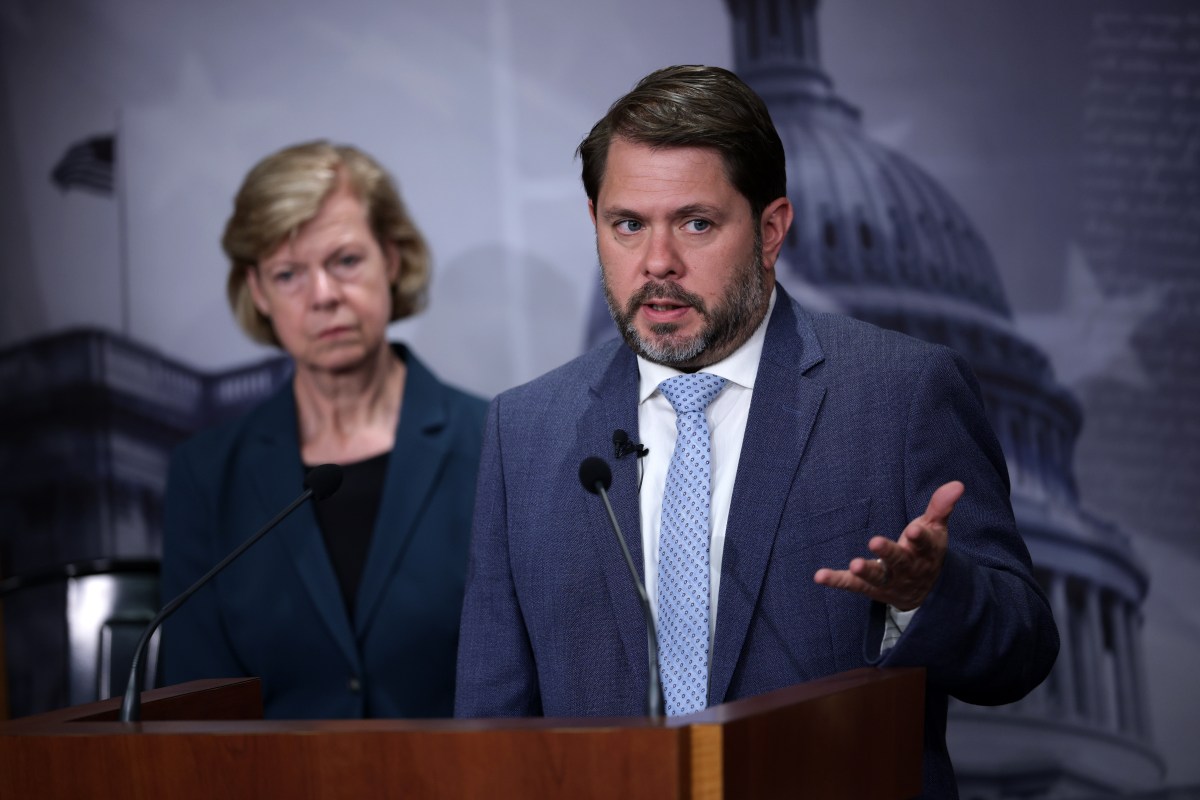
A new bill introduced in the U.S. Senate would increase overtime pay from 1.5 times to double the regular hourly wage for hours worked beyond 40 per week. The change aims to give millions of American workers more money for extra hours, starting about six months after the bill passes.
Key Facts
Senator Ruben Gallego from Arizona introduced the Double the Wage for Overtime Act of 2026.
The bill would change the overtime pay standard from "time-and-a-half" to double time.
This would affect workers who earn overtime for hours worked over 40 in a week.
Approximately 13.4 million workers could benefit from the change.
For example, someone earning $25 an hour working 10 overtime hours would get an extra $6,500 a year under the new rate.
The proposal would amend the Fair Labor Standards Act, which has had the current overtime rule since 1938.
Supporters say it helps workers with rising costs of living; critics worry about higher business costs.
Some industries like manufacturing, healthcare, and construction could see significant pay increases for overtime work.
Read the Original
Want the full story? Tap a source to open the original
article.
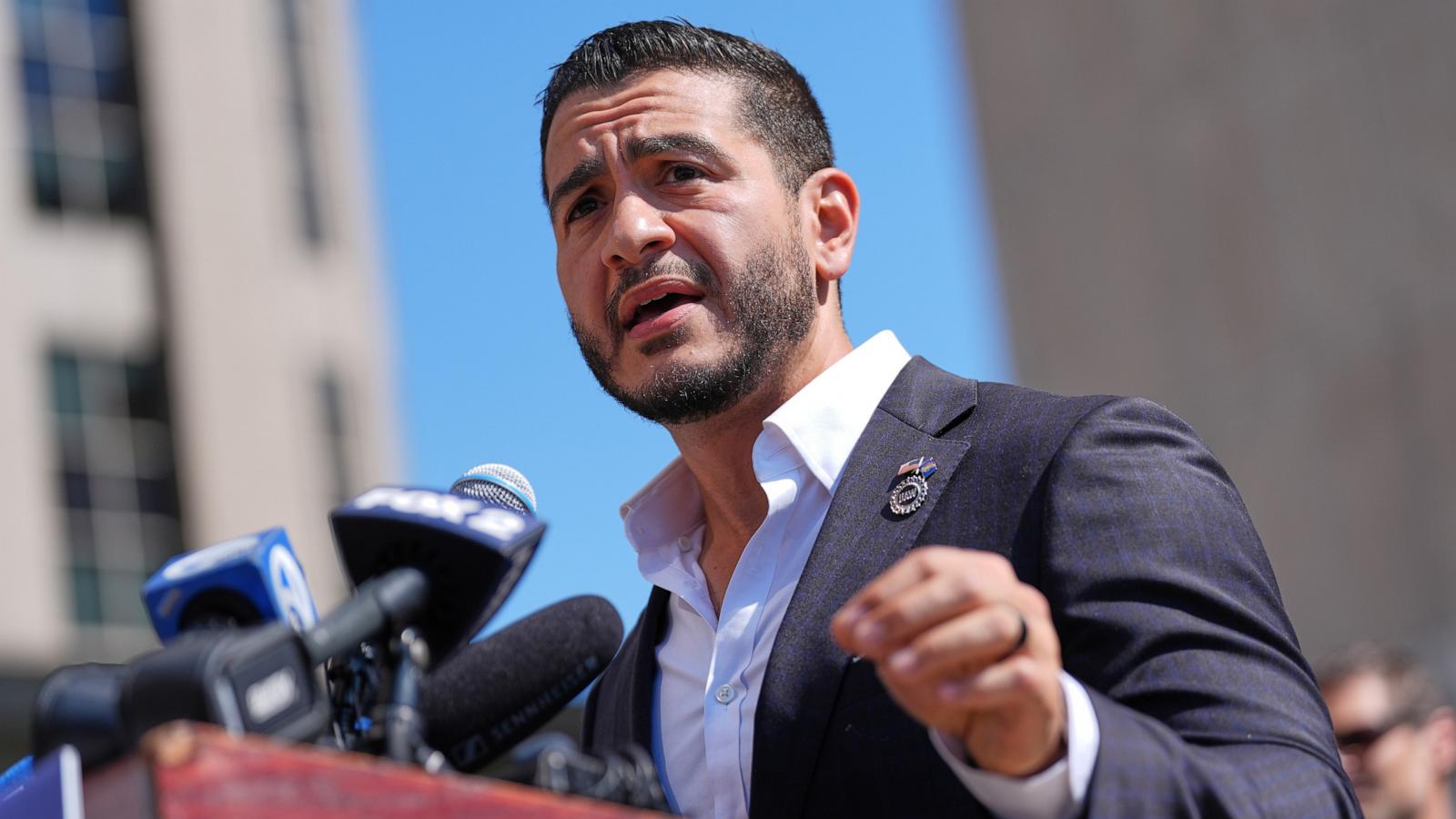
Abdul El-Sayed’s win in the Michigan Democratic Senate primary has highlighted a deeper crisis of trust among American Jews. This distrust stems from rising antisemitism, mixed institutional responses, and debates over how criticism of Israel relates to hostility toward Jewish people.
Key Facts
Abdul El-Sayed won the Michigan Democratic Senate primary opposing U.S. military aid to Israel.
Pro-Israel groups, including AIPAC, spent heavily supporting his opponent, Haley Stevens.
Many American Jews feel increasing antisemitic incidents are not adequately addressed by institutions.
The Michigan race has brought Jewish concerns about safety and antisemitism into electoral politics.
Federal prosecutors charged eight people related to the University of Michigan with threats connected to Jewish and pro-Israel groups.
The U.S. Department of Education found that the University of Michigan did not respond properly to harassment of Jewish students in 2023-24.
Jewish communities question whether their safety is taken seriously when linked to debates about Israel.
The conflict has created tensions within universities, political parties, and media over how to balance free speech and protection from hate.
Read the Original
Want the full story? Tap a source to open the original
article.
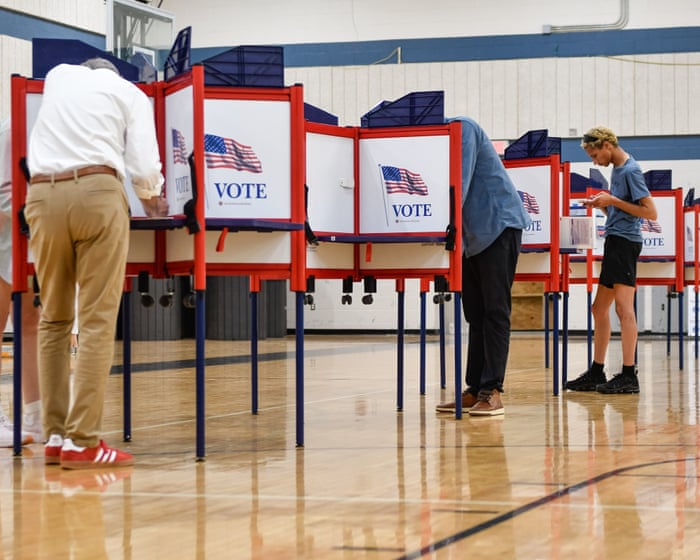
Thomas Smith, who had withdrawn from the Michigan Republican primary last month, won the nomination for the 8th congressional district. He beat both Al Lemmo, whom he endorsed, and Amir Hassan, who was supported by President Donald Trump.
Key Facts
Thomas Smith withdrew from the race in April but still won the Republican nomination in Michigan’s 8th district.
Smith received over 50% of the vote, according to unofficial results.
Smith defeated Amir Hassan, a former federal officer endorsed by President Trump, and Al Lemmo, an anti-abortion activist endorsed by Smith.
Hassan is an African American veteran who recently converted from Islam to Christianity but faced skepticism from some Republican voters.
Smith had little campaign activity and limited fundraising, filing a handwritten letter to report $1,850 raised.
Smith plans to challenge Democratic incumbent Kristen McDonald Rivet in the general election.
The district voted for President Trump in 2024 but currently has a Democratic representative.
Rivet is seen as a moderate Democrat who supports capitalism and opposes socialism.
Read the Original
Want the full story? Tap a source to open the original
article.
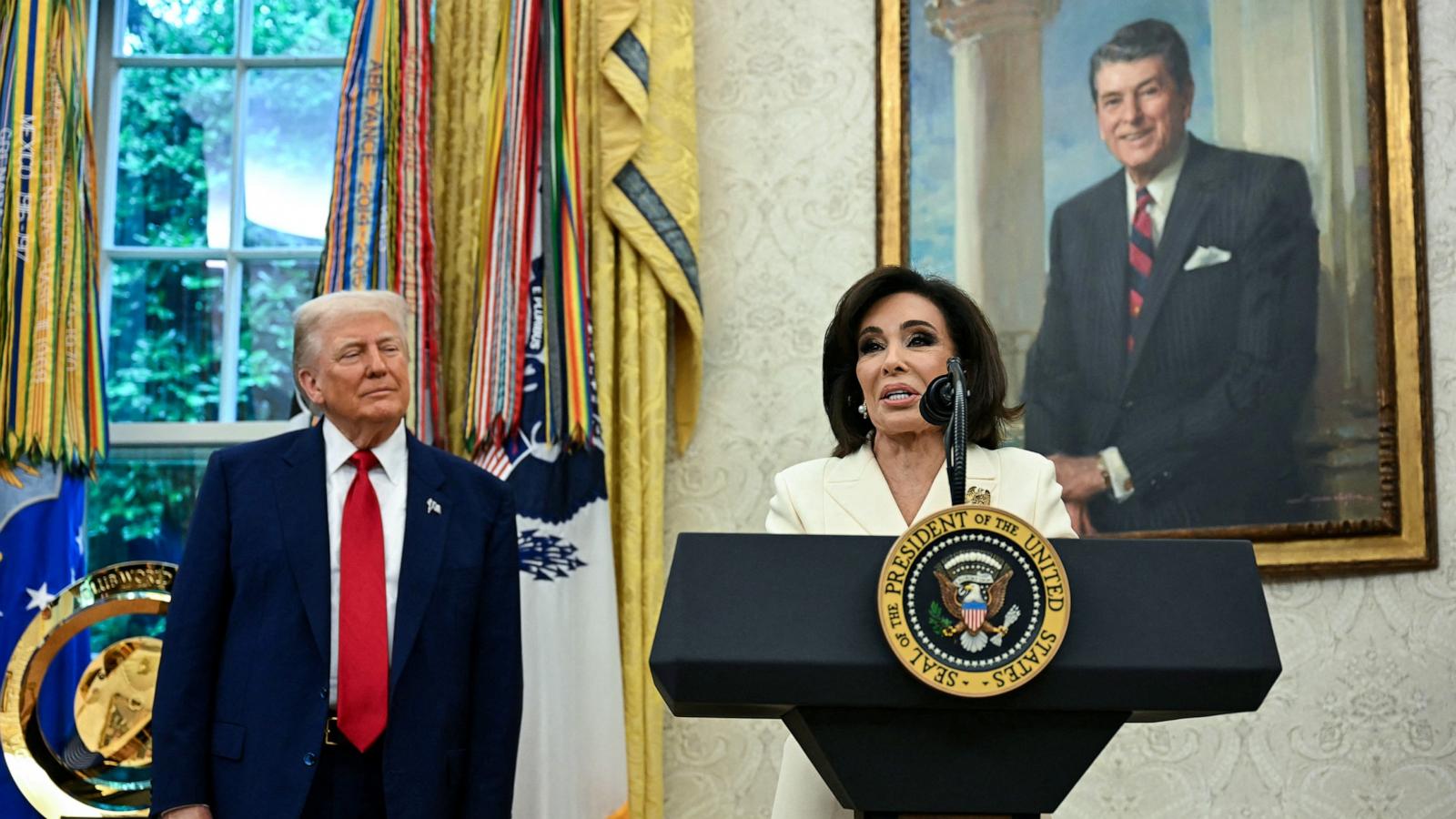
President Donald Trump met with U.S. Attorney Jeanine Pirro in the Oval Office to discuss her decision to drop charges against David Hearn in the Reflecting Pool damage case. During the meeting, Pirro criticized Interior Secretary Doug Burgum for misleading the president, and Trump said he had not yet decided whether to keep Pirro in her job.
Key Facts
Jeanine Pirro dropped charges against David Hearn, who was accused of damaging the Reflecting Pool at the Lincoln Memorial.
Pirro brought evidence to the White House to explain her decision to President Trump.
Interior Secretary Doug Burgum was present in the meeting and was criticized by Pirro.
Pirro blamed Burgum for providing misleading information about the case’s evidence.
National Park Service engineers privately blamed the contractor who installed the pool liner, not vandals.
Pirro based her decision on internal National Park Service communications raising concerns about the pool’s condition before the arrest.
President Trump has not decided whether to fire or keep Pirro.
The president said Pirro "choked" in how she handled the case but did not confirm any personnel change.
Read the Original
Want the full story? Tap a source to open the original
article.
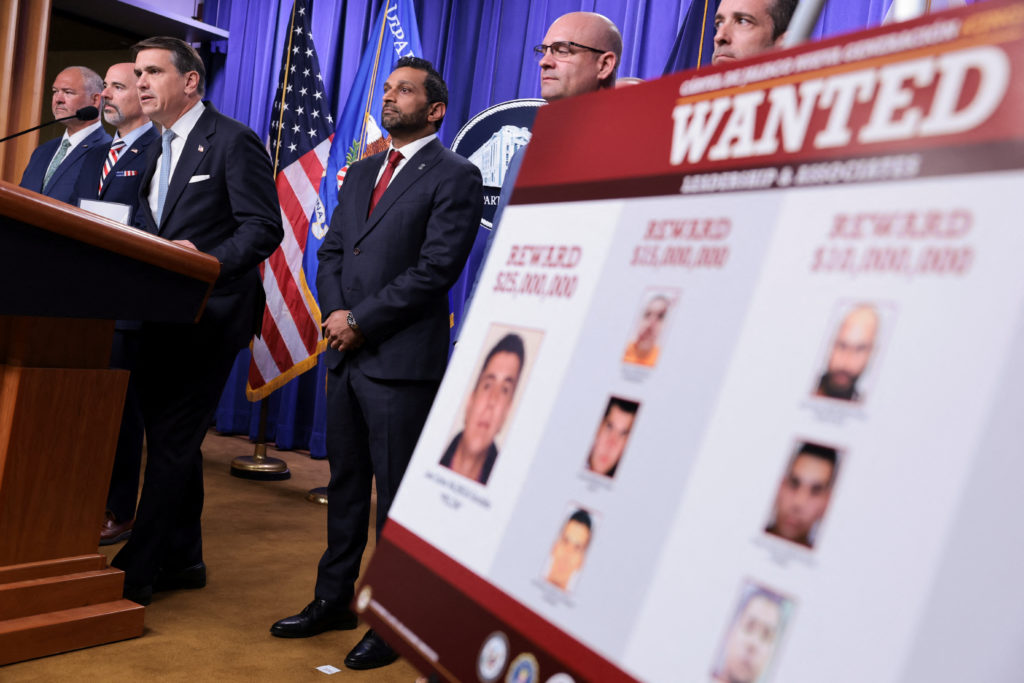
The U.S. government has increased a reward to $25 million for information leading to the capture of Juan Carlos González, a U.S. citizen and leader of Mexico’s powerful Jalisco New Generation Cartel (CJNG). The move is part of a larger effort by President Trump’s administration to pressure Mexico and dismantle the cartel's leadership through indictments, sanctions, and visa restrictions.
Key Facts
Juan Carlos González, also known as "Pelón," is a U.S. citizen and leader of the CJNG cartel.
The reward for information on González was raised from $5 million to $25 million.
The CJNG is one of the biggest and most powerful Mexican cartels, active in 21 of Mexico’s 32 states and multiple countries including the U.S.
The U.S. government has designated eight Mexican cartels, including CJNG, as foreign terrorist organizations.
The previous cartel leader, Nemesio Rubén Oseguera Cervantes ("El Mencho"), was killed in February with U.S. intelligence support.
The U.S. has imposed sanctions on 50 people and companies related to the CJNG, freezing assets and blocking transactions.
New criminal charges were unsealed against key cartel members, including González and others with close ties to the former leader.
President Trump’s administration is demanding stronger efforts from Mexico's government to fight cartels and has even threatened military action.
Read the Original
Want the full story? Tap a source to open the original
article.
The U.S. Food and Drug Administration (FDA) recently approved marketing for four new flavored nicotine pouch products, increasing the total to 30 allowed products. While the government supports this industry, some doctors and health experts warn that these pouches may pose risks of nicotine addiction, especially for young people.
Key Facts
The FDA authorized four new flavored nicotine pouch products this week, bringing the total approved to 30.
These products come from big tobacco companies: Philip Morris International (ZYN brand) and Altria Group (on! brand).
The Trump administration has supported growth in the nicotine pouch industry through approvals and public mentions.
Nicotine pouches are marketed as less harmful alternatives to cigarettes and can carry labels claiming reduced risk of some diseases.
Health experts are concerned these flavored pouches could attract children and teenagers, increasing nicotine addiction risks.
About 460,000 U.S. middle and high school students used nicotine pouches last year, making it the second most popular tobacco product among youth after e-cigarettes.
Nicotine pouches use a nicotine salt form that makes nicotine easier to absorb into the brain, raising addiction risk.
Nicotine may increase heart rate, blood pressure, and stress the heart and blood vessels, raising the risk of heart disease.
Read the Original
Want the full story? Tap a source to open the original
article.
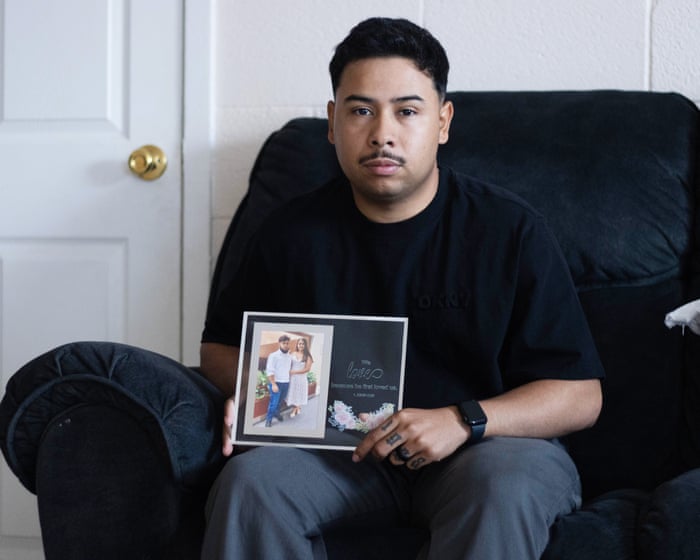
The Trump administration has detained and deported more than 50 parents and spouses of active-duty US military members as part of stricter immigration policies. These family members, who were usually protected from deportation, are now facing long detentions, causing hardship for military families and raising concerns about military readiness.
Key Facts
Over 50 parents and spouses of active-duty US troops have been detained since President Trump took office again.
At least six of these detained military family members have been deported.
Family members of military personnel were traditionally protected from deportation under bipartisan agreements but are now targeted.
Some detained family members face months-long detentions while trying to adjust their immigration status.
Military recruiters have previously advertised immigration benefits for families, but the current policies conflict with that message.
Experts warn that these detentions harm military readiness by causing emotional and caregiving stress for service members.
The Department of Homeland Security does not keep formal data on these detentions, making the true number likely higher than reported.
Families report challenges such as unclear reasons for detention and rapid deportations without proper notice.
Read the Original
Want the full story? Tap a source to open the original
article.
The NHS is being urged to prepare for yearly summer problems caused by extreme heat, similar to pressures it faces in winter. Health Secretary Yvette Cooper said the government will invest in making the NHS stronger against high summer temperatures that are becoming more common due to climate change.
Key Facts
The NHS faces heavy pressure during summer heatwaves, much like winter flu season.
Heatwaves have caused failures in hospital equipment and overheating in wards.
England may see around 2,877 heat-related deaths in the May and June 2024 heatwaves.
Temperatures over 40°C are expected to become more frequent as the climate crisis worsens.
Yvette Cooper spoke about the need for NHS to prepare for summer heat like it does for winter.
Public health campaigns will urge people to help the elderly and babies during hot weather.
The government's Climate Change Committee recommends installing air conditioning in hospitals and care homes within 10 years.
Efforts are underway to improve the UK’s resilience to extreme heat, including building more reservoirs.
Read the Original
Want the full story? Tap a source to open the original
article.
A federal judge dismissed Alex Murdaugh’s lawsuit asking a former court clerk to pay $600,000 he spent on legal fees for his first murder trial. The judge said the clerk’s actions did not cause Murdaugh to spend the money since she did not start the criminal case against him.
Key Facts
Alex Murdaugh sued Becky Hill, the former court clerk, claiming she violated his right to a fair trial.
Murdaugh was found guilty of murdering his wife and son, but the state Supreme Court overturned the convictions due to Hill’s improper comments to jurors.
The judge ruled that Hill was not responsible for Murdaugh’s legal costs because she did not cause the charges against him.
Murdaugh spent $600,000 from his retirement to pay for his defense in the first trial.
He will need more money for his retrial, which is set for April.
Despite overturned murder convictions, Murdaugh remains in prison for stealing $12 million from clients.
He is serving a 40-year federal sentence and a 27-year state sentence for financial crimes.
Murdaugh’s legal troubles have attracted wide public interest, including books, podcasts, and a streaming miniseries.
Read the Original
Want the full story? Tap a source to open the original
article.
New Mexico’s Attorney General Raul Torrez has sued the U.S. Department of Justice (DOJ) for not sharing important documents related to Jeffrey Epstein’s activities at Zorro Ranch. The state says this is blocking its investigation into Epstein’s crimes, while the DOJ says privacy laws prevent them from releasing the full documents.
Key Facts
New Mexico filed a lawsuit against the DOJ and acting Attorney General Todd Blanche for blocking access to Epstein-related files.
Attorney General Torrez wants unredacted materials to help investigate Epstein’s actions at Zorro Ranch, his former property in New Mexico.
The DOJ says it cannot share some documents due to federal privacy laws.
Epstein owned Zorro Ranch from 1993 until his death in 2019; he was accused of running a sex-trafficking ring involving hundreds of victims.
Virginia Giuffre, an Epstein survivor who died in 2025, said crimes happened at Zorro Ranch.
FBI received an anonymous tip about possible abuse and bodies buried on the ranch, but the claim is not confirmed.
New Mexico started investigating the ranch in early 2019 but paused after the DOJ asked the state to hand over any information to federal investigators.
Zorro Ranch was sold in 2023 to businessman Don Huffines; the DOJ never searched or seized the property during its investigation.
Read the Original
Want the full story? Tap a source to open the original
article.
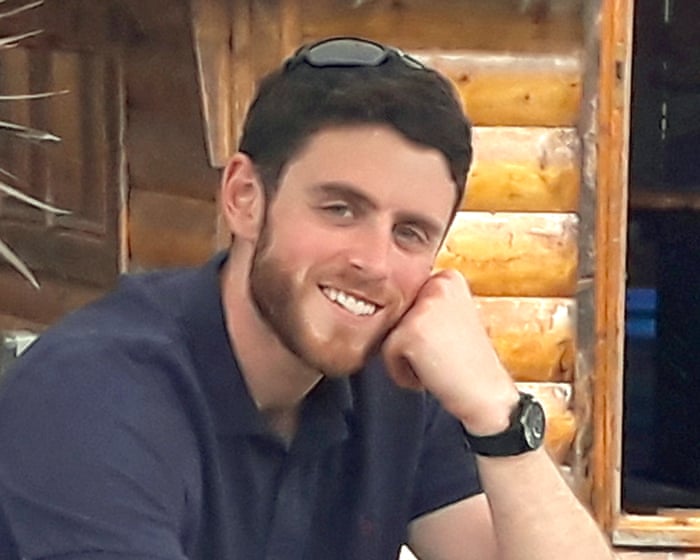
The chief constable of Thames Valley police may join legal action to stop the early release of two men convicted of killing PC Andrew Harper. The government plans to free some prisoners early to reduce overcrowding, but police leaders and supporters argue these men should stay in prison longer.
Key Facts
PC Andrew Harper died in 2019 after being dragged by a car during a crime involving quad bike theft.
Jessie Cole and Albert Bowers were sentenced to 13 years for manslaughter and might be released early under a government scheme.
The Police Federation is seeking legal advice to challenge the government's plan to release these prisoners early.
The government intends to release about 5,000 prisoners who have served a third of their sentence to ease overcrowding in prisons.
A new law in 2022 mandates life sentences for manslaughter of emergency workers, but it does not apply to past cases like Harper’s.
Thames Valley’s chief constable, Jason Hogg, has raised concerns with government officials but has not yet received responses.
Those convicted of certain serious crimes, like rape and child sexual offenses, are excluded from early release plans.
Police leaders stress the need for better investment in the rehabilitation of released offenders to protect public safety.
Read the Original
Want the full story? Tap a source to open the original
article.
A 21-year-old flight instructor safely landed her small plane on a freeway near Pensacola, Florida. She declared an emergency after noticing low oil pressure and a burning smell and could not reach the airport.
Key Facts
The pilot is a 21-year-old flight instructor.
She was flying a small aircraft near Pensacola, Florida.
The plane showed low oil pressure and a burning smell in the cockpit.
The pilot declared an emergency situation.
She could not reach the airport for landing.
The pilot landed the plane safely on the I-10 freeway.
No injuries or crashes were reported.
Read the Original
Want the full story? Tap a source to open the original
article.
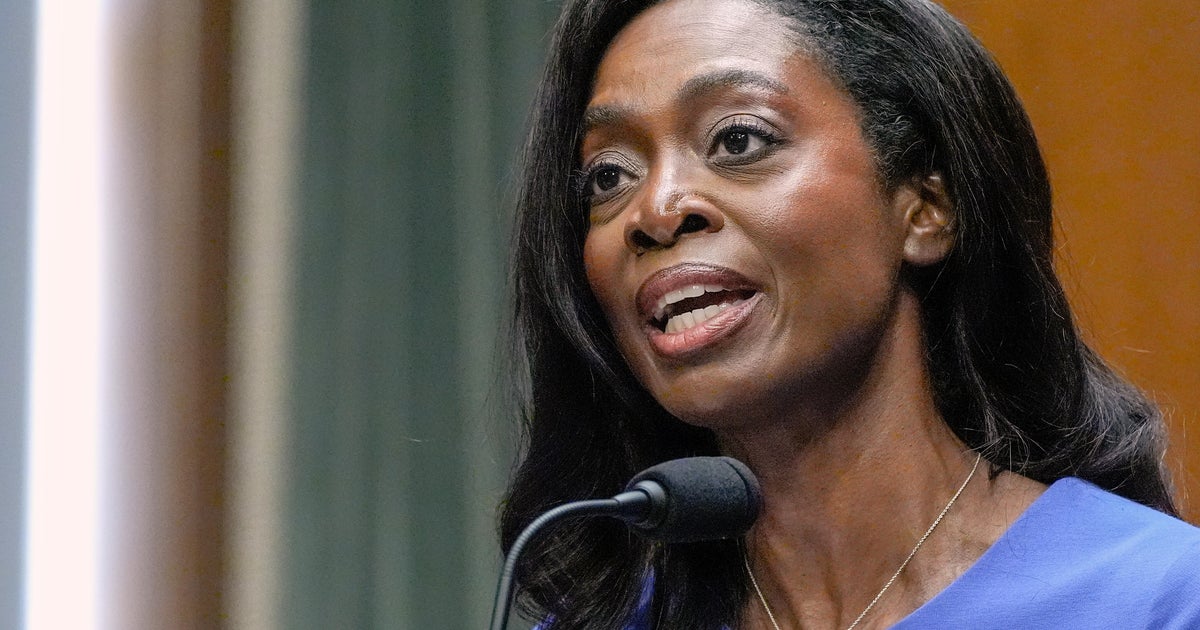
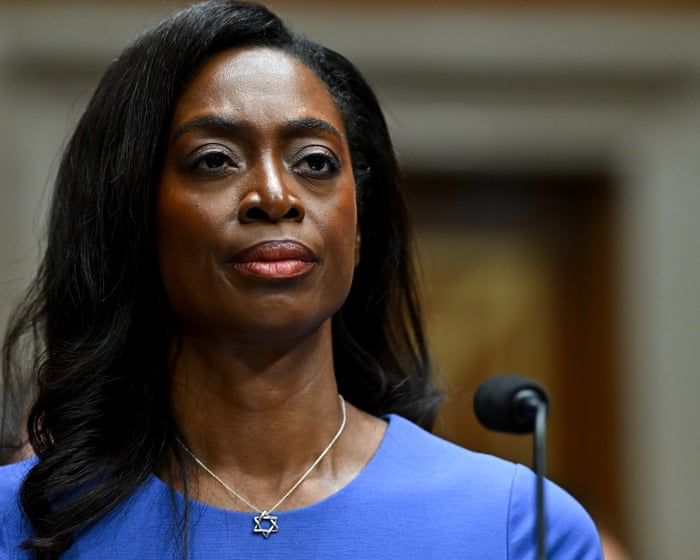
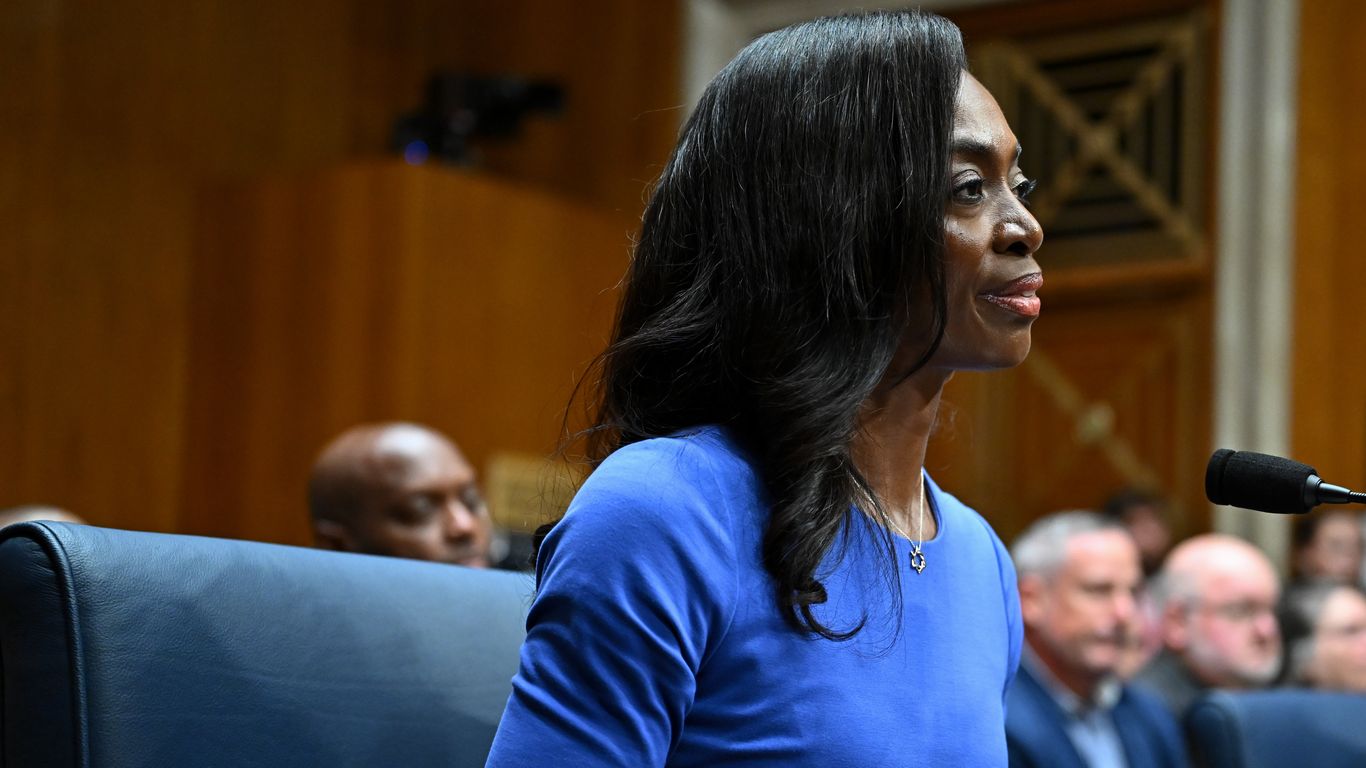
The Senate confirmed Dr. Erica Schwartz as the new director of the Centers for Disease Control and Prevention (CDC), filling a vacancy that lasted almost a year. Schwartz is a retired Navy rear admiral with medical and legal training who will be the first Black woman to lead the CDC.
Key Facts
Dr. Erica Schwartz was confirmed by the Senate with a vote of 51 to 44.
The CDC had no confirmed director since August 2025 after Susan Monarez left the position.
Jay Bhattacharya served as acting CDC director since February before Schwartz’s confirmation.
Schwartz is a retired Navy rear admiral and former deputy surgeon general.
She has a biomedical engineering degree and a medical degree from Brown University and a law degree from the University of Maryland.
Schwartz has experience handling past pandemics like Ebola and H1N1.
She will be the first Black woman to lead the CDC.
Her predecessor, Monarez, said she was forced out after disagreeing with Health and Human Services Secretary Robert F. Kennedy Jr. on vaccine advice.
Read the Original
Want the full story? Tap a source to open the original
article.
Dr. Erica Schwartz was confirmed by the US Senate as the new director of the Centers for Disease Control and Prevention (CDC). She is President Donald Trump’s third choice to lead the CDC after previous nominees were withdrawn or fired.
Key Facts
The Senate approved Dr. Erica Schwartz by a vote of 51-44.
Schwartz is the third nominee President Trump has put forward to lead the CDC.
The first nominee, David Weldon, withdrew before his confirmation hearing in March 2025.
The second nominee, Susan Monarez, was fired by Health Secretary Robert F. Kennedy Jr. after less than a month.
The leadership changes occurred during a period of instability at the CDC.
Schwartz will be the first permanent CDC director in this administration since these recent turnovers.
The CDC is a key public health agency in the United States.
Read the Original
Want the full story? Tap a source to open the original
article.
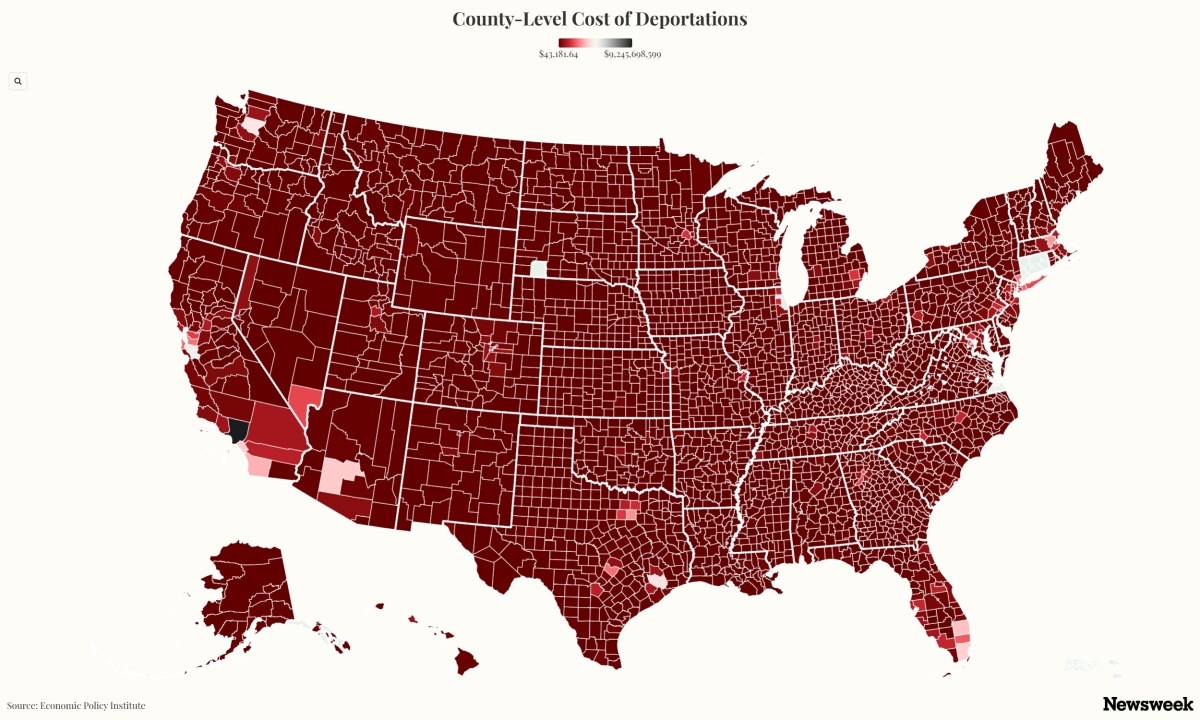
A new report estimates that the U.S. government plans to spend $268.9 billion on immigration deportations during President Trump's second term. The costs of these deportations vary by county, with the highest expenses in large population areas like Los Angeles and New York.
Key Facts
The Economic Policy Institute (EPI) reports that the U.S. federal government will spend nearly $269 billion on deportations over President Trump's second term.
The money spent on deportations could alternatively pay for over 925,000 schoolteachers or medical care for more than 5 million veterans.
Deportation costs are highest in big counties such as Los Angeles ($9.25 billion), New York ($6.52 billion), and Cook County, Illinois ($5.11 billion).
Immigration enforcement has increased under President Trump's administration since January 2025, with expanded ICE operations and higher detention capacity.
Supporters believe spending is necessary to enforce immigration law and reduce illegal border crossings, while critics argue it diverts funds from other needs.
The Department of Homeland Security (DHS) budget for fiscal year 2026 includes $92.3 billion, emphasizing border security and immigration enforcement.
The deportation expenses reflect where large immigrant populations and ICE activity overlap, mainly in urban and suburban counties.
Alternatives suggested include funding teachers, nurses, or public housing with the money currently allocated to deportations.
Read the Original
Want the full story? Tap a source to open the original
article.
Senator Gary Peters said that Dr. Anthony Fauci cannot be punished for refusing to answer questions by using his Fifth Amendment right. Peters explained in a letter that Fauci’s pardon does not affect his legal rights. This statement came just before a Senate vote on whether to hold Fauci in contempt.
Key Facts
Dr. Anthony Fauci pleaded the Fifth Amendment, which means he refused to answer questions to avoid self-incrimination.
Senator Gary Peters wrote a letter supporting Fauci’s right to do this.
Peters said Fauci’s presidential pardon does not cancel his constitutional protections.
The letter was sent to other senators before a vote.
The Senate Homeland Security and Governmental Affairs Committee planned a vote on whether to hold Fauci in contempt.
The contempt vote relates to Fauci’s recent testimony or hearing.
Fauci is known for his role during the COVID-19 pandemic as a government health expert.
Read the Original
Want the full story? Tap a source to open the original
article.
Acting Attorney General Todd Blanche said that decisions about U.S. Attorney Jeanine Pirro’s future depend on President Donald Trump. Blanche praised Pirro’s work but left the final decision to the president.
Key Facts
Todd Blanche is the Acting Attorney General.
Jeanine Pirro is the U.S. Attorney for the District of Columbia.
Blanche was once President Trump’s personal lawyer.
Blanche said Pirro is doing a great job.
President Trump has not yet decided on Pirro’s future.
Blanche deferred questions about Pirro’s future to President Trump.
The comments came a day after President Trump’s statement about not making a determination.
Read the Original
Want the full story? Tap a source to open the original
article.
Abdul El-Sayed won the Democratic primary for U.S. Senate in Michigan, overcoming significant outside spending and beating Rep. Haley Stevens. Now, El-Sayed faces the challenge of uniting different voter groups to win against Republican Mike Rogers in the November general election.
Key Facts
Abdul El-Sayed won the Michigan Democratic Senate primary on August 5, 2026.
He focused on issues like affordability, healthcare, and reducing corporate influence.
El-Sayed defeated Rep. Haley Stevens, who was supported by the party establishment.
He aims to build a broad coalition beyond primary voters, including independents and some Republicans.
El-Sayed received endorsements from his former rival Stevens and retiring Senator Gary Peters.
Michigan is a key battleground state where Democrats need to win to secure Senate control.
El-Sayed plans to unite progressives, young voters, Arab American voters, Black voters, and others.
The general election will test El-Sayed’s ability to bring together different groups and win the Senate seat.
Read the Original
Want the full story? Tap a source to open the original
article.
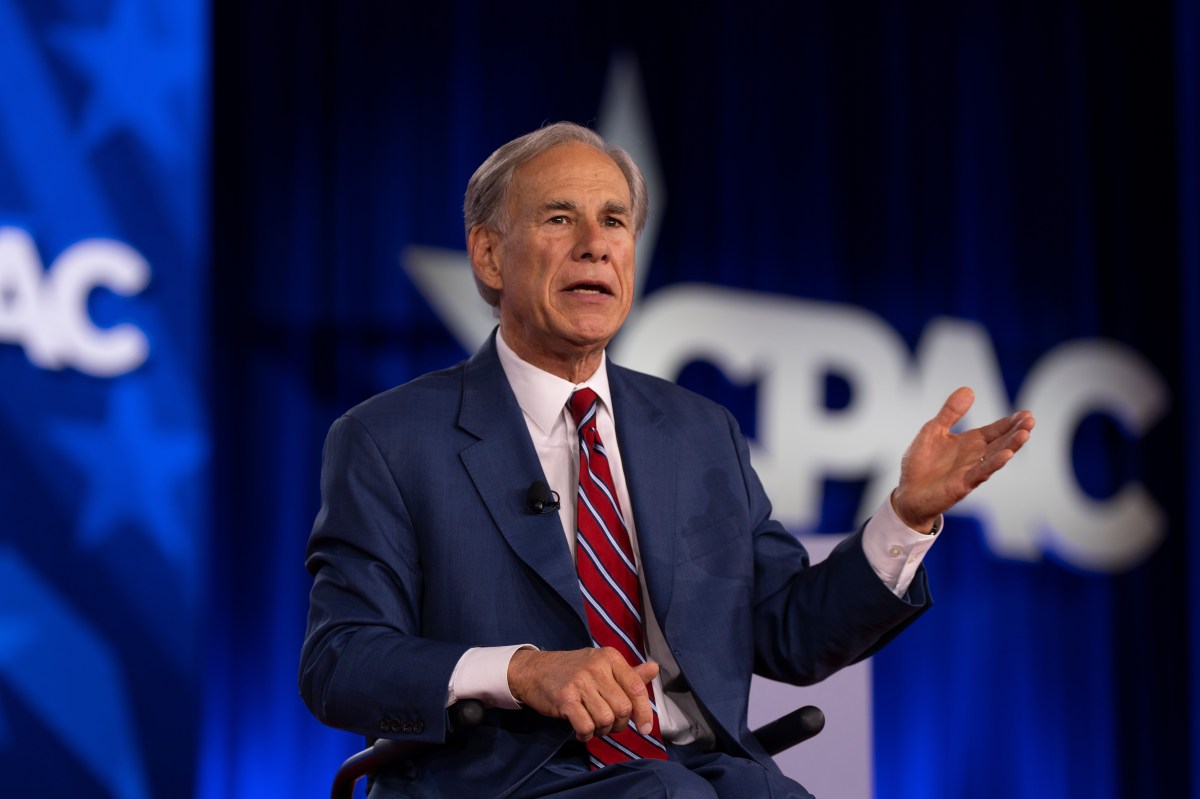
A recent poll shows Texas Governor Greg Abbott leading Democratic state Representative Gina Hinojosa by 6 points in the race for governor. The election is about three months away, and this contest could be one of the closest in Texas history, with Democrats trying to win the governor’s seat for the first time in over 30 years.
Key Facts
Greg Abbott is the current Republican governor of Texas seeking a fourth term.
Gina Hinojosa, a Democrat, is running to become the first Democratic governor in Texas since 1990.
The poll surveyed 1,200 likely voters in late July, showing Abbott at 49% and Hinojosa at 43%.
About 5% of voters are undecided, and another 3% support a Libertarian candidate.
Abbott has a 48% favorable and 51% unfavorable rating; Hinojosa has a 37% favorable and 28% unfavorable rating.
Almost all voters know Abbott well, but only 65% know enough about Hinojosa to form an opinion.
Abbott leads most white voters and men, while Hinojosa leads Latino, Black voters, and women.
Experts note that Abbott faces challenges due to changing political dynamics and Hinojosa’s lower name recognition.
Read the Original
Want the full story? Tap a source to open the original
article.
The Senate confirmed Erica Schwartz as the new director of the Centers for Disease Control (CDC), making her the agency’s first full-time political leader in nearly a year. Schwartz is a doctor who worked in the Department of Health and Human Services during President Trump’s first term and now faces challenges rebuilding trust and managing the agency.
Key Facts
The Senate confirmed Erica Schwartz by a vote of 51-44.
Only one Democrat, Senator Tim Kaine, voted for Schwartz, along with all Republicans present.
Schwartz previously worked at the Department of Health and Human Services under President Trump’s first administration.
During her confirmation hearing, Schwartz promised to rebuild trust in the CDC but was unclear about reporting unscientific policies.
Schwartz is the third nominee for CDC director during the current administration. The previous nominee, Susan Monarez, was fired after less than a month.
Schwartz was the former deputy surgeon general and is seen as less politically divisive.
The CDC has struggled with morale and staffing due to nearly a year without a permanent political leader.
Another nominee, Sean Kaufman, is expected to be confirmed for a health department role but faced questions about past anti-vaccine statements.
Read the Original
Want the full story? Tap a source to open the original
article.