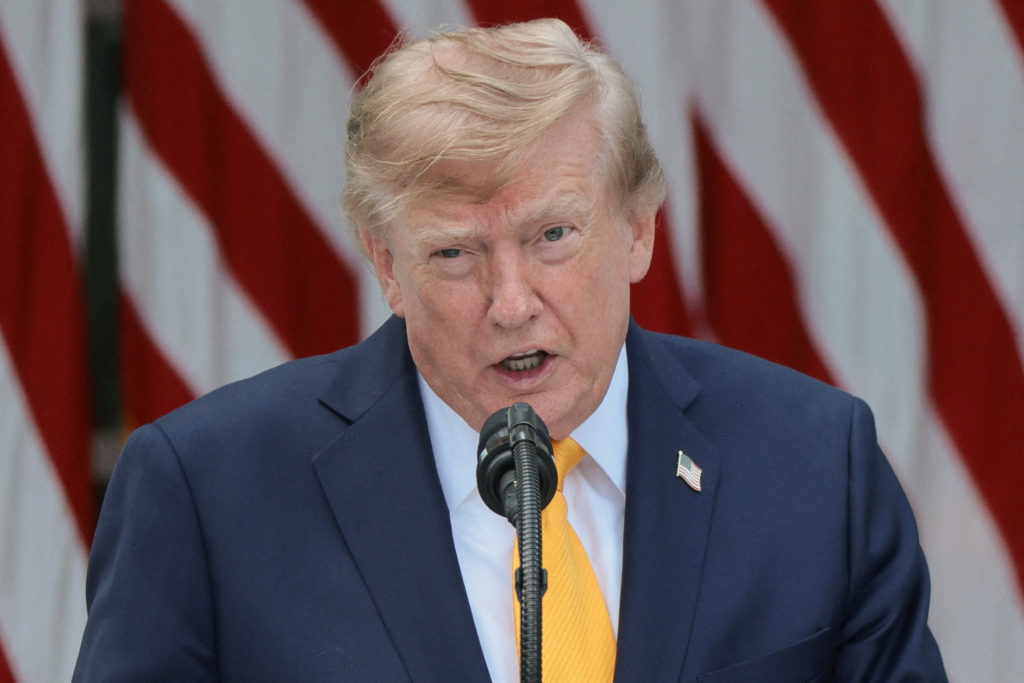
President Trump strongly criticized the Federal Reserve's decision to raise interest rates. He called for rates to be cut quickly to 1% or lower, saying the U.S. is the best credit in the world and the economy is growing.
Key Facts
The Federal Reserve increased interest rates on Wednesday.
President Trump disagreed with this move and wanted rates lowered instead.
He suggested interest rates should be at 1% or less.
Trump claimed the U.S. has the best credit rating worldwide.
He said the country is experiencing strong economic growth and new investments.
The statement was a public and direct reaction to the Fed’s policy change.
Interest rates are important because they affect borrowing costs for individuals and businesses.
Read the Original
Want the full story? Tap a source to open the original
article.
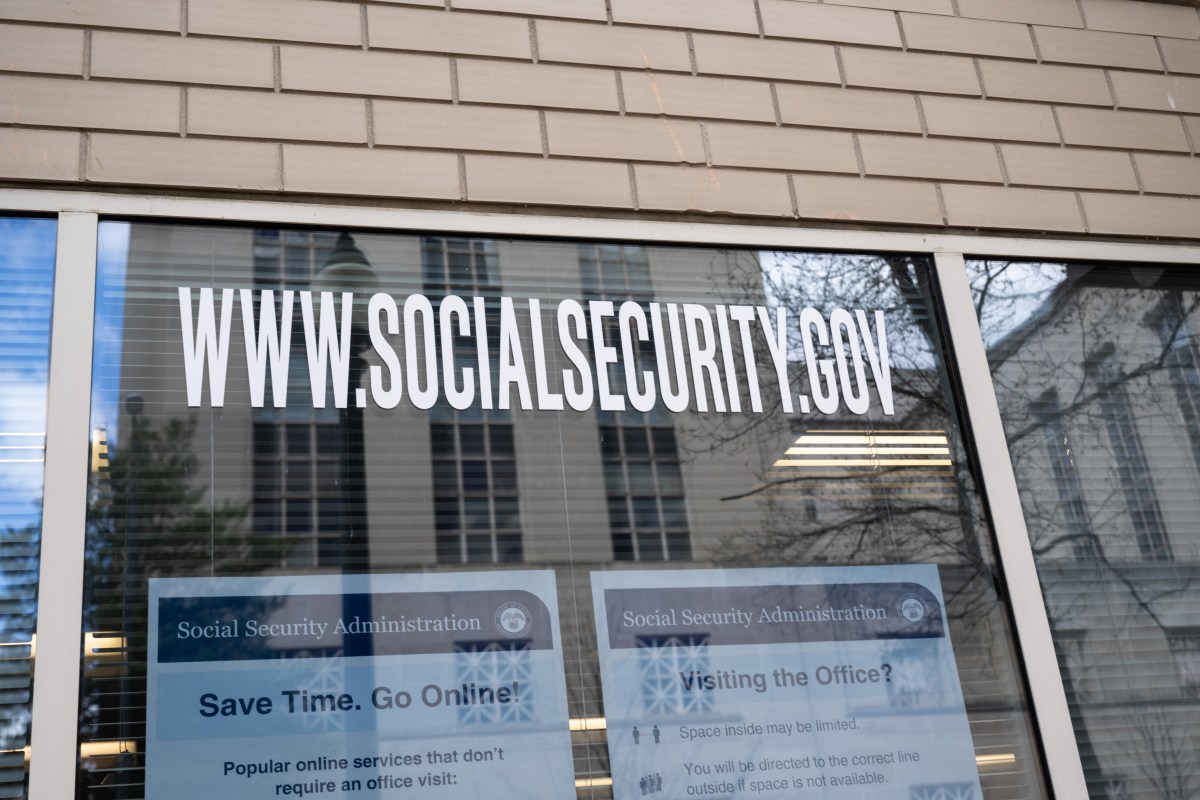
Congress members Sharice Davids and Gabe Evans introduced a bill to let families apply for Social Security survivor benefits online. The new system aims to reduce paperwork and delays for families after losing a loved one.
Key Facts
The Survivor Benefits Application Modernization Act would require the Social Security Administration (SSA) to create online tools for survivor benefit applications.
These tools would let surviving spouses, children, and dependent parents schedule appointments and submit applications digitally.
About 5.8 million people currently receive Social Security survivor benefits.
The law would require the SSA to launch an online scheduling tool within 180 days and an online application system within one year after the bill becomes law.
Congress would review a report after three years on cost savings and fraud related to the new system.
Survivor benefits are important because families often face immediate financial needs after a loss.
Some experts say the technology will help younger people but might be difficult for older beneficiaries.
The bill still needs approval from the House committees and both chambers of Congress before becoming law.
Read the Original
Want the full story? Tap a source to open the original
article.
The Federal Reserve voted unanimously to raise interest rates. President Donald Trump campaigned for Republican Senate candidate Michael Whatley in North Carolina.
Key Facts
The Federal Reserve agreed to increase interest rates.
The decision was unanimous among Federal Reserve members.
Higher interest rates typically mean borrowing money becomes more expensive.
President Trump is actively supporting Michael Whatley, a GOP Senate nominee.
The campaign event took place in North Carolina.
Michael Whatley is running for a Senate seat.
The news was reported on CBS News on September 16.
Read the Original
Want the full story? Tap a source to open the original
article.
The Senate Agriculture Committee approved a new farm bill after Senator Mitch McConnell returned to Congress. The bill passed narrowly along party lines, with all Republicans voting in favor and Democrats against it.
Key Facts
The Senate Agriculture Committee passed the "Farm Bill 2.0."
The vote was 12 in favor and 11 against, split by party lines.
Senator Mitch McConnell, a Republican from Kentucky, returned to Congress just before the vote.
McConnell’s presence helped the bill move forward in the committee.
Democrats opposed the bill and voted against it.
Read the Original
Want the full story? Tap a source to open the original
article.
President Donald Trump announced the removal of Venezuela from the US list of countries that have not sufficiently fought illegal drug trafficking. The US is working with Venezuela’s interim government and is considering similar actions for Colombia and Bolivia.
Key Facts
Venezuela was removed from the US drug trafficking blacklist for the first time in over 20 years.
The US government arrested and removed Nicolás Maduro, described as an illegitimate leader accused of drug trafficking.
The US is cooperating with interim Venezuelan President Delcy Rodriguez on anti-drug efforts.
The US is also looking at removing Colombia and Bolivia from the drug blacklist but has not done so yet.
Other countries listed as failing to fight drug trafficking include Afghanistan, Bolivia, Burma, and Colombia.
President Trump highlighted recent political changes in South America with more right-wing leaders friendly to the US.
Many countries in the region have joined a US-led military-security alliance called the Shield of the Americas to fight drug trafficking and crime.
The Trump administration is redirecting $52 million from foreign military funding away from Europe and the Middle East to Latin America.
Read the Original
Want the full story? Tap a source to open the original
article.
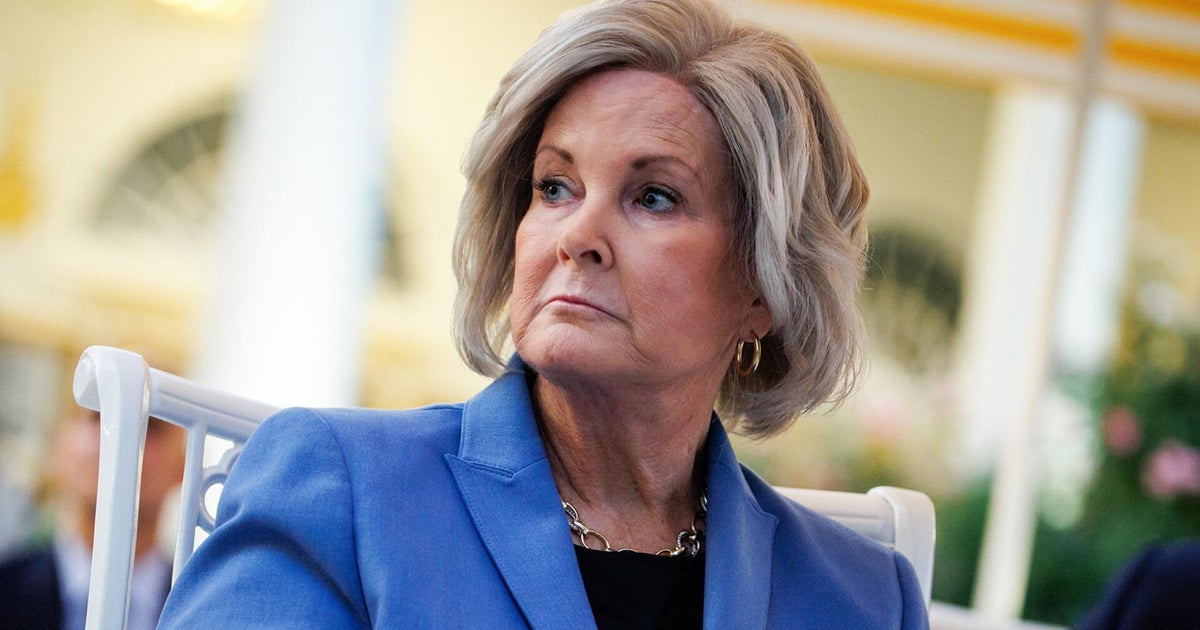
Susie Wiles, the White House chief of staff, announced that she is now free of cancer. She received clear pathology results after treatment for early-stage breast cancer.
Key Facts
Susie Wiles is the White House chief of staff.
Earlier this year, she was diagnosed with early-stage breast cancer.
She recently had a medical checkup at the Mayo Clinic.
The test results showed no signs of cancer.
Wiles shared the news on the social media platform X.
She expressed gratitude for support during her treatment.
Read the Original
Want the full story? Tap a source to open the original
article.
The U.S. Embassy in Riyadh warned Americans to reconsider travel to Saudi Arabia because of possible attacks by Iranian drones and missiles on U.S. targets. The embassy issued a Level 3 travel advisory highlighting risks such as armed conflict, terrorism, restricted exits, and strict local laws.
Key Facts
The travel warning was issued by the U.S. Embassy in Riyadh, Saudi Arabia.
The advisory is Level 3, which means Americans should reconsider travel.
The main threat comes from potential Iranian drone and missile strikes.
U.S. assets and personnel in Saudi Arabia could be targeted.
The advisory also mentions risks of armed conflict and terrorism.
There are concerns about exit bans that could prevent travelers from leaving.
Local laws in Saudi Arabia may be strict and unfamiliar to visitors.
The warning aims to keep American citizens informed and safe while abroad.
Read the Original
Want the full story? Tap a source to open the original
article.
Michigan Senate candidate Abdul El-Sayed met with Senate Democrats at their campaign office. Some senators showed initial support, but others remained cautious, suggesting he still needs to build relationships within the group before the November election.
Key Facts
Abdul El-Sayed is running for the U.S. Senate in Michigan.
He met with Senate Democrats at their campaign headquarters.
Some senators, like Kirsten Gillibrand (D-N.Y.), called him a great candidate.
Other lawmakers gave quieter reactions, showing they are not fully convinced yet.
The meeting is part of El-Sayed’s effort to gain support within the Democratic Senate group.
November refers to the upcoming election month when voters will decide.
El-Sayed is seen as a progressive candidate, meaning he supports more left-leaning policies.
Building support within the Senate Democratic caucus is important for his campaign success.
Read the Original
Want the full story? Tap a source to open the original
article.
The number of Americans aged 65 and older living in poverty rose to 15.4 percent in 2025, up from 9.4 percent in 2020, according to new Census Bureau data. This rise in senior poverty coincides with worries about future Social Security cuts, as the main Social Security retirement fund is projected to be depleted by 2032 unless Congress acts.
Key Facts
Over 10 million older Americans live below the poverty line based on the Supplemental Poverty Measure in 2025.
The Supplemental Poverty Measure considers taxes, housing costs, and medical expenses when measuring poverty.
Social Security currently helps lift nearly 28.8 million people out of poverty in the U.S.
The Social Security trust fund is expected to run out of money by 2032.
If no changes are made, Social Security benefits could be cut by about 22 percent starting after 2032.
Many seniors depend mostly or entirely on Social Security for their income.
Rising housing and medical costs make it harder for older Americans to pay expenses, even with Social Security.
Most low-income adults over 50 say paying for basics is their main financial worry, and many lack savings for emergencies.
Read the Original
Want the full story? Tap a source to open the original
article.
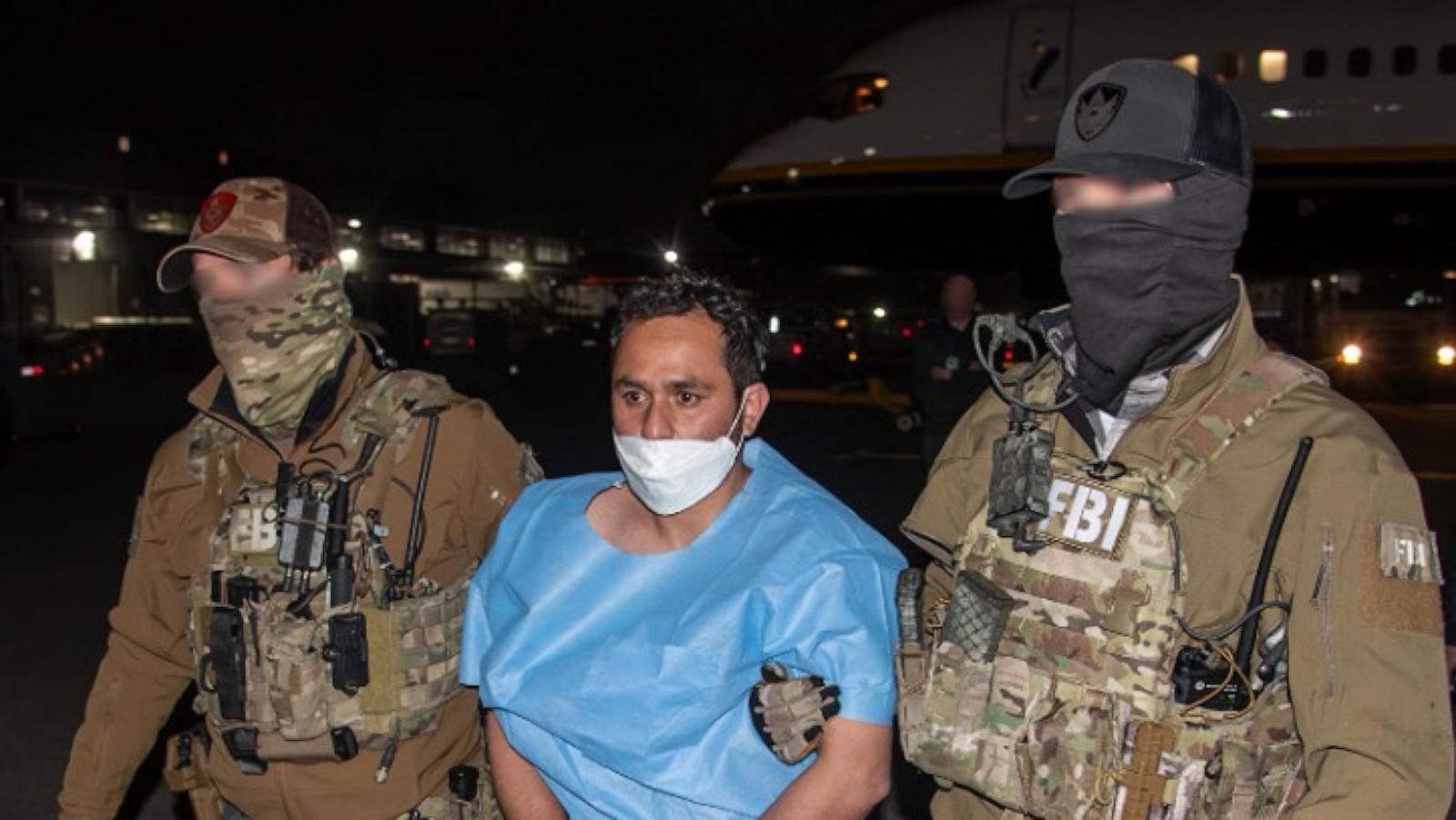
Mohammad Sharifullah, an Afghan man linked to the 2021 Abbey Gate suicide bombing in Kabul, was sentenced to 20 years in prison for supporting the terrorist group ISIS-K. He was convicted of helping ISIS-K plan attacks over about ten years but was not found directly responsible for the deaths in the bombing.
Key Facts
Sharifullah was convicted in April 2026 for providing material support to ISIS-K.
He admitted to helping ISIS-K plan dozens of attacks over roughly a decade.
The jury did not decide if his support directly caused the deaths of 13 U.S. soldiers and about 160 Afghan civilians in the 2021 bombing.
Defense lawyers said there was no direct evidence linking him to the Abbey Gate attack besides his own statements, which they claimed were made under pressure.
President Donald Trump called Sharifullah an "architect" of the bombing when announcing his arrest in 2025.
A judge said there was enough evidence to consider Sharifullah involved in many deadly attacks by ISIS-K.
The hearing included emotional testimonies from family members of those killed in the bombing.
Sharifullah was sentenced to the maximum penalty of 20 years in prison.
Read the Original
Want the full story? Tap a source to open the original
article.
A top Democrat in the House, Gregory Meeks, has put a hold on a $2.8 billion arms sale of 2,000-pound bombs to Israel during President Trump’s second term. He said there are not enough guarantees that the bombs will be used properly and without harming civilians.
Key Facts
Gregory Meeks is the leading Democrat on the House foreign affairs committee.
The arms sale includes 40,000 heavy bombs and penetrator warheads, worth $2.8 billion.
The sale is funded by US Foreign Military Financing.
Meeks’s hold delays the informal approval but does not block the sale completely.
In 2025, Secretary of State Marco Rubio declared a national security emergency to fast-track nearly $3 billion in weapons to Israel.
Since President Trump took office, over $12 billion in arms sales to Israel have been cleared or fast-tracked by the US government.
Meeks expressed concern about insufficient oversight and possible misuse of weapons by Israeli forces, citing laws that ban US aid to groups involved in serious abuses.
Meeks said his objection is to protect civilians and ensure lawful use, not to reduce US support for Israel’s defense.
Read the Original
Want the full story? Tap a source to open the original
article.
The Trump administration has cut or frozen up to $177 billion in federal grants since President Donald Trump began his second term. These reductions affected all states and focused mainly on health, nutrition, the environment, and disaster relief.
Key Facts
Up to $177 billion in federal grants have been cut or frozen since the start of President Trump’s second term.
Every state and the District of Columbia experienced some level of grant cuts or freezes.
Health, nutrition, environmental programs, and disaster relief received the largest shares of the cuts.
Specific grants affected include maternal health in Michigan, education research in Mississippi, and aid for minority farmers in Iowa.
California, Texas, New York, Illinois, and North Carolina had the highest amounts of grant money cut or delayed.
The data comes from a tracking tool called Lost Funds created by the States United Democracy Center and Grant Witness.
Lost Funds was released by a pro-democracy nonprofit and a group of researchers and scientists.
Read the Original
Want the full story? Tap a source to open the original
article.
The Trump administration spent $9.5 billion in 2025 on paid leave for federal employees who took a buyout offer to leave their jobs. This was part of a plan to reduce the size of the federal workforce, but the Government Accountability Office (GAO) says it is unclear if the expected cost savings have been achieved.
Key Facts
The government paid $9.5 billion in administrative leave costs in 2025, a sixfold increase from 2023.
$6.7 billion of these costs came from employees participating in the Deferred Resignation Program (DRP), a buyout plan to reduce federal jobs.
The DRP was managed by the Office of Personnel Management (OPM) and ran starting in January 2025.
About 144,312 employees accepted the buyout, fewer than the 200,000 initially projected.
Peak paid leave related to DRP occurred in July 2025, with 2.5 million of 3 million leave days due to the program.
OPM Director Scott Kupor said the $9.5 billion was a one-time cost that aims to save taxpayers $40 billion per year by cutting 270,000 federal jobs.
The GAO report criticized the lack of clear data and transparency about whether the savings goals from workforce reduction have been met.
Since President Trump took office in January 2025, about 271,000 federal employees have left government jobs.
Read the Original
Want the full story? Tap a source to open the original
article.
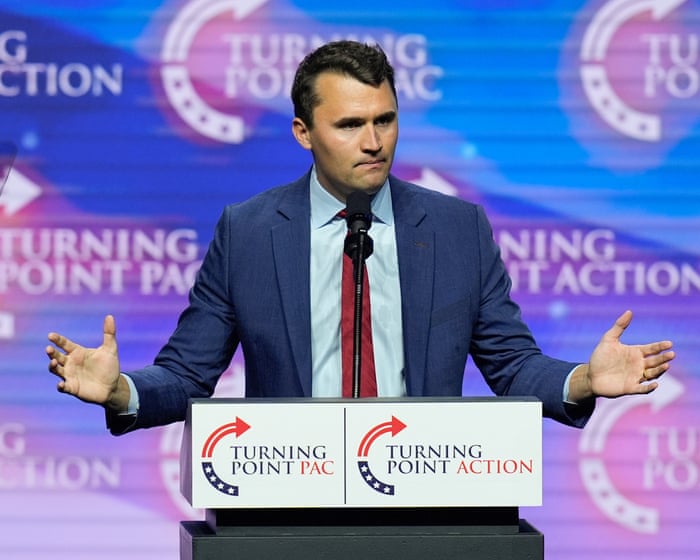
Charlie Kirk’s family blames Utah Valley University officials for not taking enough safety steps to prevent his shooting death at the university in September 2025. The family’s lawyers say campus security was poor, and important safety measures were missing, which left Kirk vulnerable to a sniper on a rooftop.
Key Facts
Charlie Kirk was shot and killed on September 10, 2025, at Utah Valley University during a public event.
Kirk’s family claims university officials made “reckless decisions” that failed to protect him from a sniper over 400 feet away.
Campus safety lacked many standard measures like rooftop monitoring, bag checks, metal detectors, and an adequate police presence.
The family’s wrongful death notice named the university, its president, campus police, and the state of Utah as responsible.
Kirk’s lawyer mentioned that risks of rooftop shooters should have been considered after the July 2024 rooftop shooting attempt on President Trump.
The suspect, Tyler Robinson, was charged with aggravated murder and may face the death penalty if convicted.
Evidence against Robinson includes surveillance footage, DNA tests linking him to the weapon, and a note admitting the shooting.
Utah Valley University said it is reviewing the notice and focusing on supporting the campus community.
Read the Original
Want the full story? Tap a source to open the original
article.
The House of Representatives voted to hold billionaire Leon Black in contempt of Congress because he did not show up for a deposition about his connection to Jeffrey Epstein. The vote was unanimous, and the issue will be sent to the Justice Department.
Key Facts
Leon Black is a billionaire investor.
He was asked to give a deposition about his ties to Jeffrey Epstein.
Epstein was a convicted sex offender who died in 2019.
Black did not appear for the deposition as requested by Congress.
The House Oversight Committee agreed unanimously to hold Black in contempt.
The full House then approved the contempt motion by unanimous consent.
The referral to hold Black in contempt will now go to the Justice Department for further action.
Contempt of Congress means refusing to cooperate with a congressional investigation.
Read the Original
Want the full story? Tap a source to open the original
article.
The U.S. Department of Defense has spent more than $38 billion on the war against Iran as of August 1. The war is expected to continue costing up to $3 billion a month and may cause inflation to rise until early 2027 due to disrupted oil and shipping routes.
Key Facts
The U.S. war against Iran has cost over $38 billion so far.
Monthly costs could be $3 billion or higher depending on how intense the fighting is.
The war affects oil and natural gas shipments through the Strait of Hormuz.
Shipping disruptions through the Red Sea also contribute to higher costs.
Inflation is expected to be about 0.5 percentage points higher into early 2027 because of the war.
This estimate came from the nonpartisan Congressional Budget Office (CBO).
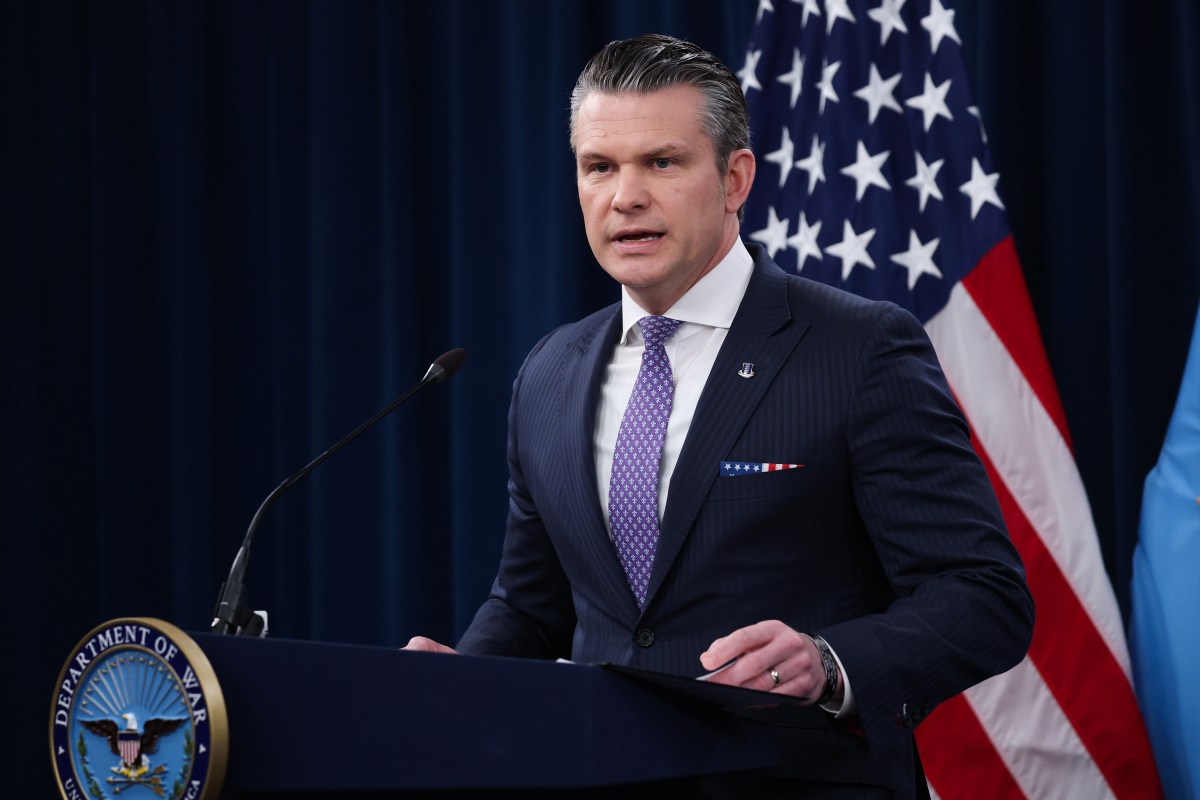
Defense Secretary Pete Hegseth previously estimated the cost to be $37.5 billion.
The CBO assessment was made after a request by Representative Brendan Boyle, a Democrat.
Read the Original
Want the full story? Tap a source to open the original
article.
President Donald Trump issued new warnings about drug trafficking from Mexico and Canada. He listed Mexico as a major drug transit country and criticized Canada for failing to stop fentanyl and other drug flows into the United States.
Key Facts
President Trump identified Mexico as a major transit and producing country for illegal drugs for fiscal year 2027.
Canada was not listed as a major drug transit country but was criticized for fentanyl production and drug flows into the U.S.
Trump called on Canada to shut down drug labs, tighten supply chain security, and fight criminal gangs near the northern border.
Mexico was praised for seizing more drugs, dismantling labs, and cooperating with U.S. security forces.
Trump urged Mexico to do more to fight drug cartels and improve border security.
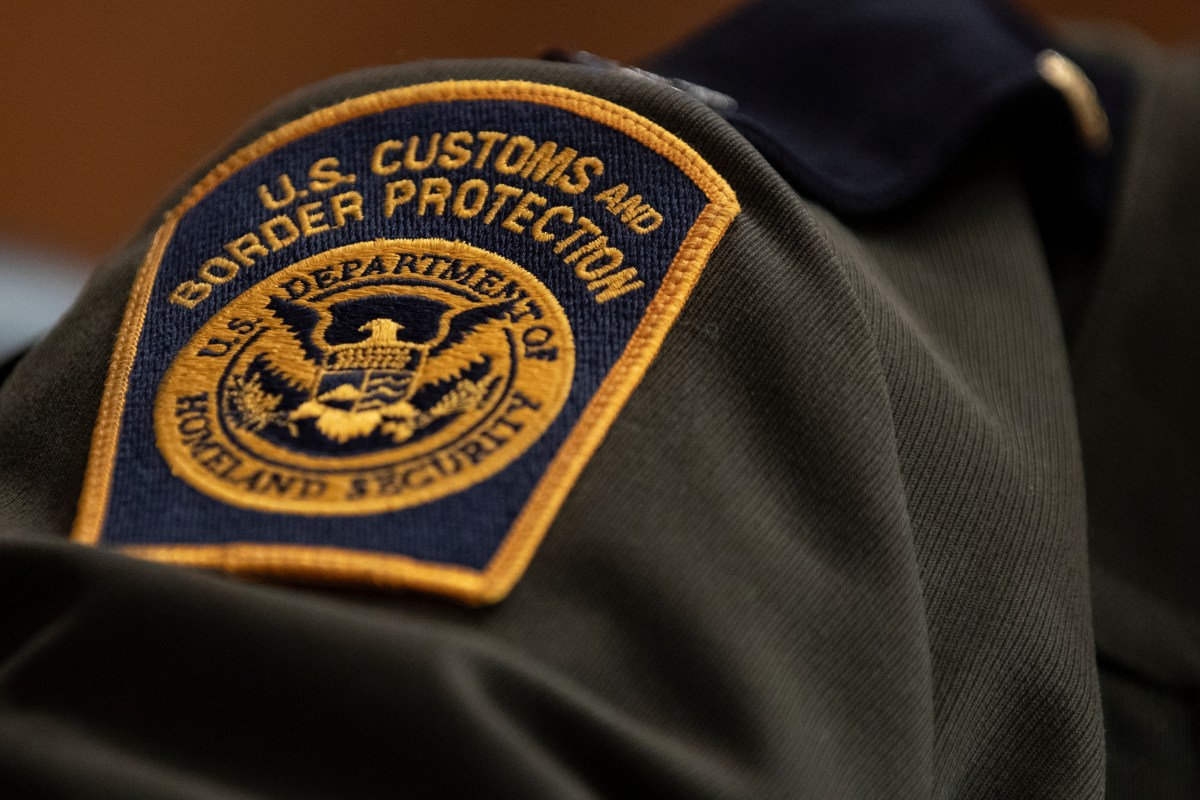
The U.S.-Mexico border had much higher drug seizures than the U.S.-Canada border, according to U.S. Customs and Border Protection data.
Data shows about 12,000 pounds of drugs seized so far this year at the northern border, mostly marijuana and smaller amounts of cocaine, methamphetamine, and fentanyl.
The U.S.-Mexico border saw higher volumes of drug seizures, though exact figures in this excerpt were incomplete.
Read the Original
Want the full story? Tap a source to open the original
article.
Defense Secretary Pete Hegseth’s favorability rating reached a record low in a recent Marquette Law School poll as frustration grows over the war in Iran. Republican Representative Thomas Massie introduced articles of impeachment against Hegseth, accusing him of illegal war actions, but the House will not vote on the matter before the midterm elections.
Key Facts
Pete Hegseth’s net favorability rating dropped to -24 points in the latest poll.
Only 25% of Americans viewed Hegseth favorably, while 49% viewed him unfavorably.
The poll surveyed 1,023 adults from September 2-9, 2026, with a margin of error of ±3.3%.
The Iran war, initiated in February, faces strong public disapproval; 79% say it’s not worth the cost and 87% believe U.S. goals have not been met.
Only 26% approve of President Trump’s handling of the Iran war; 73% disapprove.
Representative Thomas Massie introduced eight articles of impeachment accusing Hegseth of illegal war actions without congressional approval.
Massie accuses Hegseth of breaking the War Powers Resolution, ignoring laws to protect civilians, and abusing power.
The House will recess until after the November midterm elections, delaying any vote on the impeachment articles.
Read the Original
Want the full story? Tap a source to open the original
article.
Gas and diesel prices in the United States have risen sharply since the war with Iran began, causing financial difficulties for many Americans. Families, farmers, and truckers are struggling to afford fuel and other expenses, leading to tough choices like cutting back on medical treatments or considering moving.
Key Facts
The average price of regular gasoline is $4.36 per gallon, up $1.42 since February 28, 2026.
Diesel prices have reached a record high of $6.30 per gallon.
Rising fuel costs are linked to ongoing tensions and war with Iran.
Families are having to budget more carefully and reduce spending, including on healthcare.
Truckers face increased costs of about $400 more per $1 rise in diesel prices per tank.
Higher diesel costs raise shipping prices, which then increase the cost of goods like food and clothes.
Trucking profits are slim, making it hard for drivers to absorb fuel price increases.
Many Americans feel stuck and uncertain about how to manage the rising cost of living.
Read the Original
Want the full story? Tap a source to open the original
article.