Several Republican members of Congress have joined Democrats in opposing the U.S. military operation in Iran. This growing opposition reflects concerns about the war’s impact on elections, especially in Iowa, where some Republicans face tough races.
Key Facts
The House voted 220-204 to limit U.S. military action against Iran, with seven Republicans joining Democrats.
This vote was the third time the House passed a symbolic measure to restrict military action without Congress’s approval.
Iowa Republicans Zach Nunn and Mariannette Miller-Meeks supported the resolution, expressing concerns about the war becoming indefinite.
Nunn used to support the military effort but changed his position, emphasizing Congress’s role in war decisions.
Miller-Meeks cited high fuel prices and a need for a clear plan to end the conflict as reasons for her vote.
The shift in Republican positions may be linked to concerns about losing seats to Democrats in crucial Iowa districts.
Democrats see these Iowa seats as key chances to gain control of the House in the upcoming midterm elections.
The vote does not immediately stop military action but aims to pressure the White House and Senate.
Read the Original
Want the full story? Tap a source to open the original
article.
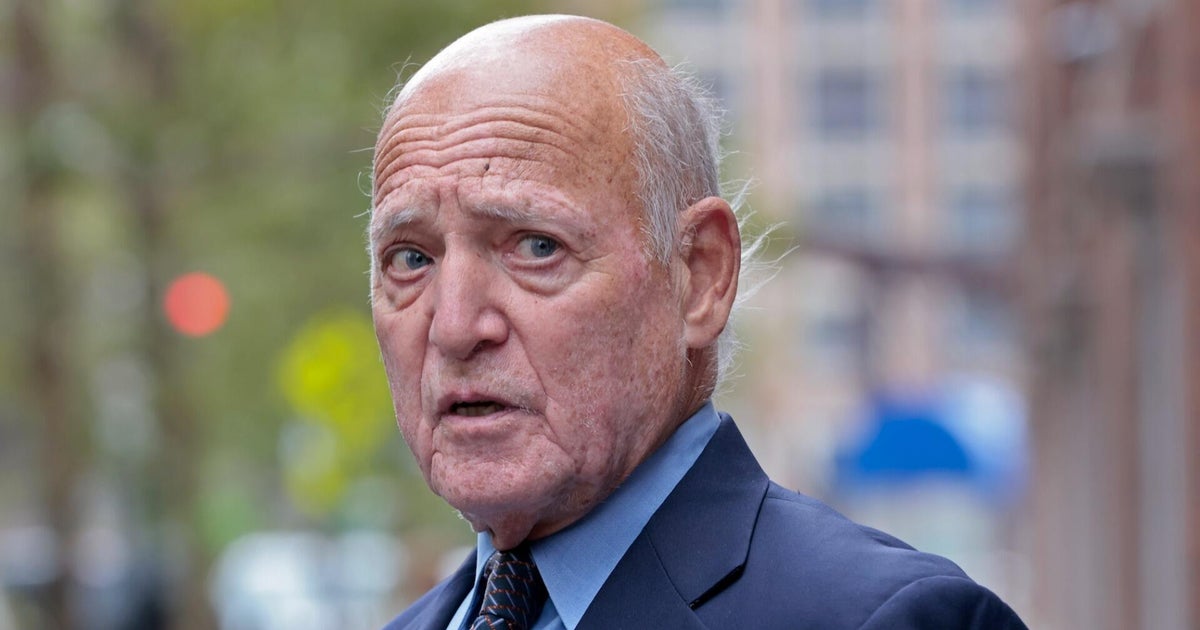
Lindsay Clancy has hired Martin Weinberg, who was one of the lawyers for Karen Read, to help with her retrial. Clancy is facing a new trial for the deaths of her three children.
Key Facts
Lindsay Clancy is facing a retrial related to the deaths of her three children.
Clancy has hired Martin Weinberg as part of her legal team.
Martin Weinberg previously worked as a lawyer for Karen Read.
Karen Read was involved in a similar legal case.
The retrial will revisit the charges and evidence connected to Clancy’s case.
CBS News reported the story with additional details from Shanelle Kaul.
Read the Original
Want the full story? Tap a source to open the original
article.
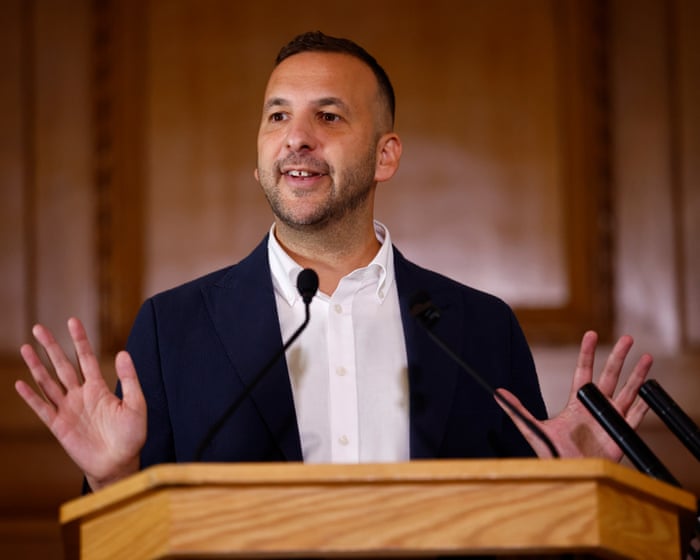
A new poll shows the Green party is just four points behind Labour in urban areas, threatening some of Labour’s seats in the next election. The poll suggests many progressive urban voters are shifting from Labour to the Greens, creating challenges for Labour's strategy and policy focus.
Key Facts
The Green party is only four points behind Labour in city voting areas.
If repeated in an election, Greens could win up to 40 seats currently held by Labour.
The poll was conducted by ThinkLabour, a group connected to Andy Burnham’s government.
Urban voters have moved significantly toward the Greens since the 2024 general election.
Labour faces difficulty holding key urban seats like Holborn and St Pancras, especially against Zack Polanski, a Green candidate.
Labour’s vote share in major cities dropped by 20 points, while Green support rose by 12 points.
The shift includes voters who are financially struggling, not just wealthier liberals.
Labour’s policies on immigration and cuts to winter fuel payments have confused some urban voters about the party’s values.
Read the Original
Want the full story? Tap a source to open the original
article.
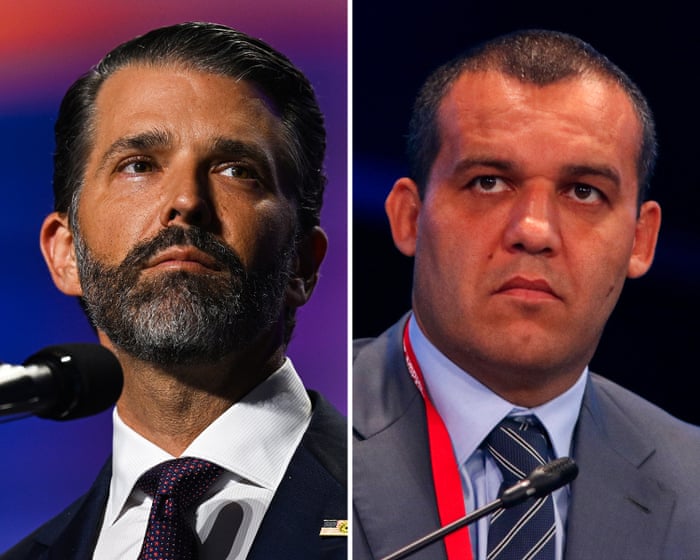
Donald Trump Jr., son of President Donald Trump, received financial support from Umar Kremlev, a Russian oligarch and close ally of Vladimir Putin, for his wedding after-party. Kremlev paid for a private island and a fireworks show, raising questions because Trump Jr. plays a significant role in his father’s political circle.
Key Facts
Donald Trump Jr. had an expensive wedding after-party in May.
Umar Kremlev, linked to Putin and the International Boxing Association, paid for the event.
Kremlev covered the cost of a private island and a fireworks display for the celebration.
Kremlev is described as a personal friend of Trump Jr., connected through mutual interests like hunting and boxing.
President Donald Trump said he did not know Kremlev and denied he paid for the wedding itself.
Trump Jr. has political influence as an adviser to President Trump and helped choose cabinet members.
Kremlev attended the party days after traveling with Putin to China.
Trump Jr.'s wife, Bettina, said on Instagram that the gift was personal and not political.
Read the Original
Want the full story? Tap a source to open the original
article.
New Hampshire Supreme Court Chief Justice Gordon MacDonald resigned after admitting he broke rules related to a staff change that led to a top worker receiving nearly $50,000 in benefits. This ended a five-year period as chief justice after an ethics investigation found he acted improperly.
Key Facts
Gordon MacDonald, 64, resigned as Chief Justice of the New Hampshire Supreme Court.
He admitted to violating three parts of the state's Code of Judicial Conduct.
The case involved MacDonald’s role in laying off and quickly rehiring Dianne Martin, a Judicial Branch employee.
Martin received close to $50,000 in unused sick and vacation benefits during the brief layoff.
The Judicial Conduct Committee found MacDonald failed to avoid favoritism and did not perform his duties competently.
The New Hampshire attorney general’s office found no criminal wrongdoing but said the personnel actions did not follow best practices.
Governor Kelly Ayotte expressed disappointment about the violations and accepted MacDonald’s resignation.
The situation raised concerns about public trust in the judicial system’s impartiality.
Read the Original
Want the full story? Tap a source to open the original
article.
President Donald Trump is campaigning for Michael Whatley, the Republican candidate for the U.S. Senate in North Carolina. The race is closely watched because it could affect which party controls the Senate. Rising living costs in the state are a major concern for voters and may impact the election results.
Key Facts
President Trump’s visit to North Carolina is his first campaign trip since the party’s midterm convention.
Michael Whatley, former Republican National Committee chair, is competing against Democrat Roy Cooper for the Senate seat.
North Carolina has not elected a Democratic Senator since 2008 and Trump won the state in the last three presidential elections.
The race is seen as difficult for Republicans due to economic issues affecting voters.
Rising prices for gas, groceries, and other goods are a top concern for North Carolina voters.
Roy Cooper’s campaign focuses on lowering costs for people in the state.
Democrats are linking Whatley to the increase in prices during President Trump’s second term.
Some Republicans argue that the Biden administration’s policies have caused price increases, but the current president usually receives credit or blame for the economy.
Read the Original
Want the full story? Tap a source to open the original
article.
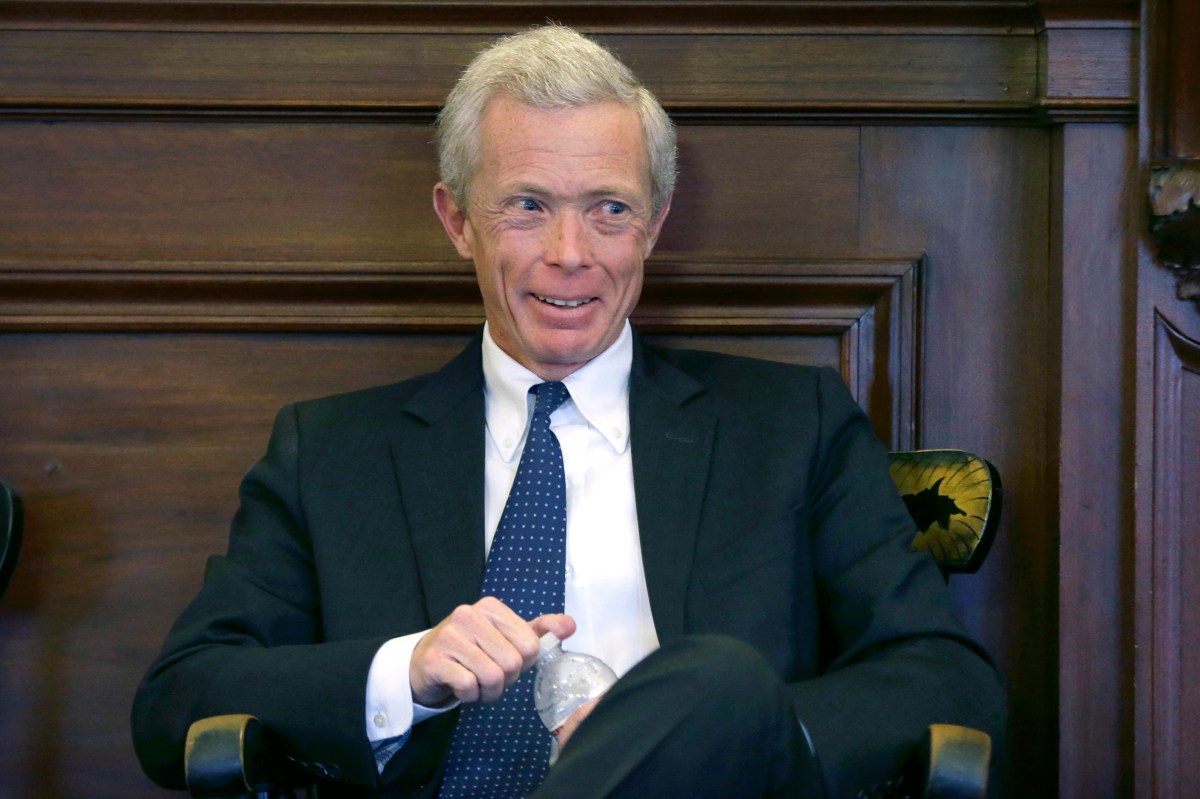
Former Kansas Governor Bill Graves, a Republican, has endorsed Democrat Adam Hamilton in the Kansas Senate race. Graves said the country is too divided and it is time for a change from Senator Roger Marshall, a Republican.
Key Facts
Bill Graves is a former Republican governor of Kansas.
Graves publicly supports Adam Hamilton, a Democrat running for the U.S. Senate in Kansas.
Adam Hamilton is a Methodist minister.
Graves criticized the current senator, Roger Marshall, who is a Republican.
Graves mentioned that the country faces strong political division and gridlock.
The endorsement signals a call for change in Kansas politics.
Roger Marshall has been serving as Kansas’s U.S. Senator for six years.
Read the Original
Want the full story? Tap a source to open the original
article.
Several well-known Republicans have endorsed or said they will vote for Democratic candidates in important 2026 elections in states that usually vote Republican. These endorsements show some Republicans are concerned about their party’s nominees and are supporting Democrats they believe can work across party lines.
Key Facts
Karl Rove, a longtime Republican strategist, will vote for Democrat Jon Rosenthal in Texas’s Railroad Commission race.
Bill Graves, a former Republican governor of Kansas, endorsed Democrat Adam Hamilton for the U.S. Senate.
More than 20 current and former Republican officials support Democrat James Talarico in the Texas Senate race.
Former Republican Senator Jeff Flake endorsed Democratic Senator Jon Ossoff for reelection in Georgia.
These endorsements are rare because the states involved typically vote Republican.
Concerns about specific Republican candidates, such as Ken Paxton in Texas and Roger Marshall in Kansas, influenced some Republicans to cross party lines.
The races mentioned include Senate, House, and statewide contests in Texas, Kansas, Georgia, and Montana.
Democrats are trying to win seats in states that usually favor Republicans by gaining support from moderate or concerned Republicans.
Read the Original
Want the full story? Tap a source to open the original
article.
Some Republicans in the House of Representatives are starting to oppose the US war with Iran. Recently, three Republicans voted with Democrats to pass a resolution to withdraw troops, showing growing concern about the conflict as the midterm elections approach.
Key Facts
The House passed a war powers resolution to force President Donald Trump to withdraw US troops from the Iran conflict.
Three Republicans who did not support earlier attempts voted for this resolution for the first time.
A Republican proposed impeaching US Defense Secretary Pete Hegseth for continuing the war without Congress’s approval.
President Trump has ignored all war powers resolutions regarding the Iran conflict.
Some vulnerable Republican lawmakers, especially from Iowa, oppose the war due to the impact on their states.
The war has led to higher fuel and fertilizer costs that affect farmers and families.
Democrats use these resolutions to show Republicans' positions on the unpopular war ahead of elections.
The five previous resolutions failed before the most recent one passed with support from a small group of Republicans and Democrats.
Read the Original
Want the full story? Tap a source to open the original
article.
Patrick Clancy spoke about his feelings and memories of his children in an exclusive interview on 60 Minutes. This comes after the trial of his ex-wife, Lindsay Clancy, which ended with no clear verdict on whether she was legally insane when she killed their three children.
Key Facts
Lindsay Clancy was on trial for the murder of her three children: Cora (5), Dawson (3), and Callan (8 months).
The trial ended in a mistrial because the jury could not reach a unanimous decision.
Clancy’s defense said she had postpartum psychosis, a severe mental illness after childbirth.
Prosecutors have not yet decided if they will try the case again.
Patrick Clancy shared his story in an interview with Ross Douthat on 60 Minutes.
The interview will air on Sunday, September 20, at 7 p.m. ET/PT on CBS and Paramount+.
Social media had many false conspiracy theories about the case.
Read the Original
Want the full story? Tap a source to open the original
article.
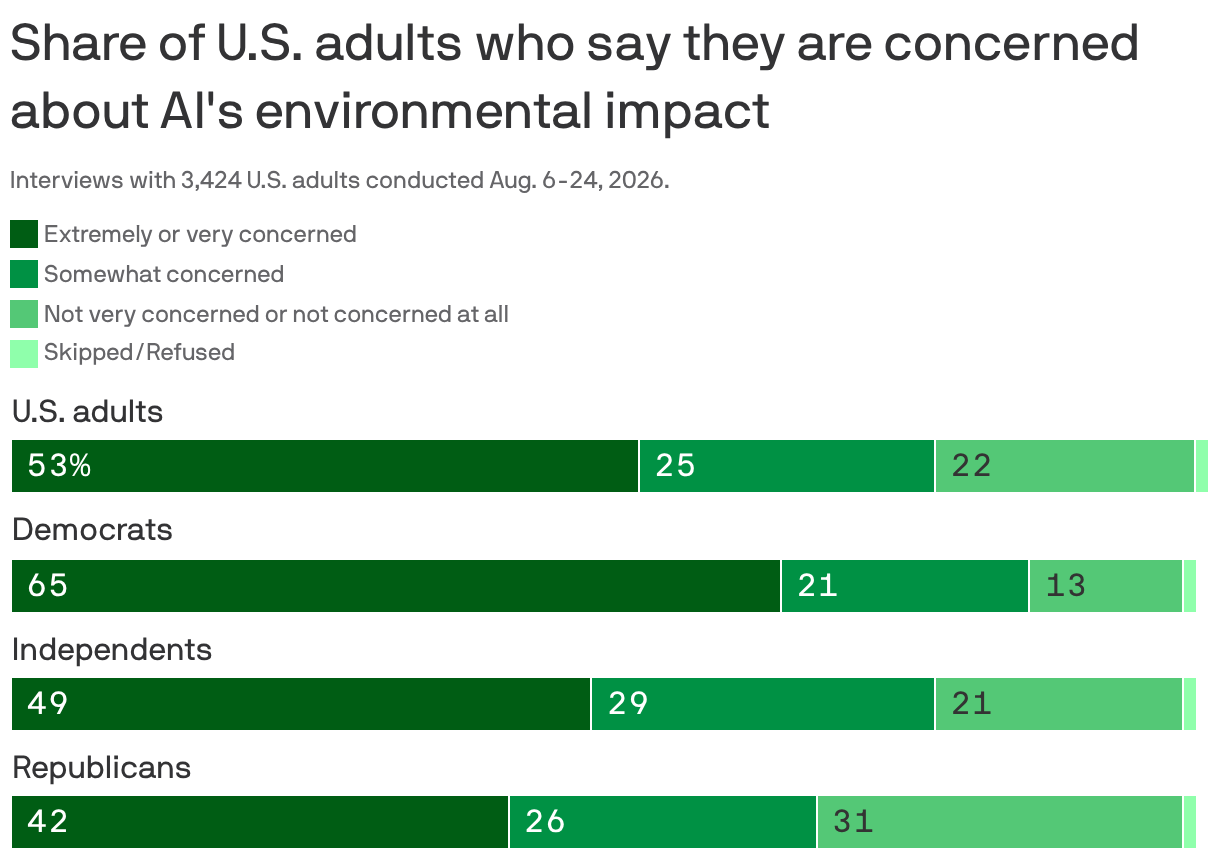
More than half of Americans are very worried about how artificial intelligence (AI) might harm the environment, especially due to data centers using lots of electricity and water. While lawmakers are trying to deal with AI safety and rules, President Donald Trump supports AI growth and seeks to change environmental rules to help AI infrastructure.
Key Facts
53% of Americans are very or extremely concerned about AI’s impact on the environment.
Democrats (65%) show more concern about AI’s environmental effects than Republicans (42%).
About 80% of adults worry at least somewhat about how data centers affect electricity, power outages, and water use.
Some AI researchers have warned that AI could pose an existential risk to humanity within this decade.
More than 60% of Americans believe AI poses at least a moderate risk of destroying humanity.
President Trump supports expanding AI and loosening environmental regulations for AI infrastructure.
Over 100 House Democrats want to delay congressional recess to vote on AI safety measures, but the Speaker said no.
Bipartisan efforts in Congress are underway to create programs and rules to address AI risks and its economic impact.
Read the Original
Want the full story? Tap a source to open the original
article.
This Sunday on 60 Minutes, Patrick Clancy will share his personal feelings and memories about his children. He will also address false conspiracy theories that appeared on social media after his ex-wife’s murder trial.
Key Facts
Patrick Clancy will speak in an interview on the TV show 60 Minutes.
He will discuss his grief and memories of his children.
The interview will cover false conspiracy theories about him that spread on social media.
These conspiracy theories arose after his ex-wife’s murder trial.
The episode airs on Sunday on CBS News.
Viewers can watch the segment through the CBS News app or website.
Read the Original
Want the full story? Tap a source to open the original
article.
The House of Representatives is set to vote on a large package of sanctions against Russia to limit its ability to fund the war in Ukraine. If approved, the bill will be sent to President Donald Trump to sign into law.
Key Facts
The sanctions target Russian officials and important parts of Russia's economy.
The goal is to reduce Russian President Vladimir Putin’s financial resources for the war in Ukraine.
The bill is named after Senator Lindsey Graham, who worked on it for over a year.
If the House passes the bill, it will go to President Donald Trump for approval.
This is the biggest effort to support Ukraine since President Trump returned to office.
The bill follows a 2024 emergency aid package to Ukraine.
Ukrainian President Volodymyr Zelenskyy has asked US lawmakers to pass the bill.
Senators approved the bill in the Senate last month before the House vote.
Read the Original
Want the full story? Tap a source to open the original
article.
Vice President Vance spoke about the need for caution in developing artificial intelligence (AI) technology. He highlighted concerns about the risks of creating AI systems that could become dangerous, and he noted that President Donald Trump shares these concerns.
Key Facts
Vice President Vance addressed AI safety on Tuesday.
He urged AI leaders to be careful and responsible in their work.
Vance compared some AI development to building a “Frankenstein,” meaning a dangerous creation they might not control.
He said President Donald Trump is asking important questions about AI risks.
The discussion focuses on the balance between AI progress and safety.
Vance’s comments relate to ongoing debates about AI regulation and oversight.
Read the Original
Want the full story? Tap a source to open the original
article.
A federal judge ruled that telling Immigration and Customs Enforcement (ICE) officials their actions will "haunt them" is protected free speech and not a threat. The judge stopped ICE from enforcing a warning to David Streever, who criticized ICE in an email after protestors were killed.
Key Facts
David Streever sent a harsh email to ICE’s acting director criticizing the killing of two protestors.
ICE later warned Streever that his email might be a criminal threat and said he could face prosecution if he continued speaking critically.
ICE agents visited Streever’s home and tracked him to a hotel, which scared him and caused him to self-censor.
U.S. District Judge Rudolph Contreras ruled that Streever’s email is protected speech under the First Amendment.
The judge stopped ICE from enforcing the warning, preventing them from punishing Streever for his speech while the case moves forward.
ICE did not officially inform Streever that the investigation had ended, causing confusion about whether the threat of prosecution remained.
Streever’s lawyers said the warning from ICE violated his right to free speech.
Streever expressed relief that the court recognized his right to criticize government officials.
Read the Original
Want the full story? Tap a source to open the original
article.
Two Republican House members from Iowa districts that are strongly contested changed their votes to support a resolution limiting President Donald Trump's ability to conduct war against Iran without Congress’s approval. This decision shows growing pressure on Republicans ahead of important midterm elections as the war and its economic effects become unpopular.
Key Facts
Two Iowa Republican House members switched to support a resolution to limit war powers on Iran.
The resolution aims to stop President Trump from continuing military action without Congress’s consent.
These members had previously voted against the resolution.
They joined Democrats and a few other Republicans in passing the measure.
The change reflects political pressure before the midterm elections that will decide who controls Congress.
The ongoing war has caused high fuel prices, contributing to its unpopularity.
One of the Republicans had recently campaigned with Defense Secretary Pete Hegseth.
The resolution vote took place on a Tuesday.
Read the Original
Want the full story? Tap a source to open the original
article.
Some people say the Inflation Reduction Act is making medicine more expensive and harder for patients to get. They point to changes in medicine price negotiations and Medicare Part D rules as reasons for these problems.
Key Facts
The Inflation Reduction Act aims to lower drug prices.
Critics say it is instead causing higher costs for patients.
The Act includes price negotiations for medicines.
It also changes Medicare Part D, a program that helps with medicine costs.
These changes are said to reduce how easily patients can access medicines.
Concerns focus on the effects of government rules on medicine prices.
Read the Original
Want the full story? Tap a source to open the original
article.
Senator Josh Hawley of Missouri said he will not run for president in 2028. He made this clear less than 18 months before the Iowa caucuses, an early event in the presidential election process.
Key Facts
Josh Hawley is a senator from Missouri and a member of the Republican Party.
He confirmed he has no plans to run for president in 2028.
His current Senate term ends in 2031.
Hawley is known for supporting populist ideas within the GOP.
He has called for stronger rules against large companies merging or becoming too powerful (antitrust).
The Iowa caucuses are important events early in the presidential election process.
Read the Original
Want the full story? Tap a source to open the original
article.
Charlie Kirk, a conservative activist, was killed at Utah Valley University (UVU) in September 2025. His family claims that university officials ignored warnings about rooftop access risks, which led to security failures and his preventable death.
Key Facts
Charlie Kirk was assassinated at Utah Valley University on September 10, 2025.
A family lawyer says the school failed to act on a specific warning about rooftop access risks near the event location.
Turning Point USA (TPUSA) informed UVU Police Chief Jeffrey Long about rooftop security concerns before the shooting.
Chief Long responded that he had the situation "covered," leading TPUSA to believe the risk was managed.
The event had about 3,000 attendees, but security was limited to only six police officers and lacked measures like bag checks and drones.
The lawsuit claims UVU ignored the potential for political violence despite recent attacks, including an attempt on President Donald Trump the previous year.
UVU has acknowledged the notice of claim but has not commented on the allegations.
The claim names the university, its former president, campus police, police chief, and the state of Utah as possible defendants.
Read the Original
Want the full story? Tap a source to open the original
article.
The House of Representatives is ending its session early this week. President Donald Trump is campaigning with a candidate named Whatley in North Carolina.
Key Facts
The House of Representatives is going home early this week.
The Federal Reserve is expected to raise interest rates soon.
Senate Republicans are planning to make spending cuts.
President Donald Trump is campaigning alongside Whatley in North Carolina.
Kash Patel has made a public response recently.
The article mentions the return of Geico camel commercials as a light note.
Read the Original
Want the full story? Tap a source to open the original
article.