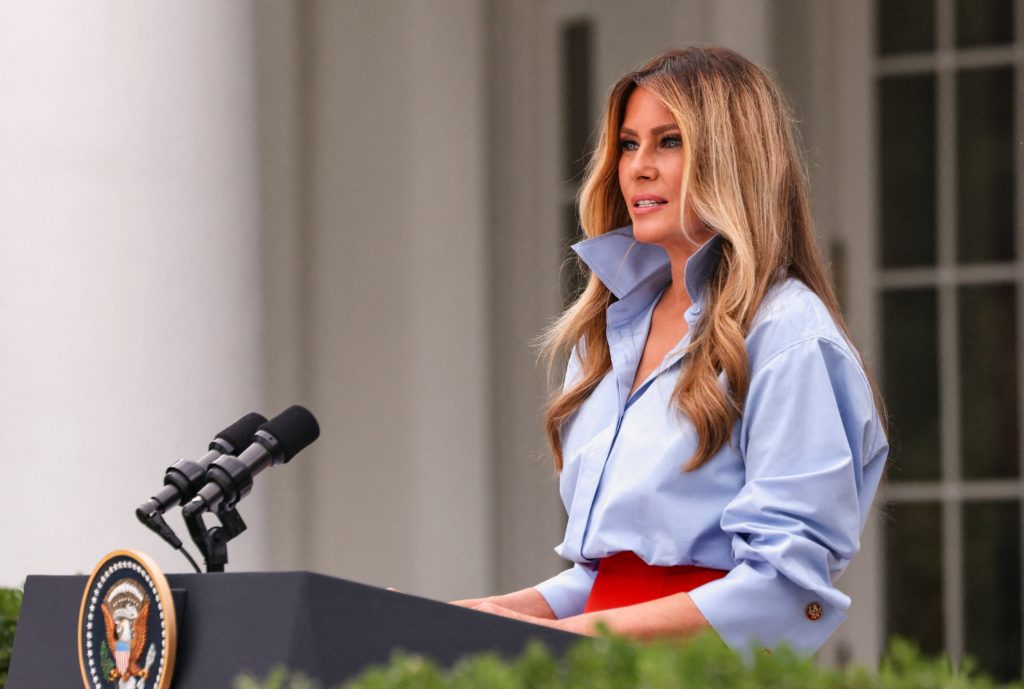
First Lady Melania Trump will visit an elementary school in northwestern North Carolina to talk about how technology is used in classrooms. Her visit is part of ongoing discussions about technology and education while debates continue about regulating artificial intelligence.
Key Facts
The visit will take place in Ashe County, North Carolina.
Melania Trump's visit starts at 11:30 a.m. Eastern Daylight Time.
She will meet with students, teachers, and school staff.
The visit highlights the use of technology in elementary education.
This visit happens amid national debates about how to control artificial intelligence (AI).
Some tech leaders want more rules for AI due to safety concerns.
President Donald Trump disagrees and says more AI limits are unnecessary.
Earlier this year, Melania Trump hosted a summit featuring a humanoid robot to discuss children's use of technology.
Read the Original
Want the full story? Tap a source to open the original
article.
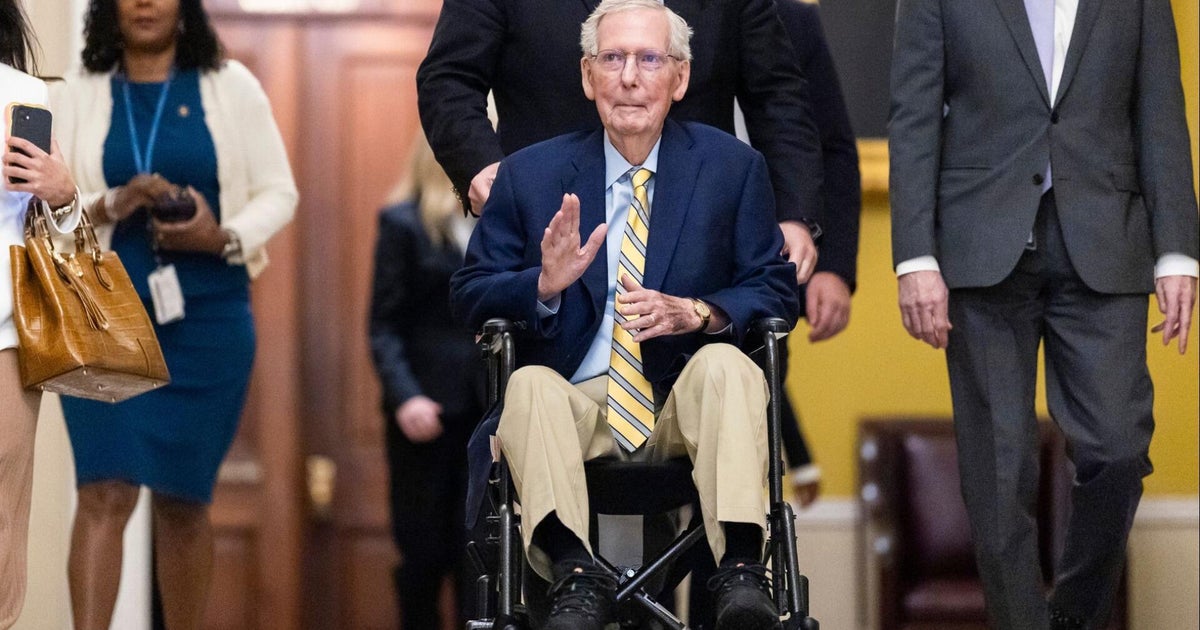
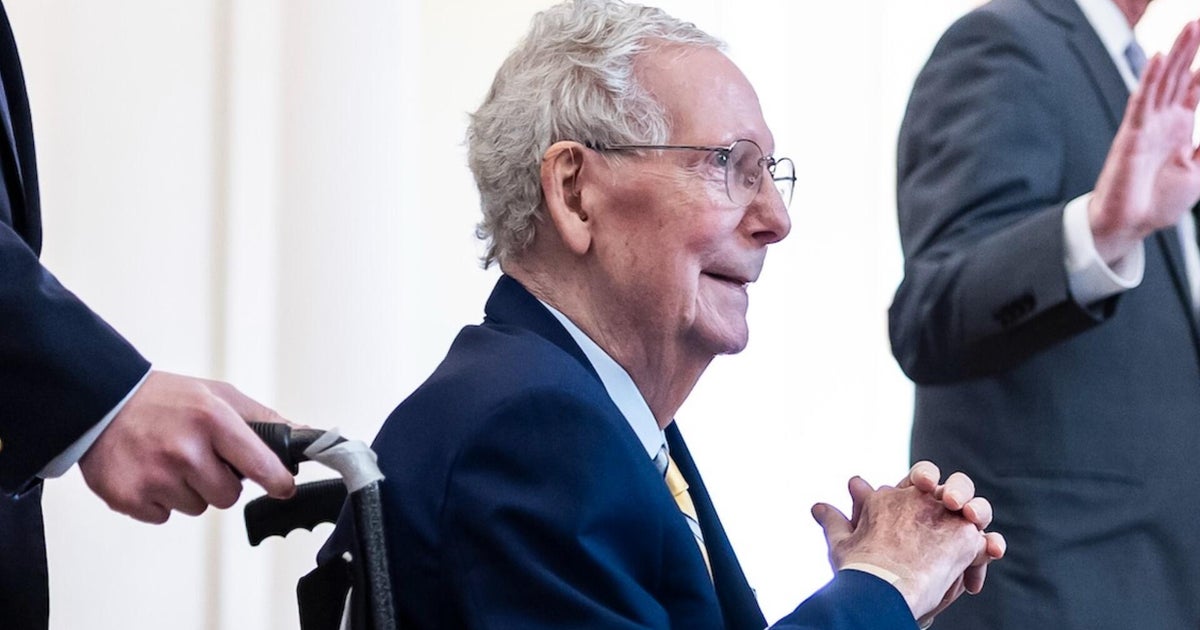
Kentucky Governor Andy Beshear said he has not talked with Senator Mitch McConnell recently. Senator McConnell, a Republican from Kentucky, returned to Capitol Hill after being away for health reasons for several months.
Key Facts
Senator Mitch McConnell is a Republican from Kentucky.
McConnell had been absent from Capitol Hill for several months due to health issues.
McConnell recently made his first appearance on Capitol Hill after his absence.
Kentucky Governor Andy Beshear said he has not spoken with Senator McConnell.
The news was reported by CBS News, with analysis from Robert Costa.
Read the Original
Want the full story? Tap a source to open the original
article.
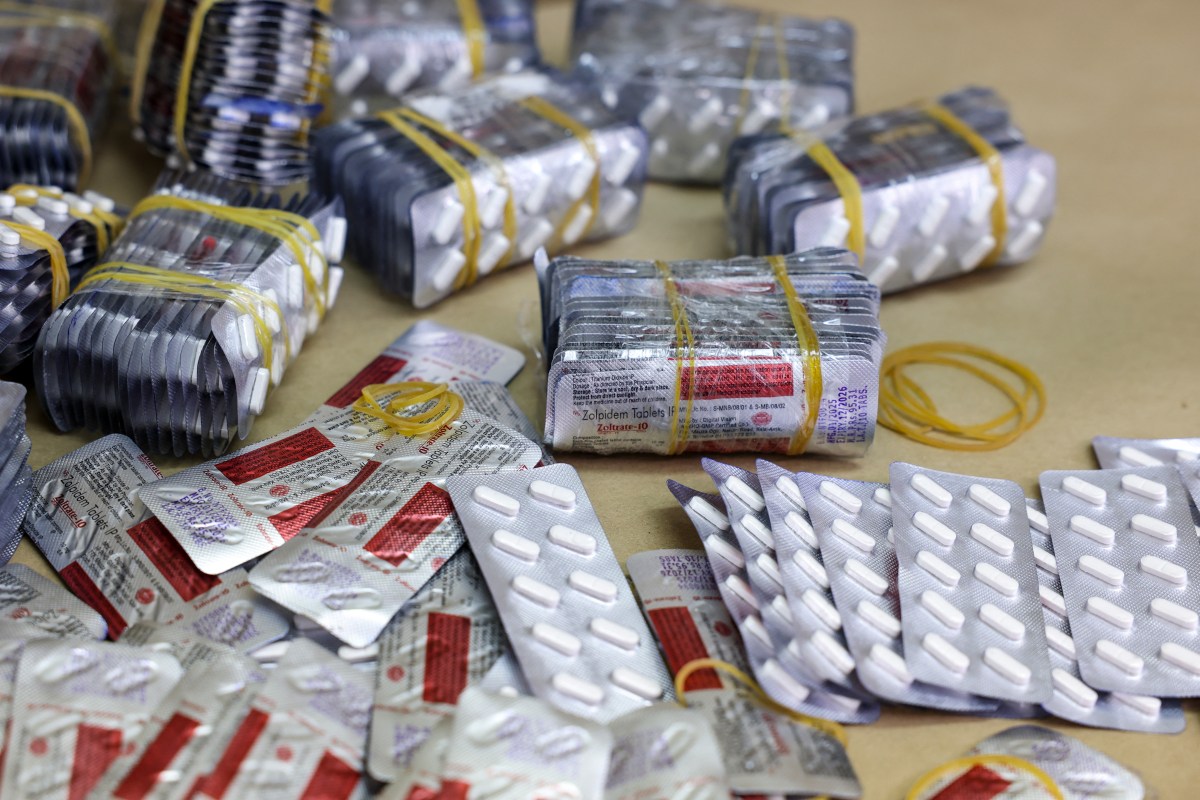
A new synthetic opioid called cychlorphine has caused dozens of deaths across the United States in the past year, including a 16-year-old in San Francisco. The drug is often found in counterfeit pills and mixed with other drugs, making it hard to detect and very dangerous.
Key Facts
Cychlorphine is a powerful synthetic opioid different from fentanyl.
It caused at least 55 deaths nationwide between 2025 and early 2026, with numbers rising.
The first cychlorphine-related death in San Francisco was a 16-year-old boy in April 2026.
It appears in powders, tablets, and counterfeit pills, sometimes mixed with fentanyl, methamphetamine, cocaine, and other drugs.
Cychlorphine was first made in the 1960s for research but never approved for medical use.
The drug originated in China in 2024 and spread to Europe and the U.S. later that year.
It often goes undetected by standard drug test strips and hospital urine screens.
Health officials warn it could cause a new wave of opioid overdoses in the U.S.
Read the Original
Want the full story? Tap a source to open the original
article.
Political commentator Bill O’Reilly predicted that Texas Attorney General and Republican Senate candidate Ken Paxton will win his race against Democrat James Talarico. O’Reilly said that Talarico’s political views are too extreme for most voters in Texas.
Key Facts
Bill O’Reilly made his prediction on Monday.
Ken Paxton is the current Texas Attorney General and a Republican running for Senate.
James Talarico is the Democratic candidate competing against Paxton.
O’Reilly described Talarico as “just too much” for Texas voters.
O’Reilly said his prediction was based on a gut feeling, not betting.
Read the Original
Want the full story? Tap a source to open the original
article.
Vice President JD Vance praised the Netflix romantic comedy series "Emily in Paris," calling it a "masterwork of American television." The show follows an American woman who moves to Paris after college.
Key Facts
Vice President JD Vance expressed strong approval of the show "Emily in Paris."
He described the series as "genius" and an excellent example of American TV.
"Emily in Paris" is a romantic comedy on Netflix.
The main character, played by Lily Collins, is an American woman living in Paris.
The show focuses on her life and experiences in the French city.
JD Vance is Vice President under President Donald Trump’s administration.
The praise is notable because political figures do not often publicly praise entertainment shows.
Read the Original
Want the full story? Tap a source to open the original
article.
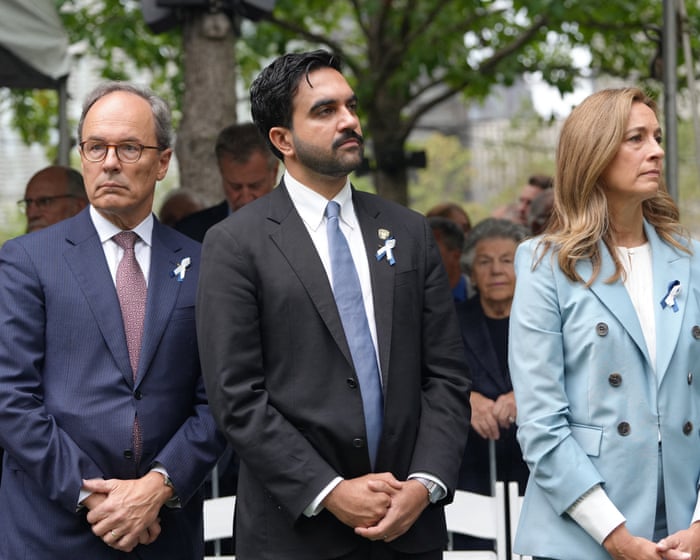
Zohran Mamdani, the mayor of New York, faced opposition from over 100,000 people who signed a petition to block him from attending the official 9/11 remembrance event. Critics opposed Mamdani because he is Muslim, despite his efforts to support all New Yorkers and his personal connection to the city’s tragedy.
Key Facts
Zohran Mamdani is the mayor of New York City.
More than 100,000 people signed a petition opposing Mamdani's attendance at the 9/11 ceremony.
Opponents cited vague reasons tied to Mamdani’s public positions but mainly focused on his Muslim faith.
Mamdani was nine years old during the 9/11 attacks and has never supported terrorism.
He has worked to improve the lives of all New Yorkers, regardless of religion or background.
On 9/11, Mamdani visited firehouses, talked with victims’ families, and released a report on dangerous air quality after the attacks.
Rudy Giuliani criticized Mamdani’s attendance, falsely accusing him of supporting murderers, but Mamdani responded with dignity and kindness.
The article highlights the unfairness of blaming an entire religion for the actions of a few individuals.
Read the Original
Want the full story? Tap a source to open the original
article.
Representative Alexandria Ocasio-Cortez criticized the Trump administration after it was reported that a Russian businessman helped pay for Donald Trump Jr.’s wedding. She said this connection is harmful to Americans because the businessman is linked to Russia’s president, Vladimir Putin.
Key Facts
Rep. Alexandria Ocasio-Cortez made a statement about Donald Trump Jr.’s wedding funding.
Reports say Russian oligarch Umar Kremlev partially paid for the wedding.
Umar Kremlev is connected to Russian President Vladimir Putin.
Ocasio-Cortez said this situation shows the Trump administration is harming Americans.
This issue involves concerns about foreign influence on a Trump family event.
Read the Original
Want the full story? Tap a source to open the original
article.
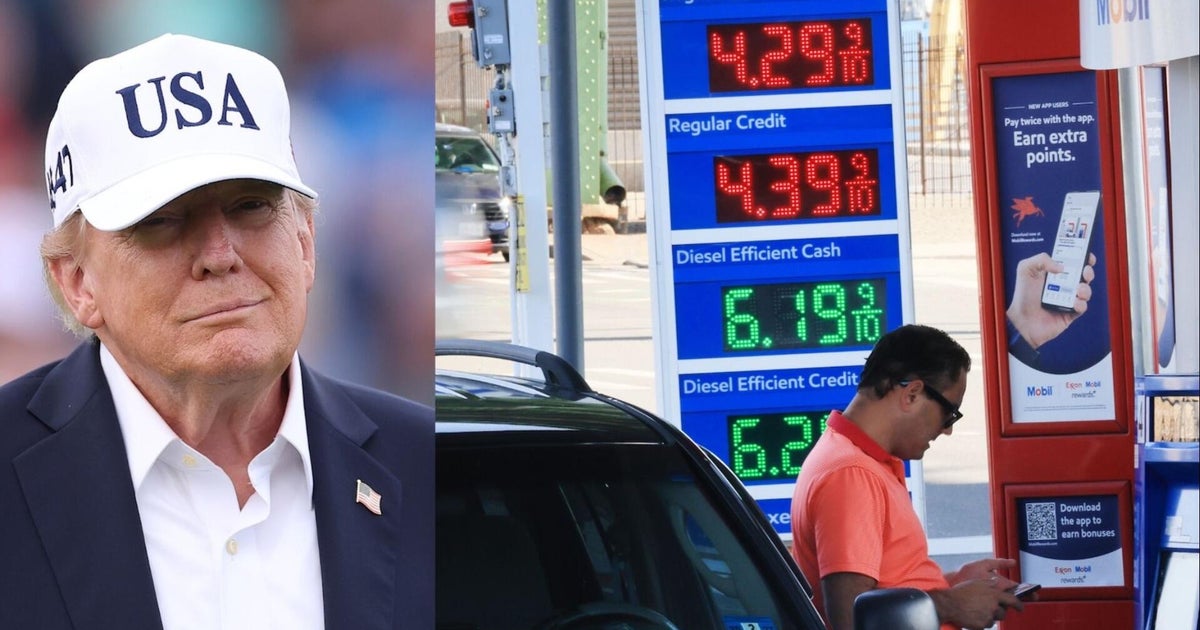
The Trump administration said gas prices would go down, but they have not. Gas prices are still over a dollar higher than last year, even though officials expected inflation to decrease by now.
Key Facts
The Trump administration promised that gas prices would become lower.
Gas prices are currently more than one dollar higher than the same time last year.
Officials also predicted that inflation would be lower by now.
These promises have not been fulfilled as expected.
The report on this issue came from Kelly O'Grady on CBS News.
Read the Original
Want the full story? Tap a source to open the original
article.
Most lawsuits about US baby formula problems are filed in two counties in Illinois. Lawyers choose these places because the courts there are known to be supportive for their cases, even if the scientific evidence is weak.
Key Facts
About 90% of baby formula lawsuits in the US are filed in two counties in Illinois.
Plaintiffs’ lawyers prefer these courts for their friendly attitude.
The lawsuits often lack strong scientific proof.
Lawyers use this strategy to win cases more easily.
The choice of courts affects how these cases move through the legal system.
Read the Original
Want the full story? Tap a source to open the original
article.
A helicopter hovered very close to a cliff in the Sierra Nevada mountains in California to help rescue an injured climber. The rescue team lifted the person from the cliff and took them to an ambulance.
Key Facts
The rescue happened near a cliff in the Sierra Nevada mountains in California.
A helicopter hovered just feet away from the cliff during the rescue.
The person being rescued was injured while climbing.
The rescue team secured the climber before lifting them off the cliff.
After the rescue, the injured climber was transported to an ambulance.
The video footage of this rescue was recently released.
The event took place in the United States, specifically California.
Read the Original
Want the full story? Tap a source to open the original
article.
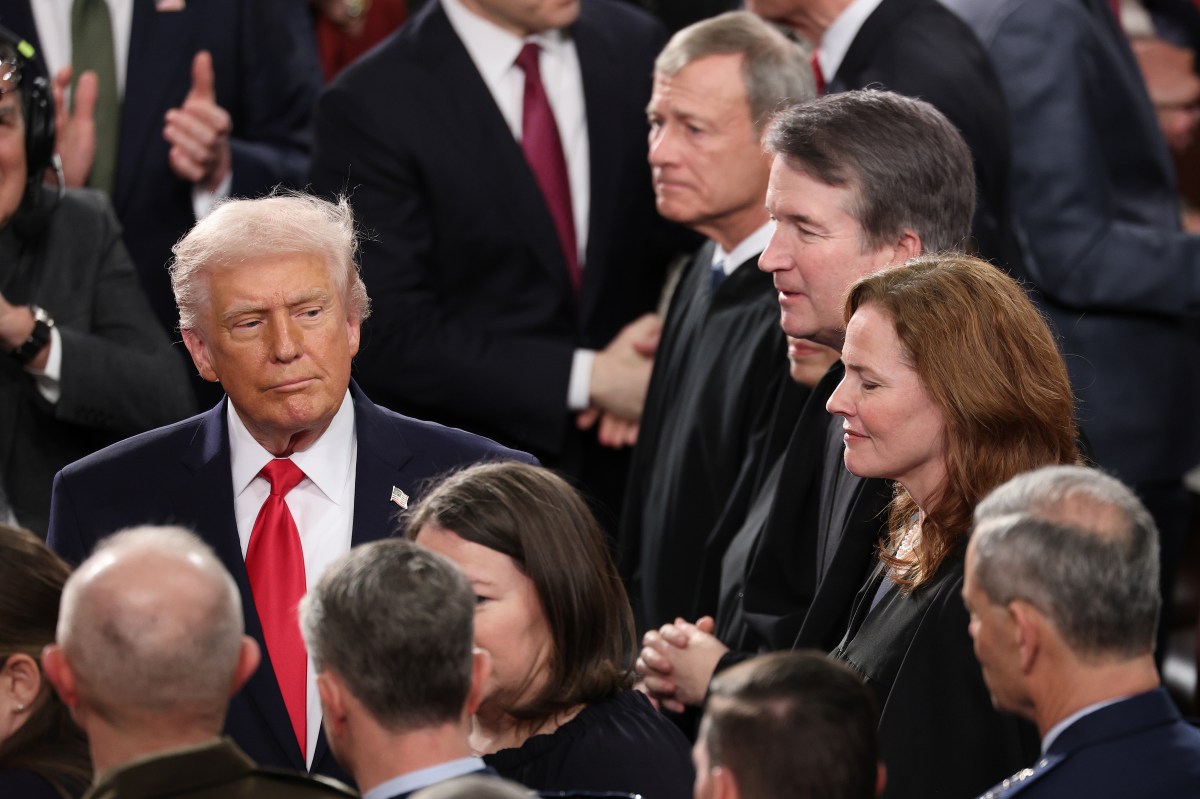
President Donald Trump criticized the Supreme Court for blocking his administration’s rules limiting mail-in voting before the 2026 midterm elections. He expressed disappointment with some justices he appointed and praised two who disagreed with the court’s decision.
Key Facts
The Supreme Court stopped Trump’s administration from enforcing new mail-in voting restrictions.
This decision affects voting rules ahead of the 2026 midterm elections.
President Trump said the ruling harms Republicans.
He claimed the court’s decision makes it easier for Democrats to cheat, a claim experts have rejected.
Trump praised Justices Samuel Alito and Clarence Thomas for dissenting from the ruling.
He criticized other conservative justices, saying they have changed from the people he originally appointed.
Trump shared his comments on his social media platform, Truth Social.
Read the Original
Want the full story? Tap a source to open the original
article.
President Donald Trump criticized the Supreme Court after it rejected his mail-in voting order. He said the justices, including the three he appointed, are not acting as he expected and accused the court of making harmful decisions without providing evidence.
Key Facts
The Supreme Court struck down President Trump’s order about mail-in voting.
President Trump publicly criticized the court on his social media platform, Truth Social.
He claimed the justices he appointed are now controlled by left-leaning influences, but offered no proof.
Trump said the court’s decisions have caused major harm to the country and could cost trillions of dollars.
He expressed that it is difficult for him as president to criticize the court but felt it was necessary.
The article mentions this is breaking news and may be updated later.
Read the Original
Want the full story? Tap a source to open the original
article.
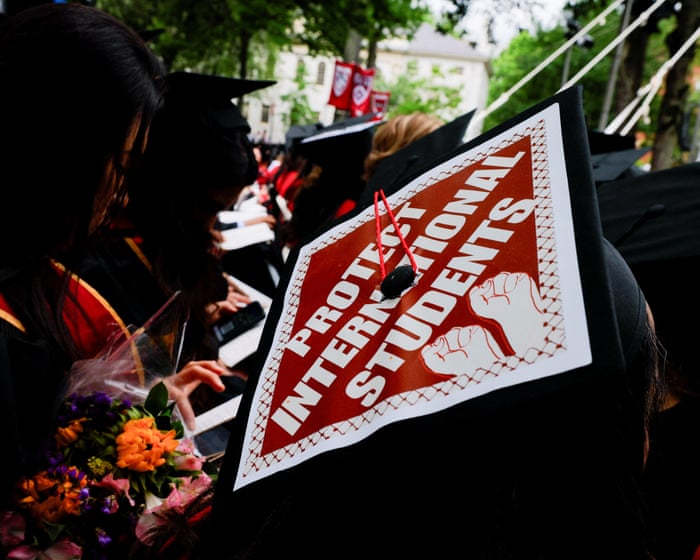
A federal judge blocked the Trump administration’s rule that would limit how long foreign students and journalists can stay in the U.S. The judge said the government did not properly consider the rule’s impact on education and the economy before trying to enforce it.
Key Facts
The rule would limit student (F visas) and exchange visitor (J visas) stays to four years and restrict journalist (I visas) stays to 240 days.
About 1.6 million people hold F visas and 500,000 hold J visas in the U.S.
The judge ruled the Department of Homeland Security (DHS) gave weak reasons for the rule and ignored legal steps to address concerns.
The current system allows students and researchers to stay for the entire length of their programs, which has been in place for nearly 50 years.
The judge said the new rule could cause big losses for universities and harm the U.S. economy.
Major universities like MIT and Harvard have many foreign students, especially in graduate programs.
DHS argued the rule was needed to prevent abuse of visas but the judge disagreed.
The ruling keeps the existing visa system in place while the legal case continues.
Read the Original
Want the full story? Tap a source to open the original
article.
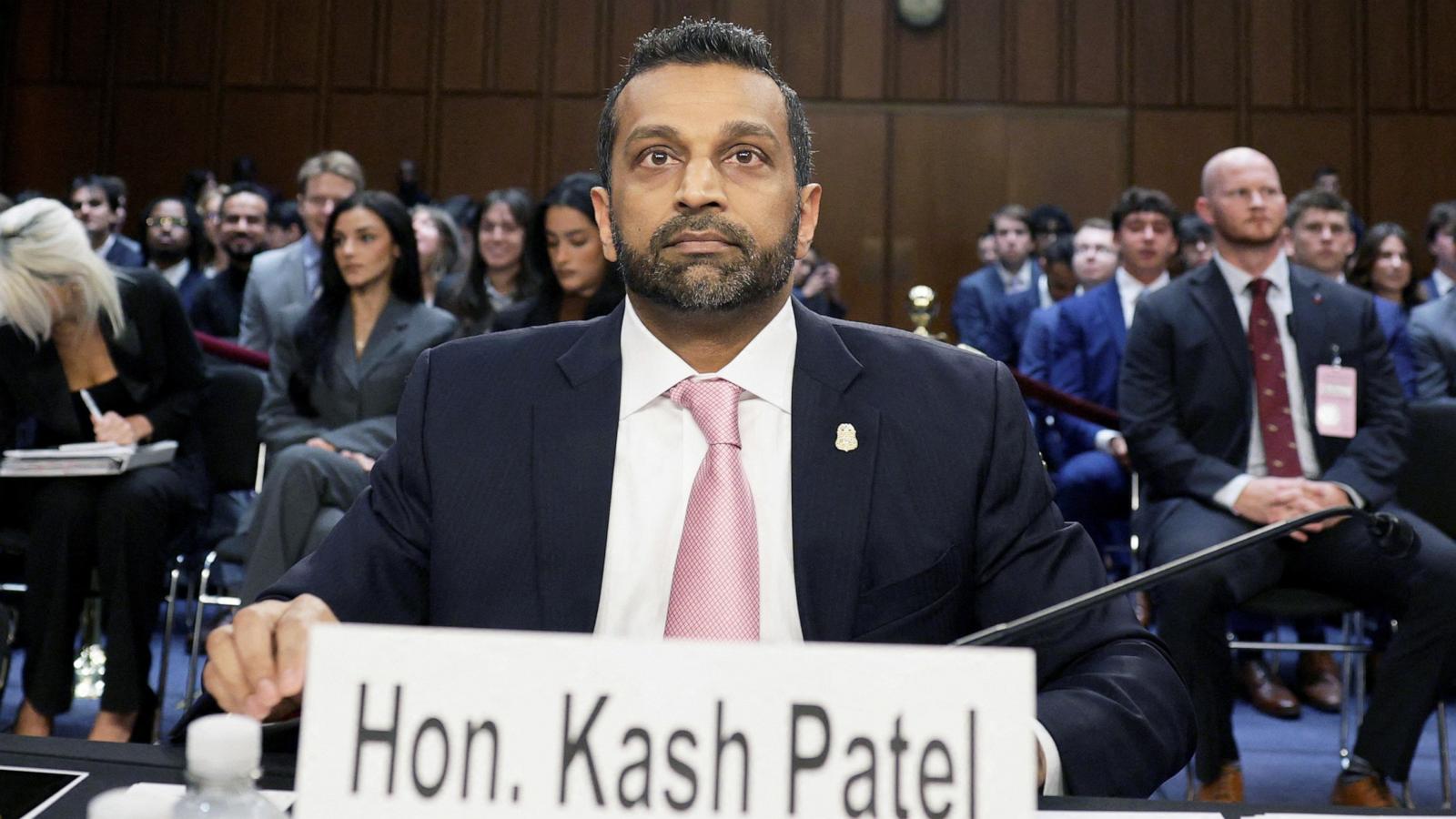
FBI Director Kash Patel testified before the Senate Judiciary Committee about the FBI’s work and his leadership. This is his first testimony since reports questioned his job performance and drinking, which Patel denies and has legally challenged. He highlighted crime reductions and FBI efforts against terrorism during the hearing.
Key Facts
Kash Patel testified before the Senate Judiciary Committee on FBI oversight for the first time since May.
A report in The Atlantic accused Patel of excessive drinking and poor job performance, which Patel denies.
Senator Dick Durbin said Patel lacks the qualifications to lead the FBI and should be replaced.
Patel has sued The Atlantic for $250 million over the report.
Patel said the FBI has seen a 9.3% drop in violent crime from 2024 to 2025.
He also shared that arrests of violent criminals and gang members have increased significantly.
Patel talked about FBI efforts to prevent terrorism and improve communication with other law enforcement agencies.
His leadership has faced scrutiny over use of FBI resources and handling of sensitive investigations.
Read the Original
Want the full story? Tap a source to open the original
article.
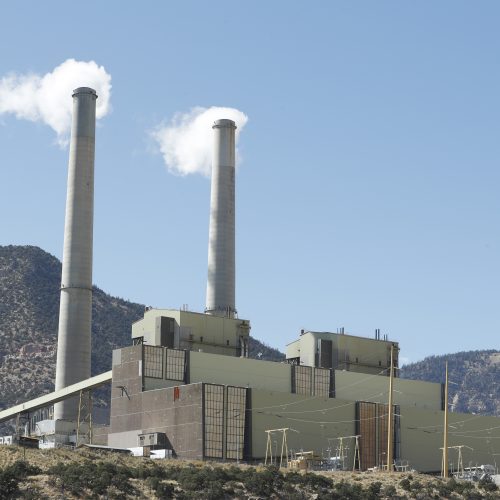
The Environmental Protection Agency (EPA) under President Donald Trump has canceled most rules from the Biden administration that limited climate pollution from power plants. The EPA argues that these emissions do not significantly affect climate change and is removing regulations on greenhouse gases from power plants.
Key Facts
Power plants are the second-largest source of greenhouse gas emissions in the U.S.
The EPA's 2024 Carbon Pollution Standards, created under President Biden, set limits on pollution from power plants.
The Trump administration claims the EPA’s authority under the Clean Air Act does not allow it to require certain pollution controls.
The EPA plans to revoke all rules on greenhouse gas emissions from power plants.
A 2007 Supreme Court decision said greenhouse gases are air pollutants regulated under the Clean Air Act.
The EPA made an official finding in 2009 that greenhouse gases harm health and the environment, supporting regulation.
The Trump administration reversed this "endangerment finding," arguing climate pollution does not harm health or welfare.
Environmental experts expect this action will face legal challenges based on established climate science.
Read the Original
Want the full story? Tap a source to open the original
article.
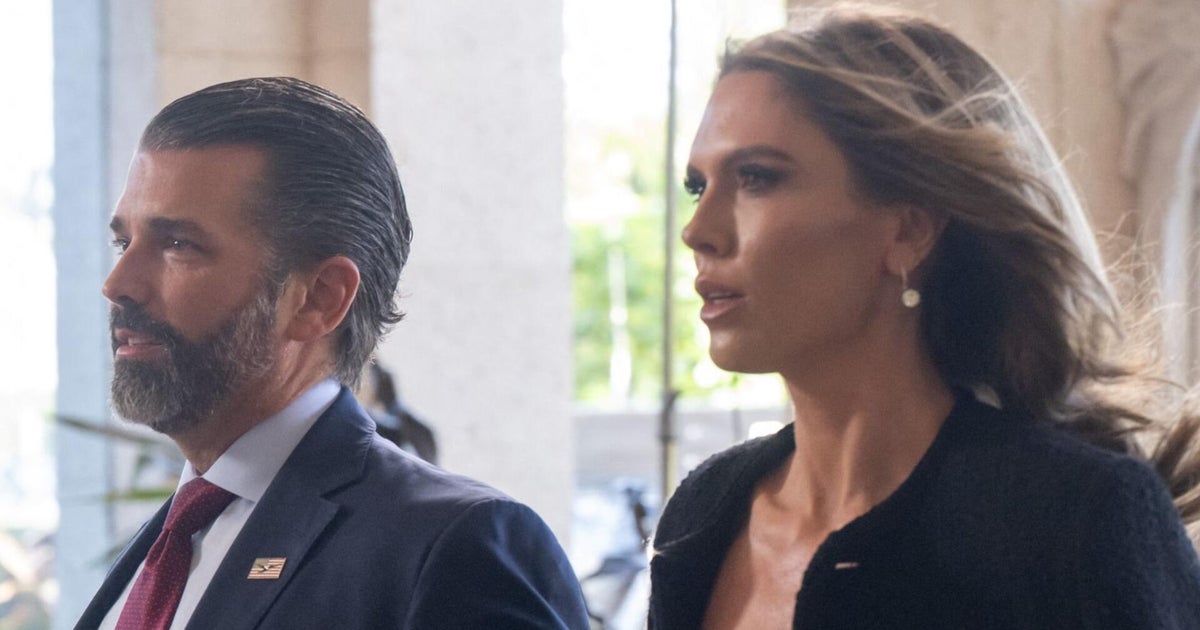
Bettina Anderson, wife of Donald Trump Jr., said that a Russian billionaire connected to President Vladimir Putin helped host some events after their wedding. This information was reported by CBS News.
Key Facts
Bettina Anderson is married to Donald Trump Jr., the son of President Donald Trump.
A Russian oligarch linked to Vladimir Putin took part in hosting some post-wedding celebrations for the couple.
The involvement of the Russian oligarch was confirmed by Bettina Anderson.
The report comes from CBS News and was shared on their app and website.
The exact nature or details of the festivities were not explained in the report.
This news highlights a connection between the Trump family and Russian figures.
The Russian oligarch’s identity was not named in the article excerpt.
Read the Original
Want the full story? Tap a source to open the original
article.
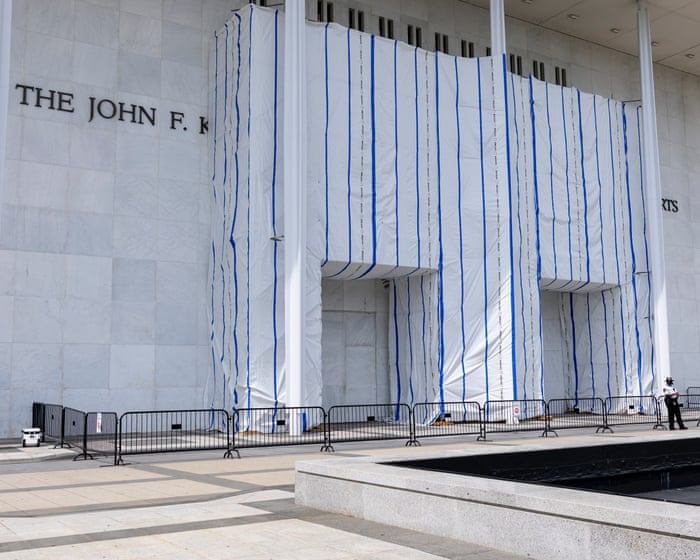
The Kennedy Center’s board, appointed by President Donald Trump, plans to vote on closing its main building due to safety problems. This decision follows a paused vote about restoring President Trump’s name to the building after a court ruled only Congress can rename it.
Key Facts
The Kennedy Center board will vote on closing the main building because of structural safety concerns.
The planned vote to restore President Trump’s name on the building was paused.
A court ruled in May that only Congress can rename the Kennedy Center and ordered Trump’s name removed.
The board claims the building is unsafe, but opponents say safety experts have not confirmed this.
Legal disputes continue between board members and critics over the center’s management and finances.
President Trump became chair of the Kennedy Center’s board in February 2025 and fired the previous board and president.
The center’s leadership claims past management falsified financial information, a claim denied by former leaders.
US Commerce Secretary Howard Lutnick posted a video showing damage inside the center and supported a renovation led by President Trump.
Read the Original
Want the full story? Tap a source to open the original
article.
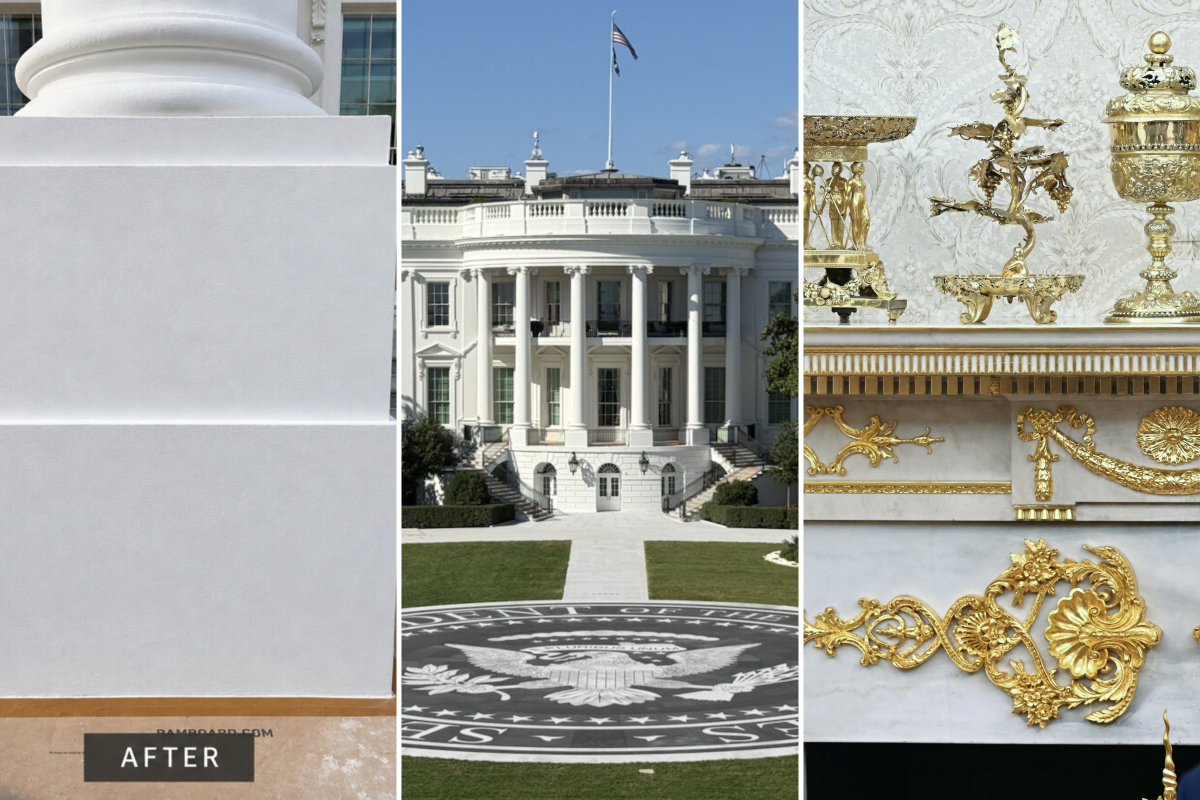
Since returning to office in 2025, President Donald Trump has started several renovation and construction projects at the White House and nearby landmarks in Washington, D.C. These projects include a new helipad on the South Lawn, restoration of the North Portico columns, a large new ballroom with a bunker, and a proposed triumphal arch.
Key Facts
In May 2026, plans were made to build a helipad on the White House South Lawn to prevent damage from Marine One helicopter landings.
The new helipad is decorated with a black-and-white Presidential Seal and granite ring with the words "Seal of the President of the United States."
The North Portico columns at the White House underwent stone restoration, with the president saying they are now in better condition than when built in 1792.
A 90,000-square-foot expansion is underway to replace the East Wing with a new ballroom designed for large events and state dinners.
The ballroom project includes a military bunker underneath and has drawn criticism and legal challenges from preservationists and historians.
President Trump announced the ballroom is on budget and ahead of schedule, claiming it will be free of charge to taxpayers.
A 250-foot triumphal arch is proposed to be built at Memorial Circle near Arlington Memorial Bridge as part of Trump's White House overhaul efforts.
These renovations and projects aim to reshape parts of the White House and surrounding Washington, D.C. landmarks.
Read the Original
Want the full story? Tap a source to open the original
article.
The Republican convention focused heavily on warning about Democrats, but it did not address the main concerns most voters have right now. Voters are more interested in issues like prices and the economy than the topics emphasized at the convention.
Key Facts
The Republicans spent much of their convention criticizing Democrats as radical communists.
The convention was held in Dallas.
The topics discussed did not match what most voters currently care about.
Many voters are more focused on economic issues like the cost of living.
The midterm elections will likely center on prices and economic concerns rather than the issues raised at the convention.
Read the Original
Want the full story? Tap a source to open the original
article.