President Donald Trump’s administration added new sanctions on VTB, a major Russian bank, because of its connections with Iran. These new penalties build on earlier sanctions related to Russia’s invasion of Ukraine.
Key Facts
The Trump administration targeted VTB bank, one of Russia’s largest financial institutions.
New sanctions were added due to VTB’s ties with Iran.
These sanctions come on top of previous ones tied to Russia’s invasion of Ukraine.
The U.S. Treasury Department is leading this effort.
The sanctions are part of a campaign called “Operation Economic Outcast.”
This sanctions campaign started in August.
Read the Original
Want the full story? Tap a source to open the original
article.
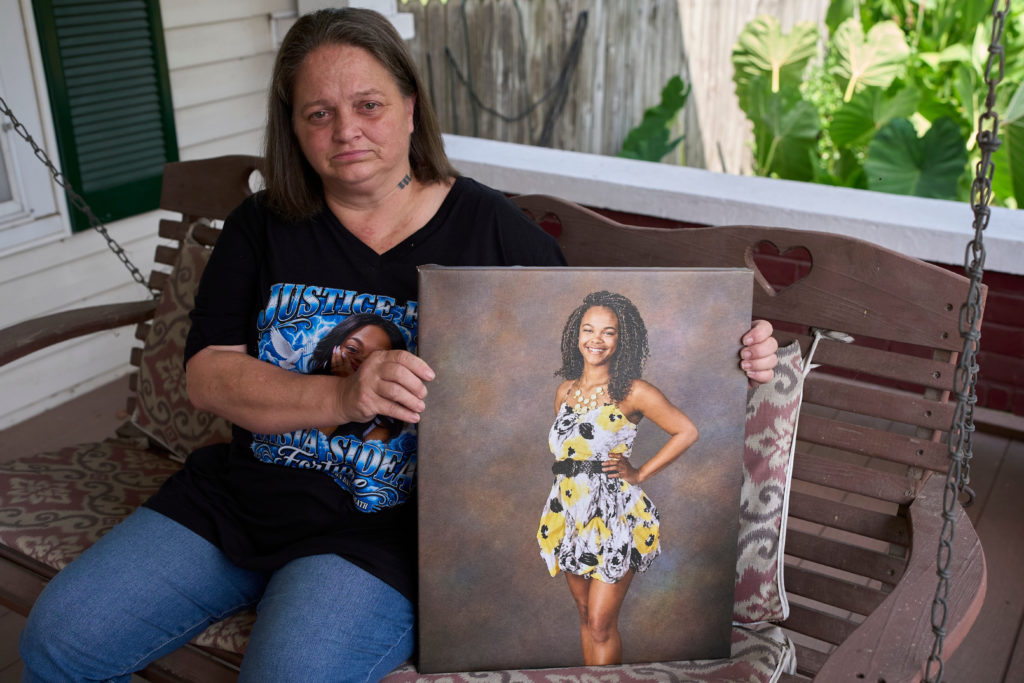
A man named Jarques Ratliff pleaded not guilty to murder in the hanging death of Tasia Fortune, a Black woman found dead in Jackson, Mississippi. Ratliff was arrested after the medical examiner ruled Fortune’s death a homicide, and the case is under investigation with more arrests expected.
Key Facts
Tasia Fortune, 29, was found hanging from a tree behind an abandoned home in Jackson, Mississippi, on August 3.
Jarques Ratliff, 51, was arrested and charged with her murder after the death was ruled a homicide.
Ratliff pleaded not guilty during his first court hearing and was denied bond.
Police said Ratliff had some type of “association” with Fortune but did not give details or a possible motive.
Fortune had four children and had experienced homelessness recently while trying to improve her life.
The death reminded people of past racially motivated lynchings in Mississippi’s history.
Other nearby hanging deaths in Mississippi were ruled suicides, not homicides.
Police expect to make more arrests related to this case.
Read the Original
Want the full story? Tap a source to open the original
article.
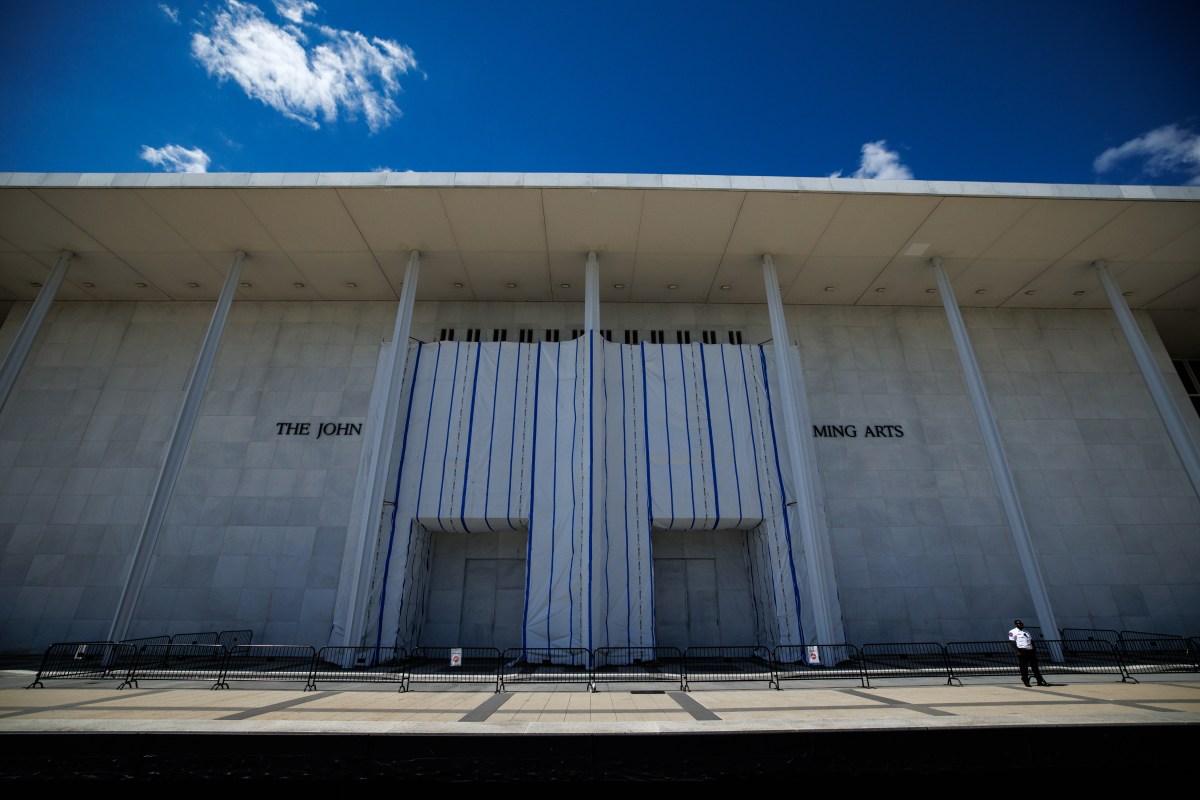
The Kennedy Center is facing financial trouble and may close soon without help. The board is considering options to add President Donald Trump’s name to the building to recognize his role in fundraising and renovations, which might help raise more money.
Key Facts
The Kennedy Center’s board says it might run out of money soon and risk closing.
President Trump has offered to raise funds to save the center but wants recognition for his support.
A federal judge previously ordered that Trump’s name be removed from the center’s name.
The board is now considering 10 new ways to display Trump’s name as thanks for his role in renovation and fundraising.
Proposed texts emphasize Trump’s “renovation, restoration, and endowment” work without officially renaming the center.
Some proposals include calling the area around the center “President Donald J. Trump Plaza.”
The board sees these changes as recognition, not a formal name change.
The center also faces serious building issues that need major repairs.
Read the Original
Want the full story? Tap a source to open the original
article.
The Department of Homeland Security’s watchdog found serious problems at a now-closed Florida immigrant detention center called "Alligator Alcatraz." The report highlights overcrowding, poor conditions, and unclear responsibility between federal and state agencies, raising concerns that similar issues could occur at other detention sites.
Key Facts
The DHS Office of Inspector General inspected "Alligator Alcatraz" in January 2026 and found severe overcrowding, with detainees given much less space than required.
Immigrants were sometimes held in small metal cages about the size of a phone booth for up to two hours at a time.
The facility was located in the Everglades and was operated by Florida on behalf of ICE (Immigration and Customs Enforcement).
Inspectors described the conditions as exposing detainees to heat, insects, and other harsh elements.
Federal and state agencies disagreed about who was responsible for overseeing the site and which standards applied.
DHS said all detainee facilities meet federal standards and denied allegations of inhumane treatment.
The center closed earlier in the summer of 2026, but similar problems may occur at another site called "Deportation Depot."
A lawsuit challenges Florida’s use of agreements giving the state control over immigration detainees, related to the functioning of these facilities.
Read the Original
Want the full story? Tap a source to open the original
article.
Vice President Vance confirmed that he called U.S. military leaders in different regions to ask their views on the Iran war. He mentioned trusting officials Pete and Dan Caine but said he found a recent newspaper story about the calls strange.
Key Facts
Vice President Vance made phone calls to U.S. military commanders.
The calls were to generals and admirals in the Middle East, Asia, and Europe.
The purpose was to get their assessments on the Iran war.
Vance commented on a New York Times story reporting these calls.
He said he trusts Pete and Dan Caine, two officials involved.
Vance described the newspaper story as “very weird.”
The calls are related to current U.S. foreign policy discussions.
Read the Original
Want the full story? Tap a source to open the original
article.
Steak ‘n Shake has endorsed Senator Jon Husted in the Ohio Senate race. The company supports Husted because he backs the Make America Healthy Again (MAHA) campaign, which aligns with President Donald Trump’s health policies.
Key Facts
Steak ‘n Shake is a fast food company.
The company chose to support Senator Jon Husted, a Republican from Ohio.
The Ohio Senate race is considered a competitive or “toss-up” election.
Husted supports the Make America Healthy Again (MAHA) movement.
MAHA promotes health policies supported by President Donald Trump.
Steak ‘n Shake says its endorsement is based on shared health goals.
Read the Original
Want the full story? Tap a source to open the original
article.
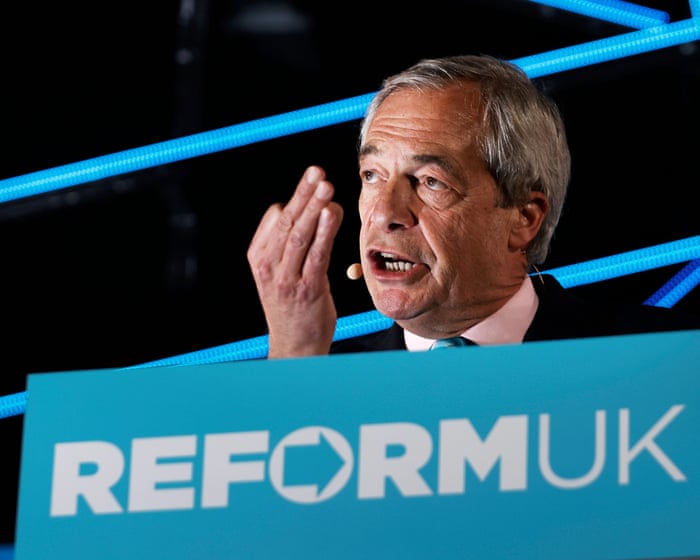
The UK government plans to change political donation rules to include stricter residency requirements for donors, which may affect a £72 million donation to Nigel Farage’s Reform party by two billionaires who recently moved back to the UK. The changes aim to ensure donors have a genuine, ongoing connection to the UK, potentially delaying or blocking large donations from those who have not lived in the country long enough.
Key Facts
The UK government will introduce amendments to political donation laws in the House of Lords to strengthen residency rules for donors.
Nigel Farage’s Reform party received pledges of £72 million from two cryptocurrency billionaires, Ben Delo and Christopher Harborne.
Both billionaires had lived overseas but have recently returned to the UK to meet current donation rules.
New rules may require donors to prove residency in the UK for a longer period, possibly delaying Reform’s ability to accept the donations until 2028.
The current law limits donations from expatriates to £100,000 and includes a 12-month rule after returning to the UK.
Labour party officials criticized the size and source of these donations compared to traditional union funding for Labour.
The government claims the residency changes were planned before these donations were announced.
Reform says their donations comply with current laws as they stand today.
Read the Original
Want the full story? Tap a source to open the original
article.
The Kennedy Center has warned it may have to close as soon as Tuesday if President Donald Trump’s name is not added to its building. The institution says it is facing bankruptcy without this change.
Key Facts
The Kennedy Center is a performing arts venue in Washington, D.C.
Officials say the center could close very soon if President Trump’s name is not included on the building.
The center is currently facing a financial crisis that might lead to bankruptcy.
The timeline given for potential closure is as early as Tuesday.
The issue centers around adding President Trump’s name to the center, though details on the reason were not provided.
The Kennedy Center is considered an important cultural institution in the U.S.
This situation involves government or political decisions tied to the center’s future.
Read the Original
Want the full story? Tap a source to open the original
article.
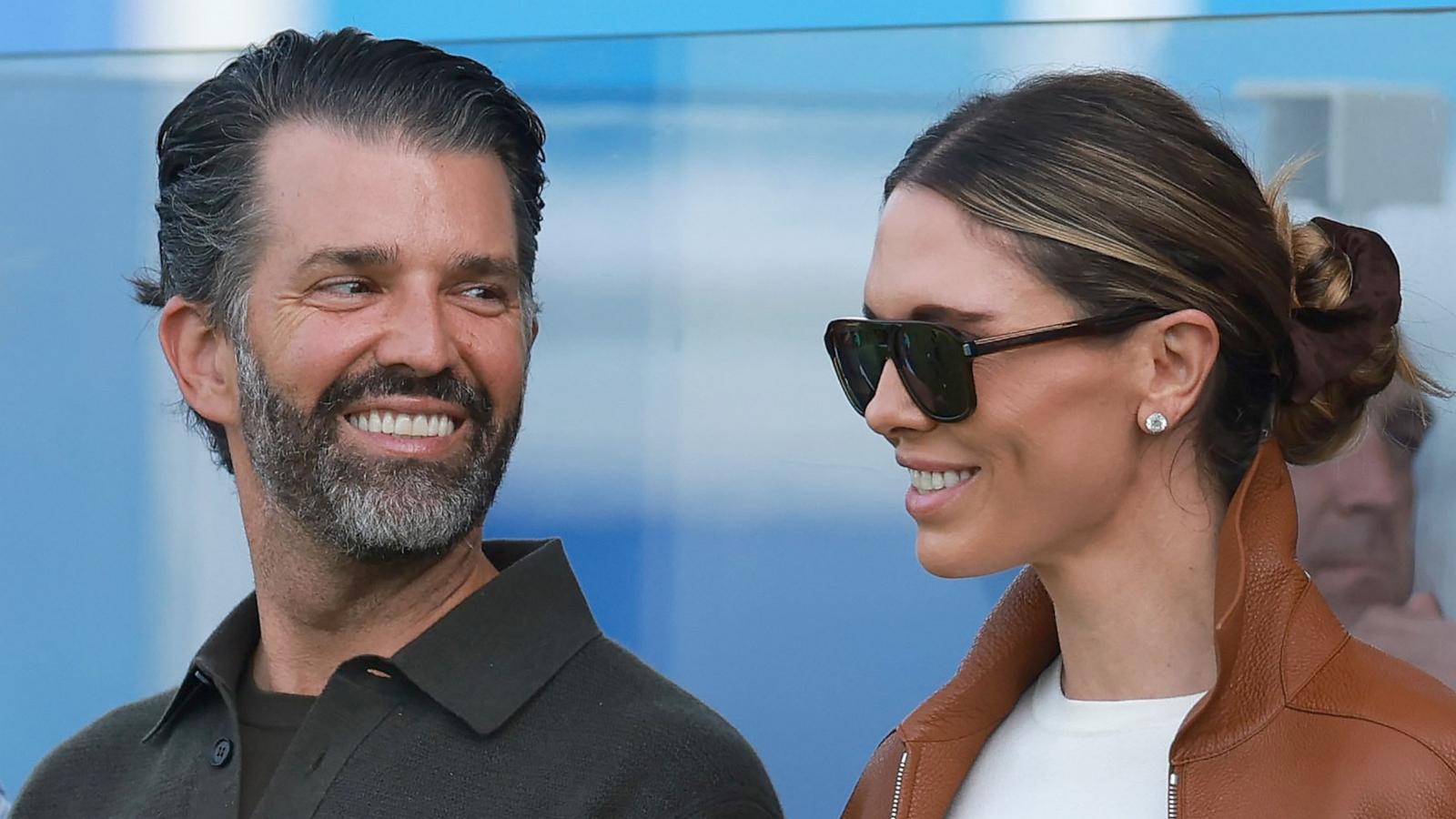
A Russian oligarch named Umar Kremlev, who is connected to President Vladimir Putin, paid for several events during Donald Trump Jr.’s wedding celebration in the Bahamas earlier this year. The bride, Bettina Anderson, confirmed the payment was a generous gift from a friend and said there was no conspiracy behind it.
Key Facts
Donald Trump Jr. got married to Bettina Anderson in May 2026 on a private island in the Bahamas.
Umar Kremlev, a Russian oligarch and president of the International Boxing Association, paid for parts of the wedding celebrations.
Kremlev covered costs such as renting the private island and a fireworks show.
Anderson described the payment as a "generous wedding gift from a friend" and denied any political or suspicious motives.
Kremlev is closely linked to Russian President Vladimir Putin and has received a state honor from him.
The wedding ceremony itself was attended only by family, while the paid-for celebrations took place afterward.
The White House and Trump Jr.’s representatives did not dispute the payments but emphasized the personal nature of the celebrations.
U.S. national security reports say the Russian government, under Putin, interfered in U.S. elections in the past.
Read the Original
Want the full story? Tap a source to open the original
article.
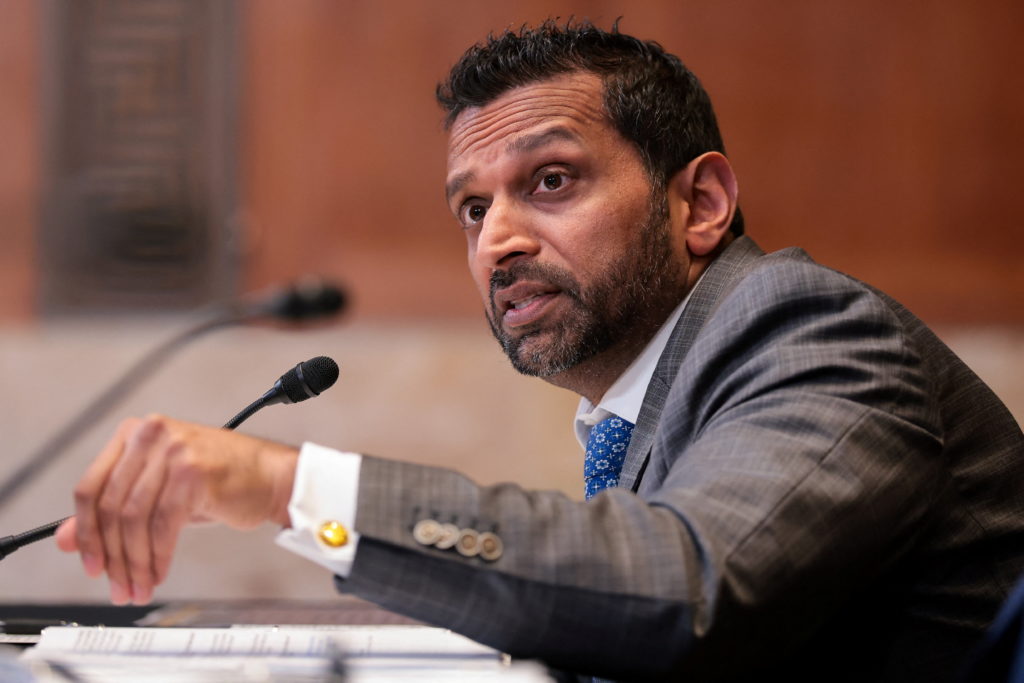
FBI Director Kash Patel is scheduled to testify before the Senate Judiciary Committee on September 15 at 9 a.m. EDT. The hearing will review FBI oversight during Patel's leadership, which has faced criticism and tough questioning in the past.
Key Facts
FBI Director Kash Patel will testify before the Senate Judiciary Committee.
The hearing is planned for September 15 at 9 a.m. EDT.
The session will focus on oversight of the FBI.
Patel has faced critical reports about his conduct while leading the FBI.
Previous Senate panels have questioned Patel seriously about these concerns.
The hearing will be broadcast live for public viewing.
Read the Original
Want the full story? Tap a source to open the original
article.
Robert F. Kennedy Jr., now the head of the U.S. Health and Human Services agency, will give the main speech at a conference organized by Children’s Health Defense, a group he co-founded. The group is known for opposing vaccines.
Key Facts
Robert F. Kennedy Jr. is the current Secretary of Health and Human Services.
He co-founded and led Children’s Health Defense before joining the government.
Children’s Health Defense is known for its anti-vaccine position.
Kennedy will deliver the keynote speech at a Children’s Health Defense conference in Washington, D.C.
He has been trying to distance himself from some positions of the group since taking the government role.
The conference focuses on children’s health issues linked to the organization’s mission.
Read the Original
Want the full story? Tap a source to open the original
article.
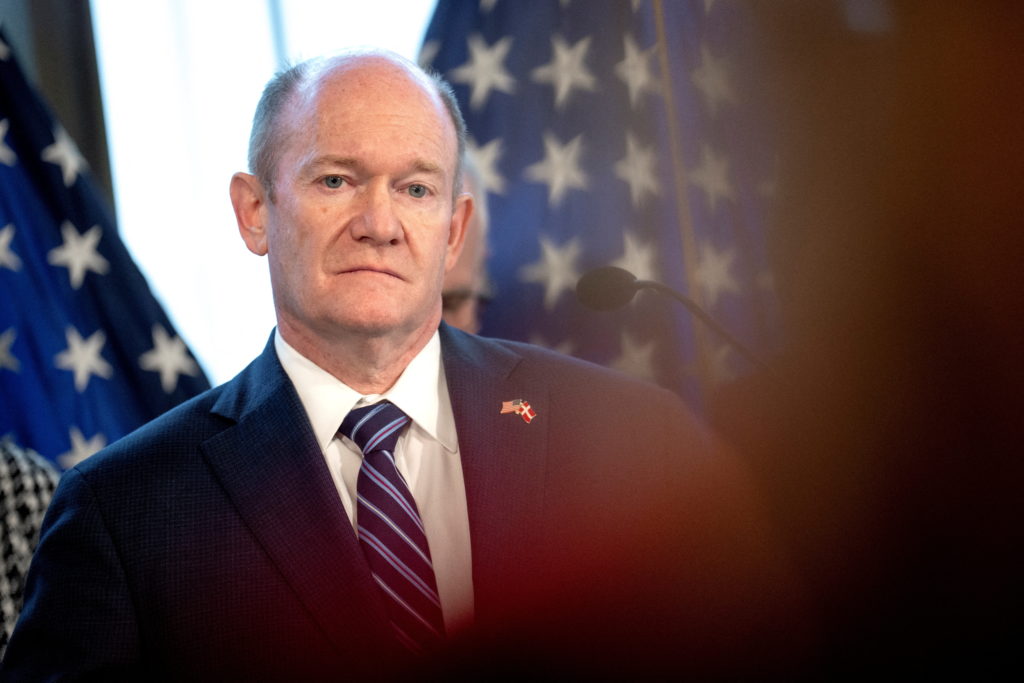
Delaware held primary elections to choose candidates for U.S. Senate, U.S. House, state attorney general, state Legislature, and state treasurer. Democratic Sen. Chris Coons is running for a third term and faces three challengers in the primary.
Key Facts
Delaware held primaries on Tuesday to select candidates for several key offices.
Voters chose nominees for U.S. Senate, U.S. House, state attorney general, state Legislature, and state treasurer.
The November general election will follow, with Republicans trying to win statewide offices in Delaware.
Midterm elections often result in losses for the party of the current president.
Democratic Senator Chris Coons seeks a third full term in the Senate.
Coons’ primary opponents include Jeff Appelhans, Mary Louve, and Eric Hansen.
Eric Hansen was the 2024 Republican Senate nominee but is now running as a Democrat under the name "E. No-Trump Hansen."
This primary is the last one before the November general election.
Read the Original
Want the full story? Tap a source to open the original
article.
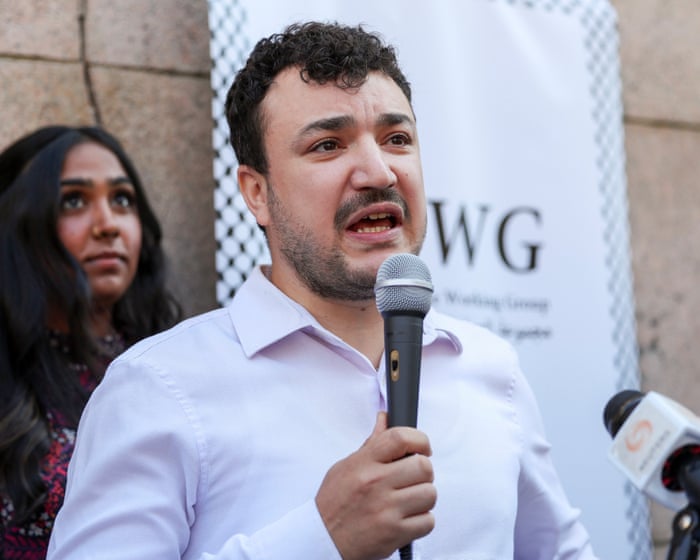
Mahmoud Khalil, a Palestinian graduate student at Columbia University, has sued the school for years of ignoring anti-Palestinian harassment and discrimination. Khalil was detained by federal immigration agents in 2025 due to his pro-Palestinian activism, and he continues to fight attempts to deport him while accusing Columbia of failing to protect Palestinian students.
Key Facts
Mahmoud Khalil is a US green card holder and graduate student at Columbia’s School of International and Public Affairs.
He was arrested in March 2025 by federal immigration agents because of his pro-Palestinian advocacy.
Khalil and others say Columbia ignored ongoing harassment and discrimination against Palestinian students.
Columbia's board and the school dean are accused of being indifferent to serious, repeated attacks on Palestinian students.
Khalil missed his son’s birth while detained and has filed multiple lawsuits against Columbia and the Trump administration.
Students at Columbia began pro-Palestinian protests in 2024, inspiring similar protests nationwide.
The Trump administration has investigated universities like Columbia over accusations related to Israel and campus protests.
Columbia says it is committed to stopping discrimination and dealing with complaints quickly but declined further comment on the lawsuit.
Read the Original
Want the full story? Tap a source to open the original
article.
President Donald Trump said that calls for more government control over artificial intelligence (AI) are part of a conspiracy that benefits China. He argued that his administration is already managing AI risks and that the U.S. only needs strong leadership to oversee AI development.
Key Facts
President Trump called warnings about AI risks a “SICK conspiracy” benefiting China.
He claimed his administration has stopped AI companies from doing harmful things.
Trump dismissed calls from tech leaders and lawmakers to slow down AI progress.
Anthropic CEO Dario Amodei suggested slowing AI development to create safety rules.
Other tech leaders, like Elon Musk and OpenAI CEO Sam Altman, support slowing AI progress.
A former Anthropic researcher said AI technology could surpass human control soon.
Anthropic blocked its AI model from being used for harmful activities like weapon design.
Concerns about AI risks caused major AI company stocks to drop, including a delayed OpenAI stock listing.
Read the Original
Want the full story? Tap a source to open the original
article.
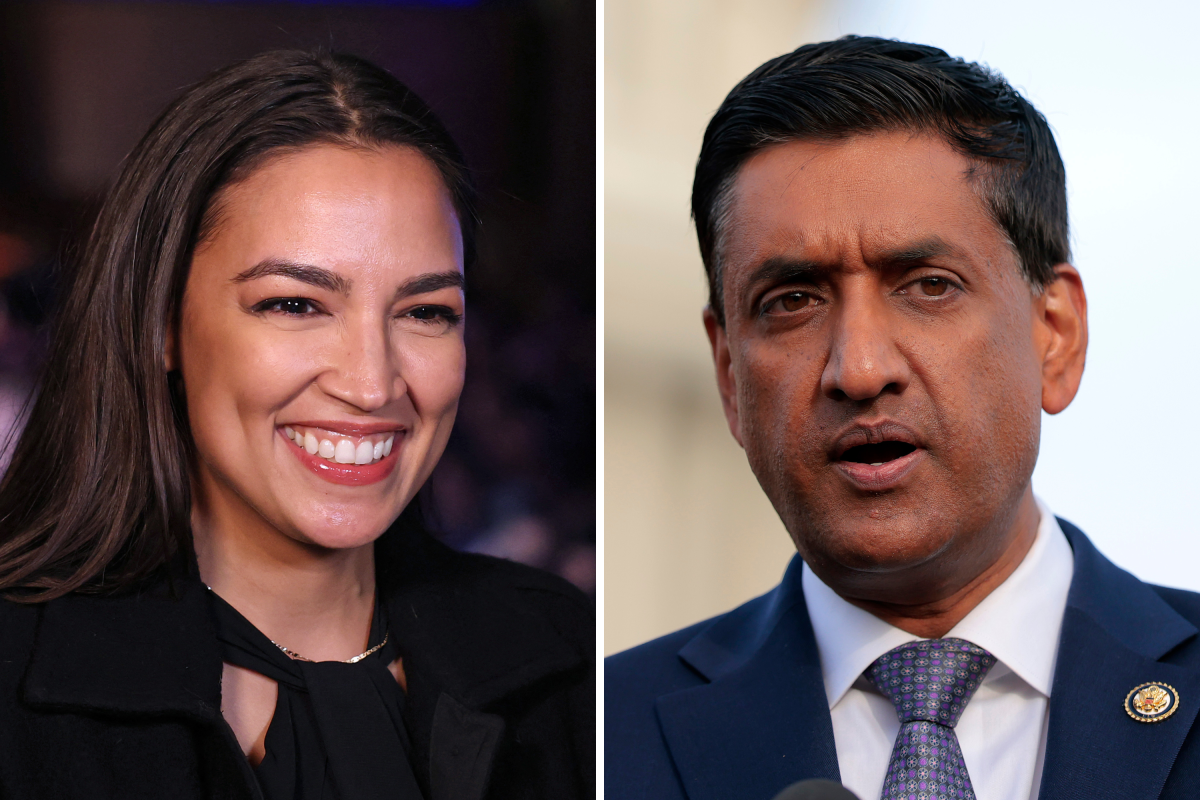
Progressive groups are encouraging Representatives Alexandria Ocasio-Cortez and Ro Khanna to run in the 2028 Democratic presidential primary. Early polls show Kamala Harris leading, with Ocasio-Cortez polling around 10-11 percent and Khanna at about 1 percent.
Key Facts
Two progressive organizations, RootsAction and Progressive Democrats of America, started a campaign urging AOC and Khanna to run for president in 2028.
These groups believe having a progressive leader is important for the Democratic ticket.
Ocasio-Cortez has said her focus is on long-term policy changes rather than the presidency itself.
Ro Khanna has said he is seriously considering a 2028 run.
Early polling shows Kamala Harris leading with about 18 to 31 percent support among potential Democratic primary voters.
Ocasio-Cortez polls at 10-11 percent, and Ro Khanna at about 1 percent in recent surveys.
Other candidates polling well include Pete Buttigieg, Gavin Newsom, Jon Ossoff, Mark Kelly, and Josh Shapiro.
Candidates are starting to visit important states to build recognition and support ahead of the 2028 race.
Read the Original
Want the full story? Tap a source to open the original
article.
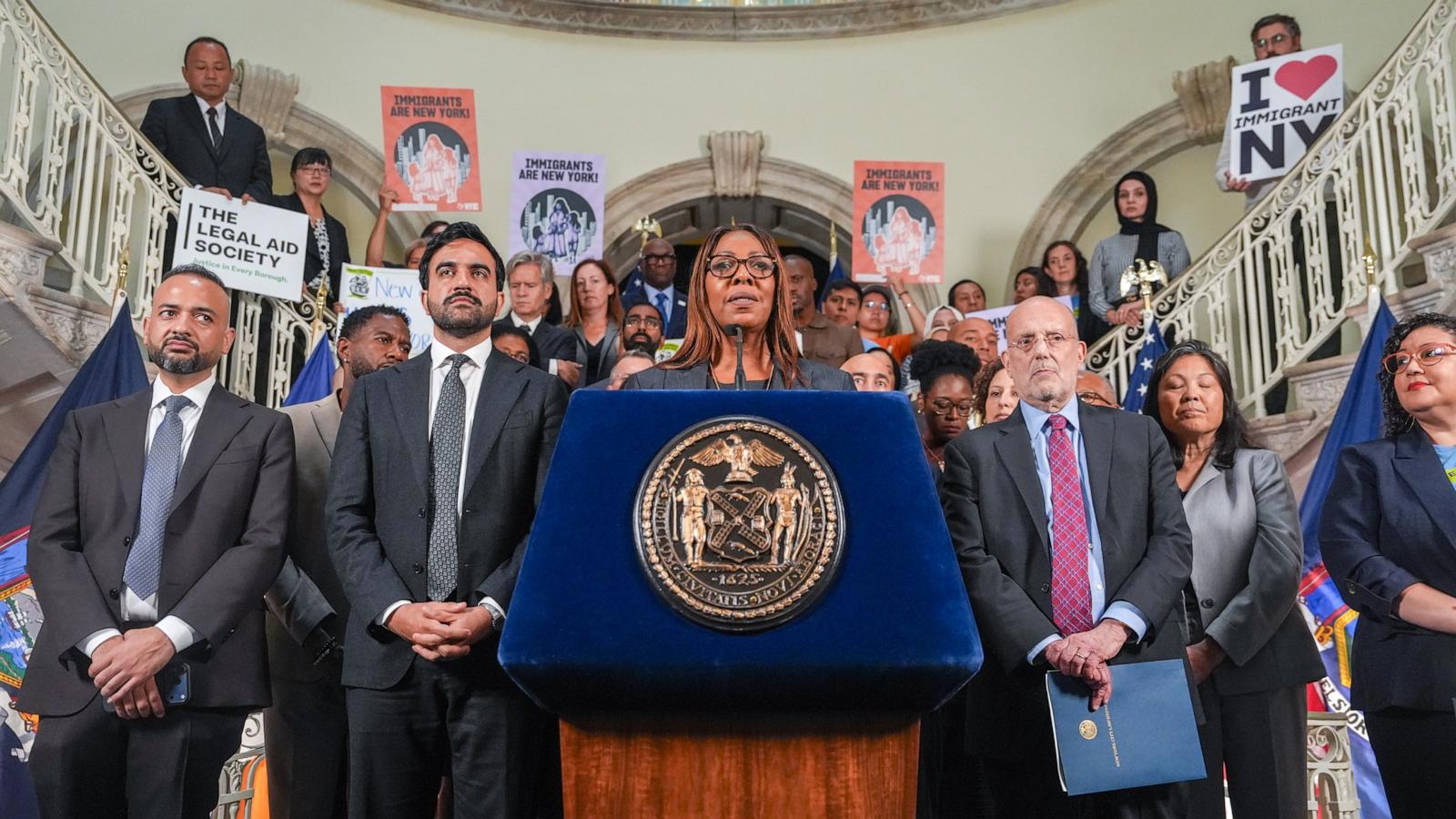
New York City Mayor Zohran Mamdani and 21 states have sued President Donald Trump's administration over a new rule that expands the reasons immigration officers can deny green cards. The rule allows officials to deny green cards to people who might use certain public benefits, including food and health programs, even temporarily.
Key Facts
The lawsuit challenges a new rule that will start soon, giving immigration officers more power to deny green cards.
The rule expands public charge criteria to include non-cash benefits like SNAP (food stamps) and WIC (nutrition assistance).
Under this rule, someone could be denied a green card if they might need these benefits at any point.
Opponents say it might stop families from using important public services like free school lunches.
The lawsuit argues the rule could increase homelessness, untreated health problems, and food insecurity.
Some groups are excluded from the rule, including asylum seekers, refugees, and trafficking victims.
President Trump’s administration says some states fear losing federal money if immigrants stop using benefits.
The case was filed in a New York federal court by Democratic-led cities and states.
Read the Original
Want the full story? Tap a source to open the original
article.
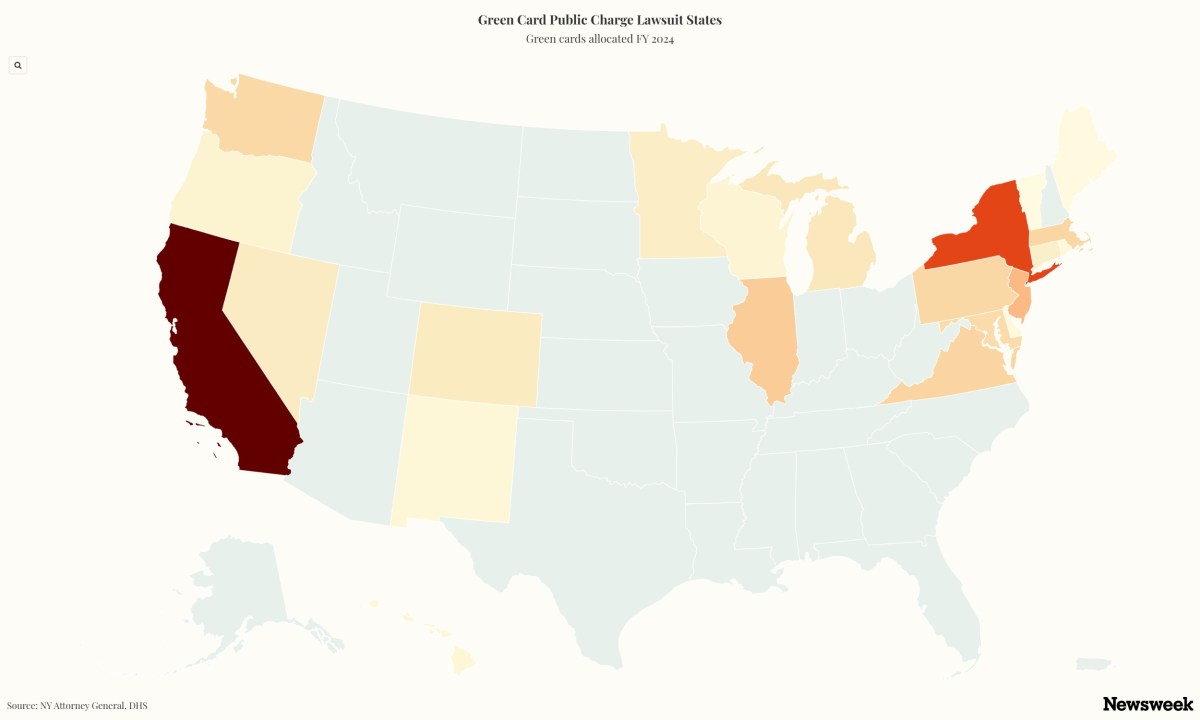
Twenty-two states and the District of Columbia are suing the Department of Homeland Security over a new rule under President Donald Trump’s administration that changes how green card applications are evaluated. The rule allows officials to consider more financial information and public benefit use when deciding if an immigrant can get permanent residency.
Key Facts
The lawsuit is filed by mostly Democrat-led states including New York, California, and Wisconsin, plus D.C.
The new rule will take effect soon and reverses a 2022 policy that limited what public benefits could be used against green card applicants.
The rule lets immigration officers look at an applicant’s financial history and use of government assistance to decide if they might rely on public benefits later.
States argue this rule could scare immigrants from using healthcare, food aid, and other support programs.
The states say the federal government made the change without Congress's approval.
The rule could negatively affect mixed-status families where some members are citizens and others are not.
DHS defends the rule by saying the states want to keep "defrauding" taxpayers and that the rule stops immigrants from abusing welfare programs.
Read the Original
Want the full story? Tap a source to open the original
article.
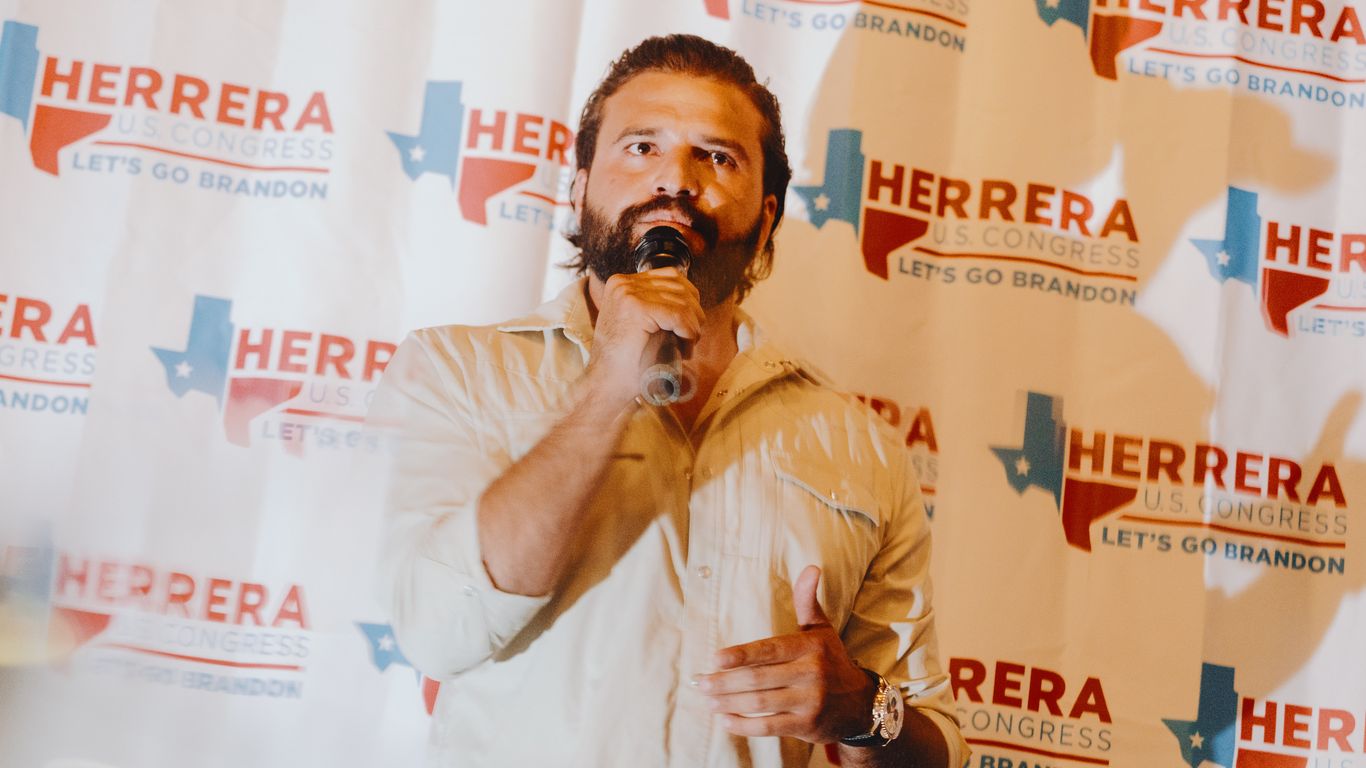
Two Texas Republican nominees face criticism over racist and vulgar remarks they made online. Some Republican leaders have condemned the comments, while others continue to support the candidates despite the controversy.
Key Facts
Brandon Herrera, a Republican candidate and YouTuber, made vulgar and offensive comments online, including crude language about a political activist.
House Speaker Mike Johnson called Herrera’s language "detestable" but praised his campaign and said Herrera is now a serious candidate.
Bo French, another Texas GOP nominee, posted racist remarks about students of color celebrating at a university event, causing backlash.
Senator John Cornyn and Representative Dan Crenshaw criticized French’s racist posts, urging other Republicans to condemn such behavior.
Texas Governor Greg Abbott did not directly condemn French’s remarks but rejected the message and emphasized support for visa restrictions.
French has not deleted his controversial posts and has continued to defend his statements.
Past controversies involving social media posts have impacted other Republican candidates’ campaigns in Texas, showing online behavior is closely scrutinized.
President Donald Trump initially endorsed former Rep. Tony Gonzales but later supported Herrera after Gonzales resigned amid a personal scandal.
Read the Original
Want the full story? Tap a source to open the original
article.
President Donald Trump expressed support for Flock cameras, a type of surveillance technology used by law enforcement. He mentioned that many police officers find these cameras helpful and responded positively when asked about backing them.
Key Facts
President Trump spoke about Flock cameras during a conversation on Air Force One.
Flock cameras are surveillance tools used by law enforcement.
Many police officials say these cameras help their work.
Trump showed a positive attitude toward supporting these cameras.
The cameras use artificial intelligence (AI) technology to assist with law enforcement.
Read the Original
Want the full story? Tap a source to open the original
article.
The Environmental Protection Agency (EPA) may repeal a Biden-era rule that limits greenhouse gas emissions from coal and natural gas power plants. This change would impact states with many coal plants, while the EPA and fossil fuel supporters say it could lower costs and boost energy production.
Key Facts
The EPA plans to repeal a climate rule limiting emissions from coal and natural gas plants.
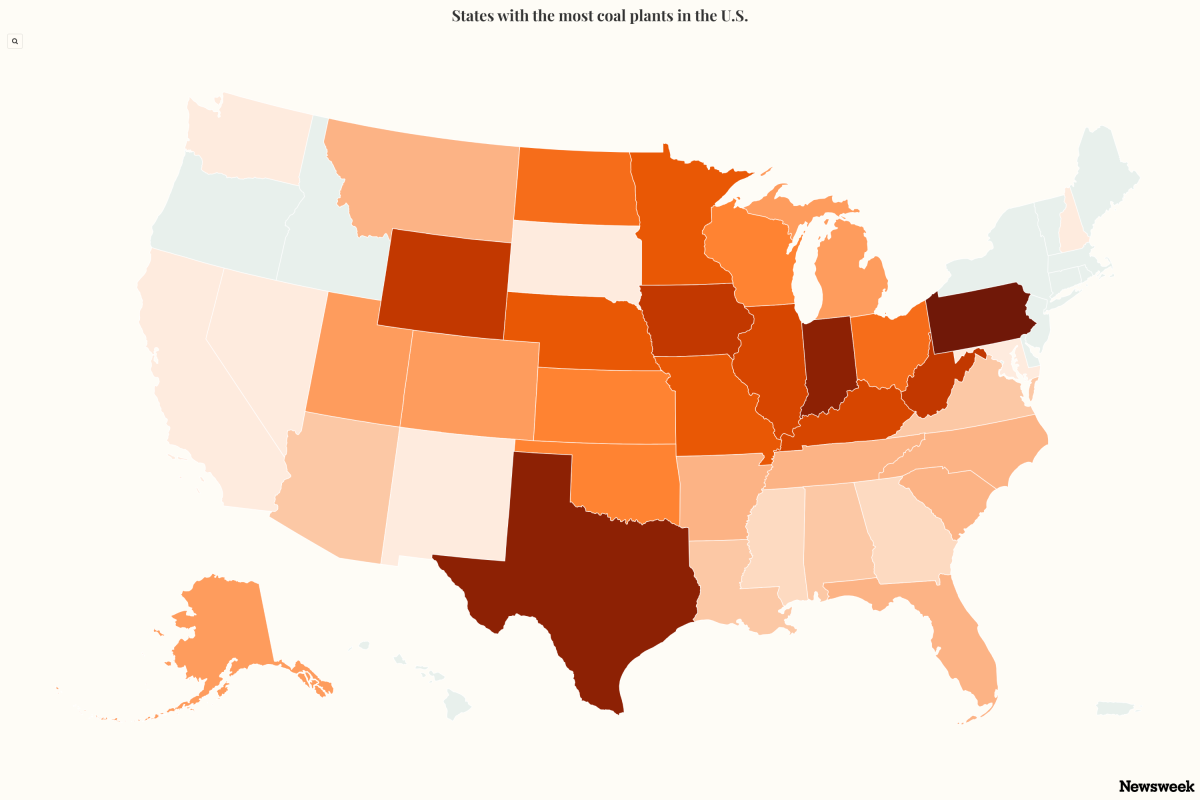
Over 200 coal power plants operate in the U.S.; Pennsylvania has the most with 13 plants.
Coal use in the U.S. has decreased over 20 years, but the country is still a top coal producer.
Some states, like New York and Oregon, have no coal power plants.
EPA Administrator Lee Zeldin supports the repeal as a way to reduce costs and increase energy output.
Experts warn the repeal could worsen air quality and cause thousands of premature deaths and health problems.
The American Coal Council supports the repeal, saying coal provides reliable power for homes and businesses.
Previous EPA changes this year also removed some requirements for vehicle emissions reporting.
Read the Original
Want the full story? Tap a source to open the original
article.