The District of Columbia reached a settlement with Sam O’Hara, who sued after being detained by police while he followed National Guard troops playing “Star Wars” music. O’Hara claimed police violated his rights during the 2023 incident in Washington, DC.
Key Facts
Sam O’Hara followed National Guard troops in Washington, DC, while playing “Star Wars” theme music.
He was detained by four Metropolitan Police Department officers in 2023.
O’Hara sued the city and the officers, alleging wrongful detention.
The lawsuit was filed in October 2023.
The city has now agreed to a settlement with O’Hara.
The case involved questions about police actions and protest rights.
The settlement ends the legal dispute between O’Hara and the city.
Read the Original
Want the full story? Tap a source to open the original
article.
California’s high-speed rail project has changed significantly since voters approved it in 2008. Originally planned as a single state-funded rail line connecting San Francisco and Los Angeles, it now involves private investments, higher costs, delayed timelines, and phased construction focused first on the Central Valley.
Key Facts
In 2008, California voters approved Proposition 1A, authorizing $9.95 billion in bonds for the high-speed rail project.
The project aims to connect San Francisco and Los Angeles with trains reaching 220 mph.
Current estimated cost is about $100 billion, three times the original forecast.
The completion date has been pushed back to 2038.
The project shifted from mostly public funding to including private investors through a partnership with several global rail companies.
The plan now focuses on building the rail line in phases, beginning with the Central Valley segment from Merced to Bakersfield.
Some original stations, like the Bakersfield downtown station, might be replaced with temporary locations due to budget limits.
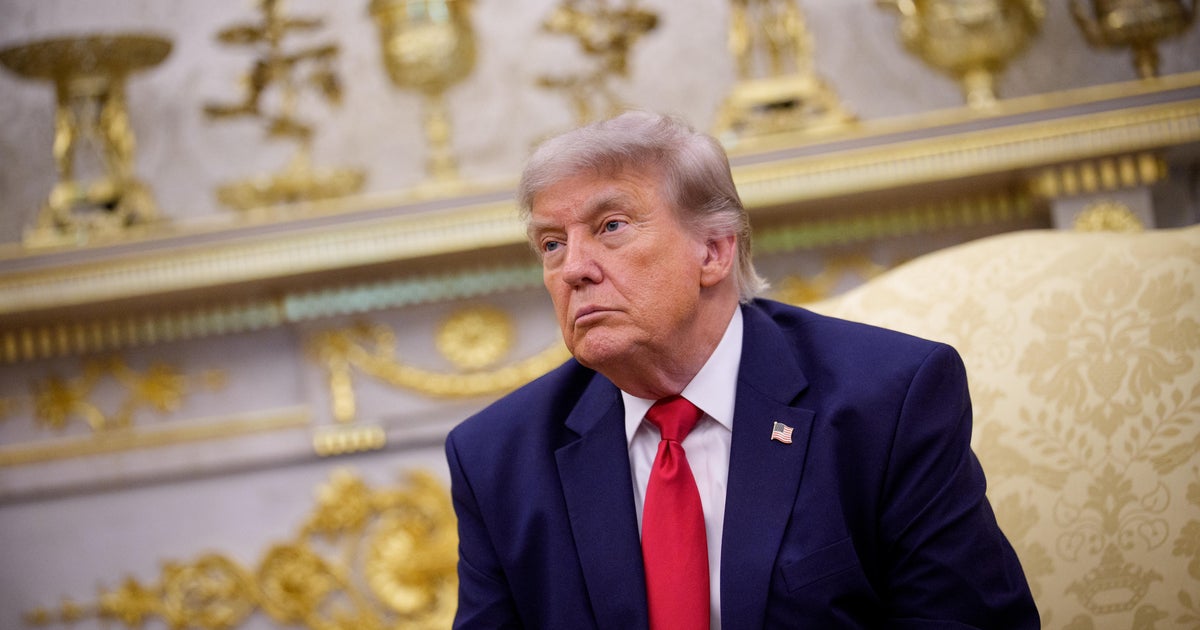
President Donald Trump and Transportation Secretary Sean Duffy have criticized the project’s cost and timeline.
Read the Original
Want the full story? Tap a source to open the original
article.
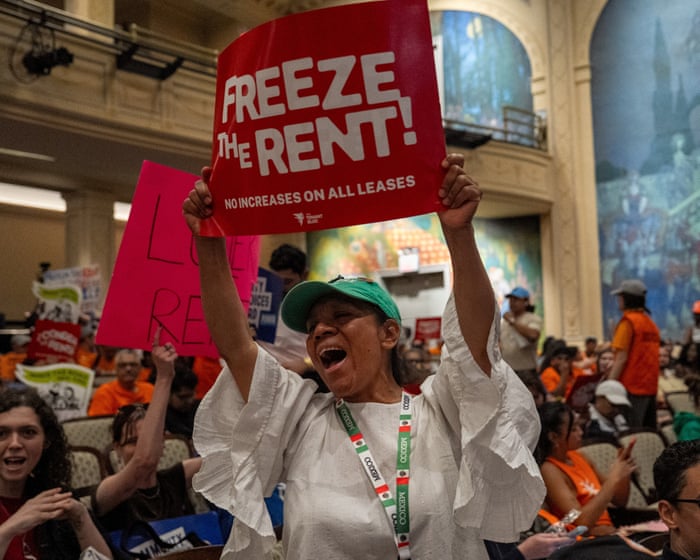
New York City's Rent Guidelines Board voted to freeze rent increases for about 1 million rent-stabilized apartments. This decision affects one- and two-year leases and aims to help tenants with rising living costs.
Key Facts
The Rent Guidelines Board voted 7-1 to freeze rent hikes on one- and two-year leases.
Around 1 million apartments, over 40% of NYC’s rental housing, are rent-stabilized.
Mayor Zohran Mamdani supports the freeze and called it a historic win for tenants.
Six of the nine board members were appointed by Mamdani.
One member, Christina Smyth, resigned before the vote, criticizing the process as biased.
The board chair said the decision was made independently and based on data.
Some landlords and property owner groups strongly opposed the freeze.
Tenant advocates and the Legal Aid Society praised the freeze as a way to help renters during high living costs.
Read the Original
Want the full story? Tap a source to open the original
article.
The US Supreme Court allowed the government to end temporary protected status (TPS) for many Haitian and Syrian immigrants. This decision means over a million people could face deportation and might have to return to their home countries.
Key Facts
The Supreme Court ruled 6-3 in favor of ending TPS protections.
TPS is a status that lets people from certain countries stay in the US temporarily due to unsafe conditions at home.
Hundreds of thousands of Haitian and Syrian migrants hold TPS in the US.
The ruling supports policies from President Trump's administration to reduce immigration and increase deportations.
Ending TPS could force over one million immigrants to leave the US.
The decision reflects the Court’s conservative majority.
Affected migrants may lose legal protections and the right to work in the US.
Read the Original
Want the full story? Tap a source to open the original
article.
Reporters Maggie Haberman and Jonathan Swan wrote a book called "Regime Change" about President Trump's second term. They say President Trump uses his power in ways unlike previous presidents, especially by acting alone and expecting loyalty from his team.
Key Facts
President Trump has a different view of the U.S. presidency compared to past presidents.
He uses executive power in a strong and unusual way, often acting without Congress’s approval.
For example, he ordered military action in Iran without consulting Congress.
Trump's approach to foreign policy includes moves like buying Venezuelan oil and seeking to acquire Greenland.
Loyalty is a key factor in choosing his top officials; their position on January 6th was critical.
The president also considers if officials "look the part," meaning their appearance and public image matter.
Trump works in an "information bubble," where advisers rarely give him bad news, especially in his second term.
This is different from his first term, when more advisers would sometimes challenge him.
Read the Original
Want the full story? Tap a source to open the original
article.
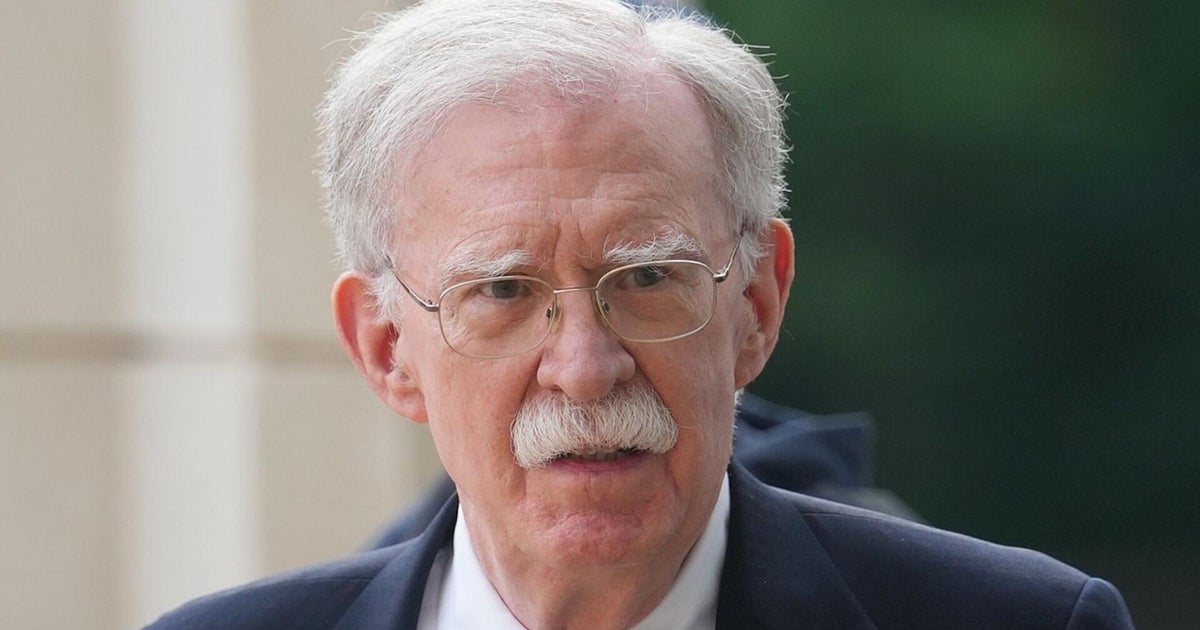
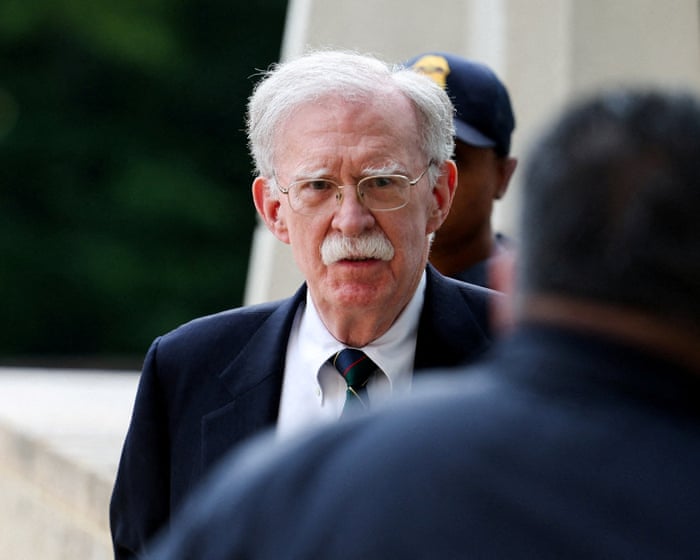
John Bolton, who was President Donald Trump’s national security adviser, admitted in court that he kept classified government information without permission. He pleaded guilty to one count related to holding onto secret documents.
Key Facts
John Bolton served as national security adviser under President Donald Trump.
He pleaded guilty to retaining classified information.
The charge involves holding onto secret government documents without proper authorization.
The plea was made in a legal proceeding reported by CBS News.
The case highlights issues around the handling of sensitive government materials by former officials.
Read the Original
Want the full story? Tap a source to open the original
article.
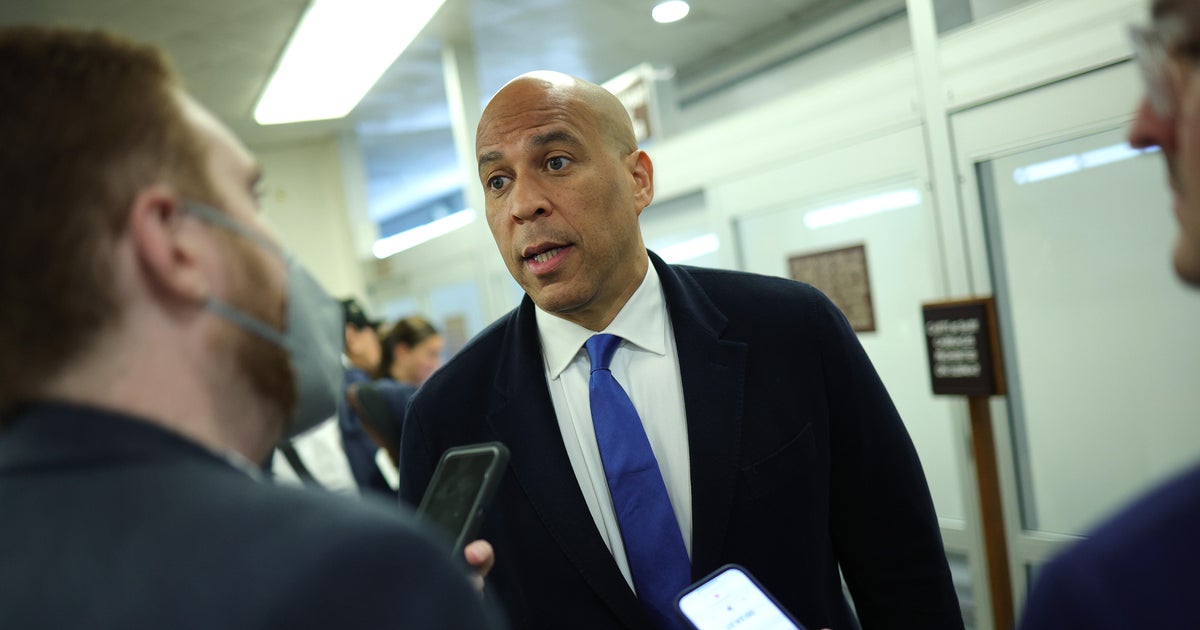
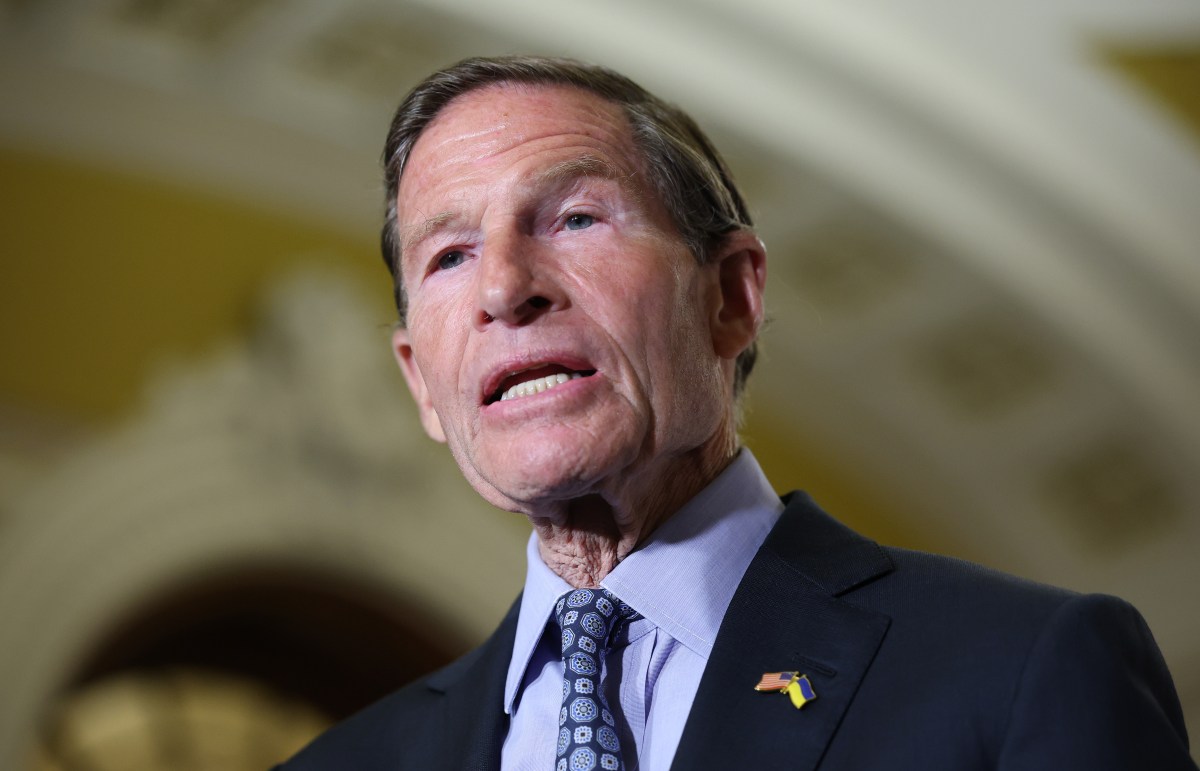
A group of Senate Democrats led by Senator Cory Booker is demanding details from Acting Attorney General Todd Blanche about a $1.8 billion "anti-weaponization" fund created as part of a settlement with President Trump. They claim the Justice Department may have broken its own rules in setting up the fund and want answers by July 8, while also urging a scheduled oversight hearing in July to review Blanche’s nomination as attorney general.
Key Facts
Senate Democrats question whether the Justice Department followed its rules in creating the $1.8 billion anti-weaponization fund.
The fund was established as part of a legal settlement with President Trump regarding a lawsuit over leaked tax returns.
The fund aims to address claims from others who say they were unfairly targeted or “weaponized” by government actions.
Senators Booker, Blumenthal, Schiff, and Whitehouse are requesting a response from Acting Attorney General Todd Blanche by July 8.
Democrats accuse Blanche of involvement in controversial Justice Department actions, including prosecutions of Trump’s political opponents.
They want the Senate Judiciary Committee to hold a scheduled oversight hearing on July 21, separate from Blanche’s confirmation hearing.
Blanche, President Trump’s former personal lawyer, has been acting attorney general since April and faces confirmation hearings starting July 15.
Lawmakers from both parties have expressed concern the fund bypasses normal government budget rules.
Read the Original
Want the full story? Tap a source to open the original
article.
Many workers in the United States do not have a retirement plan through their employer. Automatic retirement savings programs are being seen as a way to help more people save money for retirement.
Key Facts
Between 33% and 50% of private-sector workers in the U.S. lack employer-sponsored retirement plans.
Employer-sponsored plans are retirement savings programs offered by companies to their employees.
Automatic retirement savings programs enroll workers without requiring them to sign up first.
These automatic programs aim to increase retirement savings participation.
More participation in retirement savings can improve financial security for workers after they stop working.
Read the Original
Want the full story? Tap a source to open the original
article.
Billionaire Leon Black testified before the House Oversight Committee, denying that he knew about Jeffrey Epstein’s crimes. He said he paid Epstein for business reasons connected to Epstein’s network and only learned about the crimes in 2019.
Key Facts
Leon Black is a billionaire who paid Jeffrey Epstein tens of millions of dollars.
Epstein was a convicted sex offender.
Black said his payments to Epstein were for legitimate business purposes related to Epstein’s connections.
He claimed he only found out about Epstein’s illegal activities in 2019.
Black described his relationship with Epstein like knowing Dr. Jekyll but not Mr. Hyde, meaning he knew the public side but not the criminal side.
He criticized committee members for making accusations without facts.
Black gave this testimony before the U.S. House Oversight Committee.
Read the Original
Want the full story? Tap a source to open the original
article.
The U.S. Supreme Court recently showed unusual public tensions among justices during the announcement of major rulings, including two immigration cases favoring President Donald Trump. Justice Sonia Sotomayor strongly disagreed with the court’s decision limiting asylum applications at the southern border, while Justice Samuel Alito defended the ruling and expressed surprise at her remarks.
Key Facts
The Supreme Court quickly released major decisions, including two that support President Trump’s immigration policies.
Justice Alito read the majority opinion allowing border officials to delay asylum seekers’ entry until processing is safe and orderly.
Justice Sotomayor gave a rare vocal dissent, comparing the ruling to a tragic historical event involving Jewish refugees in 1939.
Sotomayor argued the decision could lead to more deaths by blocking people from seeking asylum.
Alito said the policy has been used by both the Obama and Trump administrations.
Alito expressed surprise and mild irritation when Sotomayor spoke after his summary.
The court is preparing for more important rulings on issues like birthright citizenship and the power of the president over independent agencies.
This term has seen unusual public disagreements, including apologies and debates among justices about emergency orders related to President Trump’s agenda.
Read the Original
Want the full story? Tap a source to open the original
article.
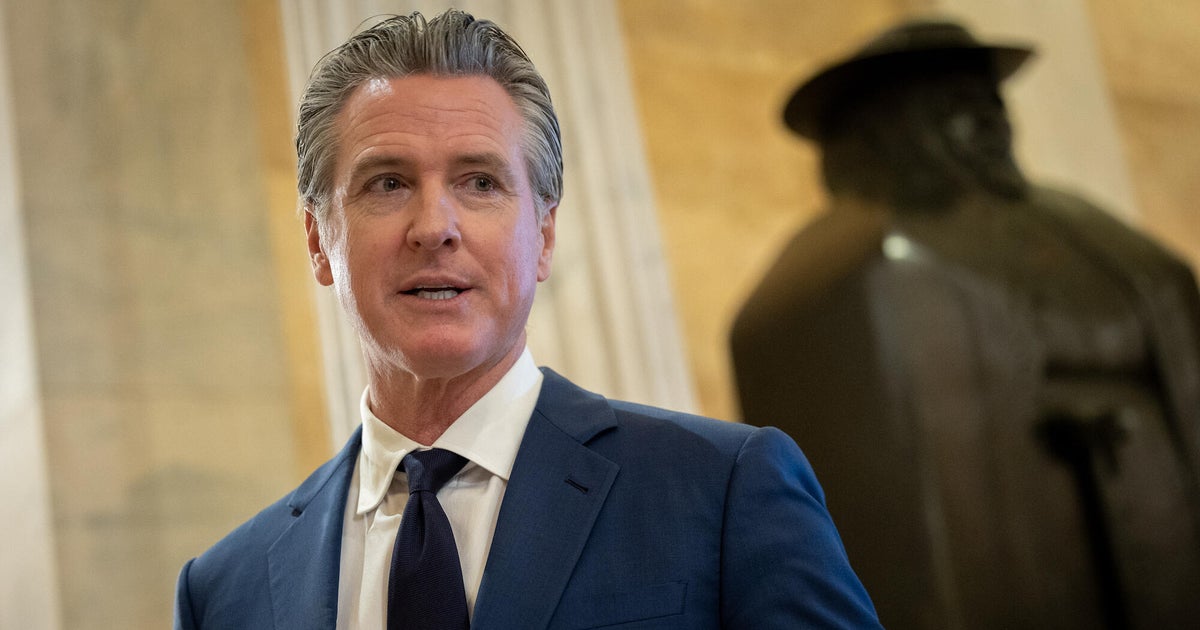
California Governor Gavin Newsom proposed a national minimum tax on billionaires and a federal fund that would give all Americans a share in the wealth created by artificial intelligence (AI). He opposes a state-level billionaire tax on the November California ballot, saying that taxing the ultrawealthy should be handled by the federal government, not by individual states.
Key Facts
Newsom wants a federal minimum billionaire tax that ensures the richest pay at least the same tax rate as their workers.
He opposes California’s state billionaire tax measure, arguing it is better handled nationally to prevent billionaires from avoiding taxes by moving to other states.
California’s billionaire tax revenues would mainly fund Medicaid, but Newsom believes the money should be allocated by the state legislature for broader needs like schools, housing, and child care.
Newsom proposes ending tax strategies that let billionaires avoid income tax by borrowing against stock and passing wealth to heirs without taxes.
He calls for raising corporate tax rates to pre-2017 levels and closing loopholes that allow companies to move profits offshore.
Newsom wants a new federal AI public equity fund to share AI-generated wealth with workers and support those displaced by AI through benefits like severance and retraining.
The AI fund would also help finance universal child care, free higher education, health care, and programs to build the economy for the “AI century.”
Newsom is term-limited as California governor and is seen as a potential Democratic candidate for president in 2028.
Read the Original
Want the full story? Tap a source to open the original
article.
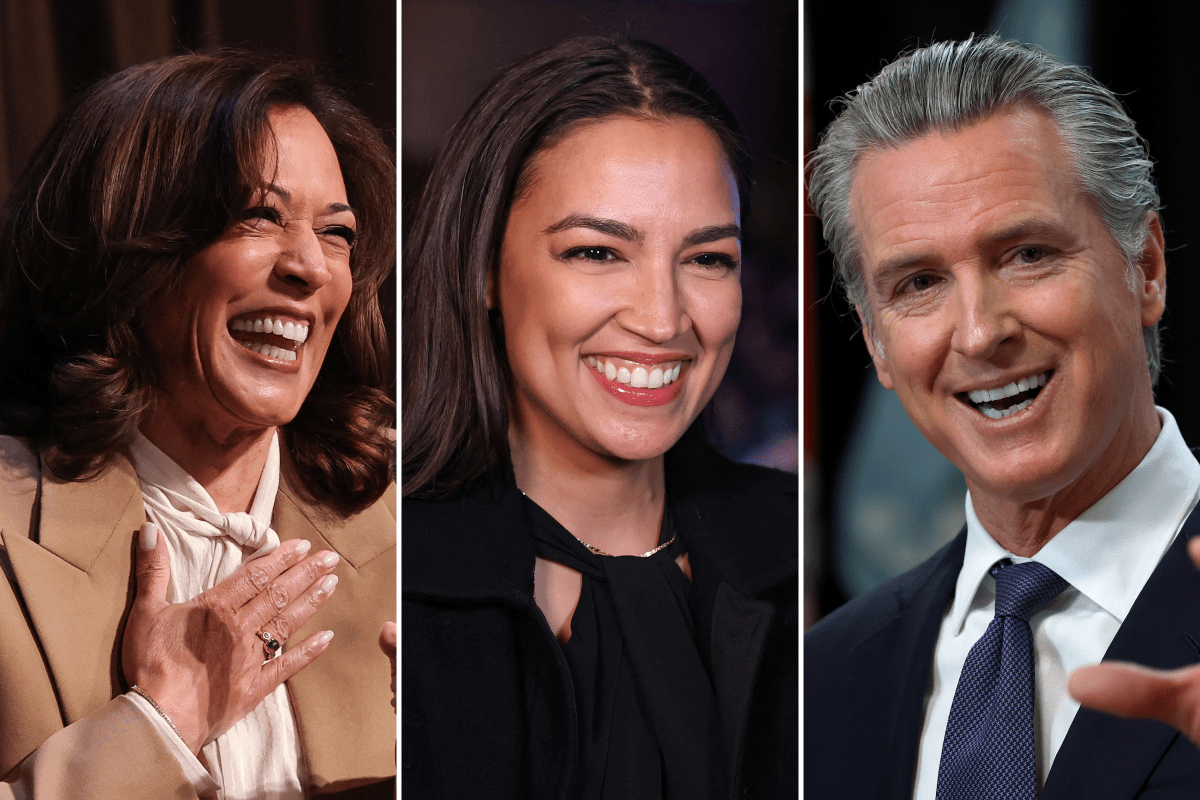
A recent McLaughlin poll shows changes in support among possible Democratic candidates for the 2028 presidential primary. Vice President Kamala Harris still leads but with a smaller margin, while California Governor Gavin Newsom and Representative Alexandria Ocasio-Cortez have increased their support.
Key Facts
Kamala Harris leads with 26% support in the new poll.
Gavin Newsom has 16% backing, and Alexandria Ocasio-Cortez has 9%.
Other candidates include Pete Buttigieg (8%), JB Pritzker, Cory Booker, and Josh Shapiro (5% each).
17% of respondents remain undecided about their preferred candidate.
The poll surveyed 1,000 voters between June 17-23.
Past polls showed Harris with a stronger lead, but her support has decreased somewhat.
Different polls show varying leads, with AtlasIntel polling Ocasio-Cortez ahead and Harvard/Harris polling Harris ahead.
Some possible candidates like Jon Ossoff and Andy Beshear were not included in this poll.
Read the Original
Want the full story? Tap a source to open the original
article.
Nearly 50 Senate Democrats and independents oppose a proposed change to Department of Veterans Affairs (VA) disability benefits that could reduce payments for veterans with sleep apnea and tinnitus. The proposed rule would base compensation on how well conditions are managed by treatment rather than the condition itself.
Key Facts
The group of senators sent a letter to VA Secretary Doug Collins opposing the changes.
The proposal affects how disability ratings for sleep apnea and tinnitus are calculated.
Sleep apnea ratings currently give about 50% disability if veterans use a CPAP machine, but the change would lower ratings if treatment works well.
Tinnitus currently receives a 10% disability rating but might no longer get standalone benefits under the new rule.
The VA tried to enact a similar rule in February but withdrew it after backlash from veterans.
The changes are part of a larger legislative package called the “Take Care of America’s Veterans Act.”
Some veterans’ groups worry that expanding benefits for some will cause cuts for others.
More than 1 million veterans could be affected by these proposed changes.
Read the Original
Want the full story? Tap a source to open the original
article.
John Bolton, former U.S. national security adviser, pleaded guilty to mishandling classified information by sharing more than 1,000 pages of sensitive notes with family members who lacked security clearance. He faces sentencing in October and has agreed to pay a fine as part of a plea deal that reduces the original charges.
Key Facts
Bolton admitted to mishandling classified information related to national security.
He shared sensitive notes through a personal email and messaging app with his wife and daughter, who were not cleared to see this information.
The notes were for his 2020 memoir, published during President Trump's first term.
The original indictment included 18 charges with up to 10 years in prison each.
The plea deal could result in probation or a prison sentence up to five years and includes a $2.25 million fine.
Bolton reported that a hacker linked to Iran accessed his emails containing the notes.
The investigation started during Trump’s administration and continued under President Biden.
Justice Department officials said Bolton’s actions endangered U.S. national security and trust.
Read the Original
Want the full story? Tap a source to open the original
article.
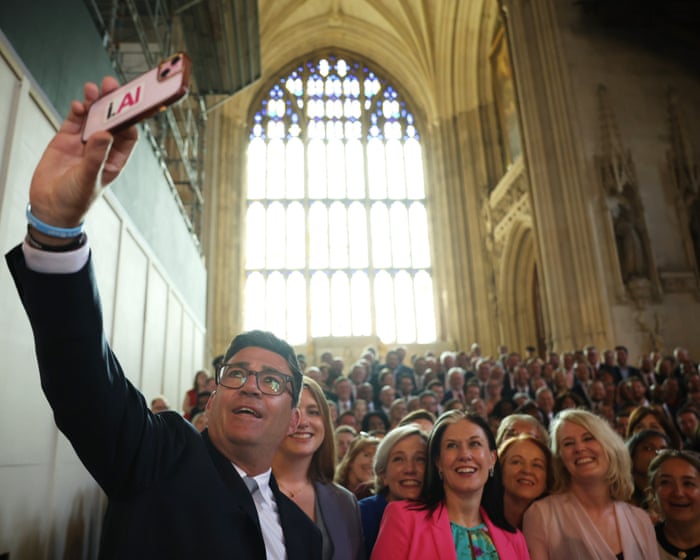
Andy Burnham worked for a year to return from being mayor of Greater Manchester to a seat in the UK Parliament. His campaign involved creating support groups, building alliances with Labour MPs, and positioning himself as an alternative leader within the party. This effort ended with widespread support from members of parliament at Westminster Hall.
Key Facts
Andy Burnham spoke at a Labour conference in May 2025 to rally left-wing support.
Labour leader Keir Starmer was facing criticism during welfare policy debates.
Burnham's return was helped by groups like Compass and Mainstream, which pushed for leadership change.
Burnham signed a statement supporting Mainstream’s goals, signaling his leadership ambitions.
Labour MPs were unhappy with current leadership and considered Burnham a strong alternative.
Louise Haigh and Anneliese Midgeley helped connect Burnham with influential MPs.
Josh Simons, once a Starmer supporter, began discussing replacing Starmer with Burnham.
The campaign to bring Burnham back to Parliament was seen as chaotic but ultimately successful.
Read the Original
Want the full story? Tap a source to open the original
article.
The recent cases of Texas screwworm highlight the risks to U.S. agricultural security. Experts warn that future threats to crops and livestock might appear suddenly without early warning signs.
Key Facts
Texas screwworm is an insect that damages livestock by laying eggs in open wounds.
This recent outbreak shows weaknesses in U.S. biosecurity measures.
Agricultural biosecurity means protecting farms from pests and diseases.
Past outbreaks like the screwworm have caused serious economic damage.
Experts say new threats may emerge quickly and unexpectedly.
Early detection and quick response are important to prevent spread.
The U.S. government and farmers need to improve monitoring systems.
Read the Original
Want the full story? Tap a source to open the original
article.
Pennsylvania Governor Josh Shapiro expressed that he strongly disagrees with Darializa Avila Chevalier, a democratic socialist who recently won a House primary in New York by defeating a long-term incumbent. This highlights growing disagreements within the Democratic Party as the midterm elections approach.
Key Facts
Governor Josh Shapiro is a Democrat from Pennsylvania.
Darializa Avila Chevalier is a democratic socialist.
Chevalier won a New York House primary election.
She defeated Adriano Espaillat, a five-term representative and leader of the Congressional Hispanic Caucus.
Shapiro stated he has “profound differences” with Chevalier’s political views.
These differences show divisions within the Democratic Party.
The announcement came just days before the midterm elections.
The primary race reflects a shift toward more progressive candidates in some areas.
Read the Original
Want the full story? Tap a source to open the original
article.
The Transportation Security Administration (TSA) plans to screen about 18.7 million air travelers from June 30 to July 6. This period includes the busy July 4 holiday weekend when many people travel by air.
Key Facts
TSA expects to screen nearly 19 million air travelers over seven days.
The dates covered are June 30 through July 6.
This timeframe includes the July 4 holiday weekend.
The TSA is responsible for airport security screening.
Air travel usually increases during holiday periods.
Read the Original
Want the full story? Tap a source to open the original
article.
John Bolton, who was National Security Adviser under President Donald Trump, pleaded guilty to illegally keeping classified national defense documents. He agreed to a plea deal that might help him avoid prison, with sentencing set for October 28, 2026.
Key Facts
John Bolton served as National Security Adviser during President Trump's first term.
Bolton was charged with 18 counts related to keeping or sharing classified information.
He pleaded guilty to one count of illegally retaining classified information.
Prosecutors and Bolton agreed to a plea deal recommending no more than five years in prison.
The sentencing judge can ignore the plea deal’s sentencing limits.
Bolton can cancel his guilty plea if he faces a prison term longer than five years or a fine over $2.25 million.
FBI agents searched Bolton’s home and office in August 2025 during the investigation.
The case partly focuses on Bolton sharing classified notes with his family while writing a memoir critical of President Trump.
Read the Original
Want the full story? Tap a source to open the original
article.