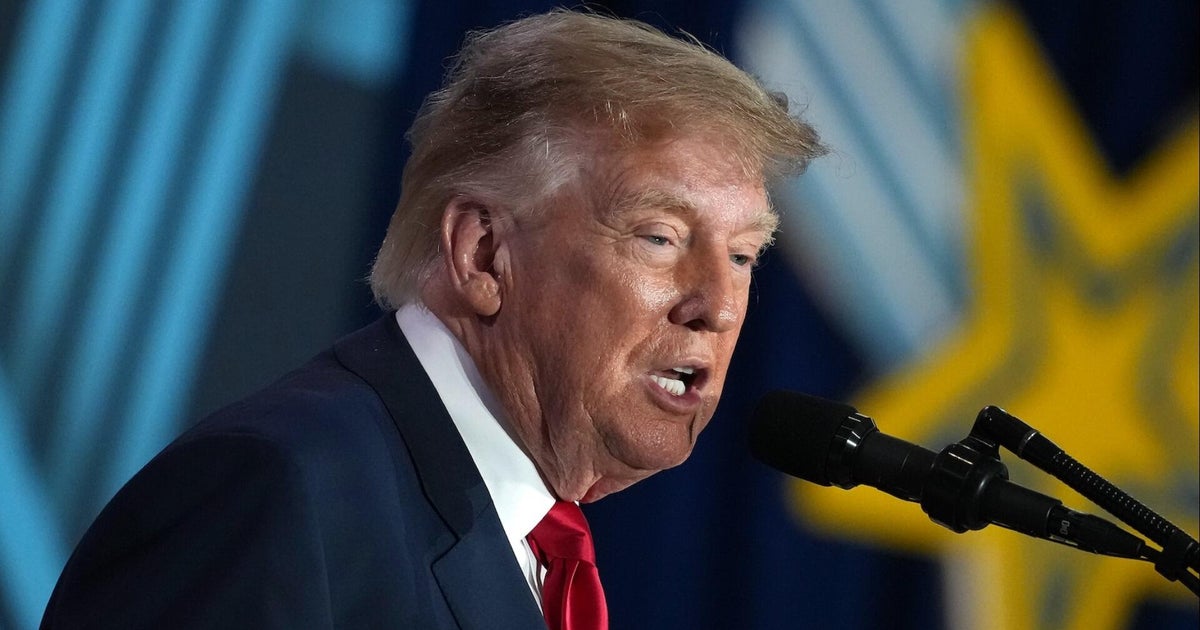
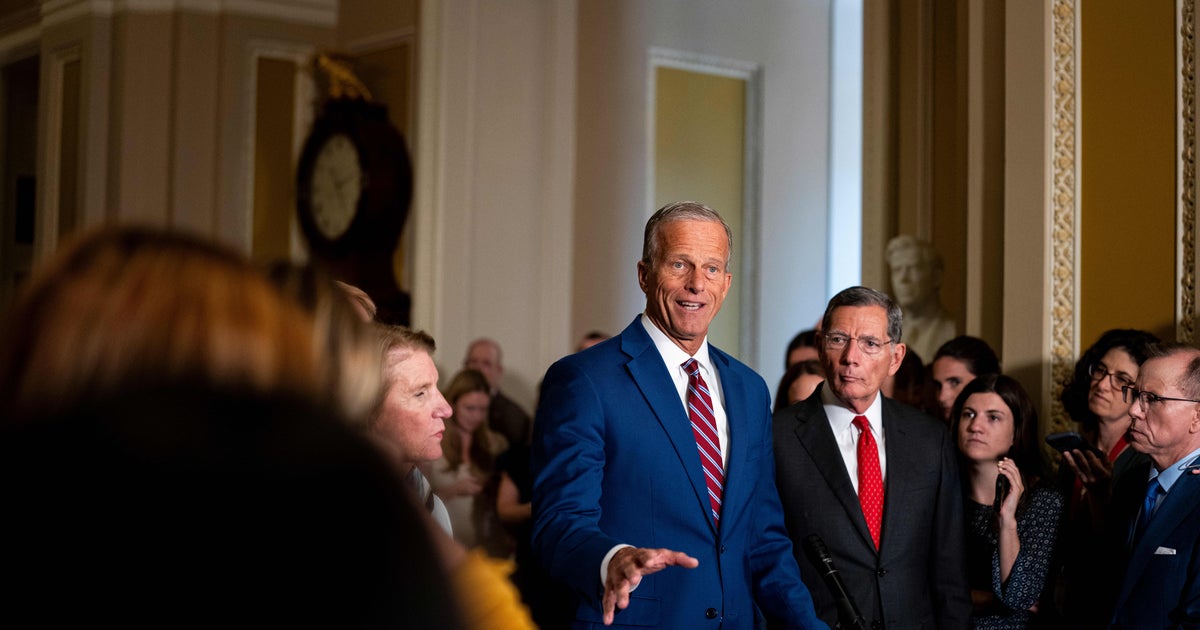
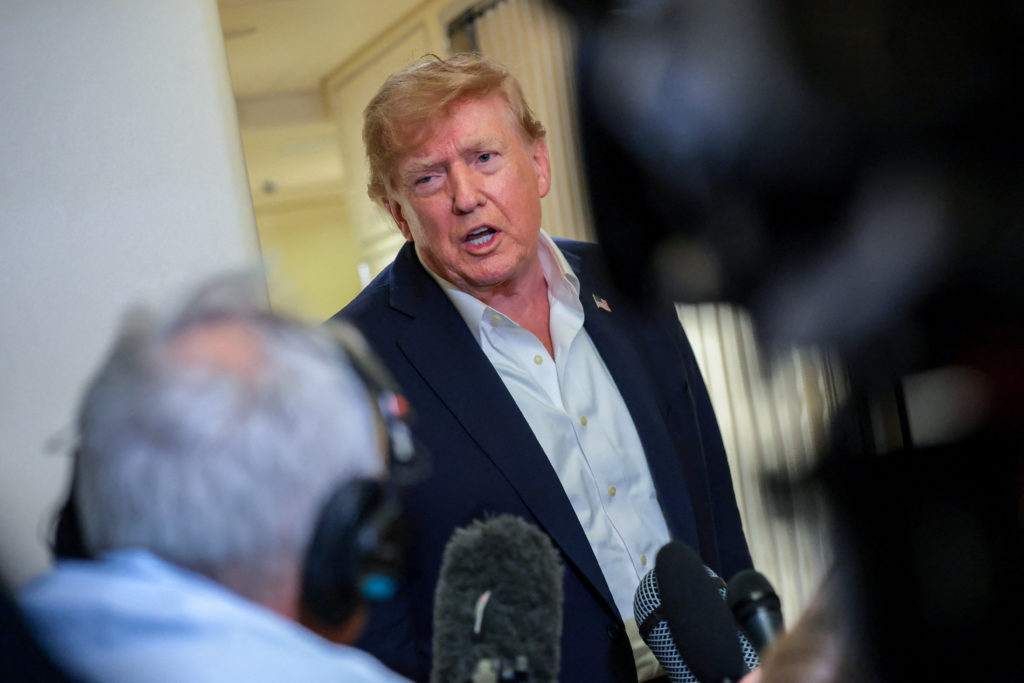
President Donald Trump has downplayed worries from technology experts about the fast growth of artificial intelligence (AI). Instead, he highlighted the competition between the United States and China in developing AI technology. Congress is also involved in discussions about how to regulate AI.
Key Facts
President Trump responded to warnings about the risks of rapid AI development.
He focused on the United States competing with China in AI technology.
Industry leaders have expressed concerns about the dangers of AI advancing too quickly.
Congress is working on policies to regulate AI development.
The topic was covered in a CBS News report by Caitlin Huey-Burns.
The article references a specific CBS News video segment on this issue.
AI regulation is becoming a key issue in U.S. government discussions.
Read the Original
Want the full story? Tap a source to open the original
article.
Lawmakers returned to Washington with a focus on artificial intelligence (AI) issues. Senate leaders urged President Trump’s administration to provide details on its AI testing plans as Congress prepares for a short session before the midterm election break.
Key Facts
Congress resumed sessions with only one week before the midterm election recess.
There are growing concerns and warnings about the risks and impact of AI.
Senate Minority Leader Chuck Schumer requested a briefing from the Trump administration on AI safety and testing strategies.
The government is working on a framework to test and regulate new AI models.
Lawmakers want quick action to address AI challenges during this limited session.
AI is a high priority for both the House and Senate as they plan their legislative agenda.
Read the Original
Want the full story? Tap a source to open the original
article.
President Donald Trump said he is concerned that strict rules on artificial intelligence (AI) in the U.S. could help China gain an advantage in AI technology. Some AI experts, including leaders from OpenAI and Anthropic, have warned that AI development might be risky and have called for more safety measures.
Key Facts
President Donald Trump worries that too many regulations on AI in the U.S. might let China lead in AI technology.
Top executives from AI companies OpenAI and Anthropic recently expressed concern about the risks of AI development.
These industry leaders called for stronger checks and safety rules for AI.
President Trump criticized groups he called "negative forces" that want to slow down AI progress.
The debate on AI safety and regulation is ongoing in the U.S. and internationally.
AI means computer programs that can learn and make decisions like humans.
The issue of AI regulation links to concerns about global competition, especially with China.
Read the Original
Want the full story? Tap a source to open the original
article.
A second federal judge stopped the U.S. Postal Service from carrying out President Trump’s order related to mail-in voting. The Supreme Court is now reviewing a request to undo a previous judge’s block on the plan, and a decision could happen soon.
Key Facts
President Trump issued an executive order about mail-in voting.
Two federal judges have blocked the U.S. Postal Service from following this order.
The blocks are legal obstacles for President Trump’s plan on mail ballots.
The Supreme Court is considering an emergency request to lift one of the blocks.
The court’s decision on this matter could come at any time.
The issue is part of ongoing debates about how elections are conducted.
The Postal Service is responsible for delivering mail, including ballots.
Read the Original
Want the full story? Tap a source to open the original
article.
On September 3, the U.S. House of Representatives took an action related to the movement that supports boycotting Israel. The article compares this action to the boycott movement itself, saying both are problematic.
Key Facts
The article discusses the BDS movement, which supports boycotting Israel.
On September 3, the U.S. House of Representatives took a separate action involving this topic.
The article suggests that the House’s action is viewed as worse than supporting the boycott.
The BDS movement aims to pressure Israel through boycotts.
The House of Representatives is part of the U.S. government that passes federal laws.
The article does not specify the exact action taken by the House.
The discussion centers on U.S. political responses to international issues involving Israel.
Read the Original
Want the full story? Tap a source to open the original
article.
Rep. Tom Tiffany, a Republican from Wisconsin running for governor, survived an emergency plane landing on a lake. He thanked first responders and said they were very lucky to be safe.
Key Facts
Rep. Tom Tiffany is a Republican congressman from Wisconsin.
He is currently running for governor of Wisconsin.
Over the weekend, his plane made an emergency landing on a lake.
Tiffany and others on board were safe after the landing.
He expressed gratitude to first responders like the fire department.
Tiffany said they were lucky and felt that "God was looking after us."
The incident took place on a weekend before Sunday when he spoke.
No reports of serious injuries were mentioned in his statement.
Read the Original
Want the full story? Tap a source to open the original
article.
President Donald Trump said the White House was in poor condition before he approved renovations. He said the building was neglected inside and outside in a post on Truth Social.
Key Facts
President Trump described the White House as a “dump” before renovations.
He said the building was in very bad shape both inside and outside.
The statement was made on his social media platform, Truth Social.
He implied past presidents did not properly maintain the White House.
The post was made on a Sunday.
Read the Original
Want the full story? Tap a source to open the original
article.
A high school student in New York was suspended for bringing coffee to class, violating a new rule banning outside food and drinks. The family found that the school district had not properly announced a public hearing about the rule, prompting the district to schedule a correct hearing.
Key Facts
Julie Kaputa, a senior at Beaver River Central School, got an in-school suspension for having coffee on the first day of school.
The school recently banned outside food and drinks, a new rule she broke.
Julie and her mother discovered no public hearing was properly held before the rule was made.
Public hearings are important so people can share their opinions on new rules.
The school superintendent admitted the notice for the hearing was not clear and promised to fix the process.
A new public hearing is scheduled for September 14 for the community to discuss the policy.
Past court cases show students have rights like due process when suspended.
The issue raises questions about whether the school can enforce rules without following correct public notice steps.
Read the Original
Want the full story? Tap a source to open the original
article.
President Donald Trump criticized people who warn companies to slow down the development of artificial intelligence (AI), calling them negative. His comments came after OpenAI CEO Sam Altman said the company would not go public this year because of safety concerns.
Key Facts
President Donald Trump spoke out against critics who want AI progress to slow down.
He described these critics as "negative" forces.
OpenAI's CEO, Sam Altman, announced the company will not have an initial public offering (IPO) in 2026.
The decision not to go public was due to worries about AI safety.
AI refers to computer systems that can learn and perform tasks that usually need human intelligence.
The discussion about AI development and safety is ongoing among leaders and tech companies.
This news reflects current debates in the US about the future of technology and regulation.
Read the Original
Want the full story? Tap a source to open the original
article.
The Senate is returning from a break to work on several important bills before the November midterm elections. Their main focuses include legislation on cryptocurrency, college sports, and reauthorizing surveillance laws, while also facing pressure to address artificial intelligence regulations.
Key Facts
The Senate will vote on the Clarity Act, a bill to regulate digital assets like cryptocurrency.
Senators are also working on the Protect College Sports Act to regulate college athletics, but some groups oppose it for not representing Black athletes and coaches adequately.
The Senate aims to reauthorize Section 702 of the Foreign Intelligence Surveillance Act after it expired in June.
Senate Republicans plan to approve several government nominees.
The Farm bill has stalled partly due to Senate GOP leader Mitch McConnell's absence following hospitalization.
A planned funding bill including aid for the Iran war and farmers seems unlikely to move forward before the midterms.
Both the Senate and House face pressure to pass regulations for artificial intelligence due to safety concerns.
Key congressional leaders have called for urgent action and briefings on AI regulation.
Read the Original
Want the full story? Tap a source to open the original
article.
The article suggests that the United States should create a new Department of the Arts. This department would be led by a secretary who focuses on supporting and growing America’s arts and culture as a whole system.
Key Facts
The proposal is to establish a Department of the Arts in the U.S. government.
This department would have a cabinet-level secretary, meaning a top government official.
The secretary would oversee the entire arts ecosystem, which includes all parts of the arts community.
The goal is to protect and develop American cultural and economic strength through the arts.
Having a dedicated department could help connect different arts organizations and programs.
The article emphasizes the importance of arts for the country’s economy and culture.
Read the Original
Want the full story? Tap a source to open the original
article.
The attorney general of Washington, D.C., wants to take a national role in controlling what companies say about climate change. Consumer protection laws are intended to ensure product truthfulness, not to enforce government views on climate issues.
Key Facts
The D.C. attorney general seeks more power over national speech about climate change.
Consumer protection laws aim to keep product claims truthful.
These laws are not designed to make companies follow specific government opinions on climate.
The focus is on how companies communicate about their products and related environmental claims.
The issue involves balancing free speech and consumer rights in advertising.
The attorney general’s request signals a push for broader regulation of corporate messaging.
This reflects ongoing debates about government roles in managing climate change information.
Read the Original
Want the full story? Tap a source to open the original
article.
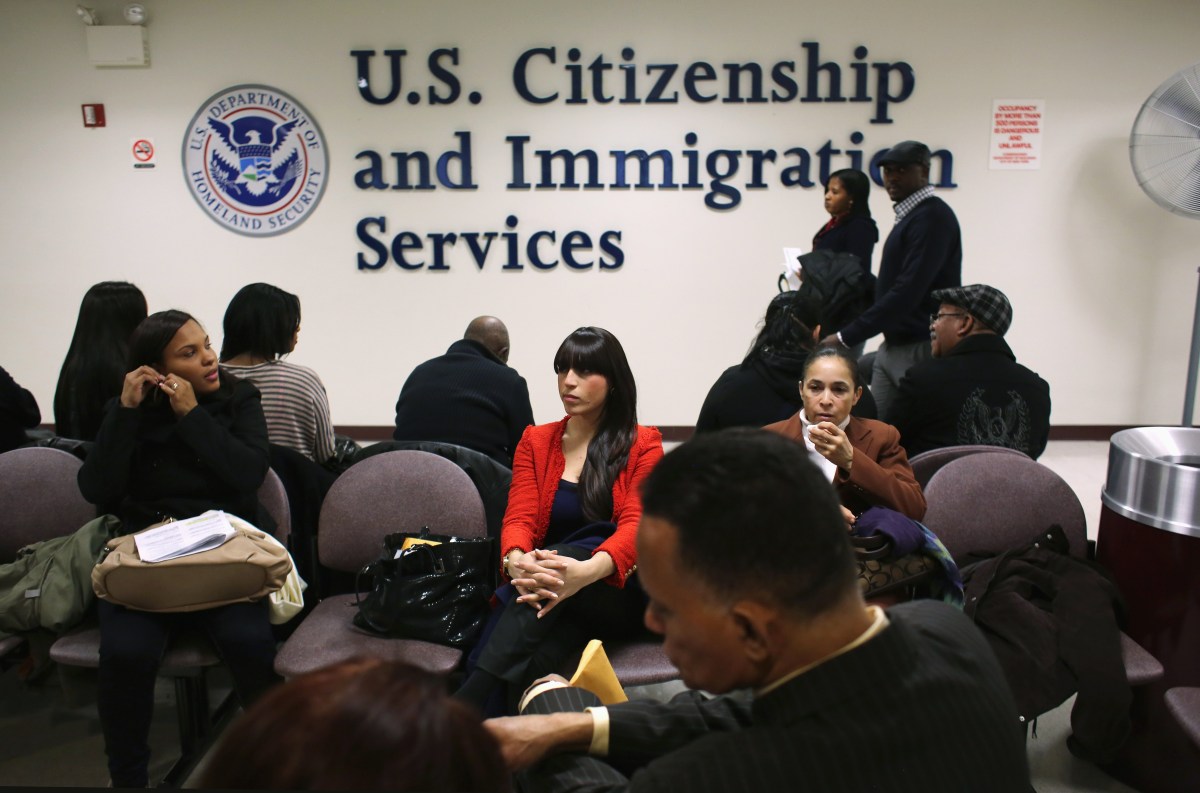
This week, the U.S. government is updating several important immigration rules and forms. Changes include new versions of key visa and green card application forms, a new system for admitting some nonimmigrant visitors, and a revised rule about public benefits affecting some green card applicants.
Key Facts
On September 15, the Department of Homeland Security (DHS) starts a new system replacing the "duration of status" for certain visa holders, setting fixed admission periods instead of open-ended ones.
New USCIS forms I-539 and I-765, used for visa extensions and work permits, become mandatory on September 15; older forms will be rejected after this date.
On September 18, USCIS requires a new version of Form I-485, used to apply for permanent residency; older versions will no longer be accepted after this date.
The new I-485 form asks for different information but does not change who qualifies for a green card.
Also starting September 18, a revised public-charge rule will give immigration officers more authority to decide if applicants might rely on government benefits in the future.
The public-charge rule change cancels the 2022 version and applies mainly to green card applicants.
These updates coincide with the start of the fiscal year 2027 on October 1, when new visa numbers become available.
International students, exchange visitors, and foreign media workers are among those most affected by the new fixed admission periods.
Read the Original
Want the full story? Tap a source to open the original
article.
In Springfield, Ohio, Haitian youths helped revive the city’s population and school success before their community faced new challenges. After the Trump administration ended temporary protected status for Haitians, many faced legal and social hardships, including the suicide of soccer player Pierre Damas Bel. The community’s growth improved local schools and economy, but recent anti-immigrant actions created fear and disrupted lives.
Key Facts
Pierre Damas Bel, a 20-year-old Haitian student and soccer player in Springfield, Ohio, died in an apparent suicide on August 31, 2024.
Bel and about 350,000 Haitians lost their temporary protected status (TPS) after the Trump administration ended the program.
Haitian youths made up about half of Springfield high school’s soccer team and helped improve the team’s performance and unity.
The Haitian community’s growth in Springfield helped stop population decline and contributed to the city’s economic and school improvements.
Springfield schools saw increased graduation and attendance rates thanks in part to Haitian students, despite challenges such as bomb threats related to anti-immigrant statements.
The city invested $6 million to renovate the high school stadium, reflecting community support for youth sports.
Many Haitian families work in local industries like food processing, automotive, and warehouses, filling jobs that others did not want.
The end of TPS and related immigration enforcement created fear and hardship among Haitian residents, including required ankle monitors that limited daily life.
Read the Original
Want the full story? Tap a source to open the original
article.
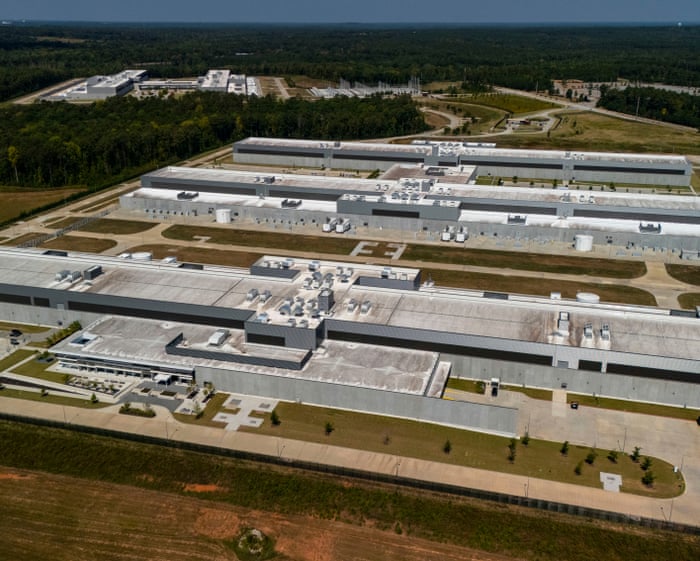
Many people are concerned about the growth of AI datacenters in the U.S. These datacenters use a lot of electricity, create few long-term jobs, and may lead companies to replace workers with machines. Some unions have agreed to build these centers, but others want laws to slow down their expansion and protect workers.
Key Facts
AI datacenters are large computer warehouses that support artificial intelligence technology.
Companies plan to invest $8 trillion to build more AI datacenters in the coming years.
AI datacenters create very few permanent jobs compared to the money invested.
North American Building Trades Unions have deals with companies like Blackrock, Meta, and OpenAI to build these centers.
Critics worry that AI technology aims to replace many workers and reduce overall jobs.
New York state paused new datacenter permits for up to a year to create rules for their regulation.
A datacenter in Rockland County, NY, received $77 million in tax breaks but created only one permanent job.
AI datacenters consume a lot of electricity, contributing to higher energy costs amid climate challenges.
Read the Original
Want the full story? Tap a source to open the original
article.
For sixty years, Washington has taken little action on climate change. This lack of response is causing growing problems for Americans now and in the future.
Key Facts
Climate change has been an ongoing issue for at least sixty years.
Government actions in Washington have not effectively addressed the problem.
Silence or ignoring climate change does not stop its effects.
The consequences of climate change are increasingly harmful.
These effects impact both current and future American citizens.
Read the Original
Want the full story? Tap a source to open the original
article.
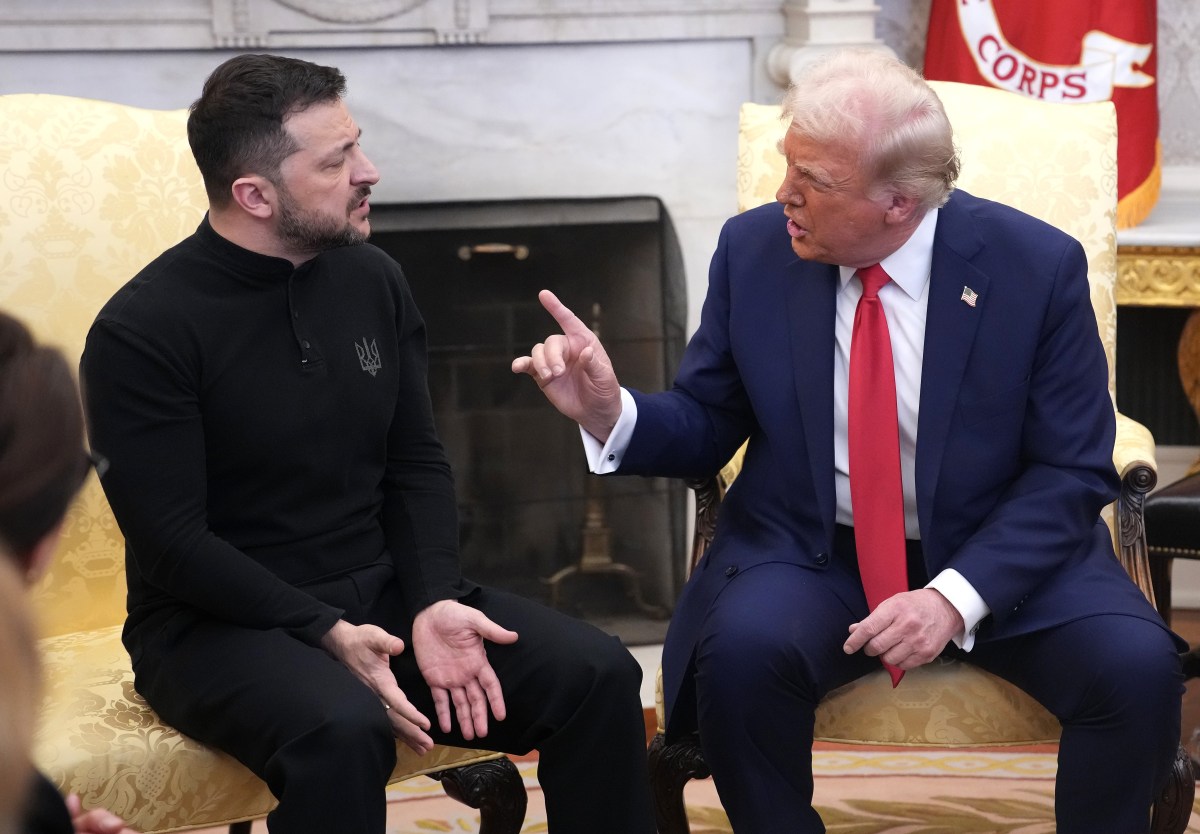
President Donald Trump’s stance on Russia and energy has shifted in a year. In 2025, he urged NATO to stop buying Russian oil and threatened sanctions. A year later, he asked Ukraine to stop targeting Russian diesel fuel because rising fuel prices were hurting the world, including the U.S.
Key Facts
In September 2025, President Trump urged NATO countries to stop buying Russian oil and supported heavy tariffs on China.
By 2026, Trump asked Ukrainian President Zelensky to stop attacking Russian diesel fuel supplies.
Rising fuel prices in the U.S. have reached over $6 per gallon for diesel, a historic high.
The U.S. launched Operation Epic Fury against Iran to stop its nuclear program and missile threats, impacting Gulf oil production.
Gulf oil production dropped by more than 10 million barrels per day in August 2026 due to ongoing conflicts.
Strategic waterways like the Strait of Hormuz and Bab el-Mandeb Strait face threats from Iran and its allies, disrupting oil routes.
Yemeni Houthi rebels attacked Saudi infrastructure and captured key ports, worsening oil supply problems.
Public concern over Trump’s economic policies and high gasoline prices grew, including among Republicans.
Read the Original
Want the full story? Tap a source to open the original
article.
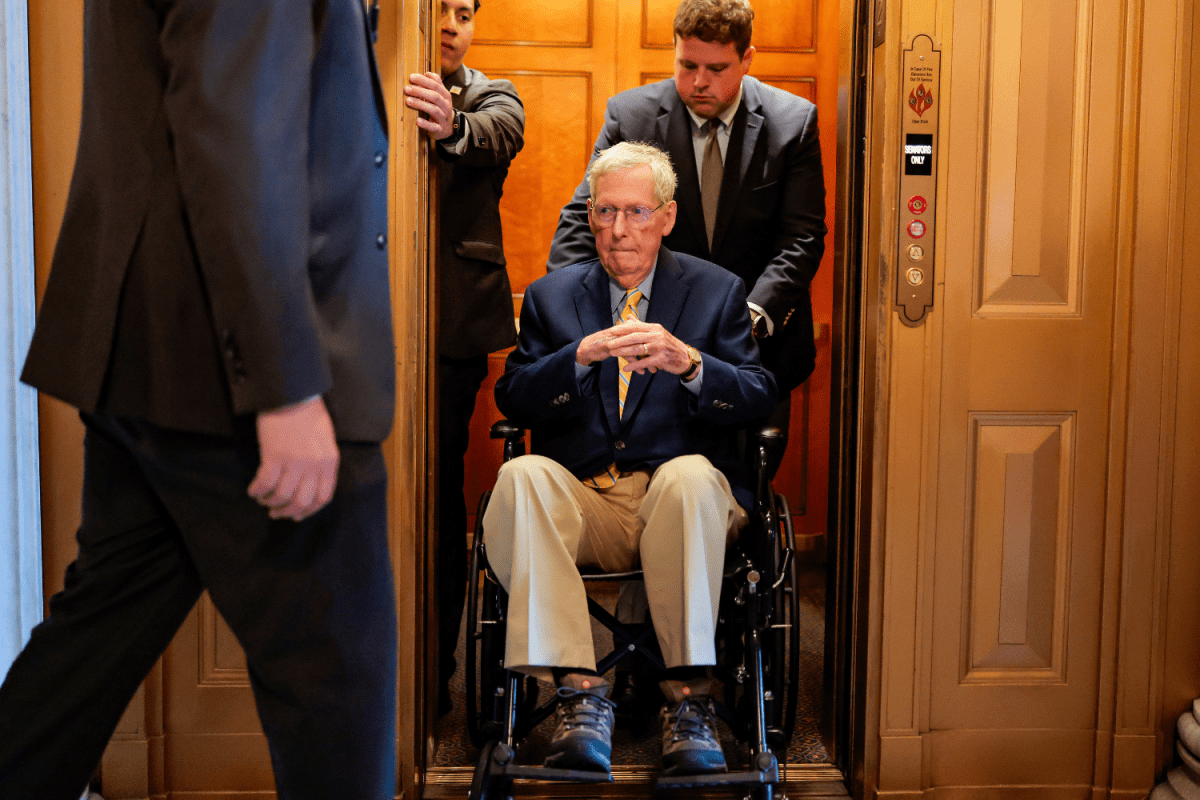
Senator Mitch McConnell has been absent from the Senate for about three months after a fall in June that required hospitalization. During this time, he has continued to receive his full annual salary of $174,000, earning nearly $45,000 while away.
Key Facts
Mitch McConnell is an 84-year-old Republican senator from Kentucky.
He was hospitalized following a fall in June and has not appeared in the Senate since.
McConnell’s annual Senate salary is $174,000, which breaks down to about $476.71 per day.
Over a 94-day absence, he earned almost $45,000 while not attending Senate sessions.
Senators receive a fixed salary regardless of attendance or illness.
McConnell’s staff made nearly $4 million in the year from April 2025 to March 2026.
His personal net worth is estimated at around $70.4 million, including investments and family finances.
McConnell has not been seen in public since before his injury, and there is ongoing speculation about when he will return.
Read the Original
Want the full story? Tap a source to open the original
article.
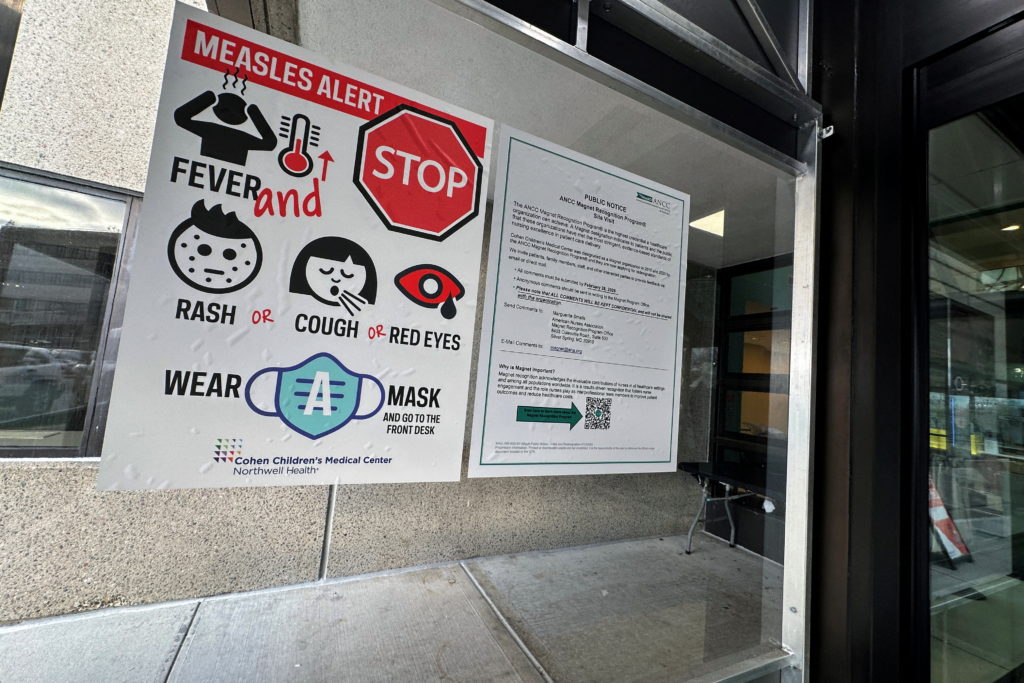
A 40-year-old woman from Jefferson County, Pennsylvania, has died from complications related to measles. This is the third measles-related death reported in Pennsylvania this year.
Key Facts
The woman died on a Saturday.
She lived in Jefferson County, Pennsylvania.
Jefferson County is about 50 miles northeast of Pittsburgh.
The cause of death was linked to measles.
This is the third measles-related death in Pennsylvania in 2024.
The coroner announced the death on Facebook.
The woman’s identity was not released beyond her county of residence.
Read the Original
Want the full story? Tap a source to open the original
article.
President Donald Trump announced during a golf event in Ireland that he will remove a 10% tariff on Irish whiskey. He said many people, including Irish leaders and golfers, had asked him to lift the tariff.
Key Facts
President Trump made the announcement in Doonbeg, Ireland, at the end of a golf tournament.
The 10% tariff applies to Irish whiskey imported into the United States.
Irish Prime Minister Micheál Martin and golfers, including Shane Lowry, asked Trump about the tariff.
Trump said he decided to remove the tariff as many people had requested it.
The tariff removal was announced during the trophy ceremony for the Irish Open golf event.
The announcement aims to improve trade relations between the U.S. and Ireland.
Read the Original
Want the full story? Tap a source to open the original
article.