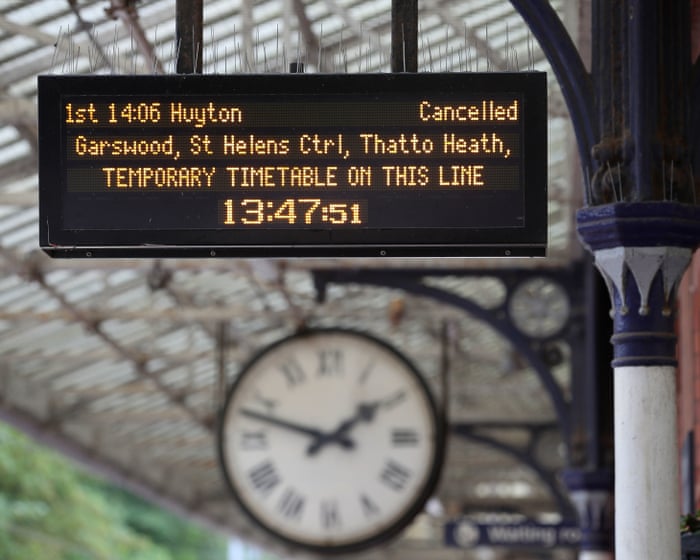
From September 20, rail passengers in Britain will be allowed to use tickets from one train company on another company’s train for free if their original train is canceled. This change aims to make traveling easier and avoid delays caused by needing new tickets during disruptions.
Key Facts
Starting September 20, passengers with a valid ticket can travel on another operator’s train up to two hours before or after their canceled service without extra cost.
This rule applies to major intercity operators like CrossCountry, GWR, Avanti West Coast, and Chiltern Railways.
Passengers previously had to wait for agreements or buy new tickets if their trains were canceled, causing confusion and extra cost.
Automatic acceptance of tickets across operators was already in place for companies returned to public ownership.
The British government plans to bring nearly all passenger trains into public ownership next year under the Great British Railways.
East Midlands Railway is excluded from the change for now due to ongoing operational problems.
The rail minister said this change puts passengers first and helps create a fairer, simpler railway system.
An independent watchdog welcomes the change but stresses the need for clear information to passengers during disruptions.
Read the Original
Want the full story? Tap a source to open the original
article.
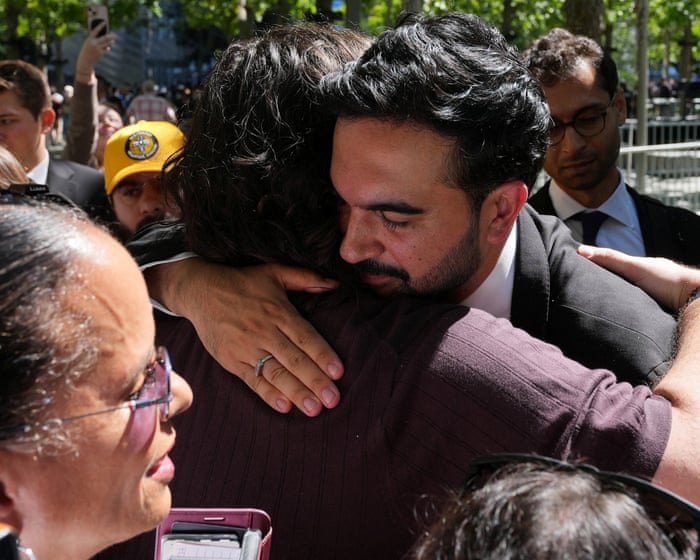
Twenty-five years after the 9/11 attacks, New York is seeing a new generation of Americans with South-West Asian and North African roots gaining influence in culture and politics. Despite this progress, negative attitudes toward Islam and Muslims remain strong in the US, reflected in ongoing Islamophobia and political attacks on Muslim public figures.
Key Facts
New York has a growing generation of people with roots in South-West Asia and North Africa (SWANA) gaining social and political power.
Zohran Mamdani, the city’s first Muslim mayor, faces opposition partly due to fears linking him to the 9/11 attacks.
This group includes a wide range of people—from practicing Muslims to those who identify culturally with Islam.
The new generation challenges traditional American views by criticizing US foreign policy and military actions in the Middle East.
Islamophobia in the US has increased since 9/11, with many Americans holding more negative and partisan views about Islam than in 2002.
Recently, some Muslim politicians have been unfairly labeled as terrorists or threats by other US politicians.
Public criticism of Muslims in office shows deep-rooted fears and mistrust still exist in American society.
President Donald Trump has claimed that jihadists are being elected in many places, contributing to political Islamophobia.
Read the Original
Want the full story? Tap a source to open the original
article.
A new food redistribution center called the Big Heart Food Hub has opened in Barking, east London, to share up to 10 tonnes of food each week with local charities and food banks. The hub collects surplus food that would have been wasted and provides it to more than 20 groups helping about 7,000 people facing food insecurity.
Key Facts
The Big Heart Food Hub is located in Barking, east London.
It aims to distribute up to 10 tonnes of food weekly to charities and food banks.
The hub supports over 20 local organizations that assist people struggling financially.
Most food is surplus unsold items that would otherwise be wasted.
The food helps feed roughly 7,000 local residents each week.
Barking and Dagenham is considered the poorest borough in London.
Partners in the hub include the local council, several charities, and community groups.
The hub plans to offer volunteer programs and cooking training in the future.
Read the Original
Want the full story? Tap a source to open the original
article.
The UK government is debating new rules to limit donations to political parties from British citizens living abroad after Reform UK received £72 million in donations in a short time. The proposed law would put a £100,000 cap on donations from British expats and apply the limit to recent returns to the UK, with the aim of reducing the influence of large donors.
Key Facts
Reform UK got £72 million from two billionaires, Ben Delo and Christopher Harborne, within 24 hours.
The UK government wants to cap political donations from British citizens living abroad at £100,000, applied retroactively from March 25.
The House of Lords is debating this bill to change donation laws.
The cap would also apply for one year after British expats return to live in the UK.
Some politicians and trade unions, like Unite, support limits on large donations.
Reform UK and Nigel Farage’s party criticize these changes as unfair.
Officials say the large donations received comply with current laws.
The law change aims to reduce the impact of “mega-donors” on UK politics.
Read the Original
Want the full story? Tap a source to open the original
article.
President Donald Trump has agreed to most parts of a new ethics rule in a large cryptocurrency bill set for a key vote this week. The rule will give state attorneys general the power to help enforce the law, along with the Justice Department, and requires officials to separate themselves financially from crypto companies.
Key Facts
President Trump accepted about 80% of a strict ethics proposal in the crypto bill.
The bill includes a ban on federally elected officials, their spouses, and federal judges from issuing digital assets.
Some Democrats and Republican Senator Thom Tillis wanted stronger conflict-of-interest rules related to Trump's crypto assets.
The bill now gives state attorneys general authority to enforce the crypto law, not just the Justice Department.
White House officials were concerned state attorneys general might use the law for political reasons.
The bill requires officials to either sell off or put in a blind trust any major financial interests in crypto companies.
State attorneys general will be able to sue crypto exchanges that list banned digital assets.
The bill is bipartisan and aims to address ethics and regulation of cryptocurrencies.
Read the Original
Want the full story? Tap a source to open the original
article.
The White House has accepted new rules about ethics in a cryptocurrency law called the Clarity Act. These rules would stop public officials from creating or promoting digital money and can be enforced by government lawyers and the Justice Department.
Key Facts
The White House approved new ethics language in the Clarity Act bill.
The Clarity Act focuses on cryptocurrency regulation.
The new rules prevent public officials from issuing or supporting digital assets.
Enforcement could be done by state attorneys general.
The Department of Justice (DOJ) may also enforce these rules.
A key vote on the bill will take place in the Senate on Tuesday.
Read the Original
Want the full story? Tap a source to open the original
article.
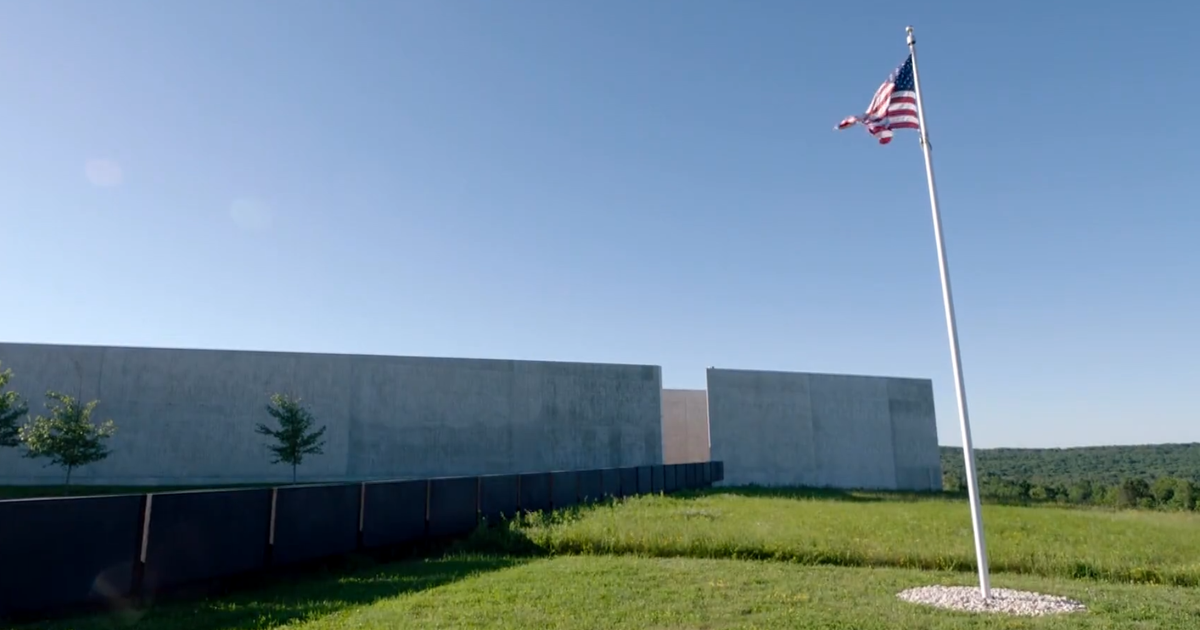
A new visitor education center began construction at the National 9/11 Pentagon Memorial. The center will honor the 184 people who died in the September 11, 2001, attack on the Pentagon and is expected to open in 2029.
Key Facts
Groundbreaking for the visitor education center took place recently at the Pentagon Memorial.
The Pentagon Memorial honors 184 victims of the 9/11 terrorist attack.
The new center aims to educate visitors about the events and impact of 9/11 at the Pentagon.
The project had been delayed for years due to bureaucratic obstacles.
The visitor center is planned to open in the year 2029.
The center will provide historical information and commemorate those who lost their lives.
The 9/11 Pentagon Memorial is located at the Pentagon in Washington, D.C.
Read the Original
Want the full story? Tap a source to open the original
article.
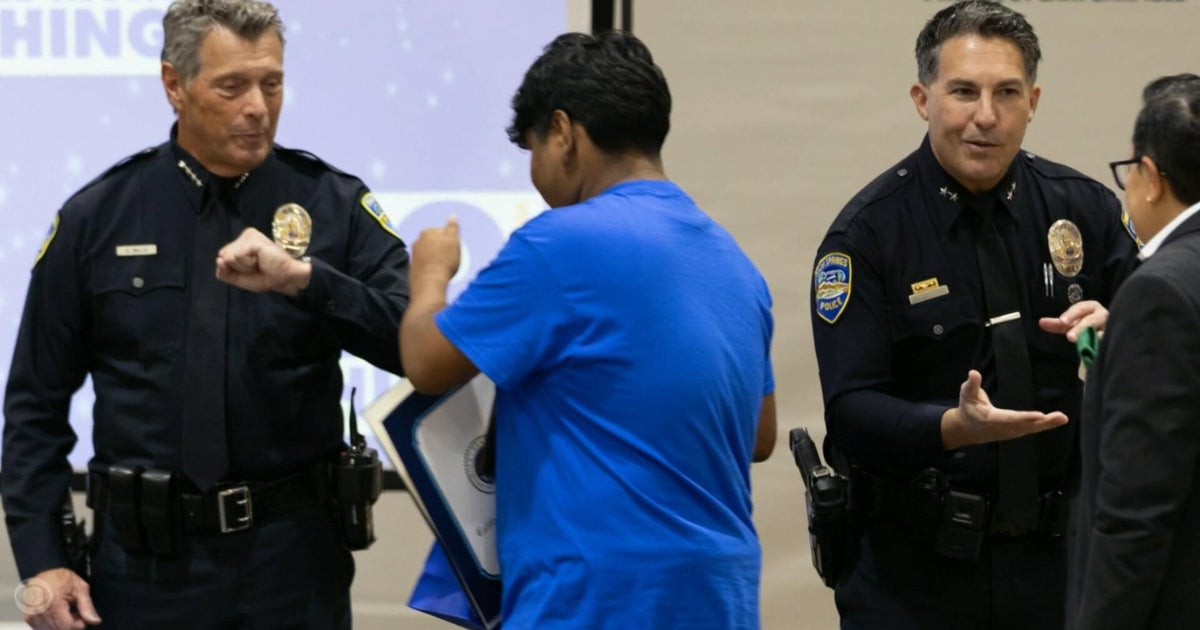
Police departments are working with a nonprofit group called Do the Right Thing to improve relationships with underprivileged children. The Palm Springs chapter recently gave 95 scholarships to help these students reach their goals.
Key Facts
Police departments are partnering with a charity named Do the Right Thing.
The charity honors students who do good things in communities across the U.S.
This partnership aims to build better connections between police and kids from less wealthy backgrounds.
The Palm Springs group of this charity awarded 95 scholarships.
These scholarships support underprivileged students in pursuing their dreams.
The effort is part of a larger goal to improve police culture and community trust.
Read the Original
Want the full story? Tap a source to open the original
article.
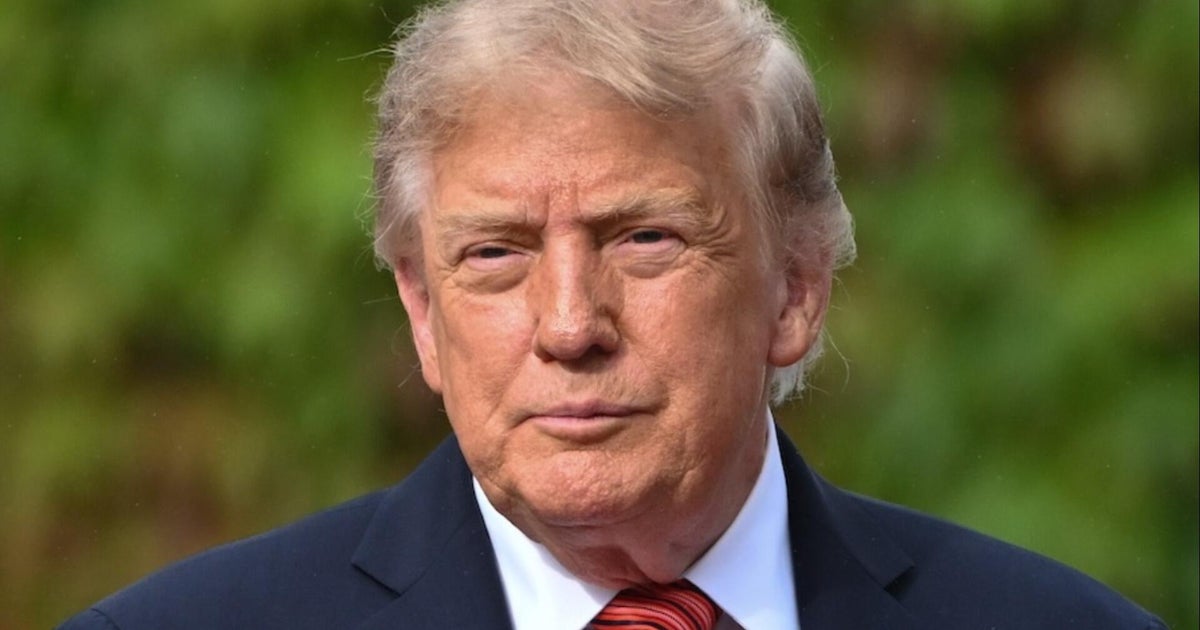
President Donald Trump visited Ireland during a time when Americans are dealing with rapidly rising energy prices. Gas prices increased by 16 cents in one week, reaching an average of $4.31 per gallon across the country.
Key Facts
President Donald Trump traveled to Ireland recently.
Americans are experiencing high energy and fuel costs.
Gas prices rose by 16 cents in one week.
The national average price of gasoline is $4.31 per gallon.
Concerns about oil prices were part of the discussion around President Trump's trip.
Read the Original
Want the full story? Tap a source to open the original
article.
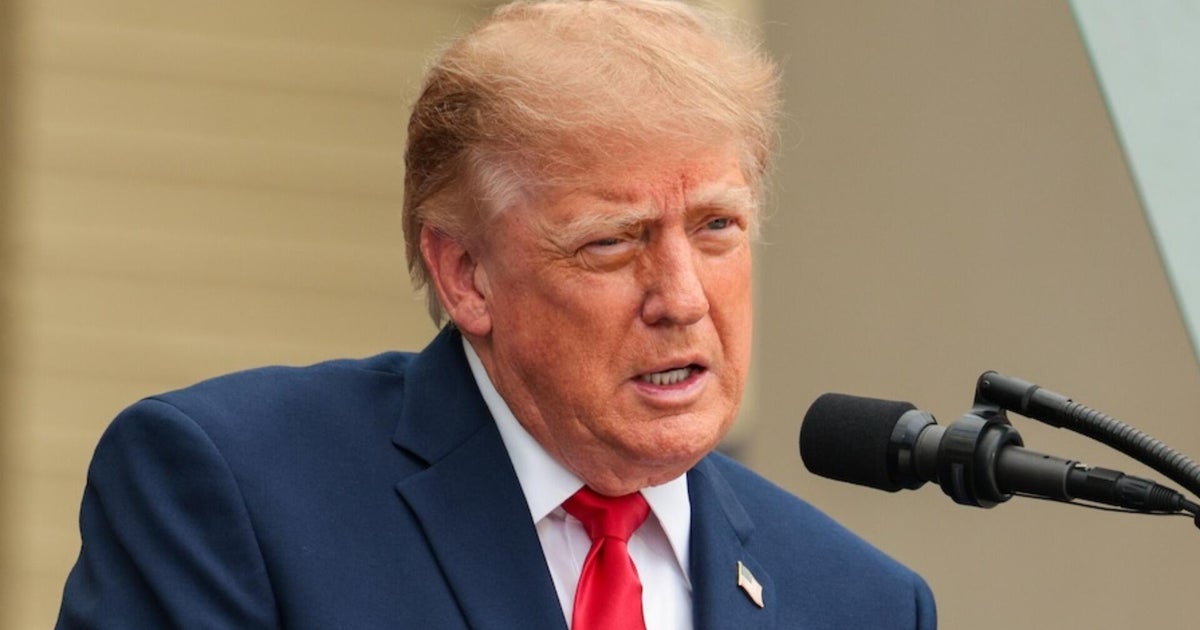
President Donald Trump downplayed concerns about risks from artificial intelligence (AI). He said that the main thing is to be the leader in AI technology, implying that whoever leads AI technology will have an advantage.
Key Facts
President Trump responded to fears about AI technology.
He dismissed warnings that AI could be dangerous or uncontrollable.
Several technology CEOs have expressed concern that AI is advancing too rapidly.
President Trump emphasized winning or leading in AI development.
The discussion about AI risks is part of larger debates on technology and safety.
Read the Original
Want the full story? Tap a source to open the original
article.
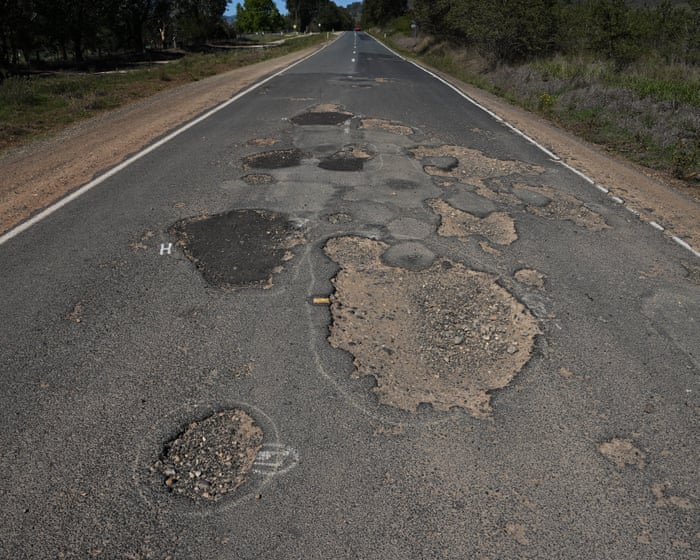
A 71-year-old motorcyclist died after hitting a pothole on a road in Victoria, Australia, renewing concern about the poor condition of the state’s roads. Government officials from both parties have promised more road repairs ahead of the upcoming state election.
Key Facts
The motorcyclist died near Trawalla, west of Ballarat, after hitting a pothole on the Western Highway.
Victoria’s public roads are reported to be deteriorating, with nearly half in poor or very poor condition.
The Victorian government audit found road conditions worsened from 39% poor in 2021 to 48% in 2023.
The Victorian Coalition party pledged $5 billion over four years to fix potholes and improve road maintenance.
The current Labor government promised $352 million to double pothole repairs by 2026.
Premier Ben Carroll acknowledged poor road conditions and said road maintenance will be brought back under direct government control.
The opposition shadow minister urges urgent action to fix potholes and prevent more deaths.
The next Victorian state election is scheduled for November 28.
Read the Original
Want the full story? Tap a source to open the original
article.
A statue honoring Charlie Kirk, a right-wing activist who was killed last year, was vandalized with red spray paint outside the Turning Point USA headquarters in Phoenix. Turning Point USA said they are working with police to find the vandals and plan to repair the statue.
Key Facts
The statue of Charlie Kirk was placed outside Turning Point USA’s headquarters in Phoenix, Arizona.
It was vandalized with red spray paint and scratches, including over religious symbols like Jesus and the Cross.
Charlie Kirk was a co-founder of Turning Point USA and was fatally shot while speaking at Utah Valley University.
The man accused of killing Kirk, Tyler Robinson, has pleaded not guilty and faces possible death penalty charges.
Turning Point USA’s chief operating officer, Tyler Bowyer, reported the vandalism on social media.
The police received calls about the damaged memorial on Sunday morning.
Turning Point USA plans to restore the statue and is reviewing video footage to help find the vandals.
The vandalism targeted the statue’s neck, the location where Kirk was shot.
Read the Original
Want the full story? Tap a source to open the original
article.
President Donald Trump stated that Americans will receive $5,000 dividend checks if the Republican Party keeps control of Congress after the midterm elections. He compared these checks to the $1,776 payments that were previously sent to U.S. service members.
Key Facts
President Trump announced $5,000 dividend checks for Americans.
The checks will be issued if the GOP keeps a majority in Congress.
He made the statement while speaking to reporters outside Air Force One.
Trump compared the proposed checks to $1,776 payments sent to U.S. service members.
The announcement was made ahead of the upcoming midterm elections.
The plan links government payouts to political outcomes.
The term "dividend checks" refers to direct payments to citizens.
Read the Original
Want the full story? Tap a source to open the original
article.
The article reports that some people seeking presidential pardons are hiring brokers who claim to have close ties to President Donald Trump’s circle. These brokers charge large fees and promise to help push pardon requests directly to the president, bypassing the usual Justice Department process.
Key Facts
Presidential pardons are a constitutional power and presidents have pardoned people for a long time.
The Justice Department usually screens pardon applications and recommends those who show remorse.
President Trump has pardoned political allies and Jan. 6 rioters, as well as some financial criminals who deny wrongdoing.
People seeking pardons sometimes hire brokers (lawyers or lobbyists) who charge large sums to claim they can influence the president.
Some brokers charge up to $3 million for their services.
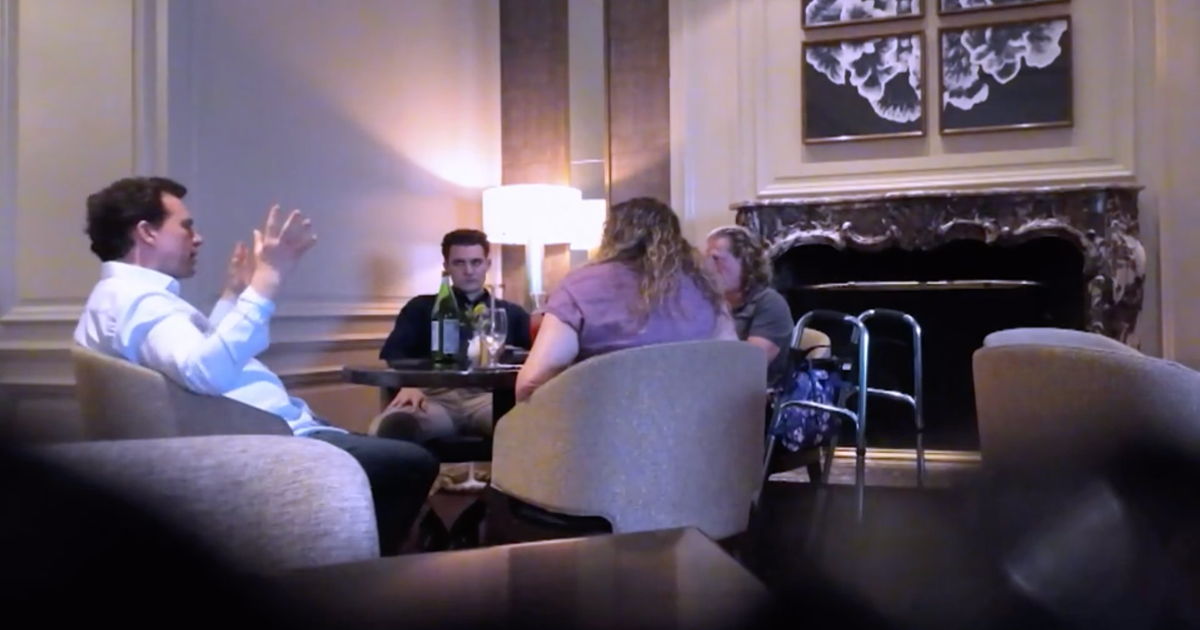
Journalists used hidden cameras to record brokers promising to deliver pardon requests directly to President Trump.
The brokers say applicants must attend events or buy expensive tickets to gain access to the president.
One real case involved a man convicted of illegal wildlife trafficking who initially failed to get a pardon and then tried the broker route.
Read the Original
Want the full story? Tap a source to open the original
article.
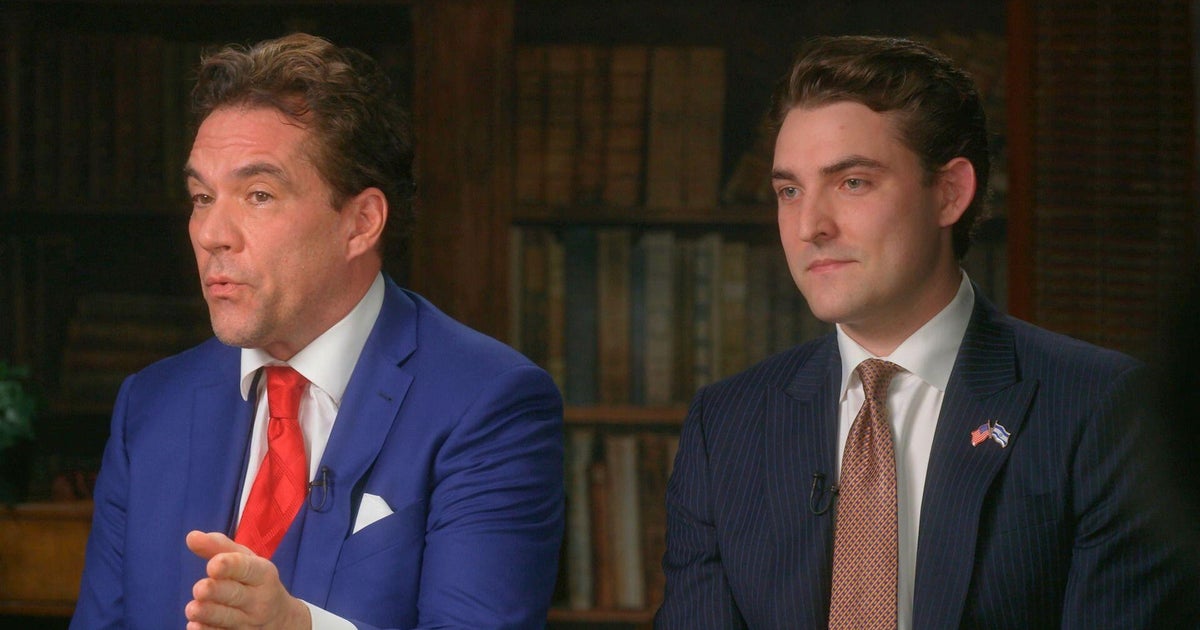
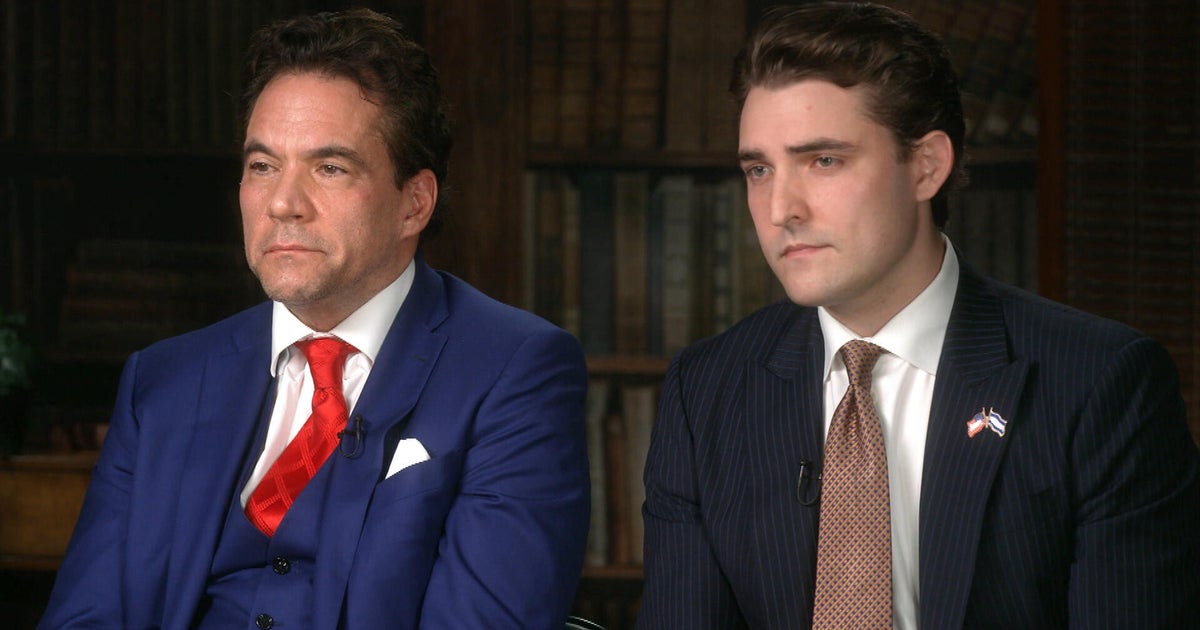
Two men, Jack Burkman and Jacob Wohl, act as brokers who charge people large sums of money to try to get pardons from President Donald Trump. They told a fake client they could secure a presidential pardon for $300,000, highlighting how the pardon process under President Trump often bypasses the usual government review and relies on personal contacts and outside pressure.
Key Facts
Jack Burkman and Jacob Wohl are known for trying to arrange pardons for people from President Trump.
They met with Ammon Covino, a convicted felon posing as a client, to pitch their pardon services.
Covino had already been denied a pardon by the Biden Justice Department before contacting them.
They claimed they could get a pardon for $300,000 by influencing the president through various contacts.
President Trump granted many pardons and clemencies, especially in the last 18 months, often side-stepping traditional Justice Department procedures.
About 70% of President Trump’s pardons in his second term were made without Justice Department input.
The pardon process under President Trump involves brokers and influencers with close ties to the administration rather than formal legal review.
This approach contrasts with past presidents, who generally relied more on formal Justice Department recommendations and showed more emphasis on remorse and rehabilitation.
Read the Original
Want the full story? Tap a source to open the original
article.
CBS News used hidden cameras to record lobbyists who try to help people get pardons from President Donald Trump. After revealing the recording, the lobbyists, Jack Burkman and Jacob Wohl, agreed to discuss how they decide their fees and work with influencers.
Key Facts
CBS News conducted a hidden-camera investigation of pardon brokers.
The brokers try to persuade clients interested in getting a pardon from President Trump.
The investigation focused on how these brokers set their prices.
Jack Burkman and Jacob Wohl are the two lobbyists featured in the report.
After being informed about the secret recording, both agreed to talk openly with CBS News.
The brokers also explained how they use influencers in their work.
The report was shared by the 60 Minutes program on CBS News.
Read the Original
Want the full story? Tap a source to open the original
article.
Some brokers are charging high fees to help people with felony convictions try to get pardons from President Donald Trump. However, these services do not guarantee that the pardons will be granted.
Key Facts
Brokers are offering to help felons apply for pardons from President Trump.
The brokers charge large amounts of money for their services.
There is no guarantee that a pardon will be given, even after paying.
CBS News used hidden cameras to record lobbyists trying to persuade a potential client.
The story highlights concerns about the pardon process under President Trump.
Read the Original
Want the full story? Tap a source to open the original
article.
One Nation has proposed cutting the number of temporary migrants in Australia by over 750,000 in three years, mainly affecting international students and families of skilled migrants. Labor and Liberal parties warn this cut could harm industries like construction, healthcare, aged care, and disability services.
Key Facts
One Nation plans to reduce temporary migrant visas to 2017 levels, aiming for a net-negative migration rate for three years.
The policy would lower net overseas migration to about 130,000 annually under One Nation’s plan.
Temporary skilled migrants would lose visa rights to bring family members under this plan.
Pacific labor mobility for agriculture would continue despite the cuts.
Illegal migrants would have three months to leave, with a lifetime ban for those overstaying.
Critics say the cut could cause worker shortages in essential sectors like aged care and farming.
Labor has delayed finalizing its own migration plan amid ongoing discussions.
The Liberal party questions the policy’s economic impact and doubts the accuracy of the proposed numbers.
Read the Original
Want the full story? Tap a source to open the original
article.
President Donald Trump said the U.S. should not slow down its development of artificial intelligence (AI) because he wants to keep the lead over China. While he agreed some rules are needed, he did not explain what those rules might be. His comments came after tech leaders called for a pause in AI progress to create safety measures.
Key Facts
President Trump expressed concern about losing the U.S. lead in AI to China.
He supports some regulation of AI but gave no details on what kind.
Anthropic CEO Dario Amodei and OpenAI CEO Sam Altman called for a slowdown in AI development to build safety controls.
Elon Musk also agreed that AI progress should be slowed to ensure safety.
Former researchers and lawmakers urged legislation to oversee AI development.
AI concerns include issues like water use and electricity costs tied to new data centers.
David Sacks, co-chair of Trump’s science advisory council, said the AI industry can control the pace without heavy government rules.
Bipartisan lawmakers introduced a bill to require human oversight of AI systems.
Read the Original
Want the full story? Tap a source to open the original
article.