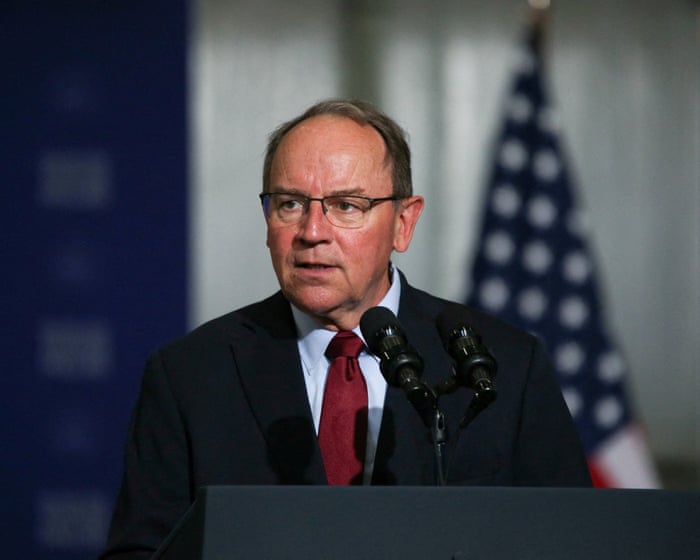
Kevin Hassett, the head of the National Economic Council, said he does not believe President Trump’s threat to start a trade war if the Federal Reserve does not lower interest rates will lead to ending trade completely. Hassett said President Trump strongly believes interest rates should be lower.
Key Facts
Kevin Hassett is the director of the National Economic Council.
President Trump threatened to start a trade war if the Federal Reserve does not reduce interest rates.
Hassett said he does not expect trade between countries to stop entirely.
President Trump believes interest rates are currently too high.
The Federal Reserve sets interest rates to control the economy.
This statement was made during an interview on Sunday.
The trade war threat connects trade policy and monetary policy concerns.
Read the Original
Want the full story? Tap a source to open the original
article.
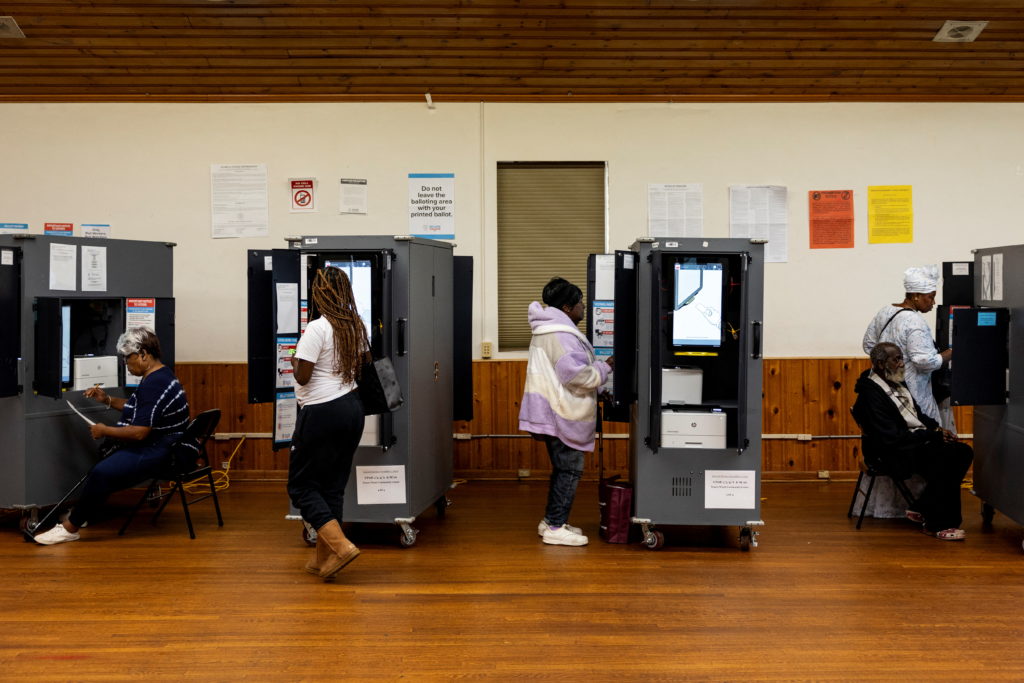
Researchers say Georgia’s voting machines have a weakness that can link voters to their ballots after voting. This flaw does not change votes but could break the secret ballot rule, which is important for protecting voter privacy.
Key Facts
Georgia’s voting equipment can let someone see which voter cast which ballot after the vote is cast.
The flaw does not change votes or affect election results.
Secret ballots are protected by Georgia’s state constitution.
Security experts warn that advances in artificial intelligence make this problem more urgent.
Election security advocates criticize Georgia officials for not fully fixing the issue before the November elections.
Georgia election officials say they have made some improvements to reduce risks.
Privacy concerns from this flaw could lead to legal challenges about the election.
Read the Original
Want the full story? Tap a source to open the original
article.
Thousands of people who were near the World Trade Center during the 9/11 attacks continue to face serious health problems caused by the toxic dust they breathed. A recent CDC review found these problems include cancers, lung diseases, and other chronic illnesses that may appear years after exposure, showing a need for ongoing medical care and research.
Key Facts
The 9/11 attacks in 2001 caused a toxic dust cloud containing asbestos, lead, cement, glass fibers, benzene, and other harmful chemicals.
Over 154,000 responders and survivors are enrolled in the World Trade Center Health Program, receiving free medical monitoring and treatment.
More than 9,400 people have died from illnesses related to 9/11 toxic exposure.
The program has certified about 50,000 cancer diagnoses connected to the dust exposure.
Chronic conditions from the dust exposure cause disability and require complex medical care.
The toxic dust included carcinogens such as asbestos, which causes several types of cancer.
Lead exposure from the dust affects many body systems and can lead to heart problems.
The dust remained at Ground Zero for months, burning and releasing dangerous particles into the air.
Read the Original
Want the full story? Tap a source to open the original
article.
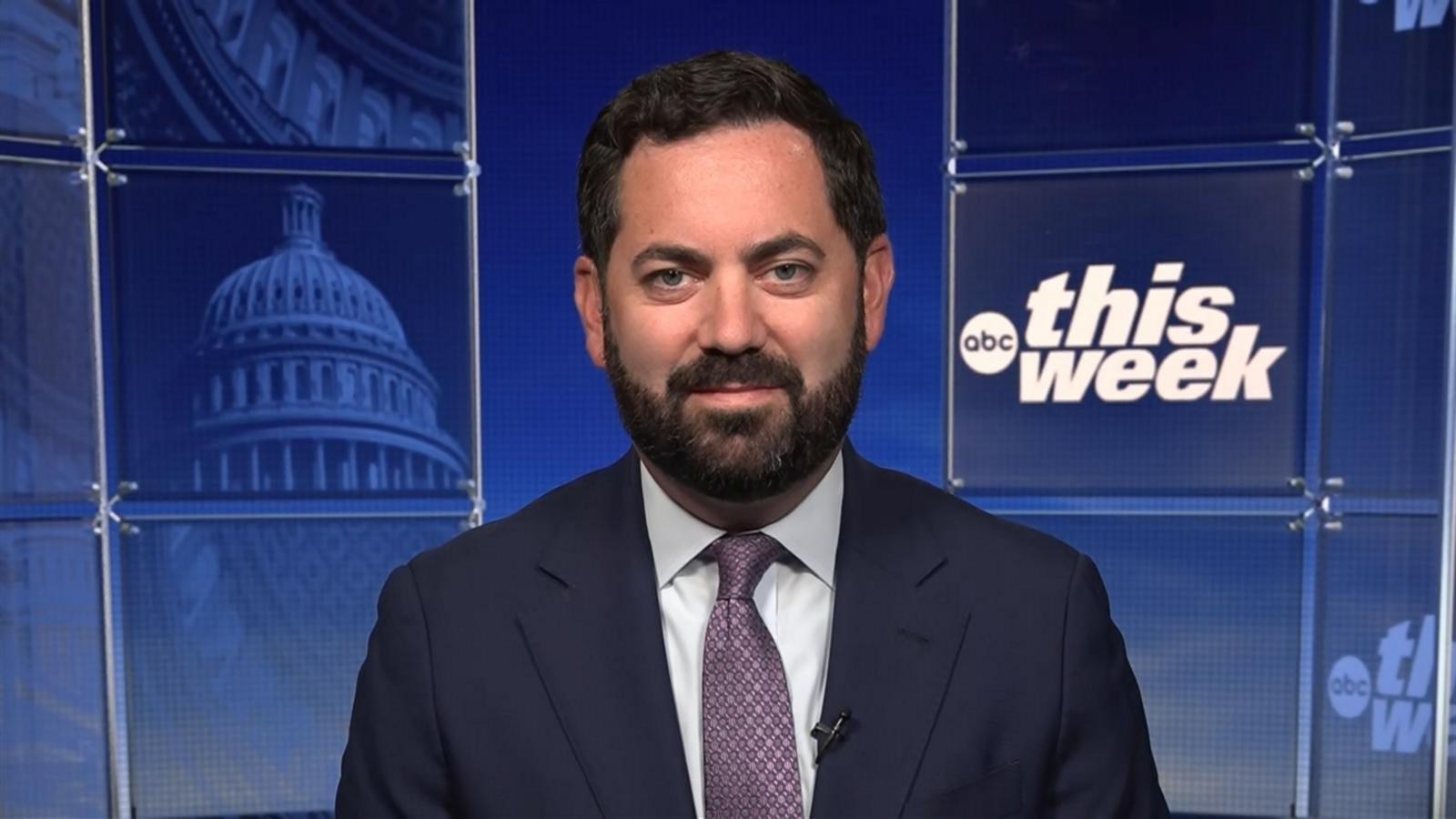
House Minority Leader Hakeem Jeffries said he has not decided whether Democrats will try to impeach President Donald Trump if they win control of the House of Representatives in the upcoming November election. He stated that no options, including impeachment, have been confirmed or dismissed.
Key Facts
Hakeem Jeffries is the House Minority Leader and a Democrat from New York.
Jeffries spoke on the ABC show "This Week" with George Stephanopoulos.
Jeffries said Democrats have not ruled in or ruled out impeachment of President Trump.
The discussion about impeachment is tied to the possibility of Democrats regaining the House majority in November.
The House of Representatives controls the start of impeachment proceedings.
Jeffries did not give a clear commitment but left open the option of impeachment.
This statement reflects ongoing political considerations among House Democrats ahead of the midterm elections.
Read the Original
Want the full story? Tap a source to open the original
article.
Greg Newburn writes a piece warning that lawmakers are rushing to make new laws about police surveillance technology. He suggests that instead of quick bans driven by politics, lawmakers should take time to create thoughtful and careful rules.
Key Facts
Greg Newburn wrote an opinion article about police surveillance regulation.
He says lawmakers are moving too fast to regulate or ban surveillance technology.
Newburn advises focusing on careful regulation instead of quick political responses.
The article discusses the importance of balanced rules for police technology.
It suggests lawmaking should consider long-term effects, not just immediate reactions.
Read the Original
Want the full story? Tap a source to open the original
article.
Reform UK recently received two large donations totaling £36 million, bringing their total fundraising this year to £72 million. The party plans to use this money to hire policy experts and campaign managers to support election efforts, while Labour is considering new rules to limit large political donations.
Key Facts
Reform UK got two big donations of £36 million each, totaling £72 million this year.
These donations have helped Reform UK raise more money than any other party this year.
The funds will be used to hire up to 400 campaign managers across the country.
Labour’s prime minister, Andy Burnham, is being pressured to change rules on political donations.
Labour plans to limit how much money British citizens living abroad can donate to UK parties.
Some lawmakers want to limit large donations from people in Britain too.
The Electoral Commission is reviewing rules about political donations.
Downing Street says the recent donations are not seen as a reason for an early general election.
Read the Original
Want the full story? Tap a source to open the original
article.
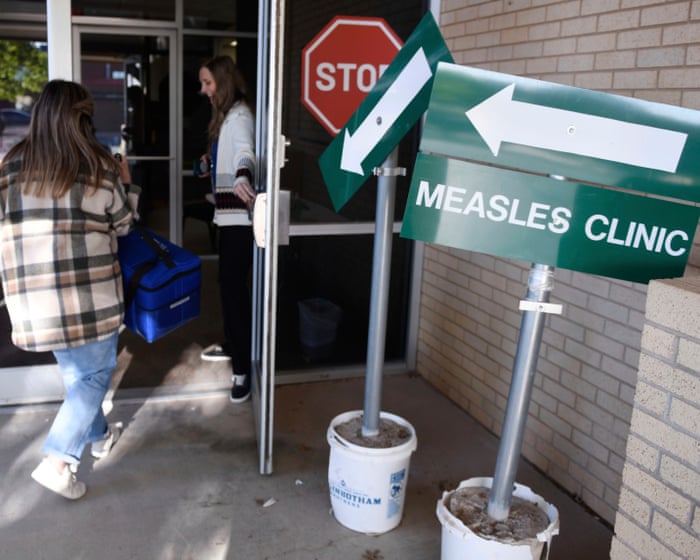
A 40-year-old woman in Pennsylvania died in connection with the state's ongoing measles outbreak, marking a third reported death. Pennsylvania has nearly 700 measles cases, mainly in Lancaster and Mifflin counties, with officials urging vaccination and public health precautions.
Key Facts
A 40-year-old woman recently died linked to the measles outbreak in Pennsylvania.
This is the third reported measles-related death in the state; the other two were infant children.
One infant had a rare genetic condition making her vulnerable; the other died from a ruptured spleen but was infected with measles.
Measles is very contagious and can cause serious health problems or death, even though it is often seen as a childhood illness.
Pennsylvania had about 700 measles cases across 37 counties, especially in farming communities.
Vaccination rates, including for the measles vaccine (MMR), have declined in some areas.
Some public figures have questioned vaccine safety, causing confusion about measles risks and prevention.
Pennsylvania health officials confirm both infant deaths were linked to measles complications.
Read the Original
Want the full story? Tap a source to open the original
article.
Republican Representative Mike Flood of Nebraska said the government should focus on giving more money to the military, especially because of the war with Iran. He spoke against rushing to pass President Donald Trump’s plan to give people $5,000 checks until the military’s needs are met.
Key Facts
GOP Rep. Mike Flood supports increasing funding for the Pentagon.
Flood’s priority is to fund and supply the military first.
His comments came amid the ongoing Iran war.
Flood wants to see details of President Trump’s $5,000 dividend plan.
He thinks the military’s needs should come before sending out $5,000 checks.
The discussion highlights a debate on government spending priorities.
Read the Original
Want the full story? Tap a source to open the original
article.
Police in Greenville, South Carolina, detained Brian Hickerson, boyfriend of late actress Hayden Panettiere, and his brother Zach after a fight at a restaurant. Zach was arrested for disorderly conduct, while Brian was released without charges. The investigation into Panettiere’s death, which has no signs of foul play, is still ongoing.
Key Facts
Brian Hickerson and his brother Zach were detained following a fight at the Wild Wing Cafe in Greenville.
Zach Hickerson was arrested for disorderly conduct due to being very drunk and causing a disturbance.
Brian Hickerson was released from the scene and not charged in connection with the fight.
Hayden Panettiere died on August 16 after being found unresponsive in Greenville; no signs of foul play have been reported.
Authorities are still investigating Panettiere’s death and waiting for toxicology results.
Reports say investigators are looking into whether drugs were involved in Panettiere’s death and have questioned Brian Hickerson.
Brian Hickerson has a history of legal issues related to domestic violence with Panettiere.
Police are not currently linking anyone to Panettiere’s death with any charges or arrests.
Read the Original
Want the full story? Tap a source to open the original
article.
The article emphasizes that all coastal states should have equal rights to manage their coastal areas. It warns against efforts that could give one state more control over coastal resources than others.
Key Facts
Coastal states currently share equal legal rights to manage their coastlines.
The article highlights concerns about a possible increase in power for one state over coastal areas.
It suggests that any change in coastal management rights could impact all Americans.
The issue involves state control of coastal land and resources.
Maintaining fairness in coastal management is presented as important for legal and environmental reasons.
Read the Original
Want the full story? Tap a source to open the original
article.
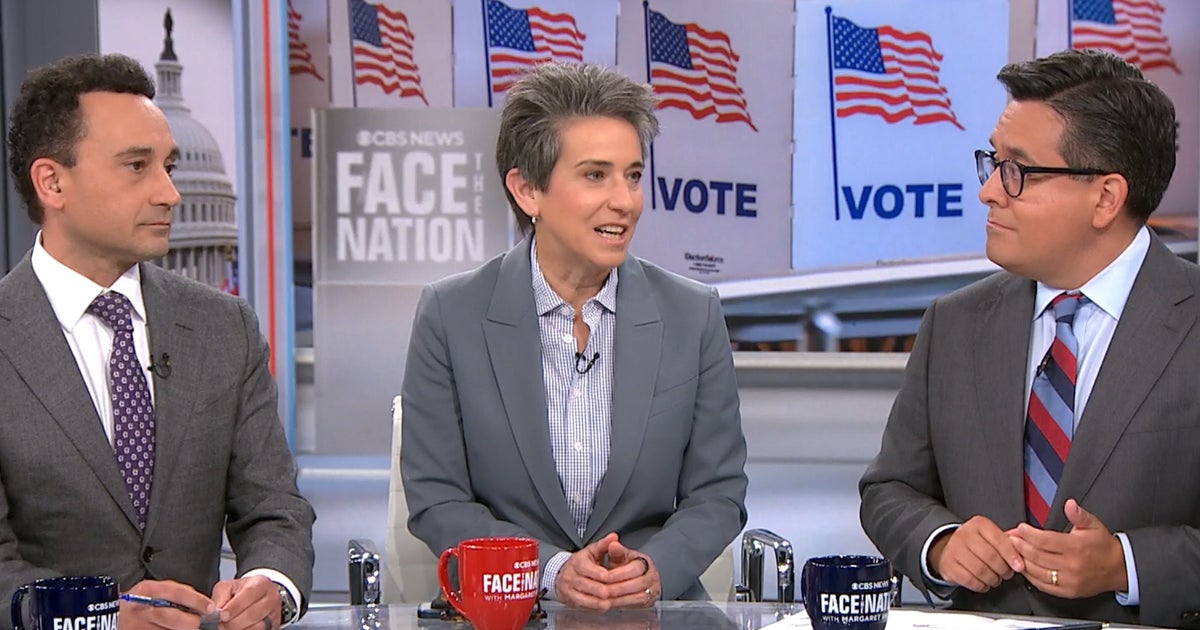
CBS News hosted a political panel to discuss what voters might see during the run-up to the midterm elections, which are less than two months away. Experts talked about the campaign strategies and the chances of both parties in the elections.
Key Facts
The midterm elections will happen in less than two months.
CBS News held a panel with political experts to analyze the upcoming campaigns.
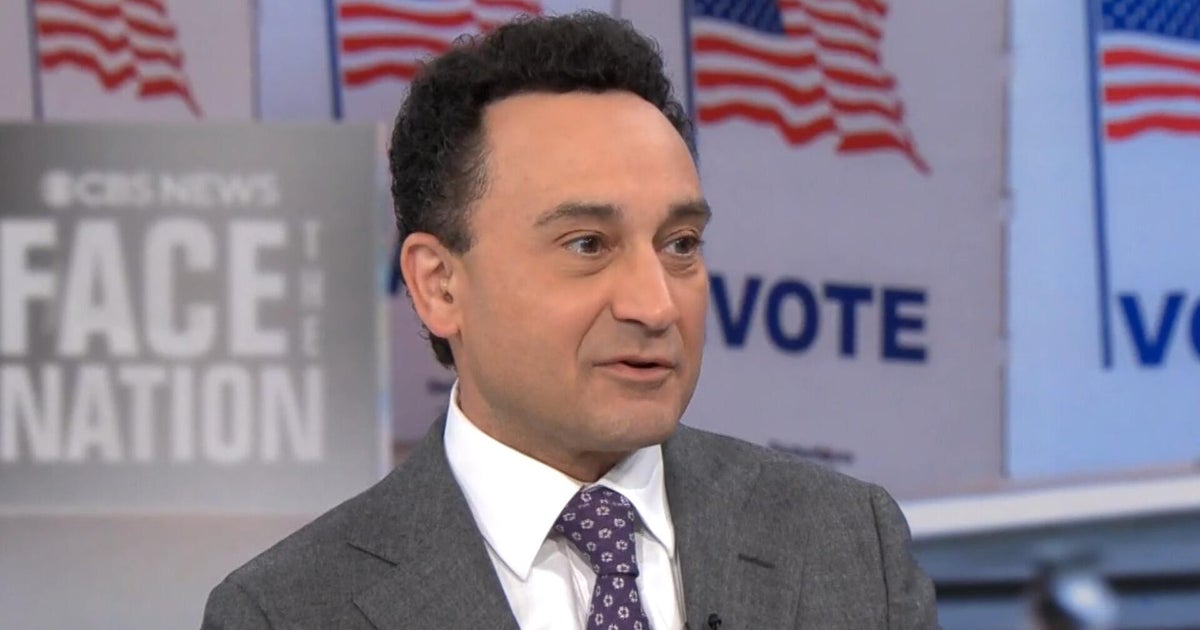
Anthony Salvanto, CBS News executive director of elections and surveys, participated in the discussion.
Ed O'Keefe, CBS News senior White House and political correspondent, was also on the panel.
Amy Walter, editor-in-chief of the Cook Political Report, gave insights during the discussion.
The panel focused on what voters can expect during the midterm campaign trail.
Experts talked about the outlook for both the Democratic and Republican parties.
The discussion was available on the CBS News app and website.
Read the Original
Want the full story? Tap a source to open the original
article.
A CBS News poll shows Democrats currently have a slight lead over Republicans in the competition to control the U.S. House of Representatives. Both parties believe the upcoming midterm elections are strongly influenced by President Donald Trump, but for different reasons.
Key Facts
The CBS News Battleground Tracker poll measures voter opinions ahead of the midterm elections.
Democrats hold a small advantage over Republicans in the race for the House of Representatives.
Both political parties see President Trump as a major factor in the midterm elections.
The poll was discussed by CBS News’ election expert, Anthony Salvanto, on the show "Face the Nation."
Midterm elections happen every two years and decide who controls Congress.
Control of the House affects the ability to pass laws and support or oppose the president’s agenda.
Read the Original
Want the full story? Tap a source to open the original
article.
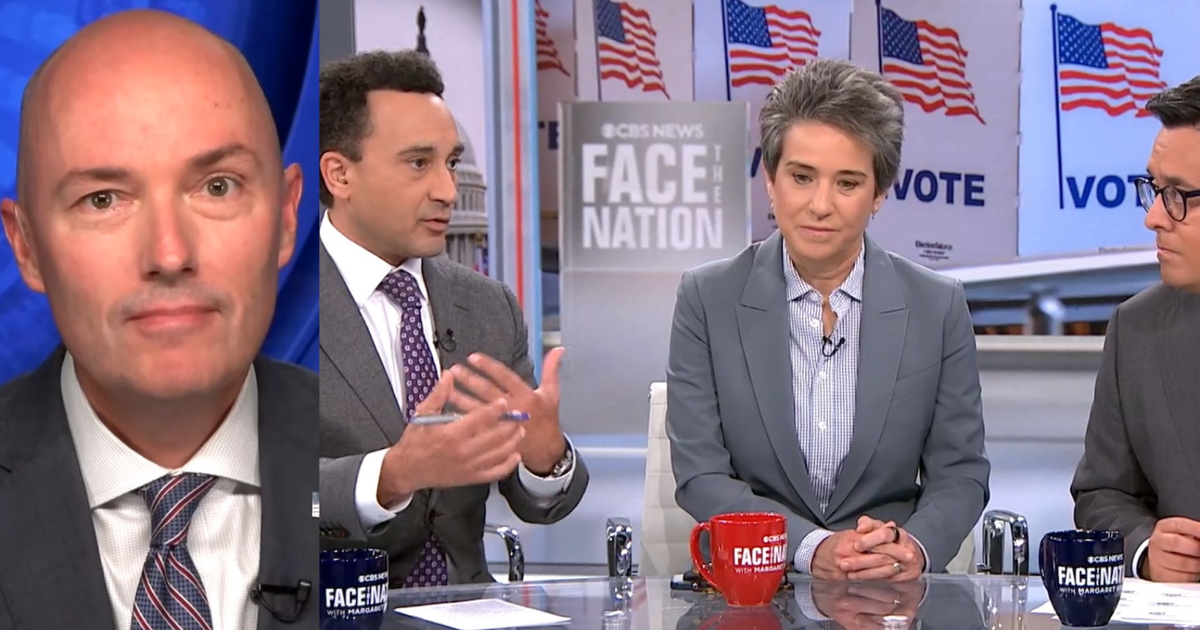
The CBS News show "Face the Nation" featured Utah Governor Spencer Cox, CBS News elections expert Anthony Salvanto, and a political panel including Ed O'Keefe and Amy Walter. They discussed current political topics and analysis related to U.S. politics.
Key Facts
Utah Governor Spencer Cox appeared on "Face the Nation."
Anthony Salvanto, CBS News executive director of elections and surveys, joined the discussion.
The political panel included Ed O'Keefe and Amy Walter.
Amy Walter is editor-in-chief and publisher of the Cook Political Report.
The panel talked about political and election-related issues.
The episode was available on CBS News and CBS News App.
The show is part of CBS News' political reporting.
Read the Original
Want the full story? Tap a source to open the original
article.
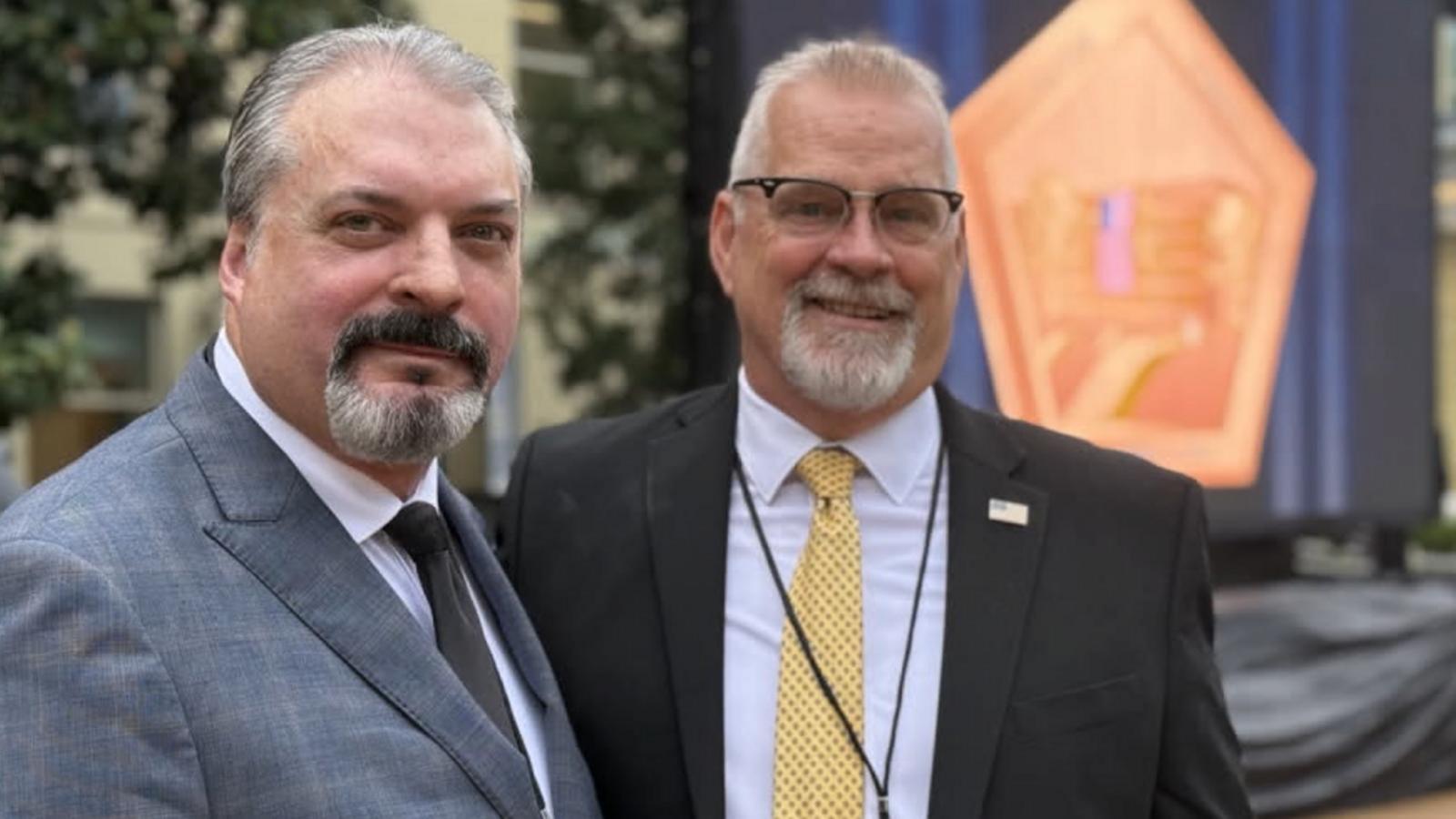
The article tells the story of a strong friendship formed between two survivors of the September 11, 2001, attack on the Pentagon. ABC News correspondent Martha Raddatz shared this story on the program “This Week” as people remember the 25th anniversary of 9/11.
Key Facts
Two people who survived the 9/11 Pentagon attack formed a close friendship over 25 years.
The story was reported by ABC News journalist Martha Raddatz.
The friendship grew from the heroism and shared experience during the attack.
The article was shared around the 25th anniversary of the 9/11 attacks in 2026.
The Pentagon was one of the sites attacked on September 11, 2001.
The coverage included reflections on 9/11 heroism and American resilience.
President Donald Trump attended ceremonies related to the 25th anniversary.
The article is part of broader remembrance activities taking place in the U.S.
Read the Original
Want the full story? Tap a source to open the original
article.
House Speaker Mike Johnson has not guaranteed the $5,000 payments President Trump promised to all adult American citizens if Republicans keep control of Congress. Johnson said Congress would have to reach agreement on the plan, and experts say such payments need congressional approval and face financial challenges due to the large US deficit.
Key Facts
President Trump promised a $5,000 payment to every adult American citizen if Republicans win the midterm elections and keep Congress.
House Speaker Mike Johnson declined to guarantee the payments, saying Congress must find consensus to approve them.
Congress must authorize and fund the payments; the president cannot direct the Treasury to pay without approval.
The estimated cost of paying $5,000 to about 245 million adults is about $1.22 trillion.
Experts point out the US government runs large deficits and does not have surplus money to distribute like companies do dividends.
Some Republicans, like Senator Bernie Moreno, plan to prepare bills to try to pass the payments if their party wins.
The proposal is described as uncertain and unlikely to happen due to budget and political hurdles.
President Trump said payments would be spent only in the United States, possibly excluding American citizens living abroad.
Read the Original
Want the full story? Tap a source to open the original
article.
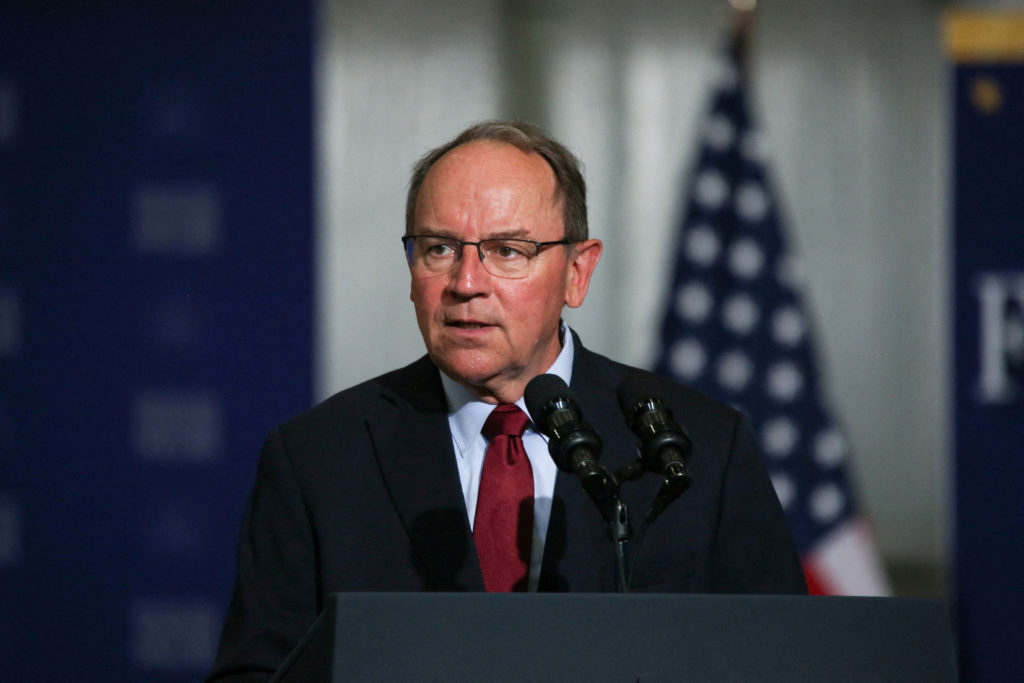
Republican U.S. Representative Tom Tiffany had to swim to safety after the small plane he was in lost power and made an emergency landing in Lake Wausau, Wisconsin. Both Tiffany and the pilot escaped the sinking plane, called 911, and were rescued by emergency responders with minor injuries.
Key Facts
The incident happened late Saturday near Wausau Downtown Airport in Wisconsin.
The plane lost power while approaching the airport and was forced to land in Lake Wausau.
Both Rep. Tom Tiffany and the pilot, Leonard Boltz, exited the plane and swam to shallow water.
Emergency responders arrived by fire department airboat and rescued them around 9 p.m.
Tiffany was treated for a cut above his right eye that required stitches, and both men were released from the hospital.
A buoy was placed near the submerged plane to warn boaters until the aircraft can be removed.
The Federal Aviation Administration will investigate the incident, and the National Transportation Safety Board may get involved after the FAA’s review.
Tiffany is a Republican candidate for governor in Wisconsin and has been endorsed by President Donald Trump.
Read the Original
Want the full story? Tap a source to open the original
article.
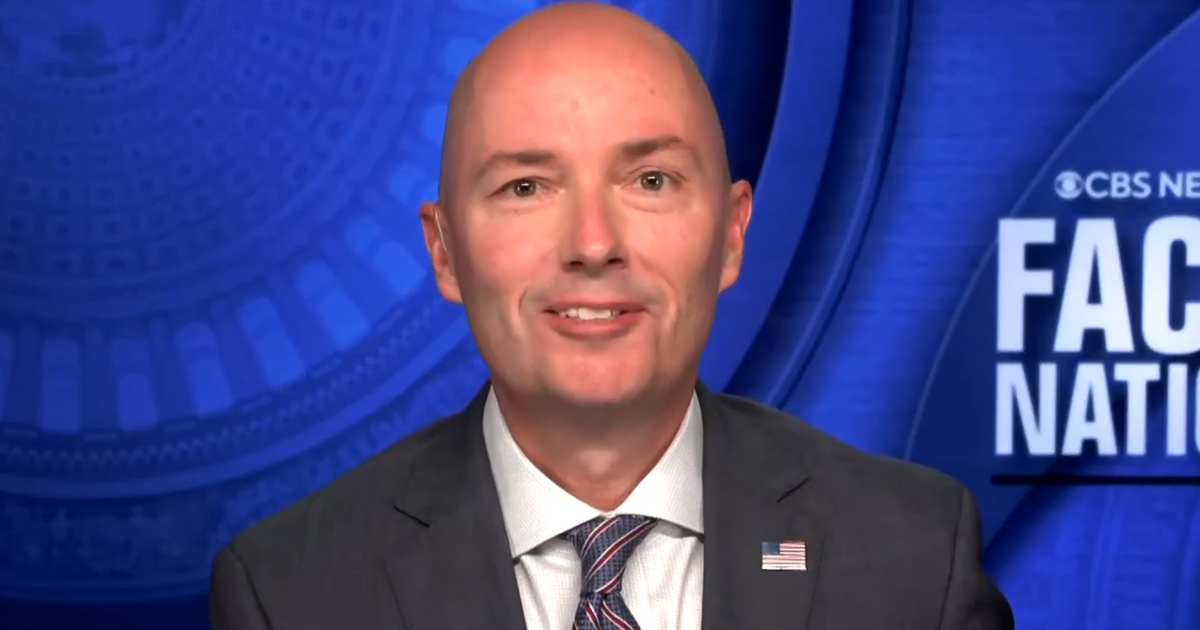
Utah Governor Spencer Cox spoke about the need for stronger government action on artificial intelligence (AI), emphasizing collaboration between companies and officials to protect the public. He also discussed Utah’s secure vote-by-mail system amidst changes in postal service rules and stressed the importance of ensuring everyone can vote.
Key Facts
Governor Spencer Cox wants the federal government to have a bigger role in regulating AI.
He referred to recent AI-related concerns, including the Hugging Face incident, as warning signs.
Cox supports collaboration between government and AI companies rather than a complete ban or moratorium.
Utah follows a “pro-human AI” approach, working with companies to protect citizens.
Cox’s team has recently reached out to members of Congress to discuss AI concerns.
Utah has used vote-by-mail for about ten years with strong security measures.
Around 95% of Utah voters used mail-in ballots during the June primary elections.
Cox expressed readiness for changes in postal rules and wants to ensure all eligible voters can participate.
Read the Original
Want the full story? Tap a source to open the original
article.
Wisconsin Congressman Tom Tiffany had to swim to safety after the small plane he was in made an emergency landing in Lake Wausau. Both he and the pilot were rescued by emergency crews and treated for minor injuries.
Key Facts
Rep. Tom Tiffany was flying back from a political event in La Crosse County.
The single-engine plane lost power near Wausau downtown airport.
The pilot landed the plane safely on Lake Wausau.
Tiffany and the pilot swam to shallow water and called 911.
Emergency responders arrived by boat and took them to a hospital.
Both had minor injuries and were treated at the hospital.
Tiffany is running for governor of Wisconsin as a Republican.
President Donald Trump has endorsed Tiffany’s campaign.
Read the Original
Want the full story? Tap a source to open the original
article.
President Donald Trump’s predecessor, Barack Obama, encouraged House Democratic Leader Hakeem Jeffries to focus on overseeing artificial intelligence (AI). Obama suggested that Democrats create a plan for public discussion about AI if they regain control of the House.
Key Facts
Barack Obama spoke with Hakeem Jeffries this week about AI.
Obama wants AI oversight to be a key goal for House Democrats.
The discussion happened at a Thursday fundraiser.
Obama urged Democrats to prepare a framework for public talks about AI.
This effort would happen if Democrats regain the majority in the House of Representatives.
The source of this report is The New York Times.
Read the Original
Want the full story? Tap a source to open the original
article.
Republican Rep. Mike Lawler said he pledges his loyalty to the people he represents in New York, not to President Donald Trump. Lawler also questioned how Trump’s proposed $5,000 dividend for Americans would be funded but supports putting money back into the pockets of hardworking citizens.
Key Facts
At the GOP convention, President Trump asked supporters to pledge allegiance to him as "the greatest president in the history of the United States."
Rep. Mike Lawler avoided pledging allegiance to President Trump, saying he is loyal to his constituents.
Lawler is running for reelection in November against Democrat Cait Conley, an Army veteran.
Lawler’s district voted for Vice President Kamala Harris over Trump in 2024.
Lawler said he does not always agree with President Trump.
President Trump proposed giving every American adult $5,000 if Republicans win the midterm elections.
The Committee for a Responsible Federal Budget estimated that this payment would cost over $1.2 trillion, more than all three COVID stimulus payments combined.
Some Republicans and Democrats have criticized the proposal, with concerns about its cost and political motivation. Lawler questions how it will be paid for but supports putting money back in Americans' pockets.
Read the Original
Want the full story? Tap a source to open the original
article.