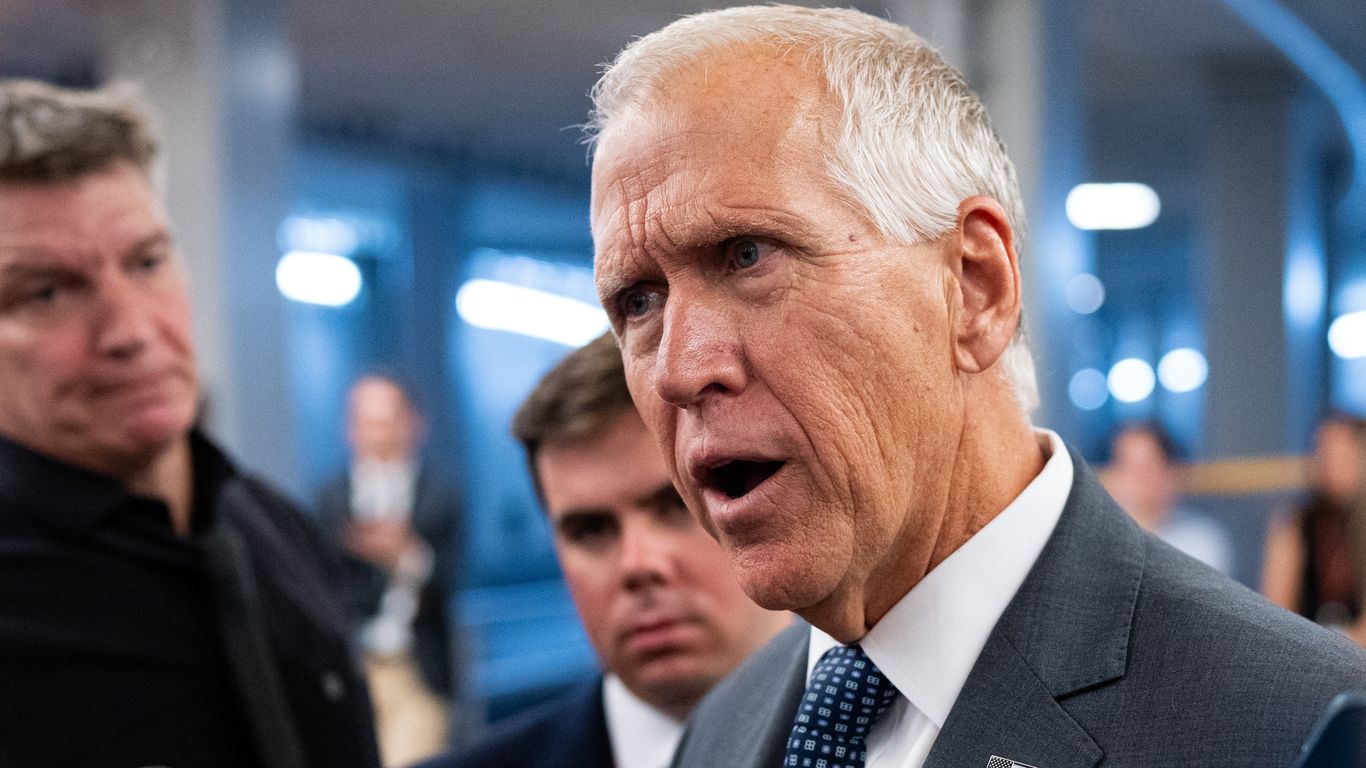
Senator Thom Tillis criticized President Trump's warm welcome for Chinese President Xi Jinping, questioning why Xi received more attention than U.S. allies. Tillis expressed concern about Trump's approach to China, especially given issues like human rights abuses and espionage.
Key Facts
Senator Thom Tillis publicly criticized President Trump’s reception of Chinese President Xi Jinping.
Tillis called it a "WTF moment" because Xi got a warmer welcome than some allied leaders.
Tillis is no longer running for reelection and has become a vocal critic of Trump.
He worries Trump is spending too much time with authoritarian leaders instead of democratic ones.
Tillis highlighted China's human rights abuses and spying concerns during the visit.
Trump previously claimed China interfered in the 2020 U.S. election.
Trump showed Xi the "Presidential Walk of Fame," which included an image instead of President Biden’s portrait.
Trump said China’s state media was friendlier to him than the American press.
Read the Original
Want the full story? Tap a source to open the original
article.
House Committee on Small Business Chairman Roger Williams supports updating federal surveillance laws. He wants to protect businesses from lawsuits about common website technologies used for surveillance.
Key Facts
Roger Williams is the Chairman of the House Committee on Small Business.
He called for modernizing federal laws about surveillance.
The goal is to protect businesses from unfair wiretapping lawsuits.
These lawsuits involve regular technologies used on websites.
The legislative efforts to address this are bipartisan, meaning both political parties support them.
The changes aim to stop what is seen as misuse of wiretap laws against businesses.
Wiretapping laws currently may not reflect modern technology used online.
Read the Original
Want the full story? Tap a source to open the original
article.
Texas State Representative James Talarico has raised over $31 million for his Senate campaign, much more than Texas Attorney General Ken Paxton, who raised about $9 million. Both campaigns receive donations mostly from Texas, but also from other states, showing strong interest in the upcoming midterm election where Democrats hope to gain control of the Senate.
Key Facts
James Talarico raised $31,853,507 for his Senate campaign by June 30.
Ken Paxton raised $9,147,100 for his campaign in the same period.
About 55% of Talarico’s donations came from Texas; over 82% of Paxton’s donations came from Texas.
Major out-of-state donors for Talarico include California, New York, and Massachusetts.
Paxton’s out-of-state donations mostly came from Florida, California, Utah, Arizona, and Pennsylvania.
Donations to official campaigns are limited by law, but Super PACs supporting the candidates raise and spend more money with fewer limits.
A Republican group supporting Paxton spent over $51 million on TV advertising in Texas markets.
Democratic groups supporting Talarico spent $43.7 million on advertising space.
Read the Original
Want the full story? Tap a source to open the original
article.
Claire Gravel, a 20-year-old college student, was found strangled near Salem, Massachusetts, in 1986. Nearly 40 years later, police used new DNA technology to solve her murder and convict a suspect.
Key Facts
Claire Gravel was a political science student at Salem State College.
She was found strangled with her own tank top along a highway near Salem in 1986.
Police investigated hundreds of leads over decades but initially had no solid suspect.
Advances in touch DNA testing in 2004 allowed police to analyze Claire’s tank top for DNA evidence.
In 2007, a male DNA profile was found but did not match anyone in the national DNA database at the time.
After many years, investigators connected the DNA profile to a suspect, leading to a conviction.
The case was featured on ABC's "20/20" in September 2026, highlighting the family’s relief after decades of uncertainty.
Read the Original
Want the full story? Tap a source to open the original
article.
Connor Nelson, a sailor from Minnesota, returned home after nearly 10 months on the USS Abraham Lincoln to find his California apartment broken into and many belongings stolen. The USS Abraham Lincoln had a long, difficult deployment, and the family has started a fundraiser to help replace the stolen items.
Key Facts
Connor Nelson served nearly 10 months on the USS Abraham Lincoln, which was deployed in the Middle East.
When Nelson returned to his apartment in Lemoore, California, he found his car missing and his apartment broken into.
Thieves took many of his items, including his TV, laptop, shoes, and fishing equipment.
Nelson’s father, a Navy veteran, traveled from Minnesota to support him after the break-in.
The family set up an online fundraiser that has raised over $20,000 to help replace stolen belongings.
The USS Abraham Lincoln was at sea for a record 250 days and faced issues like food shortages and plumbing problems.
There were eight reported suicide attempts during the deployment among the carrier group.
The USS Abraham Lincoln was relieved of duty by the USS George Washington in late August.
Read the Original
Want the full story? Tap a source to open the original
article.
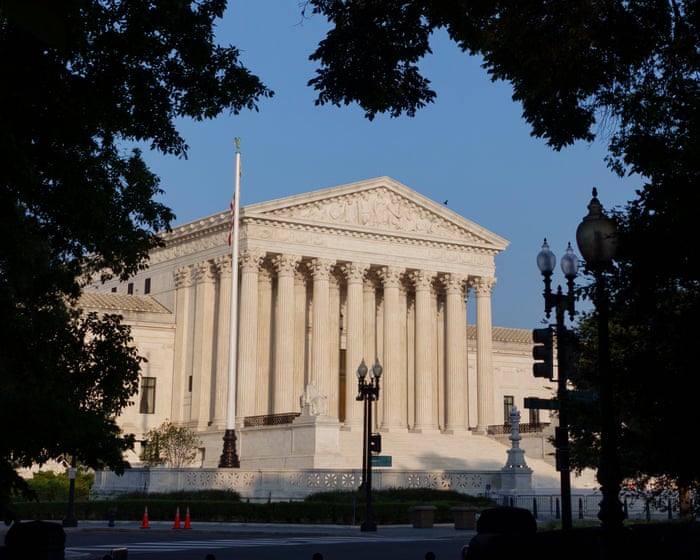
The US Supreme Court allowed the Trump administration to use a federal database to check voters' citizenship before the November midterm elections. This decision stops a previous order that limited the use of social security numbers and other data for these checks.
Key Facts
The Supreme Court lifted restrictions on a federal database used to verify voters.
The decision was in response to a request from President Donald Trump's administration.
The goal is to check the citizenship status of registered voters before midterm elections in November.
A lower court had blocked the use of social security numbers and other data for these checks.
Supporters say this helps prevent noncitizens from voting.
Critics worry it could stop eligible voters from casting their ballots.
The court's decision allows state officials to resume broad checks using federal records.
The case is part of broader efforts by the Trump administration to tighten voting rules.
Read the Original
Want the full story? Tap a source to open the original
article.
Some federal student loan borrowers who were on the now-ended SAVE repayment plan must choose a new plan soon or be moved automatically to the Standard or Tiered Standard Repayment Plan. Deadlines vary by borrower, starting as early as September 29, and those who do not decide may face higher payments because the new plans do not consider income.
Key Facts
The SAVE repayment plan ended following a federal court order earlier this year.
Borrowers received notices starting July 1 and have 90 days from their notice date to pick a new repayment plan.
The first deadline is September 29 for borrowers who got the earliest notices. Others have later deadlines based on when they were contacted.
If borrowers miss the deadline, they will be moved to the Standard or Tiered Standard Repayment Plan automatically.
Standard plans have fixed monthly payments based on the loan balance, not income, over 10 to 25 years depending on the plan.
The Tiered Standard Plan started July 1 and sets fixed payments over 10, 15, 20, or 25 years based on how much is owed.
Borrowers can use the federal Loan Simulator tool to compare monthly payments of available plans before choosing.
Missing the deadline may lead to higher payments if the automatic selection does not match the borrower’s ability to pay.
Read the Original
Want the full story? Tap a source to open the original
article.
The U.S. military is preparing for possible actions in Cuba, according to a memo seen by CBS News. A State Department spokesperson said the U.S. is ready to assist Cuba if needed, while also commenting on relations with Iran and other issues.
Key Facts
A memo from the U.S. Army shows plans for possible military action in Cuba.
The State Department spokesperson, Tommy Pigott, said the U.S. is ready to help Cuba.
The U.S. is closely watching situations involving Cuba and Iran.
The military preparations suggest the U.S. is taking Cuba’s situation seriously.
The State Department is actively communicating about U.S. foreign policy matters.
CBS News obtained the internal Army memo and reported on it.
President Donald Trump’s administration is involved in these decisions.
Read the Original
Want the full story? Tap a source to open the original
article.
The Supreme Court allowed the Trump administration to move forward with changes to an immigration database before the November midterm elections. This decision was made despite disagreement from the Court’s liberal justices and opposition from Democrats and voting rights groups.
Key Facts
The Supreme Court approved the Trump administration’s update to the immigration database.
The update is intended to help prevent voter fraud.
The decision was made shortly before the November midterm elections.
Liberal justices dissented, meaning they disagreed with the decision.
Democrats and some voting rights groups opposed the database changes.
A lower court judge had previously blocked the overhaul for violating certain rules.
The Supreme Court’s ruling allows the changes to proceed despite that lower court block.
Read the Original
Want the full story? Tap a source to open the original
article.
A Florida Republican congressman introduced a bill that would stop federal agencies from using license plate reader cameras made by Flock Safety without getting a warrant from a judge first. The bill aims to protect people from being tracked without permission and follows reports of misuse by law enforcement officers.
Key Facts
Rep. Greg Steube from Florida introduced the Flafo Act to require warrants for federal use of Flock Safety and similar cameras.
The bill would also make federal grants to police depend on following these warrant rules.
Flock Safety operates about 120,000 license plate readers across 49 states and gathers detailed vehicle information.
Investigations found police in some states misused the data, such as stalking or wrongful stops.
Other bills like the Flock-Off Act and No Flock Act were introduced recently to restrict government funding or limit camera uses.
President Donald Trump supports these cameras as useful for law enforcement.
Cities in 36 states have canceled contracts with Flock Safety due to privacy concerns and misuse reports.
Florida and Texas recently took steps to limit or stop public funding for these cameras following investigations and abuse cases.
Read the Original
Want the full story? Tap a source to open the original
article.
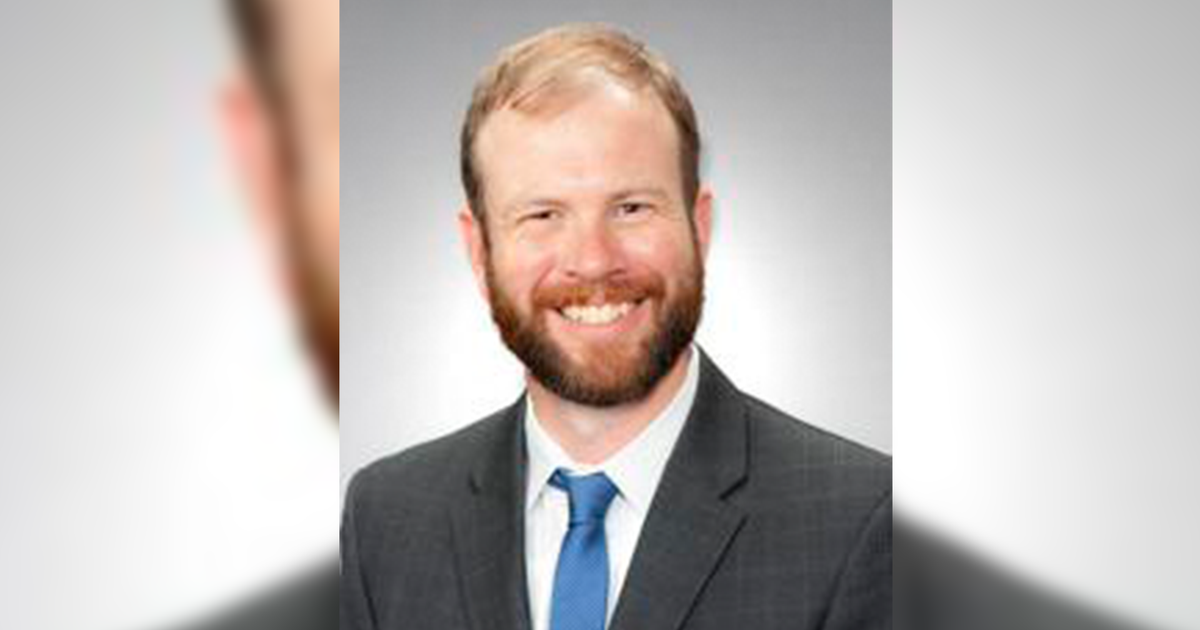
Dr. Idris Evans, a Pittsburgh doctor, was killed during a violent home invasion while he slept with his wife. The attacker entered their home through an open window and stabbed both, but only Evans died. The suspect has been charged, and the attack is under investigation.
Key Facts
Dr. Idris Evans was 46 years old and a pediatric critical care medical director at UPMC Children’s Hospital of Pittsburgh.
Evans was also an assistant professor at the University of Pittsburgh School of Medicine.
He and his wife were stabbed while sleeping in their home on Linden Avenue in Edgewood Borough.
Elijah Hemingway, 32, entered the house through an open window and attacked the couple with a kitchen knife.
Evans’ wife survived the attack and called their children, aged 8 and 12, to escape.
Hemingway faces charges of criminal homicide, aggravated assault, burglary, and trespassing.
The motive for the home invasion is not yet known.
Police described the crime scene as very violent and graphic.
Read the Original
Want the full story? Tap a source to open the original
article.
A 17-year-old boy was shot and killed near Westbury High School in Houston, Texas. Police said no one else was harmed, no arrests have been made, and they are working to find the person responsible.
Key Facts
The victim was a senior student at Westbury High School.
The shooting happened near the school on a Friday morning.
Police confirmed all other students and staff are safe.
No one has been arrested yet for the shooting.
Houston police are actively investigating the case.
The victim’s family is described as devastated by the loss.
Authorities expressed sympathy for the grieving family members.
The story is ongoing, and updates may follow.
Read the Original
Want the full story? Tap a source to open the original
article.
Texas has fewer qualified teachers, especially in schools that need help the most. Governor Greg Abbott wants to stop allowing international teachers with H-1B visas to work in the state’s schools, but these teachers have helped fill important teaching roles.
Key Facts
Texas has a shortage of qualified teachers.
Schools in high-need areas rely on international teachers.
Many international teachers work in Texas through H-1B visas.
Governor Greg Abbott wants to ban H-1B teachers from Texas schools.
The ban would reduce the number of qualified teachers in the state.
International teachers currently help support Texas students in critical areas.
The teacher shortage has worsened during Abbott’s time as governor.
Read the Original
Want the full story? Tap a source to open the original
article.
The United States is celebrating its 250th anniversary while people discuss the country’s identity and promises. Novelists talk about the American dream, divisions in society under President Donald Trump’s second term, book bans in schools, and the rise of artificial intelligence affecting writing and authorship.
Key Facts
The U.S. marks 250 years since its founding in 2026.
Two novelists, Taffy Brodesser-Akner and Rabih Alameddine, discuss America’s identity and the American dream.
They explore how President Donald Trump’s second term relates to existing divisions in American society.
Book banning has increased in U.S. schools, with thousands of books challenged or removed.
Literature has become a political issue in the U.S. culture debates.
Artificial intelligence (AI) raises new questions about what it means to write a book.
Canadian-Haitian writer Thélyson Orélien faced accusations that his novel was written by AI, which he denies.
The conversation took place during Festival America in Vincennes and was shared on arts24.
Read the Original
Want the full story? Tap a source to open the original
article.
A couple in Staffordshire, UK, were sentenced to life in prison for the murder of a vulnerable 28-year-old man named Rubin Blount, who was in their care. They abused him over months, leaving him severely injured and malnourished before he died in hospital in November 2022.
Key Facts
Rubin Blount was 28 years old and had mental impairments.
He weighed only 40 kg (about 88 pounds) at the time of his death.
Kenneth Newton (58) and Melanie James (64) were charged with his murder.
The couple abused Blount by making him stand for long periods, leaving him in his own urine, and forcing him to eat from bins.
They filmed themselves abusing and mocking him.
Blount suffered 50 broken ribs, pneumonia, infections, fractures, burns, and other injuries before he died.
The couple delayed medical care until Blount was beyond help.
They were each sentenced to life imprisonment with a minimum of 21 years in prison.
Read the Original
Want the full story? Tap a source to open the original
article.
President Donald Trump and Chinese President Xi Jinping finished a three-day summit in Washington, D.C. Live TV coverage of the events resumed after a judge blocked the White House's ban on certain news outlets. The leaders visited the National Archives and made new agreements to keep trade and relations stable between the two countries.
Key Facts
The summit lasted three days and took place in Washington, D.C.
A federal judge temporarily blocked the White House's ban on CNN, MS NOW, and Politico, allowing live TV coverage to continue.
President Trump and First Lady Melania Trump hosted Xi Jinping and his wife for tea at the White House.
Trump praised the visit and said it was positive for both countries.
The leaders visited the National Archives, where Trump showed Xi important American documents like the Declaration of Independence.
The visit marked the 250th anniversary of the United States.
New agreements were made to extend the U.S.-China trade framework.
The summit included a state dinner and showed a warm relationship between the two leaders.
Read the Original
Want the full story? Tap a source to open the original
article.
US students’ reading and math scores are at the lowest point in 25 years. At the same time, the government cut funding and staff for a key agency that collects important education data, making it harder to understand and fix the problem.
Key Facts
Reading and math scores in US schools have dropped to a 25-year low.
The National Center for Education Statistics (NCES) collects data on student learning and school conditions.
NCES staff decreased from about 100 to 12 due to major cuts last year.
Many data collection projects, including important long-term studies, were stopped or scaled back.
Cuts were part of broader government efforts to reduce spending on research that does not fit the administration’s priorities.
NCES produces The Nation’s Report Card, which tracks how students perform across subjects like math and reading.
The Early Childhood Longitudinal Study, which tracks students from kindergarten to fifth grade, lost its funding mid-study.
Officials say some data collection continues, but researchers warn the cuts hurt efforts to improve education.
Read the Original
Want the full story? Tap a source to open the original
article.
Republican Representative Thomas Massie, who lost his primary election to a candidate supported by President Donald Trump, said he believes there will be consequences for President Trump and the Republican Party in the upcoming midterm elections. Massie predicted these consequences will become clear on and after Election Day.
Key Facts
Thomas Massie is a Republican lawmaker from Kentucky.
Massie lost his primary election to an opponent endorsed by President Trump.
Massie expects a "comeuppance," meaning a punishment or consequence, for President Trump.
He believes this consequence will appear on Election Day.
Massie also predicted a larger reckoning, or time of judgment, after the midterm elections.
The midterm elections will decide control of Congress and influence national politics.
Massie's statements reflect divisions within the Republican Party ahead of the midterms.
Read the Original
Want the full story? Tap a source to open the original
article.
A government report found that ICE spent billions of dollars quickly expanding detention centers without proper planning, leading to wasted money. The agency rushed into projects, such as buying warehouses, which it later had to sell at a loss, and failed to consider long-term costs.
Key Facts
ICE received over $75 billion since President Trump returned to office to expand its operations.
A government watchdog, the GAO, reports ICE lacked a clear strategic plan for expansion.
ICE invested billions in six new detention efforts without careful review or analysis.
The agency bought 11 warehouses for about $1.07 billion, but later planned to sell 7, losing millions.
ICE continues to pay large costs for unused facilities, including $12.8 million in utilities and security.
Mistakes included spending $7.1 million on unneeded meals and $2.85 million on tents that did not meet standards.
One Florida detention site charged $249 per day per bed, much higher than the usual $92 median rate.
GAO recommends ICE create a strategic plan, but ICE expects to finish it only by August 2027.
Read the Original
Want the full story? Tap a source to open the original
article.
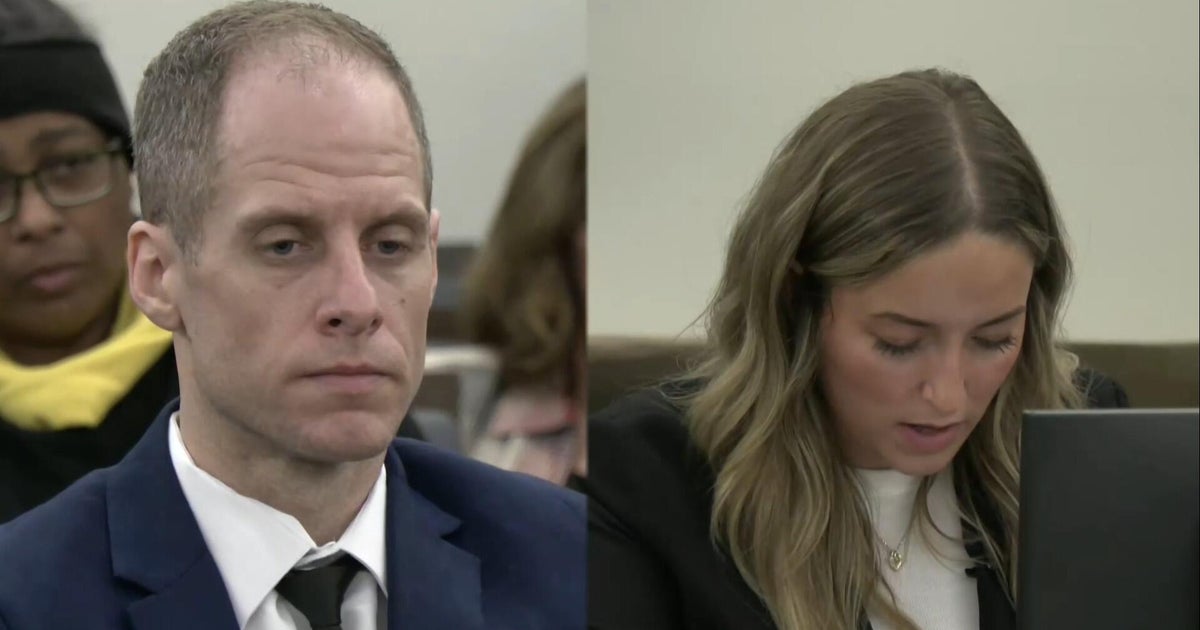
Caleb Flynn, who appeared on "American Idol," is on trial for allegedly killing his wife and creating a fake crime scene. His former mistress testified at the trial, reading text messages as evidence.
Key Facts
Caleb Flynn is a former contestant on the TV show "American Idol."
He is accused of murdering his wife.
Prosecutors say Flynn staged an elaborate crime scene to hide the crime.
Flynn's former mistress testified during the trial.
She read text messages between her and Flynn as part of her testimony.
The trial is ongoing, and more details are expected as it progresses.
The case is being covered by CBS News and other media outlets.
Read the Original
Want the full story? Tap a source to open the original
article.