Many legal immigrant caregivers have lost their visas or protections, causing them to leave their jobs. This situation risks the well-being of American seniors who depend on these caregivers for daily help and health monitoring.
Key Facts
Legal immigrant caregivers often provide essential support to seniors.
When visas or protections expire, caregivers must leave their jobs.
Seniors lose people who understand their routines and health needs.
This loss can increase risks of neglect or health problems for seniors.
The problem affects home care and nursing situations across the U.S.
Visa expirations lead to fewer available caregivers for the elderly.
Caregiver shortages may increase pressure on families and health systems.
Read the Original
Want the full story? Tap a source to open the original
article.
A woman who was acting as a surrogate mother left for Texas after the baby's biological parents wanted her to have an abortion. She has asked the U.S. Supreme Court for help in the custody fight over the baby.
Key Facts
The surrogate mother is named McKenna West.
The biological parents of the unborn child wanted the surrogate to have an abortion.
West left her original location and went to Texas.
The custody dispute has gained national attention.
Texas Attorney General Ken Paxton has gotten involved in the case.
West filed an emergency request to the Supreme Court on Wednesday.
She is asking the court to temporarily pause any action in the custody case.
Read the Original
Want the full story? Tap a source to open the original
article.
A 60 Minutes investigation uses hidden cameras to look into the business of selling pardons for people convicted of crimes. The report shows that some lobbyists promise to help felons get pardons from the president, but they charge money and cannot guarantee success.
Key Facts
The investigation was aired on 60 Minutes, a CBS News program.
It used hidden cameras to gather information secretly.
The focus is on people who broker or sell pardons for convicted felons.
Lobbyists charge fees for their pardon services.
There is no guarantee that the pardons will be granted.
Pardons are official acts of forgiveness by the president.
The program aired at 7:30 p.m. Eastern Time/Pacific Time.
Read the Original
Want the full story? Tap a source to open the original
article.
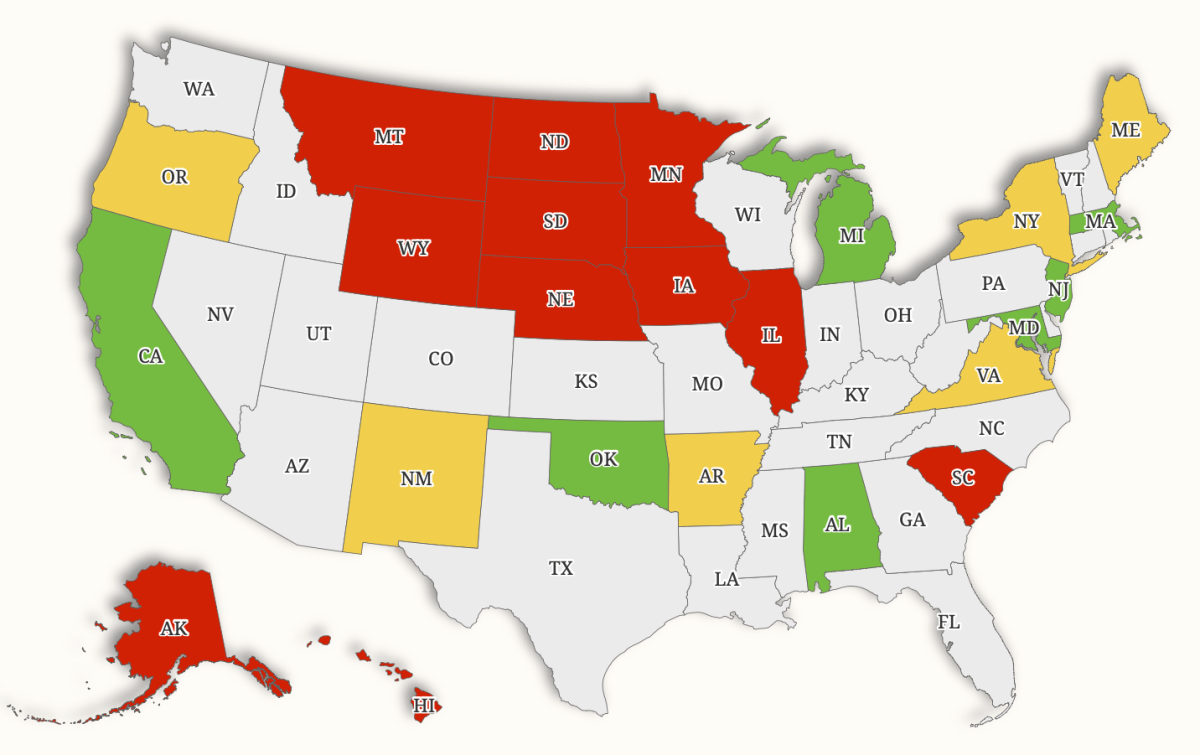
Many U.S. states are replacing old SNAP payment cards that use magnetic stripes with new chip-enabled cards. These chip cards are safer and help reduce theft of food benefits for millions of Americans.
Key Facts
SNAP benefits help millions of Americans buy food using Electronic Benefit Transfer (EBT) cards.
Traditional EBT cards have magnetic stripes that criminals can copy using "skimming" devices to steal benefits.
New chip-enabled cards create unique codes for each transaction, making them harder to copy and steal.
New Jersey completed its statewide rollout of chip cards on September 10, followed by Virginia starting distribution between September and December.
Other states with chip card programs include Alabama, California, Maryland, Massachusetts, Michigan, and Oklahoma.
A Government Accountability Office report found over $320 million in SNAP benefits were stolen between October 2022 and December 2024.
The federal reimbursement program for stolen benefits expired after December 20, 2024, which may leave some recipients without compensation.
Switching to chip cards does not change the amount of benefits recipients have, and existing balances transfer to the new cards.
Read the Original
Want the full story? Tap a source to open the original
article.
President Donald Trump is planning a strong campaign push before the midterm elections. He will visit North Carolina to support Senate nominee Michael Whatley as Republicans try to hold the seat. Trump’s approval rating is falling, which may hurt other Republican candidates running for reelection.
Key Facts
President Trump is increasing his campaign efforts ahead of the November midterm elections.
Trump will campaign in North Carolina with Senate nominee Michael Whatley.
Republicans are trying to keep a key Senate seat in North Carolina.
Trump’s approval rating has dropped recently.
Some Republican candidates fear Trump's campaigning could harm their own chances of winning.
The midterms will determine control of Congress.
The campaign activities focus on battleground states where elections are very competitive.
Read the Original
Want the full story? Tap a source to open the original
article.
JD Vance supported Tucker Carlson during a political situation, showing loyalty rather than changing his position for political gain. This action highlighted Vance as a responsible figure in politics according to the article.
Key Facts
JD Vance stood by Tucker Carlson in a political context.
Vance prioritized loyalty over changing his stance to fit political trends.
The article describes Vance as one of the few responsible leaders in politics.
The focus is on free speech and political integrity.
The situation involved an international dimension, suggesting broader political implications.
Read the Original
Want the full story? Tap a source to open the original
article.
Jasmine Fuller, a woman from Rhode Island, walked down the aisle alone at her wedding in August 2026 after her son, Gianni Perfetto, died by suicide 11 months earlier. Fuller has since focused on learning about grief and mental health and now helps others through suicide prevention and grief coaching.
Key Facts
Jasmine Fuller married on August 22, 2026, in an outdoor ceremony.
Her son, Gianni Perfetto, died by suicide on September 22, 2025, at age 24.
Gianni was supposed to walk his mother down the aisle at the wedding.
Fuller was unaware of her son’s mental health struggles before his death.
During the wedding, Fuller carried a charm with Gianni’s portrait, had his birthstone on her ring, and featured memorial items to honor him.
Fuller has completed training in trauma-informed care and grief education.
She now works as a certified master grief coach and speaks publicly about suicide prevention.
Fuller encourages parents to communicate openly with their children about their feelings.
Read the Original
Want the full story? Tap a source to open the original
article.
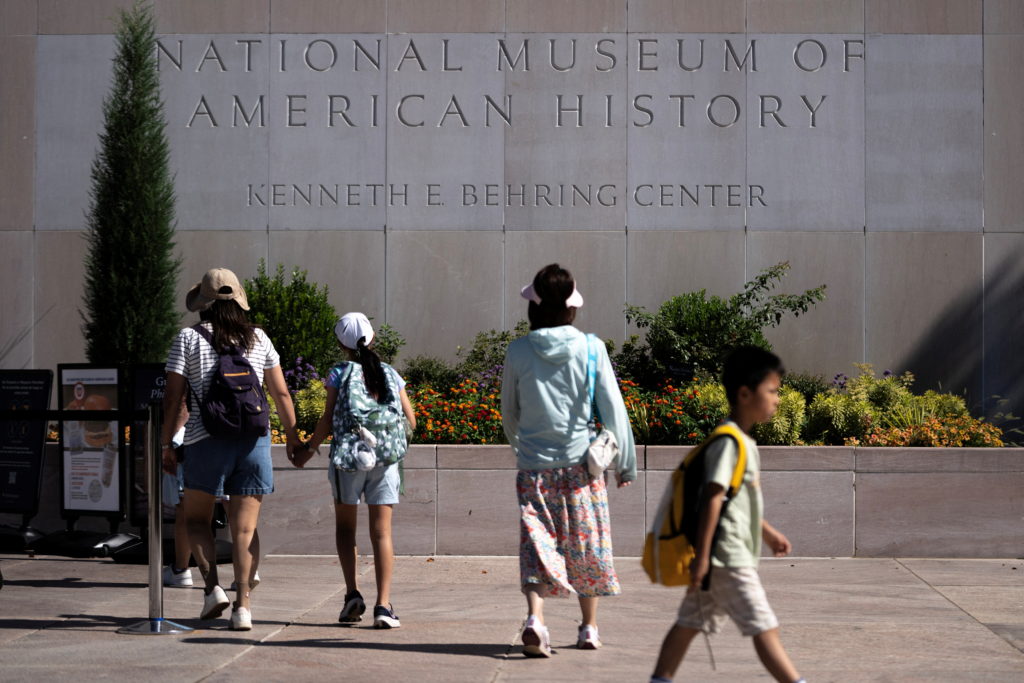
President Donald Trump asked the Smithsonian Institution to put up large statues of George Washington and create a special exhibit about him that would last until 2032, the 300th anniversary of Washington’s birth. Trump also wants the museum to focus more on famous American heroes rather than its recent initiative to highlight stories left out of history.
Key Facts
Trump requested an 11-foot statue of George Washington be placed in the Smithsonian’s National Museum of American History for Constitution Day (Sept. 17).
He also suggested a 30-foot statue to replace the current "Infinity" sculpture installed in 1967.
Trump wants a special exhibit about Washington running until Feb. 22, 2032, marking 300 years since Washington’s birth.
He criticized the museum for not highlighting Washington’s crossing of the Delaware River during the Revolutionary War.
Trump proposed replacing the museum’s "Center for Restorative History" with a "Center for American Heroes."
The Smithsonian is overseen by a Board of Regents, including Vice President JD Vance and Chief Justice John Roberts, not directly controlled by the president.
Trump issued an executive order earlier this year to change Smithsonian funding to stop what he called "divisive narratives."
Lonnie Bunch, the Smithsonian’s top leader, announced he will step down at the end of the year.
Trump has also pushed for more statues of notable Americans around Washington, including plans for a new park and statues in the White House Rose Garden area.
Read the Original
Want the full story? Tap a source to open the original
article.
Senator Darline Graham, a Republican from South Carolina, agreed to debate her Democratic challenger, pediatrician Annie Andrews, before the November elections. Graham confirmed she will participate in the debate on October 11.
Key Facts
Sen. Darline Graham represents South Carolina as a Republican.
Annie Andrews is the Democratic challenger and a pediatrician.
Graham confirmed her participation in a debate via a social media post.
The debate is scheduled for October 11.
The discussion is part of the lead-up to the November elections.
Graham stated she will address what she calls Andrews’ hidden political views.
Read the Original
Want the full story? Tap a source to open the original
article.
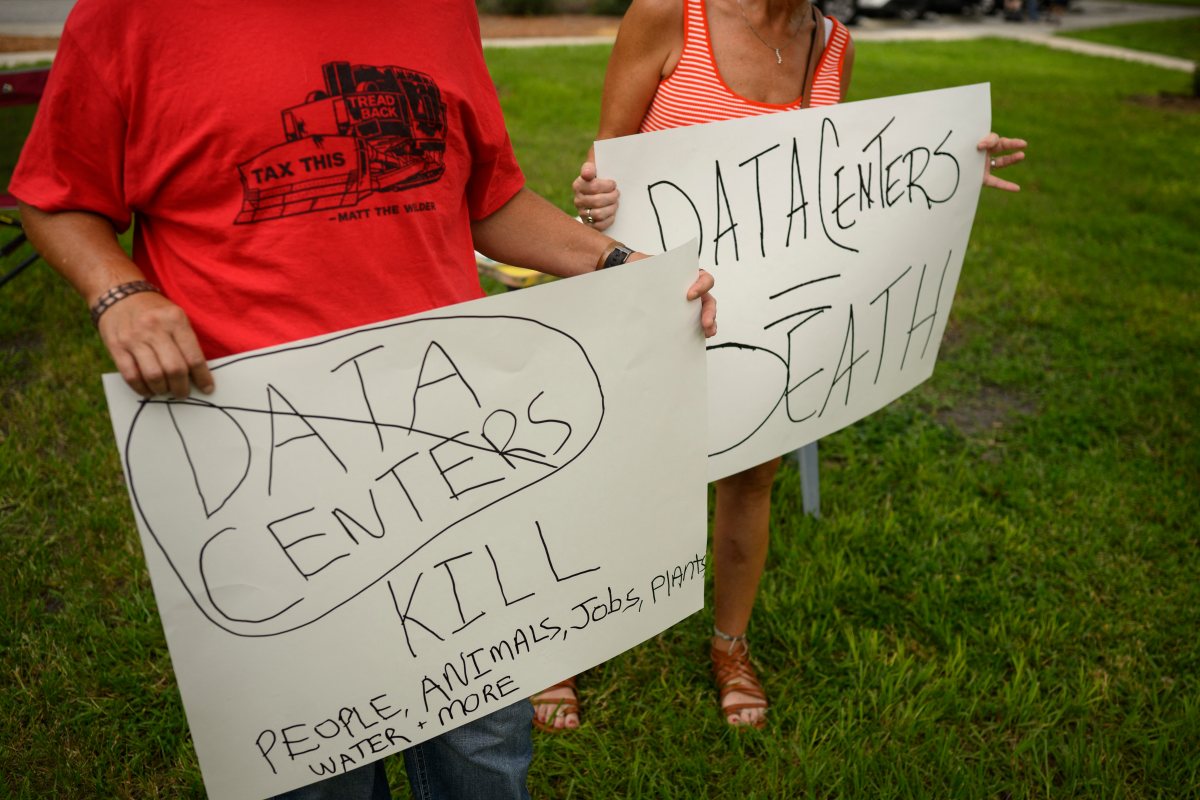
President Donald Trump suggested that China might be encouraging opposition to data centers in the U.S. He linked this to recent reports about China-linked online efforts that amplify American concerns over data centers but did not offer direct proof.
Key Facts
President Trump said some people believe China is behind the growing opposition to data centers near U.S. homes.
Data centers are important for technology and were called “the oil of the next 50 years” by Trump because of their future value.
Social media platform X (formerly Twitter) found “suspected Chinese inauthentic accounts” linked to attempts to influence U.S. debates about AI and energy, including data centers.
OpenAI reported a covert influence operation from accounts likely based in China that spread messages about the energy costs of AI data centers.
Both X and OpenAI said these efforts amplified existing American fears but showed little evidence China caused or controls the backlash.
Republicans in Congress have asked U.S. agencies to investigate possible foreign influence in anti-data center campaigns.
Some groups opposing data centers have received foreign funding, but this does not prove Chinese control or direction.
Chinese President Xi Jinping is expected to visit the U.S. soon, which adds context to these statements and investigations.
Read the Original
Want the full story? Tap a source to open the original
article.
A fire department in Texas rescued two puppies trapped in a large hole under a sidewalk. It took firefighters about two hours to save the second puppy after finding the first one quickly.
Key Facts
The rescue happened in Texas.
Firefighters discovered a washed-out space beneath a sidewalk.
One puppy was rescued quickly.
The second puppy took around two hours to reach.
The cause of the void under the sidewalk is related to washing out, likely from water damage.
The rescue involved local fire department personnel.
This story highlights emergency response to animal rescues.
Read the Original
Want the full story? Tap a source to open the original
article.
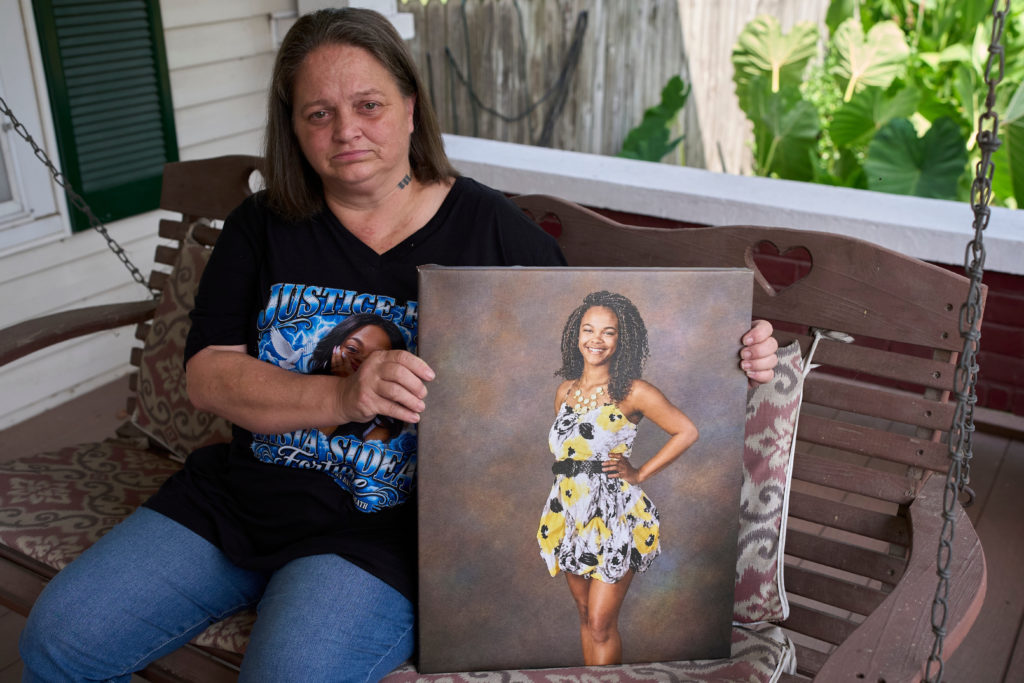
Mississippi police arrested a man named Jarques Ratliff in connection to the death of Tasia Fortune, a Black woman found hanging from a tree last month. The state medical examiner ruled her death a homicide, and police said more arrests may follow.
Key Facts
Tasia Fortune, 29, was found hanging in an abandoned home’s backyard in Jackson, Mississippi, on August 3.
Police arrested 51-year-old Jarques Ratliff after obtaining search and arrest warrants.
Police said Ratliff had some connection to Fortune but did not explain their relationship.
The state medical examiner confirmed that Fortune’s death was a homicide.
More arrests related to the case are expected, according to police.
Fortune was a mother of four and had struggled with homelessness.
Her family does not believe she would have taken her own life.
Fortune’s mother is asking for answers and wants people to “say her name.”
Read the Original
Want the full story? Tap a source to open the original
article.
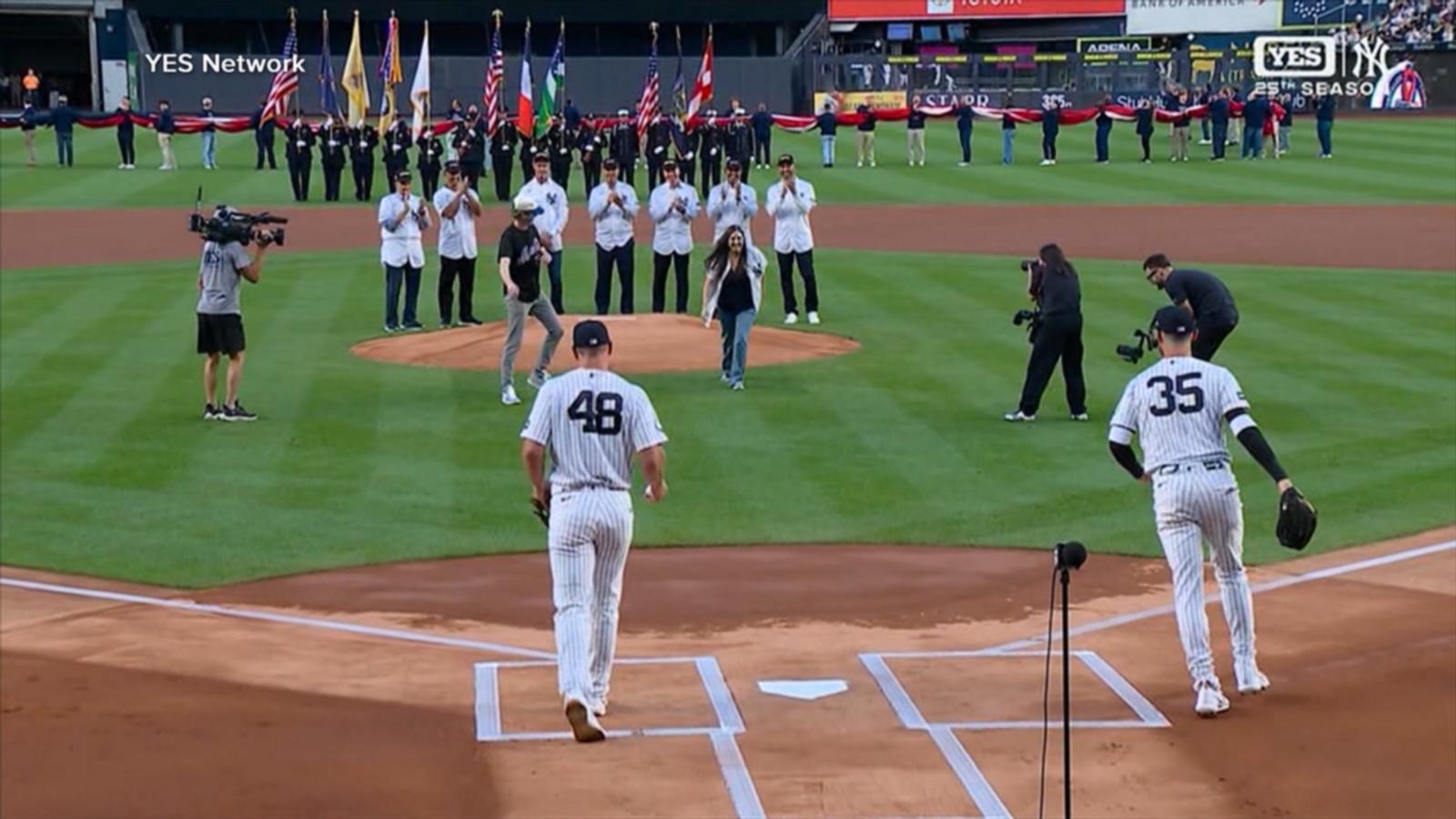
The New York Yankees and Mets held a ceremony where a husband and wife threw the first pitches to honor the 25th anniversary of the 9/11 attacks. The event remembered those who lost their lives, including the couple’s fathers who died on 9/11.
Key Facts
The Yankees and Mets held a special ceremony on September 12, 2026, to honor 9/11.
A husband and wife, whose fathers died in the attacks, threw the ceremonial first pitches.
The ceremony marked 25 years since the terrorist attacks on September 11, 2001.
Many events and tributes took place across the country to remember the victims.
President Donald Trump attended related events, including one at the Pentagon.
The day included reflections on the impact of 9/11 on America’s security and resilience.
Families of victims called for accountability from Saudi Arabia during the ceremonies.
The anniversary included moments of tribute like drone displays over New York City.
Read the Original
Want the full story? Tap a source to open the original
article.
The Trump administration has stopped more than 130 projects planned in national parks across the United States. This decision has put over $25 million in funding on hold, including work at well-known parks like Yellowstone, Yosemite, Zion, and Joshua Tree.
Key Facts
The Trump administration blocked over 130 planned projects in national parks.
These projects had a combined funding of more than $25 million.
The Department of the Interior is responsible for overseeing the National Park Service (NPS).
Last month, the Interior Department disapproved agreements for projects at several major parks.
Parks affected include Yellowstone, Yosemite, Zion, and Joshua Tree.
The funding freeze paused improvements and developments planned for these parks.
The action was reported by The Washington Post, a major news outlet.
Read the Original
Want the full story? Tap a source to open the original
article.
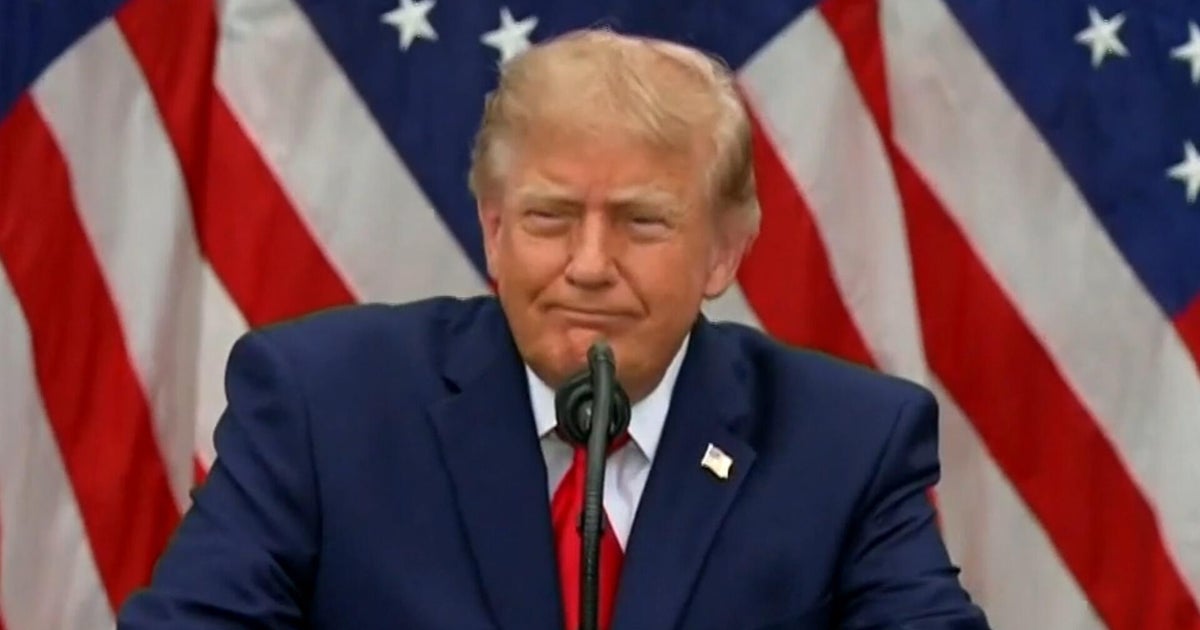
President Donald Trump proposed giving every US adult a $5,000 payment, called the "Trump dividend," if Republicans control Congress after the midterm elections. The US commerce secretary said this money would not come from taxes or the government deficit but from other sources like visa fees and tariff revenues.
Key Facts
President Trump announced a plan to give $5,000 to all US adults if Republicans win the midterm elections.
The payment could cost up to $1 trillion if given to all Americans.
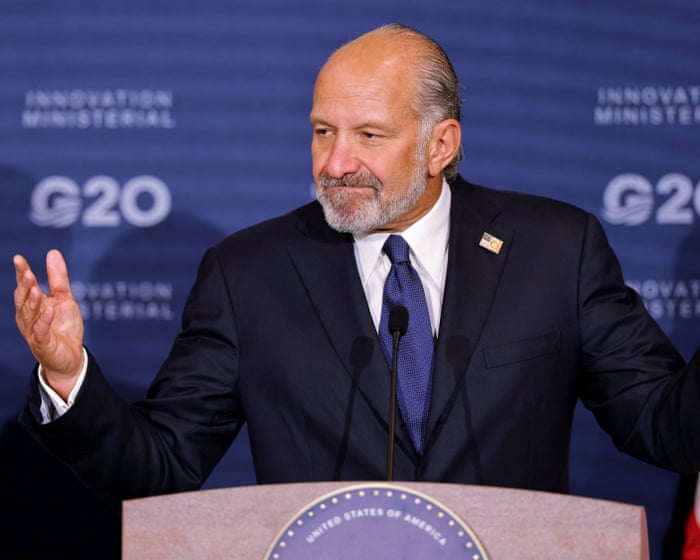
Commerce Secretary Howard Lutnick said the money would not come from tax revenues or increase the deficit.
Possible funding sources include charging wealthy foreign visitors up to $5 million for visa extensions and revenue from tariffs.
The US government invested $8.9 billion in Intel, which has increased in value, as an example of other income sources.
Critics point out that the US national debt has grown to over $40 trillion, raising concerns about new spending.
Some officials mention using a special Congressional process called "reconciliation" to fund the payments.
An Associated Press poll shows only 32% of US adults approve of President Trump's economic management.
Read the Original
Want the full story? Tap a source to open the original
article.
President Donald Trump asked the Smithsonian Institution to put up a 30-foot statue of George Washington outside the National Museum of American History. He also wants the museum to create an exhibit to honor George Washington. Trump suggested replacing the current "Infinity" statue with this new statue.
Key Facts
President Trump made his request via social media on a Friday.
The statue he wants would be 30 feet tall.
The statue would be placed outside the National Museum of American History.
He wants an exhibit dedicated to George Washington at the museum.
The new statue would replace the existing "Infinity" statue currently there.
The Smithsonian Institution manages the National Museum of American History.
Trump’s request is focused on honoring George Washington, the first U.S. president.
No information was given yet about the Smithsonian’s response to the request.
Read the Original
Want the full story? Tap a source to open the original
article.
A new memorial and visitor education center is being created to honor the 184 people who died in the Pentagon attack on September 11, 2001. A fire chief who responded to the attack explained how the memorial will teach visitors about the events of that day.
Key Facts
The Pentagon was attacked on September 11, 2001.
184 people were killed in the Pentagon attack.
A new memorial is being built to remember those who died.
A visitor education center will be part of the memorial.
The education center aims to teach visitors about the attack.
A fire chief who helped during the attack shared details about the memorial.
The memorial will serve as a place for reflection and learning about 9/11.
Read the Original
Want the full story? Tap a source to open the original
article.
A new bill introduced in the U.S. House of Representatives proposes new limits on the kinds of food people receiving SNAP benefits can purchase. The bill would apply to recipients in nine states, potentially cutting their ability to buy certain food items.
Key Facts
The bill was introduced this month in the House of Representatives.
It targets SNAP benefits, which help low-income people buy food.
The bill would put more rules on what foods SNAP users can buy.
These restrictions would affect SNAP recipients in nine specific states.
SNAP stands for Supplemental Nutrition Assistance Program.
The goal is to change or limit food purchases made with SNAP benefits.
The bill is currently under consideration and has not yet become a law.
Read the Original
Want the full story? Tap a source to open the original
article.
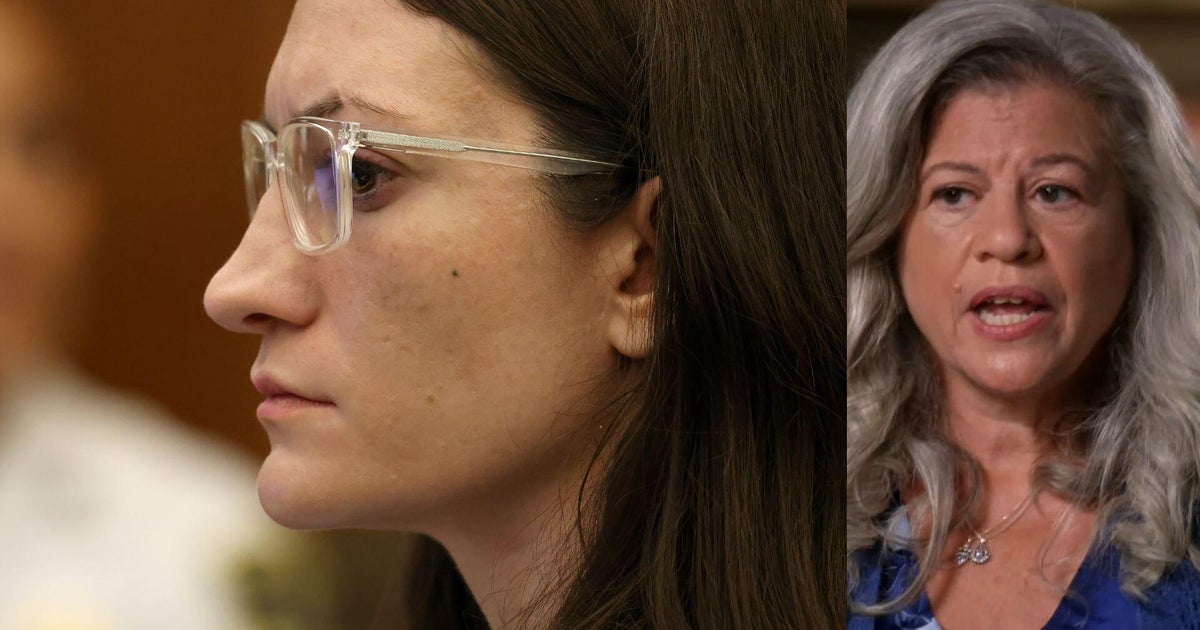
Paula Devlin, a juror in the murder trial of Lindsay Clancy, spoke about her experience during the case. She described how the group of jurors worked through difficult discussions but ended with a mistrial, meaning they could not reach a final decision.
Key Facts
Paula Devlin was a juror in the Lindsay Clancy murder trial.
She shared details about the jury’s experience and discussions.
The trial was high-profile and received much public attention.
The jury deliberations were tense and challenging.
The trial ended in a mistrial, which means no verdict was reached.
A mistrial can lead to a new trial or other legal decisions depending on the case.
Read the Original
Want the full story? Tap a source to open the original
article.
President Donald Trump traveled to Ireland for a weekend trip that included both diplomatic meetings and playing golf. This trip followed his speech at the Pentagon honoring the victims of the September 11 attacks and came after the Republican midterm convention.
Key Facts
President Trump made a trip to Ireland for both official and leisure purposes.
He visited Ireland shortly after speaking at the Pentagon on 9/11.
The speech at the Pentagon was to honor those who lost their lives in the September 11 attacks.
The trip included playing golf as part of his leisure activities.
This visit took place after the recent Republican midterm convention.
The news report was provided by CBS News correspondent Nancy Cordes.
Read the Original
Want the full story? Tap a source to open the original
article.