President Trump spoke at a ceremony remembering the 184 people who died at the Pentagon during the 9/11 attacks. He linked the current conflict with Iran to the broader fight against global terrorism and mentioned Iran as a state that supports terrorism.
Key Facts
The event was a remembrance ceremony for the 184 victims of the 9/11 Pentagon attack.
American Airlines Flight 77 was hijacked and crashed into the Pentagon on 9/11.
President Trump gave a speech at the ceremony on Friday morning.
He connected the war involving Iran to the ongoing global fight against terrorism.
Iran was described as a country that supports terrorist groups.
The speech emphasized continuity between the war on terror after 9/11 and current military actions.
The Pentagon ceremony is an annual event to honor those who lost their lives.
Read the Original
Want the full story? Tap a source to open the original
article.
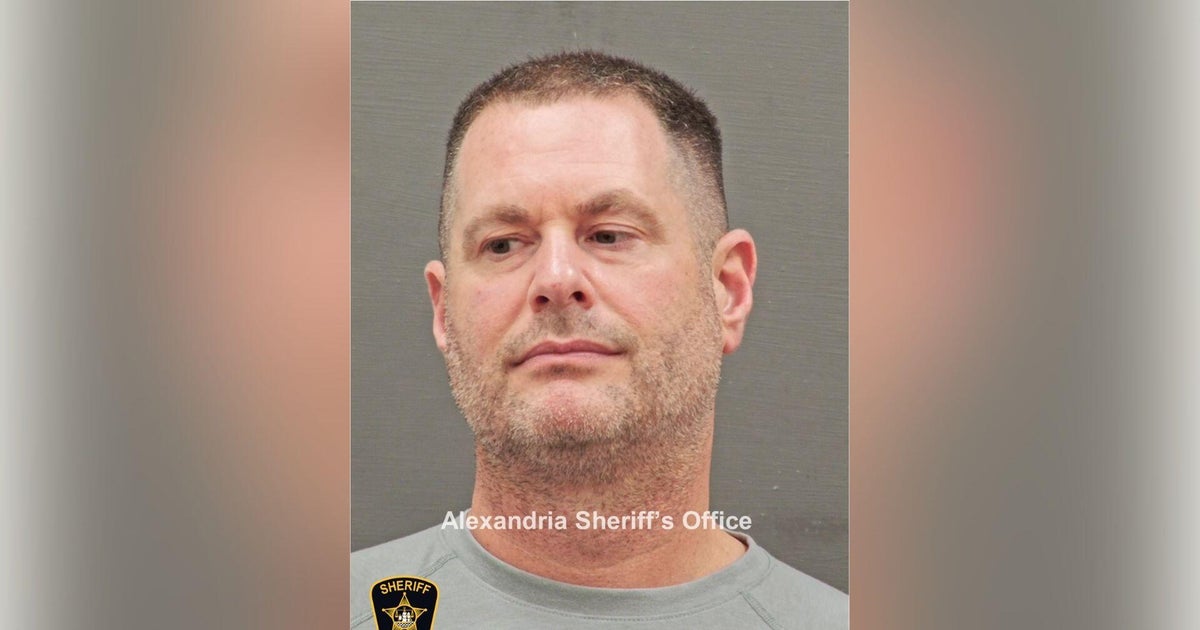
A California petition worker named James Brass was arrested for paying people in Los Angeles’ Skid Row area to forge voter signatures on ballot petitions. Brass and two others are charged with identity fraud and conspiracy for using fake signatures to try to qualify a ballot measure.
Key Facts
James Brass, 47, was arrested and charged with identity fraud in California.
He allegedly paid homeless people in Skid Row to forge signatures of real registered voters.
Brass worked with two others: Courtney Price, 49, and Jateisha Herron, 33.
The group used public voter databases to copy names and personal details for the fake signatures.
Brass instructed his team to hide the true location of fake signatures by saying they came from other cities.
Brass received $41,000 from the illegal scheme.
All three face conspiracy charges; Brass and Herron also face individual identity fraud charges.
Brass pleaded not guilty and is out on a $10,000 bond.
Prosecutors said the scheme hurts trust in elections and involves exploiting vulnerable homeless people.
Similar cases have happened in San Francisco, where people paid homeless individuals for signatures on petitions.
Read the Original
Want the full story? Tap a source to open the original
article.
On the morning of September 11, 2001, Major Garrett, a CBS News correspondent, was traveling with President George W. Bush to a Florida elementary school. Garrett later remembered the confusion and uncertainty during the early hours of the attacks.
Key Facts
Major Garrett is the chief Washington correspondent for CBS News.
He was traveling with President George W. Bush on the morning of September 11, 2001.
Their purpose was to cover the President’s visit to an elementary school in Florida.
The September 11 attacks happened while they were on this trip.
Garrett recalls the confusion and unknowns during the early moments of the attacks.
The article features a CBS News video with Garrett’s recollections.
This moment marked a significant turning point in U.S. history and global events.
Read the Original
Want the full story? Tap a source to open the original
article.
President Donald Trump spoke at the Republican National Convention, encouraging attendees to vote in the upcoming midterm elections. During his speech, he led the crowd in a pledge that included the phrase "cheat like hell" and spoke about wanting honesty in elections.
Key Facts
President Trump led a pledge at the Republican National Convention that included the words "cheat like hell."
He urged supporters to "go out and vote" in the November midterm elections.
Trump has previously called for strict penalties for people who cheat in elections.
He has made claims of widespread voter fraud without evidence.
Since taking office last year, Trump has worked to limit mail-in voting.
Trump himself has used mail-in ballots in past elections.
This speech was part of the first GOP convention held before the midterm elections.
The midterms will decide which party controls Congress for the next two years.
Read the Original
Want the full story? Tap a source to open the original
article.
The New York Yankees and New York Mets baseball teams are holding events to honor the people who died in the September 11 attacks, marking the 25th anniversary. Major League Baseball and other groups are participating in ceremonies in New York City to remember the lives lost.
Key Facts
The tribute marks 25 years since the September 11, 2001 attacks.
Both the Yankees and Mets are involved in the remembrance events.
The events take place at Yankee Stadium and other locations in New York City.
Major League Baseball is officially honoring the victims during games.
Other 9/11 ceremonies include memorials at the Pentagon and Ground Zero.
President Donald Trump attended a ceremony at the Pentagon for the anniversary.
Families of 9/11 victims and government officials are part of the commemorations.
The anniversary includes various public and private memorial activities in New York.
Read the Original
Want the full story? Tap a source to open the original
article.
A new bipartisan bill in the U.S. House of Representatives aims to make it easier for teachers, nurses, and first responders to get federal student loan forgiveness. The bill would allow more repayment plans to count toward loan forgiveness under the Public Service Loan Forgiveness (PSLF) program, helping borrowers avoid the problem of payments not qualifying.
Key Facts
The bill is called the Public Service Loan Forgiveness Inclusion Act of 2026.
It was introduced on September 4 by Democrat Bill Foster and Republican Brian Fitzpatrick.
The bill would let payments made under Graduated, Extended, and new Tiered Standard Repayment Plans count toward the first 60 qualifying PSLF payments.
Currently, only certain income-driven repayment plans qualify for PSLF.
About 97% of public servants who applied for PSLF have been denied due to complex rules.
The bill would help public servants get credit for payments even if they used plans that do not currently qualify.
PSLF forgives loan balances after 10 years of full-time qualifying public service and 120 qualifying payments.
The bill aims to fix problems where borrowers find out too late that their payments don’t count for forgiveness.
Read the Original
Want the full story? Tap a source to open the original
article.
The Justice Department is negotiating a plea deal with David Rush, a former CIA official found with over $40 million in gold bars at his home. He faces charges including stealing government money through false timesheets and possibly other fraud-related offenses.
Key Facts
David Rush, a former CIA official, was found with 303 gold bars worth more than $40 million at his Virginia home.
The FBI also found $2 million in cash and 35 luxury watches during the search.
Rush is charged with stealing government money by falsely claiming about 744 hours of military leave after leaving the Navy in 2015.
Prosecutors and Rush’s lawyer are working on a plea deal to avoid a full indictment and trial.
The case involves classified information, which could complicate a public trial.
Rush allegedly asked the government for large amounts of foreign currency and gold bars for expenses, but his employer does not know how this money was used.
A judge ordered Rush to stay in custody because he is seen as a high flight risk.
The exact charges Rush might plead to have not been made public yet.
Read the Original
Want the full story? Tap a source to open the original
article.
Tillie Geidel Conklin, daughter of firefighter Gary Geidel who died during the 9/11 attacks, shared her memories of her father and the experience of losing him on that day. She spoke to CBS News about her personal loss and the impact of 9/11 on her family.
Key Facts
Gary Geidel was a firefighter with the FDNY (Fire Department of New York).
He died during the terrorist attacks on September 11, 2001.
His daughter, Tillie Geidel Conklin, talked about her father and the day he died.
The interview was featured on CBS News.
Tillie shared how losing her father affected her life.
The story highlights the personal side of the 9/11 tragedy.
The 9/11 attacks led to the deaths of many first responders like Gary Geidel.
The interview helps remember the sacrifices made by firefighters on 9/11.
Read the Original
Want the full story? Tap a source to open the original
article.
A North Carolina state highway patrol sergeant, Nekime Matu Oxendine, has been charged with first-degree murder in the shooting death of Cumberland County Sheriff's Capt. Adam Bean. The shooting happened on March 27 at a home in Hope Mills, and officers say the case involved personal tensions and jealousy between the men.
Key Facts
Capt. Adam Bean was shot and killed on March 27 at a home in Hope Mills, North Carolina.
Nekime Matu Oxendine, a state highway patrol sergeant, was indicted by a grand jury for first-degree murder.
Oxendine fired shots after coming out of the house, hitting Bean multiple times.
Bean was found in the front yard and died at the scene despite CPR efforts.
The incident followed years of tension involving Oxendine, Bean, and a woman connected to both men.
Oxendine is on administrative leave and is being held without bond.
Bean served 20 years with the Cumberland County Sheriff's Office and was honored posthumously for his service.
The sheriff’s office praised Bean’s work in improving public safety and strengthening the agency.
Read the Original
Want the full story? Tap a source to open the original
article.
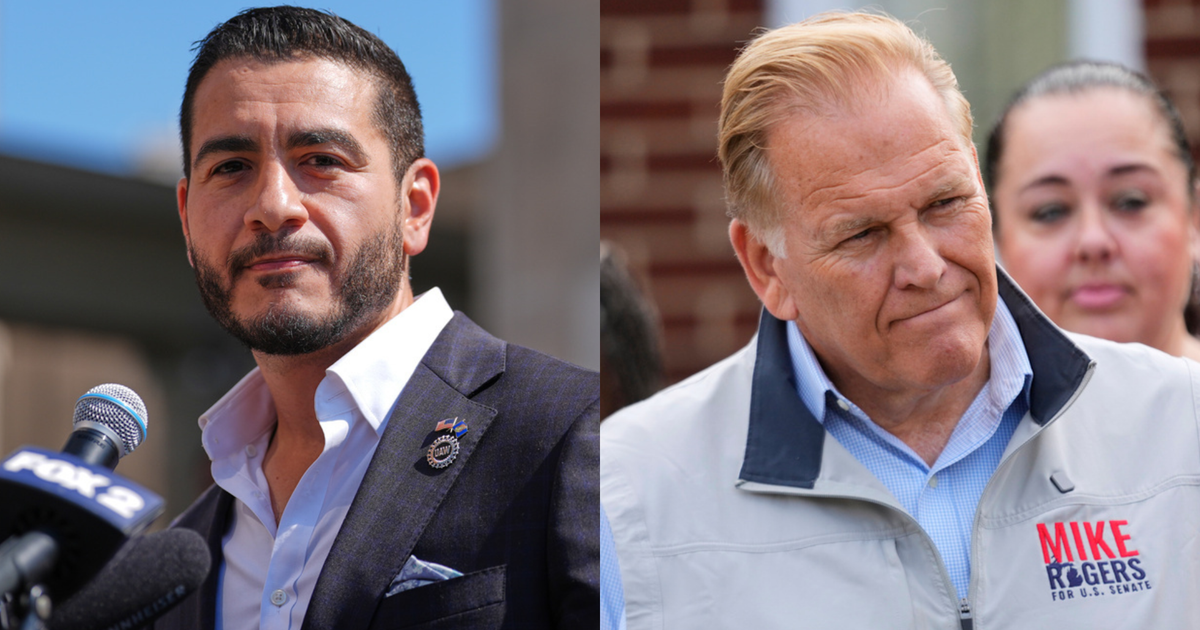
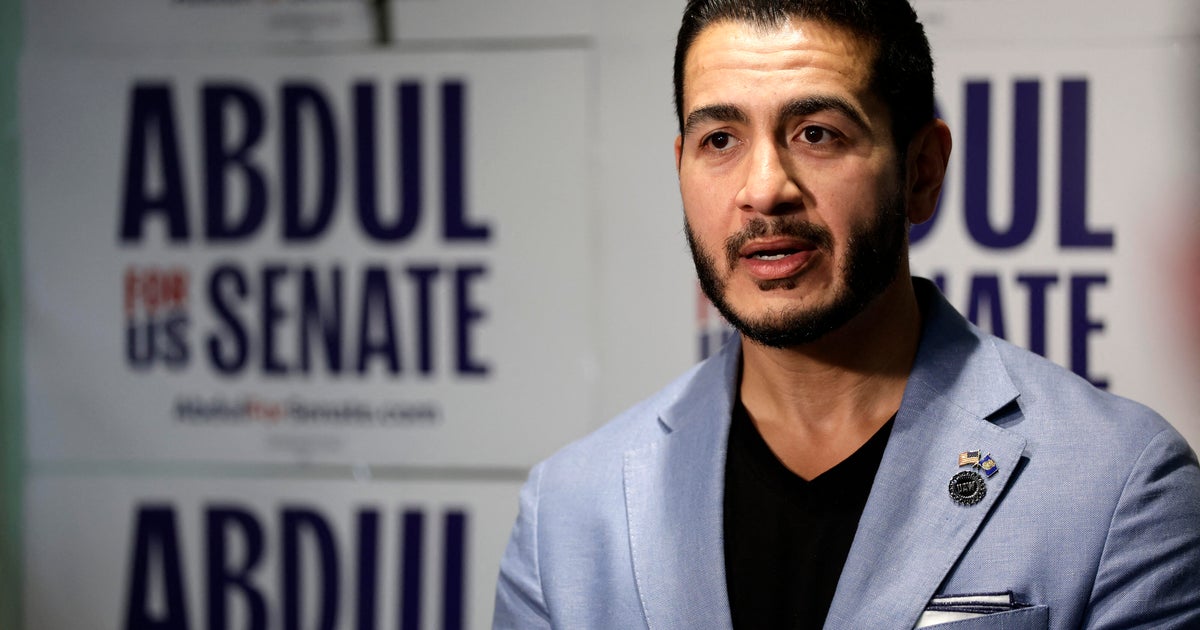
Michigan Senate candidates Abdul El-Sayed and Mike Rogers are debating their records related to the September 11 attacks on the 25th anniversary of 9/11. The dispute centers on Rogers' votes for aid to 9/11 survivors and first responders and El-Sayed's past connection to a controversial streamer who made statements about 9/11.
Key Facts
Abdul El-Sayed, a Democratic Senate nominee, held a moment of silence for the 25th anniversary of 9/11 and criticized Mike Rogers’ voting record on benefits for 9/11 survivors and first responders.
Mike Rogers, a former congressman, supported initial aid after 9/11 but voted against the 2010 James Zadroga Act that provided medical care and financial help to responders and survivors.
Rogers argued against the Zadroga Act because he wanted funding to be given annually and worried about U.S. financial health.
El-Sayed distanced himself from Hasan Piker, a left-wing streamer who once said "America deserved 9/11"; Piker later said his comments were inappropriate.
Republicans have used Piker’s comments and El-Sayed’s own statements on 9/11 and its aftermath to criticize El-Sayed as extreme.
El-Sayed has condemned the 9/11 attacks and said nothing justifies killing innocent civilians.
Some supporters see the attacks on El-Sayed’s ties as Islamophobic, targeting him because he is a practicing Muslim.
The race is considered important, possibly deciding control of the U.S. Senate.
Read the Original
Want the full story? Tap a source to open the original
article.
Senator Jon Husted from Ohio fired his political director, Stephen Woytek, after discovering social media posts related to Nazi imagery and songs praising Rhodesia, a country associated with white supremacist support. The campaign responded quickly after learning about the posts.
Key Facts
Senator Jon Husted is a Republican from Ohio.
Husted’s campaign fired Stephen Woytek, the political director.
Woytek’s social media included a photo featuring Nazi officers.
He had a public playlist with songs praising Rhodesia.
Rhodesia no longer exists and is often admired by white supremacists.
The campaign fired Woytek after these posts became known.
A campaign spokeswoman provided the information to The Hill news outlet.
Read the Original
Want the full story? Tap a source to open the original
article.
The Trump administration plans to send $500 checks to nearly 1 million people who have health insurance through the Affordable Care Act (ACA) to help lower healthcare costs. These payments are refunds for fees that increased insurance premiums, and they will start going out in October before the November midterm elections.
Key Facts
The Trump administration will send $500 payments to about 1 million ACA enrollees in 30 states.
The checks are refunds for exchange "user fees" that increased ACA insurance premiums.
Payments will begin in October, ahead of the midterm elections in November.
The goal is to reduce healthcare costs for Americans.
Monthly ACA premiums have increased after Congress let coverage subsidies expire.
About 5% of the 19 million people with ACA insurance will receive the payments.
Many ACA enrollees have faced higher premiums, deductibles, and copays this year.
President Trump also promised a $5,000 payment to every U.S. adult if Republicans keep control of Congress.
Read the Original
Want the full story? Tap a source to open the original
article.
The Department of Homeland Security (DHS) is investigating claims about Representative Ilhan Omar's immigration history and a 2009 marriage that critics say was to her brother for immigration benefits. DHS Secretary Markwayne Mullin said the probe is ongoing and will proceed only if there is clear evidence of illegal actions.
Key Facts
DHS is looking into allegations that Rep. Ilhan Omar married her brother to help him enter the U.S.
The alleged marriage occurred in 2009 between Omar and Ahmed Nur Said Elmi.
Omar and Elmi divorced in 2017.
No federal agency has publicly confirmed evidence supporting these claims.
Omar denies any wrongdoing and calls the allegations politically motivated.
DHS Secretary Mullin said investigators are also looking at the family’s broader migration history.
Previous media investigations found some questions about timelines but no proof Elmi was Omar’s brother.
DHS will act only if there is evidence showing illegal activity related to immigration fraud.
Read the Original
Want the full story? Tap a source to open the original
article.
The company fixing the Lincoln Memorial Reflecting Pool said errors during the repair caused the pool’s new blue liner to peel and blister. They found that workers used too little primer and that two materials in the liner did not work well together.
Key Facts
Atlantic Industrial Coatings handled the Reflecting Pool repair.
The pool has a new blue liner that started peeling and blistering.
The company said workers did not apply enough primer in some spots.
Two materials used for the liner were incompatible and caused damage.
The contractor blamed these repair mistakes for the liner problems.
The issues were not caused by vandalism, according to the company.
The Lincoln Memorial Reflecting Pool is a landmark in Washington, D.C.
Read the Original
Want the full story? Tap a source to open the original
article.
The CBS News program "Face the Nation with Margaret Brennan" will feature guests including Republican Utah Governor Spencer Cox and Dr. Abdul El-Sayed, the Michigan Democratic nominee for U.S. Senate. The show will also include a panel of political experts and present new polling data on battleground states.
Key Facts
The show airs Sunday, Sept. 13, at 10:30 a.m. Eastern Time on CBS News.
It also streams at 12:30 p.m. ET on Paramount+ and CBSNews.com.
Guests include Spencer Cox, Utah's Republican governor.
Dr. Abdul El-Sayed, a Democratic candidate for U.S. Senate in Michigan, will also appear.
Amy Walter, editor-in-chief of the Cook Political Report, and Ed O'Keefe, a CBS News political correspondent, will join as panelists.
Anthony Salvanto, CBS News executive director of elections, will share a new Battleground Tracker poll.
The show discusses political topics and election updates.
Read the Original
Want the full story? Tap a source to open the original
article.
Khalid Sheikh Mohammed, accused of planning the 9/11 attacks, has been held at a military prison in Cuba for over 20 years without going to trial. A military judge set his trial for 2028, but legal problems related to his treatment after capture make it uncertain if the trial will happen.
Key Facts
Khalid Sheikh Mohammed is accused of masterminding the September 11 attacks.
He was captured in Pakistan in 2003 and taken to a U.S. military detention center in Cuba.
He has been held there for about 20 years without standing trial.
A military judge scheduled his trial for 2028.
Some lawyers believe the trial may never happen because of complicated legal issues.
These legal problems stem from Mohammed being tortured after his capture.
Attempts to try him in a civilian court in New York were stopped due to security concerns.
The case involves military tribunals, which are special courts for military-related matters.
Read the Original
Want the full story? Tap a source to open the original
article.
President Donald Trump, New York City Mayor Zohran Mamdani, and Representative Alexandria Ocasio-Cortez faced criticism over their behavior during 9/11 memorial events. Mamdani and Ocasio-Cortez were accused of laughing during a ceremony at Ground Zero, while Trump was accused of closing his eyes during a Pentagon memorial.
Key Facts
Mamdani and Ocasio-Cortez were seen smiling and appearing to laugh during the reading of victims’ names at the Ground Zero 9/11 ceremony.
Critics, including some Republican politicians, said their behavior was inappropriate for the solemn event.
A former EMT and GOP candidate stated the video was misleading, explaining Ocasio-Cortez was simply greeting Mamdani, and both remained respectful throughout.
Some attendees said other politicians were talking, laughing, or using phones during the ceremony.
Mamdani faced earlier pushback from 9/11 victims’ families about his attendance, but Democratic Governor Kathy Hochul supported him.
Mamdani was photographed shaking hands with Rudy Giuliani, who was New York City mayor on 9/11.
President Trump was shown with his eyes closed during the Pentagon 9/11 memorial, which some interpreted as him falling asleep.
These reactions occurred on the 25th anniversary of the September 11 attacks, a day of remembrance for those who lost their lives.
Read the Original
Want the full story? Tap a source to open the original
article.
A Texas judge decided that TikTok gave false information to users about how it filters inappropriate content for children. The judge said TikTok broke Texas law by making misleading claims about how it moderates content.
Key Facts
The ruling happened on a Thursday by Texas District Judge Cory Liu.
The judge said TikTok’s statements about content moderation violated the Texas Deceptive Trade Practices Act.
The state of Texas claimed TikTok did not properly remove some inappropriate content for minors.
TikTok had advertised that it uses tools to protect children from harmful material.
The case focuses on whether TikTok’s claims about filtering content were honest and clear to consumers.
This ruling is part of increasing scrutiny on social media companies handling content for young users.
Read the Original
Want the full story? Tap a source to open the original
article.
A federal court ruled against the Department of Energy’s (DOE) attempts to keep a Michigan coal plant open by declaring an emergency. The court decided the DOE did not show there was a real shortage of electricity that justified blocking the plant’s planned closure.
Key Facts
The Michigan coal plant, J.H. Campbell Generating Plant, was scheduled to close but has been kept open by five DOE emergency declarations.
The DOE claimed these orders were allowed under a law permitting emergency measures during war or sudden electricity shortages.
The court reviewed the law and evidence and found no actual emergency or electricity shortage.
The plant is old, causes pollution, and the state had approved its closure after confirming it would not harm electricity supply.
An independent operator, MISO, confirmed there were enough electricity resources in the region.
The court emphasized that states generally control power plant regulation, not the federal government.
This decision affects all similar DOE orders blocking coal plant closures.
The ruling was made by a unanimous three-judge panel from the DC Circuit Court of Appeals.
Read the Original
Want the full story? Tap a source to open the original
article.