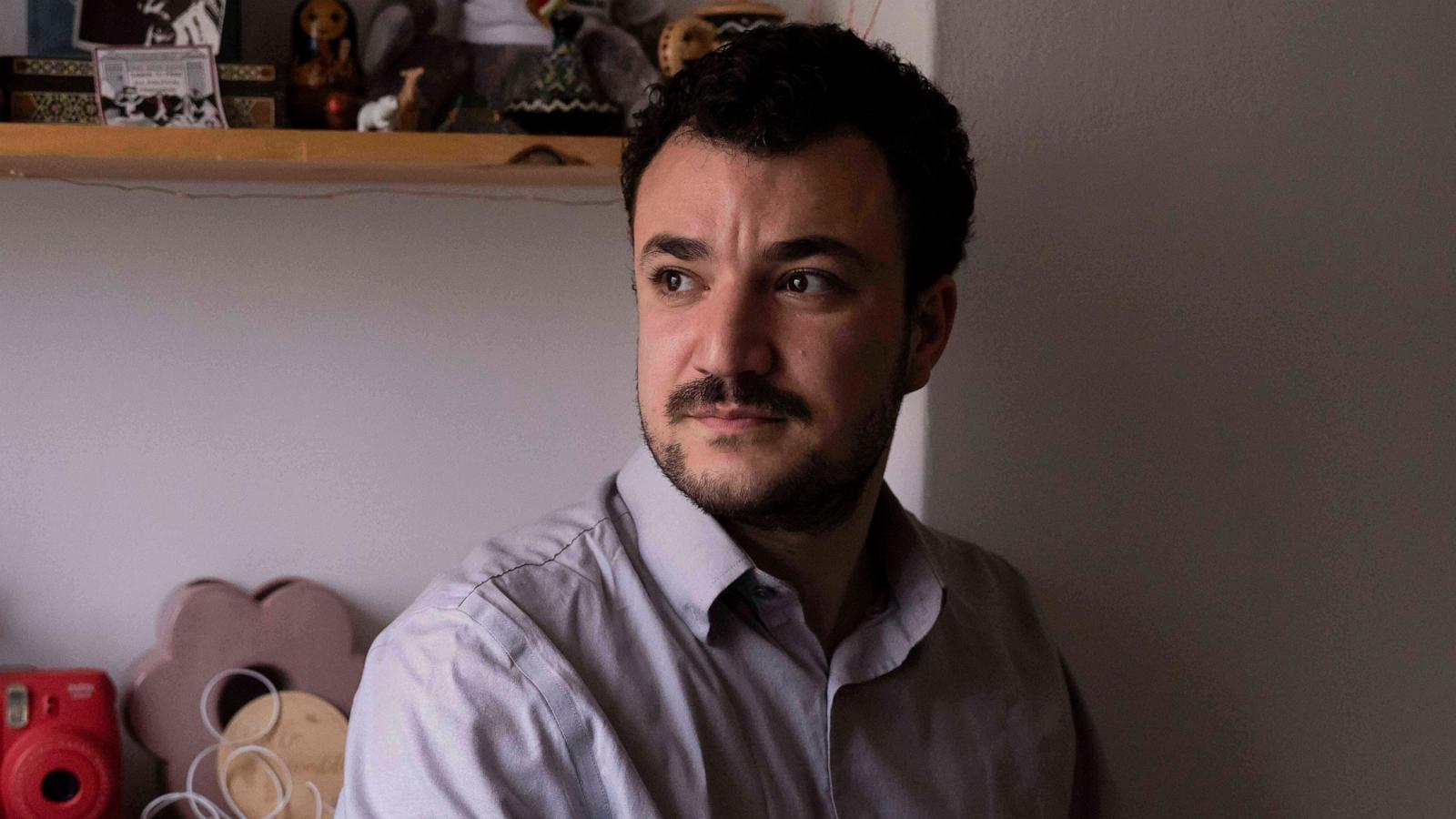
An American journalist named Thomas Weir Pauken II has been charged by the U.S. government for allegedly acting as an agent for the Chinese government for at least seven years. He was arrested in early March and will face federal court.
Key Facts
Thomas Weir Pauken II is an American journalist and author.
He is the son of Thomas Pauken, who once chaired the Texas Workforce Commission.
Pauken is accused of working on behalf of the Chinese government.
The alleged activity lasted for at least seven years.
He was arrested in early March.
He is expected to appear in federal court for the charges.
Read the Original
Want the full story? Tap a source to open the original
article.
Several young patients in NHS mental health units run by the Tees, Esk and Wear Valleys NHS Foundation Trust (TEWV) have died by suicide after experiencing poor care and treatment. Families and former patients are calling for a public inquiry into these failures, but the investigation has faced delays.
Key Facts
Three teenage girls died by suicide while patients at TEWV hospitals, including 17-year-old Christie Harnett.
Patients warned staff and officials that treatment was unsafe, but their concerns were ignored.
An independent report found the mental health unit was "chaotic and unsafe," with staff sometimes ignoring or shouting at those self-harming.
Patients described lack of compassion and ineffective treatment during their stays at TEWV facilities.
A previous inquiry in 2023 revealed issues like excessive restraint and instructions for staff not to intervene in self-harm incidents.
TEWV apologized and said they made improvements, but families and patients remain worried problems persist.
The UK Department of Health and Social Care promised a public inquiry to investigate the trust’s failings, but its start has been delayed.
Families want the inquiry to prevent future mistakes and improve care for vulnerable people.
Read the Original
Want the full story? Tap a source to open the original
article.
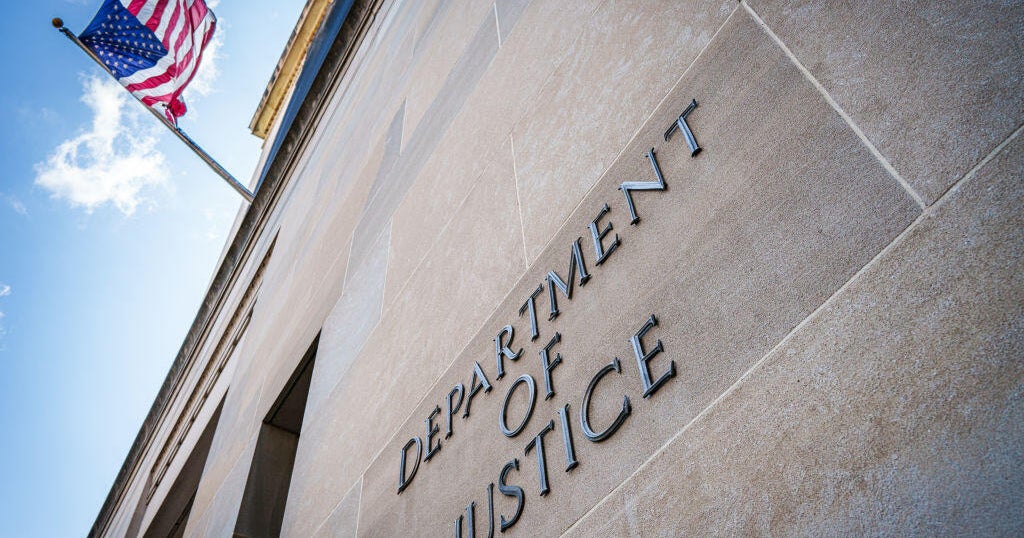
The Southern Poverty Law Center (SPLC) asked a federal judge to drop criminal charges against it, calling the case a politically motivated attack led by President Donald Trump. The Justice Department charged the civil rights group with fraud, but the SPLC denies the accusations and says the prosecution is unfair.
Key Facts
The SPLC is charged with 11 counts of wire fraud and bank fraud by the Justice Department.
Charges accuse the SPLC of lying to donors and banks about payments to informants infiltrating hate groups.
The SPLC says the case is politically motivated and linked to attacks by President Trump and his officials.
The SPLC lawyers argue this is a vindictive prosecution that violates due process rights.
Earlier investigations by the FBI and IRS found no criminal wrongdoing before the charges were filed.
The case was reopened after the SPLC became a frequent target of the Trump administration’s public criticisms.
Other groups and individuals have recently also faced what courts called vindictive prosecutions under the Trump administration.
The SPLC’s lawyers cited statements by officials as proof that the charges are driven by improper political reasons.
Read the Original
Want the full story? Tap a source to open the original
article.
The 3rd U.S. Circuit Court of Appeals has temporarily stopped the removal of Mahmoud Khalil while he asks the Supreme Court to review his detention case. Khalil, a green card holder and pro-Palestinian activist, was previously released from custody but faces detention related to his speech, which the government says affects U.S. foreign policy.
Key Facts
Mahmoud Khalil is a pro-Palestinian activist and green card holder married to a U.S. citizen.
He was arrested by federal agents in New York City in March 2025 and later released from ICE custody in June 2025.
The Trump administration wanted to detain him again based on concerns his speech could harm U.S. foreign policy interests.
The 3rd U.S. Circuit Court of Appeals granted Khalil a temporary stay, stopping his removal while he seeks Supreme Court review.
The earlier denial of a rehearing on his detention case has been stayed by this ruling.
The ACLU stated that detaining Khalil again would separate him from his family and limit his free speech.
Khalil’s legal team plans to ask the Supreme Court to rule that the government cannot use detention or deportation to silence speech.
Read the Original
Want the full story? Tap a source to open the original
article.
A Florida judge stopped efforts to temporarily block a new Republican-favored map for the U.S. House of Representatives in Florida. This decision follows a similar ruling in Tennessee where a court also refused to pause a GOP-friendly map.
Key Facts
A Florida judge named Joshua Hawkes denied a request to pause the use of a new GOP-favored House map.
Joshua Hawkes was appointed by Florida Governor Ron DeSantis.
The request was made by several groups opposing the new map.
The map is seen as favoring the Republican Party in Florida.
Another judge in Tennessee recently denied a similar request to halt a Republican-favored map.
The rulings come ahead of upcoming elections, affecting how districts are drawn.
These decisions are setbacks for Democrats trying to challenge the maps.
Read the Original
Want the full story? Tap a source to open the original
article.
Texas is holding primary runoff elections to choose candidates for the state Attorney General position. On the Republican side, Rep. Chip Roy is running against state Sen. Mayes Middleton, while Democrats Joe Jaworski and Nathan Johnson are competing for their party’s nomination.
Key Facts
The runoff election is to select candidates for Texas Attorney General.
Republican candidates are retiring Rep. Chip Roy and state Sen. Mayes Middleton.
Democratic candidates are Joe Jaworski, a former mayor of Galveston, and state Sen. Nathan Johnson.
The winner in each party will advance to the November general election.
Polls close at 8 p.m. Eastern Daylight Time.
The current Attorney General, Ken Paxton, is retiring.
This election is part of the 2024 race cycle in Texas.
Read the Original
Want the full story? Tap a source to open the original
article.
Texas voters are deciding in several primary runoff elections for the U.S. House of Representatives. Former Representative Colin Allred and current Representative Julie Johnson are competing in the 33rd Congressional District Democratic primary, while other runoffs are happening in Houston’s 18th Congressional District.
Key Facts
Texas is holding primary runoff elections for the U.S. House on Tuesday.
Colin Allred, a former representative, is running against Julie Johnson in the 33rd District Democratic primary.
Julie Johnson took over the seat when Allred left to run for Senate.
The Senate run by Allred was unsuccessful.
In Houston’s 18th District, Democratic Representatives Al Green and Christian Menefee face off in another primary runoff.
These elections decide who will represent the Democratic Party in the November general election.
Primary runoffs happen when no candidate wins a majority in the first vote.
Read the Original
Want the full story? Tap a source to open the original
article.
Texas voters decided between Senator John Cornyn and Attorney General Ken Paxton in a Republican runoff election for the U.S. Senate seat. Ken Paxton recently received an endorsement from President Donald Trump before the vote.
Key Facts
The election was a runoff, meaning it was a follow-up vote because no candidate won a majority earlier.
The candidates were Senator John Cornyn and Texas Attorney General Ken Paxton.
The race has been competitive and closely watched for several months.
Ken Paxton received support from President Donald Trump one week before the election.
The winner of this runoff will represent the Republican party in the upcoming general election.
The contest took place in Texas, which is a key U.S. state in politics.
Read the Original
Want the full story? Tap a source to open the original
article.
New Mexico Attorney General Raúl Torrez is asking people who were hurt by Jeffrey Epstein to come forward. His office is investigating a ranch Epstein once owned, and Torrez said officials ignored Epstein’s abuse in the past.
Key Facts
Raúl Torrez is the Attorney General of New Mexico.
He is investigating a ranch that Jeffrey Epstein used to own.
Epstein was a convicted sex offender.
Torrez sent a letter to survivors of Epstein’s abuse last week.
The letter was shared on social media on Tuesday.
Torrez said government officials ignored Epstein’s abuse before.
He wants more survivors to come forward and help with the investigation.
Read the Original
Want the full story? Tap a source to open the original
article.
U.S. consumer confidence declined slightly in May due to high gas prices and ongoing inflation, even though the stock market reached new highs. Most Americans are spending less because higher prices are making it harder to afford everyday goods, despite a still-growing economy and low unemployment.
Key Facts
Consumer confidence index dropped 0.7 points to 93.1 in May after three months of gains.
The index remains well below pre-pandemic levels, which were around 130.
Inflation, especially from gas and food costs, is rising faster than average pay increases.
About two-thirds of Americans reported cutting back on spending due to higher prices.
Households earning $100,000 or more showed increased confidence, while others reported lower confidence.
Job market views worsened slightly with fewer people saying jobs are plentiful (25.5%).
Gas prices have risen from $2.98 per gallon before February to about $4.49-$4.50 in May.
Some consumers are reducing purchases of clothing, hobbies, and toys to save money.
Read the Original
Want the full story? Tap a source to open the original
article.
President Donald Trump’s administration announced it will increase the number of white South African refugees, known as Afrikaners, allowed into the U.S. this year. The refugee program has been largely limited under Trump, focusing mainly on this group while excluding others facing crises worldwide.
Key Facts
The U.S. will admit an additional 10,000 white South African Afrikaners as refugees in 2025.
This raises the refugee cap from a historically low level to 17,500 for the year.
President Trump cited an “unforeseen emergency refugee situation” and concerns about racially motivated violence in South Africa.
The South African government denies Afrikaners face persecution.
The refugee program was suspended on Trump’s first day in office and later repurposed to prioritize Afrikaners.
Democrats criticized the refugee policy as unfair and neglectful of refugees from other countries.
Officials met with Congress to discuss the refugee situation, including allegations of Afrikaner persecution like the removal of their history from school books.
Lawmakers also pressed the administration about other refugee groups, such as religious minorities in Iran.
Read the Original
Want the full story? Tap a source to open the original
article.
Vermont is the first US state to ban the herbicide paraquat due to concerns it raises the risk of Parkinson’s disease. The ban, signed by Governor Phil Scott, takes effect on November 1 but allows special permits for certain fruit crops until 2030.
Key Facts
Vermont passed a law banning paraquat, a weedkiller linked to Parkinson’s disease.
The ban starts on November 1, with exceptions for some fruit crops through 2030.
The law requires yearly reports on paraquat use and a study on safer alternatives for farmers.
Some lawmakers worry the ban might hurt Vermont farmers if other states still allow paraquat.
Studies from the National Institutes of Health (NIH) link paraquat to Parkinson’s, lymphoma, and childhood leukemia.
Paraquat has been used in the US since 1964 on crops like soybeans, cotton, and fruit.
Syngenta, a leading paraquat maker, denies a link to Parkinson’s but faces over 8,000 lawsuits.
Syngenta announced it will stop making paraquat and selling it in the US and other countries.
Read the Original
Want the full story? Tap a source to open the original
article.
Senator Adam Schiff plans to introduce two new laws to stop payments from a $1.776 billion Department of Justice fund meant to prevent misuse of government power. One law would stop the DOJ from giving money to President Trump, Vice President Vance, Congress members, staff, and certain government officials.
Key Facts
Senator Adam Schiff is introducing two bills focused on the DOJ’s "anti-weaponization" fund.
The fund has $1.776 billion to prevent government power from being misused.
One bill would block payments from this fund to President Donald Trump.
The bill would also block payments to Vice President Vance.
Members of Congress and their staff would be excluded from receiving money.
Political appointees and senior government officials would also be blocked.
The legislation aims to control how the DOJ distributes the fund’s money.
Read the Original
Want the full story? Tap a source to open the original
article.
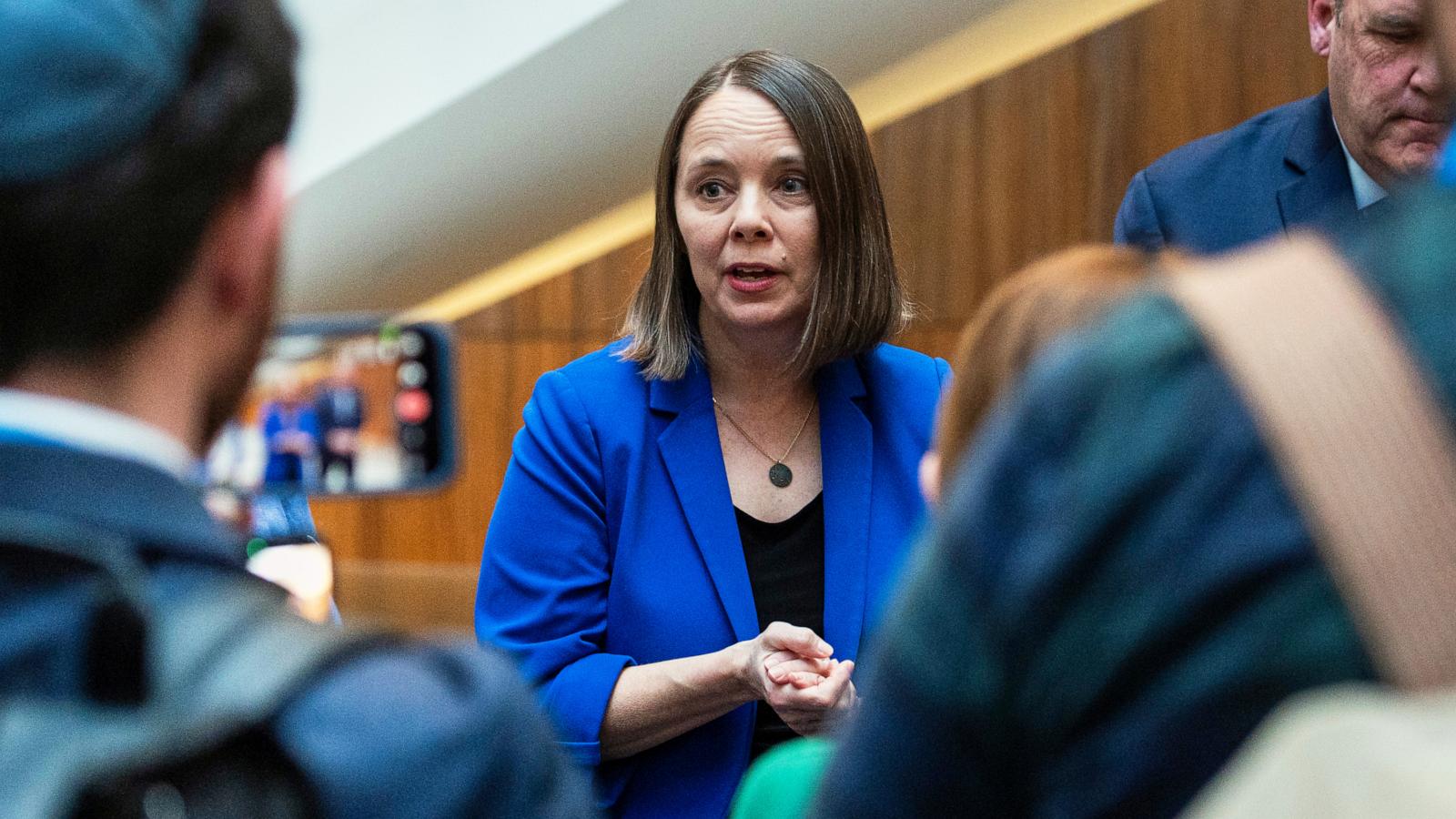
Maine's Secretary of State announced that an initiative to restrict transgender students' participation in sports will not appear on the November ballot due to invalid petition signatures. The petitioners did not reach the required number of valid signatures, which means the initiative is currently halted but could be pursued again in the future.
Key Facts
The initiative aimed to limit transgender students from joining sports and using bathrooms based on their birth certificate gender.
Maine Secretary of State Shenna Bellows found over 12,000 signatures on the petition were invalid.
The petition fell short of the needed 67,682 valid signatures to get on the ballot.
The initiative was supported by a group called Protect Girls Sports in Maine.
Petitioners have 10 days to appeal the Secretary of State's decision.
Similar laws restricting transgender girls in sports exist in at least 30 states, with some facing legal challenges.
President Donald Trump supports restrictions on transgender athletes and has taken actions limiting their participation since returning to office.
Maine has become a notable state in the debate over transgender rights in sports.
Read the Original
Want the full story? Tap a source to open the original
article.
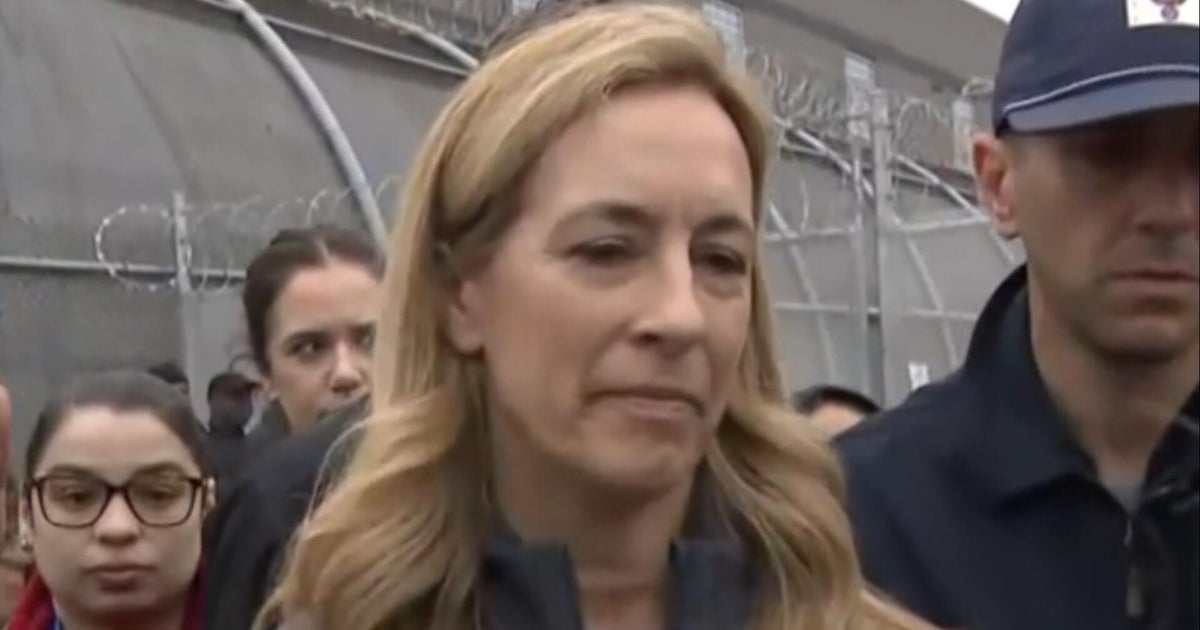
New Jersey Governor Mikie Sherrill was not allowed to enter a U.S. Immigration and Customs Enforcement (ICE) detention center in Newark. Protests are ongoing outside the facility.
Key Facts
Governor Mikie Sherrill tried to visit the ICE facility in Newark, New Jersey.
She was denied entry to the detention center.
The facility is used to hold immigrants detained by ICE.
Protests have been happening outside the center.
CBS News reporter Katrina Kaufman covered the story.
The news was shared by CBS News and can be viewed on their app and website.
The situation involves issues related to immigration and government enforcement.
Read the Original
Want the full story? Tap a source to open the original
article.
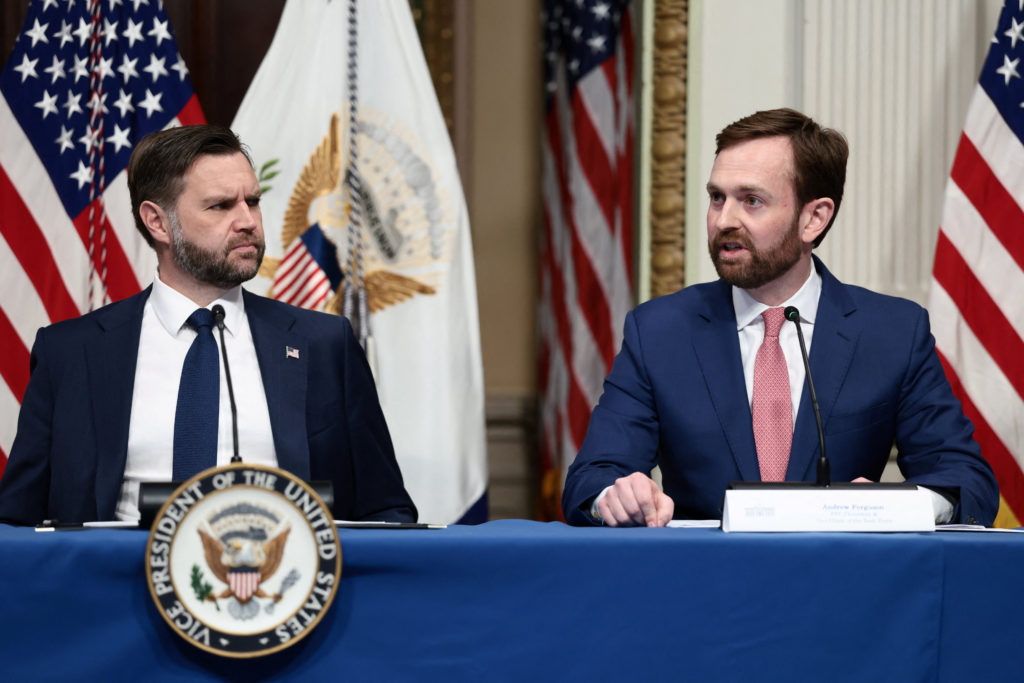
Vice President JD Vance held a meeting with state attorneys general and the Federal Trade Commission chair to discuss fighting fraud in government programs like Medicaid and Medicare. The Federal Trade Commission chair announced a new National Fraud Enforcement division by the Department of Justice to better coordinate efforts against fraud.
Key Facts
Vice President JD Vance led a roundtable focused on stopping fraud in government programs.
State attorneys general from multiple states joined the meeting.
Federal Trade Commission chairman Andrew Ferguson spoke at the event.
The Department of Justice created a new National Fraud Enforcement division.
This division will help coordinate anti-fraud activities across federal agencies.
The efforts will work with existing groups like the Homeland Security Council.
The discussion focused on fraud issues in programs like Medicaid and Medicare.
The roundtable included moves targeting fraud, especially in states run by Democrats.
Read the Original
Want the full story? Tap a source to open the original
article.
President Donald Trump’s effort to redraw congressional district maps in the South to benefit Republicans has faced legal and political challenges in Alabama and South Carolina. Courts and some lawmakers blocked maps seen as reducing Black voting power, while both parties continue to try to shape districts to favor their candidates before the midterm elections.
Key Facts
A federal judge panel stopped Alabama Republicans from using a new map that would remove one of the two districts with large Black populations.
The judges said the proposed Alabama map was unfair and based on racial discrimination.
Alabama Republicans plan to appeal the decision to the US Supreme Court.
In South Carolina, some Republicans joined Democrats to reject a new map affecting a Black Democratic congressman’s district.
Early voting was already happening in South Carolina when the state legislature tried to approve the new map.
Redrawing districts, known as gerrymandering, is used by both parties to gain election advantages.
A recent Supreme Court ruling made it easier for states to change maps in ways that may reduce protections for Black voters.
Democrats have also redrawn maps to benefit their party, but some maps, like one in Virginia, have been struck down by courts.
Read the Original
Want the full story? Tap a source to open the original
article.
The U.S. Supreme Court refused Florida's request to sue California and Washington over their policies of giving commercial driver’s licenses (CDLs) to immigrants who do not speak English and may not be officially authorized to be in the country. This dispute began after a deadly crash in Florida involving a truck driver holding a California CDL.
Key Facts
Florida wanted to sue California and Washington for issuing CDLs to certain immigrant truck drivers.
These drivers might not be U.S. citizens or legal permanent residents and may not speak English.
The Supreme Court rejected Florida's attempt to bring the case.
The case started after a crash in Florida that killed three people.
The driver in that crash had a California CDL and was previously licensed in Washington.
Florida claims California and Washington are ignoring immigration laws by giving licenses to these drivers.
The Western states involved are led by Democratic governments.
Florida is led by a Republican government challenging these states’ licensing policies.
Read the Original
Want the full story? Tap a source to open the original
article.
There are no ads, so there is no reason to bait you. Readers who chip in keep it that way. Most choose $3.99/month, and get the daily digest every morning.
Two Republican senators, Jim Banks and Tom Cotton, asked U.S. intelligence leaders to study China’s progress in artificial intelligence (AI). They want the intelligence officials to pay close attention to new developments in China’s AI technology.
Key Facts
Senators Jim Banks (Indiana) and Tom Cotton (Arkansas) sent a letter requesting action.
The letter was addressed to Director of National Intelligence Tulsi Gabbard and CIA Director John Ratcliffe.
The focus is on China’s advancements in artificial intelligence.
The senators want U.S. intelligence agencies to assess China’s AI capabilities carefully.
The letter was first shared with the news outlet The Hill.
The request reflects concern about staying informed on global AI technology developments.
Read the Original
Want the full story? Tap a source to open the original
article.
The US Senate confirmed Frank Garcia as the Assistant Secretary of State for African Affairs, filling a key diplomatic role focused on Africa. Garcia, a retired Navy officer with experience in intelligence and African affairs, supports shifting US policy toward trade and investment instead of aid.
Key Facts
Frank Garcia was confirmed by the US Senate to lead the Africa-focused diplomatic office.
He served 28 years in the US Navy and has experience with the House Intelligence Committee on African issues.
The position had been vacant for over a year and was handled by acting officials before Garcia’s confirmation.
Garcia emphasizes “trade and investment for mutual benefit,” aligning with the “America First” policy.
He highlighted the Lobito Corridor project, a strategic transport route in Central Africa, as a model for economic cooperation.
The Lobito Corridor links Angola’s Atlantic port to mineral-rich areas in the Democratic Republic of the Congo and Zambia.
The corridor is important for moving critical minerals, like copper and cobalt, that are needed for electric vehicles and clean energy.
The US and European countries support this project to secure supply chains, competing with China’s influence in the region.
Read the Original
Want the full story? Tap a source to open the original
article.