President Donald Trump announced plans to send $500 checks to about 1 million people in key states. He said these payments are for people who were charged too much for their health insurance under the Affordable Care Act (also known as Obamacare).
Key Facts
President Trump made the announcement just before the midterm elections.
The payments will go to people who live in swing states, which are states that can vote for either political party.
The checks amount to $500 each.
The rebates are meant to compensate those who were overcharged for their ACA health insurance.
About 1 million people are expected to receive these payments.
The Affordable Care Act, or Obamacare, provides health insurance to millions of Americans.
Read the Original
Want the full story? Tap a source to open the original
article.
The U.S. Supreme Court stopped Missouri lawmakers from using a new voting map for the November elections. The new map was seen as helping Republicans, possibly giving them an extra seat in Congress.
Key Facts
The Supreme Court blocked a federal judge’s order in Missouri.
The judge had allowed lawmakers to use a new congressional district map.
The new map favored the Republican Party.
Using this map might have given Republicans one more seat in Congress.
The block means Missouri must use the existing map for the midterm elections in November.
This decision affects how Missouri voters are grouped for the elections.
The ruling shows the Supreme Court’s role in election-related disputes.
Read the Original
Want the full story? Tap a source to open the original
article.
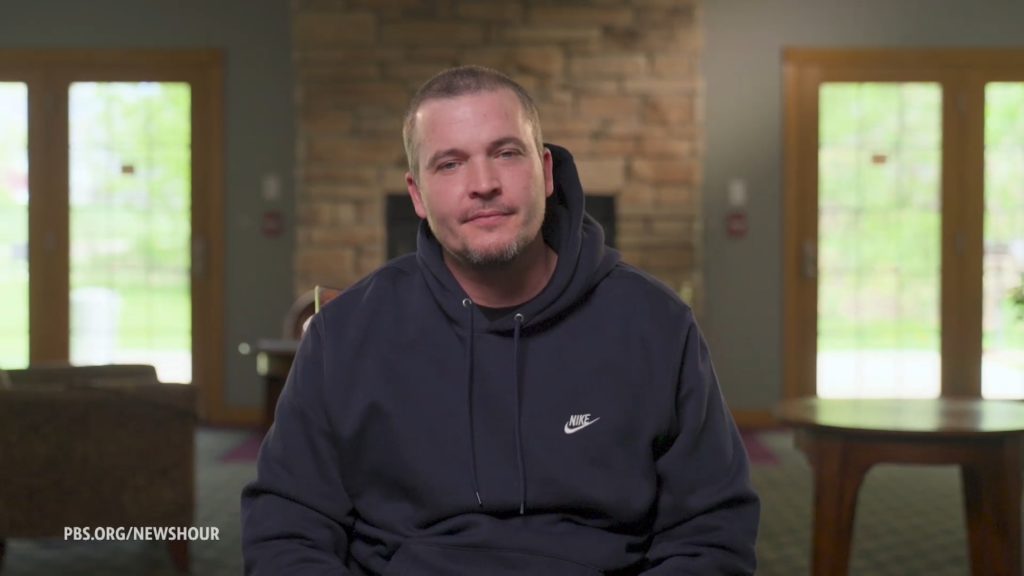
Jason Howell Sr. was sentenced to 10 years in federal prison for selling heroin, which greatly affected his four children. The news team first spoke to the Howell family in 2019 and now, seven years later, they share how the family has dealt with their separation and worked to rebuild their lives.
Key Facts
Jason Howell Sr. received a 10-year federal prison sentence for heroin distribution.
His incarceration separated him from his four children.
The news team initially interviewed the Howell family in 2019.
The family has experienced significant challenges during the time apart.
Seven years after the sentence, the family reflects on the impact of the separation.
They have worked together to recover and rebuild their lives.
The story highlights the effects of prison on families left behind.
Read the Original
Want the full story? Tap a source to open the original
article.
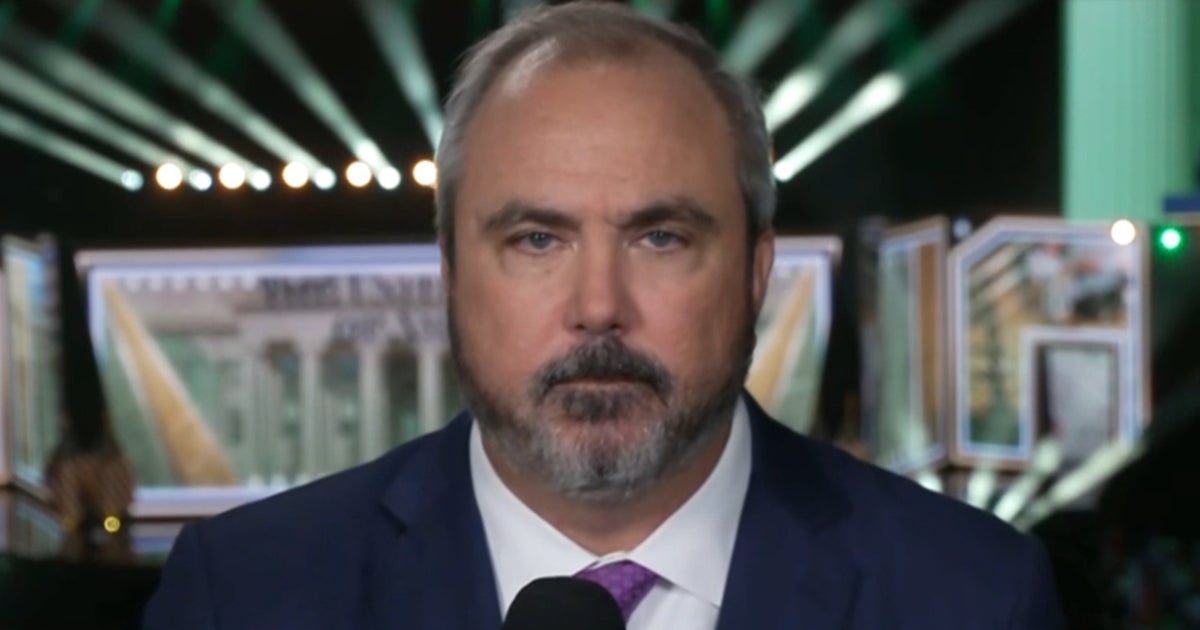
The Republican National Committee (RNC) held a midterm convention, where Chairman Joe Gruters said it is important for President Donald Trump to be included on the election ballot. The party is preparing its strategy for the upcoming November midterm elections.
Key Facts
The RNC is having its first midterm convention.
Joe Gruters is the chairman of the Republican National Committee.
Gruters emphasized the need for President Donald Trump to be on the ballot.
The convention is focused on planning for the November midterm elections.
Midterm elections are important because they decide control of Congress.
The discussion took place during Day 2 of the convention.
The event was covered by CBS News.
Read the Original
Want the full story? Tap a source to open the original
article.
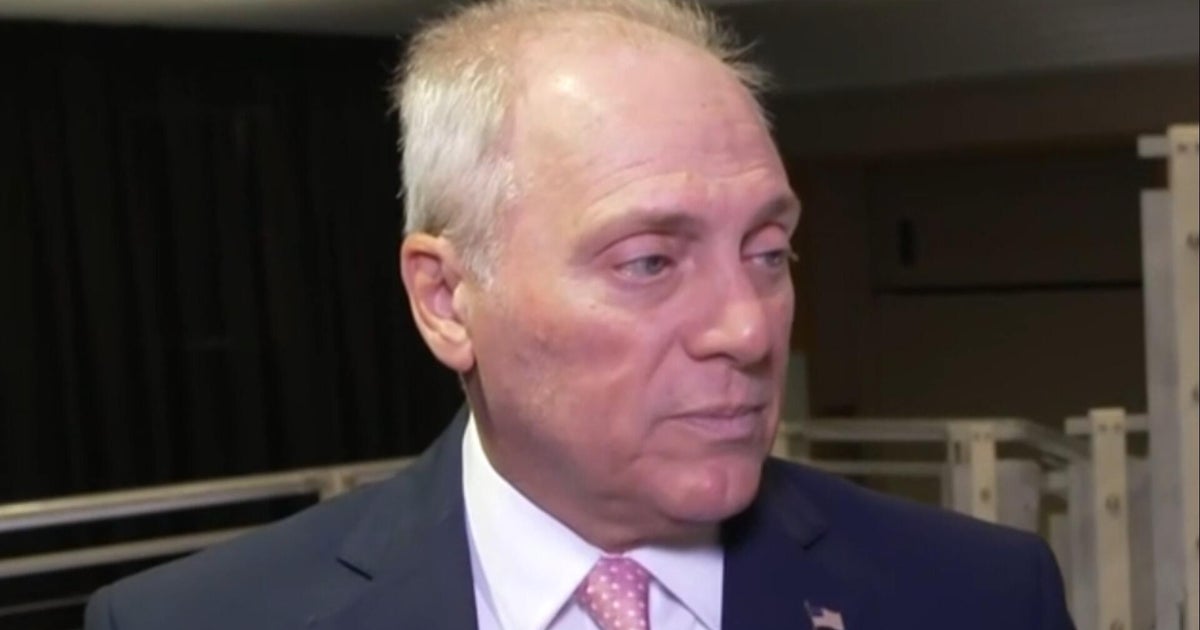
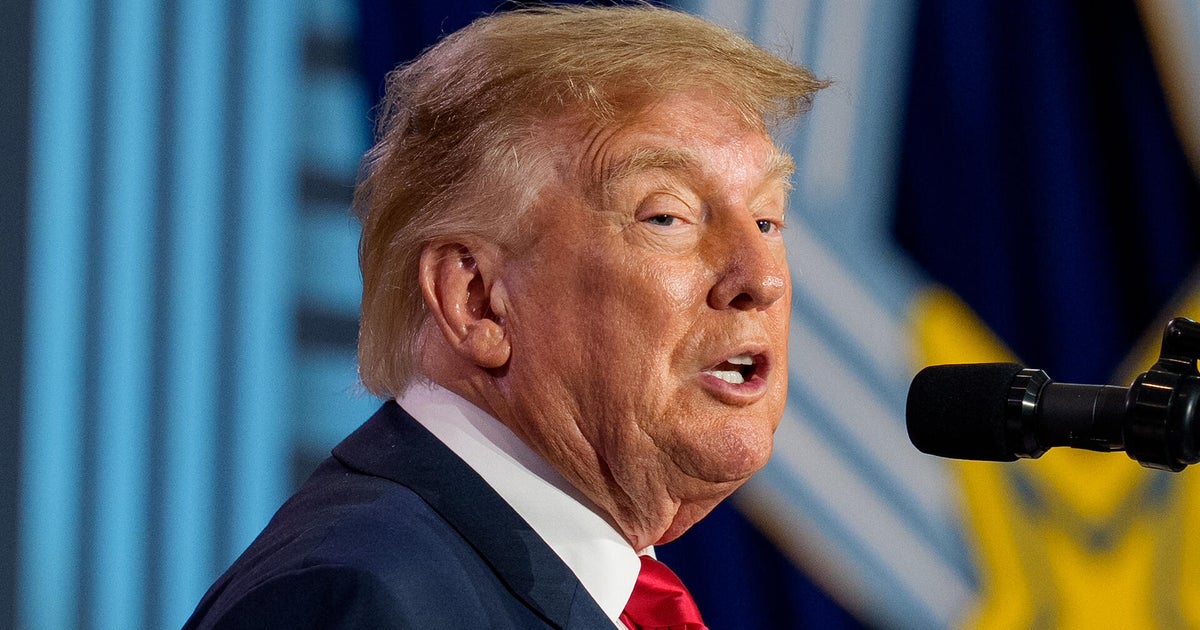
At a GOP midterm convention, President Donald Trump said the government would give every American adult $5,000 if Republicans keep control after the midterm elections. House Republican Steve Scalise said Congress would need to figure out the details of how this payment would work.
Key Facts
President Donald Trump announced a plan to give $5,000 to every American adult.
This offer depends on Republicans maintaining power after the midterm elections.
Steve Scalise, a House Republican leader, said Congress must work out how the payment would happen.
The announcement was made at a GOP midterm convention.
Details like funding and eligibility have not yet been explained.
CBS News reported on the event and provided coverage from the convention floor.
Read the Original
Want the full story? Tap a source to open the original
article.
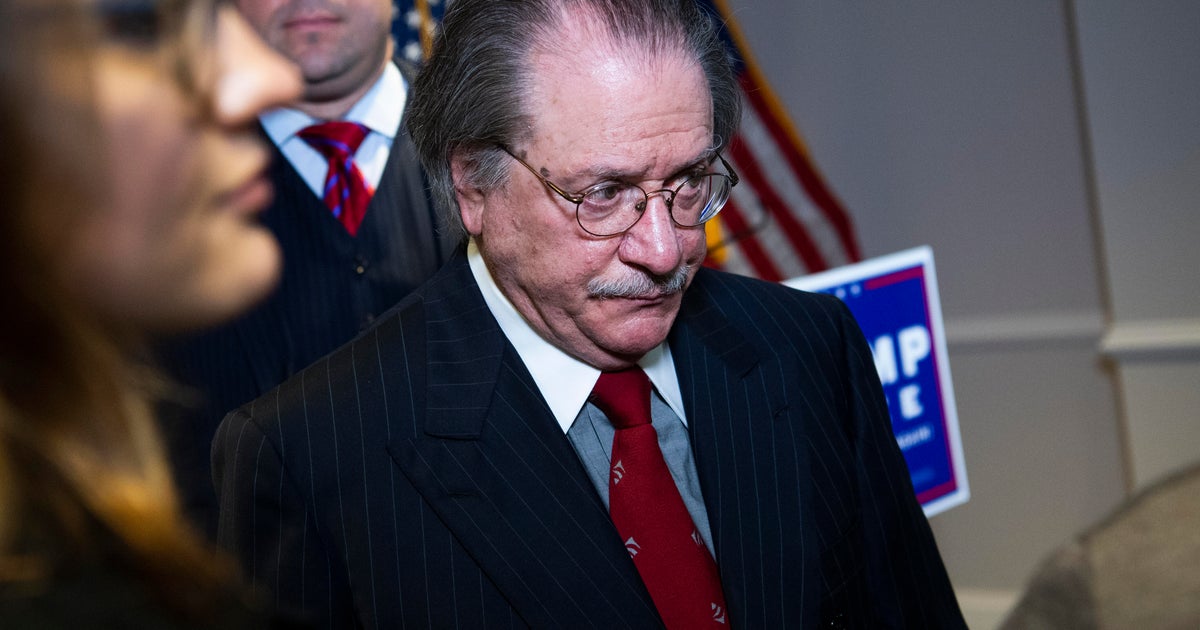
Joe diGenova, an ally of President Donald Trump, resigned from leading a Department of Justice investigation into whether former officials conspired against Trump. The investigation, which started before diGenova’s appointment five months ago, has not yet brought any charges or provided clear evidence supporting the conspiracy theory.
Key Facts
Joe diGenova resigned from his role leading a DOJ investigation into a supposed conspiracy against President Trump.
He was brought back to the DOJ in April to help oversee this investigation.
DiGenova is a longtime Trump ally and served as U.S. attorney for the District of Columbia during the Reagan administration.
The inquiry focuses on claims that former law enforcement and intelligence officials conspired against Trump.
So far, the investigation has not resulted in any charges or shown proof of a conspiracy.
The investigation has issued subpoenas in Florida where the inquiry is based.
The inquiry centers on the U.S. intelligence community’s conclusion that Russia interfered in the 2016 election to help Trump.
Multiple other investigations found that Russia did interfere to support Trump’s 2016 campaign.
Read the Original
Want the full story? Tap a source to open the original
article.
Republicans are promoting a major law signed by President Donald Trump that includes tax cuts, changes to food aid, and stronger immigration enforcement. The law has helped millions with tax breaks but also led to fewer people getting food and healthcare aid, alongside increased immigrant arrests.
Key Facts
The law extends tax cuts from President Trump’s first term and adds new ones, benefiting millions of taxpayers.
Some tax benefits include no taxes on tips, overtime pay, certain auto loan interest, a larger standard deduction, and an increased child tax credit.
About 7.5 million people claimed no tax on tipped income, 29 million claimed no tax on overtime, and nearly 40 million families received a bigger child tax credit.
The average tax refund increased by approximately $350, or 11%, mainly continuing previous tax policies rather than adding new relief.
The law introduced stricter work requirements for people receiving federal food aid (SNAP) and healthcare, aiming to reduce enrollment.
As a result, SNAP enrollment dropped by about 4 million people nationwide, including over 800,000 children in some states.
More immigrants have been arrested and deported since the law was passed, with some deaths during deportation reported.
Republicans present the law as an example of their approach to governing, while Democrats criticized it and did not support it.
Read the Original
Want the full story? Tap a source to open the original
article.
Joe DiGenova, a prosecutor working under Attorney General Todd Blanche, resigned from the Justice Department while leading a probe into officials from past Obama and Biden administrations. His wife, Victoria Toensing, who was also involved in the investigation, is set to leave the department shortly after.
Key Facts
Joe DiGenova supervised a Justice Department investigation called the "grand conspiracy" probe.
The investigation targets officials who served during the Obama and Biden administrations.
Attorney General Todd Blanche appointed DiGenova to oversee this probe.
DiGenova resigned suddenly and submitted his resignation on Thursday afternoon.
He described his time in the department as an honor and privilege.
Victoria Toensing, DiGenova’s wife and a lawyer, is leaving the Justice Department on Friday.
DiGenova did not provide reasons for his resignation.
The Justice Department has not yet commented on the resignations.
Read the Original
Want the full story? Tap a source to open the original
article.
A federal audit found that Medicare spent about $380 million to $400 million from 2017 to 2022 on organs that were either transplanted into patients not covered by Medicare or not used at all. This spending happened because the government guidance for paying transplant centers did not fully match federal law.
Key Facts
Medicare paid transplant centers over $3 billion in 2023 for acquiring around 39,000 organs.
The audit reviewed six years of data and estimated $380 million was spent on unused or non-Medicare transplants.
Federal law says Medicare should only pay for organs used in Medicare-covered transplants.
The Centers for Medicare & Medicaid Services (CMS) guidance assumed organs would be used for Medicare patients, which was not always true.
Some organs were transplanted into patients without Medicare, and some were never transplanted.
Auditors checked a sample of 180 organs and found $2.8 million was improperly reimbursed.
The issue highlights a mismatch between CMS rules and federal law, leading to unnecessary Medicare spending.
This spending reduces funds available for patient care in a program already facing financial challenges.
Read the Original
Want the full story? Tap a source to open the original
article.
Hunter Kozak, who debated conservative activist Charlie Kirk just before Kirk was killed a year ago, says he has faced death threats and false accusations about the murder. Kozak told The Salt Lake Tribune that both he and his family have been harassed with conspiracy theories.
Key Facts
Hunter Kozak debated Charlie Kirk shortly before Kirk’s assassination one year ago.
Kozak has received death threats following the incident.
He has been wrongly accused of involvement in Kirk’s death.
Kozak says strangers have threatened both him and his family.
The harassment includes conspiracy theories spread about Kozak.
Kozak shared his experiences with The Salt Lake Tribune.
The threats and accusations have lasted throughout the past year.
Read the Original
Want the full story? Tap a source to open the original
article.
San Francisco’s mayor, Daniel Lurie, declared a rent emergency to address soaring housing costs and prevent evictions. He proposed new rules to limit rent increases and provide more support for tenants facing eviction.
Key Facts
San Francisco’s mayor is Daniel Lurie.
The city faces very high rent, with a median of $4,495 for a one-bedroom apartment.
The national median rent for a similar apartment is $1,900.
Rising rents are linked to wealth growing from AI companies going public and limited housing availability.
San Francisco has been slow to approve new housing projects.
Proposed reforms include caps on rent increases for rent-controlled units.
$27 million is planned to cover gaps in federal housing voucher payments.
Payments to tenants evicted under the Ellis Act would increase.
Read the Original
Want the full story? Tap a source to open the original
article.
Senator Cynthia Lummis is pushing Democrats to support the Clarity Act, a bill about cryptocurrency, as it prepares for a vote in the Senate. She highlighted the changes Democrats helped add during negotiations to encourage their backing.
Key Facts
Senator Cynthia Lummis represents Wyoming and leads a Senate subcommittee on digital assets.
The Clarity Act focuses on rules and regulations for cryptocurrency.
The bill is scheduled for a procedural vote in the Senate next week.
Democrats worked on changes to the bill during negotiations.
Lummis is urging Democrats to support the bill because of these changes.
The push reflects ongoing efforts to create clearer laws for digital currencies.
Read the Original
Want the full story? Tap a source to open the original
article.
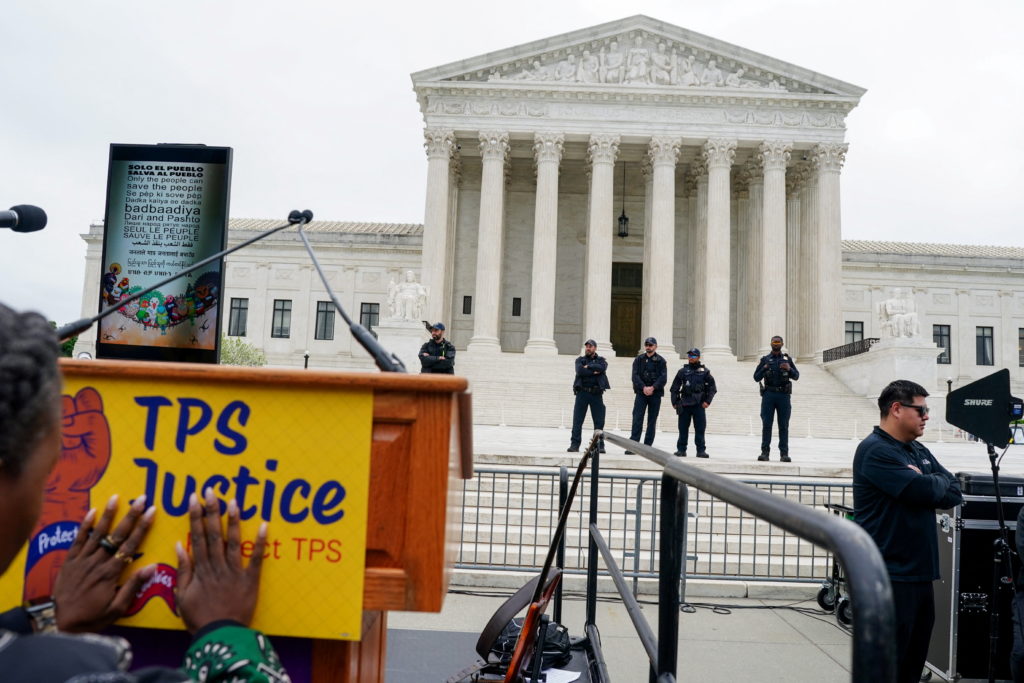
The Trump administration has not yet announced whether about 200,000 Salvadoran immigrants protected by Temporary Protected Status (TPS) can stay in the U.S. for another six months. The Department of Homeland Security (DHS) says TPS for El Salvador remains valid for now, but has not made a final decision.
Key Facts
Around 200,000 Salvadoran immigrants are under Temporary Protected Status (TPS), which shields them from deportation.
DHS has passed the deadline to decide on extending TPS for El Salvador without making an official announcement.
TPS allows immigrants from countries with disasters or conflicts to stay and work legally in the U.S. temporarily.
TPS for El Salvador was originally given after big earthquakes in 2001 and extended by President Biden until September 9, 2026.
Many Salvadoran families have lived and worked in the U.S. legally for years under TPS.
The Trump administration has ended TPS for over one million people from other countries during his second term.
DHS Secretary Markwayne Mullin will decide the future of TPS for El Salvador.
The Supreme Court ruled in June that the Trump administration had legal authority to end TPS for some countries.
Read the Original
Want the full story? Tap a source to open the original
article.
The United States is observing the 25th anniversary of the September 11 attacks. On that day in 2001, hijackers flew planes into the World Trade Center towers, the Pentagon, and a field in Pennsylvania, causing widespread destruction and loss of life.
Key Facts
The first hijacked plane hit the North Tower of the World Trade Center at 8:46 a.m.
A second plane struck the South Tower 17 minutes later.
Both towers eventually collapsed due to the attacks.
A third plane was flown into the Pentagon building near Washington, D.C.
Passengers on a fourth hijacked plane fought the attackers, causing it to crash in rural Pennsylvania.
Americans are holding memorial events to honor the 25th anniversary of the attacks.
The 9/11 attacks had a significant and lasting impact on the country and the world.
Read the Original
Want the full story? Tap a source to open the original
article.
Almost half of American adults say the September 11, 2001 attacks are one of the most important events they have lived through, according to a recent poll by Ipsos. The survey asked people to name up to five historic events that stood out to them.
Key Facts
47% of American adults named the 9/11 attacks as one of the most important events in their lifetime.
The poll was conducted by Ipsos and published on a Tuesday.
Participants could list up to five historic events that they consider significant.
The survey shows how 9/11 remains a key moment in U.S. history for many people.
Other major events were also mentioned but 9/11 was one of the top responses.
Read the Original
Want the full story? Tap a source to open the original
article.
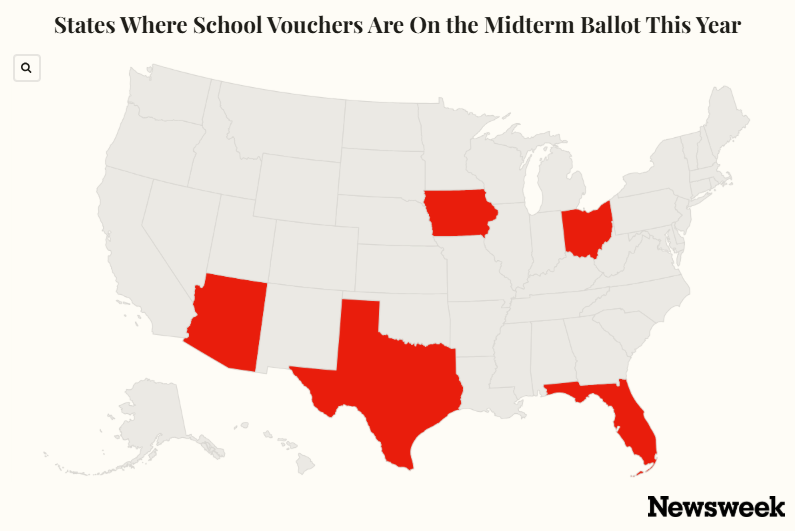
School vouchers and programs that allow public money to pay for private education are becoming important topics in governor races in five U.S. states. Democrats argue these programs reduce funding for public schools, while Republicans support them, saying parents should choose the best schools for their children.
Key Facts
School vouchers give parents public money to pay for private or alternative schools.
This issue is notable in Arizona, Florida, Iowa, Ohio, and Texas governor races.
Many Republican-led states have expanded these voucher programs or education savings accounts (ESAs).
Democrats are concerned vouchers take funds away from public schools.
Republicans say parents should have freedom to pick schools and access education funding.
Arizona’s large Empowerment Scholarship Account program enrolls over 99,000 students.
Florida has one of the largest school choice systems, with about 1.4 million students enrolled.
Iowa passed a law expanding ESAs that provides about $7,773 per student for alternative education.
Read the Original
Want the full story? Tap a source to open the original
article.
Federal officials are about to declare the end of the largest known Cyclospora outbreak in the U.S., which has sickened over 19,500 people since May 2026. The outbreak was mainly linked to shredded iceberg lettuce processed by Taylor Farms de Mexico, but many details about the source and other related cases remain unknown.
Key Facts
The Cyclospora outbreak began in May 2026 and is the largest in U.S. history, surpassing a previous outbreak in 2019 with 4,700 cases.
Over 19,500 laboratory-confirmed cases have been reported, though actual illnesses are likely higher since many people do not get tested.
The outbreak caused hundreds of hospitalizations and at least two deaths in Michigan.
Most cases were traced to shredded iceberg lettuce from Taylor Farms de Mexico, which was supplied to major restaurant chains including Taco Bell.
Investigators never found a Cyclospora-positive lettuce sample, making it hard to pinpoint the exact contamination source.
Cyclospora is a tiny parasite that causes a stomach illness with symptoms like severe diarrhea.
Other outbreaks and thousands of cases not linked to the lettuce cluster are still under investigation, with many sources remaining unidentified.
Officials emphasize ongoing monitoring of disease threats even as this outbreak ends.
Read the Original
Want the full story? Tap a source to open the original
article.
A new poll shows Texas Democratic state Representative James Talarico leading Republican Texas Attorney General Ken Paxton by 4 points in the U.S. Senate race. The poll surveyed likely voters in Texas and found 48% support for Talarico and 44% for Paxton.
Key Facts
James Talarico is a Democratic state Representative in Texas.
Ken Paxton is the Texas Attorney General and a Republican.
The poll was conducted by AARP.
The poll surveyed likely voters in Texas.
Support for Talarico was 48%.
Support for Paxton was 44%.
The poll was released on a Thursday.
Read the Original
Want the full story? Tap a source to open the original
article.
President Donald Trump proposed giving $5,000 dividends to Americans if the Republican Party keeps control of Congress. Meanwhile, Republican leaders and members are holding the second day of their midterm convention in Dallas.
Key Facts
President Trump made a plan to offer $5,000 payments to people if Republicans win Congress.
The Republican Party is having their midterm convention in Dallas.
The event is on its second day.
This news is part of the discussions about the upcoming midterm elections.
The midterm elections decide which party controls Congress.
CBS News covered this event and related announcements.
Read the Original
Want the full story? Tap a source to open the original
article.