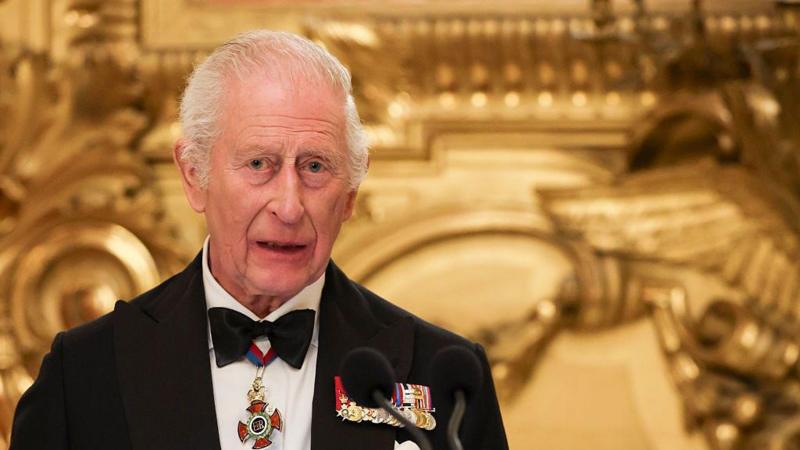
King Charles and Queen Camilla visited the United States, receiving a warm and positive reception across political groups. Their visit included events at the White House, Congress, and New York, where King Charles spoke about history, democracy, and unity.
Key Facts
King Charles and Queen Camilla visited the US and were warmly welcomed.
The King addressed a joint session of Congress, becoming only the second British monarch to do so.
President Donald Trump expressed strong support and praised the King’s visit.
The visit drew positive reactions from both political parties in the US.
King Charles’ speeches included humor, history, and calls for unity.
The visit came during some recent tensions between the US and UK governments over Iran.
The King’s visit also boosted interest in British culture and businesses in the US.
The royal couple visited the 9/11 Memorial in New York during their trip.
Read the Original
Want the full story? Tap a source to open the original
article.
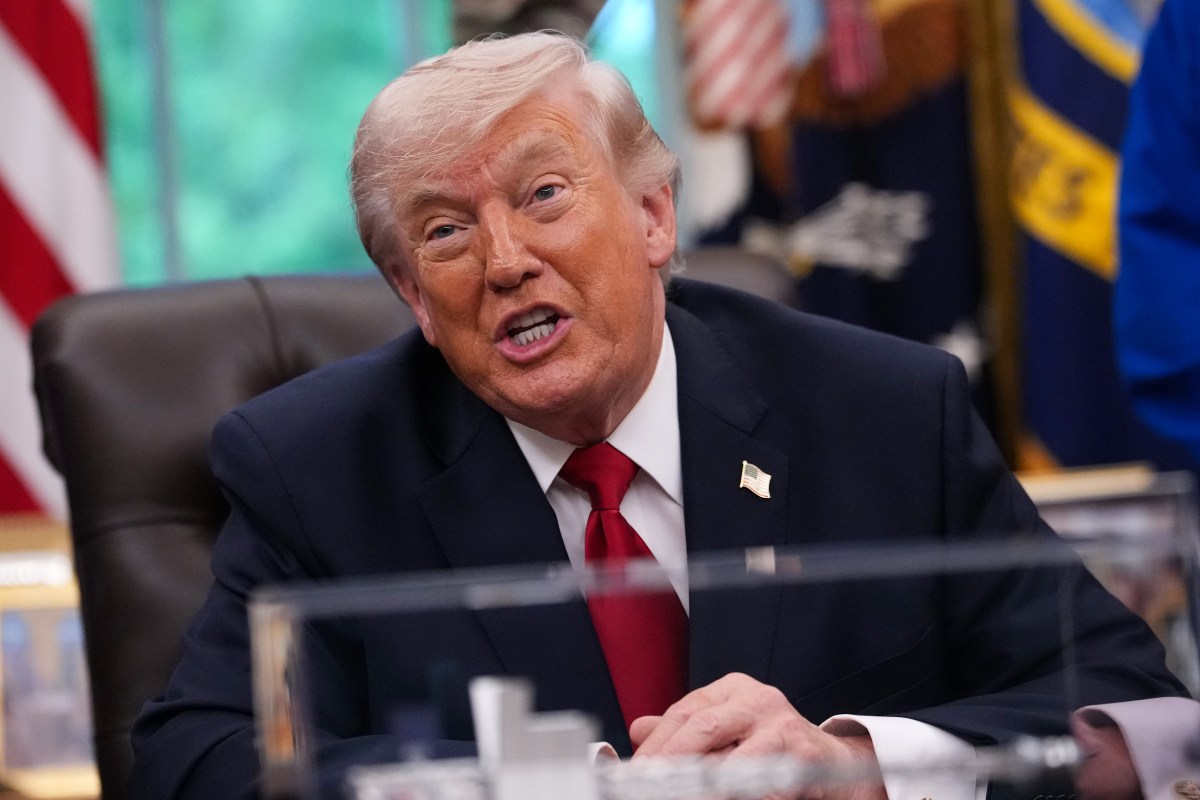
President Donald Trump’s approval rating among Hispanic voters has dropped to a new low during his second term, according to a recent Emerson College poll. The poll also shows Democrats leading Republicans by 10 percent on the generic congressional ballot, partly due to stronger Hispanic voter support for Democrats.
Key Facts
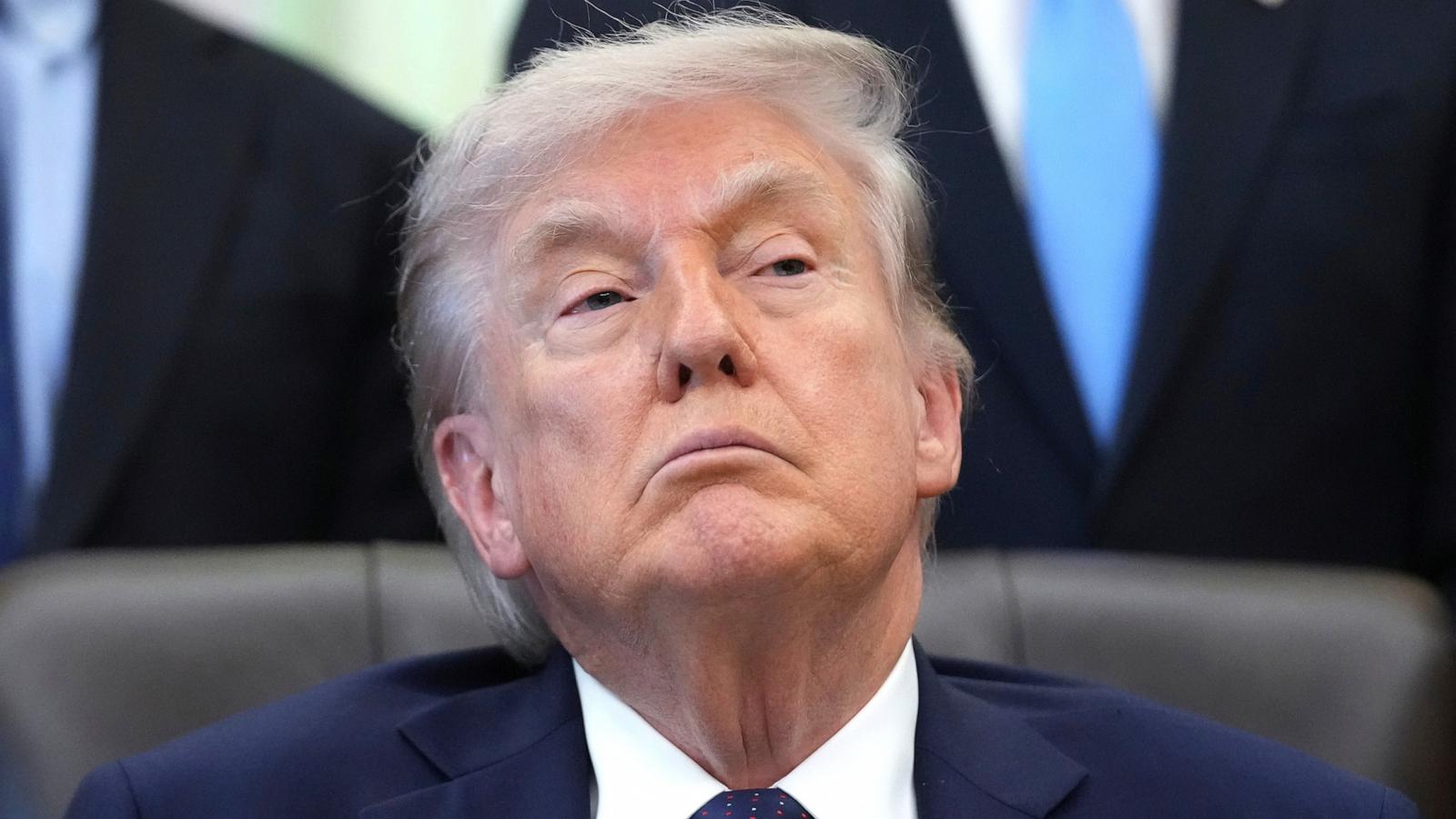
President Trump’s overall approval rating is 40%, with 56% disapproving.
Among Hispanic voters, Trump’s approval is about 29%, with 70% disapproval.
This is the lowest approval rating Trump has had with Hispanics during his second term.
Hispanic voters now favor Democrats by a 35-point margin (61% to 26%).
The poll surveyed 1,000 likely U.S. voters from April 24 to 26 and has a 3% margin of error.
Democrats are gaining support among Hispanic voters, women, and independent voters.
White House spokesperson highlighted Trump’s efforts to help middle-class families and address inflation.
Hispanic voters were important in Trump’s 2024 election victory but now show declining support.
Read the Original
Want the full story? Tap a source to open the original
article.
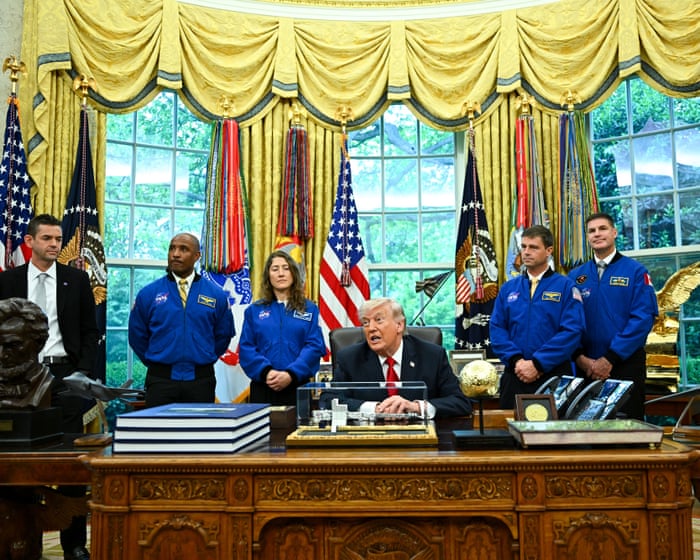
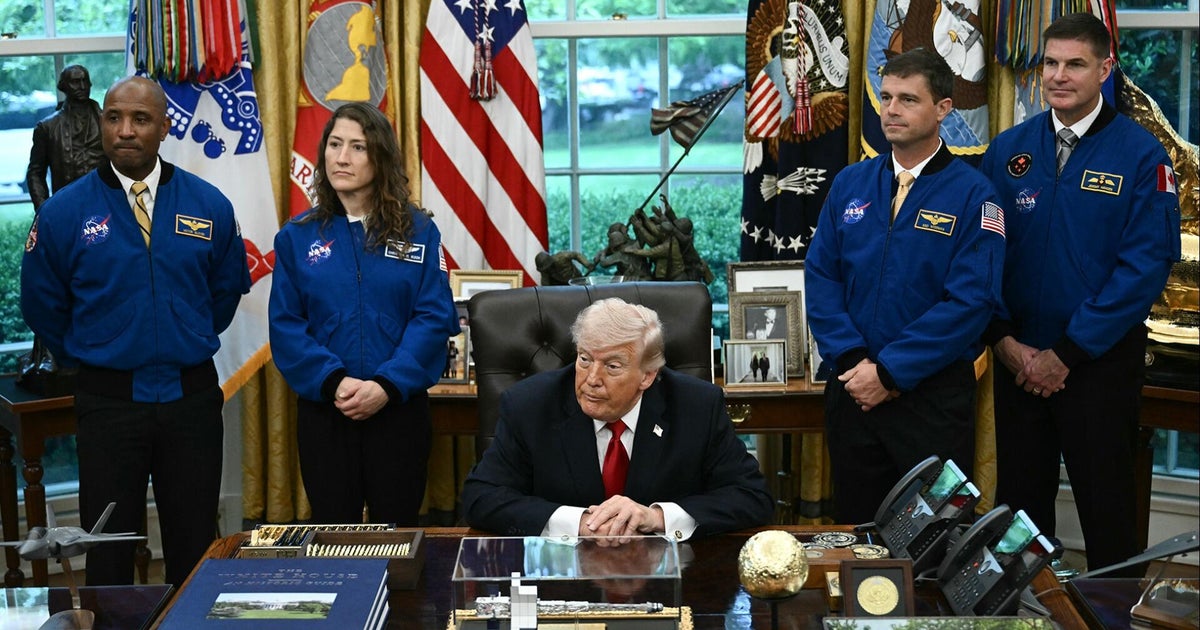
President Donald Trump hosted the crew of NASA’s Artemis II mission at the White House, praising their achievements. During the event, he also discussed the Supreme Court decision reducing protections under the Voting Rights Act and commented on ongoing international conflicts and UFO disclosures.
Key Facts
President Trump met the Artemis II crew—commander Reid Wiseman, pilot Victor Glover, and mission specialists Christina Koch and Jeremy Hansen—in the Oval Office.
Artemis II completed a historic lunar flyby, traveling farther from Earth than any crewed mission before, reaching 252,756 miles.
The mission ended with a successful splashdown of the Orion capsule in the Pacific Ocean on April 10.
Trump previously praised NASA’s crew but proposed a 23% budget cut to the agency, including a 46% cut for space science programs.
The Supreme Court struck down Section 2 of the Voting Rights Act in a 6-3 decision, removing a key tool used to protect minority voters in redistricting; President Trump welcomed this ruling.
Trump mentioned ongoing talks with Iran, now conducted remotely rather than in person.
Trump stated his belief that Ukraine is militarily defeated, citing heavy losses of ships, planes, missiles, and drones.
He said his administration plans to release more information about unidentified flying objects (UFOs) soon.
Read the Original
Want the full story? Tap a source to open the original
article.
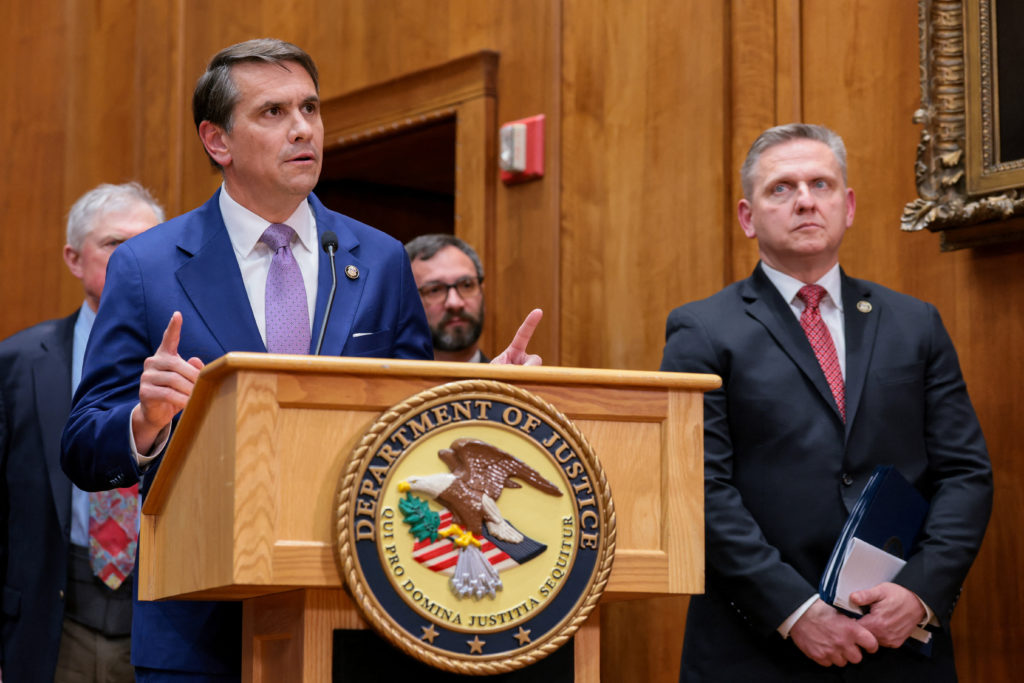
The Justice Department announced plans to change and reduce many gun rules as part of a policy shift supported by President Donald Trump’s base. One key change is removing a rule that required many gun sellers at events like gun shows to conduct background checks on buyers.
Key Facts
The Justice Department moved to roll back several gun regulations.
These changes represent a major shift in firearm policy.
Supporters of gun rights, especially those backing President Trump, favored the changes.
Gun control advocates criticized the move as risky and unsafe.
The changes come shortly after a man with weapons tried to attack an event attended by President Trump.
One important rollback is canceling a 2024 rule that required more gun dealers to do background checks at gun shows and similar sales.
The background check rule was introduced during President Joe Biden’s administration.
Over 30 gun regulation changes were announced in total.
Read the Original
Want the full story? Tap a source to open the original
article.
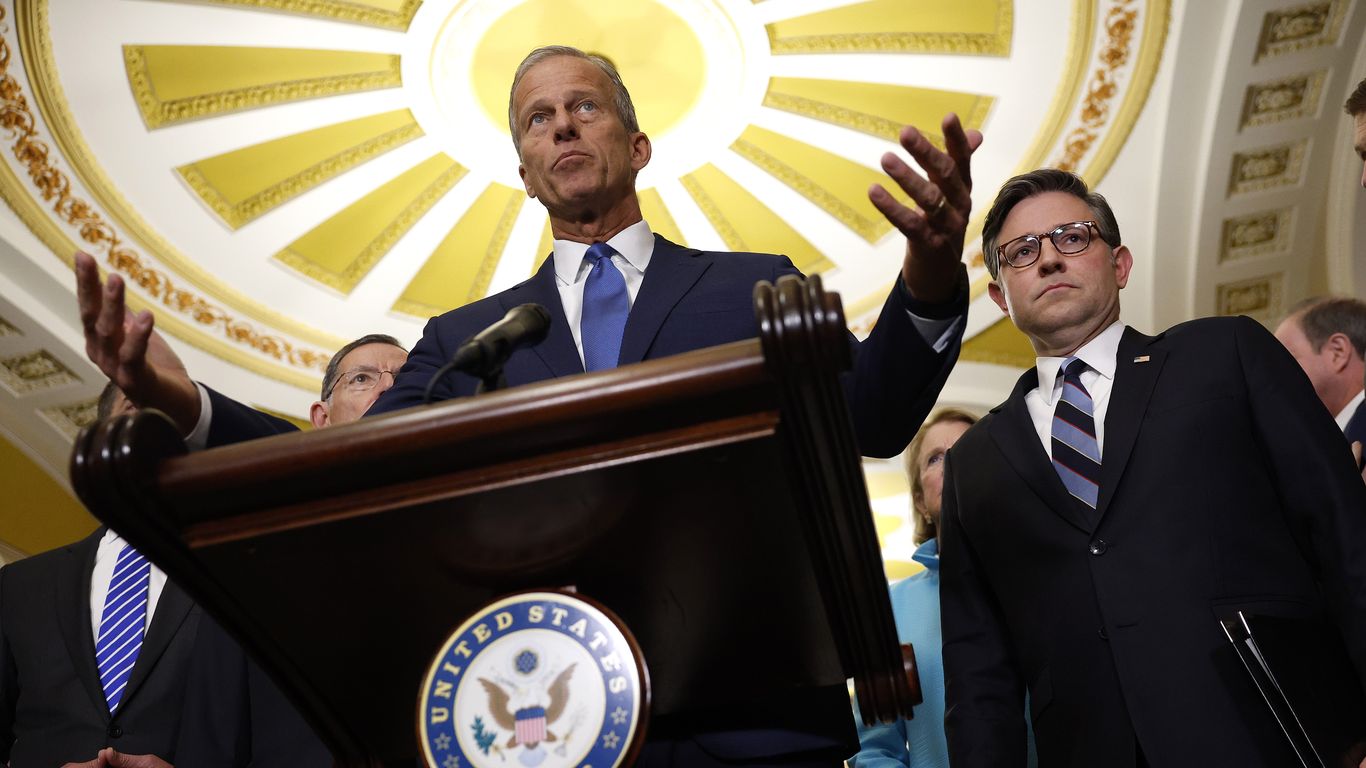
The House approved a three-year renewal of Section 702 of the Foreign Intelligence Surveillance Act (FISA), which allows warrantless government spying, but the Senate is unlikely to agree because of a ban on digital currencies added by House Republicans. Section 702 is set to expire soon, and without a new law, an important security tool could stop working.
Key Facts
The House voted 235-191 to extend Section 702 of FISA for three years.
Section 702 lets the government conduct warrantless surveillance for national security.
The renewal bill includes a ban on central bank digital currency (CBDC), added by House GOP leaders.
Both Senate Democrats and Republicans oppose the CBDC ban, calling it a "poison pill" that blocks passing the bill.
Section 702 is set to expire at midnight Thursday, risking a gap in surveillance powers.
The House previously passed a short-term FISA extension earlier in the month after failing to approve longer renewals.
Senate Majority Leader John Thune says the Senate will try to pass its own FISA extension without the CBDC ban.
If the Senate passes its version, it must return to the House for approval, which may be difficult without the added ban or major changes.
Read the Original
Want the full story? Tap a source to open the original
article.
The House of Representatives voted 235-191 to renew a government surveillance law that lets agencies collect foreign intelligence without a warrant. This law, called Section 702 of the Foreign Intelligence Surveillance Act, now needs approval from the Senate before it becomes law.
Key Facts
The House approved the renewal of Section 702 of the Foreign Intelligence Surveillance Act.
The vote was 235 in favor and 191 against, with members from both parties supporting it.
Section 702 allows U.S. intelligence agencies to collect information from foreign targets without getting a warrant.
This surveillance power is aimed at protecting national security.
The bill still needs to pass the Senate before it can be renewed.
The renewal process is considered difficult because the Senate has different views on this issue.
The law has been used for many years to gather foreign intelligence.
Some lawmakers are concerned about privacy and civil liberties related to this surveillance.
Read the Original
Want the full story? Tap a source to open the original
article.
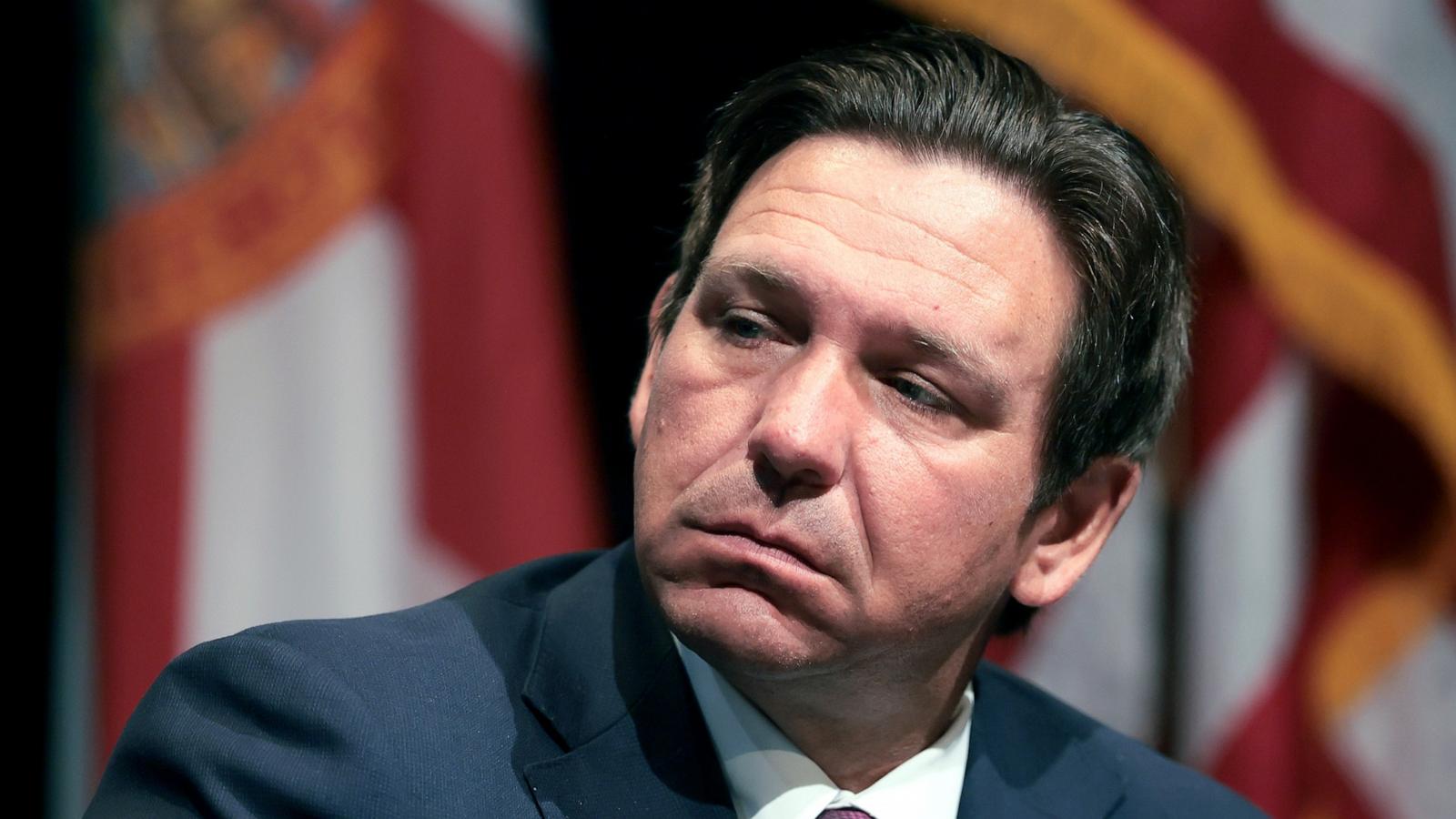
Florida’s state legislature approved a new congressional map that could help Republicans gain up to four more seats in the 2026 midterm elections. Governor Ron DeSantis supports the map, but Democrats say it violates Florida’s rules against favoring a political party and expect legal challenges.
Key Facts
The new map was passed by Florida’s legislature and is supported by Governor Ron DeSantis.
It could reduce Democratic-held districts in Florida to just four after the 2026 midterms.
Florida’s Fair Districts Amendments forbid drawing districts to benefit or harm a political party or incumbent.
DeSantis and his team claim the state needs the map due to population growth and legal issues.
Democrats argue the map was rushed and is meant to favor Republicans illegally.
The map will likely face court challenges based on Florida’s constitutional protections.
The approval comes amid a recent U.S. Supreme Court ruling striking down another state’s congressional map for racial bias.
Some Republicans had concerns the map could weaken GOP incumbents or energize Democratic voters.
Read the Original
Want the full story? Tap a source to open the original
article.
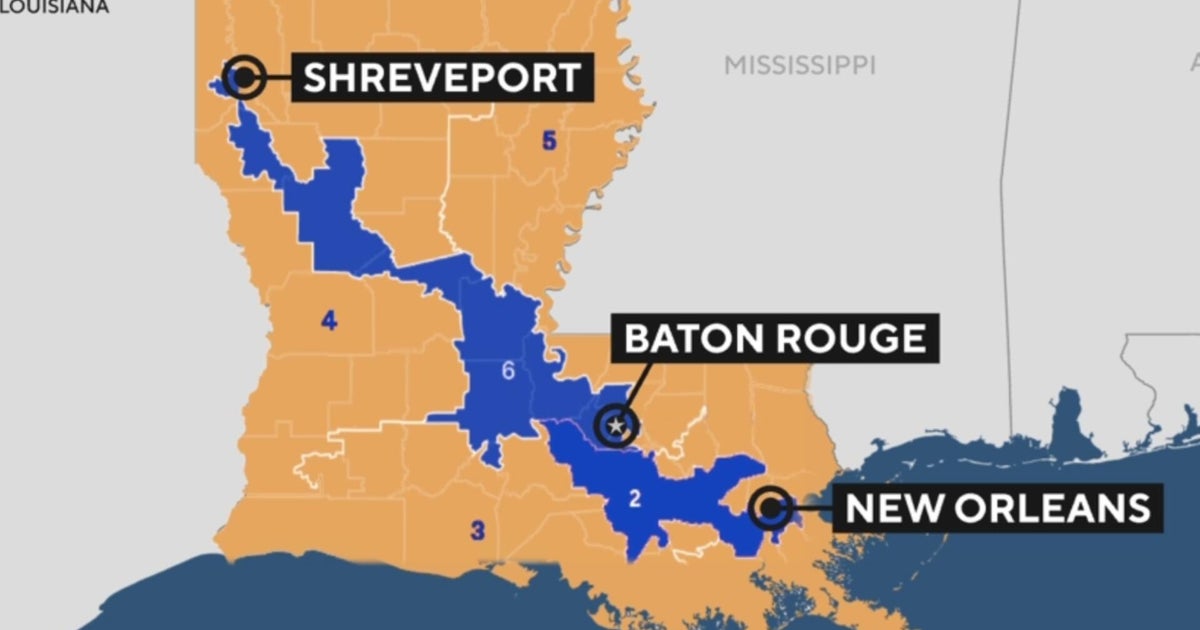
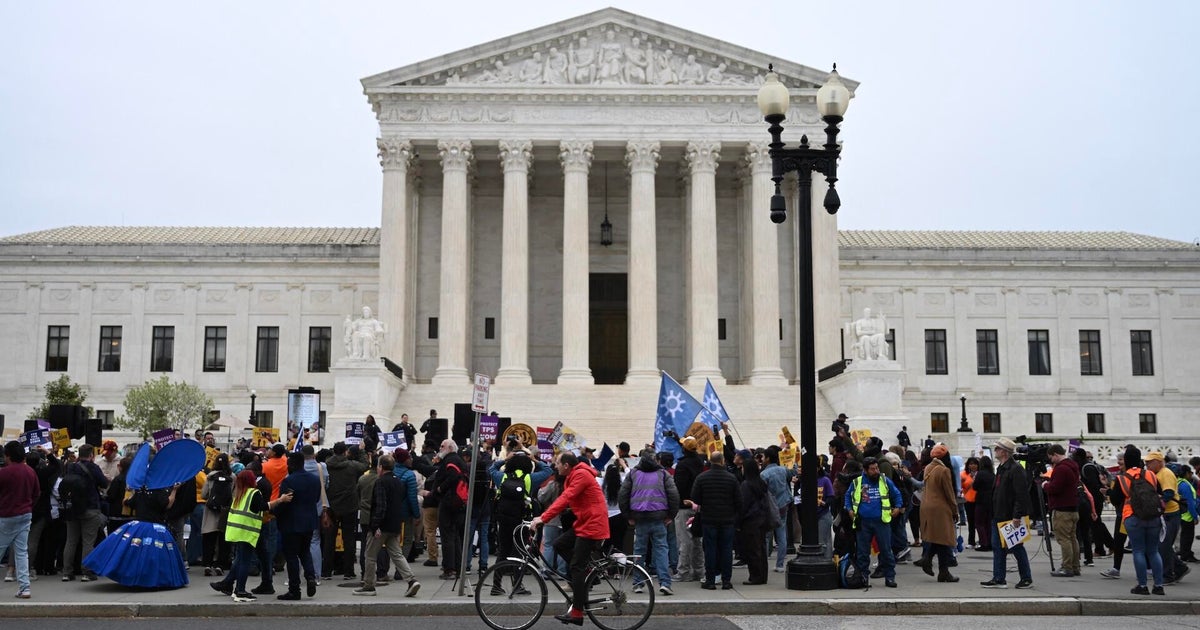
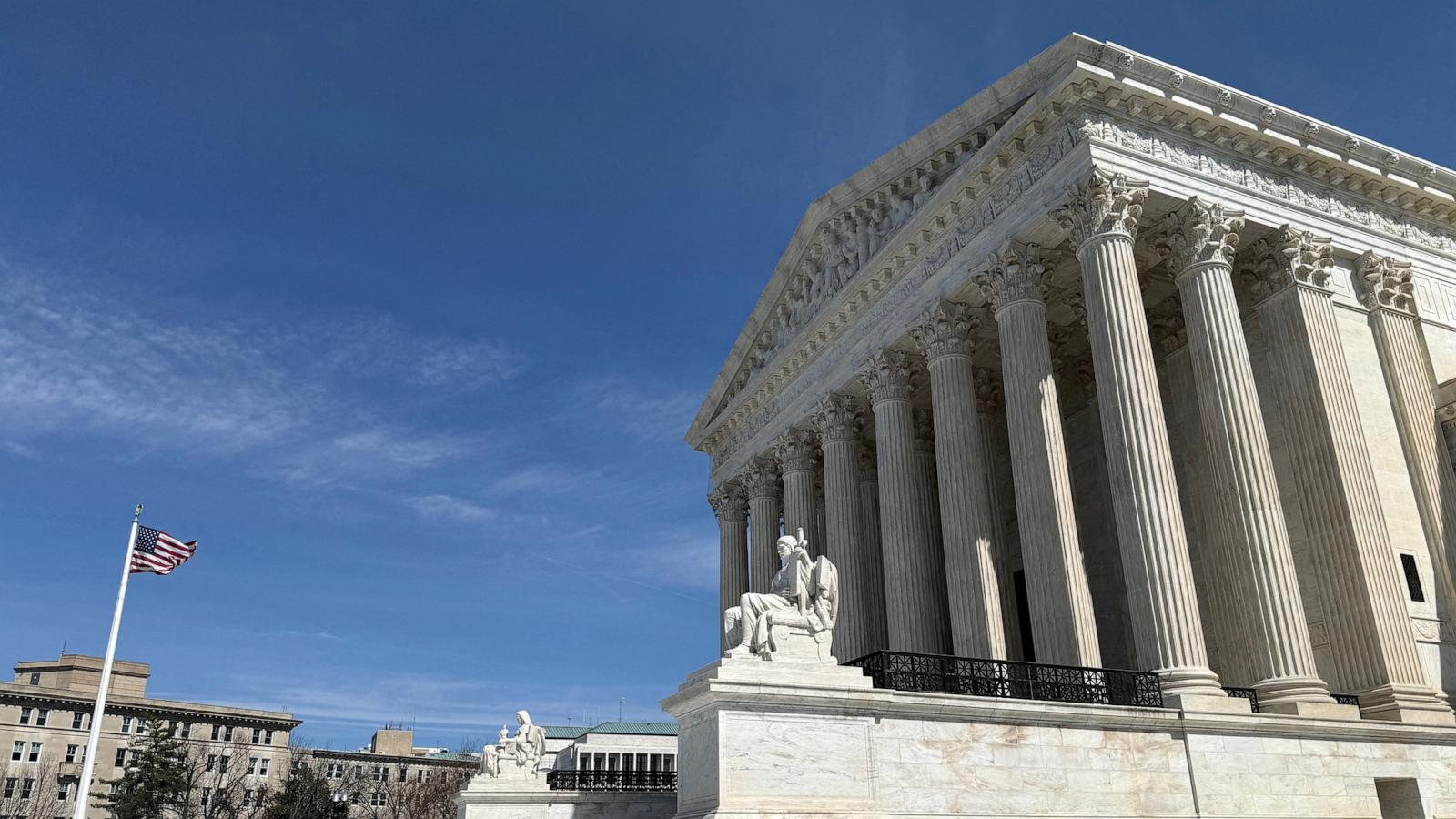
The U.S. Supreme Court invalidated Louisiana's congressional map, which affects how voting districts are drawn in the state. This decision reduces the power of the 1965 Voting Rights Act, a law designed to protect voters' rights.
Key Facts
The Supreme Court ruled against Louisiana's congressional map.
This ruling impacts the drawing of voting districts in Louisiana.
The decision weakens the protections provided by the Voting Rights Act of 1965.
The Voting Rights Act was created to prevent discrimination in voting.
The case brings changes to how voting rights are enforced in some states.
The ruling could influence future election maps in other states.
The Supreme Court’s decision reflects ongoing debates about voting laws in the U.S.
Read the Original
Want the full story? Tap a source to open the original
article.
Illinois Governor JB Pritzker criticized the U.S. Supreme Court’s recent decision to strike down a voting map in Louisiana. The court ruled 6-3 against the map, and Pritzker said the decision harms an important part of American democracy.
Key Facts
The U.S. Supreme Court made a 6-3 ruling against a Louisiana voting map.
Illinois Governor JB Pritzker called the ruling an “abomination.”
Pritzker said the decision attacks a key part of democracy, referring to it as a “crown jewel.”
The ruling took place on a Wednesday during a press conference.
The voting map in Louisiana had been challenged, leading to the Supreme Court case.
Read the Original
Want the full story? Tap a source to open the original
article.
Defense Secretary Pete Hegseth said that $400 million in support for Ukraine was released after Senator Mitch McConnell wrote an angry opinion piece about delays in the funding. The money was meant for building European security capacity and was freed up recently.
Key Facts
$400 million was allocated to support Ukraine.
The funds are for European capacity building, meaning helping European countries strengthen their defense.
Senator Mitch McConnell wrote an op-ed criticizing the delay in releasing the money.
Defense Secretary Pete Hegseth confirmed the money was released after the op-ed.
The announcement was made on a Wednesday.
The delay in funding had been a concern before the release.
This funding is part of the U.S. support for Ukraine amid ongoing conflicts.
Read the Original
Want the full story? Tap a source to open the original
article.
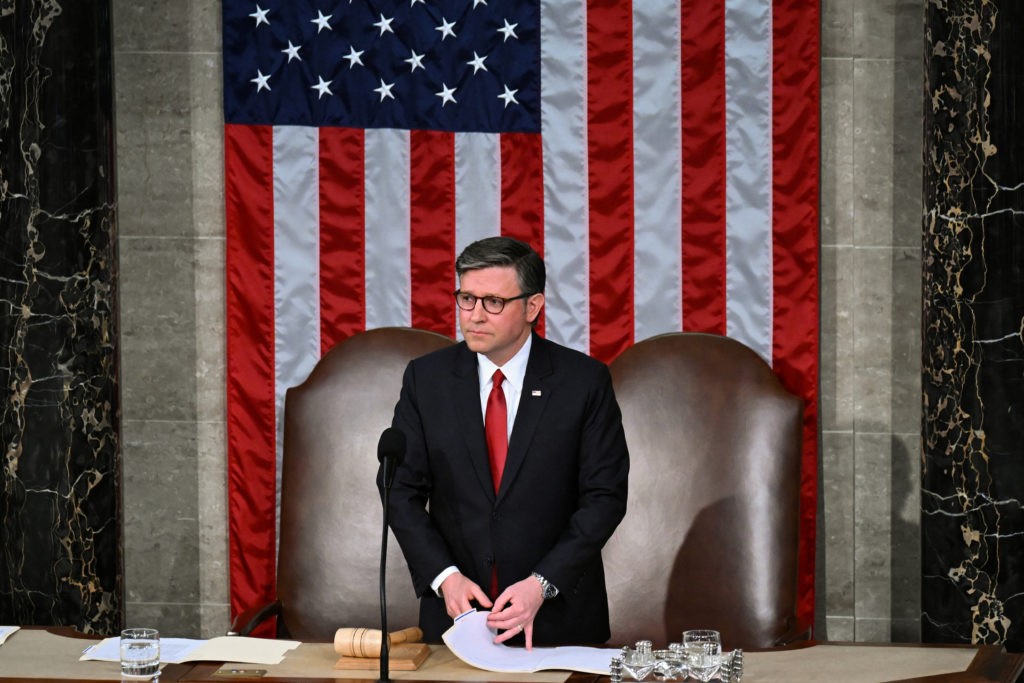
The Republican-controlled House is set to vote on extending a U.S. surveillance program for three more years before it expires on Friday. The bill adds new oversight rules but does not require warrants, and it still needs approval from the Senate and President Donald Trump.
Key Facts
The surveillance program is set to expire this Friday.
The House Republicans want to extend it for three years.
The bill includes new oversight but does not require warrants for spying.
Some lawmakers want stronger privacy protections, including a warrant requirement.
Speaker Mike Johnson said the program provides two-thirds of President Trump’s national security information.
The House passed a key procedural vote to move the bill forward after earlier failed attempts.
The bill must still be approved by the Senate and signed by President Trump.
The decision is seen as important for ongoing U.S. intelligence operations.
Read the Original
Want the full story? Tap a source to open the original
article.
The Supreme Court made changes that reduce the power of the Voting Rights Act, a law designed to protect voting rights. Pete Hegseth spoke in support of how President Trump’s administration managed the conflict with Iran.
Key Facts
The Supreme Court altered parts of the Voting Rights Act.
This change makes it harder to enforce some voting protections.
Pete Hegseth defended the Trump administration’s actions regarding Iran.
The discussion was part of CBS News’ program "The Takeout with Major Garrett."
The show aired on April 29.
The Voting Rights Act aims to prevent unfair voting rules that can block people from voting.
The Trump administration took specific steps related to U.S. involvement with Iran.
CBS News offers its content on various apps and browsers.
Read the Original
Want the full story? Tap a source to open the original
article.
Staying informed here is free for everyone. If it's worth something to you, pay what you want. Supporters also get the daily digest by email every morning.
New York City Mayor Zohran Mamdani criticized a recent Supreme Court ruling on the Voting Rights Act. He said the decision could prevent millions of people from voting, especially affecting racial minorities.
Key Facts
The Supreme Court made a new ruling about the Voting Rights Act.
Mayor Zohran Mamdani is unhappy with this ruling.
He believes the ruling could stop many Americans from voting.
The ruling may disproportionately impact people of certain races.
Mamdani said this decision weakens the Voting Rights Act.
The Voting Rights Act is a law that protects people’s right to vote.
Mamdani is the mayor of New York City and a member of the Democratic Party.
Read the Original
Want the full story? Tap a source to open the original
article.
Florida’s Republican-controlled legislature approved a new congressional map that favors Republicans and could increase their seats in the US House of Representatives. This map is part of a wider national effort by states to redraw districts ahead of the November midterm elections, prompting legal challenges and debate over fairness.
Key Facts
Florida’s legislature passed a new congressional map that benefits Republicans.
The map could increase Republican seats from 20 to 24, while Democrats may drop from 8 to 4.
Governor Ron DeSantis supported and unveiled the new map days before the vote.
Democrats criticized the map as politically motivated and expect legal challenges.
The redistricting is part of a broader national trend where states redraw maps to favor one party, a practice called gerrymandering.
Some see the new map as risky for Republicans due to possible vote dilution and falling approval for President Donald Trump.
The US Supreme Court recently ruled a Louisiana map unconstitutional, affecting minority protections under the Voting Rights Act.
Despite the map change, Democrats remain favored to perform well in upcoming Florida legislative elections.
Read the Original
Want the full story? Tap a source to open the original
article.
President Donald Trump met with oil and gas company leaders to discuss the ongoing war in Iran and its impact on gas prices in the U.S. Gas prices have risen to $4.23 per gallon, the highest in four years, as the U.S. naval blockade of the Strait of Hormuz continues. The president rejected a deal with Iran that would end the blockade without a nuclear agreement.
Key Facts
President Trump and officials met with oil and gas executives on April 28, 2026, to talk about the Iran war and energy supply.
The U.S. naval blockade at the Strait of Hormuz remains until Iran agrees to a peace plan focused on nuclear issues.
Gas prices in the U.S. reached $4.23 per gallon, up 44% since the Iran war began.
Trump canceled a planned negotiation trip to Pakistan, stating he saw no point in sending negotiators.
Treasury Secretary Scott Bessent hosted the meeting, with Vice President JD Vance and Chief of Staff Susie Wiles also attending.
The meeting covered topics like U.S. oil production, Venezuela’s role in oil, oil futures markets, natural gas, and shipping logistics.
Trump used the Defense Production Act to increase energy production and extended a waiver to allow foreign ships to move goods between U.S. ports.
Rising gas prices are causing concern among Americans and political risk for Republicans ahead of the November elections.
Read the Original
Want the full story? Tap a source to open the original
article.
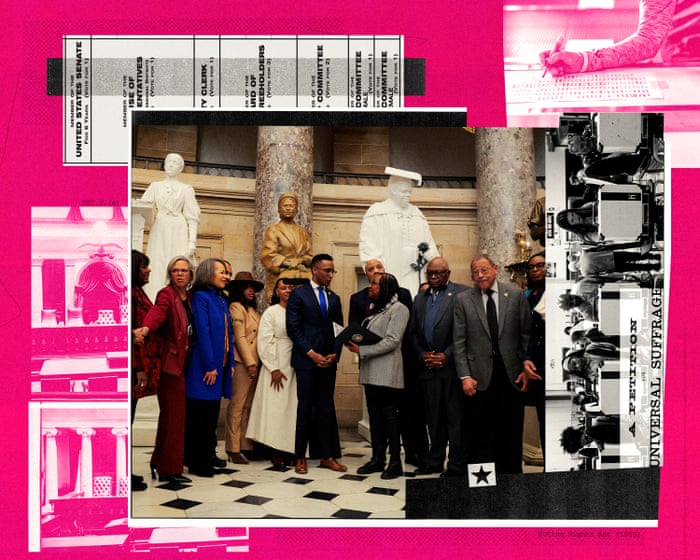
The U.S. Supreme Court ruled in the Callais v. Landry case to limit part of the Voting Rights Act that prevented racial discrimination in voting. This change makes it harder to challenge voting district maps that reduce the political power of Black voters, especially in areas where race and party voting overlap.
Key Facts
The Voting Rights Act was created to protect voters from racial discrimination and was linked to civil rights struggles.
The Supreme Court's Callais decision requires proof that race was the main reason for drawing voting districts a certain way.
This ruling allows Republicans to redraw voting maps without considering race, even if the change weakens Black political power.
Black voters tend to live in urban areas where Democratic support is strong, so redistricting can split these areas to reduce their influence.
The number of Black members in Congress recently reached a historic high, equaling their share of the population.
Most non-white members of Congress are Democrats, and very few Republicans are non-white.
Segregation in housing keeps many Black people in certain urban areas, making their votes easier to dilute by splitting districts.
This ruling affects mainly southern states but applies across the U.S., where racial and political geography overlap.
Read the Original
Want the full story? Tap a source to open the original
article.
The Supreme Court unanimously ruled that a New Jersey anti-abortion group called First Choice Women’s Resource Centers can legally challenge a subpoena seeking the names of its donors before giving up that information. The Court said the group's First Amendment rights protect them from having to immediately hand over donor details.
Key Facts
The case involves First Choice Women’s Resource Centers, which runs five anti-abortion centers in New Jersey.
The subpoena was issued by the New Jersey attorney general to investigate whether the group engaged in deceptive or illegal activities.
The subpoena demanded thousands of pages of documents, including private donor names and contact information.
First Choice claimed the subpoena was meant to intimidate and sued to block it.
The Supreme Court’s decision was unanimous, written by Justice Neil Gorsuch.
The Court cited a similar 1950s case involving the NAACP protecting its membership lists as a precedent.
The ruling emphasized the importance of First Amendment protections for groups to keep their private associational information safe.
Religious rights advocates welcomed the decision, calling it a victory for faith-based organizations.
Read the Original
Want the full story? Tap a source to open the original
article.
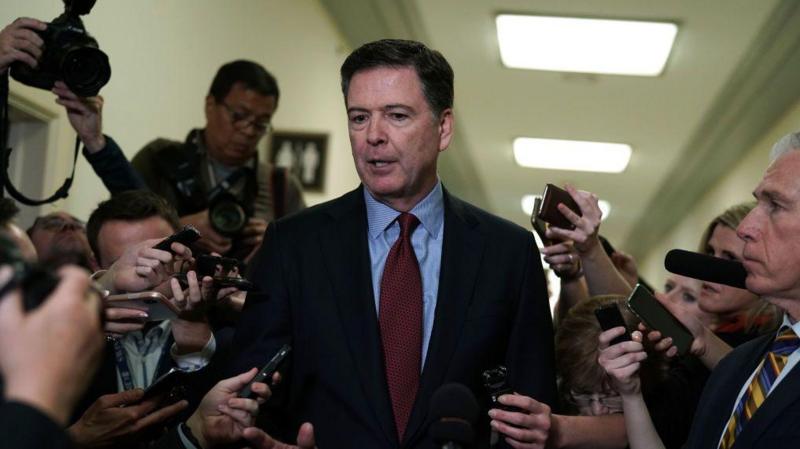
James Comey, the former FBI director, was indicted by the Department of Justice for allegedly threatening President Donald Trump in a social media post. Legal experts are doubtful the government can secure a conviction due to free speech protections and unclear intent in the post.
Key Facts
James Comey was charged with threatening President Donald Trump through an Instagram post.
The post showed seashells arranged as “86 47,” which some interpret as a call to remove Trump (the 47th president).
Prosecutors must prove Comey intended the post as a real threat to harm the president.
Comey deleted the post and said he did not mean to threaten anyone, explaining he found the seashells on the beach.
Legal experts doubt the case will succeed because the post’s meaning is unclear and protected by free speech rights.
This is the second time Comey has faced charges from the Justice Department over similar accusations; the previous case was dismissed.
The indictment comes after several threats and attempts on President Trump’s life in recent years.
Acting Attorney General Todd Blanche said threatening the president is a serious crime regardless of the post’s appearance.
Read the Original
Want the full story? Tap a source to open the original
article.
The U.S. Supreme Court weakened the Voting Rights Act, making it harder for minority voters to challenge local and state election rules that reduce their voting power. This change could allow local governments to redraw voting districts in ways that limit minority representation.
Key Facts
The Supreme Court ruling affects Section 2 of the Voting Rights Act, which helps minority voters fight unfair election maps and rules.
The decision makes it more difficult to win lawsuits claiming violations of minority voting rights.
Local and state governments, such as city councils and county commissions, may now have more freedom to redraw voting districts without considering minority impact.
The ruling may lead to reinstating at-large elections that weaken minority political influence.
Critics warn the decision could reduce representation for Black and Hispanic voters at local and state levels.
Some states, like Mississippi, face upcoming redistricting efforts that could be affected by this ruling.
Changes to voting district protections may impact future elections, including the 2026 midterms and the redistricting after the 2030 Census.
Read the Original
Want the full story? Tap a source to open the original
article.
President Donald Trump welcomed the astronauts of the Artemis II mission to the White House. He also spoke to reporters and answered their questions from the Oval Office.
Key Facts
President Trump hosted the Artemis II crew at the White House.
The visit happened on a Wednesday.
President Trump held a question-and-answer session with reporters.
The session took place in the Oval Office.
CBS News covered the event and provided analysis through their White House reporter, Aaron Navarro.
Artemis II is a NASA mission involving astronauts.
The event was shared through the CBS News app and website.
Read the Original
Want the full story? Tap a source to open the original
article.