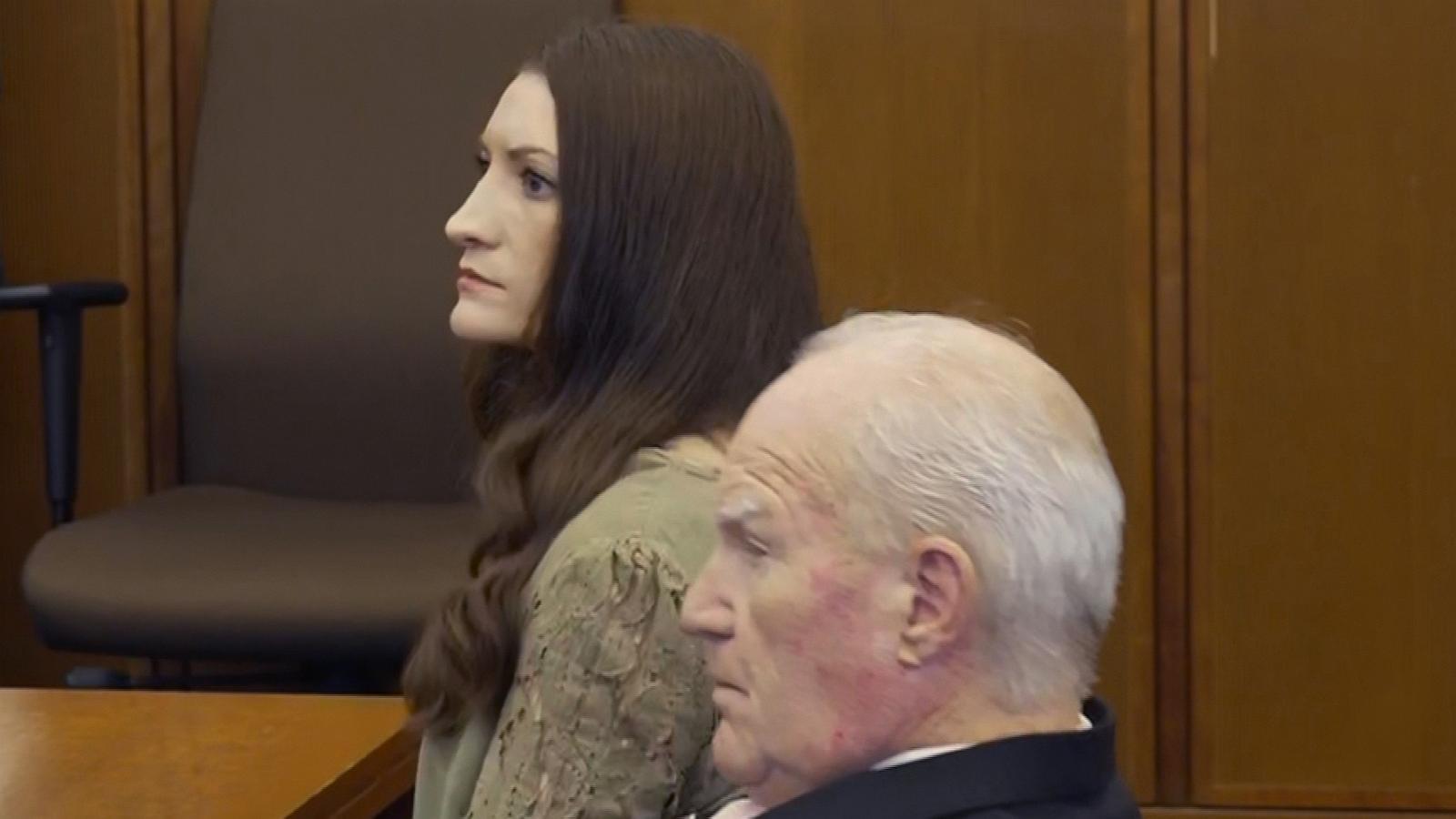
Laurie Moore, a senior investigator in Albany Sheriff's Office, was arrested for allegedly using Flock cameras to track her ex-girlfriend’s license plate almost 3,000 times without a valid police reason. The department has suspended her and changed rules about Flock camera use to prevent misuse.
Key Facts
Laurie Moore worked for Albany Sheriff’s Office for 13 years.
She was charged with falsifying business records and official misconduct.
Moore tracked her ex-girlfriend’s license plate and four others for over a year.
None of these searches were part of official police investigations.
Albany Sheriff Craig Apple said the department requires investigators to record reasons for license plate tracking, but Moore’s reasons were false.
Moore is suspended indefinitely and will appear in court on September 24.
Another staff member was also placed on administrative leave.
The department now restricts deputy access to Flock cameras and requires more frequent audits.
Flock cameras are used by police to help solve crimes but have faced criticism for misuse.
Read the Original
Want the full story? Tap a source to open the original
article.
Decision Desk HQ, a group that predicts election results, changed its forecast for the U.S. Senate elections twice in two days. On Wednesday, it gave Democrats a 51% chance of winning the Senate, but on Thursday, it switched back to Republicans having a 51% chance.
The Centers for Disease Control and Prevention (CDC) reported an increase in cases where people were exposed to rabies this summer. The CDC has warned healthcare workers to watch for and respond to these cases.
Key Facts
The CDC has seen more reports of people exposed to rabies during the summer.
Rabies is a dangerous virus usually spread through animal bites.
The CDC issued a warning to healthcare providers about this rise.
Early treatment after exposure is important to prevent the disease.
The alert aims to help doctors identify and manage rabies exposure quickly.
Most human rabies cases happen when people are in contact with wild or stray animals.
The CDC's notice stresses the need for awareness during this higher-risk season.
Read the Original
Want the full story? Tap a source to open the original
article.
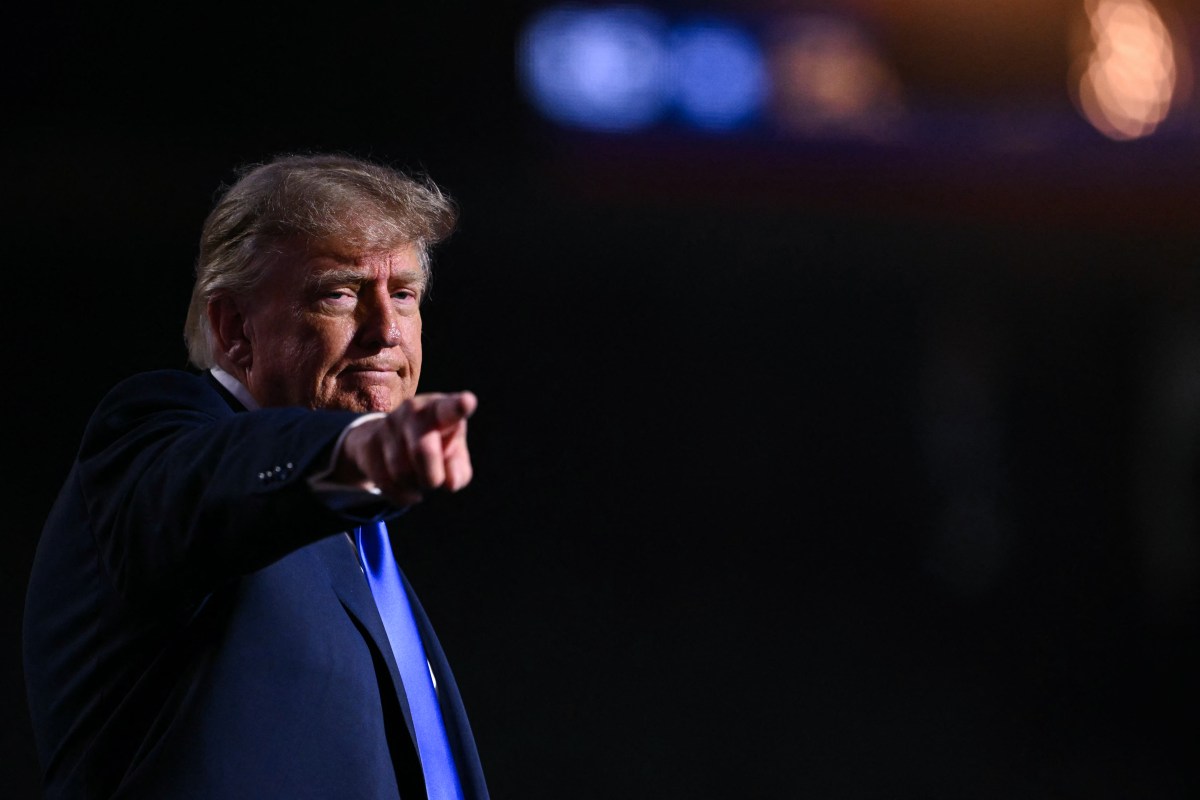
President Donald Trump proposed giving every American a $5,000 dividend payment if Republican candidates win the upcoming midterm elections. He said this payment would not need approval from Congress.
Key Facts
President Trump suggested a $5,000 payment to all Americans.
The payment would be given only if Republicans win the midterm elections.
He stated this payment wouldn’t require Congress to approve it.
The proposal was made during a public statement on a Wednesday.
The idea was reported by CBS News correspondents Fin Gómez and Kelly O'Grady.
Read the Original
Want the full story? Tap a source to open the original
article.
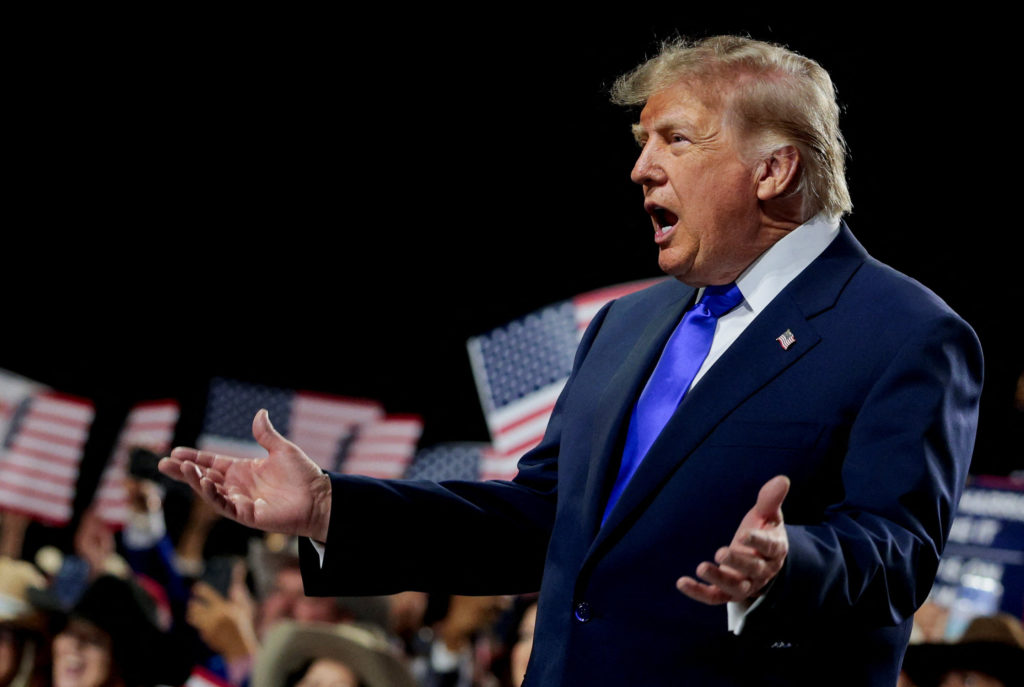
President Donald Trump proposed sending a $5,000 payment, called the "Trump Dividend," to every American citizen if Republicans keep control of Congress after the midterm elections. He said he believes Congress would not need to approve the payments and that the money should be spent within the United States.
Key Facts
President Trump suggested giving every American adult $5,000 after the midterm elections if Republicans hold both the House and Senate.
He called this the "Trump Dividend" and described it as a "great infusion" of money.
Trump said he does not think Congress would have to approve the payments, though this is legally uncertain.
The plan would cost around one trillion dollars or more.
Trump wants the money to be spent only in the United States, not in other countries.
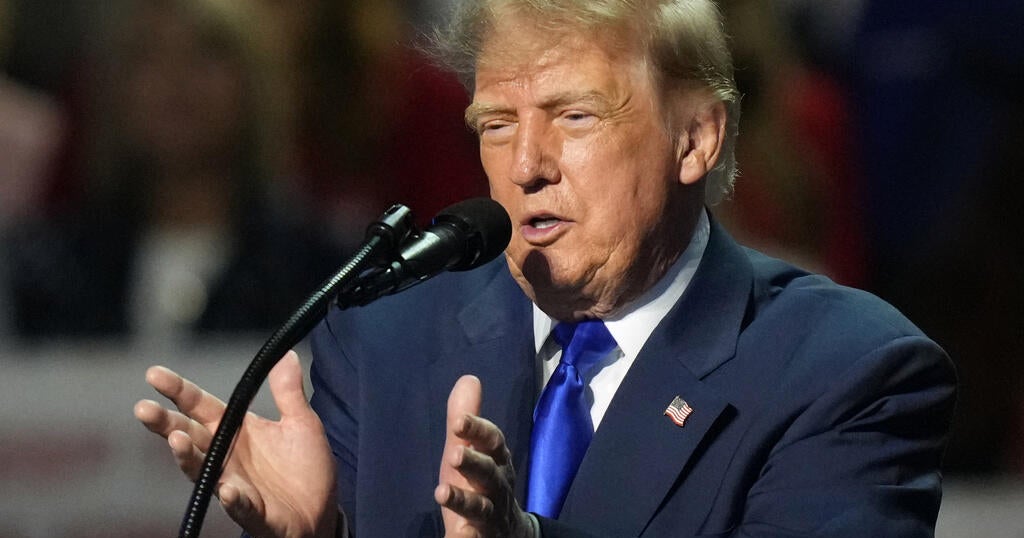
He is currently in Texas for a Republican midterm convention and supports Texas Attorney General Ken Paxton in his Senate run.
Trump's political action committee, MAGA Inc., is spending $10 million on TV ads supporting Paxton.
Trump said he won the southern Texas counties along the border in the 2024 election and feels positive about Hispanic voter support.
Read the Original
Want the full story? Tap a source to open the original
article.
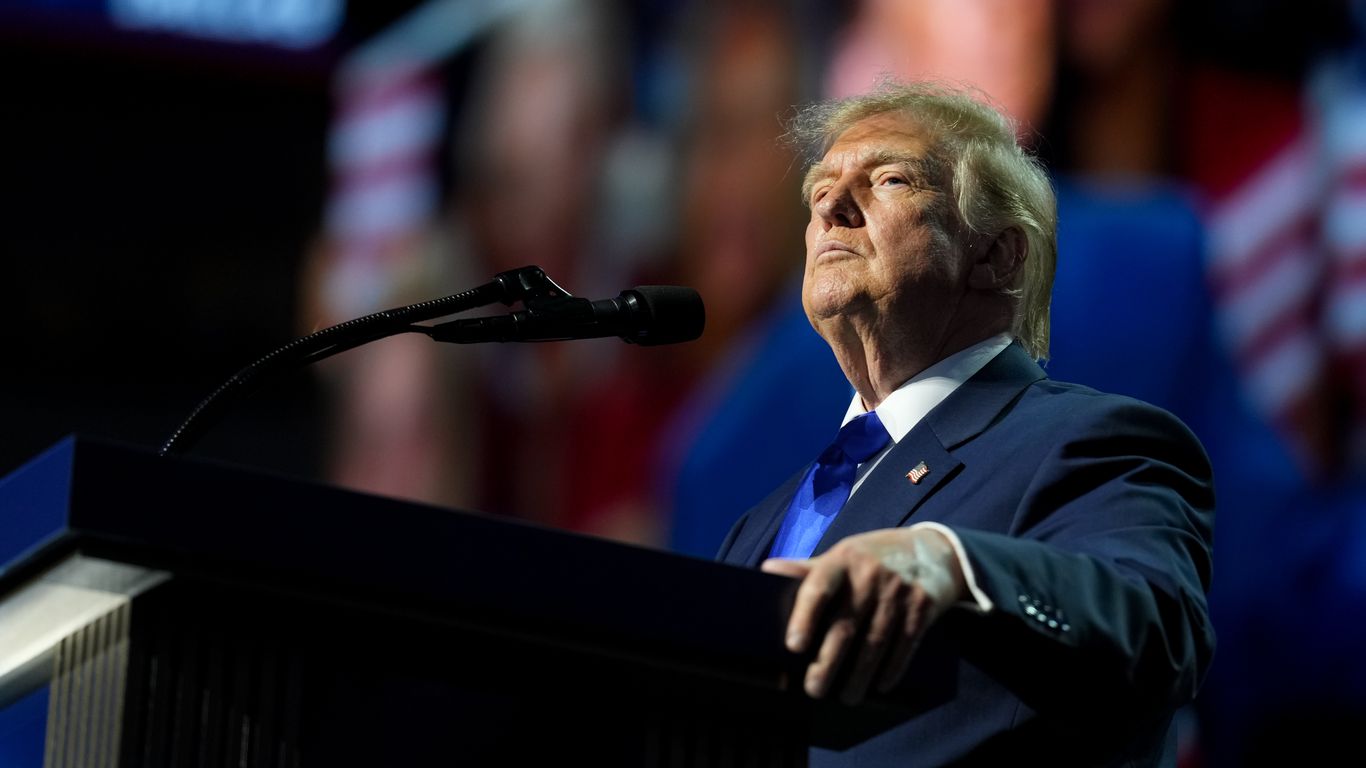
President Donald Trump said he will give every American adult a $5,000 payment if Republicans keep control of both the House and Senate after the midterm elections. He called this payment the "Trump dividend" and linked it to the country's strong economy.
Key Facts
President Trump made the $5,000 payment promise at the Republican Midterm Convention in Dallas.
The payment would go to all American adults if Republicans retain control of both the House and Senate.
Trump named the plan the "Trump dividend."
He said the idea is based on the country’s strong economic performance.
This promise was made ahead of the U.S. midterm elections.
The midterm elections decide which party controls Congress.
Read the Original
Want the full story? Tap a source to open the original
article.
Secretary of State Marco Rubio said he does not currently plan to run for president. He acknowledged that his name is mentioned as a possible candidate for 2028 but has no firm decision yet.
Key Facts
Marco Rubio is the U.S. Secretary of State.
Some people consider Rubio a possible Republican candidate for president in 2028.
Rubio said in an interview that he has no current plans to run for president.
He said he is unsure about what the future holds.
The interview included questions from Colombian media.
Read the Original
Want the full story? Tap a source to open the original
article.
President Donald Trump proposed giving $5,000 to every adult in the U.S. if Republicans keep control of Congress. Economists say this idea would increase the federal deficit, cause more inflation, and worry investors about the government's large debt.
Key Facts
The payment would cost about $1.25 trillion, much more than the $125 billion in tariff revenue claimed to cover it.
To pay for the plan, the U.S. would likely have to borrow more money, increasing the federal deficit from $1.8 trillion to around $3 trillion.
Similar cash payments in the past led to higher inflation, with prices rising to a 40-year high in June 2022.
The national debt recently surpassed $40 trillion, causing investors to demand higher interest rates on government bonds.
Higher government debt raises borrowing costs for consumers, affecting loans like mortgages and car loans.
Fiscal experts say this plan is risky and unrealistic given current economic conditions.
The White House defended President Trump’s record on economic and trade issues.
Many believe Congress is unlikely to approve such a large cash payment plan.
Read the Original
Want the full story? Tap a source to open the original
article.
A U.S. appeals court refused to let President Donald Trump's administration put new mail-in voting rules into effect just weeks before the November 3 midterm elections. The court kept a lower court’s block on the rules, which require new barcodes on ballots and lists of mail-in voters, saying they could cause confusion and voter problems.
Key Facts
The First Circuit Court of Appeals in Boston rejected lifting an injunction against new USPS mail-in voting rules.
The rules require mail-in ballots to have unique barcodes so the federal government can track them.
States would need to provide lists of voters who request mail-in ballots to the Postal Service.
The USPS could refuse to send mail-in ballots if they do not meet the new rules or if voters are not on the lists.
Voting rights groups argue these rules could stop some voters from casting mail-in ballots.
The Trump administration says the rules are needed to protect election security.
The court said it would be too confusing and disruptive to enforce these rules so close to the midterms.
All 50 states allow some form of mail-in voting, with 8 states holding elections entirely by mail.
Read the Original
Want the full story? Tap a source to open the original
article.
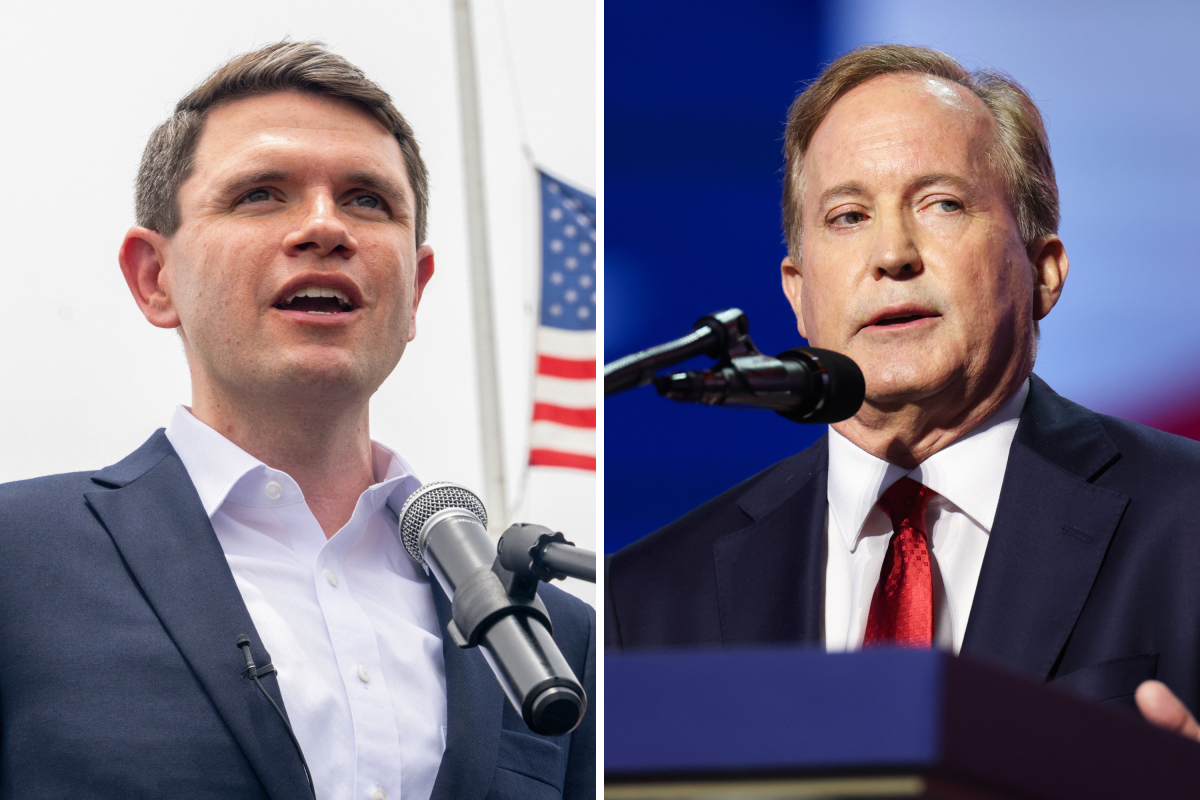
A new poll shows Democrat James Talarico leading Republican Ken Paxton by 4 points in the Texas Senate race. The poll was partly conducted by Tony Fabrizio, a pollster who has worked closely with President Donald Trump.
Key Facts
James Talarico has 48% support; Ken Paxton has 44% in the latest Texas Senate race poll.
The poll was conducted by Fabrizio Ward and Impact Research; Tony Fabrizio has worked as President Trump’s pollster.
Independent voters favored Talarico by 22 points (55% to 33%).
Paxton has 83% support among Republicans; Talarico has 94% support among Democrats.
Talarico received 9% support from Republicans; Paxton received 2% support from Democrats.
Talarico’s net favorability is +7 points (42% favorable, 35% unfavorable); Paxton’s net favorability is -11 points (35% favorable, 46% unfavorable).
The poll surveyed 895 likely voters between August 30 and September 1, 2026, with a 3.3% margin of error.
Other recent polls also show Talarico either tied with or leading Paxton by a few points.
Prediction markets see the race as very close, with each candidate around a 50% chance to win.
Read the Original
Want the full story? Tap a source to open the original
article.
Dr. Courtney Lawrence explains common questions about blood donation on CBS News. She answers true or false questions to clear up misunderstandings about giving blood.
Key Facts
Dr. Courtney Lawrence appeared on CBS News to talk about blood donation.
She answered true or false questions about blood donation myths.
The goal was to provide clear and accurate information about donating blood.
The discussion aimed to encourage people to donate blood safely.
The information was shared on the CBS News app and website.
Read the Original
Want the full story? Tap a source to open the original
article.
Senator John Fetterman, a Democrat from Pennsylvania, sent a fundraising message after appearing in a surprise video at the Republican midterm convention in Dallas. His message highlights working together with Republican Senator David McCormick and has upset some Democrats.
Key Facts
Senator John Fetterman is a Democrat from Pennsylvania.
He appeared in a video at the Republican Party’s midterm convention in Dallas.
This appearance was unexpected and caught attention.
Fetterman sent out a fundraising text after the event.
His message focused on bipartisan work with Republican Senator David McCormick.
Some Democrats criticized Fetterman for his participation at the GOP event.
The fundraising link connects to ActBlue, a platform for Democratic donations.
Read the Original
Want the full story? Tap a source to open the original
article.
The Transportation Security Administration (TSA) is planning major changes to airport security rules 25 years after 9/11. These include allowing ticketless visitors to go past security to gates and letting some passengers carry full water bottles, thanks to new screening technology.
Key Facts
TSA will let people without tickets pass through security to visit friends and family at airport gates.
The program starts at 13 U.S. airports and is available first to TSA PreCheck and known traveler participants.
Passengers with TSA PreCheck can apply online 1-3 days before visiting the gate without a ticket.
TSA is considering letting some travelers bring full water bottles through security again, reversing a ban from 2006.
New security machines use advanced scans that can detect liquid explosives better than older X-rays.
Last year, TSA ended the rule requiring passengers to remove their shoes during screening.
Experts say these changes won’t reduce safety because new technology keeps standards high.
The goal is to restore some airport travel experiences from before 9/11 while maintaining security.
Read the Original
Want the full story? Tap a source to open the original
article.
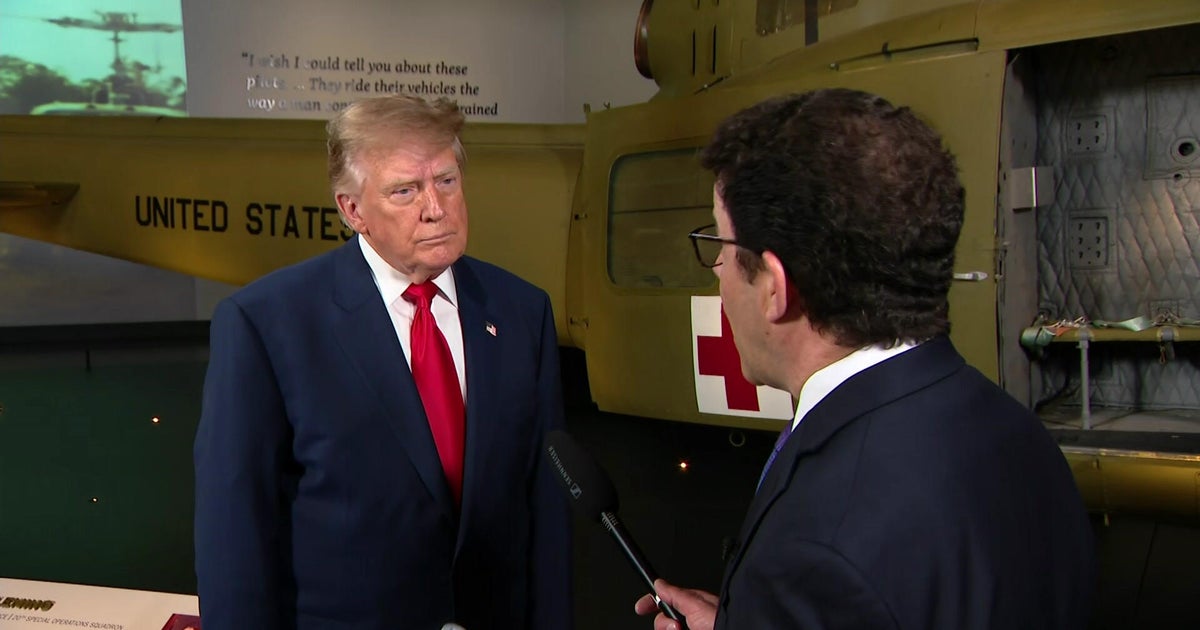
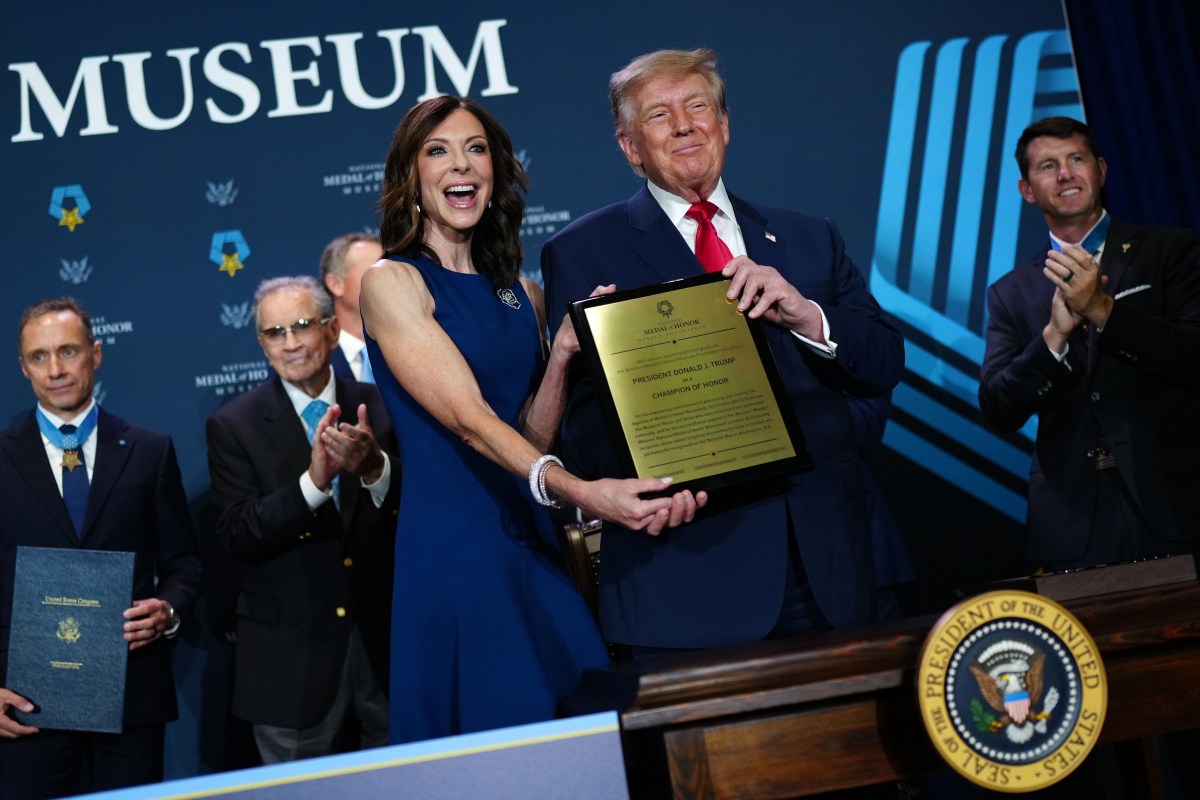
President Donald Trump received a "Champion of Honor" award from the National Medal of Honor Museum Foundation for supporting efforts to honor Medal of Honor recipients. During the ceremony, he joked about awarding himself the Medal of Honor, though current law limits the award to military members who show extraordinary bravery in combat.
Key Facts
President Trump was given a "Champion of Honor" award by the National Medal of Honor Museum Foundation.
The award recognized his support for preserving the legacy of Medal of Honor recipients.
The ceremony took place in Arlington, Texas, with foundation officials and supporters present.
Trump supported the Herschel "Woody" Williams National Medal of Honor Monument Location Act, aiming to build a monument on the National Mall.
Trump said he would like to award himself the Medal of Honor but acknowledged he is not allowed under current law.
The Medal of Honor is given only to military members who perform extraordinary acts of bravery in combat.
Trump also said that the Presidential Medal of Freedom is a "better" award for civilians, calling it the civilian equivalent of the Medal of Honor.
Some veterans' groups criticized Trump's comments about awarding himself the Medal of Honor.
Read the Original
Want the full story? Tap a source to open the original
article.
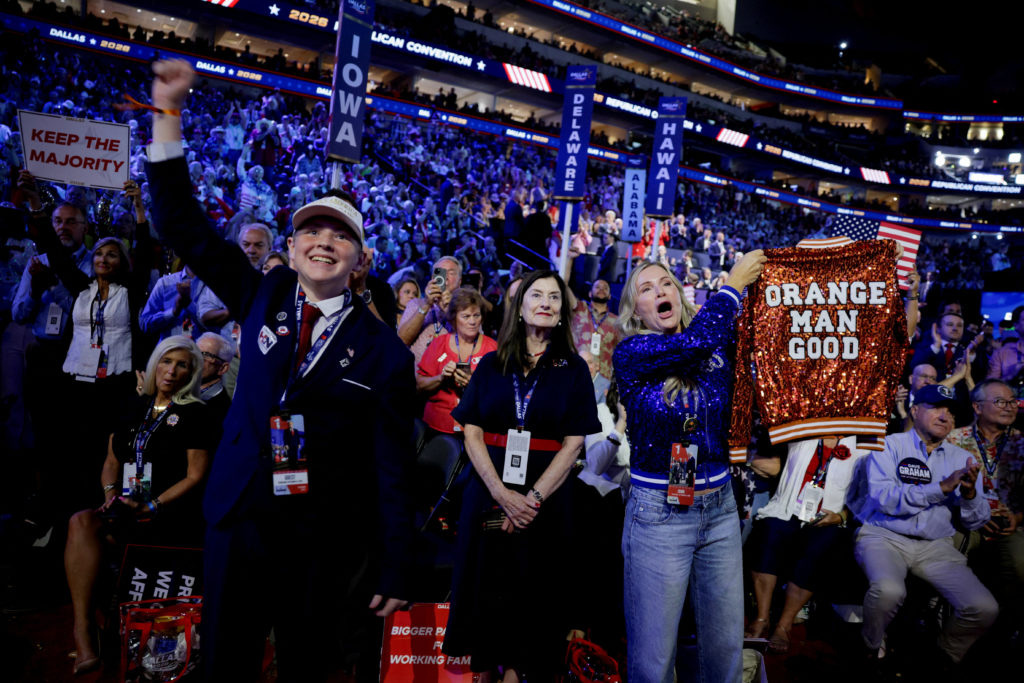
The Republican Midterm Convention is taking place in Dallas, with Vice President JD Vance speaking on Thursday. The event aims to encourage voters to participate in the November elections that will decide which party controls Congress during President Donald Trump’s final two years.
Key Facts
The Republican Midterm Convention is being held in Dallas.
Vice President JD Vance is scheduled to speak on the second night, Thursday.
This event focuses on the midterm elections set for November.
The elections will determine who controls the U.S. Congress.
These elections are important for President Donald Trump’s last two years in office.
PolitiFact will provide live fact-checking during the event starting at 4 p.m. EDT.
The article encourages supporting trusted journalism and civil dialogue.
Read the Original
Want the full story? Tap a source to open the original
article.
President Donald Trump has promised to give every adult American a $5,000 “dividend” if Republicans win control of both the House and Senate in the midterm elections. Economists and lawmakers doubt the government can pay these checks because it would cost over $1 trillion, and Congress would need to find the money through borrowing or taxes. Trump has made other dividend proposals before, but none have fully materialized.
Key Facts
President Trump said he would give $5,000 to every adult if Republicans control both chambers of Congress.
The estimated cost of the $5,000 dividend is more than $1 trillion.
Congress must approve the money; funding would likely come from borrowing or higher taxes.
Experts say there is no practical way to finance such a large payment.
Earlier proposals included a $5,000 “DOGE Dividend” tied to government spending cuts, but the savings goals were not met.
Trump also proposed $2,000 payments funded by tariffs, but the U.S. Supreme Court blocked key tariffs supporting it.
Another payment plan involved $1,000 from expiring health law subsidies, but details and outcomes are incomplete.
The White House says President Trump will continue delivering results despite doubts.
Read the Original
Want the full story? Tap a source to open the original
article.
President Donald Trump said in a Fox News interview that he would make the same decisions about the Iran war again. He does not regret the war but admits he sometimes questions himself. Trump is using the war as part of his message to voters before the midterm elections.
Key Facts
President Trump spoke about the Iran war on "The Ingraham Angle" on Thursday.
He said he does not believe in regret but sometimes questions his decisions.
Trump said he would act the same way if given the chance to decide again.
The Iran war issue is affecting Trump’s and the Republican Party’s support ahead of the midterms.
Republicans are worried about the war, high gas prices, and inflation.
Trump defended the war during the GOP midterm convention in Dallas.
He criticized the Democrats and said the war might end after the elections.
Trump urged voters to support Republicans to protect America’s future.
Read the Original
Want the full story? Tap a source to open the original
article.
An 11-year-old girl was arrested for the fatal shooting of her 15-year-old brother in Oklahoma. She was booked on a charge of second-degree murder and taken to a juvenile facility.
Key Facts
The shooting happened in Edmond, Oklahoma.
The 15-year-old brother died from a gunshot wound to the head.
The 11-year-old girl was arrested around 1 a.m. on Thursday.
She faces a charge of second-degree murder.
The girl was placed in a juvenile detention facility after arrest.
Police did not release the names of the children involved.
The mother was not at the scene but received a call from her daughter about the shooting.
Police expressed sympathy for the family dealing with the tragedy.
Read the Original
Want the full story? Tap a source to open the original
article.
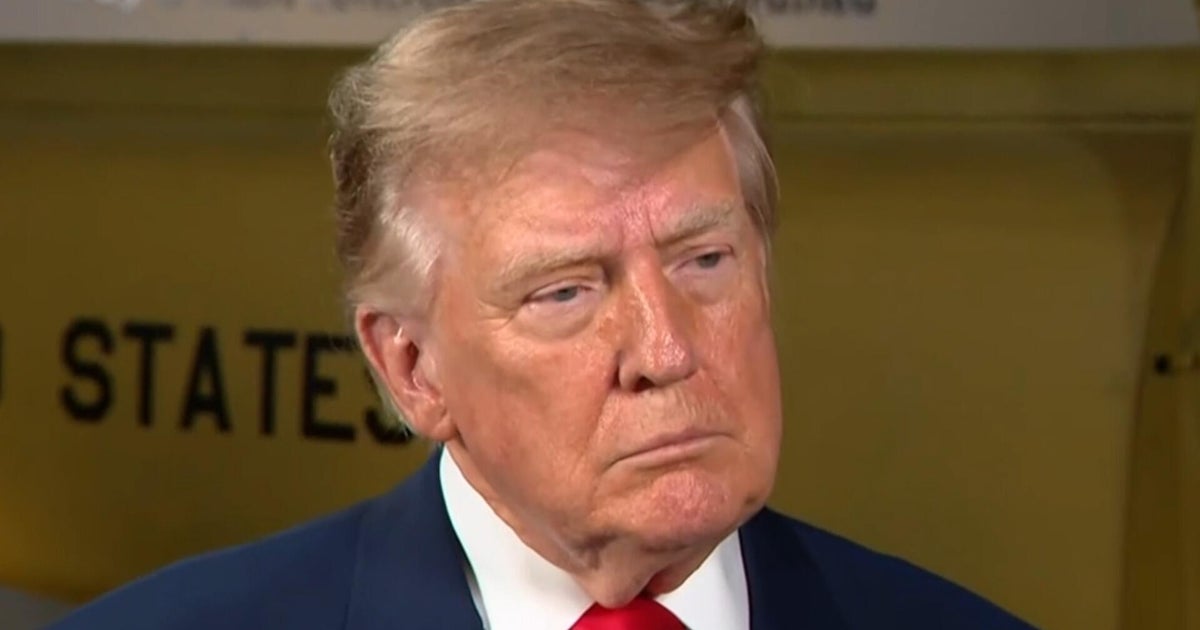
President Donald Trump appeared with a much darker hair color recently, drawing widespread attention and renewed discussion across the country. Experts say this change likely comes from hair dye and styling rather than medical hair treatments.
Key Facts
President Trump showed a darker, browner hair color when arriving in New Jersey last Friday.
His hair color has shifted through different tones recently, from silvery white to strawberry blond and now darker brown.
People have long focused on Trump’s hair, making it a well-known cultural and political topic.
Trump has denied wearing a wig, using a windy rally moment as evidence.
Photographs show variations in his hair’s volume and visible bald spots, leading to speculation about hairpieces or coverage.
A hair specialist said the quick hair color changes suggest dye, styling, and lighting effects rather than a hair transplant.
Late-night comedians joked about the hair change, adding to the public conversation.
The hair change is seen as a cosmetic adjustment rather than a medical one.
Read the Original
Want the full story? Tap a source to open the original
article.
Lindsay Clancy’s lawyer asked the judge to declare her not guilty because there is not enough evidence for conviction. Clancy faces three murder charges for the deaths of her three young children at their home in Duxbury, Massachusetts.
Key Facts
Lindsay Clancy is charged with the murder of her 5-year-old daughter, 3-year-old son, and infant son.
The deaths happened on January 24, 2023, in Duxbury, a suburb of Boston.
Clancy pleaded not guilty to all three murder charges.
Attorney Kevin Reddington filed a motion to have the case dismissed due to insufficient evidence.
The trial lasted five weeks but ended in a mistrial because the jury could not agree on a verdict.
The motion asks Judge William Sullivan to find Clancy not guilty by reason of lack of criminal responsibility.
The case is still ongoing and more updates may follow.
Read the Original
Want the full story? Tap a source to open the original
article.