Bronwen James, a former PE teacher from Wiltshire, has been found guilty of sexually abusing three students at two different schools. She admitted to crimes involving two teenage girls and was convicted of offences concerning a 16-year-old boy.
Key Facts
Bronwen James is 30 years old and was a PE teacher in Wiltshire.
She admitted nine sexual offences against two teenage girls from Bitterne Park School and Hardenhuish School.
James was convicted of three counts of sexual activity with a 16-year-old boy at Bitterne Park School.
The boy testified that James initiated contact through Snapchat and had sex with him multiple times.
James denied the charges related to the boy, saying he made up the story.
The court heard that James abused her position of trust as a teacher to groom and exploit the students.
She must surrender her passport, will wear an electronic tag, and will be sent to prison before sentencing.
Prosecutors described her actions as a deliberate and ongoing pattern of abuse, not a one-time mistake.
Read the Original
Want the full story? Tap a source to open the original
article.
The federal government will reduce funding for the Supplemental Nutrition Assistance Program (SNAP), cutting its share of administrative costs from 50% to 25% starting in fiscal year 2027. Additionally, beginning in 2027, states may have to pay a portion of SNAP food benefits themselves if their error rates in payments are high, shifting billions of dollars in costs from the federal government to state budgets.
Key Facts
The federal government has traditionally paid 100% of SNAP food benefits and 50% of administrative costs.
Starting October 1, 2026, the federal share for administrative costs will drop to 25%, with states paying 75%.
This shift will move an estimated $16.9 billion in administrative expenses to states between 2027 and 2031.
Beginning October 1, 2027, states with payment error rates above 6% must pay part of SNAP food benefits.
States with higher error rates pay more: 5% for 6-7.99%, 10% for 8-9.99%, and 15% for 10% or more error rates.
In FY 2028, about 35 states and one U.S. territory may owe around $9 billion combined due to this change.
Senator Elizabeth Warren warned states might face tough budget choices due to these funding cuts.
A Senate proposal could delay the benefit cost-sharing rule by one year, but it had not passed as of late August.
Read the Original
Want the full story? Tap a source to open the original
article.
A drone display using 2,977 drones recreated the Twin Towers in New York City to honor the victims of the September 11 attacks. Each drone light represented one person who died in the tragedy, making the display a public art tribute involving families, survivors, and first responders.
Key Facts
The display used 2,977 drones, matching the number of victims of the 9/11 attacks.
The drones formed a full-scale image of the Twin Towers over New York Harbor.
The artwork is called "2,977 Lights Over New York Harbor."
The project was a collaboration between artists, producers, and members of the 9/11 community.
Victims' families, survivors, and first responders were involved in the project.
The event was a public art installation to remember those lost on 9/11.
The display took place in New York City.
Read the Original
Want the full story? Tap a source to open the original
article.
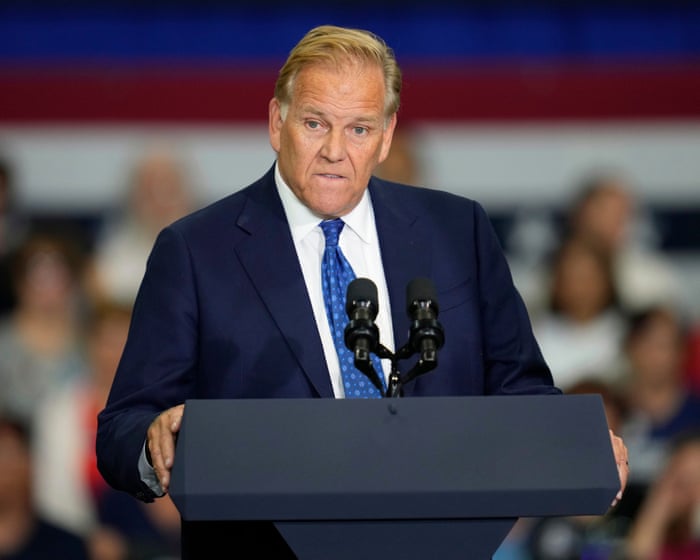
Mike Rogers, a Republican running for the U.S. Senate in Michigan, has criticized his Democratic opponent Abdul El-Sayed over old 9/11-related tweets. However, Rogers previously voted against healthcare and benefit bills for 9/11 first responders and survivors. These votes have drawn criticism from people who support programs for those injured during the 9/11 attacks.
Key Facts
Mike Rogers is a Michigan Republican candidate for the U.S. Senate.
Rogers has accused Abdul El-Sayed of making controversial 9/11 comments, which have been shown false.
Rogers voted twice against the James Zadroga Act, a 2010 law funding healthcare for 9/11 first responders and survivors.
The Zadroga Act supports treatment for about 40,000 responders exposed to toxic conditions and covers over 50 types of cancer linked to 9/11.
Rogers said the healthcare bill could harm the U.S. financial health and opposed its $5.1 billion price.
John Feal, a 9/11 responder who lost part of his foot during rescue work, called Rogers’ opposition a betrayal.
Rogers also voted against other bills providing funding for first responders and veterans related to 9/11.
Rogers falsely claimed to have seen Osama bin Laden’s dead body, but he was not present during the raid in Pakistan.
Read the Original
Want the full story? Tap a source to open the original
article.
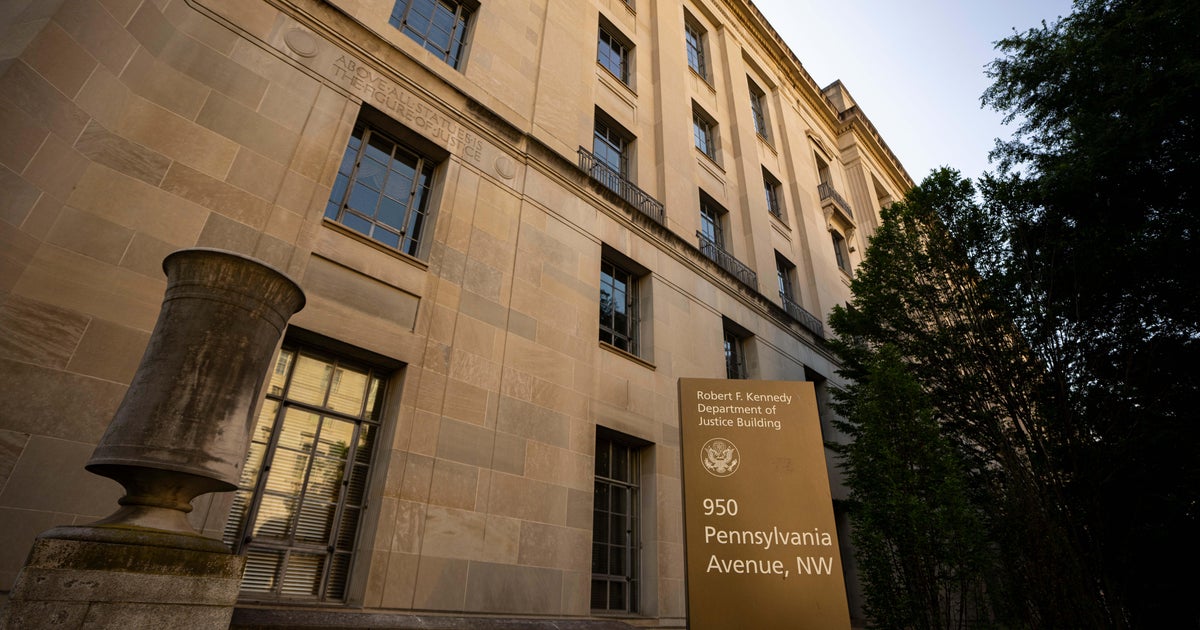
A federal prosecutor named Andrew Tyler was fired after he withdrew from a criminal case against Indian billionaire Gautam Adani, shortly after senior Justice Department officials decided to dismiss the charges. The case involved allegations of bribery and fraud linked to Adani’s renewable energy company, but the charges were dropped following a review and disputes over the evidence.
Key Facts
Andrew Tyler, a federal prosecutor, was fired due to alleged ethical violations.
Tyler withdrew from the case against Gautam Adani after Justice Department leaders moved to dismiss the charges.
The case accused Adani and his company of bribing Indian officials to win solar energy contracts.
The dismissal order came from Trent McCotter, acting deputy attorney general, following meetings with Adani’s lawyers.
Adani’s legal team disputed the evidence and offered a $10 billion investment in the U.S. economy if charges were dropped.
U.S. District Judge Nicholas Garaufis initially refused to drop all charges, demanding more facts and a sworn statement from Adani.
Eventually, charges against Adani and some co-defendants were dismissed, but charges against others remain.
This is the second firing of a federal prosecutor recently due to conflicts with senior officials on different cases.
Read the Original
Want the full story? Tap a source to open the original
article.
Late-night host Jimmy Kimmel said his interview with Texas Senate candidate James Talarico will not air on ABC because the Federal Communications Commission (FCC) threatened the network and its local stations. Instead, the interview will be posted on YouTube amid ongoing tensions between ABC and the FCC during President Trump's administration.
Key Facts
Jimmy Kimmel will interview James Talarico, a Democratic Senate candidate in Texas.
The interview will not be shown on ABC, Kimmel’s network, due to pressure from the FCC.
Kimmel has previously interviewed many political figures, including President Trump during his 2015 run.
The FCC has increased oversight of broadcast TV under President Trump’s administration, including enforcing equal airtime rules.
Talk shows have typically been exempt from these rules since 1996.
Stephen Colbert also faced pressure to cancel a segment with Talarico on CBS, which then posted online instead.
ABC and Disney sued the FCC, accusing it of retaliating against the network for its broadcasts.
The FCC denied violating free speech rights and asked the court to dismiss the lawsuit.
Read the Original
Want the full story? Tap a source to open the original
article.
Rep. Chris Deluzio, a Democrat from Pennsylvania, said that Senator John Fetterman has been absent or hard to reach in Pennsylvania. Deluzio noted that people in the state are frustrated with Senator Fetterman’s lack of presence.
Key Facts
Rep. Chris Deluzio represents Pennsylvania as a Democrat.
Senator John Fetterman is also a Democrat from Pennsylvania.
Deluzio said Fetterman is “nowhere to be found” in their home state.
The comment was made during an interview with CNN’s Jake Tapper.
There is growing tension between Fetterman and his Pennsylvania constituents.
Many people in Pennsylvania are frustrated with Fetterman’s absence or unavailability.
Read the Original
Want the full story? Tap a source to open the original
article.
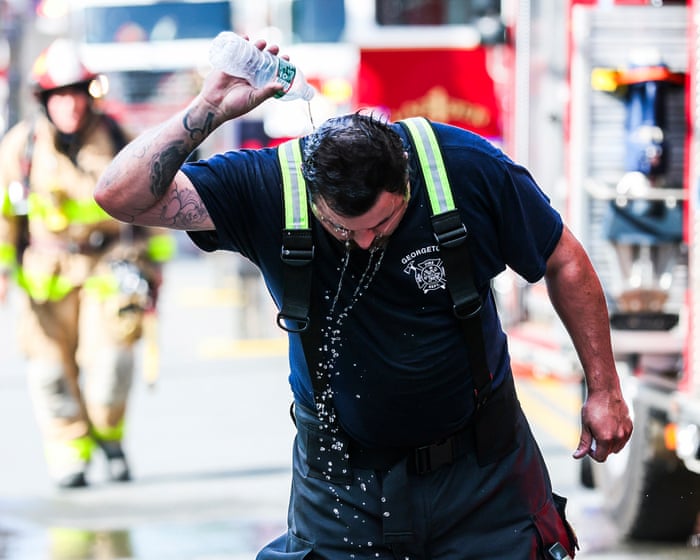
The United States has experienced the hottest July ever recorded, breaking temperature records going back to 1895. The Guardian is asking people across the country to share how they have managed the extreme heat, including the impact on their health, daily routines, and utility bills.
Key Facts
July was the hottest month ever recorded in the US, beating records from 1895.
This summer saw rolling heat domes causing extremely high temperatures.
Previous heat records were set in July 1936 during the Dust Bowl and July 2012.
The Guardian is collecting stories from US residents about coping with the heat.
They want to know if people’s utility bills have increased due to air conditioning use.
They are interested in hearing from those who had their electricity cut off or struggled to pay bills.
People can respond anonymously and securely through an encrypted form.
The information collected will only be used for the article and personal data will be deleted when no longer needed.
Read the Original
Want the full story? Tap a source to open the original
article.
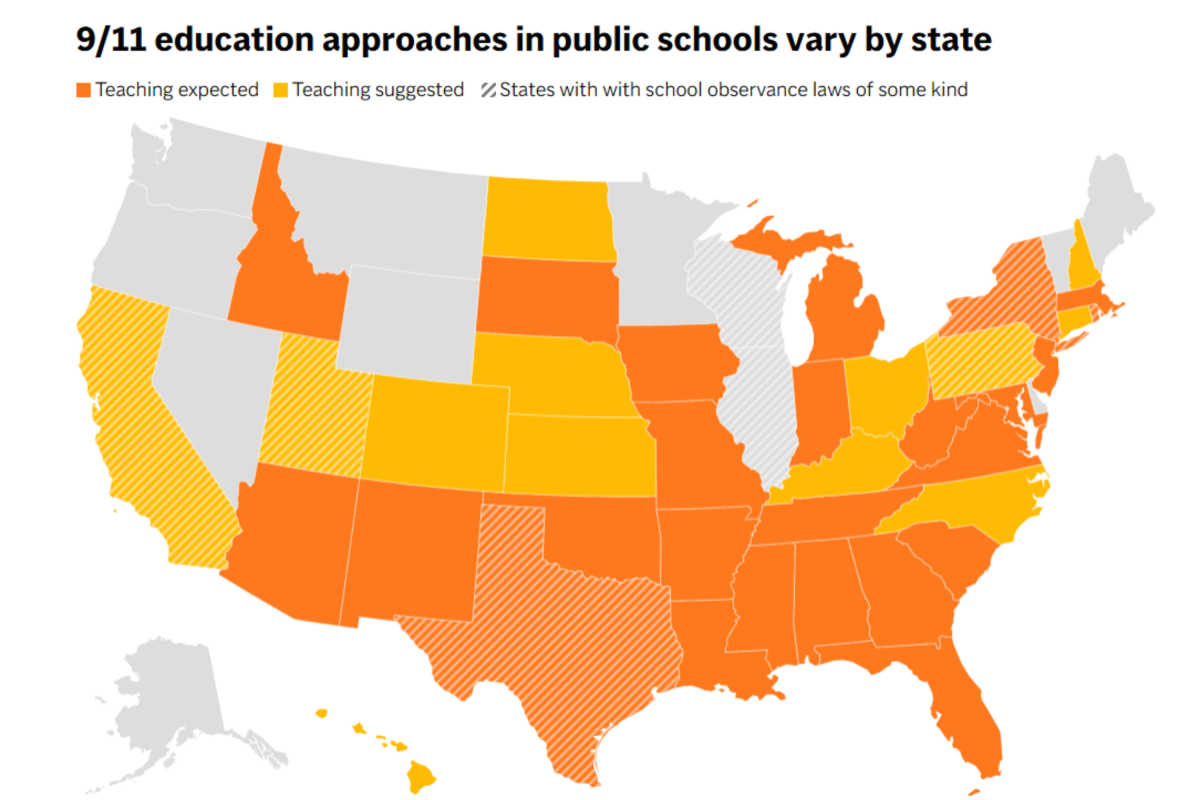
As the U.S. nears the 25th anniversary of the September 11 attacks, at least 40 states have policies for teaching about 9/11 in schools. These range from laws requiring lessons to recommendations for commemorations, reflecting efforts to educate students who were born after the attacks.
Key Facts
At least 40 U.S. states have rules or suggestions for schools to teach or recognize 9/11.
25 states require or expect schools to teach about the attacks.
13 states include 9/11 education as optional in their guidance.
Additional states recommend observances like moments of silence on 9/11.
About one-third of Americans were born after the 2001 attacks, so many students lack a personal connection.
Some states, like Alabama, require lessons on the attacks’ aftermath, including U.S. military actions and laws like the Patriot Act.
Arizona requires “age-appropriate education” on 9/11 for grades 7-12.
Teachers face challenges in teaching 9/11 to students without firsthand memory of the events.
Read the Original
Want the full story? Tap a source to open the original
article.
The author describes how hurricanes destroyed many childhood memories stored in her Louisiana home. To preserve her daughter’s childhood, she began recording daily moments but later learned to respect her daughter’s wishes about sharing these videos.
Key Facts
The author’s childhood memories were kept in her family home in Lake Charles, Louisiana.
Hurricane Rita in 2005 caused damage to many family photos, and Hurricanes Laura and Delta later destroyed more items.
Old VHS tapes of the author’s youth were digitized to preserve some memories.
The author started filming her daughter’s daily life, creating “The Amaya Show” to capture both milestones and everyday moments.
Early episodes were shared on Facebook with family and friends, who followed the daughter’s growth.
At age 7, the daughter expressed discomfort with having videos shared publicly.
The author began asking her daughter for permission before posting videos.
The article emphasizes the importance of respecting children’s privacy as they grow.
Read the Original
Want the full story? Tap a source to open the original
article.
The article discusses how wage theft is a major problem in the United States, emphasizing that it is one of the most common types of theft. It suggests that people in positions of power, like employers, should be held accountable for stealing wages from workers.
Key Facts
Wage theft means not paying workers the full money they earned.
It is a widespread issue across the U.S.
Many workers lose significant amounts of unpaid wages.
Employers are often responsible for wage theft.
The article implies the need for stronger action to stop wage theft.
The phrase "thieves who wear cufflinks" refers to dishonest employers or executives.
Wage theft hurts workers and the economy.
Being tough on crime should include addressing wage theft.
Read the Original
Want the full story? Tap a source to open the original
article.
The latest Decision Desk HQ forecast shows that Democrats have a small chance of winning control of the U.S. Senate. This means the contest between Democrats and Republicans for the Senate is very close, almost like a coin toss.
Key Facts
Democrats now have a slight chance to control the Senate according to DDHQ.
The race for Senate control is very close between Democrats and Republicans.
The forecast shows a shift toward Democrats recently.
The New Hampshire Senate race is highlighted in the new political landscape after primaries.
New polling data is part of the analysis influencing the forecast.
Read the Original
Want the full story? Tap a source to open the original
article.
President Donald Trump spoke at the Republican midterm convention in Dallas, Texas. He promised that if Republicans win the upcoming midterm elections, Americans could receive $5,000 "dividends." The convention also included talks about the possibility of a war with Iran.
Key Facts
President Trump was the main speaker at the Republican midterm convention in Dallas.
He promised $5,000 payments to Americans if Republicans win the midterm elections.
The convention discussed concerns about a potential war with Iran.
The event was held to promote Republican candidates for the 2024 elections.
The $5,000 "dividends" idea was part of President Trump’s campaign pitch to voters.
CBS News reported on the event and shared details through their app and website.
Read the Original
Want the full story? Tap a source to open the original
article.
The parents of Army Reserve Capt. Cody Khork, who was killed in an Iranian drone strike on a U.S. base in Kuwait, are asking the Army to share details about its investigation into the attack. Six U.S. soldiers died in the strike, and the parents want more information about what happened.
Key Facts
Capt. Cody Khork was one of six U.S. troops killed in an Iranian drone strike on a U.S. Army base in Kuwait.
The strike was carried out by a drone, a flying device controlled remotely or automatically.
Khork’s parents are requesting the U.S. Army to provide details about an internal investigation into the attack.
The family wants transparency about how the Army is handling the investigation.
CBS News reported on the parents’ efforts and the ongoing situation.
The incident took place on a U.S. military base in Kuwait, a country in the Middle East.
The attack is linked to tensions involving Iran and U.S. forces in the region.
Read the Original
Want the full story? Tap a source to open the original
article.
Members of Parliament (MPs) in the UK will vote again on a bill that would allow adults with fewer than six months to live to request help to end their own life. This bill includes rules like requiring approval from two doctors and an expert panel. The vote is expected to be close, and if passed again by the Commons, it could become law even without approval from the House of Lords.
Key Facts
The bill is called the Terminally Ill Adults (End of Life) Bill and applies to England and Wales.
It allows terminally ill adults with less than six months to live to apply for assisted dying.
Safeguards include needing approval from two doctors and a special expert panel.
The bill passed the House of Commons in June 2023 but stalled in the House of Lords due to many amendments.
If the bill passes the Commons again with the same wording, it could bypass the House of Lords using the Parliament Acts.
The Parliament Acts let the Commons make a law without the Lords’ agreement after two sessions if the bill is unchanged.
Opponents worry this could create unsafe laws and have voiced concerns about vulnerable groups.
The vote will happen on a day when many MPs are usually away in their home areas, making attendance crucial.
Read the Original
Want the full story? Tap a source to open the original
article.
A federal appeals court ruled that having clean drinking water is not a right guaranteed by the U.S. Constitution. This decision came after a group of people in Jackson, Mississippi, sued the city because their water was contaminated with lead.
Key Facts
The case began in 2022 when residents of Jackson, Mississippi, sued the city over lead in their drinking water.
The court decided that the Constitution does not guarantee clean drinking water as a right.
The water system in Jackson was found to have dangerous levels of lead contamination.
The ruling means the residents cannot use the Constitution to demand clean water from the city.
This case highlights ongoing problems with water safety in some U.S. cities.
Lead contamination in water can cause serious health problems.
Read the Original
Want the full story? Tap a source to open the original
article.
Tasia Fortune, a 29-year-old Black woman, was found hanging from a tree in Mississippi, and police are investigating her death as a homicide. Her family and community have raised concerns about racial violence and are awaiting autopsy results, which have not yet been released.
Key Facts
Tasia Fortune’s body was found on August 3, hanging from a tree near an abandoned home in Mississippi.
The Jackson Police Department is treating her death as a homicide since the investigation began.
The autopsy was done four weeks ago, but police have not received the results yet.
Fortune was a mother of four and had lived in Mississippi for over ten years.
Authorities have identified a person of interest who was arrested on an unrelated gun charge.
This is the third case in Mississippi in under a year where someone was found dead hanging from a tree.
There is growing concern and calls for a federal investigation into these deaths and the handling of cases involving people of color.
Over 50,000 people signed a petition calling for an independent review of Mississippi’s Chief Medical Examiner due to mistrust in how cases involving people of color have been handled.
Read the Original
Want the full story? Tap a source to open the original
article.
Lindsay Clancy's lawyer said that she and the defense team are preparing for a second trial. They expressed confidence that they will be ready for the next court proceedings.
Key Facts
Lindsay Clancy is involved in a legal case that may have another trial.
Her defense lawyer stated they are preparing for a second trial.
The lawyer emphasized readiness for the upcoming court process.
No details were given about the charges or case specifics.
The statement suggests the legal process is ongoing and not yet resolved.
Read the Original
Want the full story? Tap a source to open the original
article.
The Department of Homeland Security (DHS) under President Trump has proposed removing a 60-day grace period that allows some foreign workers, mainly H-1B visa holders, to stay in the U.S. after losing their jobs. Without this grace period, these workers and their families would have to leave immediately unless they find another way to stay legally.
Key Facts
The 60-day grace period lets H-1B and other visa holders remain in the U.S. after job loss to find new employment.
About 3,795 workers use this grace period annually, mostly H-1B visa holders.
Over 208,000 spouses and children tied to these workers could also be affected.
The grace period was established under President Barack Obama.
DHS says removing the grace period would link visa status directly to current employment.
DHS believes the rule change supports the goal of making sure foreign workers leave when they no longer qualify for their visas.
Critics say removing the grace period would force people to leave quickly after job loss, causing hardship.
The proposal is part of ongoing changes to immigration policies under President Trump’s administration.
Read the Original
Want the full story? Tap a source to open the original
article.
Texas Democratic Senate candidate James Talarico said he is against transgender athletes playing in girls’ sports if it creates safety risks or is unfair. He wants rules that protect fairness and safety in sports for all participants.
Key Facts
James Talarico is running for the Texas state Senate as a Democrat.
He spoke about transgender athletes in girls' sports during a Wednesday interview.
He supports transgender participation only when it does not threaten safety or fairness.
Talarico emphasized the importance of fairness and safety in all sports.
The issue involves transgender athletes competing in girls’ sports teams.
His position is a qualified opposition, meaning he is not against participation in all cases.
The statement reflects ongoing debates about transgender athletes in school sports.
Read the Original
Want the full story? Tap a source to open the original
article.