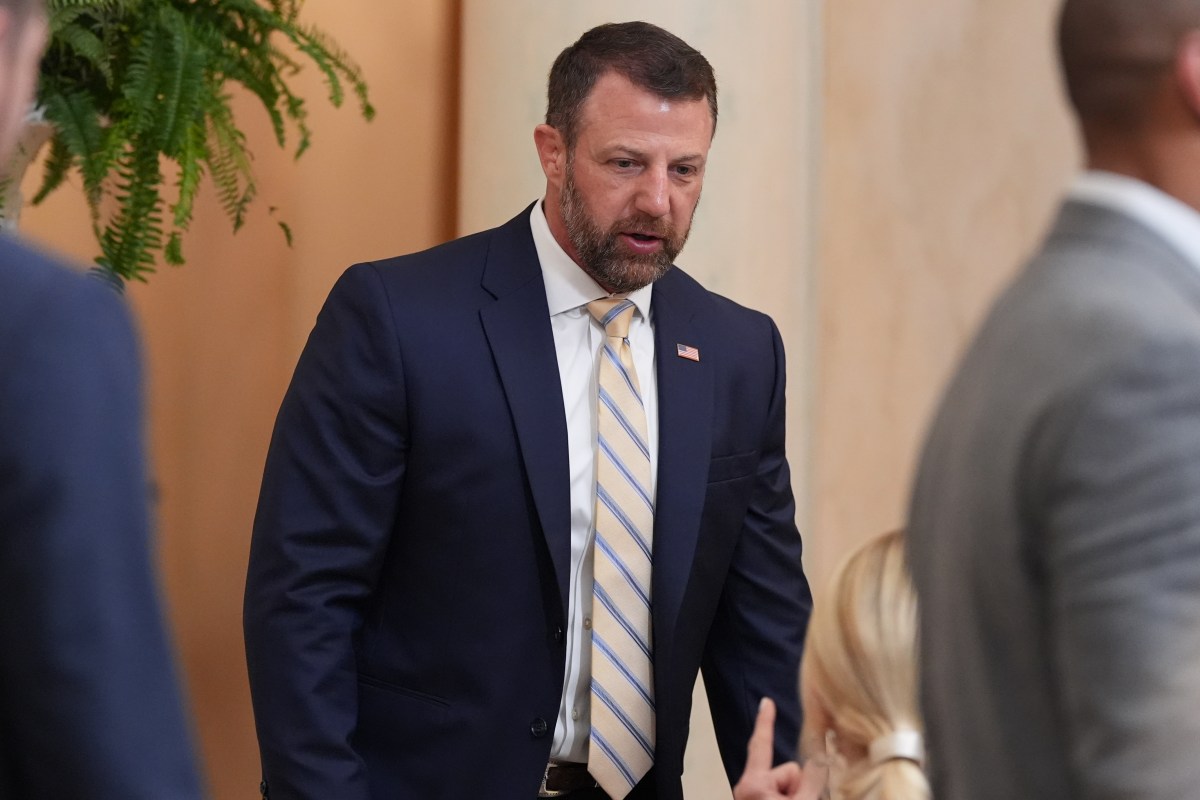
The US government has urged the defense contractor V2X to evacuate its workers from military bases in Kuwait and Iraq due to threats from Iran-backed militias. Workers report poor protection and pressure to stay despite attacks, including a fatal drone strike. US officials have questioned V2X’s safety plans and pushed for evacuation preparations.
Key Facts
The US government warned V2X about threats from Iran-backed militias targeting their employees in Kuwait and Iraq.
V2X workers operate at US military bases, including Martyr Brigadier General Ali Flaih airbase (Balad airbase) and Erbil in Iraq.
A drone attack in March killed one worker at the Iraq base.
The US State Department held a meeting with V2X leadership expressing concern about worker safety.
V2X management resisted evacuation, saying employees must stay to “please the client,” risking their lives.
The US ordered an airplane to be available for emergency evacuation of workers.
Workers report frequent drone activity and gunfire, affecting their mental health and safety.
Emails to employees warn about a very high threat environment and risks from unexploded bombs on the base.
Read the Original
Want the full story? Tap a source to open the original
article.
The article discusses how media coverage often shows caution that seems to help one political party while the other party faces repeated, unproven claims. It suggests that this uneven reporting affects public perception.
Key Facts
Media coverage can be very cautious in reporting certain political stories.
This caution appears to favor one political party over the other.
Some political figures face repeated media allegations that have no solid proof.
The article refers to a specific example involving a politician named Swalwell.
The cause of this selective reporting is not clearly understood.
Read the Original
Want the full story? Tap a source to open the original
article.
A retiree named Curtis McIff in Utah spends his free time using his woodworking skills to build Adirondack-style chairs specially designed for cats at a local animal sanctuary. This activity combines his hobby with volunteer work to support animals in need.
Key Facts
Curtis McIff is a retired man living in Utah.
He volunteers by building chairs for cats.
The chairs are a new version of the Adirondack chair, made for kitties.
The chairs are built at an animal sanctuary.
This work is done as a hobby and volunteer service.
The article was published on April 20, 2026.
McIff uses his woodworking skills for this project.
The initiative involves helping animals in a local community setting.
Read the Original
Want the full story? Tap a source to open the original
article.
The chance of President Donald Trump being impeached and removed from office has reached its highest level so far in his second term, according to a prediction market. This probability rose to nearly 28.7 percent, up from previous peaks earlier this year.
Key Facts
A prediction market called Kalshi tracks the probability of President Trump’s impeachment and removal.
On Monday morning, the chance rose to 28.7 percent, the highest so far in his second term.
Earlier peaks were 24 percent on May 29 and August 12, and 22.1 percent on April 2.
Recent polls show a decline in Republican support for President Trump.
The decline is linked to backlash over issues including the Iran war.
Despite the rising probability, removal from office is still seen as unlikely.
Newsweek reached out to the White House for comment, but no statement was reported.
The situation is ongoing and may develop further.
Read the Original
Want the full story? Tap a source to open the original
article.
The FBI is investigating a series of missing and dead scientists in the United States. These cases involve experts connected to advanced fields like space, defense, and nuclear research, and the investigation aims to find any links or suspicious activity.
Key Facts
FBI Director Kash Patel confirmed the agency is looking into cases of missing or deceased scientists.
Officials have not found confirmed connections between these cases but are collecting information to check for links.
President Donald Trump called the situation "pretty serious stuff" and hopes it is just a coincidence.
The investigation includes experts from agencies such as NASA, the Department of Energy, and the Defense Department.
The House Oversight Committee has sent letters asking these agencies for information about the cases.
Some scientists were involved in advanced projects like anti-gravity research and space missions.
The FBI is working with state and local authorities and will act if they find any criminal or conspiracy links.
Some people close to the missing or deceased scientists have disagreed with conspiracy theories related to the cases.
Read the Original
Want the full story? Tap a source to open the original
article.
Travel anxiety is common and can range from mild nervousness to intense fear, especially during these uncertain times with airport delays and security changes. Therapists suggest understanding the cause of anxiety and managing expectations to better cope with stress related to flying and travel.
Key Facts
Travel anxiety means feeling stressed or worried about traveling; it can be mild or very strong.
Anxiety about travel is normal because it disrupts daily routine and involves many unknowns.
Fear of flying, known as aviophobia, is a specific type of anxiety diagnosed when it lasts over six months and seriously affects life.
Travel can worsen other anxiety conditions like generalized anxiety disorder, panic disorder, and OCD.
Physical symptoms of travel anxiety include chest tightness, stomach problems, and feeling restless before traveling.
Travel anxiety has increased since the COVID-19 pandemic due to ongoing uncertainties.
Seeing negative news about crashes or security changes can make travel anxiety feel worse.
Therapists recommend recognizing specific worries and preparing for unpredictable situations to manage anxiety better.
Read the Original
Want the full story? Tap a source to open the original
article.
A UK judge criticized the Home Office for housing asylum-seeking families in single hotel rooms for over three years. The judge said this living situation is very stressful and not suitable for families, leading to possible legal actions against the Home Office.
Key Facts
Two asylum-seeking families were forced to live in single hotel rooms for more than three years.
The judge said living in one room caused stress and did not meet a "dignified standard of living."
One family included a Kurdish Iraqi woman, her husband, and two young children living in a small Finchley hotel room.
Another case involved an Albanian trafficking victim living with her two teenage sons in a Croydon hotel room.
Around 4,300 families are currently housed in “initial accommodation,” mostly single hotel rooms.
Lawyers argue the Home Office should move families out of hotels within three months or face more lawsuits.
The government closed 11 asylum hotels recently and moved many asylum seekers to army barracks.
The Home Office said the judge’s ruling was based on only two cases and not most families.
Read the Original
Want the full story? Tap a source to open the original
article.
Nicholas Stone, a 65-year-old retired NHS worker, died after police used force against him during a protest in Bristol. His daughter is asking for a full and independent investigation into his death, which happened shortly after the police made contact with him.
Key Facts
Nicholas Stone died on January 10 after feeling unwell at a protest against a far-right group in Bristol.
Police used force to stop Stone from passing a street, which led to him falling and later needing medical help.
Stone was helped by others but became very unwell and was taken by taxi before emergency services found him in cardiac arrest.
Stone died at the scene despite efforts by emergency personnel.
His daughter, Celia Stone, is demanding a complete independent investigation into the police’s role in his death.
Avon and Somerset police are conducting a local internal investigation after the Independent Office for Police Conduct (IOPC) initially declined to lead one.
The IOPC is now reconsidering whether to take over the investigation.
Stone had no diagnosed medical problems and was known for his work supporting vulnerable people and defending human rights.
Read the Original
Want the full story? Tap a source to open the original
article.
Many Americans blame President Donald Trump for the recent rise in gas prices, which are expected to stay high through 2026. Experts warn that the ongoing conflict with Iran and its effects on energy supply could keep prices elevated, potentially affecting the economy and the upcoming elections.
Key Facts
A Quinnipiac University survey found 65% of voters blame President Trump for higher gas prices.
Gas prices averaged $4.04 per gallon recently, up from about $3 before U.S. and Israel strikes on Iran.
Energy Secretary Chris Wright said prices have likely peaked but may not drop below $3 until 2027.
The U.S. and its allies announced a two-week ceasefire with Iran, but fighting and blockades continue.
Economists estimate Americans have paid an extra $21.3 billion in fuel costs since the conflict began.
Experts say energy disruptions might last until the end of the year and affect other parts of the economy.
President Trump called the fuel price increase a small cost to stop Iran from getting nuclear weapons.
U.S. officials plan to hold talks in Pakistan, while Iran has not agreed to negotiations yet.
Read the Original
Want the full story? Tap a source to open the original
article.
Thousands of people in west-central Florida, including near St. Petersburg, have been told to stay indoors due to unhealthy air caused by tiny particles called PM2.5. The Environmental Protection Agency (EPA) warns that sensitive groups like children, elderly, and people with lung or heart conditions should limit outdoor activities until air quality improves.
Key Facts
A pocket of fine particle pollution (PM2.5) is affecting west-central Florida since early Monday.
PM2.5 particles are very small and can harm lungs and heart by traveling deep into the body.
The EPA labels the air quality as “unhealthy for sensitive groups.”
Causes for the pollution could include dust from roads, smoke from fires, or emissions from vehicles and factories.
Sensitive groups should avoid outdoor activities and keep indoor air clean by closing windows and using air purifiers.
Others are advised to reduce pollution by not burning things, driving less, or carpooling.
Air quality can change quickly, so people should monitor updates from the EPA.
The EPA tracks air quality in real time using its AirNow map.
Read the Original
Want the full story? Tap a source to open the original
article.
A U.S. Army sergeant’s wife was detained by Immigration and Customs Enforcement (ICE) in Texas during an immigration appointment. Despite having legal protections and a pending application for a special program for military spouses, she faces possible deportation to Mexico, a country where she has no connections.
Key Facts
Sgt. First Class Jose Serrano has served in the U.S. Army for 27 years.
His wife, Deisy Rivera Ortega, was detained by ICE on April 14 during an appointment in El Paso, Texas.
Rivera Ortega has lived in the U.S. since 2016 and was granted protection from deportation in 2019.
The Department of Homeland Security (DHS) labeled her a “criminal illegal alien” for illegal entry, a misdemeanor offense.
Serraño submitted an application for Parole in Place, which protects military family members from deportation, but the case is still pending.
ICE does not plan to deport her to El Salvador but instead to Mexico, where she has no family ties, creating challenges for the sergeant to visit her.
Detentions of military spouses and relatives by ICE have increased since President Trump’s current administration expanded immigration enforcement.
The detention has negatively affected Sgt. Serrano’s mental health, worsening his sleep and stress levels.
Read the Original
Want the full story? Tap a source to open the original
article.
Elaine Luria, a former member of the January 6 congressional committee, is trying to win back her House seat in Virginia as Democrats aim to regain control of the House in the upcoming midterm elections. She believes many voters are unhappy with President Donald Trump’s second term, especially due to federal cuts and foreign conflict, which she says creates an opportunity for Democrats.
Key Facts
Elaine Luria served on the January 6 committee that investigated the Capitol attack.
She is running again for Virginia’s 2nd congressional district, a highly competitive area.
Luria lost her seat in 2022 to Republican Jennifer Kiggans but aims to win it back.
She criticizes President Trump’s second term for government budget cuts and starting a war in Iran.
A recent NBC poll showed only 37% of Americans approve of Trump’s performance as president.
Luria describes Kiggans as a strong supporter of President Trump.
Democrats hope to use voter dissatisfaction with Trump to gain seats or maintain control of the House.
Biden issued pardons to January 6 committee members to protect them from political retaliation.
Read the Original
Want the full story? Tap a source to open the original
article.
Staying informed here is free for everyone. If it's worth something to you, pay what you want. Supporters also get the daily digest by email every morning.
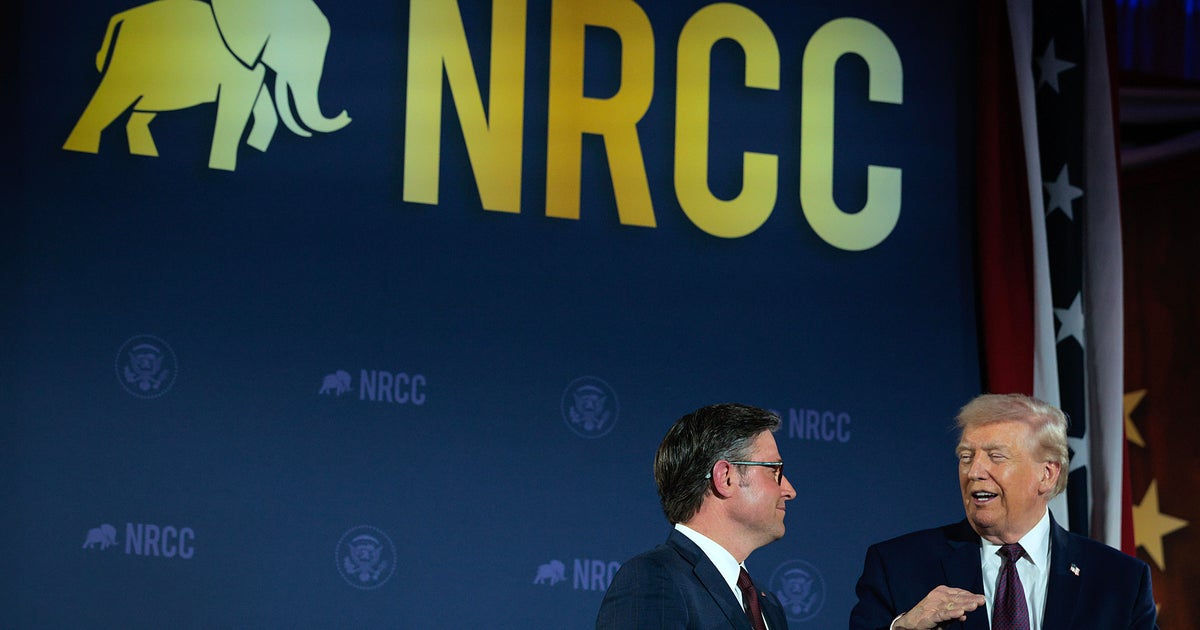
House Republicans, through the National Republican Congressional Committee (NRCC), raised a record $47.1 million in the first three months of 2026 to support their efforts in the upcoming midterm elections. The NRCC chairman credits President Donald Trump for helping with fundraising and campaign strategy, while Democrats argue they have momentum based on recent election results.
Key Facts
The NRCC raised $47.1 million in the first quarter of 2026, a new record for that period.
In March alone, the NRCC raised $28.1 million, their strongest month ever.
The committee currently has $78.2 million cash on hand and $164.4 million expected for the entire election cycle.
NRCC Chairman Richard Hudson said the fundraising reflects growing support to defend the House majority.
President Trump headlined a recent fundraising dinner that raised nearly $37 million.
Hudson meets regularly with President Trump to discuss House races and campaign details.
President Trump has campaigned in key states like Arizona and Nevada to support Republican candidates.
Democrats claim they have momentum due to recent wins in special elections and other races, and they criticize Republicans for not lowering costs as promised.
Read the Original
Want the full story? Tap a source to open the original
article.
Senate Republicans worry they might lose their slim three-seat majority in the upcoming midterm elections. They think if conservative Supreme Court Justice Samuel Alito retired, it could motivate Republican voters to support their party and help them keep control of the Senate.
Key Facts
Senate Republicans currently hold a three-seat majority.
They are concerned about losing this majority in the midterm elections.
Conservative Justice Samuel Alito has not announced retirement but is considered a key figure.
Republicans believe Alito’s retirement could become an “October surprise” before the election.
Such a surprise could boost Republican voter turnout.
GOP senators are careful not to pressure Justice Alito publicly.
The situation reflects the close and competitive nature of the upcoming elections.
Read the Original
Want the full story? Tap a source to open the original
article.
The Iowa governor's race is becoming very competitive as Democrat Rob Sand tries to replace the retiring Republican Governor Kim Reynolds. The Cook Political Report recently changed the race status to a "toss-up," meaning it could go to either party.
Key Facts
The current governor, Kim Reynolds, is a Republican and is retiring.
Rob Sand is the Democratic candidate running to become the next governor.
If Sand wins, it will be Iowa’s first Democratic governor in almost 20 years.
The Cook Political Report moved the race from favoring Republicans to a toss-up.
A "toss-up" means both parties have a similar chance of winning.
The change shows the race is closer and more competitive than expected.
The election will decide which party controls the Iowa governor’s office next term.
Read the Original
Want the full story? Tap a source to open the original
article.
The U.S. Senate plans to vote soon on a budget outline for a second reconciliation bill. This bill includes money for Immigration and Customs Enforcement (ICE) and Border Patrol. Senate Majority Leader John Thune needs to satisfy conservative senators who have strong demands about the bill.
Key Facts
The Senate is preparing to vote on a budget plan for a second reconciliation bill.
The bill would allocate funding to ICE and Border Patrol.
Senate Majority Leader John Thune represents South Dakota.
Some conservative senators want specific changes or conditions in the bill.
The vote could happen as early as this week.
The bill is part of ongoing budget and policy negotiations in Congress.
The reconciliation process allows certain budget-related bills to pass with a simple majority.
Read the Original
Want the full story? Tap a source to open the original
article.
A few House Republicans supported trying to subpoena former Attorney General Pam Bondi, but most Republicans are not interested in pursuing this further. Democrats want to hold Bondi in contempt of Congress to force her to testify, but there is disagreement between the parties about the value of hearing from her.
Key Facts
Only a small group of House Republicans backed subpoenaing Pam Bondi.
Democrats proposed holding Bondi in contempt of Congress to make her testify.
Many Republicans have shown little interest in the plan to subpoena Bondi.
There is a clear split between Democrats and Republicans on this issue.
Rep. Nancy Mace (R-S.C.) made a motion related to this effort in March.
The issue centers on how much useful information can be gained from Bondi’s testimony.
Read the Original
Want the full story? Tap a source to open the original
article.
The Department of Homeland Security (DHS) will allow federal workers to have more flexible work schedules again. This change comes after DHS had required employees to return to full-time office work under President Donald Trump’s previous executive order.
Key Facts
DHS ended flexible work arrangements in April 2025, requiring most staff to work in the office five days a week.
The department also stopped compressed workweeks, which allowed longer hours over fewer days.
New leadership at DHS reviewed and changed the alternative work schedule policies to be more like other federal agencies.
Flexible work schedules can include varied start and end times instead of the usual 9 to 5 workday.
The change affects about 260,000 DHS employees.
Markwayne Mullin became DHS Secretary in March 2025 after Kristi Noem was fired.
Other government agencies have also shifted to more flexible work options, including accommodations for religious reasons.
President Donald Trump issued an executive order in January 2025 banning remote work for federal employees.
Read the Original
Want the full story? Tap a source to open the original
article.
A federal judge criticized Immigration and Customs Enforcement (ICE) for arrest methods that may violate constitutional rights, including making arrests without warrants and using paperwork made after the fact to justify them. The judge ordered the release of a detained person and expressed concern about the Department of Justice defending these practices.
Key Facts
A judge from New York called some ICE arrest tactics similar to “police state” actions.
ICE officers arrested someone on Long Island without a judicial warrant.
After the arrest, ICE used paperwork created later to support the detention.
The judge said this violates constitutional rules and due process rights.
The Department of Justice defended ICE’s actions in court.
The judge warned that government lawyers’ arguments could harm their credibility.
ICE uses administrative warrants (I-205 forms) to enforce deportations without judge approval.
ICE officers can enter homes with these warrants and use reasonable force if denied entry, but some argue this conflicts with Supreme Court rules.
Read the Original
Want the full story? Tap a source to open the original
article.
An 86-year-old woman from York was convicted for driving without valid car insurance because she wrote one letter wrong in her car’s registration number. She received a three-month conditional discharge and a small penalty, but the mistake made her insurance invalid.
Key Facts
The woman applied for car insurance for her Suzuki Splash through Swinton Insurance.
She wrote an "F" instead of an "S" in her car's number plate on the insurance form.
This mistake made her insurance invalid under the law.
The error was discovered after she got a prosecution letter from the DVLA (Driver and Vehicle Licensing Agency).
She wrote to the court explaining the mistake, and her niece also sent a letter offering family help.
Despite the explanations, she was convicted using the Single Justice Procedure, a private, fast-track court system where decisions are based on written evidence.
The DVLA said it would contact her to check her insurance and might work to overturn the conviction if the typo caused the problem.
The conditional discharge means she won’t be punished further if she does not commit another offense in three months.
Read the Original
Want the full story? Tap a source to open the original
article.