Arizona’s largest county, Maricopa, is facing election issues ahead of the midterm elections. Republican Justin Heap, who oversees elections there, has clashed with the county board over how elections are run, leading to legal fights and changes in election rules.
Key Facts
Arizona will have several competitive elections in November, including U.S. House races and statewide offices.
Justin Heap, a Republican election official, is managing his first statewide election in Maricopa County.
Heap disputes the county board of supervisors over election procedures and control of some election functions.
Heap introduced a new system to verify signatures on mail ballots and checked voter records for noncitizens using a federal database.
Heap’s actions have been criticized by the county board, the attorney general, and the secretary of state.
A recent court ruling gave Heap more power over election operations in the county.
The conflict has caused confusion and concern among officials and voters in the county.
Heap was supported in his lawsuit by America First Legal, a conservative group linked to the White House.
Read the Original
Want the full story? Tap a source to open the original
article.
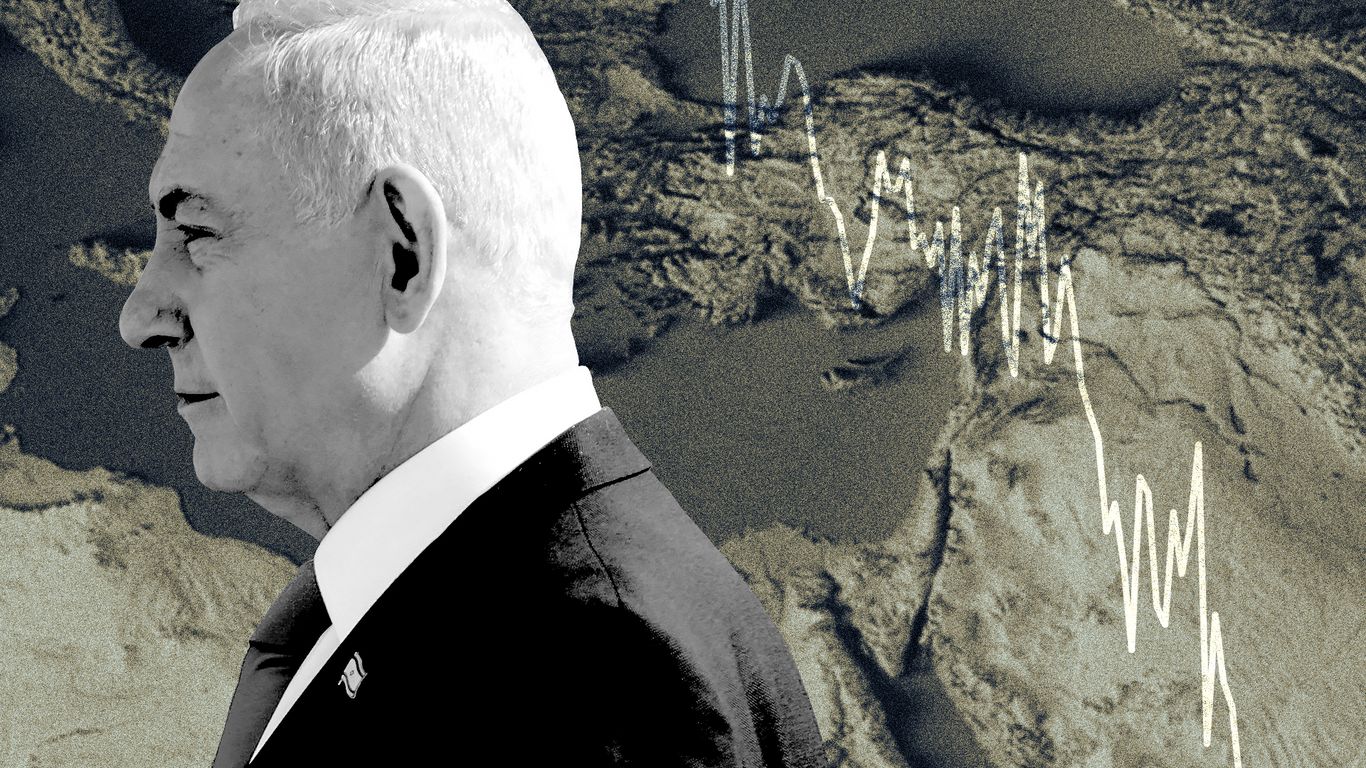
Support for Israel is falling among younger Americans and many U.S. lawmakers, especially Democrats, during the ongoing tensions with Iran. This decline in support is affecting bipartisan backing in Congress for military aid and defense systems like Israel’s Iron Dome.
Key Facts
Israel’s popularity is dropping sharply among younger Americans.
Many Democratic lawmakers who once strongly supported Israel are now criticizing U.S. aid.
40 Senate Democrats recently voted to block arms sales to Israel, up from 15 the previous year.
Some House Democrats are opposing funding for Israel’s Iron Dome missile defense system.
Older Republicans and white Evangelical Christians remain the main groups still favoring Israel.
Support for Israel has dropped by over 20 percentage points among younger voters in both parties.
Even white Evangelical support, which was once very high, has decreased by 15 points.
Changes in U.S.-Israel relations are influencing congressional debates on military aid.
Read the Original
Want the full story? Tap a source to open the original
article.
Andy Mycock shares his experience of having a surname that many people find funny or embarrassing outside his hometown. He explains how his name caused him challenges in everyday life, from social situations to using online services, but he is now trying to accept and appreciate his surname.
Key Facts
Andy Mycock grew up in Buxton, Derbyshire, where his surname is common and not unusual.
His surname comes from Solomon Mycock, a 19th-century farmer who has a local landmark named after him.
When Andy moved to Salford for university, people outside his hometown laughed at his surname.
He often faces embarrassment or jokes when giving his name in person or on the phone.
Online forms sometimes reject his surname, his emails may go to spam, and social media searches for it are banned.
His mother changed her surname after divorce to avoid the embarrassment associated with Mycock.
Andy’s sisters also changed their names as teenagers, but he kept his until now.
Andy is starting a journey to embrace and feel proud of his surname despite past difficulties.
Read the Original
Want the full story? Tap a source to open the original
article.
A recent poll shows Vice President JD Vance is the leading choice among Republican voters for the 2028 presidential race. Other top candidates include Secretary of State Marco Rubio, Florida Governor Ron DeSantis, and Donald Trump Jr.
Key Facts
63% of Republicans and Republican-leaning Independents would consider voting for JD Vance.
Marco Rubio has 42% support, Ron DeSantis 35%, Donald Trump Jr. 31%, and Senator Ted Cruz 26%.
Vance is especially popular with voters aged 45 and older, with 76% support from those 65 and over.
Donald Trump Jr. is the most popular candidate among younger voters aged 18 to 29, with 49% support.
The poll surveyed 2,189 Republicans and Republican-leaning Independents between April 8-13.
Other candidates with lower support include Robert F. Kennedy Jr. (15%), Mike Pence (14%), and Vivek Ramaswamy (13%).
The poll showed varying levels of support based on age and education across candidates.
This poll reflects current preferences but the field may change as new candidates emerge and profiles evolve.
Read the Original
Want the full story? Tap a source to open the original
article.
President Donald Trump criticized Pope Leo after the Pope's comments on the US attack on Iran and Trump's social media post comparing himself to Jesus. These attacks may be linked to Trump’s childhood experiences at a Protestant church led by Norman Vincent Peale, who was known for opposing Catholic candidates for president, including John F. Kennedy in 1960.
Key Facts
President Trump recently attacked Pope Leo for criticizing the US attack on Iran and a social media post by Trump.
Trump attended the Protestant Marble Collegiate Church in Manhattan as a young man.
The church was led by Norman Vincent Peale, an anti-Catholic pastor during Trump’s youth.
Peale led a group of 150 Protestant leaders who opposed John F. Kennedy’s 1960 presidential run because he was Catholic.
Peale’s group feared a Catholic president would break the separation of church and state.
Kennedy responded by affirming his belief in strict separation of church and state.
Anti-Catholic sentiment was a common issue in US politics during the mid-20th century.
This history may help explain Trump’s current antipathy towards the Pope.
Read the Original
Want the full story? Tap a source to open the original
article.
The article says that alcoholism is the most serious problem among substance use issues. It emphasizes that funding for research, education, and prevention about alcoholism must continue and cannot be reduced.
Key Facts
Alcoholism is identified as the worst problem related to substance use.
Continued funding for research on alcoholism is necessary.
Education efforts about alcoholism are important.
Prevention programs need ongoing support.
Cutting funding in these areas is discouraged.
Read the Original
Want the full story? Tap a source to open the original
article.
President Donald Trump signed an executive order on medical research at the White House on Saturday morning. This happened a day after he spoke in Phoenix about his plans and goals before the upcoming midterm elections.
Key Facts
President Trump signed an executive order related to medical research.
The signing took place at the White House on Saturday morning.
The event followed a speech by President Trump in Phoenix.
His speech focused on his agenda and encouraged voters ahead of the midterm elections.
The speech was well received, with the president getting a standing ovation.
The administration recently shared details about its budget plans.
Read the Original
Want the full story? Tap a source to open the original
article.
Tensions have risen between President Donald Trump and the Vatican after Trump insulted the Pope on social media following the Pope’s comments about peace in the Middle East. This dispute has drawn global attention and highlighted divisions within American politics, especially around religion.
Key Facts
President Trump insulted the Pope on social media after the Pope spoke about Middle East peace.
The conflict has been publicly noticed around the world.
It has sparked discussions about President Trump’s mental health.
The feud reveals divisions in the American political right.
Religion plays an important role in U.S. politics.
A political expert, Scott Lucas, discussed whether these tensions have weakened President Trump.
The incident is part of a larger story about U.S. and international political issues.
Read the Original
Want the full story? Tap a source to open the original
article.
President Donald Trump criticized California Governor Gavin Newsom by calling him "stupid" and questioning his fitness to be president, referencing Newsom's dyslexia. These remarks upset many people with dyslexia and their supporters because dyslexia is a common learning disability not linked to intelligence, and the comments spread a false and harmful idea.
Key Facts
President Trump called Governor Gavin Newsom "stupid" and "mentally disabled," targeting his dyslexia.
Dyslexia is a learning disability that affects reading but is not related to intelligence.
About 20% of people worldwide have dyslexia.
Lauryn Muller, who has dyslexia, felt hurt by Trump’s comments as many people with dyslexia struggle with stigma.
Marilyn Muller, Lauryn’s mother and a Trump supporter, also criticized the president’s remarks as ignorant.
Scientific research shows dyslexia and IQ are not connected.
Governor Newsom has openly talked about his dyslexia in books and public appearances.
President Trump had previously praised people with dyslexia during his first term, highlighting their achievements.
Read the Original
Want the full story? Tap a source to open the original
article.
President Donald Trump has ordered the FBI and other agencies to investigate a series of deaths and disappearances of U.S. experts in space, defense, and nuclear fields. The White House said they are working together to find any links between these cases and promised to keep the public updated.
Key Facts
The White House is reviewing cases of U.S. experts who have died or disappeared in recent years.
FBI is involved in the investigation, along with other relevant agencies.
President Trump said the situation is serious and expects answers soon.
Cases include retired Air Force general William Neil McCasland’s disappearance and the killing of an astrophysicist.
Some missing experts worked for NASA, Los Alamos National Laboratory, and other research centers.
Among those involved are Amy Eskridge (anti-gravity scientist), Monica Reza (NASA engineer), and others linked to advanced research.
Officials have not confirmed any connection between the cases yet.
The White House promised no details will be overlooked during the investigation.
Read the Original
Want the full story? Tap a source to open the original
article.
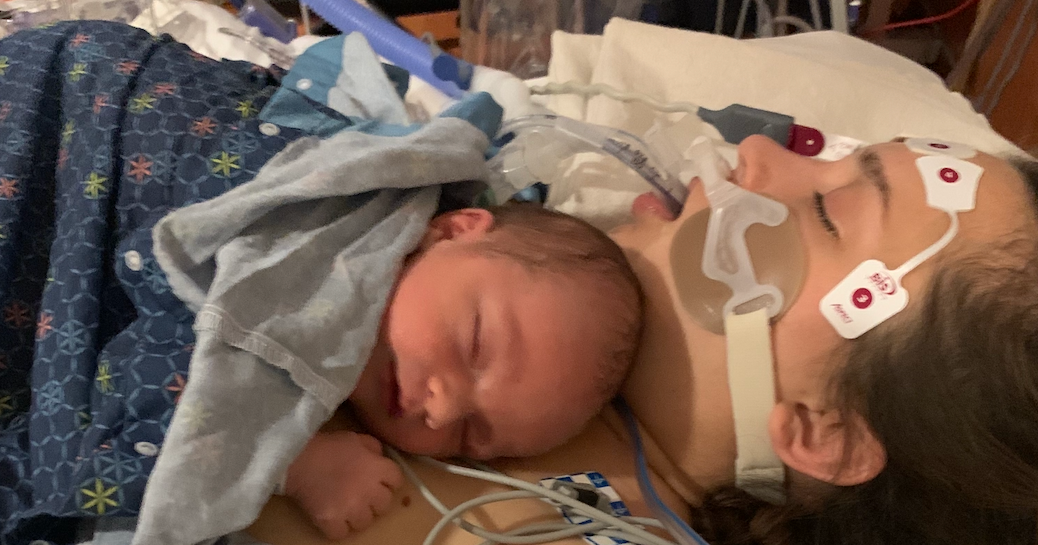
Casey Gould experienced a rare heart condition called peripartum cardiomyopathy after giving birth, which caused her heart to fail suddenly. She underwent an emergency C-section and heart treatment, including the use of a pump device, and spent days in intensive care before beginning to recover.
Key Facts
Casey Gould had struggled with infertility and miscarriages before becoming pregnant in early 2024.
Her pregnancy went smoothly with some swelling near the end, and she went into labor on November 1, 2024.
After 36 hours of labor, Gould felt something was wrong and expressed she thought she was about to die.
Her baby's heart rate dropped, and she had an emergency C-section; doctors found her heart was failing with an ejection fraction of 13% (normal is 55-70%).
Doctors used an Impella pump, inserted through an artery, to help her heart rest and avoid immediate transplant.
Gould was sedated, on a ventilator, and in a coma for two days before waking up and learning about her heart failure.
The condition she had, peripartum cardiomyopathy, is rare, affecting about 1 in 5,000 pregnancies and is hard to predict.
Risk factors include socioeconomic challenges, older maternal age, and previous pregnancies, but warning signs can be subtle.
Read the Original
Want the full story? Tap a source to open the original
article.
Nicholas Enrich, a former USAID official, wrote about the deep impact of major budget cuts and restructuring under President Donald Trump’s administration starting in 2025. USAID funding was paused, many programs were canceled, and the agency was merged into the State Department, causing significant disruptions to global aid efforts.
Key Facts
In 2003, the US made a $15 billion, five-year commitment to fight HIV, which was a major global health effort.
President Donald Trump paused USAID funding days after taking office in January 2025.
By July 2025, over 80% of USAID programs were canceled and the agency was merged into the State Department.
Thousands of contracts worth billions of dollars were canceled, affecting aid delivery worldwide.
The State Department pushed other countries to replace aid with trade agreements that promote US business interests.
The cuts potentially affect millions of people’s access to education and healthcare, risking millions of preventable deaths.
USAID staff described the changes as caused by unqualified people replacing experienced workers.
Nicholas Enrich’s book and memo highlight the serious consequences of these changes and encourage people to speak up against harmful government actions.
Read the Original
Want the full story? Tap a source to open the original
article.
That's the point of this site, and readers keep it that way. Support for any amount and the daily digest lands in your inbox every morning at 7am Eastern.
The Department of Justice (DOJ) alleges that major U.S. meat processors used a company called Agri Stats to share detailed competitive data. This sharing helped them coordinate prices and reduce competition, leading to higher meat prices for American consumers. A court case against Agri Stats is set to begin on May 4 in Minnesota.
Key Facts
Big U.S. meat companies in chicken, pork, and turkey are under DOJ scrutiny for price coordination.
Agri Stats collects detailed data from these companies on prices, costs, production, and customers.
The company analyzes and shares this data back to the processors, allowing them to see competitors’ information.
This process allegedly helped companies stabilize or raise prices instead of competing.
The DOJ claims the data sharing acted like a coordination tool, not just ordinary market research.
Agri Stats paused some data programs after private lawsuits but still shares broiler chicken data.
Such detailed data sharing among competitors can violate U.S. antitrust laws.
The Trump administration is taking legal action to address this issue to protect farmers and consumers.
Read the Original
Want the full story? Tap a source to open the original
article.
A man named Chris Buhl in Florida babysat his 7-year-old sister on their mom’s birthday. His sister noticed a neon sign in his bathroom that said, "Please don’t do coke in the bathroom," which led to an awkward moment because she misunderstood the meaning.
Key Facts
Chris Buhl babysat his 7-year-old sister while their parents went out for dinner.
The neon sign in his bathroom read, "Please don’t do coke in the bathroom."
His sister asked what "do coke" meant, and he said it referred to Diet Coke.
Buhl has owned the sign for about six months and didn’t expect any problems with it.
He felt nervous when his sister noticed the sign, worried about how to explain it.
A TikTok video of the moment went viral, reaching over 600,000 views.
Buhl’s mom found the situation funny and did not prevent him from babysitting again.
Buhl believes the video is popular because many people have had awkward moments explaining things to kids.
Read the Original
Want the full story? Tap a source to open the original
article.
The article discusses the challenges faced by poor Black women in America, especially how society often does not support them unless they meet certain conditions. It connects these challenges to a decline in fertility rates among Black women.
Key Facts
Poor Black women often do not receive support unless they are seen as "earning" it.
This lack of support extends to having and raising children.
The article links this societal attitude to lower fertility rates among Black women.
It highlights ongoing struggles related to race, poverty, and motherhood in the U.S.
The focus is on how these issues affect Black families and communities.
Read the Original
Want the full story? Tap a source to open the original
article.
Indiana’s Republican primary on May 5 will show how much influence President Donald Trump has on the party after some state senators opposed his demand to redraw the congressional map. Trump endorsed seven challengers against these senators, and national groups have spent millions on the campaign, making it a key test of his control over the party.
Key Facts
Indiana’s Republican primary is set for May 5, 2026.
Some Indiana state senators opposed President Trump’s redistricting plan.
Trump endorsed seven challengers running against these incumbent senators.
National pro-Trump groups spent over $4.2 million on ads supporting the challengers.
Governor Mike Braun and U.S. Senator Jim Banks also support these challengers.
One targeted senator, Spencer Deery, is facing nearly $1 million in campaign spending against him.
Voters like Julie Wise, who voted for Trump but may not support removing all incumbents, show mixed reactions.
The election is seen as a test of Trump’s power over the Republican Party at the state level.
Read the Original
Want the full story? Tap a source to open the original
article.
A court has allowed construction of a White House ballroom and presidential bunker to continue while legal issues are resolved. The construction was temporarily blocked by a judge, but an appeals court granted a pause on that block, so work can go on until at least June 5.
Key Facts
A U.S. appeals court gave a temporary pause to a block on White House ballroom construction.
The original block was ordered by Judge Richard Leon in March, stopping most above-ground work.
Work on an underground presidential bunker was allowed to continue during the block.
The Justice Department appealed, saying stopping construction threatens national security and leaves a hazard near the White House.
President Donald Trump criticized the judge’s decision and said the ballroom is very important for national security.
Trump announced plans for the ballroom last summer and demolished the East Wing in October as part of the project.
A historic preservation group sued to stop construction of a new East Wing late last year.
The next court hearing about the construction is scheduled for June 5.
Read the Original
Want the full story? Tap a source to open the original
article.
A Texas woman named Brenda Rivera honored her late mother, a restaurant owner who passed away suddenly, by serving the last meals her mother had made at her funeral. The meals helped bring family members together and kept memories of her mother alive.
Key Facts
Brenda Rivera’s mother lived in Mexico and ran a restaurant serving traditional Mexican dishes like gorditas.
She died unexpectedly of a heart attack while opening her business shortly after a holiday visit with her family.
Rivera and her siblings decided to serve the prepared food her mother had made before she died at the funeral.
Serving the last meals allowed the family to share a final connection through her mother’s cooking.
Rivera says that tasting these foods brings back strong memories of her mother’s love and care.
Rivera posted a video of the funeral meal on TikTok, which many people found touching and meaningful.
She still feels close to her mother by cooking her recipes and wearing her apron.
Studies show that certain smells and foods can trigger vivid personal memories, which relates to Rivera’s experience.
Read the Original
Want the full story? Tap a source to open the original
article.
There are no ads, so there is no reason to bait you. Readers who chip in keep it that way. Most choose $3.99/month, and get the daily digest every morning.
E-bike accidents and injuries have increased sharply in the United States, leading to concerns from doctors, lawmakers, and safety groups. Cities like New York and areas in California and Florida are seeing more injuries and deaths, prompting calls for new laws and better bike infrastructure to protect everyone.
Key Facts
E-bike injuries in the U.S. rose from 1,600 in 2018 to 23,000 in 2022.
E-bike sales jumped from 50,000 in 2018 to 527,000 in 2022.
In New York City, 17 people died from e-bike crashes in 2024.
New York City had 901 e-bike injuries in 2025, a 41% increase from the previous year.
At Bellevue Hospital in New York, 7% of trauma visits from 2018-2023 were from small vehicles like e-bikes and e-scooters.
The NYC E-Vehicle Safety Alliance supports “Priscilla’s Law,” which would require e-bike registration and license plates.
The goal of this law is to enforce the 15 mph speed limit on e-bikes and reduce dangerous riding.
Some cities and states are also looking to improve bike lanes and protected areas to make roads safer for everyone.
Read the Original
Want the full story? Tap a source to open the original
article.
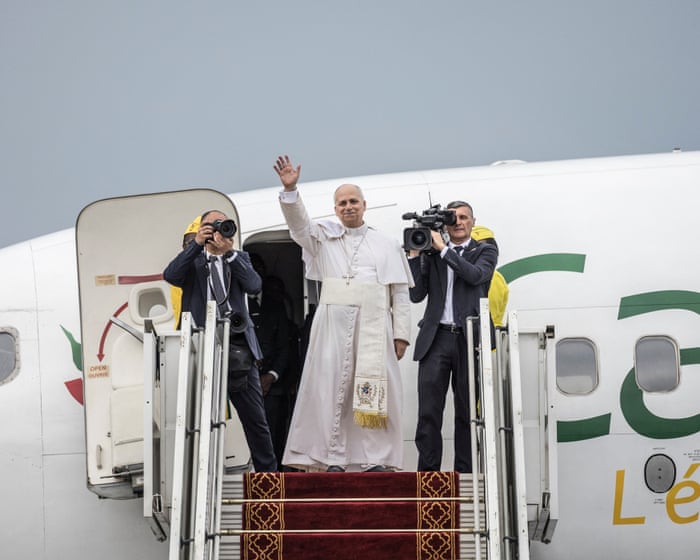
Pope Leo XIV spoke out against war and the idea that those in power are all-powerful. President Donald Trump and his allies responded strongly, criticizing the pope and making the issue political rather than moral. This exchange shows how some in the Trump administration do not treat violence and war as moral problems but as political and strategic choices.
Key Facts
The pope condemned war and warned against the “delusion of omnipotence.”
President Trump reacted negatively to the pope’s comments, calling him “weak on crime.”
Trump ally JD Vance told the pope to focus on “matters of morality,” implying the pope should not criticize political leaders.
The pope said the world is being harmed by “a handful of tyrants,” without naming specific countries or leaders.
The Trump administration treats violence and military actions as political decisions, not moral issues.
For Trump and some Republicans, “morality” often refers to issues like abortion and gender care, not war or violence.
Catholicism remains a significant cultural and political influence in the United States, with about 53 million Catholics in the country.
President Trump won about 77 million votes in the recent election, showing his broad political support.
Read the Original
Want the full story? Tap a source to open the original
article.