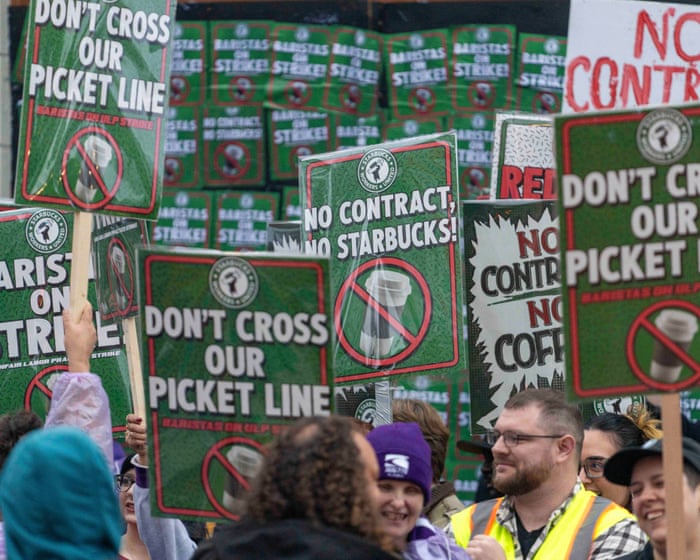
The article discusses what the National Labor Relations Board (NLRB) should focus on to help workers. The author wants the NLRB to fix problems that prevented them and their coworkers from ending their union membership.
Key Facts
The NLRB is a government agency that handles workplace labor issues.
The NLRB recently has a new majority leading it.
The author and their coworkers wanted to stop being part of their union.
An injustice occurred that prevented them from doing this.
The author believes the NLRB should address this issue as its first priority.
Ending forced union membership can impact workers' rights and choices.
The article reflects a worker’s perspective on union relations and labor policies.
Read the Original
Want the full story? Tap a source to open the original
article.
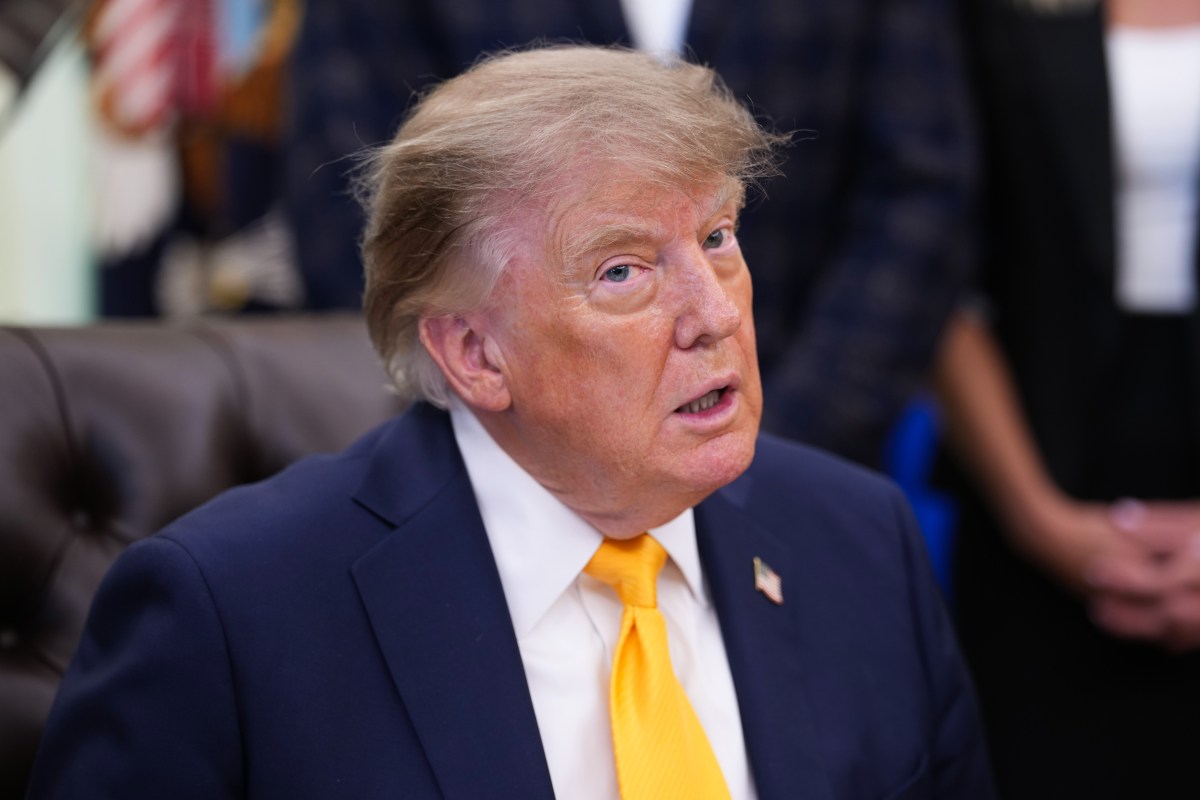
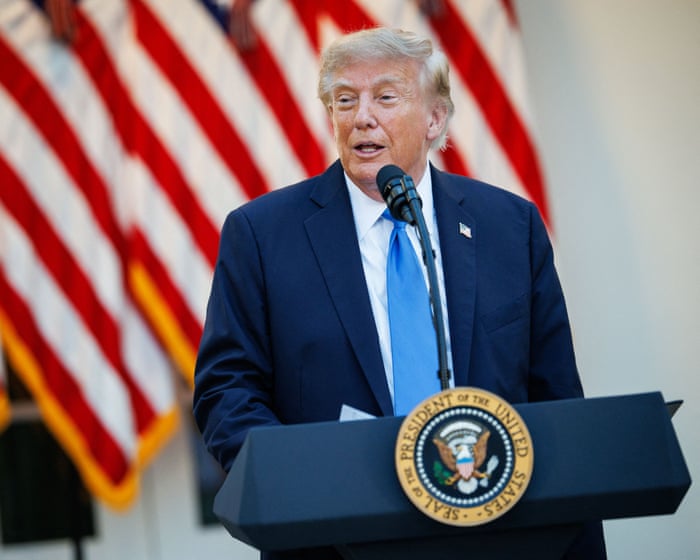
President Donald Trump posted a new Space Force uniform design on social media, saying it was inspired by the movie *Starship Troopers*. The design features a dark-gray jacket and pants with black boots and a peaked cap, showing Space Force symbols. It is not clear if this design is official or just a social media share.
Key Facts
The new uniform design was shared by President Trump on Truth Social.
The design is described as "next generation" and inspired by *Starship Troopers*, a 1997 sci-fi movie.
The uniform includes a fitted dark-gray jacket, matching pants, black boots, a peaked cap, and Space Force emblems.
The colors are called "space gray," "midnight black," "silver gray," and "satin black."
It is unclear if the design is officially planned or just a social media post.
The Space Force was created in December 2019 and is the newest branch of the U.S. military.
*Starship Troopers* is known as a satire, or critique, of militarism and fascism in its movie form.
President Trump has called Space Force members "Guardians of the High Frontier" and praised their service.
Read the Original
Want the full story? Tap a source to open the original
article.
A new poll shows that only 33% of registered voters approve of President Donald Trump’s job performance, the lowest since May. Many Americans are worried about the economy, with 66% saying it is moving in the wrong direction, and most disapprove of Trump’s handling of inflation and the cost of living.
Key Facts
President Trump’s approval rating dropped 3 points to 33%, the lowest in recent months.
66% of adults believe the U.S. economy is going the wrong way.
Only 17% approve of Trump’s handling of inflation and the cost of living, while 69% disapprove.
Approval of Trump’s work on jobs and the economy is at a low 26%.
57% of Americans feel financially worse off than when Trump returned to office in January.
Among Trump supporters, belief in the economy moving the right way fell from 55% to 44%.
Economic concerns like inflation and affordability are the top issues for voters before the midterm elections.
The White House said the administration stays committed to tax cuts, fewer rules, and energy policies despite these concerns.
Read the Original
Want the full story? Tap a source to open the original
article.
The war in Iran has caused U.S. consumers to pay an extra $100 billion in energy costs, mostly due to higher gasoline and diesel prices. Diesel prices hit a record high recently, affecting transportation costs and adding pressure on households and the economy.
Key Facts
The war in Iran began on February 28 and has driven up U.S. fuel prices since then.
U.S. households have paid about $760 more on average for gas and diesel.
Diesel prices reached a record $5.90 per gallon, about 60% higher than a year ago.
Texas consumers have paid the most extra money, around $11 billion, followed by California ($8 billion) and Florida ($5 billion).
Higher diesel prices affect freight and travel costs, impacting many parts of the economy.
President Trump says Americans accept higher prices to keep Iran from having nuclear weapons.
Inflation remains a top concern for voters and affects President Trump’s approval ratings.
Uncertainty about oil supply from the Middle East and the war in Ukraine continues to influence fuel prices.
Read the Original
Want the full story? Tap a source to open the original
article.
President Donald Trump promised to support American workers and create good jobs. However, during his time in office, many actions and policies were seen as harmful to workers and unions, including reducing workplace safety inspections and limiting workers' rights to negotiate pay and conditions.
Key Facts
Workplace safety inspections by OSHA dropped by 20% under President Trump compared to the last year of President Biden’s term.
Trump delayed rules aimed at protecting coal miners from dangerous silica dust, which causes black lung disease.
Price increases caused by tariffs and conflicts like the Iran war have outpaced wage increases, making living more expensive for workers.
The Trump administration proposed removing minimum wage and overtime protections for about 3 million low-paid homecare workers.
Trump pushed to end collective bargaining rights for around 1 million federal employees, including those at TSA and other departments.
In a first for a president, Trump fired a pro-union chair of the National Labor Relations Board and replaced board members with officials favoring businesses.
Trump cut the minimum wage for federal contractors from $17.75 to $13.30 per hour, reducing earnings for some workers by over $9,000 a year.
Trump reversed a rule that extended overtime pay to more salaried workers, affecting 4.3 million people.
Read the Original
Want the full story? Tap a source to open the original
article.
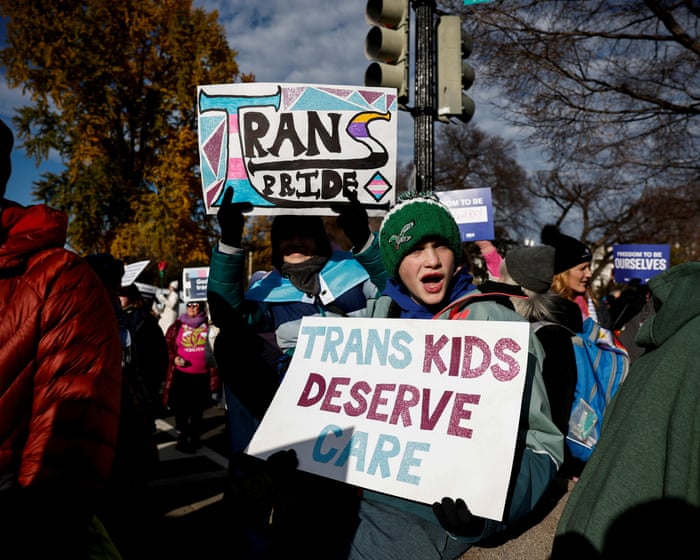
The US Department of Health and Human Services (HHS) released a report linking support for transgender people and “gender ideology” to leftwing authoritarianism and political violence. Scientists and experts criticized the report for poor research methods, lack of peer review, and political bias. The report comes amid ongoing efforts by the government to limit access to gender-affirming medical care.
Key Facts
HHS published a report connecting support for transgender rights to authoritarianism and violence.
The report was not peer-reviewed or published in a scientific journal.
Experts say the study is politically motivated and poorly conducted.
The report targets respected medical organizations that offer guidelines on gender-affirming care.
Access to gender-affirming care has been restricted by government actions, including investigations and funding threats.
Medical care for transgender youth is under pressure even in states like Massachusetts.
Some legal experts believe the report may violate federal rules requiring scientific information to be peer-reviewed.
A coauthor from a conservative think tank acknowledged the report was rushed due to a prior leak and plans further publication steps.
Read the Original
Want the full story? Tap a source to open the original
article.
Union membership in the US rose by 411,000 in 2025, the biggest increase since 2008. Most of the growth happened in states that protect workers' rights to join and negotiate with unions, while states with "right-to-work" laws saw smaller gains.
Key Facts
Union membership grew by 411,000 members in 2025.
States with collective bargaining protections added nearly 305,000 union members.
States with "right-to-work" laws, which allow workers to avoid paying union dues, added about 107,000 members.
Union membership rates are almost three times higher in states with protections compared to states with "right-to-work" laws.
In 2025, 16.5 million US workers were in unions, the highest in 16 years, making up 11.2% of wage earners.
Workers in states with collective bargaining rights earn about 8% more after adjusting for living costs.
In 2025, 19 states passed 88 laws expanding workers’ rights, including paid sick leave and protections for warehouse workers.
Public support for unions is high, with 71% approval and many young workers interested in joining unions.
Read the Original
Want the full story? Tap a source to open the original
article.
The article discusses concerns about how the media may treat a Senate nominee who is connected to Hasan Piker differently. It suggests that inconsistent media coverage might affect Democratic votes.
Key Facts
The article focuses on journalistic consistency in covering political figures.
It highlights a Senate nominee with ties to Hasan Piker, a political commentator.
The article implies media may excuse the nominee's actions.
There is concern that this media behavior could influence voters.
The article mentions Democrats and their potential loss of votes.
Read the Original
Want the full story? Tap a source to open the original
article.
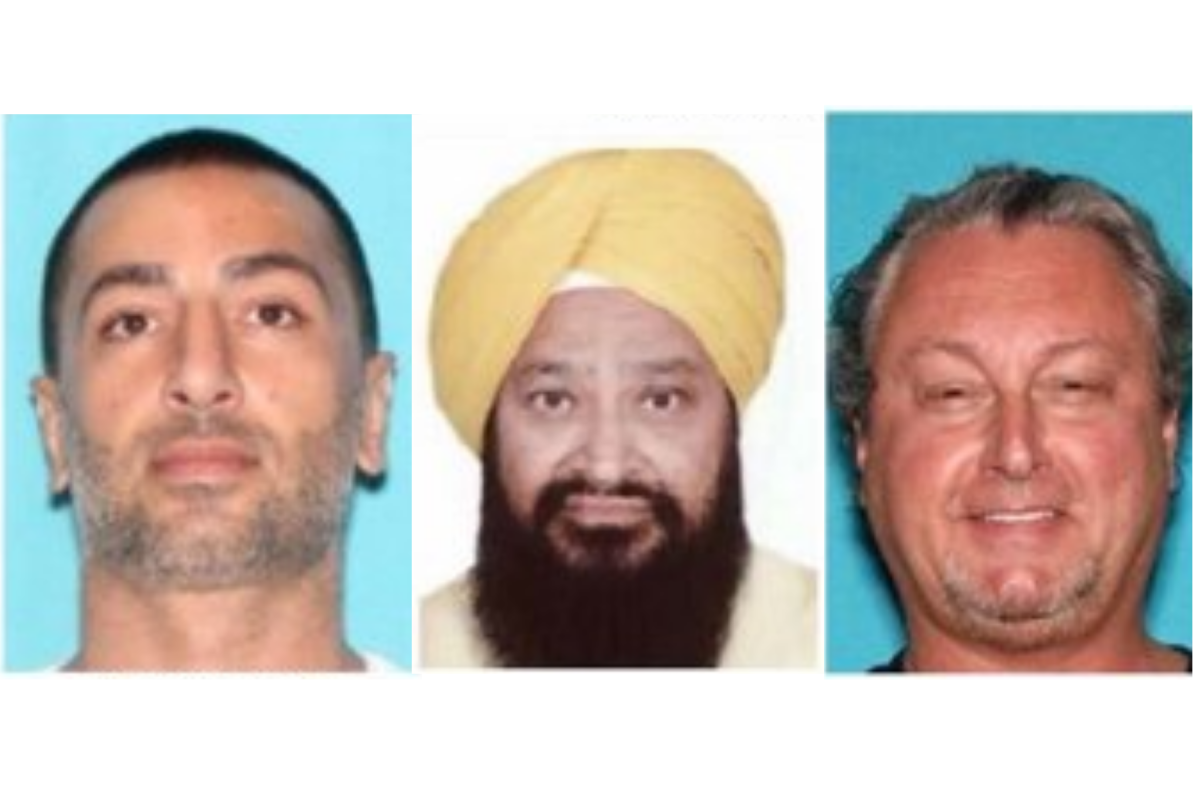
The FBI added three people—Manjit Singh Bedi, Bernhard Eugen Fritsch, and Onur Simsek—to its new Most Wanted Fraudsters list for alleged major financial crimes. Bedi was recently arrested in India, while the others remain fugitives wanted for various fraud schemes involving government funds, investor money, and military contracts.
Key Facts
The FBI's Most Wanted Fraudsters list highlights suspects in large financial crime cases.
Manjit Singh Bedi allegedly stole at least $600,000 from a food assistance program by illegally processing benefit transactions at his store in Washington state.
Bedi fled to India but was arrested there, marking the fifth capture from this FBI list.
Bernhard Eugen Fritsch is accused of raising $35 million from investors for his tech company while misusing at least $7.3 million for personal expenses.
Fritsch was convicted of wire fraud in California, fled Mexico, and is now believed to be in Germany; he was sentenced to 15 years in prison in absentia.
Onur Simsek is wanted for allegedly using a fake company to win U.S. Defense Department contracts for military parts and moved money illegally to Turkey.
The FBI has captured four people responsible for nearly $2 billion in fraud, with these new suspects added to increase public awareness and help lead to arrests.
Read the Original
Want the full story? Tap a source to open the original
article.
Ryan Bridge, leader of the group Raise the Colours, has been charged with 14 offences including racially aggravated harassment and assault related to his flag-raising activities across England. He is set to appear in court in Oxford on November 3, while local councils have taken legal steps to stop the group from putting up flags on public property.
Key Facts
Ryan Bridge, 45, leads Raise the Colours, a group putting up union jack and St George’s flags across England.
Bridge faces 14 charges including threatening behavior, racially aggravated harassment, and common assault.
The charges relate to incidents between January and March 2026 in Oxfordshire.
Thames Valley police submitted evidence to the Crown Prosecution Service, including witness statements and video footage.
Oxfordshire and Birmingham councils have sought legal orders to stop Bridge and others from placing flags on public land.
Bridge was invited to and attended the Reform UK political party conference in Birmingham.
Bridge denies any wrongdoing and was previously on bail for related accusations of racially and religiously aggravated harassment.
Read the Original
Want the full story? Tap a source to open the original
article.
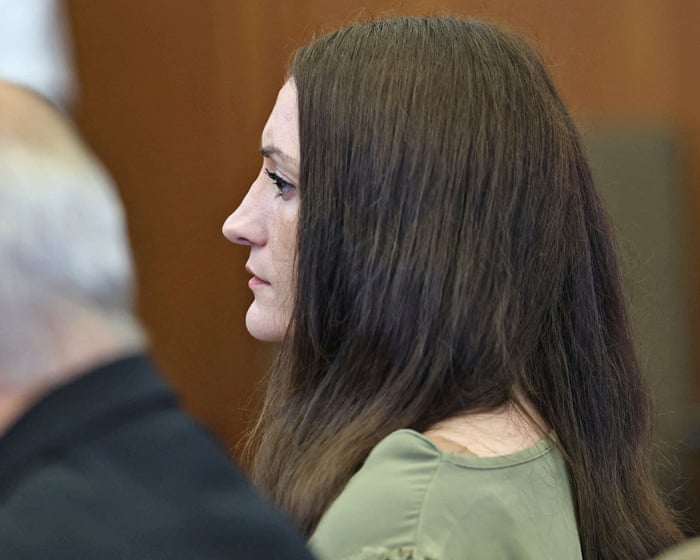
Misty Roberts, the former mayor of DeRidder, Louisiana, has finished a 90-day jail sentence for raping a 16-year-old boy while in office. She was convicted in March 2024 and sentenced to multiple penalties including registering as a sex offender and fines.
Key Facts
Misty Roberts was mayor of DeRidder from 2018 until she resigned in August 2024.
She was convicted in March 2024 for sexual assault of a minor and indecent behavior with a minor.
The victim was a 16-year-old boy and friend of Roberts’ son.
The crime happened during a pool party at Roberts’ home in July 2024.
Roberts received a 90-day jail sentence and other penalties such as fines and required therapy.
She had to register as a sex offender and will face prison if she violates release rules.
The judge admitted he made a mistake comparing her case to plea deal cases when sentencing.
Both Roberts and the victim’s family made statements during the sentencing hearing.
Read the Original
Want the full story? Tap a source to open the original
article.
Recent analysis shows that the redrawing of election districts has helped Republicans protect their House majority against a small Democratic surge. However, early signs show Democrats are ahead by about 6 to 10 points, which could allow them to win back control of the House in 2026. The outcome depends on President Trump’s popularity and how vulnerable Republican candidates perform.
Key Facts
Redistricting has given Republicans an advantage of about nine seats in the House.
Democrats are currently running about 10 points better in special elections than President Trump’s 2024 performance.
A 6-point Democratic lead in the generic ballot could result in a 221-214 Democratic House majority.
A 10-point Democratic swing might flip the House to Democrats with a 230-205 majority.
If Republicans outperform Trump’s 2024 numbers by 5 points, they could hold a large 253-182 majority.
In 2018, a 6.5-point swing toward Democrats gained them 40 seats and a 235-199 majority.
Republicans are using their fundraising advantage and a Supreme Court ruling allowing better coordination of campaign funds.
The number of districts that voted for one party but elected a member of the other party (crossover districts) is very low compared to previous years.
Read the Original
Want the full story? Tap a source to open the original
article.
The Republican Party will hold its first-ever midterm convention in Dallas, where President Donald Trump will give key speeches to build support ahead of the November elections. However, many Republican candidates are uncertain about attending, and some experts warn that focusing the event on President Trump could be risky due to his low approval ratings.
Key Facts
The Republican Party is holding a midterm convention for the first time in Dallas, Texas.
President Trump will deliver both the keynote and closing speeches at the convention.
Other speakers include Vice President JD Vance, Treasury Secretary Scott Bessent, Attorney General Todd Blanche, Health Secretary Robert F Kennedy Jr., and Donald Trump Jr.
The convention is intended to boost morale and encourage Republican voters ahead of midterm elections.
Unlike presidential conventions, this event does not involve making party rules or setting a policy platform.
Many Republican candidates are unsure about attending, with some citing the $25,000 cost as a barrier.
President Trump’s approval rating is 33%, one of the lowest in his political career.
Surveys show Democrats are more enthusiastic than Republicans about voting in the upcoming midterms.
Some political analysts warn that relying heavily on President Trump for midterm enthusiasm could hurt Republican chances.
Read the Original
Want the full story? Tap a source to open the original
article.
Lindsay Clancy was on trial for killing her three children in Massachusetts in 2023. The jury could not agree on a verdict because 11 jurors believed she was not responsible due to postpartum psychosis, but one juror disagreed, leading to a mistrial.
Key Facts
Most family mass killings are committed by men, usually husbands or fathers facing crises like divorce or financial trouble.
Lindsay Clancy strangled her three children—ages five, three, and eight months—in January 2023.
After the killings, Clancy tried to kill herself but survived and is paralyzed from the waist down.
The trial lasted six weeks and ended with a hung jury because one juror refused to acquit her despite doubts about her guilt.
Clancy’s defense argued she had postpartum psychosis, a severe mental illness after childbirth causing hallucinations and delusions.
Many jurors accepted this mental illness defense, but the holdout juror was a man who wanted to convict her.
The case has sparked public debate about motherhood, mental health care, and how society understands postpartum illness.
Clancy had a history of mental health problems after the birth of her earlier children.
Read the Original
Want the full story? Tap a source to open the original
article.
Two of the largest U.S. school districts, New York City and Los Angeles, have recently banned or paused the use of AI tools in schools due to concerns about their impact on learning. Meanwhile, Chicago school board candidates want a three-year pause on AI use in schools, reflecting widespread worries among parents and teachers.
Key Facts
New York City banned AI use for students from Pre-K to 8th grade and limited it for high schoolers.
Los Angeles Unified put a hold on AI use on school devices for the 2026-27 school year.
Chicago school board candidates support a three-year pause on AI in schools.
Research on AI in education is mixed; some studies show benefits, others show risks like weaker critical thinking.
Teachers report AI is often used as a shortcut to avoid work and makes it harder to assess student knowledge.
More than half of teachers say they have no guidance on how to handle AI at school.
AI is already present in classroom tools, like Google’s Gemini search on school Chromebooks.
Experts warn that total bans might block helpful uses of AI, especially for special needs or English learners.
Read the Original
Want the full story? Tap a source to open the original
article.
Democrats and groups supporting abortion rights are focusing on Senator Susan Collins’s vote to approve Justice Brett Kavanaugh as a reason to oppose her in upcoming elections. They say her vote helped the Supreme Court overturn Roe v. Wade, which protected abortion rights.
Key Facts
Senator Susan Collins from Maine voted to confirm Justice Brett Kavanaugh to the Supreme Court.
Justice Kavanaugh’s confirmation is linked to the Court’s decision to overturn Roe v. Wade.
Roe v. Wade was a ruling that protected abortion rights in the United States.
Democrats and reproductive rights organizations are using Collins’s vote in their campaign against her.
Troy Jackson, the Maine Democratic Senate candidate, released an ad targeting Collins for her vote.
This issue is a major point of conflict in the Senate race in Maine.
The focus is on Collins’s role in shaping the Supreme Court’s decisions about abortion rights.
Read the Original
Want the full story? Tap a source to open the original
article.
The Supreme Court may soon decide how prediction markets are regulated in the United States. Recently, New Jersey asked the Court to clarify the rules, as different appeals courts have disagreed on this issue. The Trump administration wants to limit state control of these markets.
Key Facts
Prediction markets let people bet on the outcomes of events, such as elections or sports.
New Jersey asked the Supreme Court to make a clear ruling on how these markets should be regulated.
Appeals courts have different opinions on who should control prediction markets, causing confusion.
The Trump administration wants federal rules to prevent states from regulating prediction markets independently.
The Supreme Court’s decision could set a national standard for how these markets operate.
The issue involves state rights versus federal control of financial activities.
The case is likely to be heard soon due to the rising disagreement among courts.
Prediction markets have grown in popularity and legal importance in recent years.
Read the Original
Want the full story? Tap a source to open the original
article.
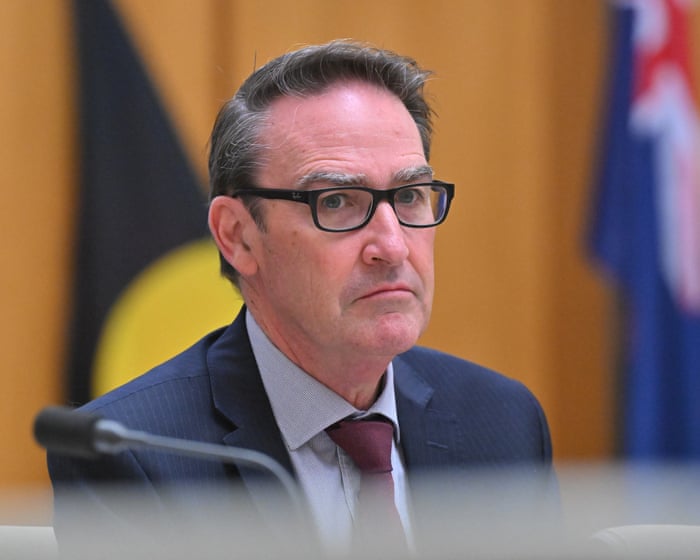
Australia's top government bureaucrats want to stop video clips from parliamentary hearings being shared and edited on social media. They say this would protect officials from online ridicule, while some politicians argue this could limit government transparency.
Key Facts
The secretaries board, which includes heads of government departments, wants limits on sharing and editing videos from parliamentary hearings.
They are concerned videos are shared without context, leading to ridicule and abuse of officials.
The board suggests making full hearings and transcripts available instead of short clips.
They also want to stop politicians from posting content targeting officials personally.
The proposal aims to keep focus on evidence and accountability, not on attacking individuals.
Some politicians, like Greens senator Steph Hodgins-May, argue that public should keep access to video clips for transparency.
Concerns include that some MPs may not fully understand the role of public servants compared to ministers.
The debate follows a request by a defense official not to share her hearing footage on social media, which was rejected by a Senate committee.
Read the Original
Want the full story? Tap a source to open the original
article.
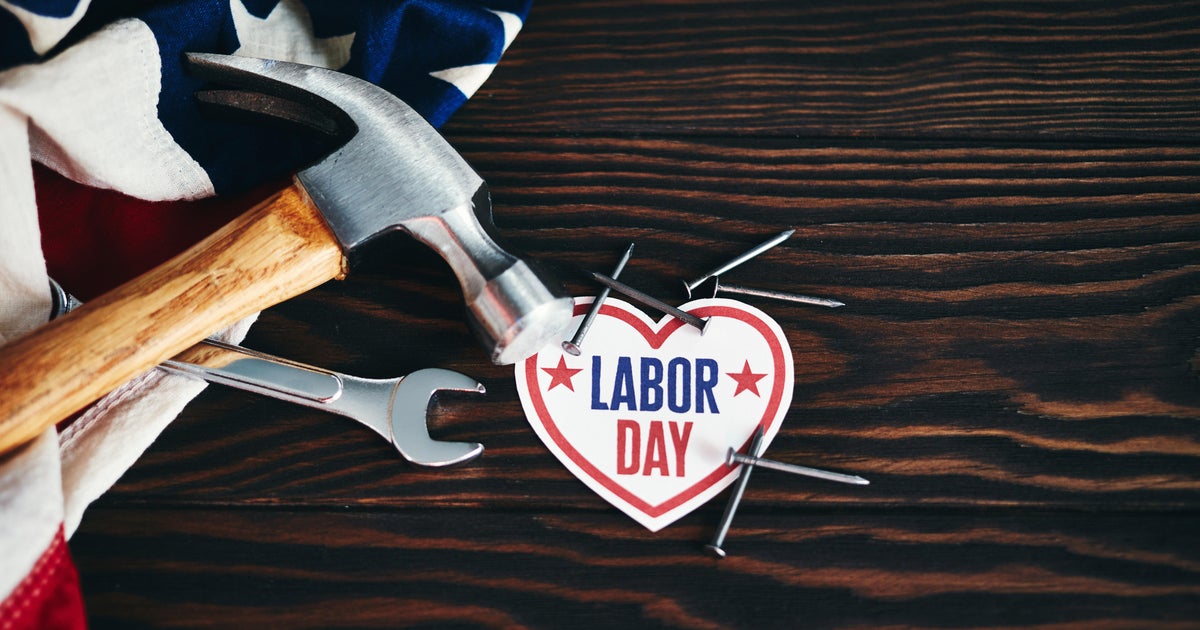
Many major stores and grocery chains will be open on Labor Day, Monday, September 7, 2026, but some may have reduced hours. The stock market, post offices, and banks will be closed in observance of the federal holiday.
Key Facts
Walmart and Target will be open on Labor Day during normal hours.
CVS pharmacies will be open but some locations may have shorter hours.
Grocery stores like Food Lion, Kroger, Trader Joe’s, and Wegmans will be open, though some departments or stores might limit hours.
Several retail stores, including Home Depot, IKEA, Macy’s, and Nordstrom, will operate, but local hours can vary.
Fast-food chains such as McDonald’s, Starbucks, Burger King, and Taco Bell will be open, with hours depending on location.
The stock market will be closed on Labor Day and reopen Tuesday morning.
All post office locations will be closed, and mail delivery will stop for the holiday.
Major banks will not open on Labor Day.
Read the Original
Want the full story? Tap a source to open the original
article.