President Donald Trump plans to change the classification of marijuana from a Schedule I drug to a Schedule III drug. Over 20 Republican senators have expressed their opposition to this plan, arguing it could harm public health and safety. They sent a letter to President Trump urging him not to proceed with the reclassification.
Key Facts
President Trump intends to reclassify marijuana from Schedule I to Schedule III.
Schedule I drugs are considered highly addictive with no accepted medical use, like heroin.
Schedule III drugs include substances like Tylenol with codeine and testosterone.
Over 20 Republican senators oppose the reclassification plan.
The senators' letter warns that easing marijuana rules could pose risks to health and safety.
Senator Ted Budd of North Carolina led the group of senators.
The letter claims the reclassification could undermine Trump's policy agenda.
Republican senators signing the letter include John Barrasso and Jim Banks.
Read the Original
Want the full story? Tap a source to open the original
article.
New plaques have been installed on President Donald Trump's Presidential Walk of Fame, highlighting his achievements and offering criticism of previous Democratic presidents. The plaques praise Trump for various accomplishments, include statements made by him, and are part of broader changes he has made to the White House.
Key Facts
President Trump has two portraits and four plaques, given he has been president twice.
The plaques claim Trump created "the Greatest Economy in the History of the World" during his first term.
Statements on the plaques were written in part by President Trump himself.
Trump's second-term plaque mentions his 2024 popular vote win and the challenges he faced, such as law enforcement issues and assassination attempts.
The plaques are located in a colonnade connecting the White House residence to the West Wing.
Plaques include mentions of Trump when describing other presidents, including Ronald Reagan, Joe Biden, Bill Clinton, and Barack Obama.
White House press secretary Karoline Leavitt said the plaques are "eloquently written," and many were written directly by Trump.
Read the Original
Want the full story? Tap a source to open the original
article.
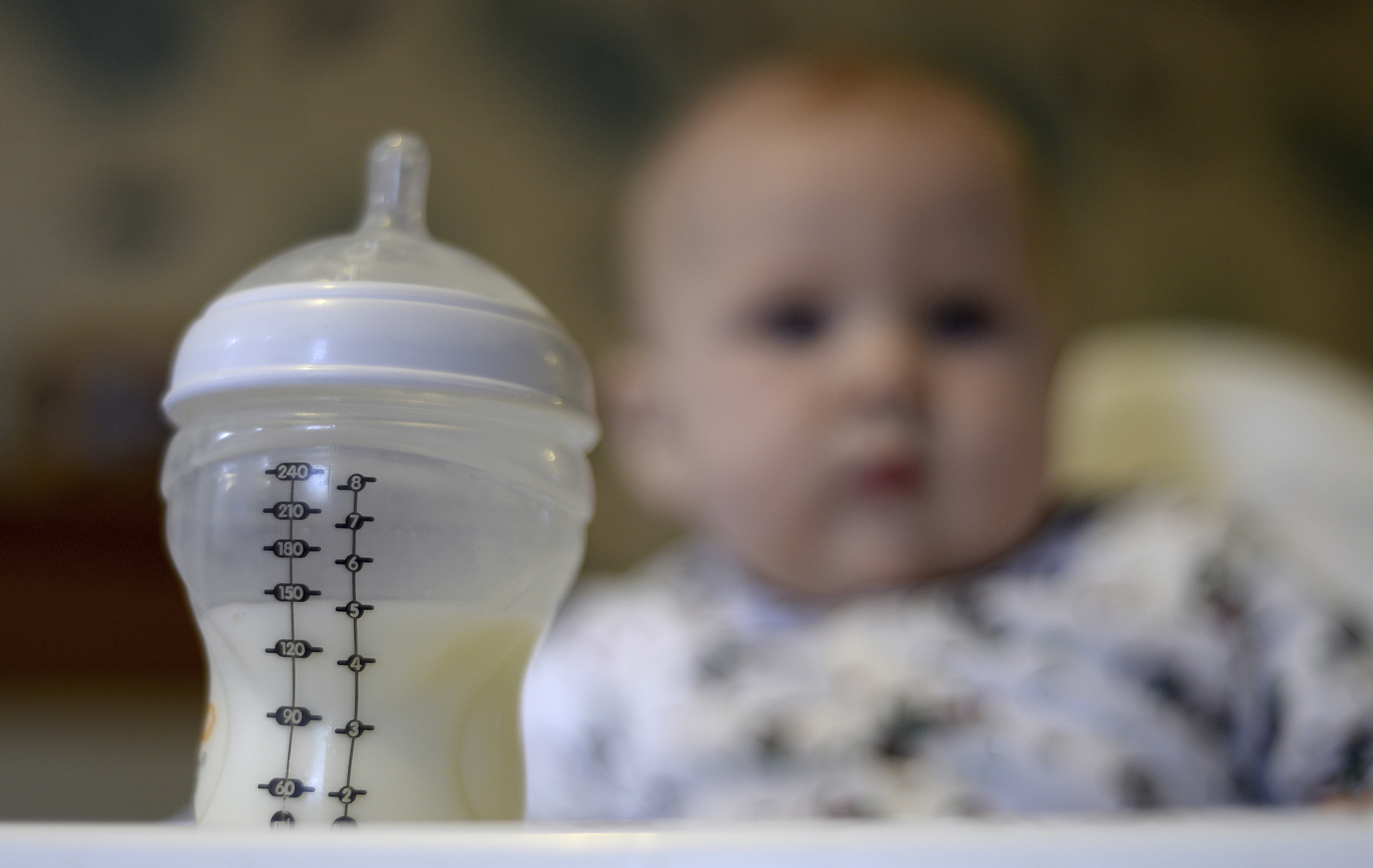
The New York Milk Bank recalled some bottles of donor human milk over contamination concerns. The FDA classified this recall as Class II, meaning it might cause temporary health issues. So far, there are no reports of any illnesses related to this milk.
Key Facts
The New York Milk Bank recalled donor human milk bottles due to possible contamination with foreign objects.
The FDA gave this recall a Class II risk classification, which indicates a moderate level of health risk.
Class II risk means the product may cause temporary or reversible health problems, and the chance of serious harm is low.
The affected product is pasteurized donor human milk in 4 oz/120 ml bottles with batch number 14559-01 and expiry date 5/12/26.
These bottles have a foil seal, green lid, and were only distributed in New York.
A total of 66 bottles are included in the recall.
As of December 15, no illnesses have been reported related to this recall.
The FDA advises consumers not to use the affected product until further notice.
Read the Original
Want the full story? Tap a source to open the original
article.
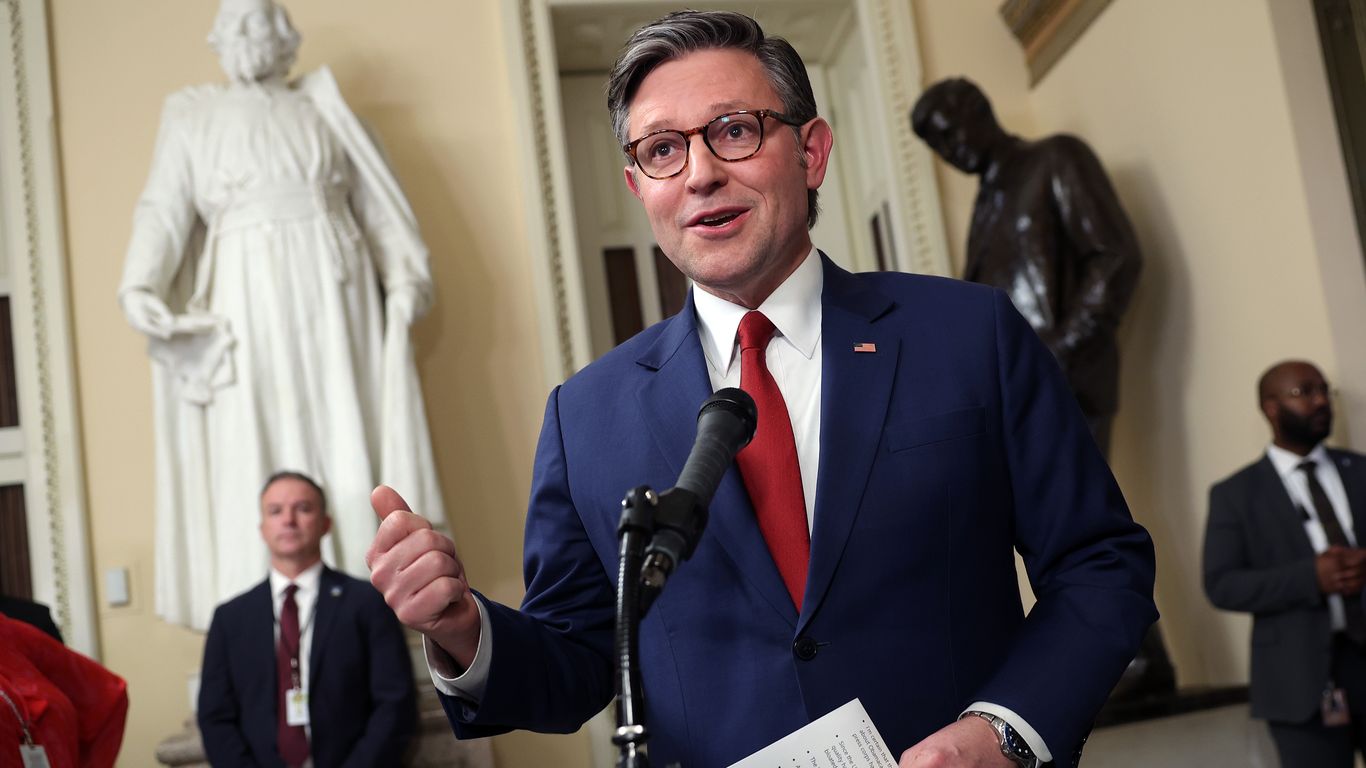
House Speaker Mike Johnson is dealing with tensions within the Republican Party. Some centrist Republicans have pushed for a vote on extending the Affordable Care Act's tax credits, which conservatives oppose. This disagreement has led to internal conflicts and challenges in the House.
Key Facts
Mike Johnson is the Speaker of the House and a Republican from Louisiana.
Some Republicans are upset with Johnson for not allowing a vote on extending ACA tax credits.
Four Republican representatives signed a petition to force a vote on this issue.
Conservatives in the party do not want to support the ACA.
Rep. Eric Burlison expressed frustration with fellow Republicans supporting the petition.
Johnson claims he hasn't lost control of the House, despite the disagreements.
Rep. Greg Steube mentioned the challenges Johnson faces with a narrow majority.
The Senate plans to use the petition to create a bipartisan bill, needing Democrat support to pass in the House.
Read the Original
Want the full story? Tap a source to open the original
article.
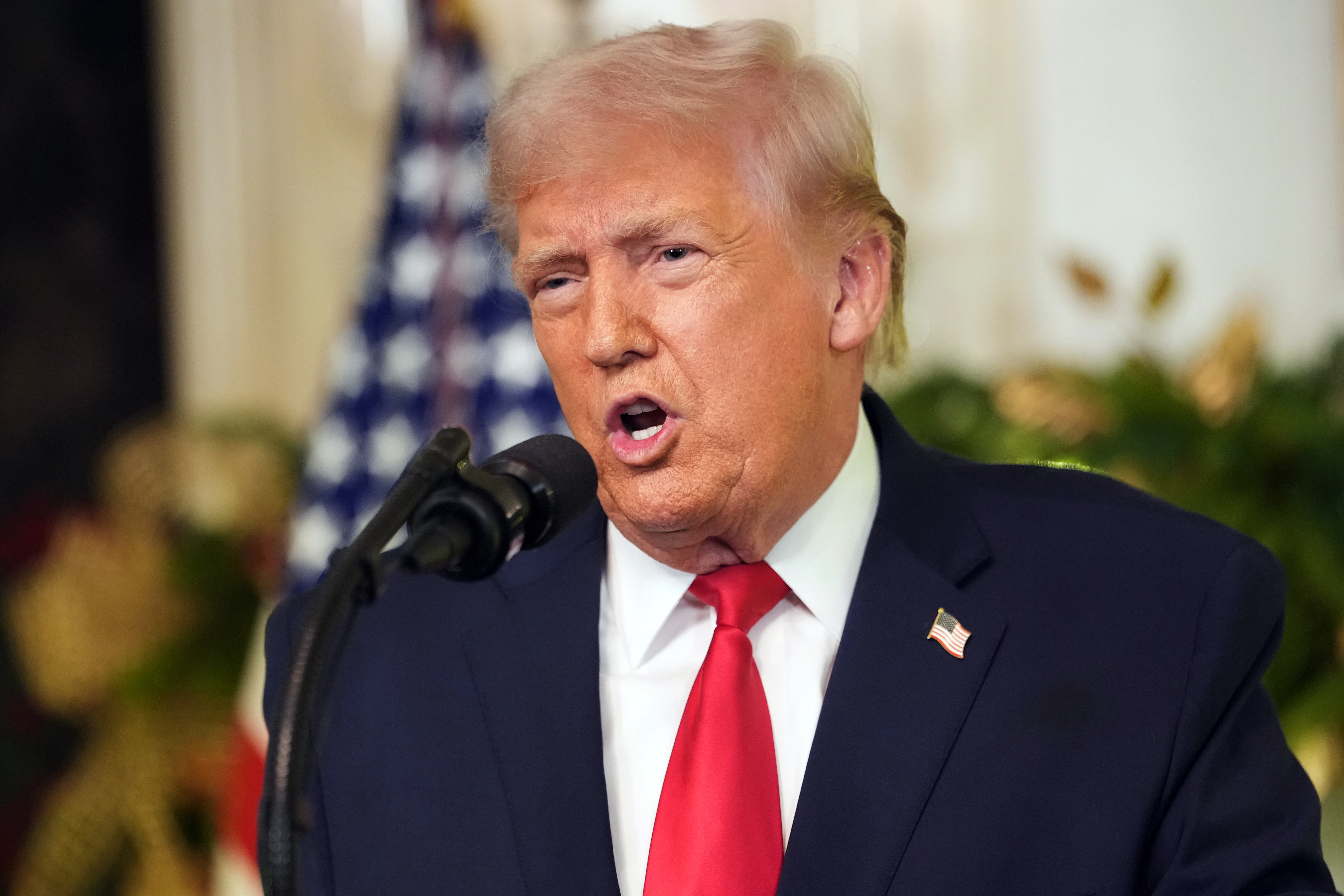
President Trump gave a holiday speech from the White House claiming that the U.S. economy is doing well and attributing any problems to the Democrats. He talked about plans for future economic growth while dismissing current concerns about issues like inflation and wage growth. The speech was focused and delivered according to the prepared script.
Key Facts
President Trump claimed that the U.S. economy is stronger than people think.
He attributed current issues like inflation and wage growth to the Democrats.
Trump announced a "warrior dividend" of $1,776 for service members.
He promised future economic growth through tax cuts and a new bill.
The November jobs report showed a decrease in average hourly earnings growth.
Trump said grocery and electricity costs will decrease, but current data shows prices are rising.
His advisers felt the speech was notable for sticking to the script and being short.
Trump's economic team plans to highlight his policies as beneficial by next year.
Read the Original
Want the full story? Tap a source to open the original
article.
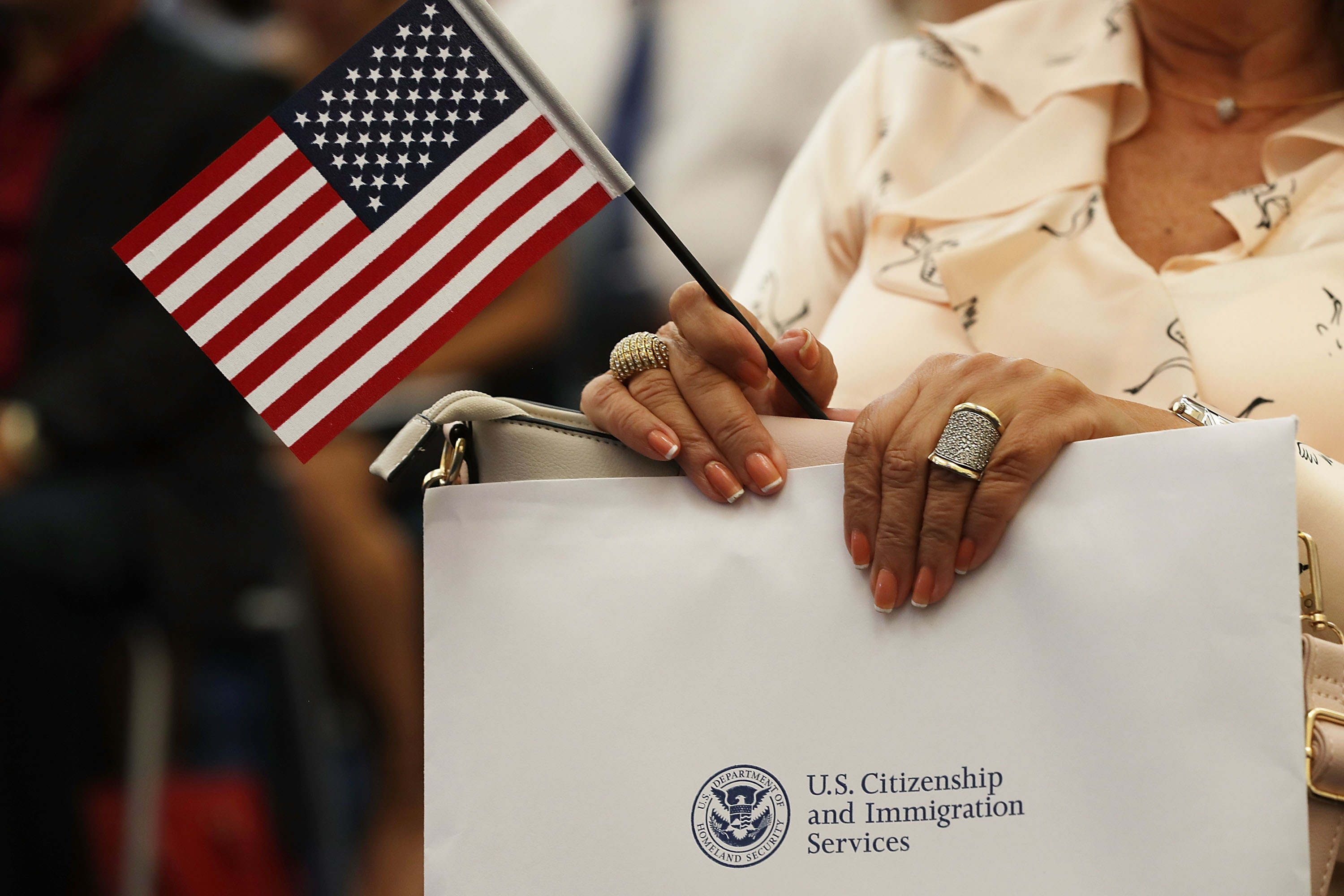
President Trump's administration plans to increase denaturalization cases, which means taking away citizenship from people who became U.S. citizens after immigrating. The plan aims for 100-200 cases per month but is seen as very difficult to achieve due to legal and resource challenges. Experts say the process is complex and could strain government resources.
Key Facts
Denaturalization targets those who became U.S. citizens after immigrating, not those born in the country.
The plan expects USCIS to provide 100-200 denaturalization cases monthly for review.
Only about 120 denaturalization cases were filed between 2017 and 2025.
Denaturalization requires a federal court ruling, not just administrative action.
The law allows denaturalization for fraud during naturalization or certain crimes.
Each case needs a trial, making the process resource-intensive.
Experts warn that the plan could put a strain on USCIS and lead to potential legal issues.
There are approximately 26 million naturalized citizens in the U.S.
Read the Original
Want the full story? Tap a source to open the original
article.
The Trump Administration is encouraging white men who believe they faced discrimination at work to seek assistance under federal civil rights laws. Andrea Lucas, head of the U.S. Equal Employment Opportunity Commission (EEOC), has supported this initiative, emphasizing the dismantling of diversity and inclusion programs. President Trump has signed orders to end such programs across federal bodies, aiming for a "merit-based opportunity."
Key Facts
The Trump Administration is encouraging white men to file claims of discrimination if they believe they have experienced it at work.
Andrea Lucas, chair of the EEOC, has communicated that white males believing they faced discrimination should reach out to the EEOC.
President Trump signed executive orders to eliminate diversity, equity, and inclusion programs in federal agencies.
Title VII of the Civil Rights Act prevents discrimination in employment based on race, gender, and other characteristics.
The EEOC investigates complaints and can sue employers if they break civil rights laws.
Lucas was appointed in 2020 and confirmed for a five-year term to the EEOC.
Democratic lawmakers opposed Lucas' confirmation, fearing her impact on civil rights, while Republicans supported her actions against prior workplace protections.
Vice President JD Vance and Lucas have publicly spoken about the administration's stance on discrimination claims.
Read the Original
Want the full story? Tap a source to open the original
article.
President Donald Trump's approval rating is at 41%, with 50% disapproving, according to a new poll by Emerson College Polling. This gives him a net approval rating of -9 percentage points as 2025 ends. The poll surveyed 1,000 voters and had a margin of error of +/- 3 percentage points.
Key Facts
Emerson College Polling found 41% approve and 50% disapprove of President Trump's job performance.
President Trump ends 2025 with a net approval rating of -9 percentage points.
The poll was conducted between December 14-15, 2025, with a margin of error of +/- 3 percentage points.
Another poll by I&I/TIPP showed a net approval rating of -3 percentage points for Trump.
Morning Consult found Trump has a net approval rating above water in 22 states.
Trump's approval rating has increased from a low of -15 percentage points in November to -11, according to pollster Nate Silver.
Critics cite economic issues and handling of various policies for the low approval rating.
The Republican Party holds a slim majority in the U.S. House and Senate, which could be affected by the upcoming 2026 midterm elections.
Read the Original
Want the full story? Tap a source to open the original
article.
New York is set to become the largest U.S. state to allow assisted dying. The Medical Aid in Dying Act, announced by Governor Kathy Hochul, will permit terminally ill residents to request life-ending medication. The law, expected to be enacted six months after being signed in January, includes several safety measures.
Key Facts
New York will allow assisted dying for terminally ill individuals with six months or less to live.
Governor Kathy Hochul reached an agreement with legislative leaders to pass the Medical Aid in Dying Act.
The law includes safeguards such as a five-day waiting period and mental health evaluations.
Patients must request the medication orally, with requests recorded via video or audio.
Initial evaluations must be done in person by physicians, and only New York residents are eligible.
Religious providers can choose not to participate, and violations of the law will be considered professional misconduct.
New York will join twelve other states and the District of Columbia in allowing similar measures.
Read the Original
Want the full story? Tap a source to open the original
article.
The article discusses the rising cost of living in the United States and President Donald Trump's actions to reduce prices. Ethan Baker talks about these economic challenges and the president's attempts to address them.
Key Facts
The cost of living in the United States is increasing.
President Donald Trump is trying to lower prices.
Ethan Baker is commenting on these economic issues.
The focus is on efforts to manage economic difficulties.
The article addresses domestic economic challenges in the U.S.
Read the Original
Want the full story? Tap a source to open the original
article.
A photo shoot by Vanity Fair featuring close-up images of President Trump's White House staff has sparked reactions online. Photographer Christopher Anderson aimed to capture real, unedited portraits, leading to debate about the limitations of AI in art. Some argue it highlights the importance of real photography, while others feel the portrayal was unfair to the administration.
Key Facts
Vanity Fair published a photo shoot of President Trump's White House staff.
Photographer Christopher Anderson took close-up pictures showing unedited details.
The photos include notable figures like Vice President JD Vance and Secretary of State Marco Rubio.
The photo series sparked online discussions about the capability of AI in art.
Some commenters argue AI cannot replicate the artistry of real photography.
White House Chief of Staff Susie Wiles described the piece as a "hit piece."
Secretary Rubio claimed the images and article were manipulated to make the staff look bad.
The use of AI is growing, with the market expected to reach over $800 billion by 2030.
Read the Original
Want the full story? Tap a source to open the original
article.
President Donald Trump announced that inflation had stopped, but new data from the Bureau of Labor Statistics shows a 2.7% increase in the Consumer Price Index over the past year. This is lower than previous months but still higher than the 2% target set by the Federal Reserve.
Key Facts
President Trump stated his administration is quickly reducing high prices.
The latest Consumer Price Index shows a 2.7% inflation rate for the past year.
This marks a decrease from September's 3% inflation rate.
October's inflation data was not released due to a government shutdown.
Core inflation, which excludes food and energy, is at 2.6%.
Energy prices rose 4.2%, and the food prices increased by 2.6% in the last year.
Electricity costs grew by 6.9%, and gas utility prices increased by 9.1%.
Prices for items like dairy, fresh fruits, and vegetables decreased, while coffee and beef prices rose by 18.8% and 15.8%, respectively.
Read the Original
Want the full story? Tap a source to open the original
article.
On the biggest stories we show what the outlets agree on and where they differ. Readers keep that going, and get the daily digest by email every morning. Most choose $3.99/month.
The United States Postal Service plans to release a special Forever stamp on January 24, 2026, to celebrate the 150th anniversary of Colorado's statehood. The stamp will feature a photograph by the late John Fielder and will be unveiled at an event in Denver. People can purchase the stamp and related products online and at select locations.
Key Facts
The USPS will release a Forever stamp on January 24, 2026, to mark Colorado's 150th anniversary of statehood.
The stamp shows a landscape photo of Jagged Mountain by John Fielder, a respected Colorado nature photographer.
The unveiling event will occur at the History Colorado Center in Denver, and is free to attend.
Amber F. McReynolds, the chairwoman of the USPS Board of Governors, will lead the unveiling ceremony.
John Fielder's collection, which he donated to the History Colorado Center in 2023, will be exhibited on the same date.
People can buy the stamp and related products online at the USPS Postal Store, by phone, mail, or at select post office locations.
Read the Original
Want the full story? Tap a source to open the original
article.
President Donald Trump delivered a 19-minute state-of-the-nation address focusing on immigration, economic promises, and healthcare costs. He blamed immigrants for economic issues, promised an economic boost by 2026, and addressed lowering drug prices through new agreements. Democrats criticized his claims and his approach to the economy and affordability concerns.
Key Facts
President Trump delivered the address without major new announcements.
He blamed immigrants for the U.S. housing crisis and economic problems.
Trump promised an economic boom in 2026 and mentioned changes in Federal Reserve leadership.
Current Federal Reserve Chair Jerome Powell's term ends in May 2026.
Trump's approval rating on the economy is low, with concerns over cost of living.
He proposed lowering prescription drug prices through his new website, TrumpRx.
Critics, including Democrats, challenged his statements and handling of key issues.
Read the Original
Want the full story? Tap a source to open the original
article.
Former White House adviser Karl Rove has warned that the Republican Party might face a big defeat in the 2026 midterm elections if President Donald Trump doesn't improve his approval ratings, especially on the economy. Surveys show many Americans disapprove of Trump's handling of economic issues like inflation, which might affect the GOP's chances in the upcoming elections.
Key Facts
Karl Rove, a former adviser, warned about potential losses for Republicans in the 2026 midterm elections.
President Trump's approval ratings on the economy are low, with many Americans disapproving.
According to one survey, around 62.8% of people are unhappy with Trump’s handling of inflation.
Rove mentioned that Trump’s public appearances might hurt his image because they distract from economic issues.
Many Americans are worried about their financial situation and the country's economic outlook.
The administration claims to be reducing costs, but inflation is still higher than the Federal Reserve's goal.
Rove compared Trump’s handling of the situation to previous President Joe Biden’s approach.
Democrats have focused on affordability issues in recent elections, which could impact GOP success.
Read the Original
Want the full story? Tap a source to open the original
article.
The U.S. Department of State has released the January 2026 Visa Bulletin with new cut-off dates for green card applicants. Some family and employment-based categories, particularly from Mexico and India, have seen advancements. These changes affect when applicants can apply for or receive approval for green cards.
Key Facts
The Visa Bulletin for January 2026 has been released with new dates for green card applications.
Mexico saw significant advancements in family-based categories, with F1 and F2B moving forward by six months.
India’s EB-5 Unreserved category in the employment-based section progressed by over two years.
These changes impact the wait times for U.S. immigrant families and workers.
"Final Action Dates" determine when a green card case can be approved.
"Dates for Filing" indicate when you can submit your green card application.
Family-based green card categories for countries like India and China remained mostly unchanged.
Advancements help reduce waiting times for specific groups, affecting personal and professional planning.
Read the Original
Want the full story? Tap a source to open the original
article.
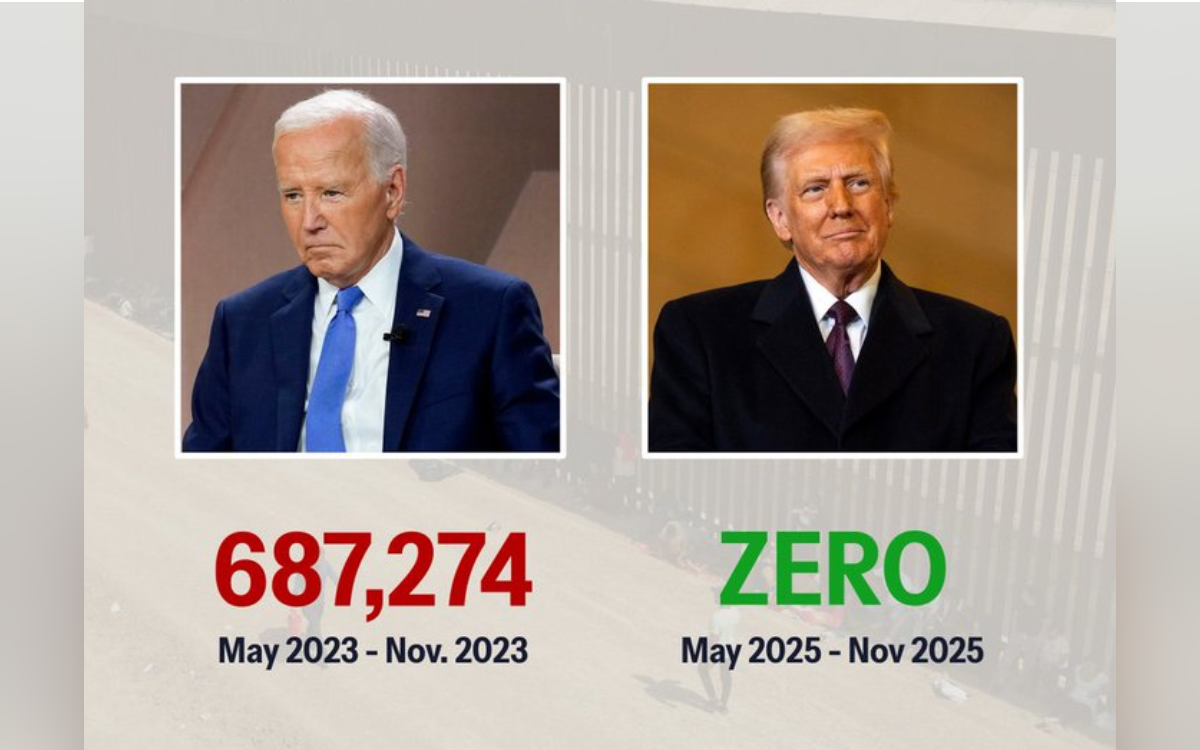
The White House made a typo in an online post about President Trump and Joe Biden. The post compared the number of undocumented immigrants entering the U.S. during their terms, but the mistake in wording caused mixed reactions on social media.
Key Facts
The typo appeared on a post from the official White House account on the platform X.
The post compared immigration numbers under President Trump and former President Joe Biden.
It mistakenly used the word "iilegal" instead of "illegal."
The post received over 1.1 million views and was liked over 46,000 times.
Some comments praised Trump, while others mocked the typo.
Key figures like Congressman Mark Harris and Senator John Boozman commented in support of Trump.
Social media responses were divided, with some users focusing on the typo and others on the immigration message.
Read the Original
Want the full story? Tap a source to open the original
article.
Millions of Americans might see their health insurance premiums rise significantly if the current subsidies under the Affordable Care Act (ACA) expire. The House passed a Republican health care plan to replace current ACA subsidies with different policies, but it is uncertain if the Senate will approve it. If the subsidies expire, premiums could increase by 75%, affecting many people's ability to afford coverage.
Key Facts
House Republicans passed a bill offering an alternative to ACA subsidies.
The bill proposes to extend association health plans and fund cost-sharing reductions.
If subsidies expire, ACA premiums may increase by around 75%.
The Congressional Budget Office (CBO) predicts 4 million Americans could lose coverage.
The bill passed the House by a narrow vote of 216-211.
The Senate's approval of the bill is uncertain.
Representative Thomas Massie was the only Republican to vote against the bill.
House Speaker Mike Johnson promised a vote on the subsidies in early January.
Read the Original
Want the full story? Tap a source to open the original
article.
The article discusses a personal experience of using a weight-loss drug known as GLP-1, which changes how the person thinks about food without requiring traditional efforts like exercise or dieting. The person expresses mixed feelings about their new body shape, concerns over physical changes like loose skin, and reflects on the impact of their past experiences with obesity.
Key Facts
The person uses a medication called GLP-1 that affects their relationship with food.
They feel they obsess less about eating since starting the medication.
Despite losing weight, they feel they did not earn the weight loss through effort.
They notice physical changes such as loose skin and shifted tattoos.
The person acknowledges a level of guilt due to the privilege of affording the drug.
Their partner expresses concerns about rapid physical changes.
They reflect on past experiences of being teased and doctor visits focusing solely on weight.
Read the Original
Want the full story? Tap a source to open the original
article.
Vice President JD Vance and Donald Trump Jr. expressed their belief that diversity, equity, and inclusion (DEI) policies discriminate against white men. President Trump has made policy changes targeting DEI programs, sparking debate and legal challenges. An article shared by Vance claims that DEI policies harm career opportunities for white male millennials.
Key Facts
JD Vance and Donald Trump Jr. shared views opposing DEI policies, suggesting they target white men.
President Trump has enacted changes removing DEI initiatives, which have generated controversy.
A Compact magazine article titled "The Lost Generation" argues that DEI policies harm white male millennials in various industries.
Interviewed individuals in the article preferred to remain anonymous due to concerns about their career prospects.
President Trump’s administration has cut funding for DEI and taken other actions against DEI measures.
Vance claims some Democratic leaders only view racial discrimination against white men as acceptable.
Political Science Professor Scott Lucas criticized Vance’s views as attempts to gain power through regressive policies.
The debate around DEI continues as Trump may introduce more policy changes in his current term.
Read the Original
Want the full story? Tap a source to open the original
article.