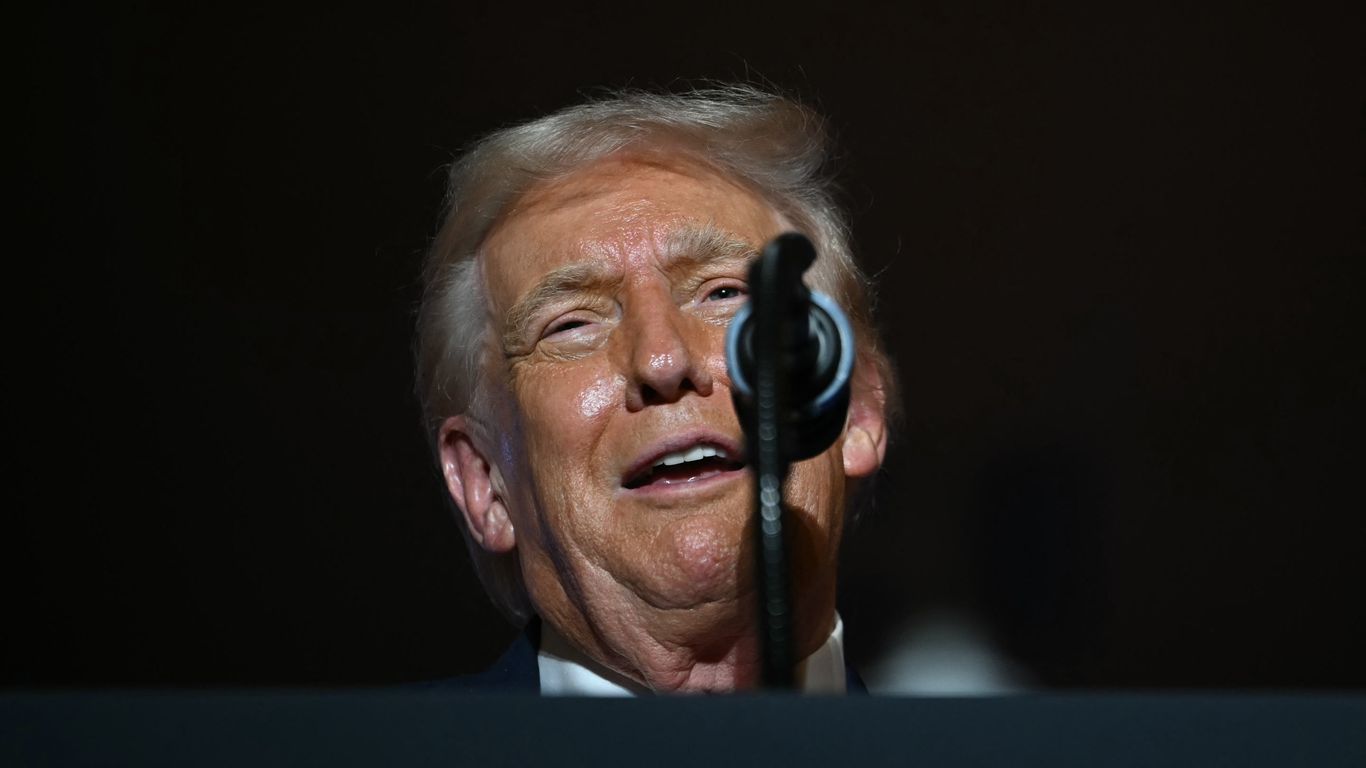
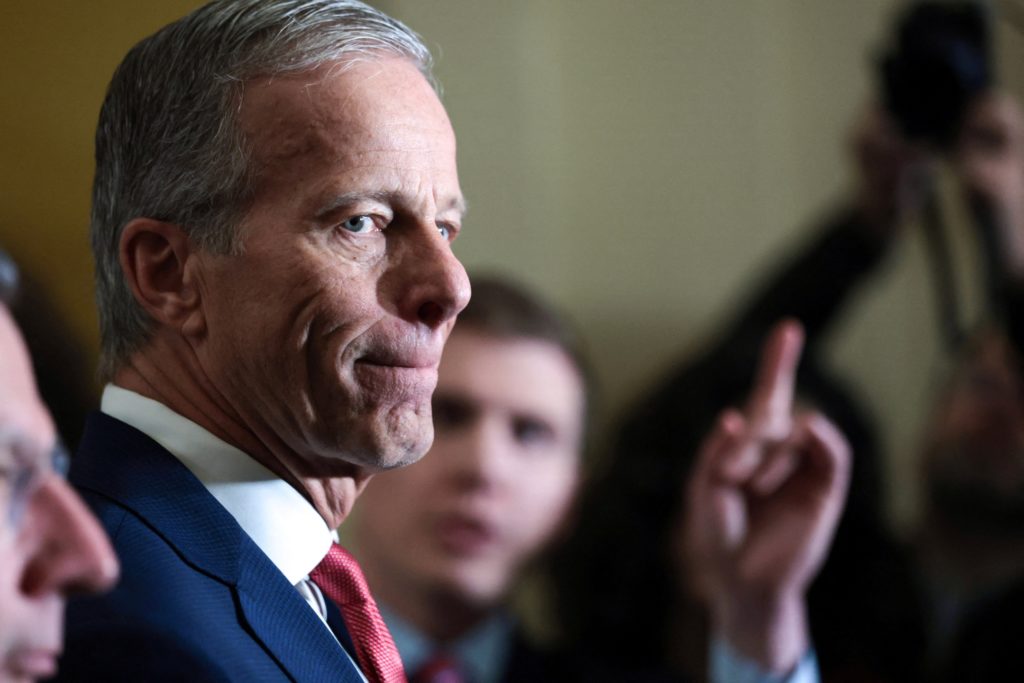
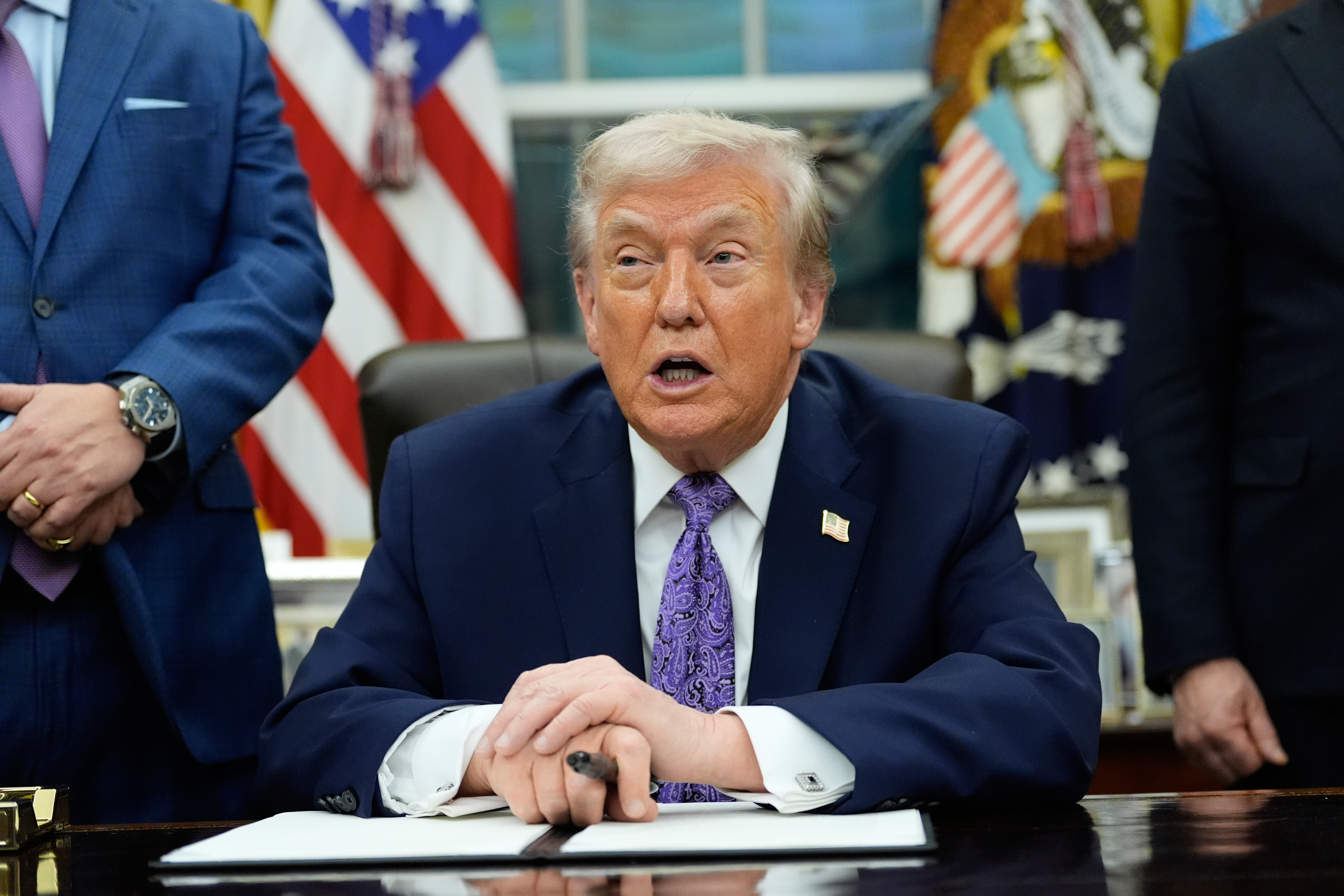
President Donald Trump announced a full pardon for Tina Peters, a former county clerk in Colorado convicted of tampering with voting machines in 2024. Peters was serving a nine-year prison sentence for her involvement in state-level election crimes. The pardon has sparked political debate regarding election integrity and legal accountability.
Key Facts
President Trump granted Tina Peters a full pardon for her actions related to the 2020 presidential election.
Peters was convicted of tampering with voting machines in Colorado and sentenced to nine years in prison.
The case has been a point of contention, with some Republican lawmakers supporting her release.
President Trump criticized Democratic leaders and accused them of ignoring other crimes while focusing on election issues.
Colorado Attorney General Phil Weiser stated that Peters was convicted by a jury and emphasized that no one is above the law in the state.
Peters expressed gratitude for the pardon on social media.
This event is part of ongoing political debates about election security and the rule of law in the U.S.
Read the Original
Want the full story? Tap a source to open the original
article.
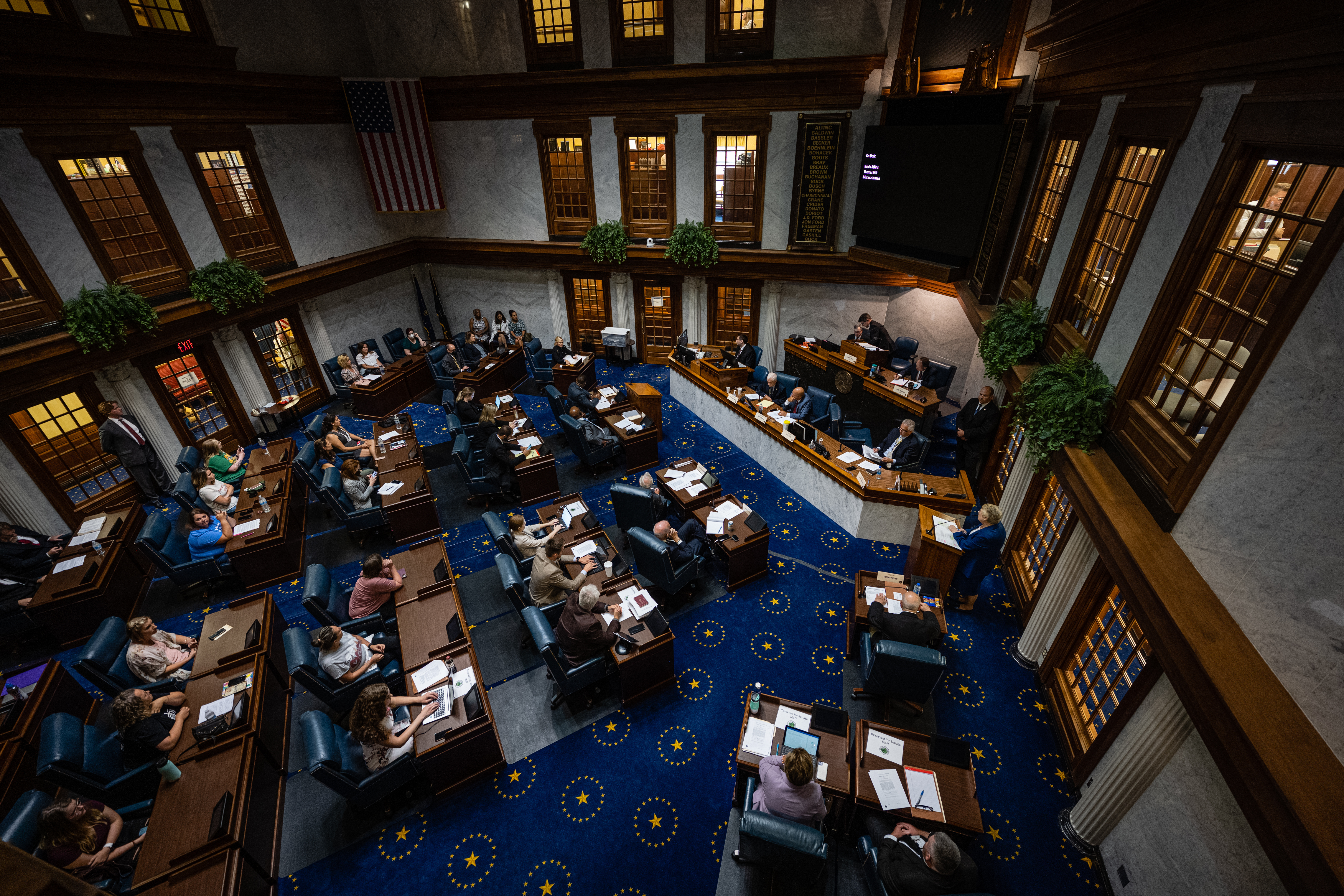
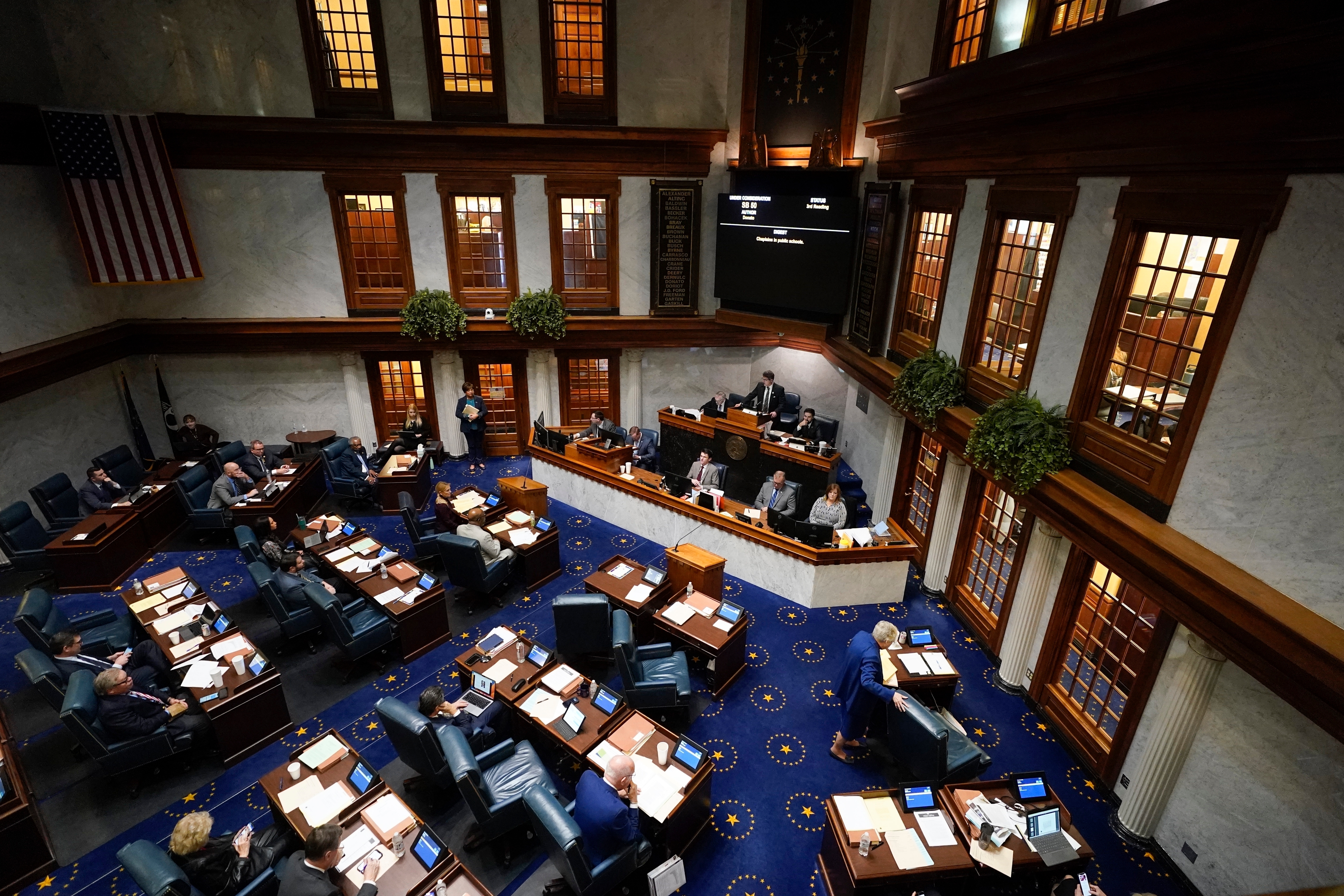
President Donald Trump expressed disappointment after Indiana's Senate voted against a plan to change the state’s congressional map. Many Republican senators joined Democrats in opposing the map, which could have increased Republican seats. President Trump suggested he would support challengers against those opposing the plan.
Key Facts
Indiana Senate voted 31-19 against a new congressional map.
President Trump supported the plan to help Republicans keep a majority in the U.S. House after 2026.
Ten Democrats and 21 Republicans opposed the map.
The new map could have added two Republican seats.
President Trump criticized Indiana Senate leader Rodric Bray over the vote.
Trump suggested support for primary challengers against opposing Republicans.
Read the Original
Want the full story? Tap a source to open the original
article.
In a recent vote, nearly two dozen Democrats in the U.S. House joined Republicans to stop a motion to impeach President Trump. The vote was prompted by Representative Al Green, but was ultimately dismissed following a motion led by House Majority Leader Steve Scalise.
Key Facts
A group of 23 Democrats joined 214 Republicans to block an impeachment vote against President Trump.
Representative Al Green pushed for the impeachment motion, citing Trump abusing presidential power.
The House voted 237 to 140 in favor of not going forward with the impeachment motion.
House Majority Leader Steve Scalise proposed the motion to stop the impeachment vote.
In contrast to a previous similar vote, more Democrats supported the motion to stop impeachment this time.
47 Democrats chose to vote "present," showing neither direct support nor opposition.
Discussions about other potential impeachment actions against Trump and certain cabinet officials are ongoing.
Democrat James Walkinshaw suggested investigations and deliberations should precede impeachment attempts.
Read the Original
Want the full story? Tap a source to open the original
article.
U.S. Senators did not pass two health bills aimed at tackling rising health insurance costs. The Democrat-led bill to extend COVID-era health subsidies for three years did not get enough votes, while the Republican bill to offer direct cash to some citizens also failed.
Key Facts
Two health bills aimed at helping with rising insurance costs were rejected by U.S. Senators.
A Democrat-led bill proposed extending COVID-era health subsidies for three more years.
The Democrat bill did not get the needed 60 votes, despite support from all Democrats and four Republicans.
Without the subsidies, health insurance premiums could increase significantly.
A Republican-led bill proposed giving up to $1,500 to certain individuals for their health costs.
The Republican bill included restrictions on how funds could be used, causing opposition.
Rising healthcare costs, combined with increased food and housing expenses, are straining families financially.
Read the Original
Want the full story? Tap a source to open the original
article.
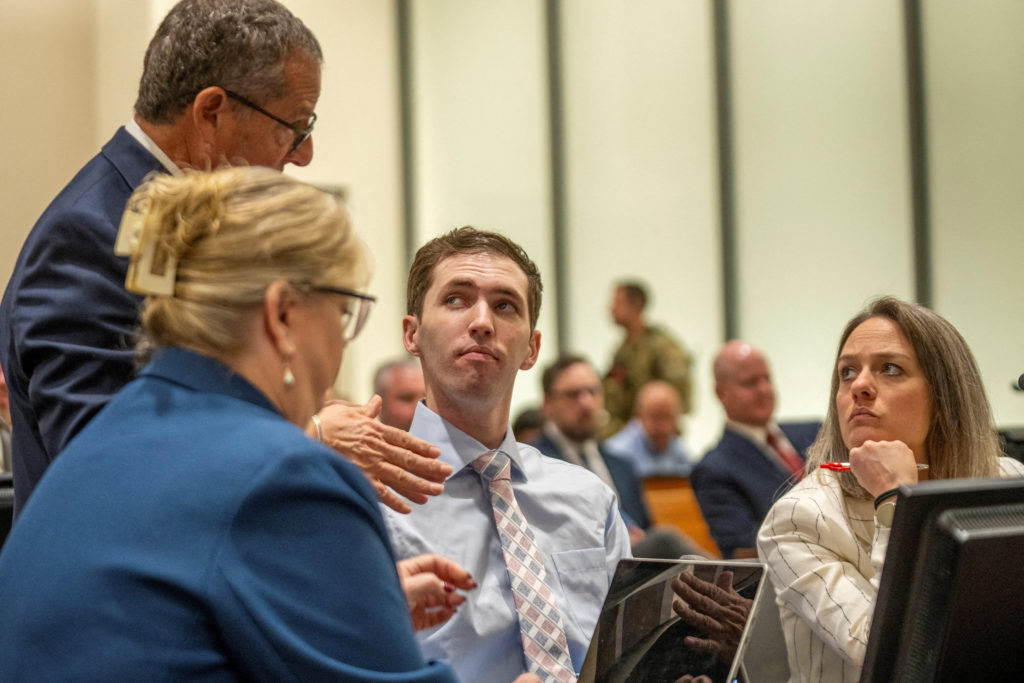
Tyler Robinson has been charged with the murder of conservative activist Charlie Kirk, and he appeared in court for the first time in person. As the case attracts significant media attention, the court is deciding whether to limit media access to ensure a fair trial. Robinson's lawyers have requested to ban cameras in the courtroom, but the judge has not yet made a decision on this request.
Key Facts
Tyler Robinson is charged with aggravated murder for the shooting of Charlie Kirk at Utah Valley University.
Prosecutors are seeking the death penalty against Robinson.
The court is considering whether to limit media coverage due to concerns it could affect Robinson's right to a fair trial.
Judge Tony Graf stopped a court hearing livestream temporarily over concerns about showing Robinson's restraints.
Robinson has been allowed to wear street clothes during hearings but must remain restrained for security reasons.
News organizations argue that open courtrooms are important for public trust and want continued access.
Several students who were near the shooting attended the court hearing for more clarity on the incident.
Read the Original
Want the full story? Tap a source to open the original
article.
The U.S. Senate did not pass two health care bills. As a result, tax credits under the Affordable Care Act (ACA) are likely to end soon, affecting many Americans.
Key Facts
The Senate voted on two different health care bills but did not approve either.
The failure to pass these bills means ACA tax credits may expire by the end of the year.
These tax credits help make health insurance more affordable for many Americans.
Without the credits, millions might face higher health insurance costs.
Lawmakers are going on a recess without reaching an agreement on the issue.
Read the Original
Want the full story? Tap a source to open the original
article.
Indiana's Senate, controlled by the Republican Party, voted against changing the state's electoral district maps. A grand jury did not charge New York Attorney General Letitia James with mortgage fraud. Additionally, a man named Kilmar Abrego Garcia left a detention center in Pennsylvania by order of a federal judge, and U.S. officials report more cases of measles.
Key Facts
Indiana's GOP-led Senate decided not to change the state's electoral maps.
A grand jury chose not to indict New York Attorney General Letitia James regarding mortgage fraud allegations.
A federal judge ordered Kilmar Abrego Garcia's release from an immigration detention center in Pennsylvania.
U.S. health officials report an increase in measles cases.
The events happened as part of a broader news update on Thursday.
Read the Original
Want the full story? Tap a source to open the original
article.
A group of Republican lawmakers in Indiana voted against a redistricting bill supported by President Donald Trump, which aimed to change how the state's congressional districts are drawn. This bill aimed to increase Republican chances in future elections. The proposal failed due to opposition from both Republicans and Democrats in the state Senate.
Key Facts
Indiana Republican lawmakers voted against a redistricting bill supported by President Trump.
The bill aimed to split Indianapolis into four districts benefiting Republicans.
The Indiana House passed the bill with a 57-41 vote.
The final Senate vote was 19 in favor and 31 against the bill.
A total of 21 Republican senators joined 10 Democrats in opposing the bill.
The bill's failure creates uncertainty in the GOP's future election strategies in Indiana.
President Trump criticized those who voted against the bill, suggesting political consequences.
Indiana Senate Pro Tem Rodric Bray faced criticism from Trump despite his broader Republican support.
Read the Original
Want the full story? Tap a source to open the original
article.
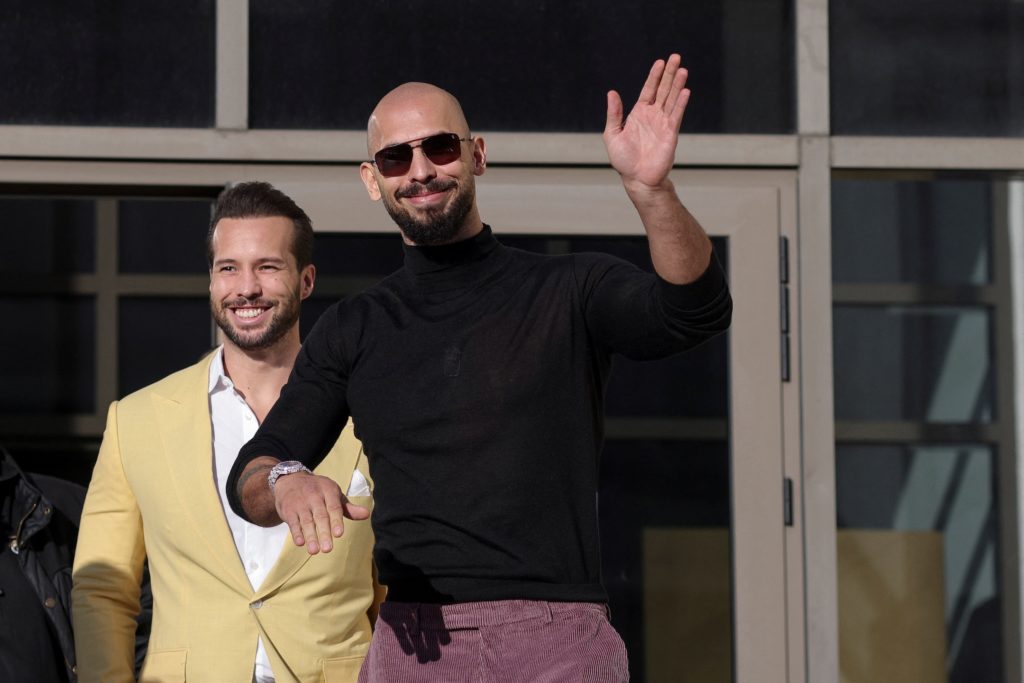
A report from The New York Times investigates connections between the Trump Administration and conservative supporters of Andrew and Tristan Tate, who face charges of rape and human trafficking. The investigation suggests involvement from some members of President Trump’s family.
Key Facts
The New York Times published a report on the involvement of the Trump Administration with the Tate brothers.
Andrew and Tristan Tate are right-wing influencers facing serious charges, including rape and human trafficking.
The investigation explores how President Trump's family and his administration may have supported the Tates.
Megan Twohey, an investigative reporter, contributed to breaking this story.
Conservative circles are mentioned in connection with supporting the Tates.
The report is part of a larger investigation into ties between influential figures and the Tates.
Read the Original
Want the full story? Tap a source to open the original
article.
President Donald Trump criticized some Indiana Senate Republicans for rejecting a redistricting plan supported by the GOP. He mentioned he would back a primary challenger against Senate leader Rodric Bray. Trump expressed his disappointment, noting his past election successes in Indiana.
Key Facts
Indiana Senate Republicans rejected a GOP-supported redistricting map.
President Trump criticized Senate leader Rodric Bray for this decision.
Trump stated he would support a rival candidate to Bray in future elections.
Trump noted his past electoral victories in Indiana.
He mentioned the rejection as a missed opportunity to gain additional seats for the party.
Read the Original
Want the full story? Tap a source to open the original
article.
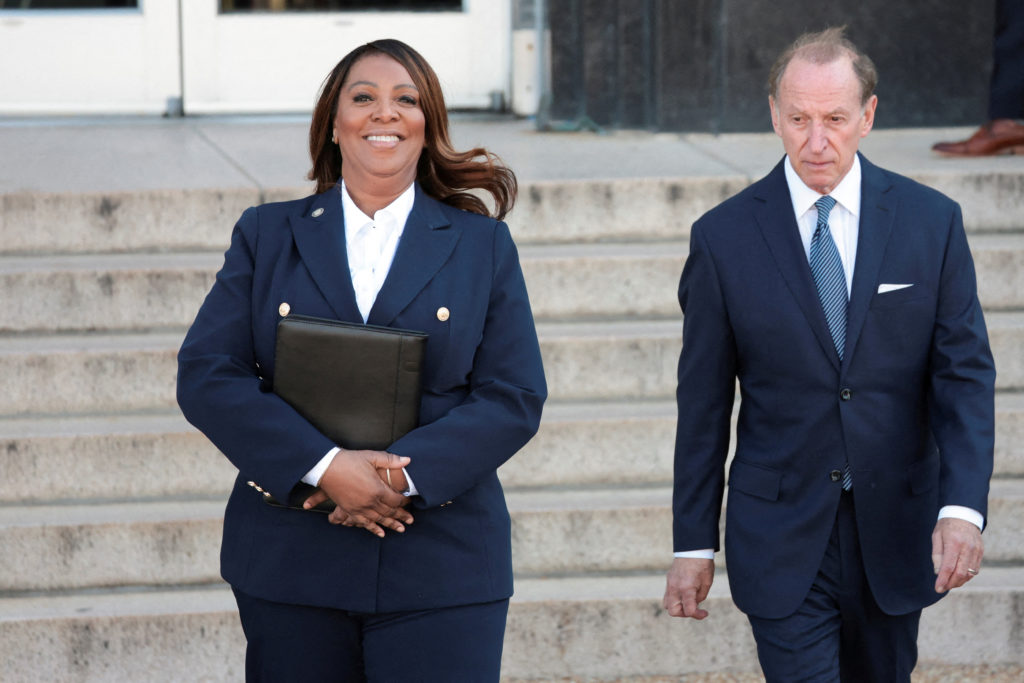
A grand jury has twice decided not to re-indict New York Attorney General Letitia James. This is significant because the Justice Department, under President Trump, has been trying to prosecute some of his political opponents.
Key Facts
A grand jury declined to re-indict Letitia James twice in one week.
The Justice Department is pursuing cases against people they see as political opponents of President Trump.
The grand jury's decisions are considered setbacks for the Justice Department.
The rejections suggest that the evidence presented was not convincing to the jury members.
The Justice Department is reportedly focused on cases against Trump critics like Letitia James and James Comey.
Grand jury rejections can be unusual and are seen as significant in legal proceedings.
Read the Original
Want the full story? Tap a source to open the original
article.
The Senate voted against both Democratic and Republican plans to address rising out-of-pocket costs for Affordable Care Act (ACA) enrollees, leaving enhanced tax credits set to expire at the end of the year. Democrats and Republicans remain divided on how to handle this issue, impacting health care conversations before the upcoming midterm elections.
Key Facts
The Senate rejected both parties' proposals related to ACA subsidies.
Democrats proposed a three-year extension of enhanced tax credits, which failed with a 51-48 vote.
Four Republicans voted for the Democratic plan; it needed 13 for passage.
The Republican plan proposed payments to health savings accounts instead of extending subsidies and also failed 51-48.
There is ongoing skepticism about reaching a bipartisan agreement on healthcare.
Most Republicans oppose extending subsidies, considering it as wasteful spending.
A poll found 74% of the public supports extending the ACA subsidies.
Some House lawmakers are pushing for compromise plans, but it remains uncertain if these will pass.
Read the Original
Want the full story? Tap a source to open the original
article.
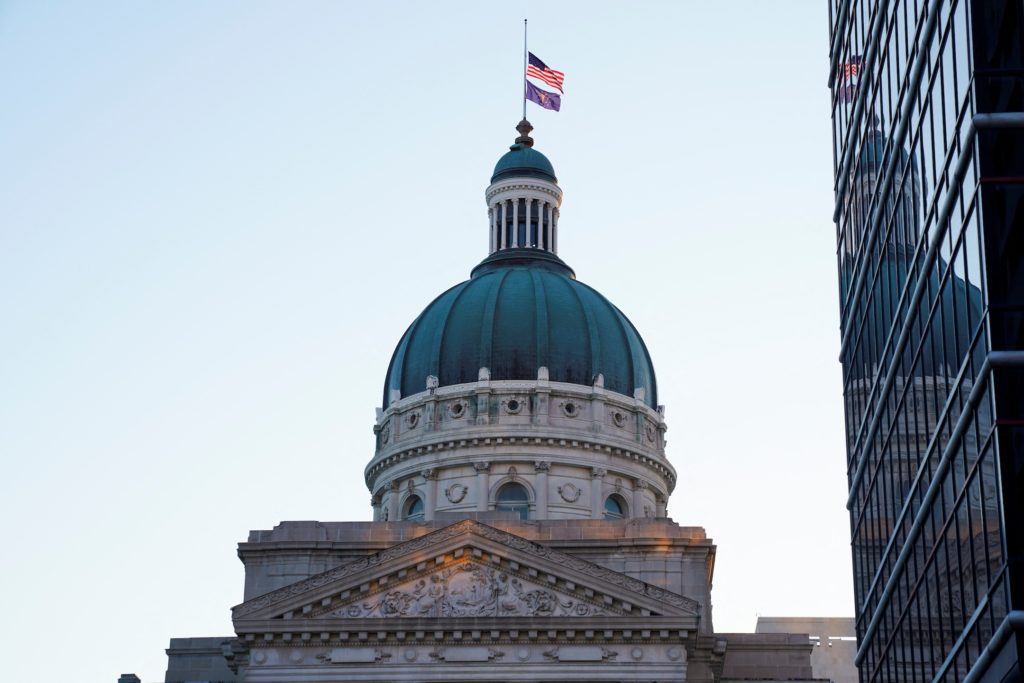
Indiana's Republican-led senate voted against a new congressional map that was meant to give their party an advantage in the 2026 elections. President Donald Trump had pressured for this mid-cycle redistricting to favor Republicans, but the proposal was rejected by a combination of Republican and Democratic senators.
Key Facts
Indiana's senate is led by Republicans and a proposal for new district lines was voted down.
The new map was supposed to help Republicans win more seats in the 2026 elections.
President Trump wanted states to change district lines before the usual 10-year cycle.
Twenty-one Republican senators and all 10 Democratic senators opposed the plan.
Trump urged Republicans to redraw districts to have more favorable election outcomes.
Trump criticized senators who resisted the plan, hinting at supporting their challengers in future elections.
Some Indiana lawmakers received threats during the debate about redistricting.
Half of Indiana's state senate will have elections in 2026.
Read the Original
Want the full story? Tap a source to open the original
article.
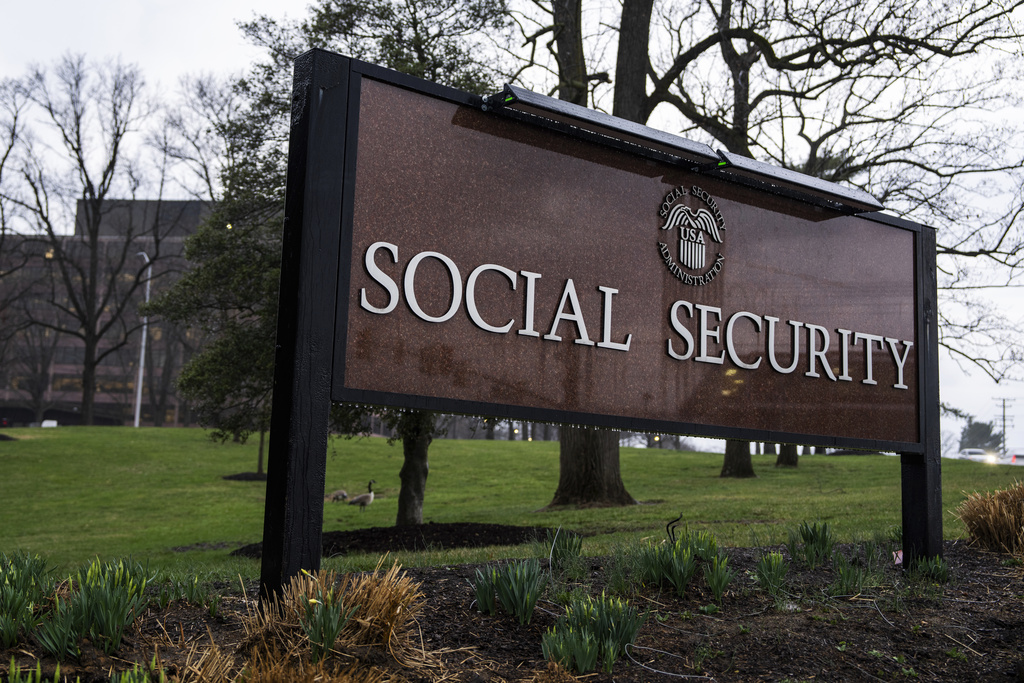
The U.S. Department of Health and Human Services (HHS) urged 39 states to stop redirecting Social Security benefits meant for foster children to cover state expenses. The department aims to ensure these benefits support the children's needs and help them transition to adulthood.
Key Facts
The Administration for Children and Families (ACF) sent letters to 39 governors about the policy change.
States often use foster children's Social Security survivor benefits to cover foster care costs.
The ACF wants these benefits to be used for the children's unmet needs and future.
Approximately 27,000 foster children receive Social Security benefits.
Eleven states have already changed their policies to protect these benefits for the children.
The ACF and Social Security Administration plan to work with states to stop this practice.
President Trump and HHS Secretary Robert F. Kennedy Jr. support the initiative to protect foster children's benefits.
Read the Original
Want the full story? Tap a source to open the original
article.
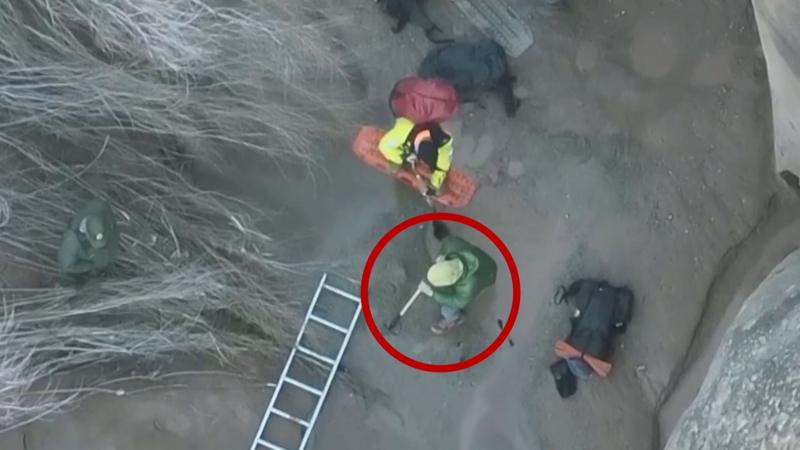
A hiker named Austin Dirks was trapped in quicksand while hiking in Utah's Arches National Park. He used a GPS device to send his location to rescuers and was stuck for two hours before being rescued by a drone.
Key Facts
Austin Dirks got stuck in quicksand in Arches National Park in Utah.
He used a GPS satellite messenger to contact rescuers.
Dirks was trapped for two hours before help arrived.
The temperature was around 20 degrees Fahrenheit while he was trapped.
A rescue drone was used to locate him.
The rescue operation was reported by CBS News, a partner of the BBC.
Read the Original
Want the full story? Tap a source to open the original
article.
An Indiana state senator, Mike Gaskill, claimed that a new civil war in the United States has begun. He made this statement while urging support for a redistricting bill backed by President Trump, which ultimately failed in the Indiana Senate.
Key Facts
Mike Gaskill is a state senator from Indiana and a member of the Republican Party.
Gaskill declared that a "second civil war" has started in the U.S.
He linked this claim to support for a redistricting effort.
The redistricting plan was supported by President Donald Trump.
The Indiana Senate voted against the redistricting bill, with a result of 19 in favor and 31 against.
The push for redistricting was backed by Trump, but it did not pass.
This is a developing story, and more information will be added as updates become available.
Read the Original
Want the full story? Tap a source to open the original
article.
The Indiana Senate has decided not to move forward with a plan to redraw the state's voting districts, despite President Donald Trump's support for the plan. This decision is part of ongoing national discussions about redistricting, where both political parties try to shape voting districts in their favor for future elections.
Key Facts
The Indiana Senate rejected a redistricting plan that President Trump supported.
Republicans and Democrats in Indiana voted together against the redistricting proposal.
The proposed plan aimed to give Republicans two more seats in Indiana.
Redistricting can impact elections by changing how voting districts are shaped.
The Indiana House had previously approved the plan with a vote of 57 to 41.
Most U.S. states have engaged in redistricting efforts, but Indiana rejected it.
The U.S. Supreme Court allowed Texas's new congressional map to proceed as planned.
Read the Original
Want the full story? Tap a source to open the original
article.
New York Attorney General Letitia James received a legal win when a grand jury decided not to re-charge her with mortgage fraud after a previous case was dismissed. The Justice Department had twice tried to indict her, but both attempts were unsuccessful. The case has been closely watched due to its connections to President Donald Trump.
Key Facts
A grand jury in Virginia chose not to re-indict Letitia James on mortgage fraud charges.
The initial case was dismissed by a judge due to an improper prosecutor appointment.
The prosecutor, Lindsey Halligan, was linked to President Trump and lacked experience.
The Justice Department made two unsuccessful attempts to indict James.
The situation highlights concerns about using legal action for political purposes.
President Trump has openly criticized Letitia James on social media.
Legal experts have commented on the Justice Department’s persistent efforts to indict James.
Read the Original
Want the full story? Tap a source to open the original
article.
Some House Republicans are trying to force a vote to extend Affordable Care Act (ACA) tax credits, which help people pay for health insurance. These credits are set to expire at the end of 2025. A group of Republicans has joined with Democrats to push for a vote because the credits impact millions of Americans.
Key Facts
ACA tax credits help about 24 million Americans pay for health insurance.
The tax credits are scheduled to expire at the end of 2025.
Without action, people could lose the financial help or receive less, leading to higher insurance costs.
The Senate rejected both Democratic and Republican bills to extend these credits.
Representative Brian Fitzpatrick, a Republican, introduced a discharge petition to force a vote in the House.
At least 6 Republicans and multiple Democrats support Fitzpatrick's petition for a two-year extension.
Discharge petitions are rare and need 218 House signatures to succeed.
If these credits end, millions might face higher premium costs they can't afford.
Read the Original
Want the full story? Tap a source to open the original
article.
A U.S. judge has ordered the release of Kilmar Abrego Garcia from immigration detention. Abrego Garcia was previously deported by President Trump's administration to El Salvador but later returned to the U.S. after it was determined he faced danger there. The judge ruled that his detention was not lawful, and he is now seeking asylum in the U.S.
Key Facts
Kilmar Abrego Garcia is a resident of Maryland who entered the U.S. as a teenager without proper documentation.
A U.S. District Judge ordered his release from immigration detention.
Abrego Garcia was wrongfully deported to El Salvador in March by the Trump administration.
An immigration judge ruled in 2019 that he could not be deported to El Salvador due to gang threats against his family.
His deportation sparked criticism of President Trump's deportation policies.
Authorities attempted to deport him to various African countries after his return.
Abrego Garcia has filed a lawsuit claiming the Trump administration is using deportation as punishment due to the publicity of his case.
He faces charges of alleged human smuggling, which he denies, claiming the charges are unfair.
Read the Original
Want the full story? Tap a source to open the original
article.