A heavy snowstorm in Lynchburg, Virginia, delayed personal property tax payments by one day. The storm led to the closure of municipal offices and various local services, with warnings for residents to stay safe if they must travel.
Key Facts
Personal property tax payment deadline in Lynchburg extended by one day due to snow.
Lynchburg, Virginia, experienced 4 to 6 inches of snow due to a winter storm.
All municipal offices in the city closed on Monday because of the storm.
Public services like Lynchburg Public Library and city neighborhood centers also closed.
Residents were advised to travel only if necessary and with caution.
Payment methods included online options and City Hall drop box.
Municipal offices planned to reopen with tax payments due the following day.
Public Works focused on clearing major roads and advised against unnecessary travel.
Read the Original
Want the full story? Tap a source to open the original
article.
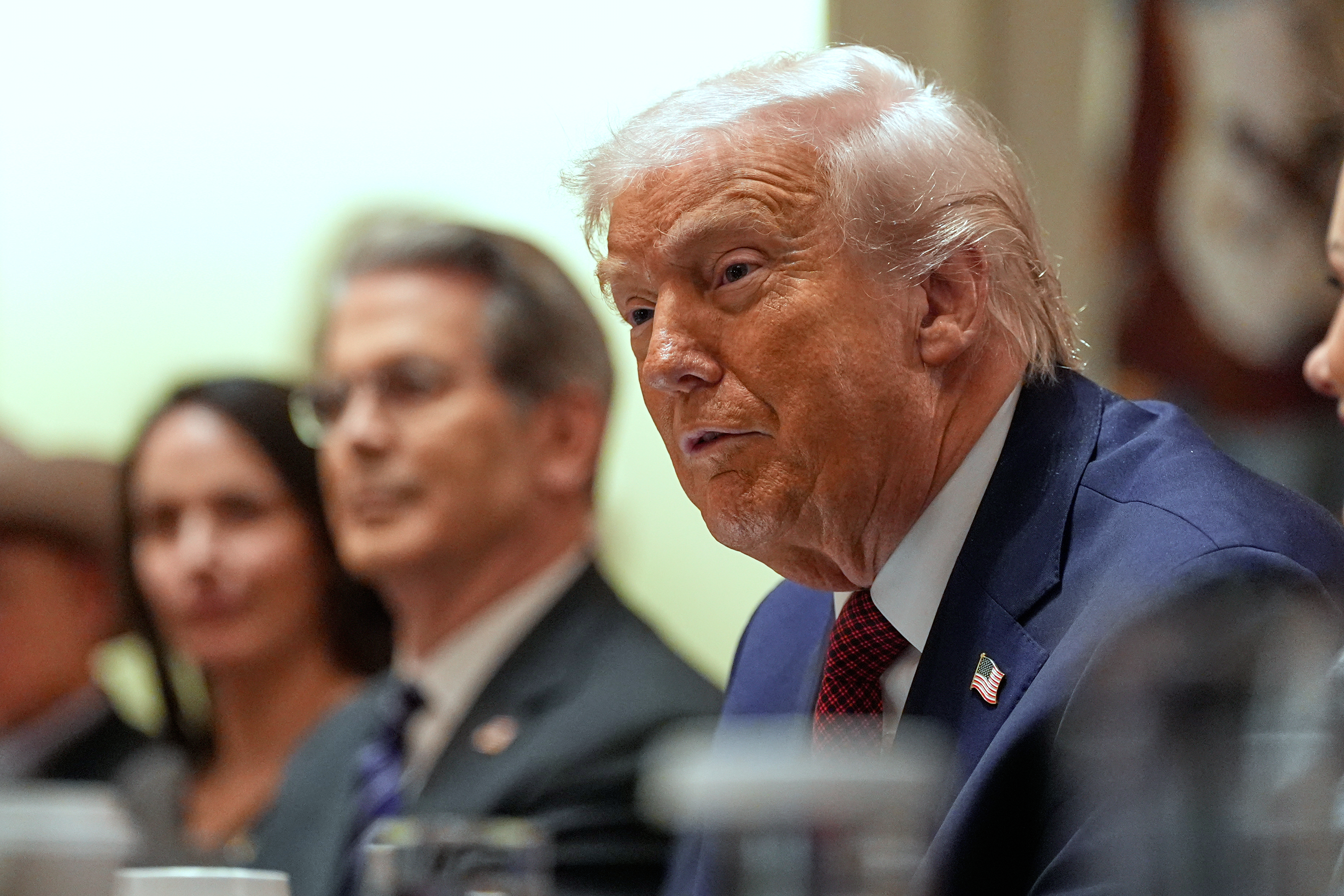
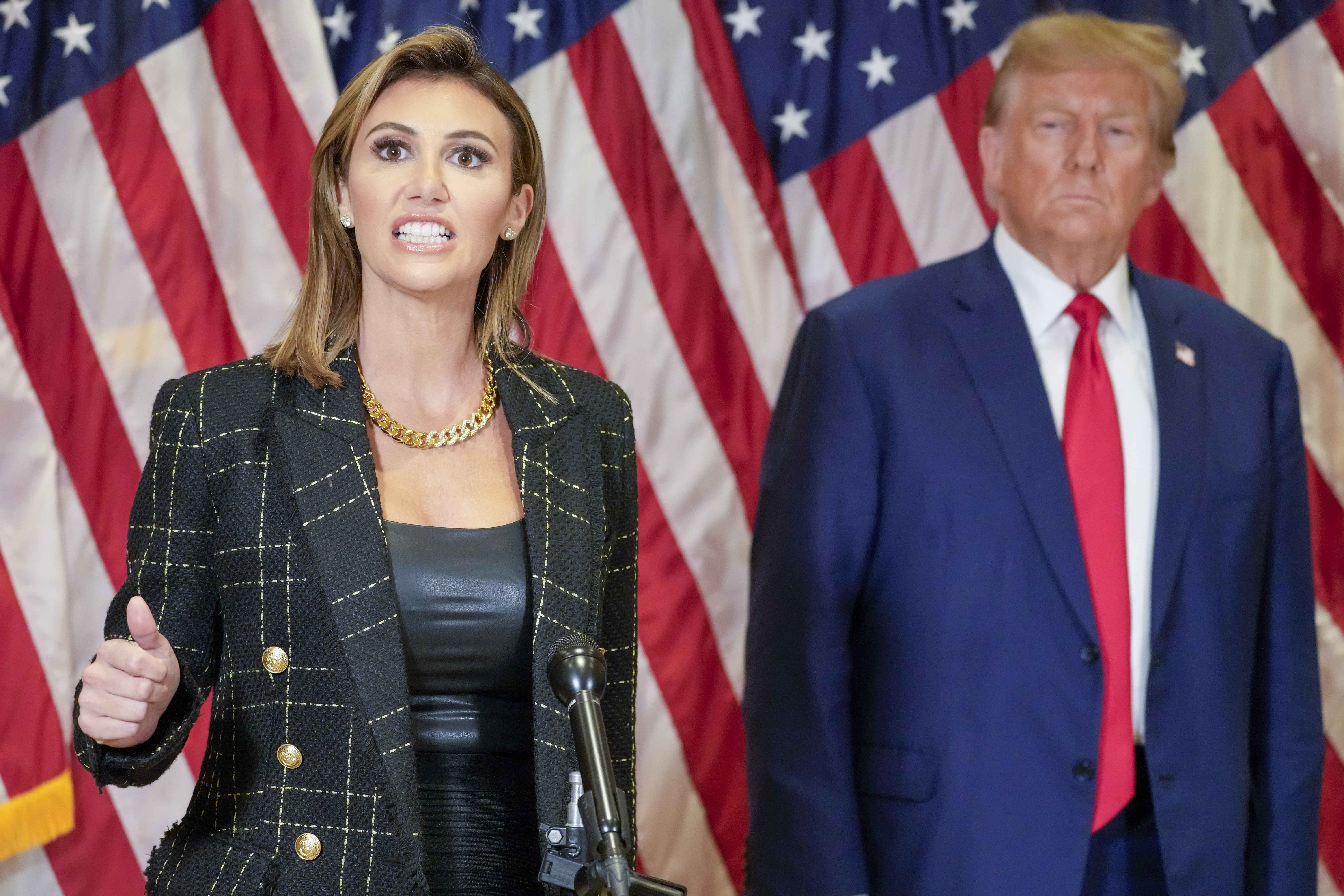
Alina Habba, a former lawyer for President Donald Trump, resigned as the chief federal prosecutor for New Jersey. She stepped down because a court decided she was serving unlawfully in that role. Habba will continue working at the Justice Department as a senior adviser.
Key Facts
Alina Habba used to be a personal attorney for President Donald Trump.
She resigned as the top federal prosecutor for New Jersey on Monday.
A court of appeals said she was serving unlawfully in the prosecutor role.
Habba described the court's decision as political in her social media statement.
She decided to resign to maintain her office's stability and integrity.
Habba will stay in the Justice Department as a senior adviser to U.S. Attorney General Pam Bondi.
Her former prosecutor duties will be taken over by three other lawyers temporarily.
Read the Original
Want the full story? Tap a source to open the original
article.
Rep. Jasmine Crockett has announced her run for the U.S. Senate in Texas, seeking the Democratic nomination. Her decision follows Colin Allred's exit from the race and comes just before the candidate filing deadline. The race is significant as Democrats aim to win a statewide race in Texas, which has not happened in decades.
Key Facts
Jasmine Crockett filed paperwork to run for a Texas U.S. Senate seat as a Democrat.
Her announcement came shortly before the Texas candidate filing deadline.
Colin Allred exited the Senate race to run for a new congressional district.
Crockett will not run for re-election to her House seat, which she has held since 2023.
She first entered Congress in 2022 after serving in the Texas House.
The Senate race, featuring candidates from both major parties, is expected to gain national attention.
Polling indicates Crockett has strong recognition among Democrats but also faces some opposition.
Her campaign affects local political dynamics, with shifts in congressional district races in North Texas.
Read the Original
Want the full story? Tap a source to open the original
article.
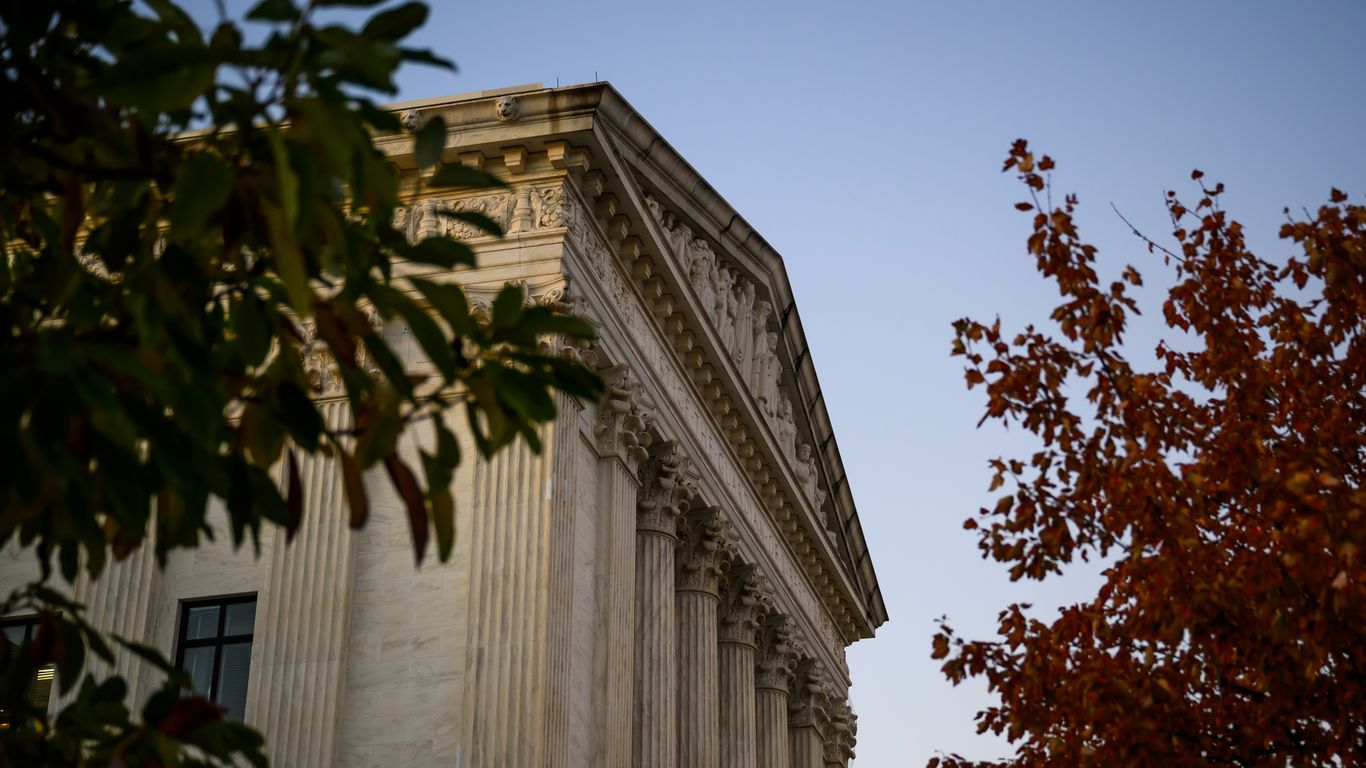
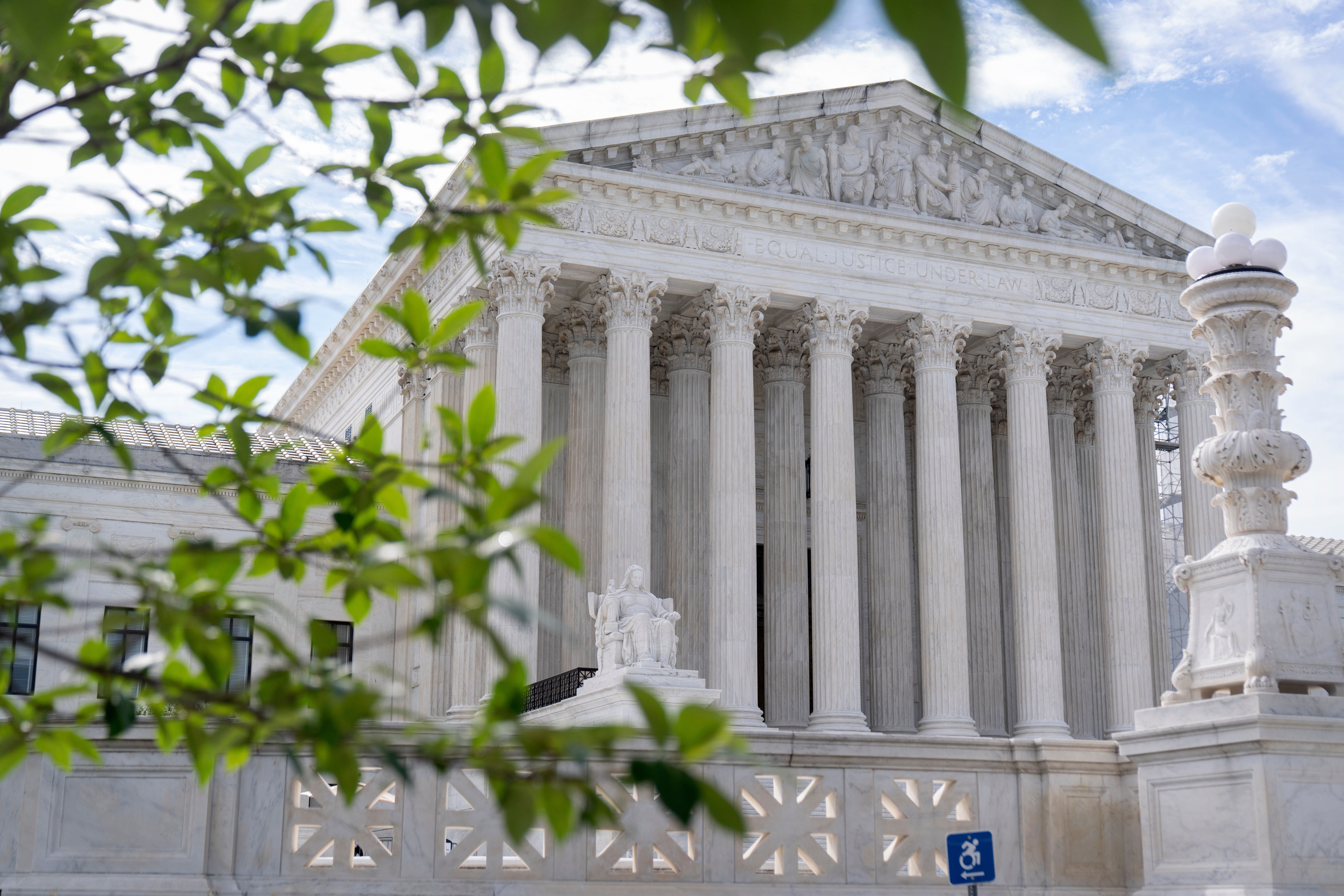
The Supreme Court is hearing a case on President Trump's authority to fire independent agency leaders. At stake is a precedent from 1935, known as Humphrey's Executor, which limits the President's ability to remove agency heads without cause. The decision could allow more direct presidential control over agencies.
Key Facts
President Trump fired Rebecca Slaughter, a Democratic FTC Commissioner, and wants the Supreme Court to allow such removals.
Humphrey's Executor, a case from 1935, set rules that protect agency heads from being fired without specific reasons.
Recently, the Supreme Court weakened this precedent for federal agencies with a single director.
In 2023, the Supreme Court allowed Trump to remove members of boards like the National Labor Relations Board.
A federal judge initially blocked Trump’s removal of Slaughter, but the Supreme Court allowed it temporarily.
Justice Elena Kagan dissented, arguing the court shouldn't change the balance of power between Congress and the President.
The case reflects ongoing debates over presidential power and control of independent federal agencies.
Read the Original
Want the full story? Tap a source to open the original
article.
President Donald Trump has announced a $12 billion aid plan to help U.S. farmers affected by trade issues with China. This aid is designed to support farmers dealing with increased costs and reduced markets due to tariffs on Chinese goods. The plan includes financial assistance mainly for soybean and sorghum farmers, who have been hit hardest by these trade tensions.
Key Facts
President Trump announced a $12 billion farm aid package.
The aid aims to help farmers affected by tariffs on Chinese goods.
Most of the $12 billion will go to soybean and sorghum farmers.
These farmers rely heavily on exports to China, which have decreased.
The remaining funds will go to farmers growing other crops.
The aid is intended to stabilize farmers as they plan for the next season.
China has not yet met its promised purchase levels of U.S. soybeans.
President Trump has previously used farm aid programs to support farmers.
Read the Original
Want the full story? Tap a source to open the original
article.
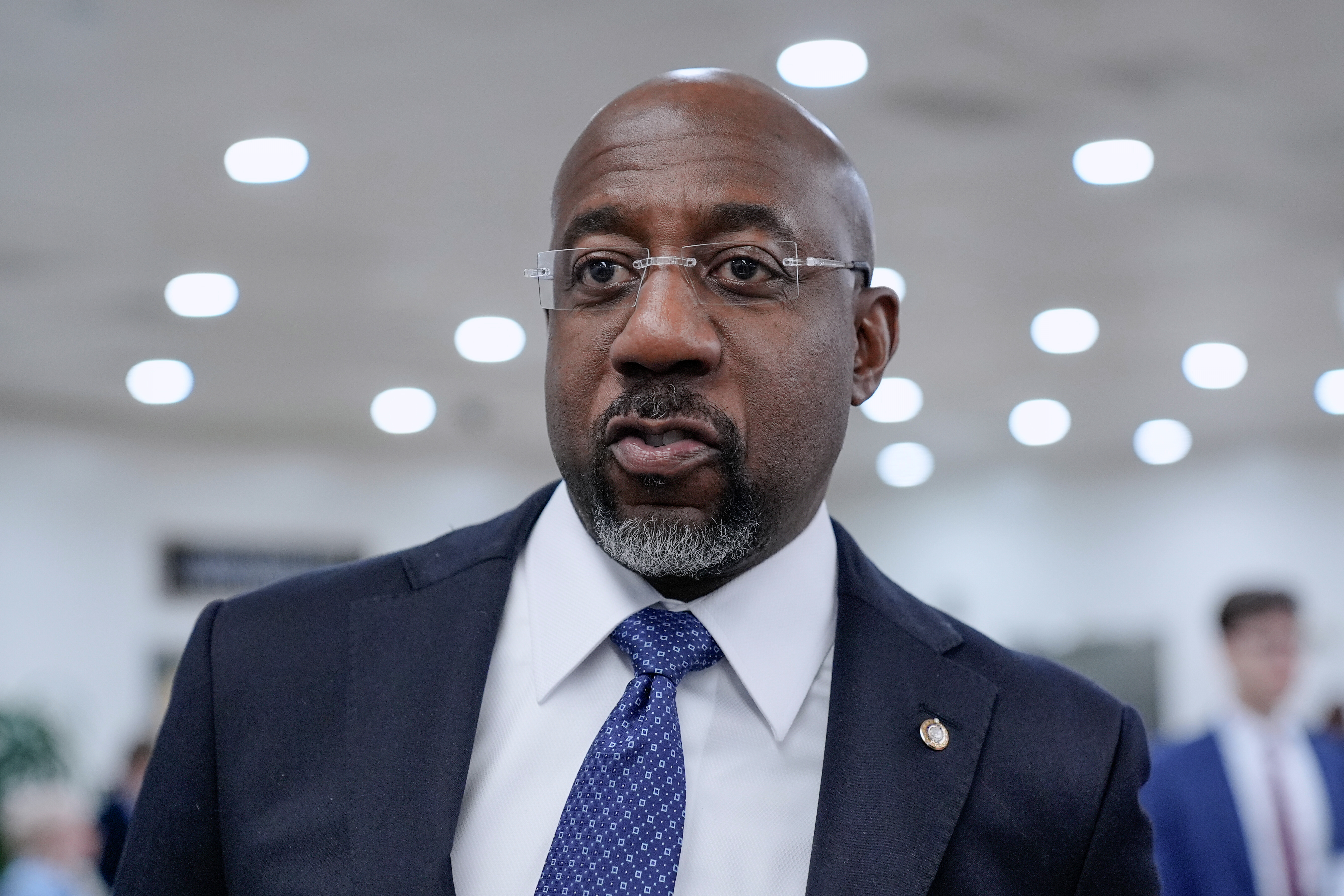
Senator Raphael Warnock criticized President Donald Trump's policies as contrary to Christian teachings. Warnock, a Baptist pastor, argues that these policies negatively affect vulnerable populations and misuse religious symbols. The two are competing for influence ahead of the 2024 presidential election.
Key Facts
Senator Raphael Warnock criticized policies of President Donald Trump, stating they go against Christian teachings on caring for the poor.
Warnock is also a pastor at Ebenezer Baptist Church in Atlanta, giving his words significant influence.
Trump frequently uses religious imagery and references the Bible in speeches.
Warnock highlighted Trump's past attempt to sell a Trump-branded Bible as an example of inappropriate use of religious symbols.
The senator criticized Trump's policy decisions such as reducing food aid and cutting healthcare for vulnerable groups.
Warnock has been vocal about his disagreements with Trump’s use of religion in politics in various interviews and public appearances.
The Trump campaign responded to Warnock's criticisms, dismissing his statements.
Read the Original
Want the full story? Tap a source to open the original
article.
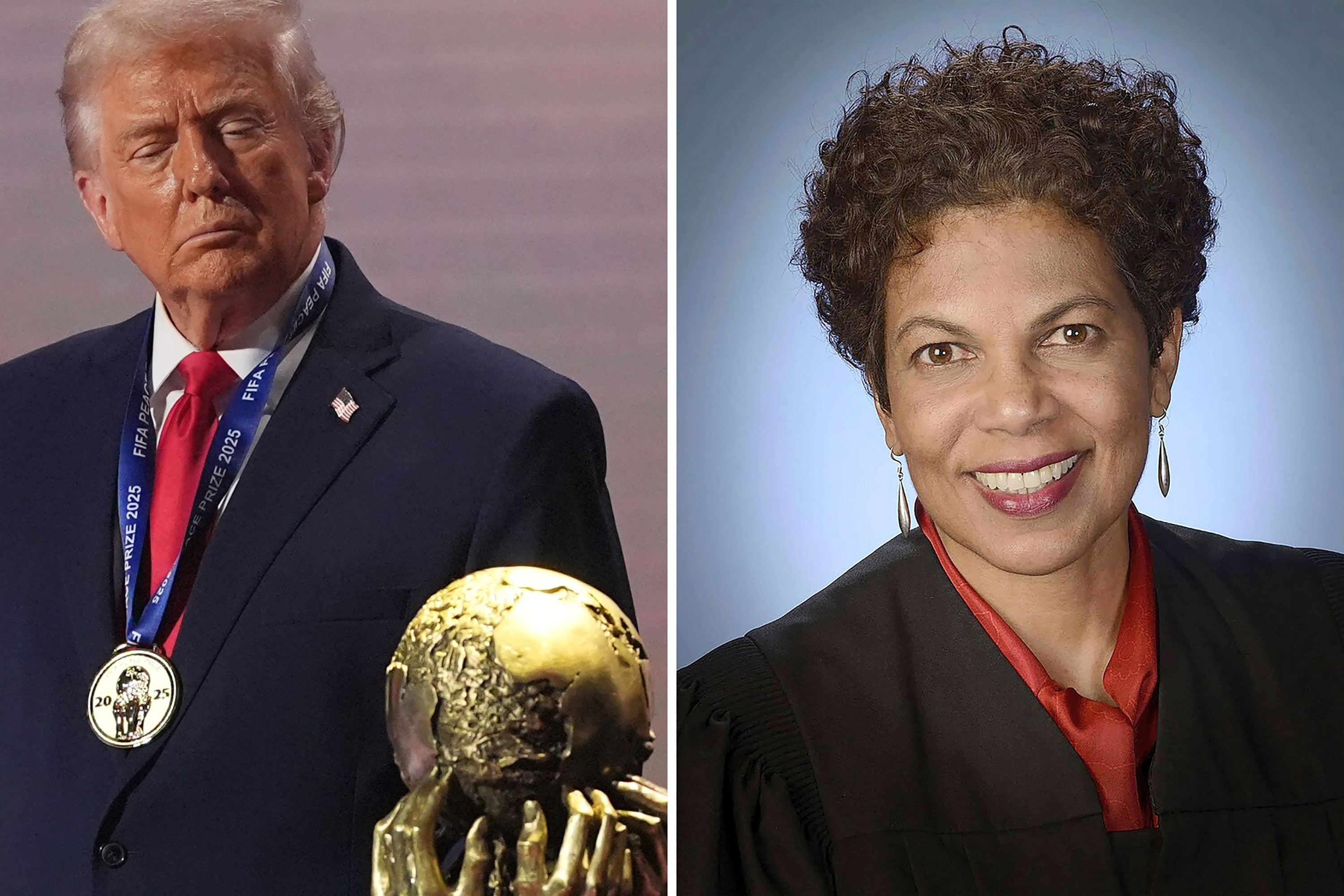
Alina Habba announced her resignation as the U.S. Attorney for New Jersey after a court ruled she was serving illegally. Despite disagreeing with the decision, Habba decided to step down to maintain the office's stability. She will stay with the Justice Department as a senior advisor to Attorney General Pam Bondi.
Key Facts
Alina Habba resigned as U.S. Attorney for New Jersey following a court ruling.
The court said she was serving unlawfully since her temporary term expired.
Habba was appointed to the role in March and faced opposition from New Jersey's Democratic senators.
Pam Bondi, Attorney General, reappointed Habba after firing a deputy who was temporarily filling the position.
A federal court confirmed that Habba's appointment was unlawful, causing delays in court operations.
Alina Habba previously worked as President Trump’s legal spokesperson during his time out of office.
Other Trump-era U.S. attorney appointments have faced similar legal challenges.
Read the Original
Want the full story? Tap a source to open the original
article.
Representative Marjorie Taylor Greene's response to criticism from President Donald Trump gained widespread attention. She posted "I AM AMERICA FIRST" on social media after Trump questioned her loyalty to his movement.
Key Facts
Marjorie Taylor Greene is a U.S. Representative from Georgia.
President Donald Trump publicly criticized Greene.
Trump mentioned Greene in a lengthy post on Truth Social.
Trump mocked Greene and questioned her loyalty to his "MAGA" movement.
Greene responded by posting "I AM AMERICA FIRST" on the social media platform X.
Greene's post had over 1.7 million views by Monday afternoon.
Read the Original
Want the full story? Tap a source to open the original
article.
A new plan proposed by Republicans may increase health care premiums for many Americans. This plan involves extending tax credits temporarily while phasing out subsidies for higher-income individuals. The plan aims to change how financial assistance is given to those buying health insurance.
Key Facts
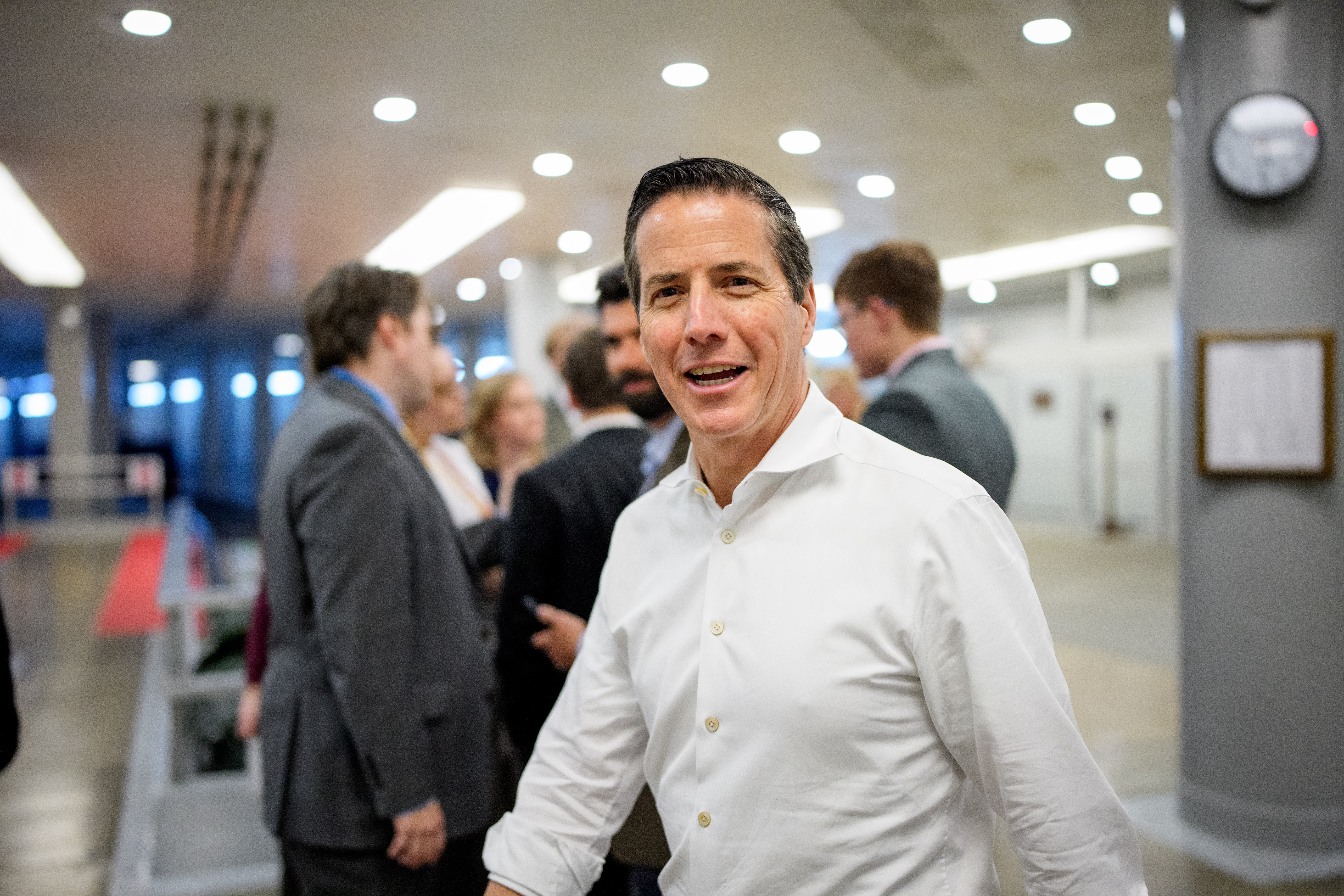
The plan is called the Consumer Affordability and Responsibility Enhancement (CARE) Act.
It was co-introduced by Senator Bernie Moreno, a Republican from Ohio.
During the COVID pandemic, extra tax credits helped 24 million Americans get coverage.
The new plan would phase out these credits for people earning over $200,000 annually.
A minimum $25 monthly payment for health care will be required to avoid zero-cost plans.
Critics say this proposal could raise premiums, especially impacting middle-income and older adults.
Some lawmakers say the plan is a temporary measure to manage affordability without major disruptions.
Read the Original
Want the full story? Tap a source to open the original
article.
Four former federal employees have sued President Donald Trump over his executive orders that ended Diversity, Equity, and Inclusion (DEI) programs in the federal government. The lawsuit questions whether it is legal for a president to fire government workers for their perceived political beliefs or past involvement in equity-related work. The case is filed in the U.S. District Court in Washington, D.C.
Key Facts
Four former federal workers filed a lawsuit against President Trump for removing DEI programs.
The lawsuit was filed on December 3, 2025, in Washington, D.C.
The case challenges the legality of firing workers based on perceived political views or past duties related to equity.
The executive orders in question are numbered 14151 and 14173.
Plaintiffs claim they lost jobs in various federal roles not specifically tied to DEI offices.
They argue that the executive orders harmed rights to free speech and association.
The lawsuit seeks job reinstatement, compensation, and asks for a class-action certification.
Trump's orders directed the removal of DEI programs and re-evaluation of past civil-rights policies.
Read the Original
Want the full story? Tap a source to open the original
article.
Twelve former FBI agents are suing after being fired for kneeling during a 2020 protest in Washington. They claim the kneeling was meant to calm a tense situation and not a political statement. They allege their dismissals by Director Kash Patel were unfair and politically driven.
Key Facts
Twelve former FBI agents were fired after a protest in Washington in 2020.
The protest was related to racial justice following George Floyd's death.
The agents knelt to try to calm a large and tense crowd.
They were dismissed by Kash Patel, the FBI director at the time.
The agents argue the firing was because they were seen as not supportive of President Trump.
The lawsuit claims their action was a tactical decision, not political.
The agents want their jobs back, stating the firing was unjust.
Read the Original
Want the full story? Tap a source to open the original
article.
The U.S. Supreme Court is considering overturning a nearly 90-year-old decision that limits a president's power to fire members of independent federal agencies. The case began with President Trump firing a Federal Trade Commission member before her term ended. This legal question could change how much power the president has over independent government bodies.
Key Facts
The Supreme Court is reviewing a 1935 ruling limiting a president's ability to fire independent agency members.
The case involves President Trump's removal of an FTC commissioner whose term was supposed to last until 2029.
A lower court said Trump's action exceeded presidential powers, but the decision is now under appeal.
Conservative justices question if the old ruling fits today's government structure.
The case relates to whether Congress can limit a president's ability to dismiss agency leaders.
The court's conservative majority appears open to expanding presidential firing power.
Liberal justices worry this could concentrate too much power in the presidency.
The decision could reshape how different government parts work together.
Read the Original
Want the full story? Tap a source to open the original
article.
Each summary links back to the original reporting, so you can check the work. Support that, and get the daily digest every morning. Most choose $3.99/month.
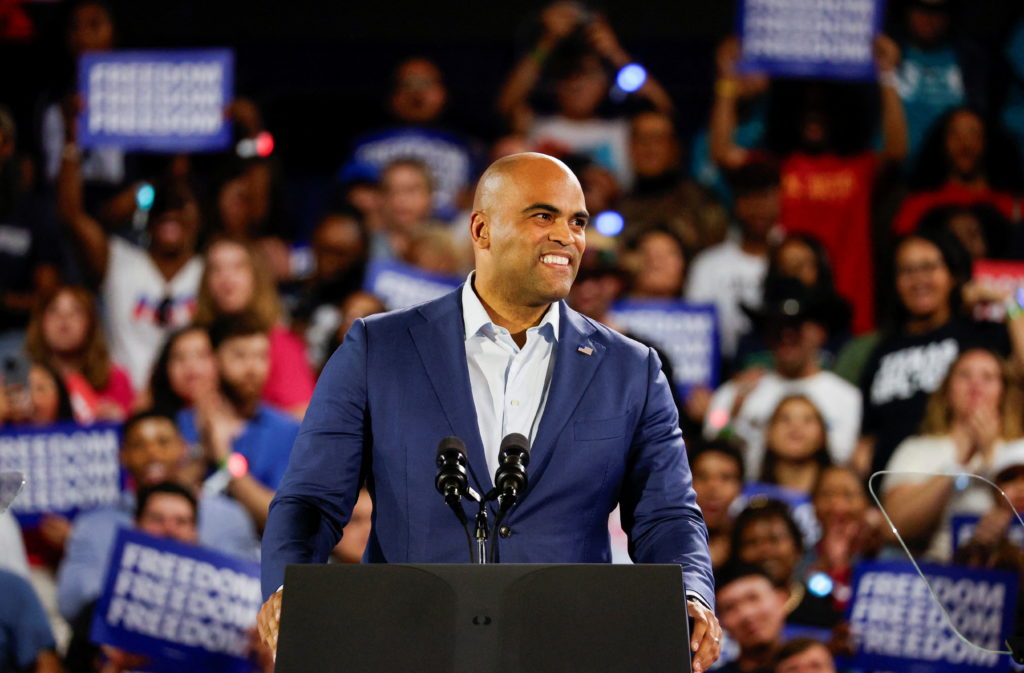
Former U.S. Representative Colin Allred is no longer running for the Senate in Texas. He plans to run for a seat in the U.S. House of Representatives instead. Meanwhile, this change could make Representative Jasmine Crockett a leading candidate for the Democratic nomination for the Senate.
Key Facts
Colin Allred decided to stop his campaign for the U.S. Senate in Texas.
He will now try to return to the U.S. House of Representatives.
This switch affects the Democratic party's plans in Texas.
Jasmine Crockett might become a top choice for the Democrats’ Senate nomination.
The Texas Senate race is important for Democrats aiming to win control of the Senate in the next elections.
Read the Original
Want the full story? Tap a source to open the original
article.
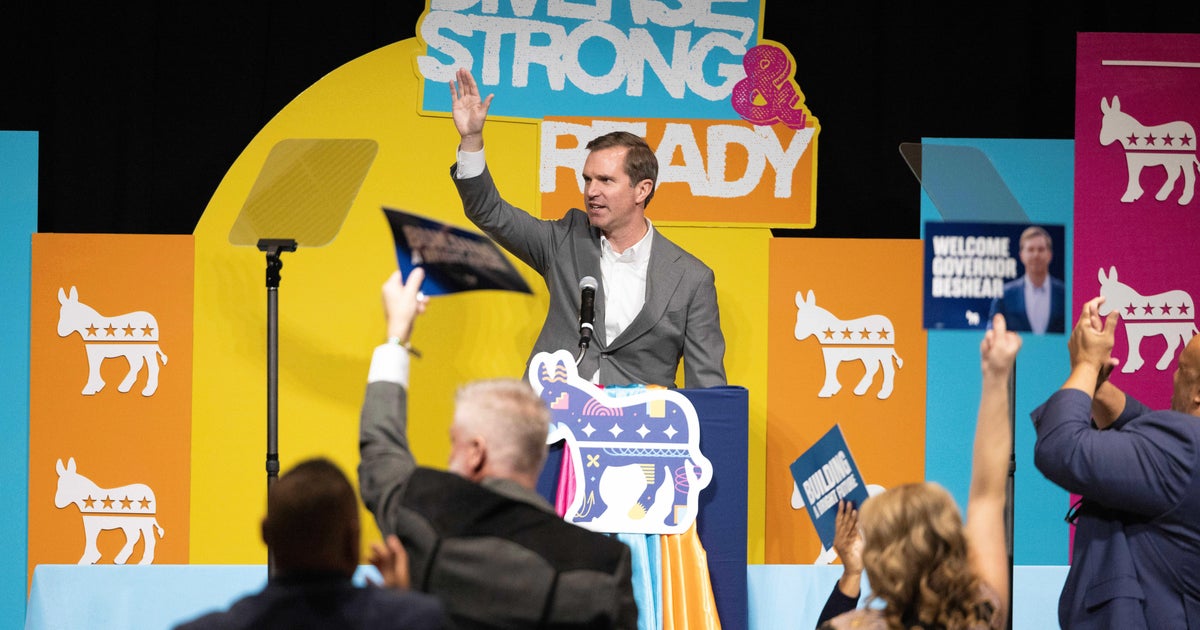
Governor Andy Beshear of Kentucky is leading the Democratic Governors Association to help Democrats win important governor races in the 2026 elections. Democratic governors are seen as key leaders who can deliver real results to voters, and some may become the party’s presidential candidates in 2028.
Key Facts
Andy Beshear has won as a Democrat in Kentucky, a mostly Republican state.
He now leads the Democratic Governors Association, aiming to win or hold key governorships in 2026.
After Democratic losses in the 2024 presidential and congressional elections, governors are viewed as important for the party’s future.
Some Democratic governors, including Beshear, Gretchen Whitmer, Gavin Newsom, and Tim Walz, are considered possible 2028 presidential candidates.
Beshear and Whitmer have each won two terms as governors and are working to help Democrats in upcoming elections.
Republican leaders in Kentucky and Michigan criticize these governors’ policies and leadership.
Democratic governors focus on state-level issues like public safety, the economy, and cost of living amid President Trump’s administration.
Democrats believe showing tangible results at the state level may help rebuild voter trust.
Read the Original
Want the full story? Tap a source to open the original
article.
The U.S. Supreme Court decided not to hear a case about a Texas county removing 17 books from local libraries. A lower court's decision allowing the removal of books about topics like sexuality and racism now stands, impacting Texas, Louisiana, and Mississippi. The residents argued the removals violated their right to information, but this claim was rejected.
Key Facts
The Supreme Court will not hear the book removal case from Texas.
A Texas county removed 17 books from public libraries.
The subjects of these books include sexuality, racism, and juvenile humor.
The 5th U.S. Circuit Court of Appeals upheld the book removals.
Residents claimed a First Amendment right violation, which the court rejected.
This ruling now affects Texas, Louisiana, and Mississippi.
A complete list of the removed books is not publicly available.
Read the Original
Want the full story? Tap a source to open the original
article.
A Vermont man named José Paniagua Calderón was arrested by immigration agents, and his family claims that the agents drove over his foot during the arrest. The Department of Homeland Security (DHS) denies these claims, stating that he was not injured. The incident is under investigation, and the man's family is planning a protest.
Key Facts
José Paniagua Calderón was arrested by Immigration and Customs Enforcement (ICE) agents on December 4.
His family claims ICE agents drove over his foot with an SUV during the arrest.
Video footage appears to show the incident, but DHS denies the claims.
DHS describes the claims of injury as an "Oscar-level performance."
Calderón's family says he was denied immediate medical care and pain medication.
Local police in Vancouver, Washington, are investigating the incident.
Carmen Paniagua, Calderón's sister-in-law, states the family is planning a protest on December 8.
Read the Original
Want the full story? Tap a source to open the original
article.
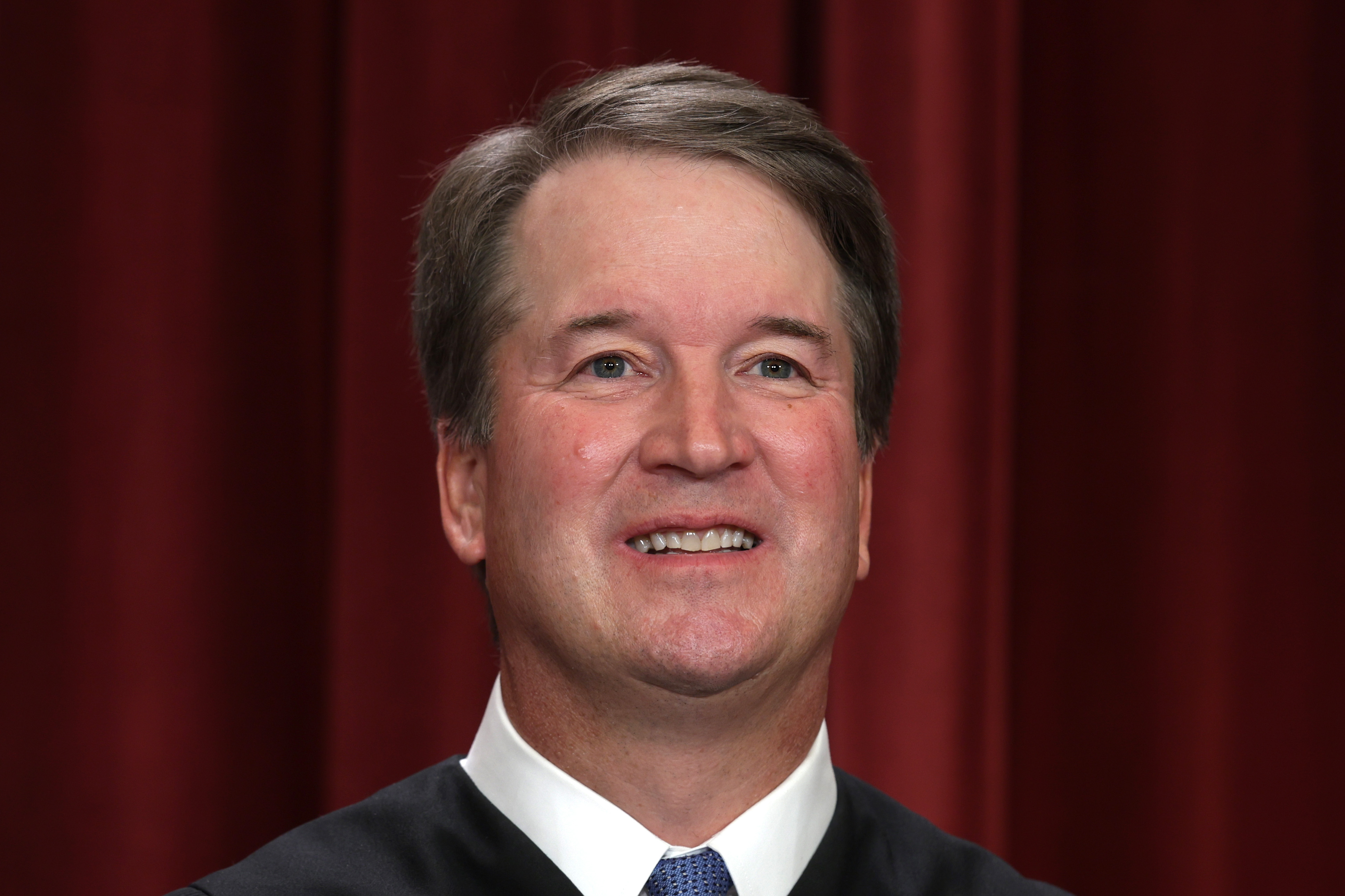
U.S. Supreme Court Justice Brett Kavanaugh expressed concerns during a case about whether President Donald Trump can fire leaders of federal agencies without specific reasons. This case questions a 1935 decision that set limits on presidential power to remove federal officials. President Trump's administration argues this rule should be changed to allow more direct control over these positions.
Key Facts
Justice Brett Kavanaugh expressed worries about the Trump administration's stance on firing rules for federal agency leaders.
The case involves President Trump wanting to fire a Federal Trade Commission member, Rebecca Slaughter.
The Trump administration wants to overturn a 1935 Supreme Court decision, Humphrey's Executor v. United States, which limits presidential firing power.
U.S. Solicitor General D. John Sauer argued for allowing more presidential control over federal agency appointments.
Liberal justices questioned whether changing the rule threatens the independence of federal agencies.
Justice Elena Kagan warned of giving the president too much unchecked power.
Rebecca Slaughter was originally appointed by Trump and then reappointed by President Biden.
The Supreme Court has not made a decision on this case yet.
Read the Original
Want the full story? Tap a source to open the original
article.
In December 2025, many Americans receiving Supplemental Security Income (SSI) will get two payments due to the Social Security Administration's schedule and a federal holiday. The second December payment will cover January 2026's amount, issued early because New Year’s Day is a federal holiday. This shift includes a cost-of-living adjustment to help with inflation.
Key Facts
Millions of Americans receive SSI and will get two payments in December 2025.
The second payment, made on December 31, is for January 2026 due to New Year's holiday.
About 75 million Americans rely on Social Security and SSI for financial support.
A 2.8% cost-of-living adjustment (COLA) will start in 2026 to help with inflation costs.
SSI payments differ from Social Security benefits and are a needs-based assistance.
Social Security benefits are related to work history; SSI aids those with limited income/resources.
SSI payment adjustments are made when the first falls on a weekend or holiday to avoid financial delays.
Read the Original
Want the full story? Tap a source to open the original
article.
There are no ads, so there is no reason to bait you. Readers who chip in keep it that way. Most choose $3.99/month, and get the daily digest every morning.
President Donald Trump’s approval rating among young people has dropped significantly, according to a CNN data analyst. The rating fell by 56 points since February, mainly due to concerns about the economy. Young voters, who were crucial to Trump's 2024 election win, have shown a decline in support as a result.
Key Facts
President Trump's approval rating among young adults, aged 18 to 29, dropped by 56 points since February.
A key issue for young voters is the economy, with 76% of voters having a negative view of it.
Trump's economic policies, such as tariffs, received criticism from the public.
Young voters' support was essential for Trump’s success in the 2024 election.
Approval ratings among millennials (born between 1981 and 1996) have slightly improved from -19 to -16 points.
President Trump stated on Truth Social that he believes the polls are biased against him.
Young people's support is crucial for the GOP in the upcoming 2026 midterm elections.
Read the Original
Want the full story? Tap a source to open the original
article.
The U.S. Citizenship and Immigration Services (USCIS) announced that starting December 5, 2025, the validity of Employment Authorization Documents (EADs), which are work permits for some immigrants, will be reduced from five years to 18 months. This change will require more frequent renewals and affect green card applicants who rely on EADs to work while waiting for their green card decisions.
Key Facts
USCIS announced changes to EAD validity starting December 5, 2025.
EADs allow certain immigrants, including green card applicants, to work legally in the U.S.
The maximum validity for EADs will reduce from five years to 18 months.
More frequent renewals might lead to increased paperwork and fees.
Shorter EAD timeframes could impact job stability due to possible processing delays.
The policy aims to re-vet foreign nationals more regularly for safety reasons.
Applicants can file for EAD renewal 180 days before expiration.
Employers need to update compliance practices for frequent work status checks.
Read the Original
Want the full story? Tap a source to open the original
article.