In the United States, many people are giving up their pets because they can't afford to keep them. The rising cost of living means that more families can't pay for their pet's needs, leading to more animals entering shelters. Shelters are struggling to accommodate the increasing number of surrendered pets.
Key Facts
A 7-year-old Shih Tzu named Benji was given up by his owner due to financial struggles.
Rising living costs have forced many Americans to give up pets they can no longer afford.
Shelters across the U.S., including in cities like Charlotte, Chicago, and New York, are reporting higher numbers of owner surrenders.
Some shelters have stopped accepting non-emergency pet surrenders due to overcrowding.
Medical costs for pets have increased, putting more financial stress on pet owners.
Prices for pet products and services have increased by 26% in the last five years.
Only around 4% of U.S. pets have insurance, meaning most expenses are paid directly by the owners.
Charlotte-Mecklenburg Animal Care & Control saw a 43% increase in pet surrenders this year.
Read the Original
Want the full story? Tap a source to open the original
article.
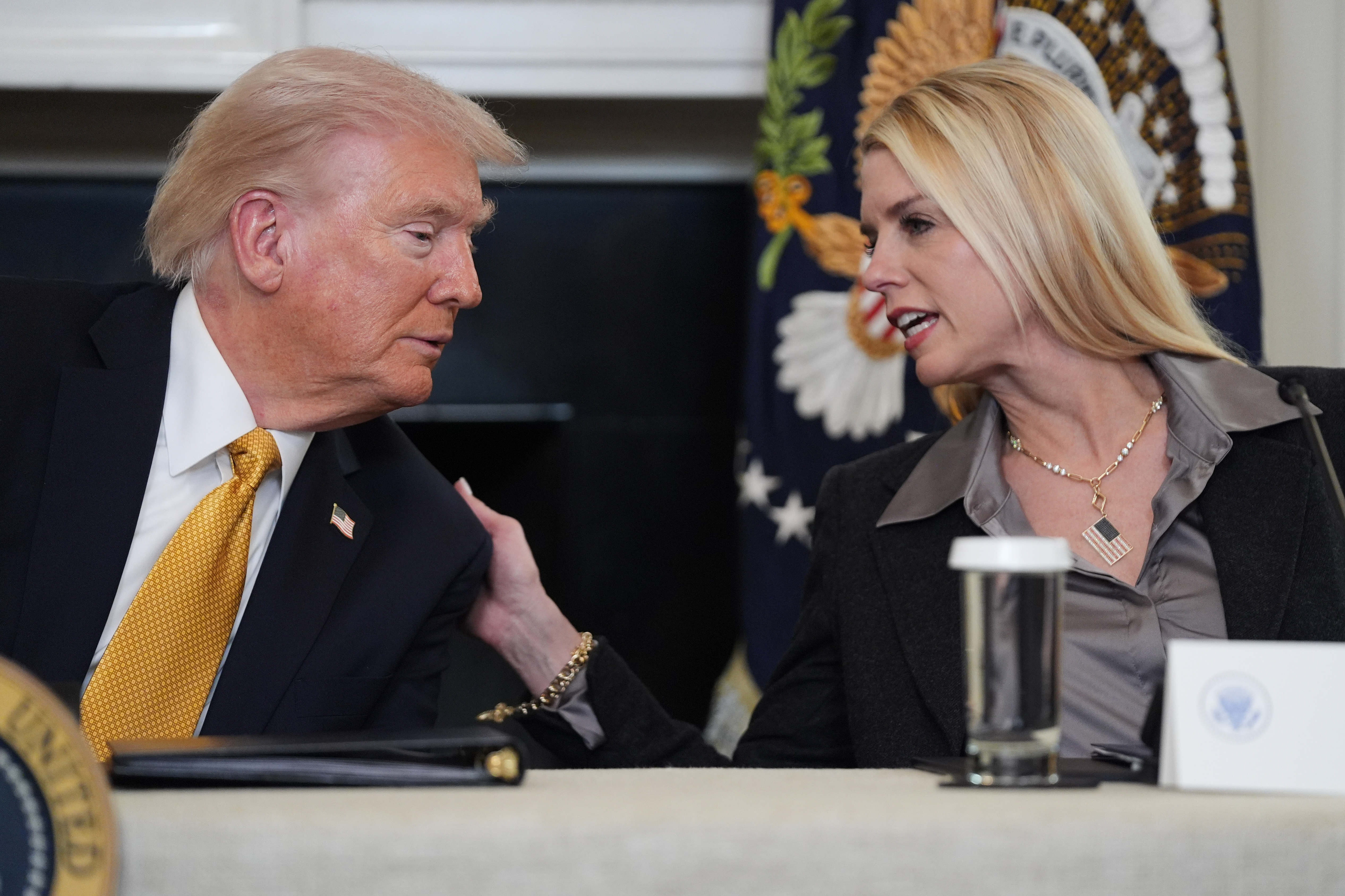
The U.S. Department of Agriculture plans to overhaul the Supplemental Nutrition Assistance Program (SNAP) to reduce fraud and corruption. Secretary Brooke Rollins said this would involve removing fraudulent recipients and ensuring benefits reach those who genuinely need them. President Trump and Rollins discussed the issue of fraudulent claims and the potential changes to improve program integrity.
Key Facts
The USDA intends to "completely deconstruct" SNAP to address fraud and corruption.
SNAP helps about 42 million low-income Americans with food purchases each month.
Recent findings indicated 186,000 deceased individuals and 500,000 people in multiple states received SNAP benefits.
Fraudulent claims and transactions cost the government over $102 million in the first quarter of fiscal year 2025.
The new program changes could require recipients to reapply to verify eligibility.
USDA has made "hundreds of arrests" related to fraudulent SNAP claims.
The changes aim to ensure that benefits reach those who truly need assistance.
Read the Original
Want the full story? Tap a source to open the original
article.
Defense Secretary Pete Hegseth responded to a video where six Democratic lawmakers with military and intelligence backgrounds advised military members to reject illegal orders. This group aims to restrict President Trump's authority to use National Guard members in the U.S. or initiate military action without Congress's approval.
Key Facts
Pete Hegseth, the Defense Secretary, commented on a video involving Democrats urging military to refuse illegal orders.
The video is titled "Don’t Give Up the Ship."
It features Democratic U.S. Senators Elissa Slotkin and Mark Kelly, and U.S. Representatives Chris Deluzio, Maggie Goodlander, and Chrissy Houlahan.
The lawmakers have military and intelligence backgrounds.
They want to limit President Trump's power to deploy the National Guard domestically.
They also aim to restrict his ability to start military actions without Congress's approval.
Hegseth referred to the Democrats' actions as "Stage 4 TDS" on social media.
Read the Original
Want the full story? Tap a source to open the original
article.
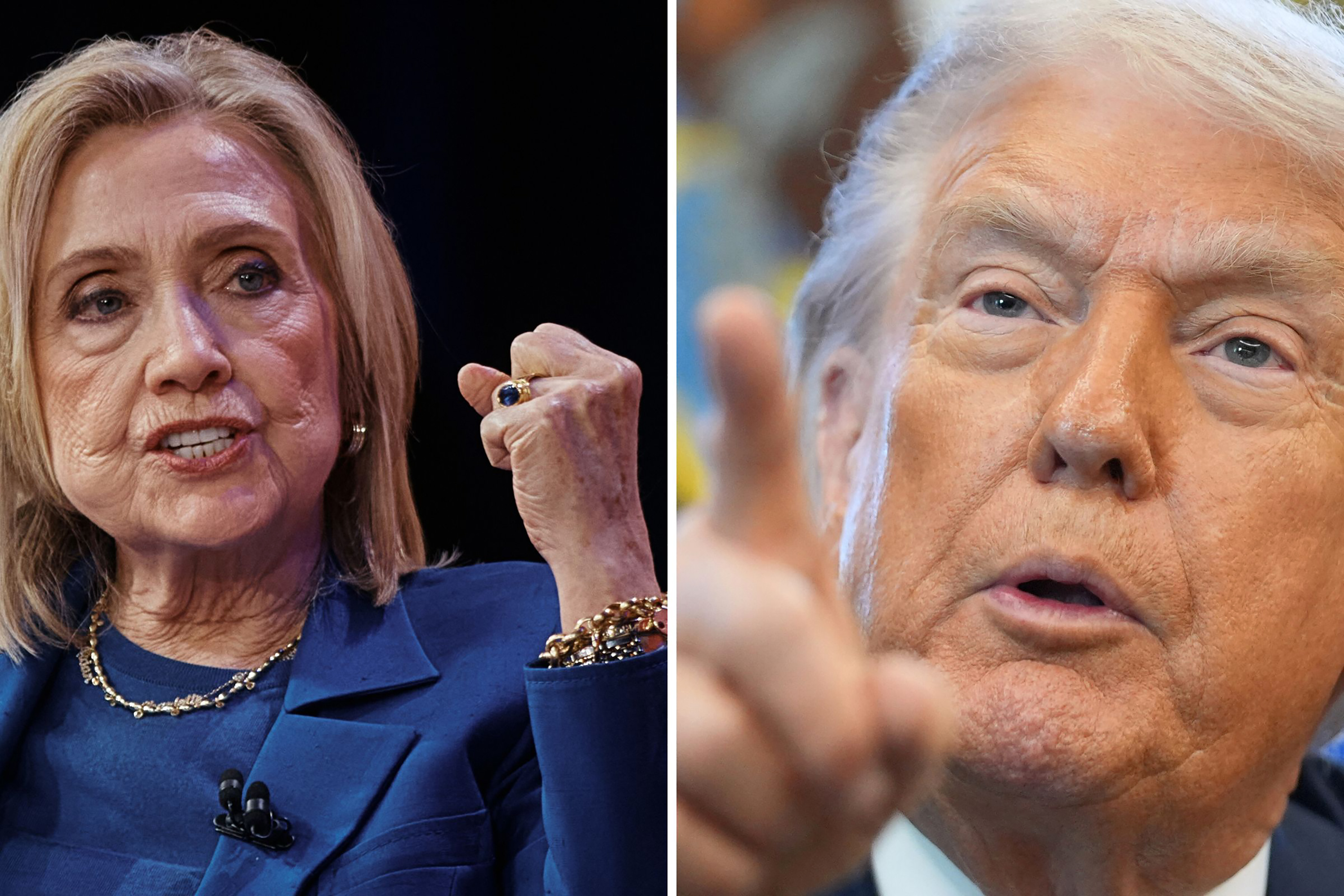
A federal appeals court is evaluating President Donald Trump's effort to bring back a lawsuit under the Racketeer Influenced and Corrupt Organization Act (RICO) against Hillary Clinton and others. The court is also reviewing nearly $1 million in penalties imposed on Trump and his former lawyer, Alina Habba, after their initial lawsuit was dismissed in 2023 for lacking legal grounds.
Key Facts
President Trump filed a RICO lawsuit in 2022 against several political figures, including Hillary Clinton, alleging a plot to damage his election campaign by linking it to Russia.
The RICO Act is a U.S. law aimed at fighting organized criminal activities by allowing prosecution against the whole group involved.
The lawsuit was dismissed in 2023 by U.S. District Judge Donald Middlebrooks, who stated it didn't meet legal requirements and appeared politically motivated.
Judge Middlebrooks imposed nearly $1 million in sanctions on Trump and Alina Habba for continuing with a legally insufficient case.
The sanctions were awarded to defendants in the lawsuit, as the court found the claims lacked factual or legal support.
The appeals court in Alabama is now considering both the dismissal and the validity of the sanctions.
Trump’s lawyer argued that false accusations against Trump had harmed his reputation and business, which should be considered legally actionable.
Read the Original
Want the full story? Tap a source to open the original
article.
A bill called the Epstein Files Transparency Act is being reviewed due to concerns about redactions. The bill requires Attorney General Pam Bondi to release all files related to Jeffrey Epstein within 30 days of the law's enactment. However, it allows Bondi to redact details that could affect ongoing investigations.
Key Facts
The Epstein Files Transparency Act is set to be signed by President Donald Trump.
The bill mandates the release of all Justice Department files on Jeffrey Epstein.
Epstein was a convicted sex offender who died in jail in 2019 while awaiting trial.
The bill includes communications and investigative materials related to Epstein and Ghislaine Maxwell.
Redactions are permitted if releasing information could harm active investigations or prosecutions.
The concern is that Attorney General Pam Bondi might excessively redact important details.
Newsweek reached out to the Justice Department for a comment on the matter.
Read the Original
Want the full story? Tap a source to open the original
article.
President Donald Trump plans to distribute $2,000 in direct payments to Americans, referring to them as "tariff dividends." The proposal is under consideration and would require congressional approval before becoming law. Treasury Secretary Scott Bessent has suggested that Americans save these payments to avoid increasing inflation.
Key Facts
President Trump proposes giving Americans $2,000 from tariff revenues, termed "tariff dividends."
Treasury Secretary Scott Bessent suggested saving the payments to prevent inflation, which is currently at 3%.
The payments aim to benefit middle- and lower-income households, but the plan requires congressional approval.
Scott Bessent mentioned families earning less than $100,000 might be eligible for the payments.
The federal government collected $195 billion in customs duties in fiscal year 2025.
The proposed cost of the payments is about $300 billion, exceeding the tariff revenue.
Trump stated that the payments could reach Americans by mid-2026 if legislation is passed.
No detailed eligibility criteria or legislative text has been released yet.
Read the Original
Want the full story? Tap a source to open the original
article.
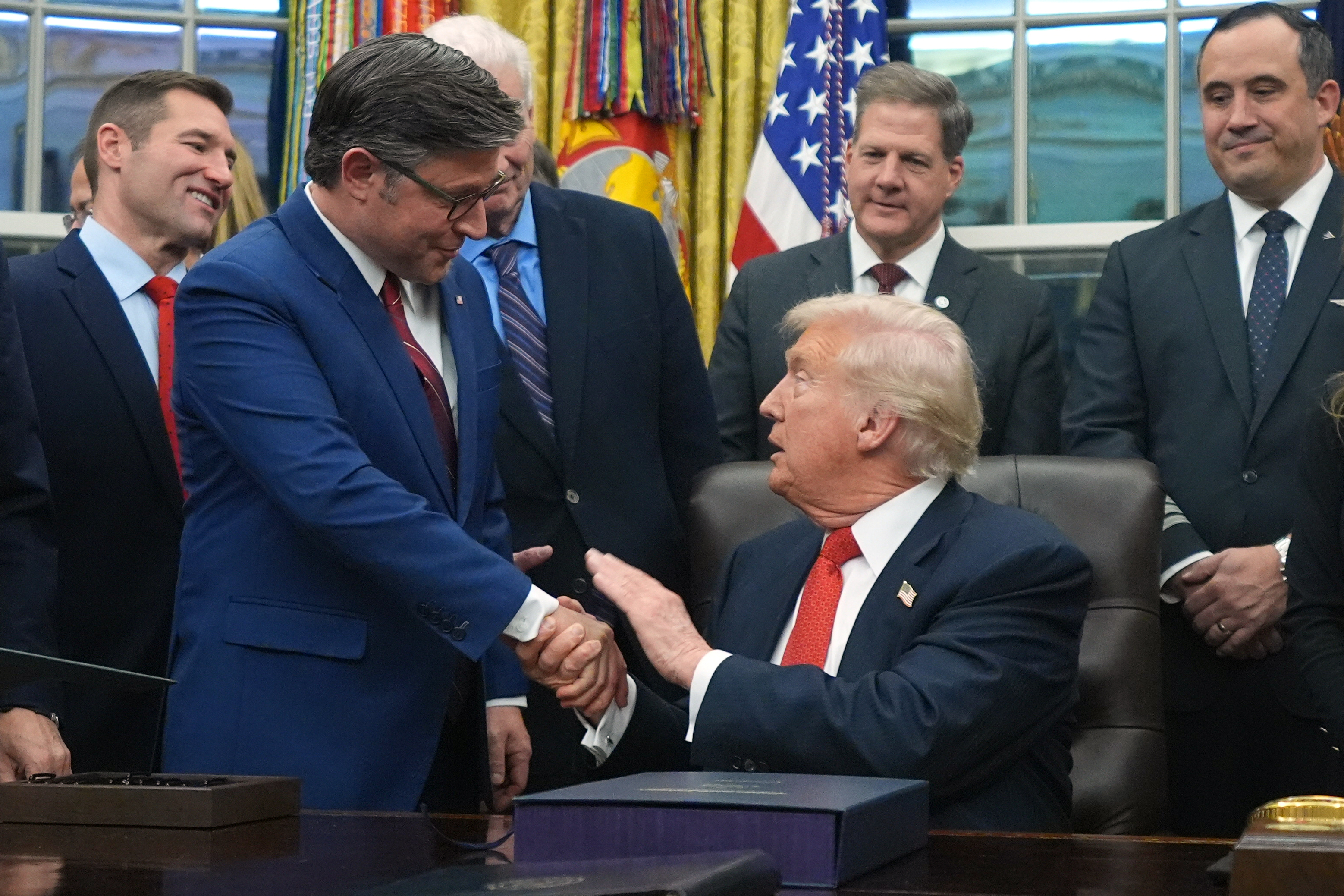
The article discusses a recent vote related to the release of files connected to Jeffrey Epstein, highlighting significant political maneuvers. President Donald Trump initially opposed the release but shifted his stance due to pressure within his party. The vote ended with a large majority in favor of releasing the files.
Key Facts
President Trump opposed the release of Epstein files but changed his stance after many Republicans supported it.
The vote to release the files resulted in a significant majority: 427 for and 1 against.
Mike Johnson, the House Speaker, initially opposed the release but ultimately voted in favor after Trump changed his position.
Thomas Massie, a congressman from Kentucky, pushed for the release despite opposition from Trump and the White House.
Attorney General Pam Bondi is tasked with handling the release of these files amidst political pressure.
Larry Summers announced his withdrawal from public life after emails linked him to Jeffrey Epstein.
Marjorie Taylor Greene supported the release and was criticized by Trump yet showed support for Epstein's survivors.
Read the Original
Want the full story? Tap a source to open the original
article.
Veterans in the United States are seeing better access to pension and compensation benefits due to a big drop in claims processing backlogs by the Department of Veterans Affairs (VA). The VA has reduced its backlog significantly since President Donald Trump's second term began. Additional support is coming from new laws and private sector efforts.
Key Facts
The VA reduced its backlog of claims by 57% since President Trump's second term, from 264,717 to 112,353 claims.
The VA processed a record 3,001,734 disability compensation and pension claims in fiscal year 2025.
In July, the VA reached its highest monthly processing figure with 300,799 claims completed.
The VA's processing accuracy rate rose to 93.5% in September 2025.
In fiscal year 2025, the VA distributed $195 billion in compensation and pension payments to over 6.9 million veterans and survivors.
New York passed laws in 2025 to protect veterans from pension fraud and to expand job awareness for disabled veterans.
Bank of America awarded a $350,000 grant to support 250 veteran mentorships.
A cost-of-living adjustment in 2026 will increase benefits for disabled veterans and military retirees by 2.8%.
Read the Original
Want the full story? Tap a source to open the original
article.
A recent poll by PBS News/NPR/Marist shows that 55% of voters would choose a Democratic candidate for Congress if elections were held now, compared to 41% who would prefer a Republican. This marks a 14-point lead for Democrats, the largest lead they have seen since 2017.
Key Facts
A new poll was conducted by PBS News/NPR/Marist.
55% of voters would pick a Democratic candidate for Congress.
41% of voters would choose a Republican candidate.
The poll reveals a 14-point lead for Democrats.
This is the biggest lead for Democrats since November 2017.
Read the Original
Want the full story? Tap a source to open the original
article.
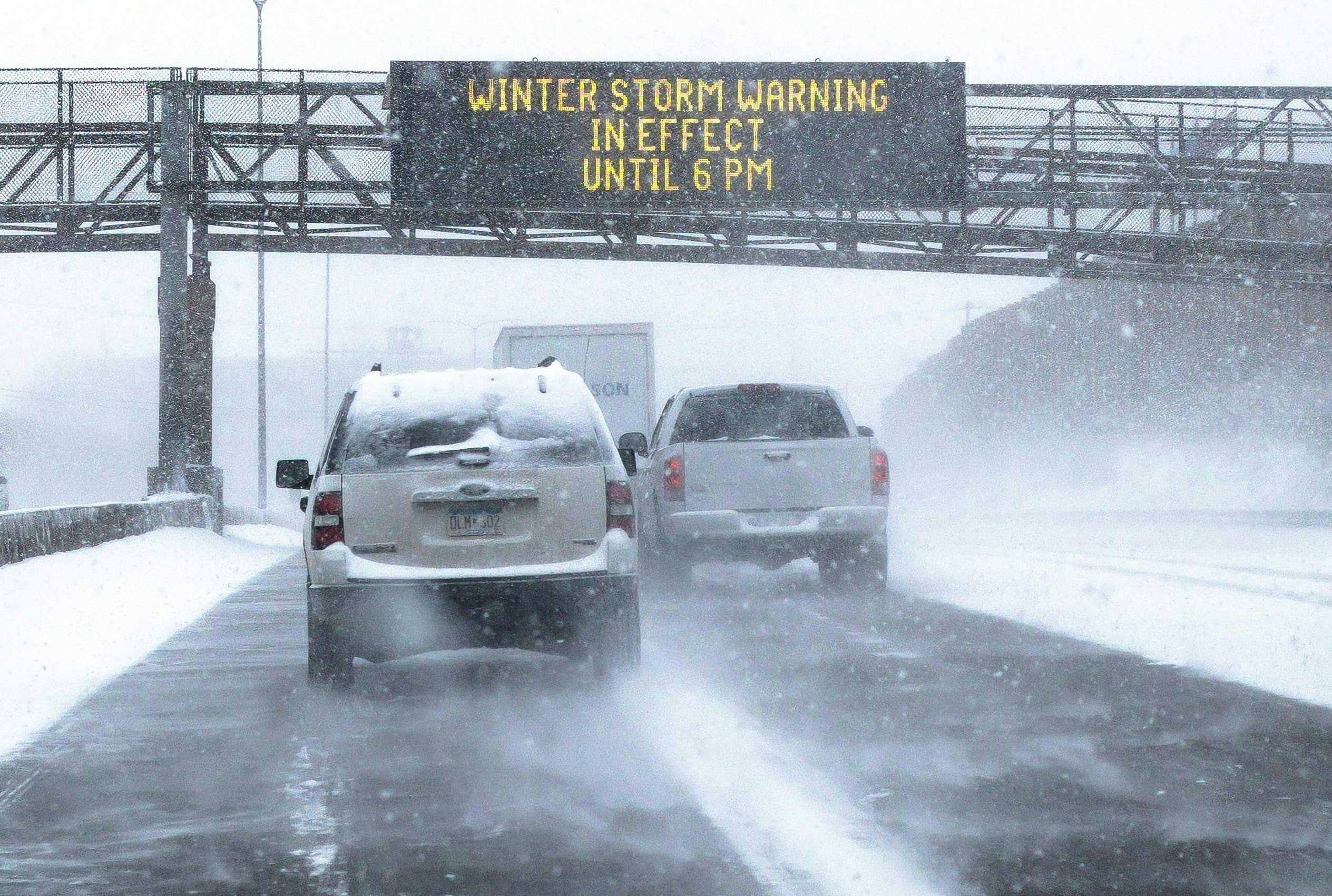
A winter storm warning is in place for parts of the U.S., with heavy snow and strong winds expected between Wednesday and Friday. The National Weather Service (NWS) predicts up to 24 inches of snow in some areas, potentially making travel dangerous and affecting power and infrastructure.
Key Facts
The storm will impact parts of the U.S. from Wednesday through Friday morning.
Areas like Sheep Range and Spring Mountains in Nevada could get 16 to 24 inches of snow.
Colorado’s southwest and eastern San Juan Mountains may see up to 8 inches of snow.
New Mexico's part of the Sangre de Cristo Mountains could also expect up to 8 inches.
Some roads in Alaska could experience blizzard-like conditions due to strong winds and snow.
Utah's southern mountains may receive up to 8 inches of snow in certain high regions.
The NWS advises drivers to carry an emergency kit and check road conditions before traveling.
Residents are encouraged to prepare properties for freezing temperatures and potential snow-related damage.
Read the Original
Want the full story? Tap a source to open the original
article.
A new poll shows that more voters would choose Democratic candidates if the midterm elections were held today. The poll presents a challenge for Republicans who are trying to improve their chances before next year's elections.
Key Facts
The poll was conducted by PBS News, NPR, and Marist.
It shows a majority of voters prefer Democratic candidates for the midterms.
Democrats recently had several election wins.
Republicans see warning signs in the poll as they prepare for the upcoming elections.
The midterm elections are scheduled for next year.
Read the Original
Want the full story? Tap a source to open the original
article.
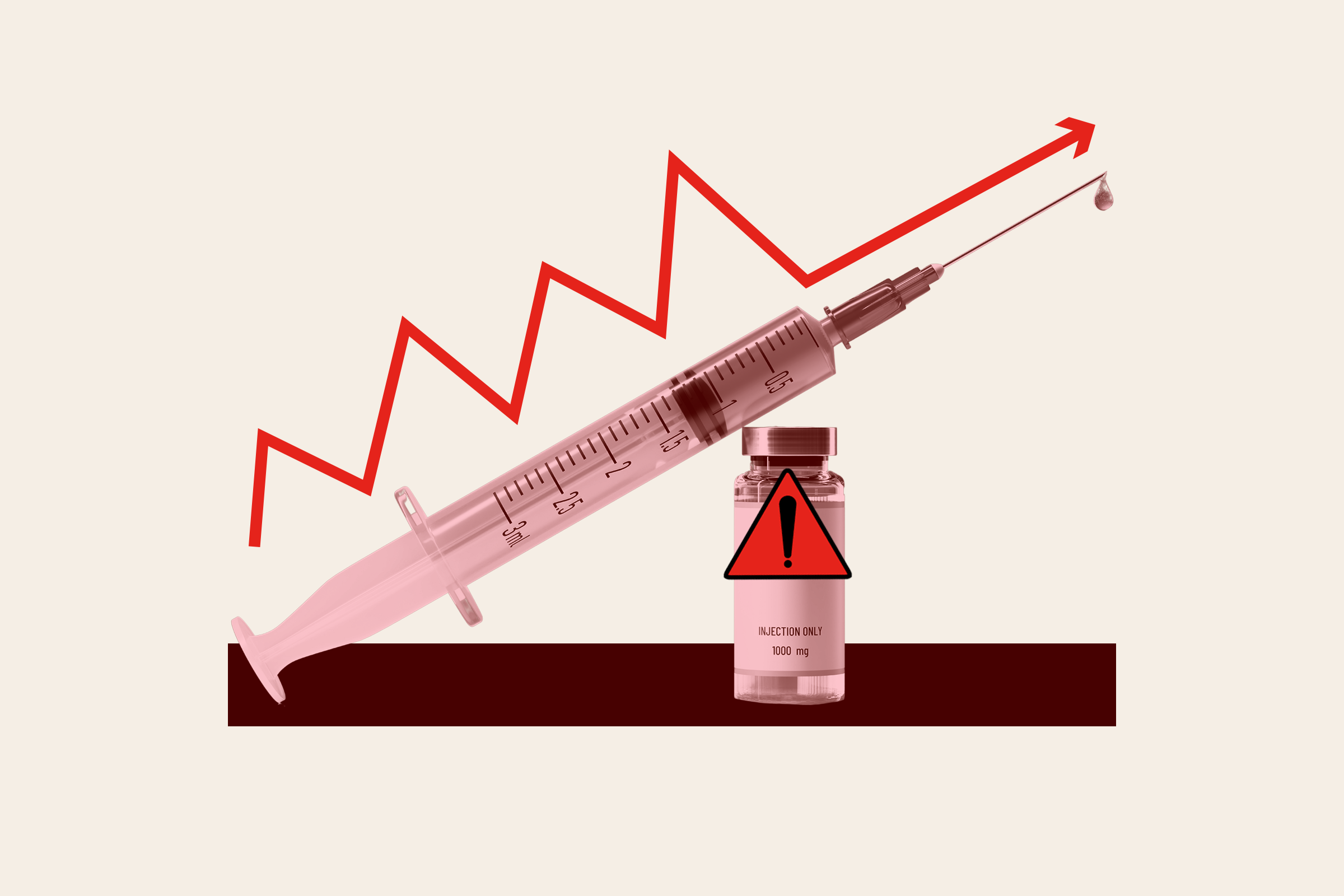
Injectable peptides, used for muscle building, weight loss, and anti-aging, are becoming popular in the U.S., even though the FDA hasn't approved them. Experts are concerned about their safety as they haven't been widely tested on humans. Some peptides are banned in sports due to doping rules.
Key Facts
Peptides are short chains of amino acids that exist naturally in the human body and perform important functions.
Examples of peptides include insulin and GLP-1, which are involved in blood sugar control and energy conversion.
Peptides like BPC-157 and TB-500 are gaining popularity but are banned in sports for doping.
Influential figures such as Joe Rogan and Jennifer Anniston have promoted peptide use.
The FDA is cracking down on non-approved peptide use by issuing warning letters and tightening regulations.
The cost of peptides can range from $300 to $600 per vial online.
Concerns exist because many peptides have not been thoroughly tested for safety in humans.
The uncertainty around peptides includes potential health risks, especially when injected.
Read the Original
Want the full story? Tap a source to open the original
article.
On the biggest stories we show what the outlets agree on and where they differ. Readers keep that going, and get the daily digest by email every morning. Most choose $3.99/month.
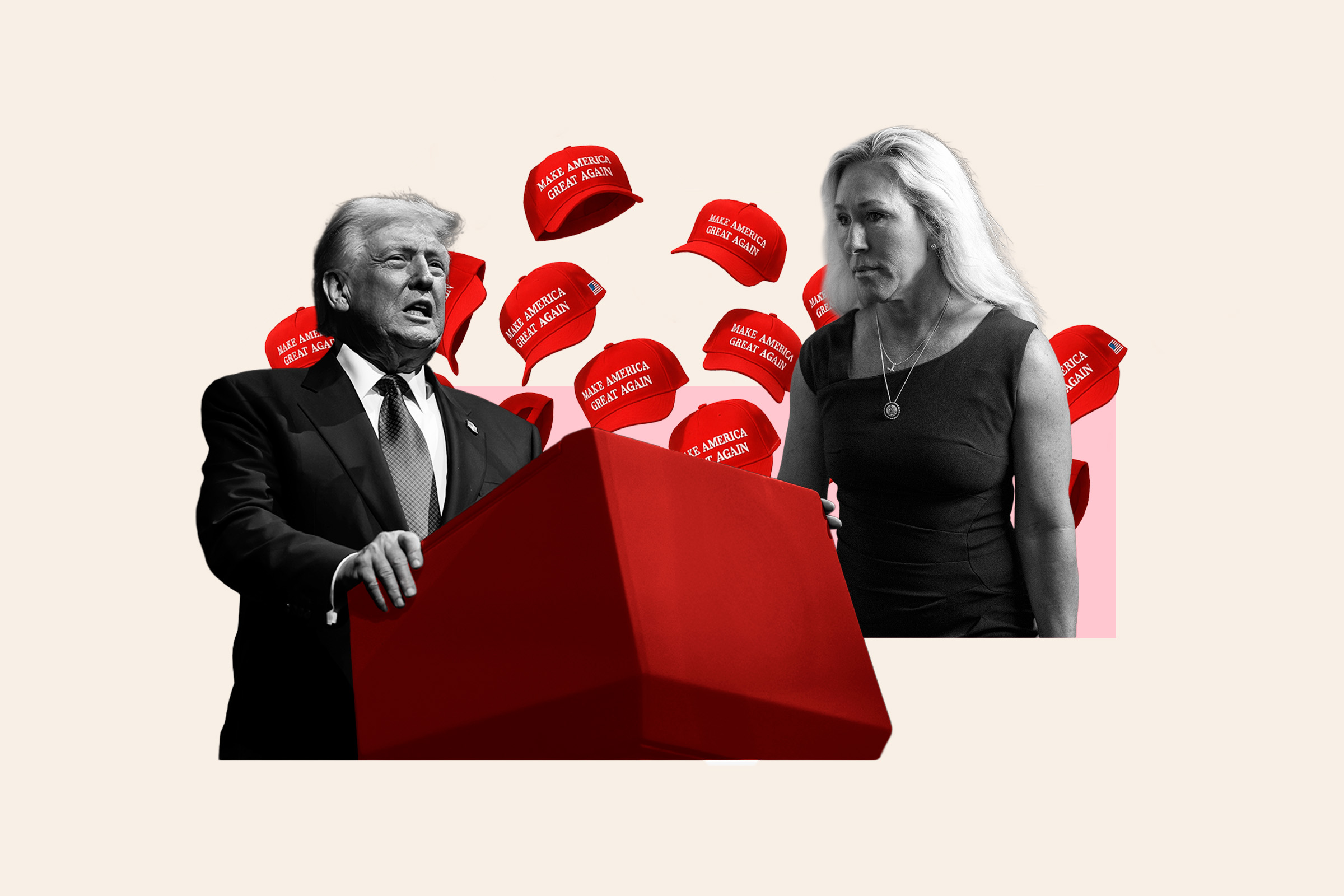
Newsweek contributors debate the future of the MAGA movement, initiated by President Donald Trump. They discuss whether the movement is declining due to factors like political challenges, economic issues, and shifts in party support. Some argue the movement's ideas are still strong, but the leadership may change in coming years.
Key Facts
The discussion centers on whether the MAGA movement is ending or evolving.
The release of the Jeffrey Epstein files and economic concerns are mentioned as influencing factors.
President Trump is seen by some as a key leader who brought populist ideas to prominence.
The "America First" movement is now popular in U.S. politics, gaining significant voter support.
Internal disagreements within the movement are noted, particularly regarding new leadership.
Economic issues, like the cost of living, remain significant challenges for the movement.
Some believe that President Trump's actions may harm the movement's future success.
Read the Original
Want the full story? Tap a source to open the original
article.
People in parts of Georgia and South Carolina are advised to stay indoors due to unhealthy air quality caused by high levels of tiny pollution particles, known as PM2.5. The Environmental Protection Agency (EPA) issued warnings because these particles can harm health, especially for sensitive groups like children and the elderly.
Key Facts
The air quality in parts of Georgia and South Carolina is considered "Unhealthy" due to PM2.5 particle pollution.
PM2.5 particles are very small and can come from sources like fires, industrial sites, and cars.
High levels of PM2.5 can trigger health issues, especially for people with heart or lung problems.
The EPA uses the Air Quality Index (AQI) to measure air pollution; a score of 151-200 is "Unhealthy."
Counties in Georgia and South Carolina reported AQI readings around 153, prompting health warnings.
People, particularly those at risk, are advised to limit outdoor activities and stay inside.
Local burns and meteorological conditions are partly blamed for the poor air quality.
The EPA warns that even healthy individuals might experience temporary discomfort from polluted air.
Read the Original
Want the full story? Tap a source to open the original
article.
A new report predicts that in 2026, many Americans will move to midsize university towns, particularly in the South and Southwest regions of the U.S. Knoxville, Tennessee; Tulsa, Oklahoma; and Vancouver, Washington, are expected to see the most newcomers. Cities may face challenges related to rapid growth, including housing and infrastructure needs.
Key Facts
The study forecasts a shift in moving trends, focusing on midsize university towns over coastal cities.
Knoxville, Tennessee, is predicted to have the highest in-migration rate in 2026.
Other top destinations include Tulsa, Oklahoma, and Vancouver, Washington.
The South and Southwest regions have the strongest predicted move ratios.
Almost half of the top 25 cities are in the South or Southwest, indicating regional preference.
The analysis highlights "comeback cities" like Saint Paul, Minnesota, with significant increases in interest.
Major cities like Austin, Texas, which were previously popular, now show reduced move interest.
Cities facing growth must prepare for increased demand in housing and infrastructure services.
Read the Original
Want the full story? Tap a source to open the original
article.
House Speaker Mike Johnson mentioned that President Donald Trump might veto a bill that asks the Justice Department to make files about Jeffrey Epstein public. The bill was approved by both the House and Senate, and it is now waiting for Trump's decision. Although Trump has suggested he plans to sign it, Johnson expressed concerns about the bill not being amended.
Key Facts
The bill is called the Epstein Files Transparency Act.
Both the House and Senate voted to release the Epstein files to the public.
Jeffrey Epstein was awaiting trial on sex trafficking charges when he died by suicide in 2019.
President Trump has indicated he will sign the legislation.
House Speaker Mike Johnson is concerned because the Senate passed the bill without changes.
Johnson mentioned uncertainty about whether Trump would veto the bill, saying "I don't know."
Read the Original
Want the full story? Tap a source to open the original
article.
The U.S. House of Representatives passed a bill to undo environmental rules set during President Biden's time in office. These rules restricted oil drilling in Alaska. The bill had strong Republican support and was backed by three Democrats.
Key Facts
The House approved a bill to remove limits on oil drilling in northern Alaska.
These limits were introduced under President Joe Biden.
Three Democrats joined Republicans in supporting the bill.
The Democrats who supported the bill are Representatives Henry Cuellar, Vincente Gonzalez, and Jim Costa.
Biden's policy blocked oil and gas leasing on 10.6 million acres in Alaska.
Additional restrictions were placed on over 2 million more acres.
The Trump administration previously argued that these limits affected Alaska's energy opportunities and job creation.
Read the Original
Want the full story? Tap a source to open the original
article.
An employee of U.S. Immigration and Customs Enforcement (ICE) was arrested in Minnesota during a police operation targeting sex trafficking. The operation aimed to identify people trying to buy sex from a 17-year-old. The ICE agent may face federal charges.
Key Facts
The arrest was part of a Minneapolis trafficking investigation called "Operation Creep."
Police arrested 16 men during the operation.
The goal was to catch individuals attempting to solicit sex from a minor.
The ICE employee worked as an auditor.
The ICE employee may face federal charges.
The police chief mentioned the operation during a news conference.
The operation took place over three days starting November 5.
Read the Original
Want the full story? Tap a source to open the original
article.
Each summary links back to the original reporting, so you can check the work. Support that, and get the daily digest every morning. Most choose $3.99/month.
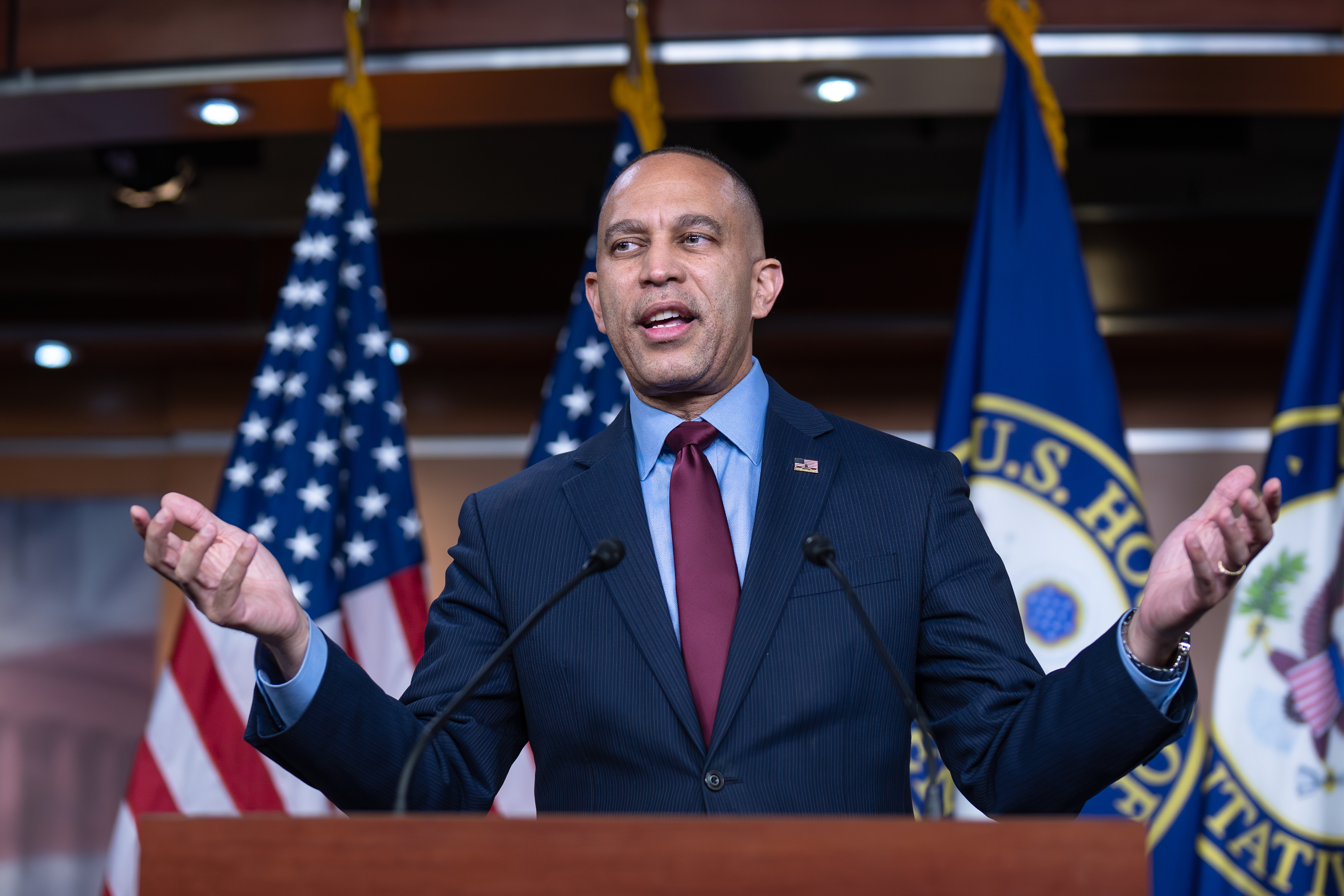
Hakeem Jeffries, a U.S. political leader, responded to questions after his name was mentioned in a 2013 email related to Jeffrey Epstein. The email came from a political consulting firm offering a fundraiser and was not written by Jeffries. Jeffries stated he does not remember the email and denied any personal connection with Epstein.
Key Facts
Hakeem Jeffries' name appeared in a 2013 email connected to Jeffrey Epstein.
The email was sent by a political consulting firm about a fundraiser event.
Jeffries did not write or send this email himself.
There is no evidence that Jeffries met Epstein or that Epstein donated due to this email.
Jeffries claimed he does not recall the email when questioned.
Jeffries stated he never met Epstein and only knows about Epstein's criminal activities through news.
Jeffries supports efforts to uncover more information from the Department of Justice files related to Epstein.
Read the Original
Want the full story? Tap a source to open the original
article.
President Donald Trump received criticism for calling a journalist "piggy" during a conversation about releasing files related to Jeffrey Epstein. Trump plans to sign a bill that requires the Justice Department to make these files public, but questions remain about how much will be revealed. Legal analyst Joyce Vance expressed concerns about the treatment of women in this situation.
Key Facts
President Trump called a Bloomberg journalist "piggy" during a discussion about Epstein investigation files.
Trump has agreed to sign a bill that demands public release of these files.
Concerns exist about whether all relevant information will be made public due to potential redactions.
Joyce Vance, a former prosecutor, criticized Trump's comments and handling of the situation.
Epstein was a convicted sex offender who died in jail in 2019.
The new bill has passed both the House and the Senate and awaits Trump’s signature.
Trump ended his friendship with Epstein in the early 2000s.
A potential new investigation may affect what information the Justice Department can release.
Read the Original
Want the full story? Tap a source to open the original
article.