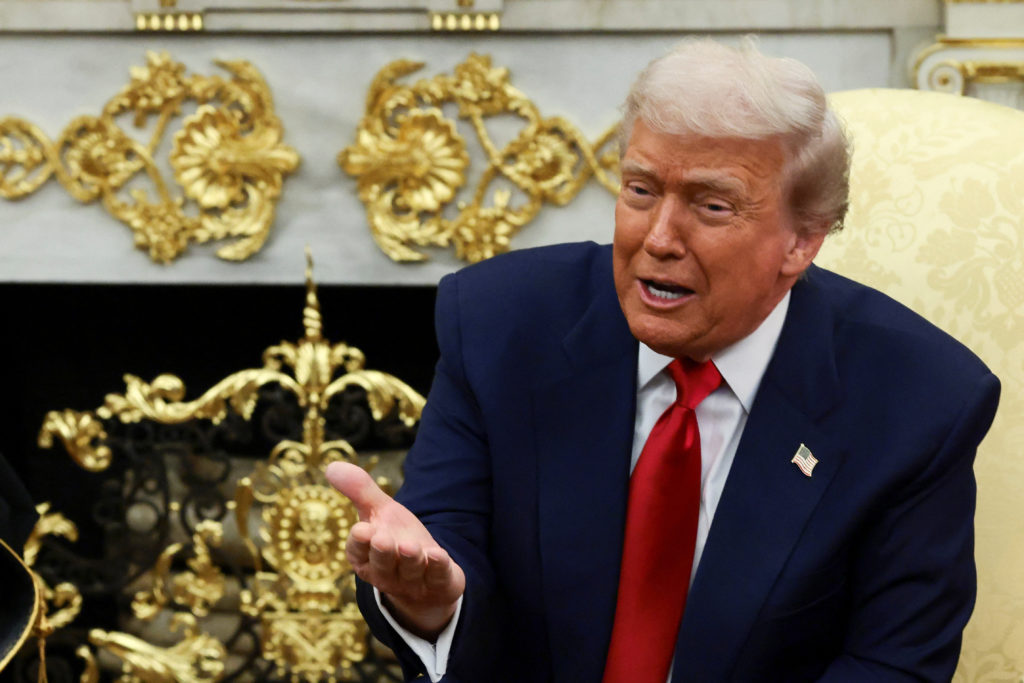
President Trump hosted Saudi Arabia's Crown Prince Mohammad bin Salman at the White House. He dismissed the U.S. intelligence community's conclusion that the Crown Prince approved the plan to kill journalist Jamal Khashoggi in 2018.
Key Facts
President Trump met with Crown Prince Mohammad bin Salman at the White House.
The visit involved discussions with the leader of Saudi Arabia.
The U.S. intelligence community concluded the Crown Prince approved a plan to kill journalist Jamal Khashoggi in 2018.
President Trump dismissed this conclusion during the visit.
Jamal Khashoggi was a columnist for The Washington Post.
This event was reported by White House correspondent Liz Landers.
Read the Original
Want the full story? Tap a source to open the original
article.
Community colleges in the United States are facing challenges due to policies from President Trump's administration. These policies, while mostly targeting elite and public universities, are also affecting community colleges' efforts to create jobs and economic opportunities.
Key Facts
President Trump's administration has policies impacting higher education.
The focus has mainly been on elite and some public universities.
Community colleges are also experiencing challenges due to these policies.
These challenges could affect community colleges' plans to create more jobs.
Economic opportunities at these colleges could be undermined.
This issue is part of a series called "Rethinking College."
Read the Original
Want the full story? Tap a source to open the original
article.
Catholic bishops in the United States are asking President Trump's administration to stop large-scale deportations and improve how immigrants are treated in detention. They released a message calling for an end to harmful language and actions against immigrants.
Key Facts
Catholic bishops in the U.S. are concerned about mass deportation efforts.
The bishops are part of the U.S. Conference of Catholic Bishops.
They released a special message asking for better treatment of immigrants.
The message calls for an end to negative and violent behavior toward immigrants.
Bishop Mark Seitz from El Paso, Texas is involved in spreading this message.
The message specifically addresses actions taken by President Trump's administration.
Read the Original
Want the full story? Tap a source to open the original
article.
A new bill in Michigan aims to let around 350,000 people keep unemployment overpayments they received by mistake during the COVID-19 pandemic. The bill would prevent the state from collecting these overpayments unless it involved fraud. The Michigan Senate will soon vote on this bill.
Key Facts
The bill is called Senate Bill 700.
It would stop Michigan from collecting unemployment overpayments from February 2020 to September 2021.
About 350,000 people received these payments and later learned they might have to pay them back.
The bill was introduced by Democratic State Senator Darrin Camilleri.
Overpayments caused by fraud are not covered by this bill; those involved would still have to repay the state.
A previous lawsuit delayed the collection of these overpayments, but the process later restarted.
The Michigan Committee on Labor has already approved the bill, sending it back to the Senate for a vote.
Read the Original
Want the full story? Tap a source to open the original
article.
The U.S. House of Representatives voted to formally reprimand Illinois Representative Chuy García over a last-minute decision that left his chief of staff as the only candidate for his seat. The resolution passed with all Republicans and over two dozen Democrats supporting it. This move has highlighted divisions within the Democratic Party.
Key Facts
The House voted 236-186 to reprimand Representative Chuy García.
García’s late retirement announcement left his chief of staff as the sole candidate for his seat.
Over two dozen Democrats joined all Republicans in voting for the reprimand.
Democratic leaders called the reprimand unnecessary and politically dangerous.
Some Democrats felt the issue should be handled by the House Ethics Committee instead.
Rep. Marie Gluesenkamp Perez introduced the resolution.
The resolution accused García of manipulating the election process.
Democratic leaders defended García's long service and contributions.
Read the Original
Want the full story? Tap a source to open the original
article.
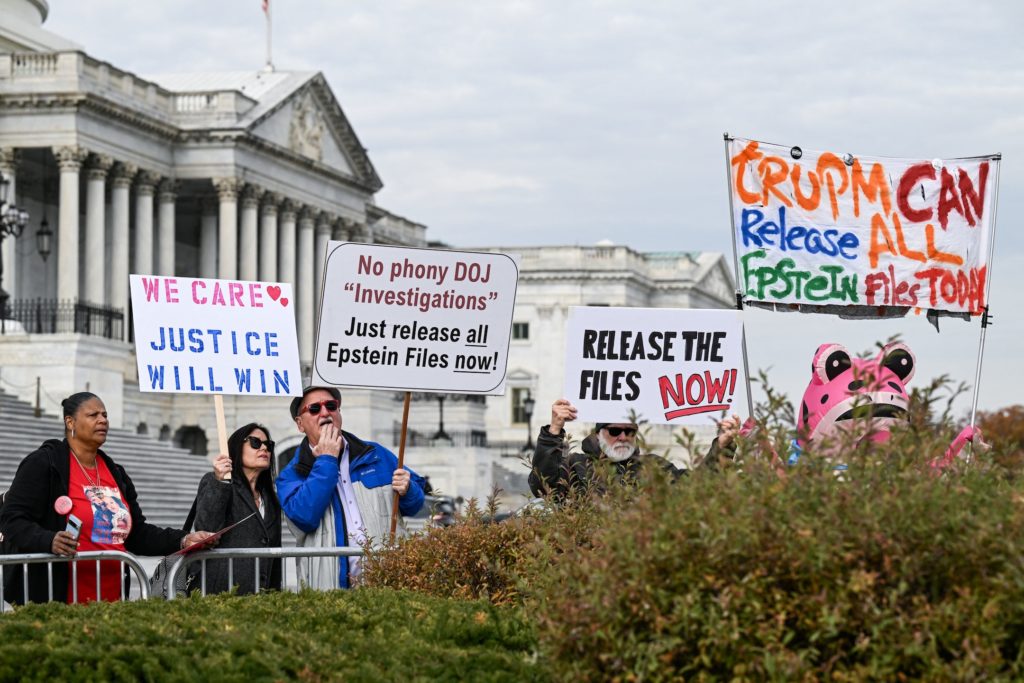
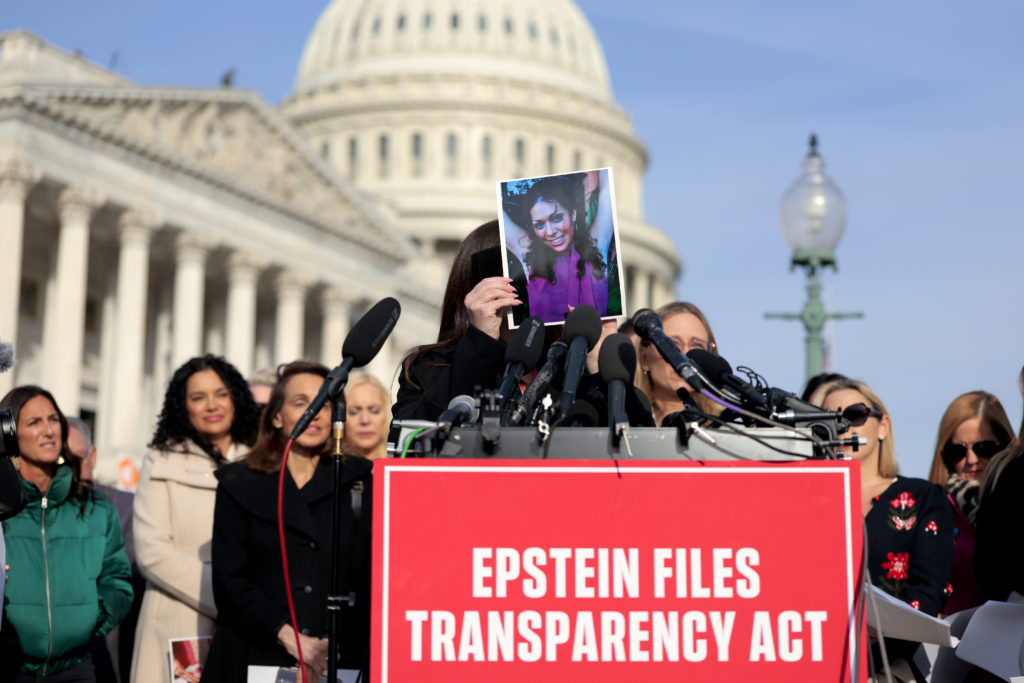
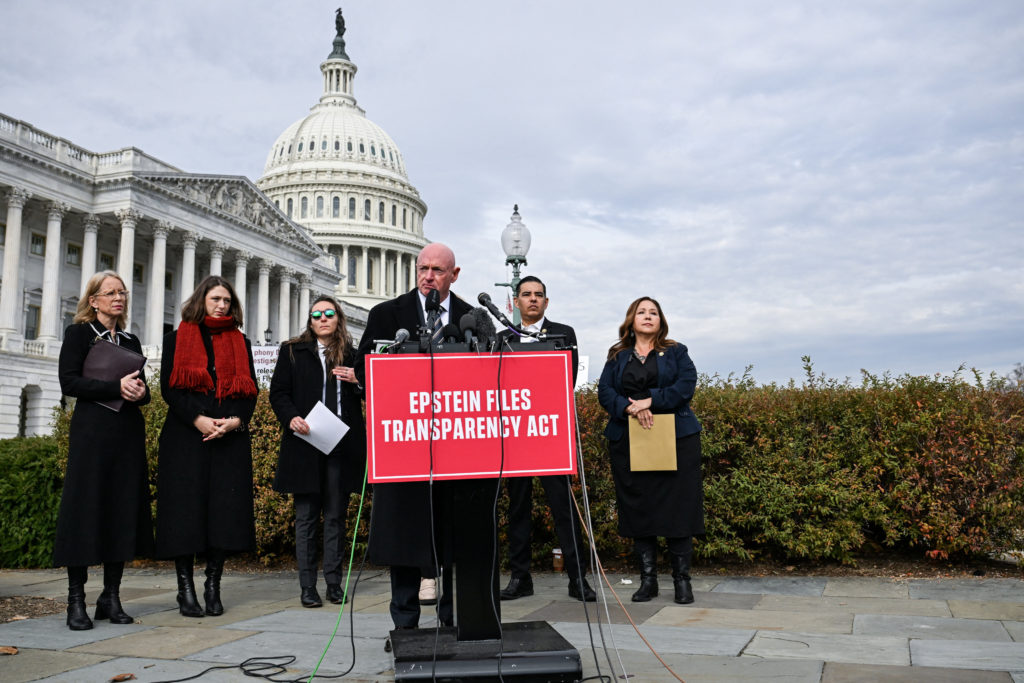
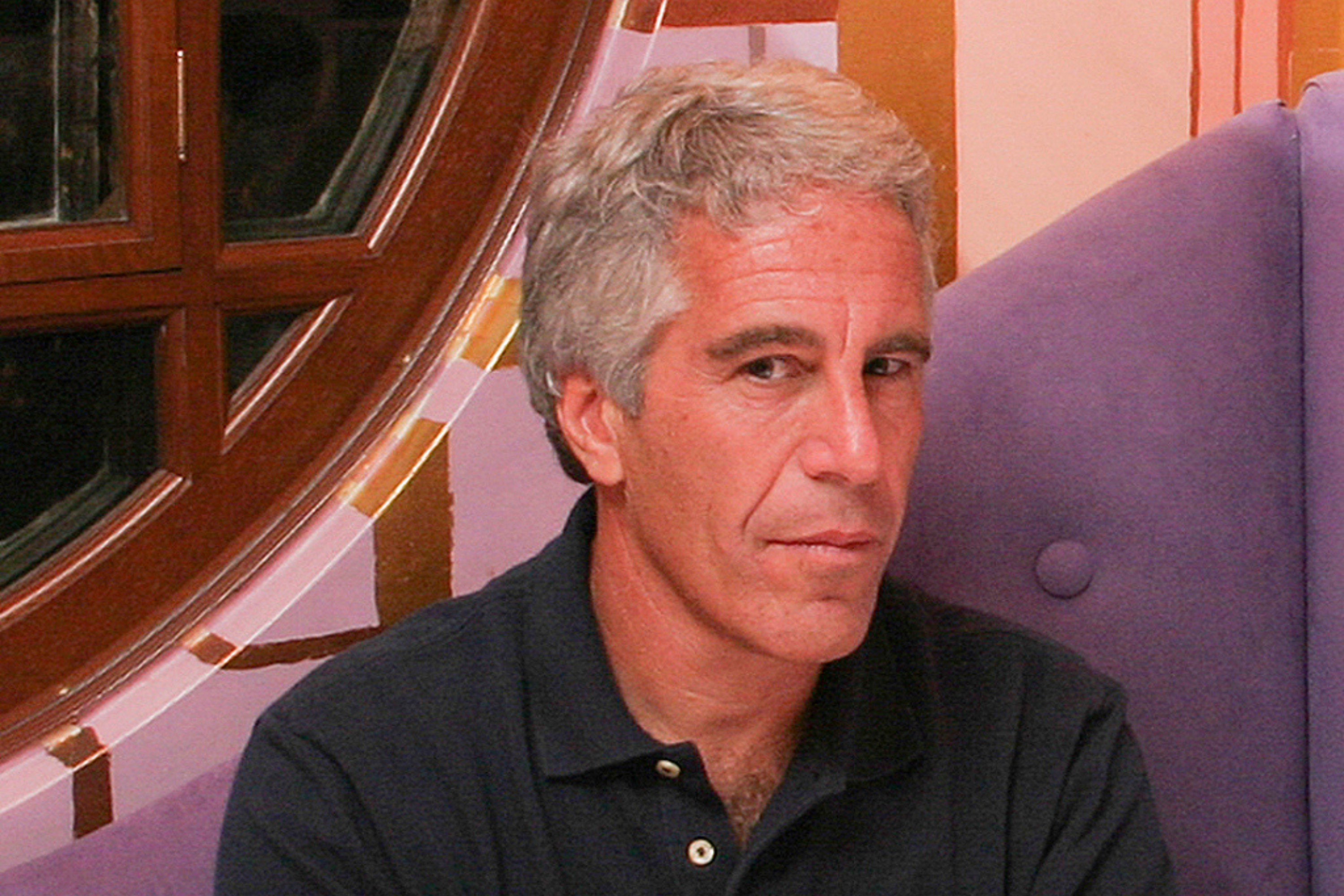
Representative Thomas Massie is urging the Senate to pass a bill that would require the Justice Department to release files related to the Jeffrey Epstein investigation. President Trump, after initially opposing the release, is now supporting the bill. The House is expected to vote in favor of the bill, but uncertainty remains about the Senate's response and the Justice Department's actions.
Key Facts
Thomas Massie is asking the Senate to approve a bill related to Jeffrey Epstein investigation files.
The House plans to vote on the bill, which is likely to pass.
President Trump changed his stance and now supports releasing the files.
House Speaker Mike Johnson had previously delayed the progress of the bill.
The real challenge is convincing the Senate and getting the Justice Department to act.
Survivor Jena-Lisa Jones criticized President Trump for politicizing the issue.
The push for the bill gained momentum when Congresswoman Adelita Grijalva provided a crucial signature.
Read the Original
Want the full story? Tap a source to open the original
article.
The House of Representatives passed the Epstein Files Transparency Act, which requires the release of documents related to Jeffrey Epstein and Ghislaine Maxwell. President Trump has agreed to sign the bill, which gives the Department of Justice (DOJ) 30 days to release the files, with certain material being exempt from release. The Senate is expected to vote on the bill soon.
Key Facts
The House of Representatives passed the Epstein Files Transparency Act with nearly unanimous support.
The bill directs the Attorney General to release all documents related to Jeffrey Epstein and his associate, Ghislaine Maxwell.
President Trump initially opposed the bill but has now stated he will sign it into law.
The Senate aims to vote on the bill soon, with expectations of it passing there as well.
The bill gives a 30-day deadline for releasing the files, with exceptions for certain sensitive information.
The Department of Justice must report on the files released and withheld within 15 days of their release.
President Trump has requested a new DOJ investigation related to Epstein, which could affect document release.
The method of how the documents will be publicly shared is still undetermined.
Read the Original
Want the full story? Tap a source to open the original
article.
The House of Representatives voted strongly to make the Justice Department release files related to Jeffrey Epstein, a convicted sex offender. The bill faced initial opposition from President Trump and Republican leadership but gained enough support to move forward. President Trump announced he would sign the bill if the Senate approves it as well.
Key Facts
The House voted in favor of releasing files on Jeffrey Epstein.
The bill initially faced opposition from President Trump and Republican leaders.
A bipartisan group in the House pushed the bill forward.
President Trump has agreed to sign the bill if the Senate approves it.
The vote demonstrated significant support despite early resistance.
The Senate is now considering the bill.
Read the Original
Want the full story? Tap a source to open the original
article.
President Donald Trump initially tried to stop a House vote on releasing files related to Jeffrey Epstein. He later changed his stance, and the measure is now likely to pass. Survivors and a U.S. Congresswoman criticized Trump for his initial opposition.
Key Facts
President Trump tried to block a House vote on releasing Epstein-related files.
He dropped his opposition on Sunday.
The measure related to the files is expected to pass with strong support.
Survivors of Epstein's abuse criticized President Trump for initially opposing the release.
U.S. Congresswoman Marjorie Taylor Greene also criticized Trump’s initial actions.
Read the Original
Want the full story? Tap a source to open the original
article.
President Donald Trump's approval rating has dropped to 38% in a recent poll. The survey shows low support for his handling of issues related to Jeffrey Epstein and the cost of living. This poll included responses from more than 1,000 adults in the U.S.
Key Facts
President Trump's approval rating is now at 38%, a decrease from 40% earlier this month.
The poll was conducted by Reuters/Ipsos from November 14 to 17, including 1,017 U.S. adults.
The margin of error for the poll is plus or minus 3 percentage points.
Only 20% of respondents approve of Trump's handling of files related to Jeffrey Epstein.
59% disapprove of Trump's handling of the Epstein files, while 21% are unsure.
Less than half of Republicans (44%) approve of how Trump is handling the Epstein issue.
Only 26% of respondents believe Trump is managing the cost of living well.
Nearly two-thirds, or 65%, disapprove of Trump's performance in handling the cost of living.
Read the Original
Want the full story? Tap a source to open the original
article.
House Speaker Mike Johnson has decided to support a petition requiring the Justice Department to release files about Jeffrey Epstein. This decision follows President Trump's public support for the release, reversing Johnson's previous stance against it. The vote to release these files is expected to have full Republican support.
Key Facts
House Speaker Mike Johnson originally opposed releasing the Jeffrey Epstein files but now supports it.
President Trump's endorsement influenced Johnson's change of course.
The Republican Party is expected to unanimously back the vote for releasing the files.
Initially, Johnson used tactics to delay and avoid the vote on the files.
Johnson argued the petition was unnecessary because of an ongoing House investigation.
Johnson mentioned concerns about protecting Epstein's victims with the release.
The bill allows the DOJ to remove sensitive details and materials that could harm victims.
Read the Original
Want the full story? Tap a source to open the original
article.
On the biggest stories we show what the outlets agree on and where they differ. Readers keep that going, and get the daily digest by email every morning. Most choose $3.99/month.
The U.S. House of Representatives nearly unanimously approved a bill to release the Epstein files, with only one Republican, Clay Higgins, voting against it. The documents are linked to the late Jeffrey Epstein, who faced sex trafficking charges. The bill now moves to the Senate, where it may be amended to address privacy concerns.
Key Facts
The House of Representatives voted 427-1 to release the Epstein files.
Jeffrey Epstein died in jail in 2019 while facing sex trafficking charges.
There have been persistent rumors about an unreleased Epstein "client list."
President Trump expressed support for releasing the documents.
Representative Clay Higgins voted against the bill due to concerns about privacy for innocent people.
The bill's release is part of an ongoing investigation by the Oversight Committee.
The bill now goes to the Senate, where possible amendments may address privacy issues.
House Speaker Mike Johnson believes the Senate will amend the bill to protect victims and whistleblowers.
Read the Original
Want the full story? Tap a source to open the original
article.
A bill to require the release of Jeffrey Epstein's files passed the U.S. House of Representatives and is moving to the Senate. The bill seeks to make public potential information related to Epstein's activities. President Trump has indicated he would sign the bill if it reaches his desk.
Key Facts
The U.S. House of Representatives voted 427-1 to pass the bill to release Epstein files.
The files relate to the late Jeffrey Epstein, who faced sex trafficking charges before his death in 2019.
Representative Thomas Massie introduced the petition for the files' release.
The bill must now pass the Senate before reaching President Trump.
The Department of Justice (DOJ) may use legal privileges to block the release.
House Speaker Mike Johnson said amendments may be needed to protect victims and whistleblowers.
The DOJ could argue using law enforcement or executive privilege to withhold the files.
Released emails reveal Epstein’s past comments and interactions involving President Trump.
Read the Original
Want the full story? Tap a source to open the original
article.
President Donald Trump's recent comments about Nick Fuentes and Tucker Carlson have created tension within the Republican Party over issues of antisemitism. Trump did not criticize Fuentes, a white nationalist, and praised Carlson, leading to discontent among some conservative groups. This situation reflects ongoing challenges within the party about handling controversial figures and antisemitism.
Key Facts
President Trump did not criticize Nick Fuentes, a white nationalist, and praised Tucker Carlson.
Fuentes made comments about "organized Jewry in America" during an interview with Carlson.
President Trump has been criticized for not distancing himself from right-wing figures with controversial views.
The conservative Zionist Organization of America expressed disappointment in Trump's remarks.
The Heritage Foundation faced backlash for not distancing itself from Carlson, leading to a resignation from its board of trustees.
Trump has previously supported moves related to Israel, such as relocating the U.S. embassy to Jerusalem.
The ongoing controversy highlights divisions within the Republican Party about addressing antisemitism.
Read the Original
Want the full story? Tap a source to open the original
article.
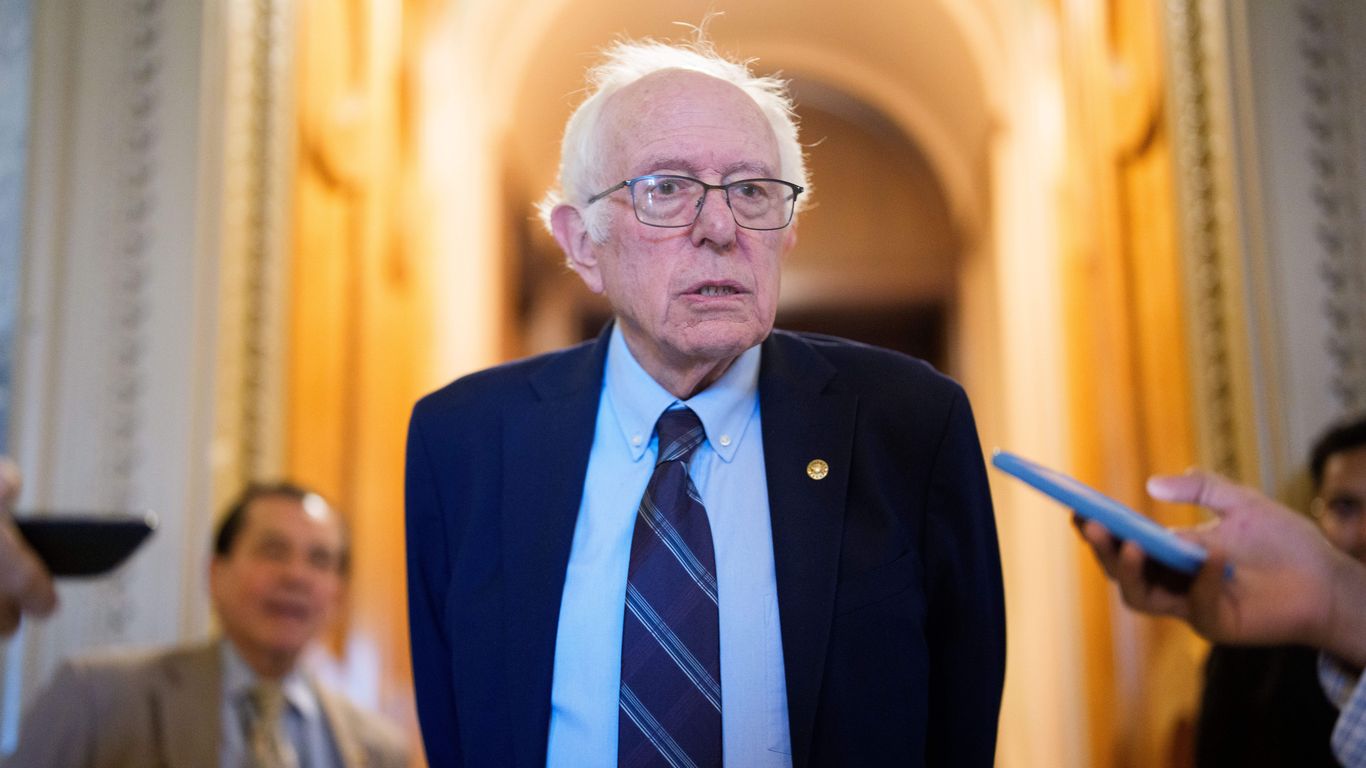
Senator Bernie Sanders is pushing Senate Democrats to support a broad health care plan in negotiations with Republicans. The plan includes extending Affordable Care Act (ACA) tax credits, reducing drug prices, and expanding Medicare. Republicans suggest any extension should be temporary and come with changes.
Key Facts
Senator Bernie Sanders is urging Democrats to support an extensive health care proposal.
The proposal aims to extend ACA tax credits, repeal $1 trillion in GOP health care cuts, expand Medicare, and lower drug prices.
Republicans propose that any extension of the tax credits should be short term and include reforms.
If Congress does not renew subsidies, ACA premiums could more than double next year.
The government shutdown has increased health care's importance as a political issue.
Sanders’ committee will be part of talks with Republicans on extending the tax credits.
Sanders acknowledged his Medicare For All idea lacks majority support but suggests important reforms.
Sanders suggests Democrats should also focus on primary care services, ban certain financial practices, and reduce CEO pay in health care.
Read the Original
Want the full story? Tap a source to open the original
article.
Kevin J. Lino, already serving time for two murders, faces new charges in Massachusetts for two additional homicides from 2010 and 2012. Authorities are labeling Lino a serial killer, which means someone who has killed two or more people in separate incidents. Lino pleaded not guilty, and investigations are ongoing to see if there are more victims.
Key Facts
Kevin J. Lino has been charged with two additional murders from 2010 and 2012 in Massachusetts.
He was previously convicted of murders in Boston (2012) and Montana (2014).
Lino pleaded not guilty to the recent charges.
The term "serial killer" is used when someone kills two or more people in separate events.
Authorities linked Lino to the 2010 murder of Gary Melanson through new evidence.
Police also suspect Lino poisoned Douglas Clarke in 2012, causing a fatal overdose.
Investigators suspect there might be more victims linked to Lino.
Both new victims were unhoused individuals living in Massachusetts at the time of their deaths.
Read the Original
Want the full story? Tap a source to open the original
article.
Federal judges have blocked Texas from using a new congressional map that was designed to help Republicans gain more U.S. House seats. The judges decided the map was racially gerrymandered, violating voting rights. The decision came after groups argued the map reduced minority voting power, and the judges agreed it could have a legal chance to win.
Key Facts
A panel of three federal judges ruled against a new congressional map in Texas.
The new map aimed to give Republicans five more seats in the U.S. House.
The judges found evidence that the map was racially gerrymandered.
Gerrymandering is drawing political boundaries to favor one party over others.
The decision followed a trial focusing on violations of the Voting Rights Act.
The court ruling blocks the use of this map for upcoming elections in Texas.
The case is part of a larger national debate over redistricting by political parties.
The U.S. Supreme Court had previously allowed partisan gerrymandering in general.
Read the Original
Want the full story? Tap a source to open the original
article.
That's the point of this site, and readers keep it that way. Support for any amount and the daily digest lands in your inbox every morning at 7am Eastern.
President Donald Trump addressed the 2018 killing of journalist Jamal Khashoggi and said that Saudi Crown Prince Mohammed bin Salman "knew nothing about it." He also defended the Crown Prince and dismissed a reporter's question on the topic as "fake news."
Key Facts
President Donald Trump spoke about Saudi Crown Prince Mohammed bin Salman during a meeting in the Oval Office.
Trump said the Crown Prince did not know about the killing of journalist Jamal Khashoggi.
Khashoggi was killed in 2018.
Trump described the criticism of the Crown Prince by saying "things happen."
The President criticized a reporter for asking about the incident, calling her "fake news."
Trump mentioned some people did not like Khashoggi.
Read the Original
Want the full story? Tap a source to open the original
article.
Around 21,000 students in Charlotte, North Carolina, did not attend school due to fears stemming from a large immigration enforcement operation by ICE and Border Patrol. This operation, part of President Trump's administration's plans, has raised concerns among local officials and educators about its impact on families and the community. Local organizations are providing support as many families are concerned about safety and economic challenges.
Key Facts
About 21,000 students in Charlotte missed school on a Monday due to fears about ICE enforcement actions.
The operation, known as Operation Charlotte’s Web, is a large immigration crackdown.
The Charlotte-Mecklenburg School District has around 141,000 students enrolled.
Local officials and educators are worried about how this affects students and families.
Parents are missing work to keep their children at home, leading to financial strain.
ICE says the operations are part of broader plans under the current administration.
Local organizations are helping with resources and support for affected families.
Read the Original
Want the full story? Tap a source to open the original
article.