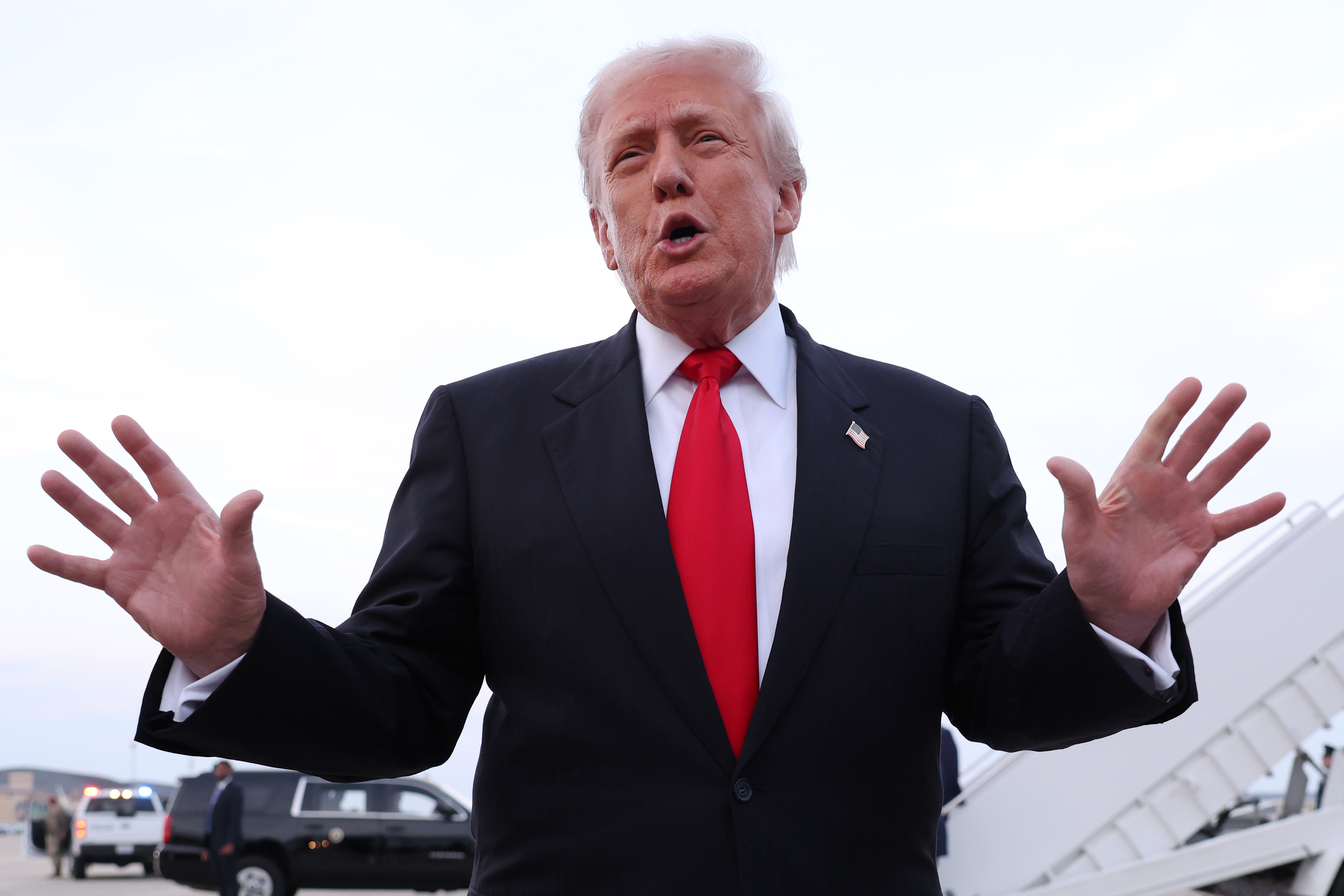
President Donald Trump has proposed new plans to give direct payments to Americans, like $2,000 checks from tariff money and other financial reliefs. However, no payments have been made yet, and there's no timetable for them. These ideas are still in discussion, and they need more details and approval before moving forward.
Key Facts
President Trump suggested giving $2,000 payments to Americans using money from tariffs, which are taxes on foreign goods.
Trump mentioned on a social media platform that he plans to issue a "dividend" to middle- and lower-income Americans.
Experts warn that these payments could cost $600 billion each year and might increase the national deficit by $6 trillion over ten years.
Tariff revenues are usually paid by U.S. importers and passed on to consumers.
Treasury Secretary Scott Bessent stated that these payments might come as tax cuts or deductions instead of direct checks.
A separate proposal called "baby bonds" would give $1,000 to each child born in the U.S. from 2025-2028, but this needs more legislative steps to become real.
The government has also thought about giving savings from government efficiency to citizens, but no details or plans have been finalized.
Read the Original
Want the full story? Tap a source to open the original
article.
A report from the University of California, San Diego has highlighted a significant increase in students entering without middle school math skills. The percentage of students placing below Algebra 1 in math assessments tripled over five years, raising concerns about student readiness for college. This trend is associated with learning disruptions during the pandemic and changes in admissions practices.
Key Facts
UCSD report shows a rise in students without Algebra 1 skills from 6% in 2020 to 18% in 2025.
Pandemic disruptions and the removal of standardized test requirements are linked to the increase.
Math 2, a course for very basic math skills, now enrolls over 900 students, up from fewer than 100.
A new course, Math 3B, was introduced to cover high school-level math content.
Many students placed in remedial courses had high school math grades, including some with straight A's (4.0 GPA).
The report points to a gap between students' paper qualifications and actual skills.
Schools with high numbers of low-income students have more students needing remedial courses.
There is a debate about balancing access to education with preparing students adequately for college.
Read the Original
Want the full story? Tap a source to open the original
article.
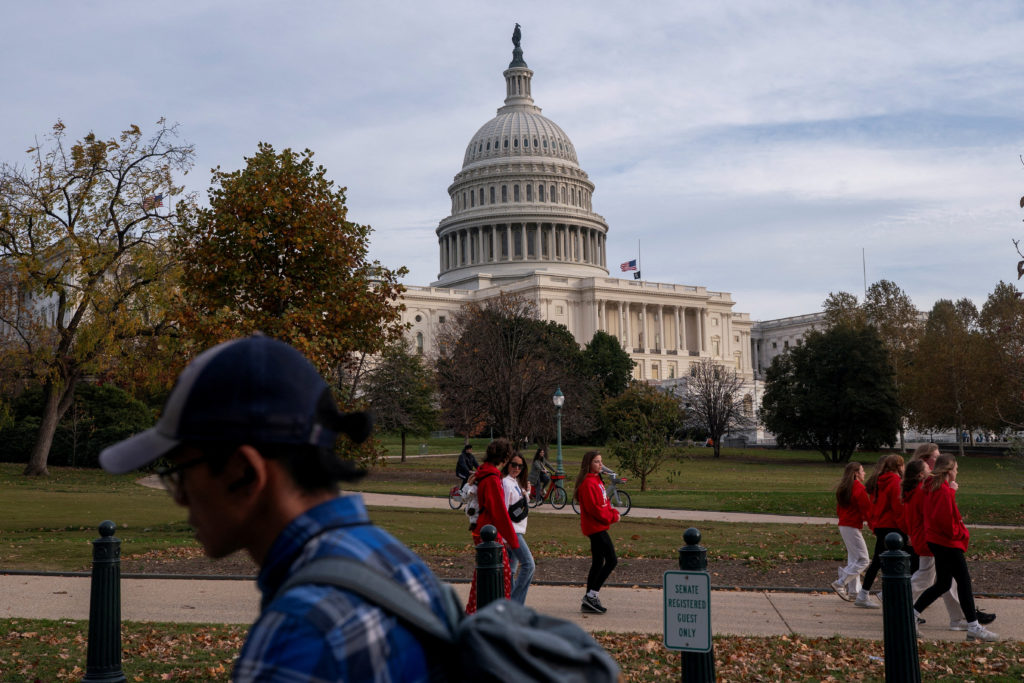
The U.S. House of Representatives is preparing to vote on a spending bill to end a prolonged government shutdown. If House Republicans remain united, they can pass the budget without needing Democratic support, but several issues threaten this unity. One significant point of contention is the renewal of tax credits for affordable health insurance.
Key Facts
The U.S. Senate has passed a spending bill to end the longest government shutdown in history.
House Republicans need to stay united to pass the budget without Democratic votes.
A key issue is whether Republicans will agree to renew tax credits that help 24 million Americans afford health insurance.
Democrats want to attach these tax credits to the spending bill, while Senate Republicans only agreed to a future vote.
Some conservative Republicans warn against allowing health insurance premiums to rise.
Democrats are divided on the issue; the left-wing is critical of those who supported the Senate budget.
Moderate Democrats like Jared Golden and Henry Cuellar may support the Republican spending plan.
The House has a narrow Republican majority with 219 seats; they can only lose two votes on the plan.
Read the Original
Want the full story? Tap a source to open the original
article.
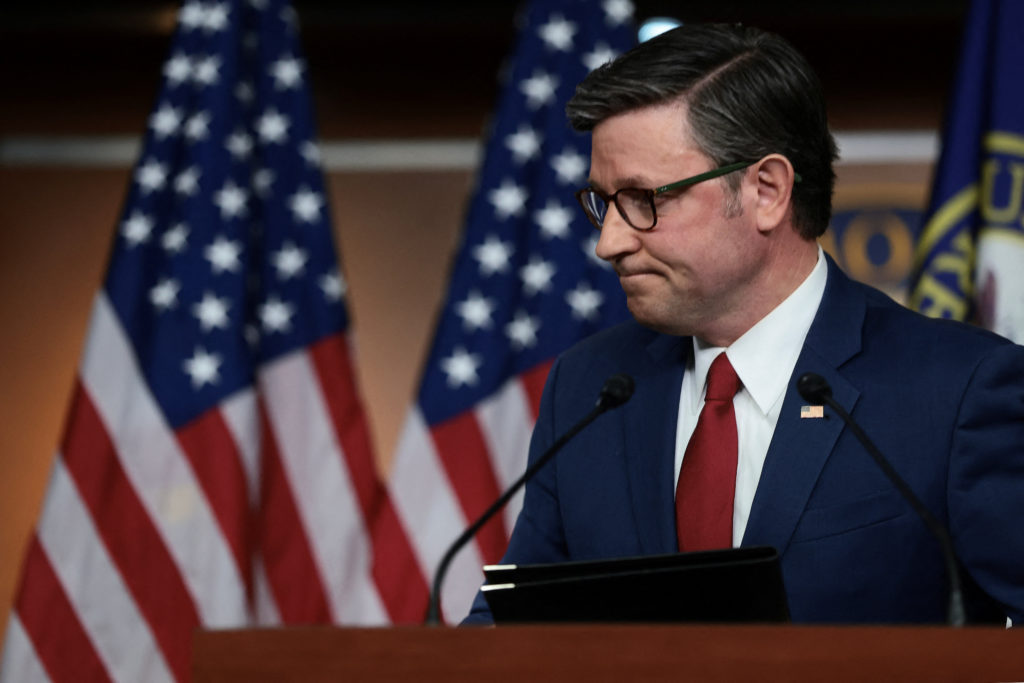
Speaker Mike Johnson is calling U.S. House members back to session after keeping it closed during the government's long shutdown. Lawmakers are set to address a number of pending issues, starting with a vote to reopen the government. The situation highlights Johnson's approach to leadership and his interactions with other government branches.
Key Facts
Speaker Mike Johnson had not convened the U.S. House during a long government shutdown.
He is recalling lawmakers to address pending legislative demands.
The first agenda item is to vote on reopening the government.
The session will also focus on other matters like the Jeffrey Epstein files and swearing in a new representative.
Johnson's decision to keep the House closed differed from historical norms.
The prolonged closure allowed more influence by the executive branch, under President Donald Trump.
Johnson has criticized Democrats, saying they caused the shutdown over health care funding disagreements.
During the shutdown, Johnson said the House had done its part by passing a funding bill, placing responsibility on the Senate.
Read the Original
Want the full story? Tap a source to open the original
article.
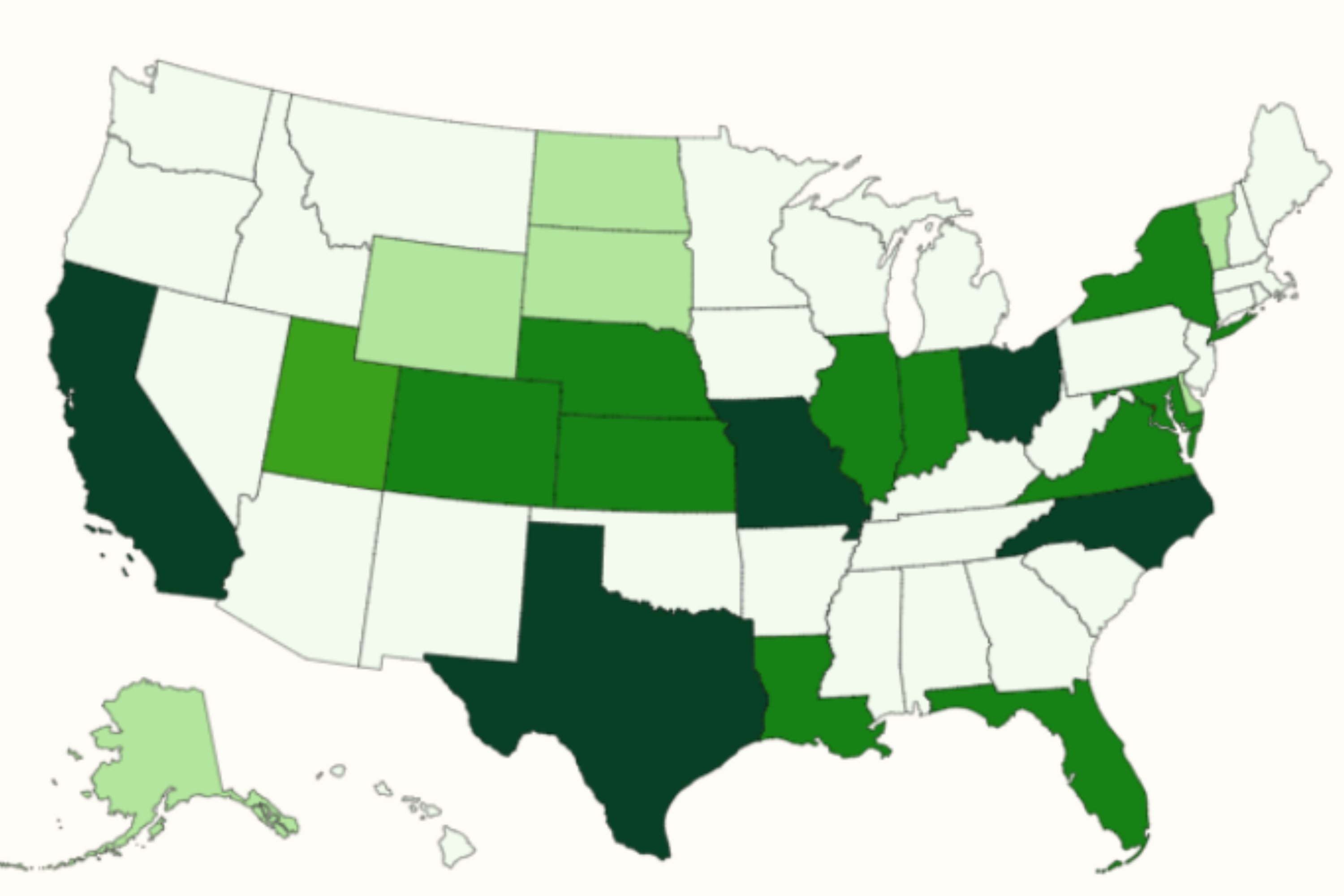
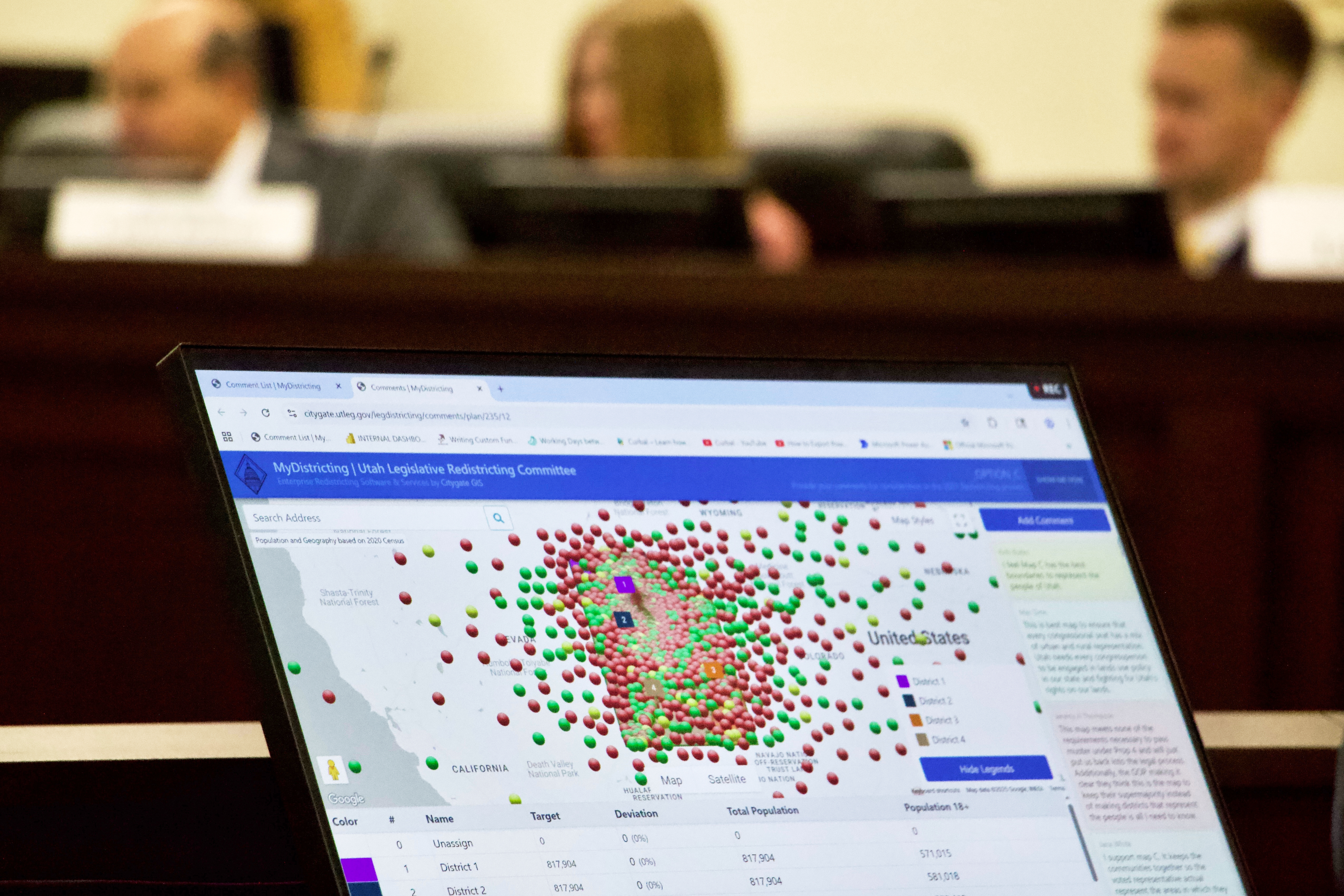
A new map shows Democrats are reducing the gap with Republicans in the redistricting efforts before the 2026 midterm elections. Donald Trump has encouraged states to redraw districts to help Republicans, prompting Democrats to act similarly. Changes in states like Utah, Texas, and California could affect the balance of power in the U.S. House of Representatives.
Key Facts
Democrats recently gained an advantage in Utah with a new congressional map that increases their chances of winning a seat.
President Trump has pushed Republican-led states to redraw district maps to benefit the GOP in the 2026 elections.
Texas has responded to Trump's call, with a new map potentially adding five Republican seats.
In California, voters approved a plan that might give Democrats a chance to gain five seats.
Missouri, North Carolina, and Ohio have adopted new maps that could result in additional Republican seats.
A new map in Utah may allow Democrats to flip one of the state's four House seats.
Legal challenges and referendum efforts in states like Missouri and California could impact the newly drawn districts.
Republicans claim California’s redistricting process is unconstitutional and have filed a legal challenge.
Read the Original
Want the full story? Tap a source to open the original
article.
In his first months of his second term, President Trump has focused on making financial promises that don't need new laws. He often uses social media to announce ideas like 50-year mortgages and payments to people. Most of these ideas are easy to change or reverse because they are not backed by new laws.
Key Facts
President Trump signed fewer bills into law than other presidents at the same point in their terms.
Trump's political party controls both the presidency and Congress.
Trump often announces financial ideas on social media without new laws to back them.
He suggested a 50-year mortgage to make housing more affordable.
Trump proposed $2,000 payments to individuals, which he changes details about frequently.
The Supreme Court might cancel tariffs because they are not part of new laws.
Trump's ideas can be easily reversed if they are not made into laws.
He pressures companies to lower drug prices without seeking new laws.
Read the Original
Want the full story? Tap a source to open the original
article.
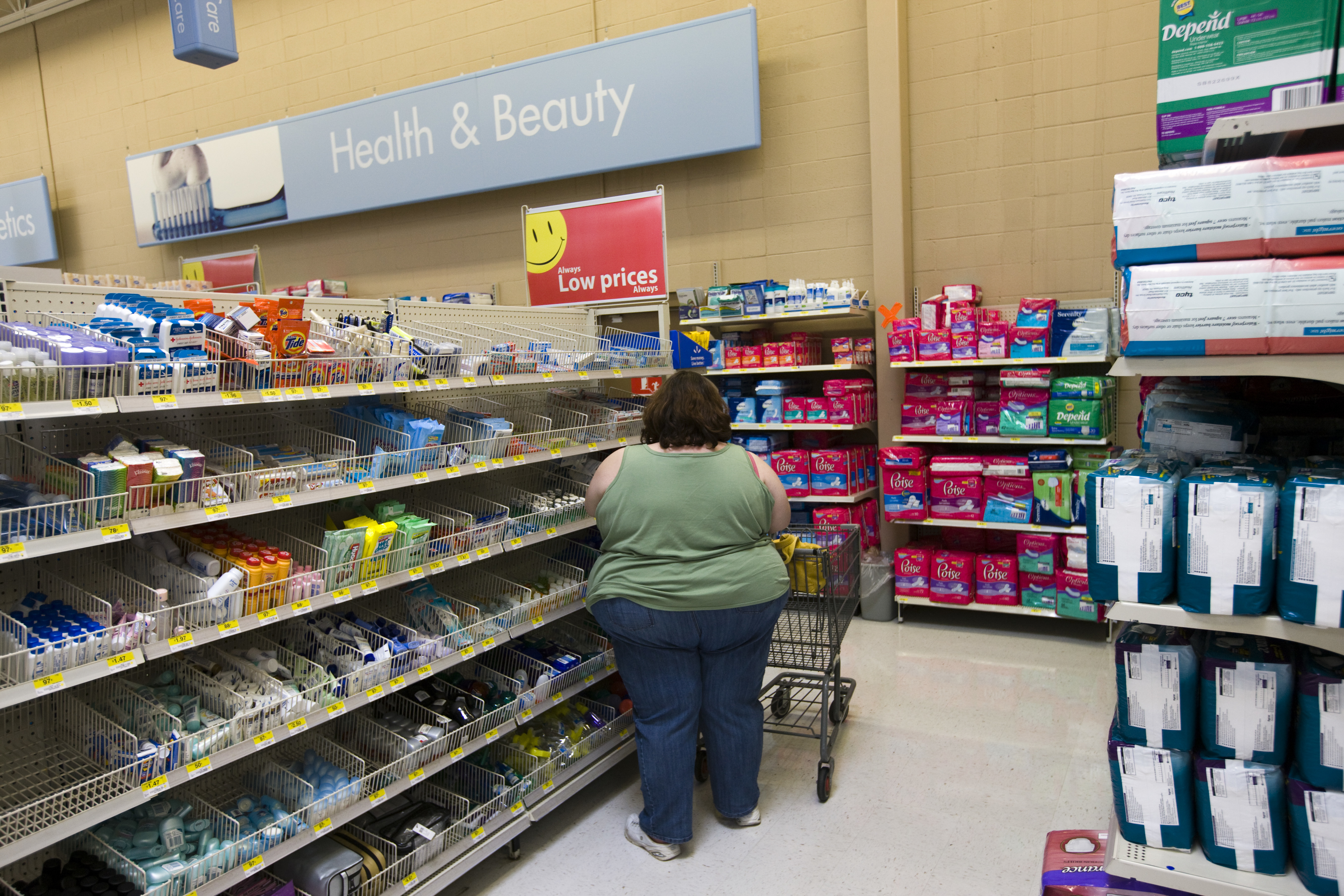
The Trump Administration is reportedly instructing U.S. consular officers to deny visas to applicants who are overweight or have costly long-term medical conditions. This guidance aims to ensure that immigrants can financially support their own healthcare needs without relying on public assistance. The policy has stirred significant discussion due to the perspectives on health discrimination and immigration fairness.
Key Facts
The Trump Administration has issued guidance for consular officers to deny visas based on applicants' health conditions.
Conditions mentioned include obesity, diabetes, and other chronic illnesses.
The guidance emphasizes financial self-sufficiency for healthcare costs over a person's lifetime.
Consular officers are asked to consider the financial resources of applicants and their dependents.
Applicants of retirement age must show they can support themselves without employment income.
Over 40% of adults in the U.S. have obesity, making the policy relevant to many.
The policy has prompted debate about fairness and implementation feasibility.
Critics argue it may unfairly target people with health issues, suggesting it may be hard to enforce consistently.
Read the Original
Want the full story? Tap a source to open the original
article.
The ongoing federal government shutdown in the U.S. has been the longest in history, affecting the economy by delaying paychecks for 1.25 million federal workers and causing thousands of flight cancellations. Although many economic activities will recover after the government reopens, around $11 billion is expected to be permanently lost.
Key Facts
The U.S. is experiencing its longest federal government shutdown, which began on October 1.
About 1.25 million federal workers have not received paychecks during the shutdown.
Thousands of flights have been canceled, with more expected even as the government approaches reopening.
There has been a slowdown in government contract awards and interruptions in food aid benefits for some recipients.
The shutdown is projected to reduce economic growth for the fourth quarter by 1.5 percentage points.
The reopening of the government could increase growth in the first quarter of the following year by 2.2 percentage points.
The Congressional Budget Office estimates that $11 billion in economic activity will not be recovered.
The impact of this shutdown is more significant than a past shutdown in 2018-2019, which lasted for 35 days.
Read the Original
Want the full story? Tap a source to open the original
article.
President Donald Trump proposed a plan to give $2,000 checks to lower- and middle-income Americans, funded by tariffs. Economists are debating the impact, raising concerns about rising inflation and whether tariff revenues can cover the costs.
Key Facts
President Trump proposed $2,000 checks for lower- and middle-income Americans using tariff funds.
Economists worry this could increase inflation since the U.S. already faces high inflation levels.
The proposal has not been finalized, and details about eligibility and implementation are unclear.
Experts believe these checks could push inflation higher, similar to effects seen during COVID-19 stimulus efforts.
Tariffs have generated about $195 billion for the U.S. in fiscal year 2025.
The proposal could cost more than $200 billion, potentially matching annual tariff revenue.
Some analysts believe the checks might boost markets by encouraging spending, which could help the economy.
Experts question whether tariff revenues alone can fund this proposal without worsening long-term U.S. fiscal problems.
Read the Original
Want the full story? Tap a source to open the original
article.
The Senate met after approving a plan to end the government shutdown, but final approval is still pending. Airlines have had to cancel many flights due to staffing issues at air traffic control centers caused by the shutdown. Severe weather and a shortage of air traffic controllers are causing further delays, affecting travel plans for many.
Key Facts
U.S. airports are facing higher flight cancellations due to the government shutdown.
The FAA ordered a reduction in flights to ensure safety amid staffing issues.
Nearly 1,200 flights were canceled on a recent Tuesday as a result.
Severe weather is contributing to further delays and cancellations.
Air traffic controllers have missed paychecks due to the shutdown, leading some to call out of work.
The Senate has approved a measure to end the shutdown, but the process is not complete.
Transportation Secretary Sean Duffy stated that flight reductions would continue until safety standards are met.
President Trump has urged controllers to return to work and offered a $10,000 bonus for those who stayed.
Read the Original
Want the full story? Tap a source to open the original
article.
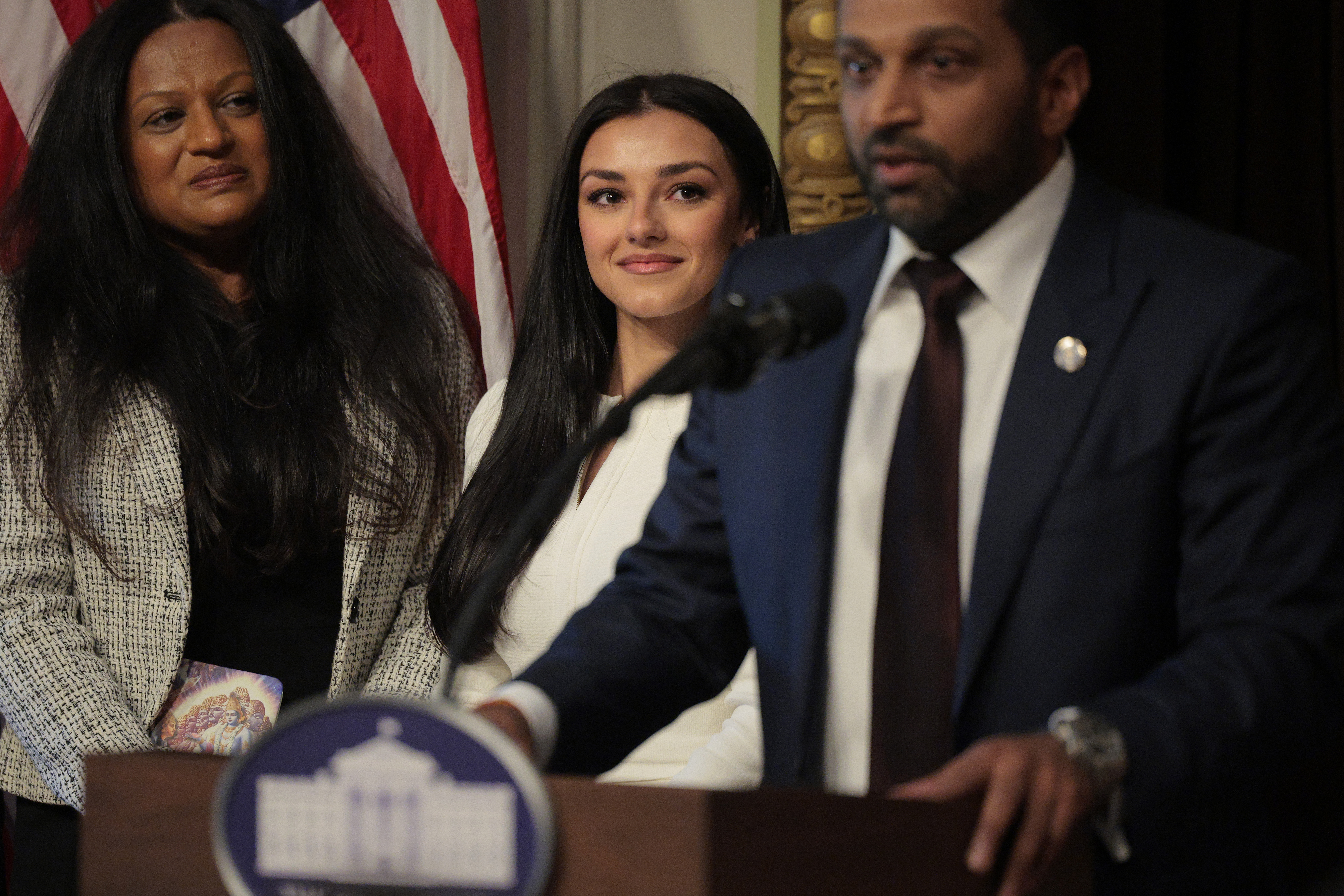
Alexis Wilkins, who is dating FBI Director Kash Patel, has filed lawsuits claiming false statements about her working for Israeli intelligence. The lawsuits target several public figures who shared these allegations. Wilkins denies the accusations and seeks to hold those spreading them accountable.
Key Facts
Alexis Wilkins has filed multiple defamation lawsuits after being accused of being an Israeli spy.
She is a country music singer and a political commentator with a significant social media following.
The lawsuits target Kyle Seraphin, Sam Parker, and Elijah Schaffer, who allegedly spread these accusations online.
Wilkins denies all allegations, stating that they are baseless and damaging.
The accusations claim that her relationship with Kash Patel is part of a "honeypot" operation, which she strongly refutes.
The accusations and lawsuits have attracted media attention and public interest.
Wilkins appeared on The Megyn Kelly Show, where she firmly denied the spy allegations.
Newsweek has reached out to those involved for comments on the lawsuits.
Read the Original
Want the full story? Tap a source to open the original
article.
Republican Representative Marjorie Taylor Greene has responded to criticism from President Donald Trump after she suggested he should focus more on domestic issues than foreign policy. The disagreement has highlighted tensions within the Republican Party about priorities, especially as they approach the 2026 midterm elections. Greene wants Trump to prioritize domestic economic issues, such as healthcare costs.
Key Facts
President Donald Trump criticized Marjorie Taylor Greene for her comments on his focus on foreign policy.
Greene responded by stating she is committed to representing her district and prioritizing American interests.
Greene criticized Trump's meeting with Syrian interim President Ahmed al-Sharaa, urging him to focus more on domestic policies.
Greene emphasized the need for a Republican plan to address rising healthcare costs and alternatives to the Affordable Care Act.
The tension between Greene and Trump shows differing priorities within the Republican Party ahead of upcoming elections.
Trump was surprised by Greene's comments, suggesting she does not understand the global responsibilities of the presidency.
Greene called for attention to urgent economic concerns, including health insurance premiums.
Read the Original
Want the full story? Tap a source to open the original
article.
There are no ads, so there is no reason to bait you. Readers who chip in keep it that way. Most choose $3.99/month, and get the daily digest every morning.
President Donald Trump has experienced the longest stretch of negative approval ratings in his second term, with no positive ratings in 20 days according to major polls. The government shutdown, which has become the longest in U.S. history, is impacting his approval as citizens express disapproval of how he is handling the situation. Polls show a significant majority of Americans disapproving of Trump's performance.
Key Facts
President Donald Trump has not recorded a positive approval rating in major polls for 20 days straight.
His last positive net approval rating was on October 22, according to RMG Research.
The government shutdown is the longest in U.S. history and has affected many Americans, including federal workers and those receiving food assistance.
RMG Research found that 46% of voters approve of Trump, while 51% disapprove, resulting in a net rating of -5.
Other polls: Morning Consult (-10), Newsweek tracker (-10 recently), Quinnipiac (-14), YouGov/Economist (-18), Ipsos/Reuters (-17), Navigator Research (-15).
The YouGov/Economist poll shows 58% disapproval of Trump's handling of the shutdown.
The shutdown has led to disrupted services, furloughed workers, and reduced food assistance benefits for 42 million recipients.
Trump defends his actions on social media, while critics accuse him of using the shutdown for political leverage.
Read the Original
Want the full story? Tap a source to open the original
article.
President Donald Trump proposed giving Americans a $2,000 dividend from tariff revenue collected by his administration. However, experts are skeptical because the actual tariff income might not be enough to fund such payments. There are no detailed plans about how or when these payments would be made.
Key Facts
President Trump promised $2,000 to Americans from tariff revenue.
Trump has imposed tariffs on goods like drugs, steel, and cars.
Experts say the revenue might not be as high as Trump claims.
The legality of Trump's tariffs is being reviewed by the U.S. Supreme Court.
The administration has not detailed how these payments would be funded.
Trump mentioned that high-income people would not receive the payments.
Treasury Secretary Scott Bessent said he hadn't discussed the payments with Trump.
Critics say rebranding tax cuts as dividends is misleading.
Read the Original
Want the full story? Tap a source to open the original
article.
President Donald Trump discussed the importance of foreign students attending American universities to help keep them operating. Protests occurred at the University of California, Berkeley, during a Turning Point USA event. President Trump also expressed support for Chinese students studying in the U.S., emphasizing their financial contributions to universities.
Key Facts
President Trump defended allowing Chinese students at U.S. colleges to help them stay in business.
Protests took place at the University of California, Berkeley, during a Turning Point USA event.
Several arrests occurred during the protest as attendees clashed over differing views.
President Trump stated that many colleges would go out of business if foreign student enrollment was cut in half.
Students from China and other countries often pay higher tuition fees than domestic students.
President Trump previously allowed a large number of Chinese students to study in the U.S. during trade talks with Beijing.
The protests at Berkeley included strong anti-Charlie Kirk sentiments and resulted in at least three arrests.
Read the Original
Want the full story? Tap a source to open the original
article.
The FAA is cutting flights at major U.S. airports due to the ongoing government shutdown and air traffic controller shortages. Flights have been reduced to ease stress on unpaid air traffic controllers and improve safety. The Senate passed a bill to reopen the government, but it still needs House approval.
Key Facts
The FAA ordered domestic airlines to cut 4% of flights at 40 major U.S. airports.
Starting Tuesday, the flight cuts increased to 6% and are planned to reach 10% by Friday.
Nearly 1,200 flights were canceled on Tuesday.
Severe weather is causing additional delays and cancellations at some airports.
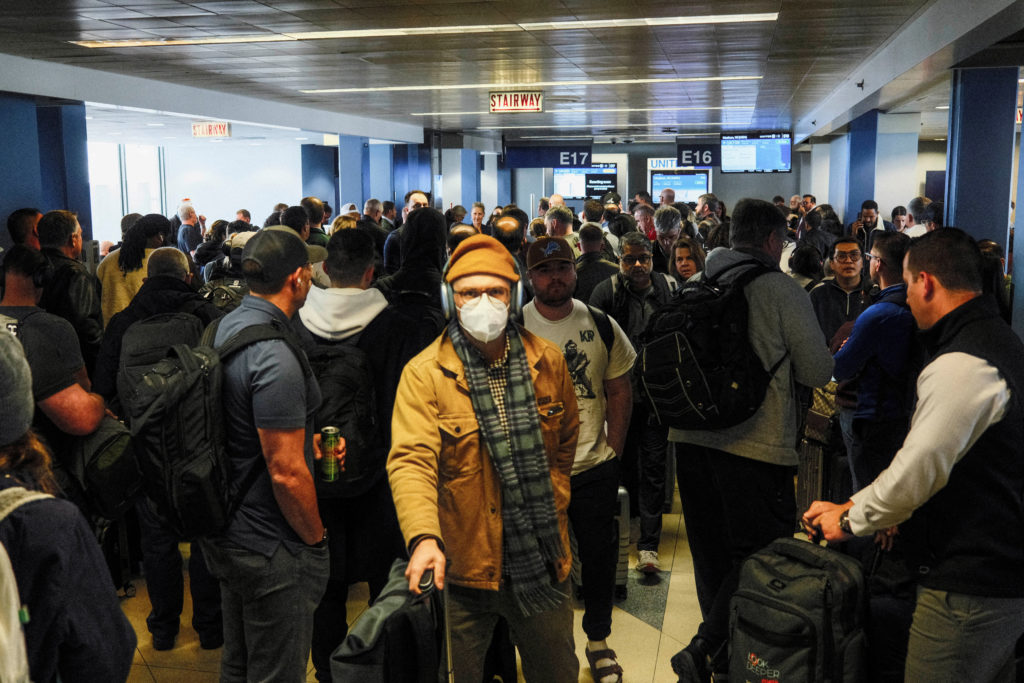
Staffing shortages continue to delay flights, such as a five-hour delay at Chicago O'Hare.
Over a dozen air traffic towers and centers are experiencing staffing shortages that affect various cities.
The Senate passed a bill to reopen the government, but it needs approval from the House.
Flight operations may not normalize immediately even after the government shutdown ends.
Read the Original
Want the full story? Tap a source to open the original
article.
A video from San Diego International Airport shows passengers climbing onto a baggage carousel to clear a suitcase jam. Airport officials said this incident was not related to the ongoing U.S. government shutdown, although the shutdown has affected airport operations across the country.
Key Facts
Passengers at San Diego International Airport cleared a baggage jam themselves.
The incident was recorded by a traveler named Taylor, who shared the video online.
The video gained significant attention, with over 12 million views on TikTok.
San Diego airport officials clarified that the baggage jam had nothing to do with the government shutdown.
The U.S. government shutdown has affected airport operations nationwide, causing longer security lines and delays.
President Donald Trump ordered air traffic controllers to return to work during the shutdown.
Read the Original
Want the full story? Tap a source to open the original
article.
Bank of America has announced a $350,000 grant to support American Corporate Partners, a nonprofit that assists veterans and military spouses in transitioning to civilian jobs. This funding will help 250 mentorships over the next year and is part of the bank’s broader effort to support veterans and military families.
Key Facts
Bank of America is giving $350,000 to American Corporate Partners (ACP).
ACP helps veterans and military spouses move into civilian careers.
The funding will support 250 mentorships over one year.
The announcement was made to coincide with Veterans Day, which is on November 11.
Bank of America and ACP have been partners since 2018.
Bank of America aims to hire 10,000 more people with military backgrounds over five years.
ACP’s program has helped nearly 40,000 veterans and spouses nationwide.
Bank of America also runs a Military Support & Assistance Group with 43 chapters across the country.
Read the Original
Want the full story? Tap a source to open the original
article.
On the biggest stories we show what the outlets agree on and where they differ. Readers keep that going, and get the daily digest by email every morning. Most choose $3.99/month.
A Utah Republican lawmaker wants to impeach a state judge, Judge Dianna Gibson, for her decision to reject a Republican-led congressional map. Judge Gibson ruled the map violated a voter-approved law meant to prevent unfair redistricting. The move to impeach the judge showcases a dispute over redistricting within Utah and mirrors larger national conflicts on similar issues.
Key Facts
A Utah state judge struck down a Republican-created congressional map, citing it violated a voter-approved measure (Proposition 4) designed to prevent gerrymandering.
Proposition 4 set up an independent commission to ensure fair redistricting.
Judge Gibson ordered a new map to be used in the 2026 elections instead.
A Utah Republican lawmaker introduced a resolution to impeach Judge Gibson, claiming she overstepped her authority.
Impeaching a judge in Utah requires approval by two-thirds of both the House and Senate, which is unlikely to happen in this case.
Democrats praised the judge’s decision as a victory for fairness, while some Republicans criticized it as biased.
A political science professor stated that the judge's decision was based on law, not partisanship.
Read the Original
Want the full story? Tap a source to open the original
article.
A judge in Utah has turned down a congressional map made by Republican lawmakers. Instead, the judge accepted a map that creates a new district likely to favor Democrats before the 2026 midterm elections.
Key Facts
A Utah judge rejected a map drawn by Republican lawmakers.
The original Republican map aimed to maintain the party's hold on all four U.S. House seats in Utah.
The judge chose an alternative map that could create a district favoring Democrats.
This change affects the setup of districts before the 2026 midterm elections.
Utah currently has all its U.S. House seats held by Republicans.
Read the Original
Want the full story? Tap a source to open the original
article.