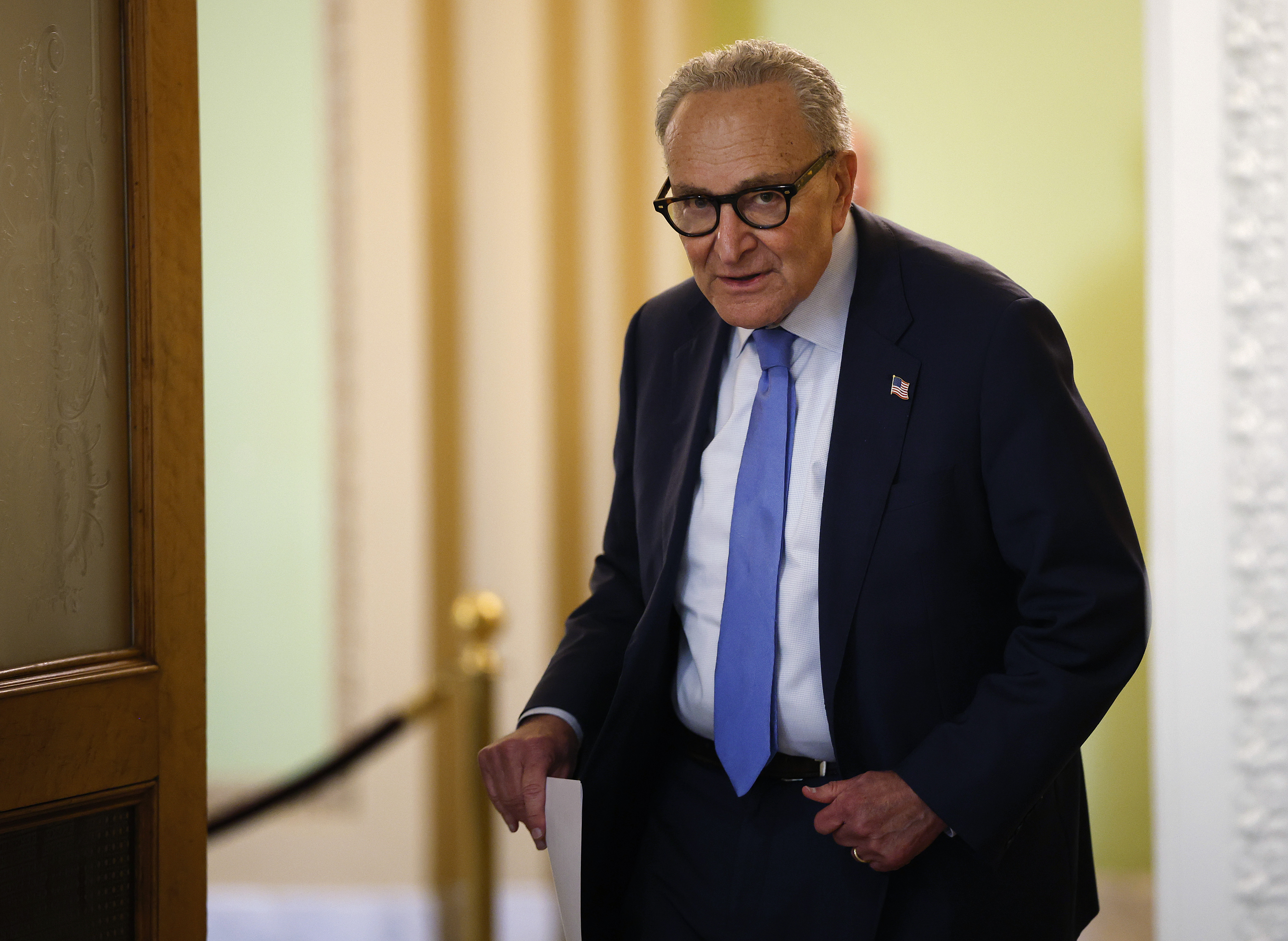
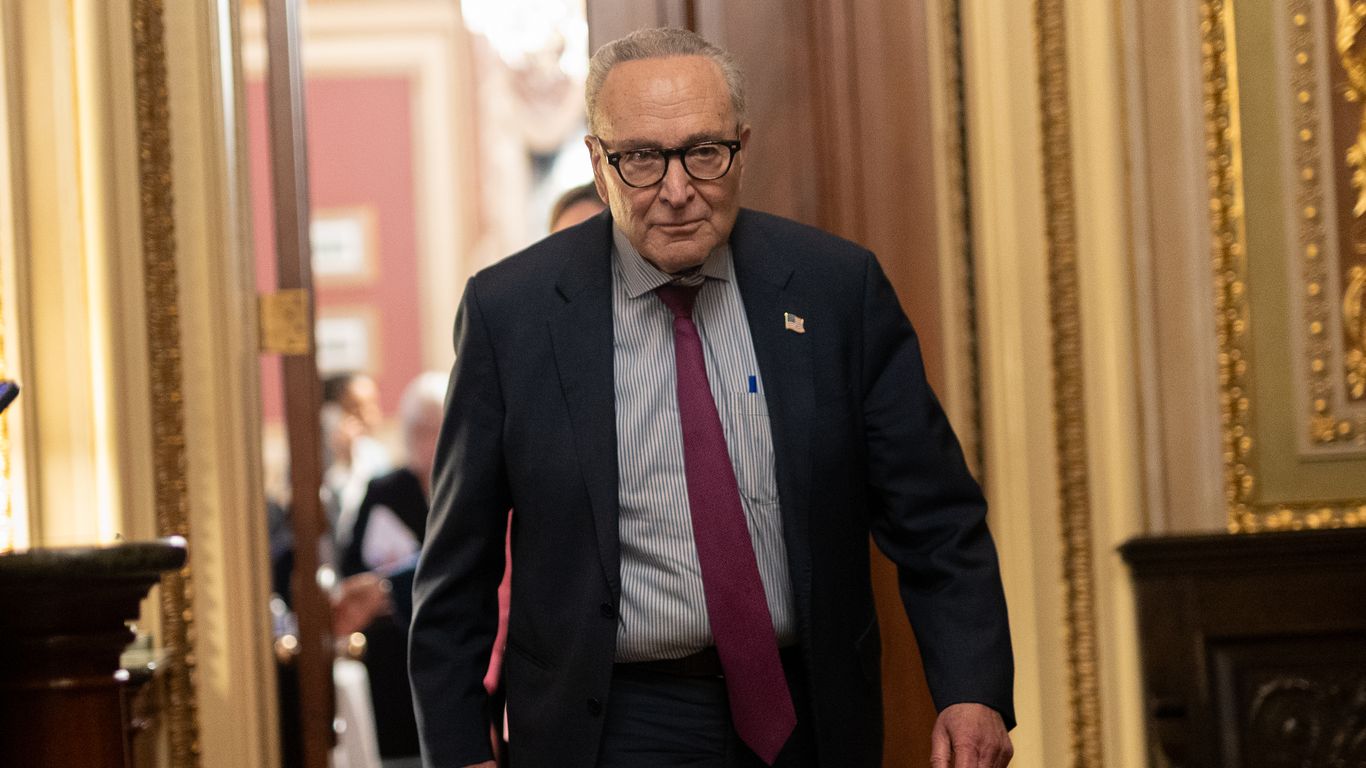
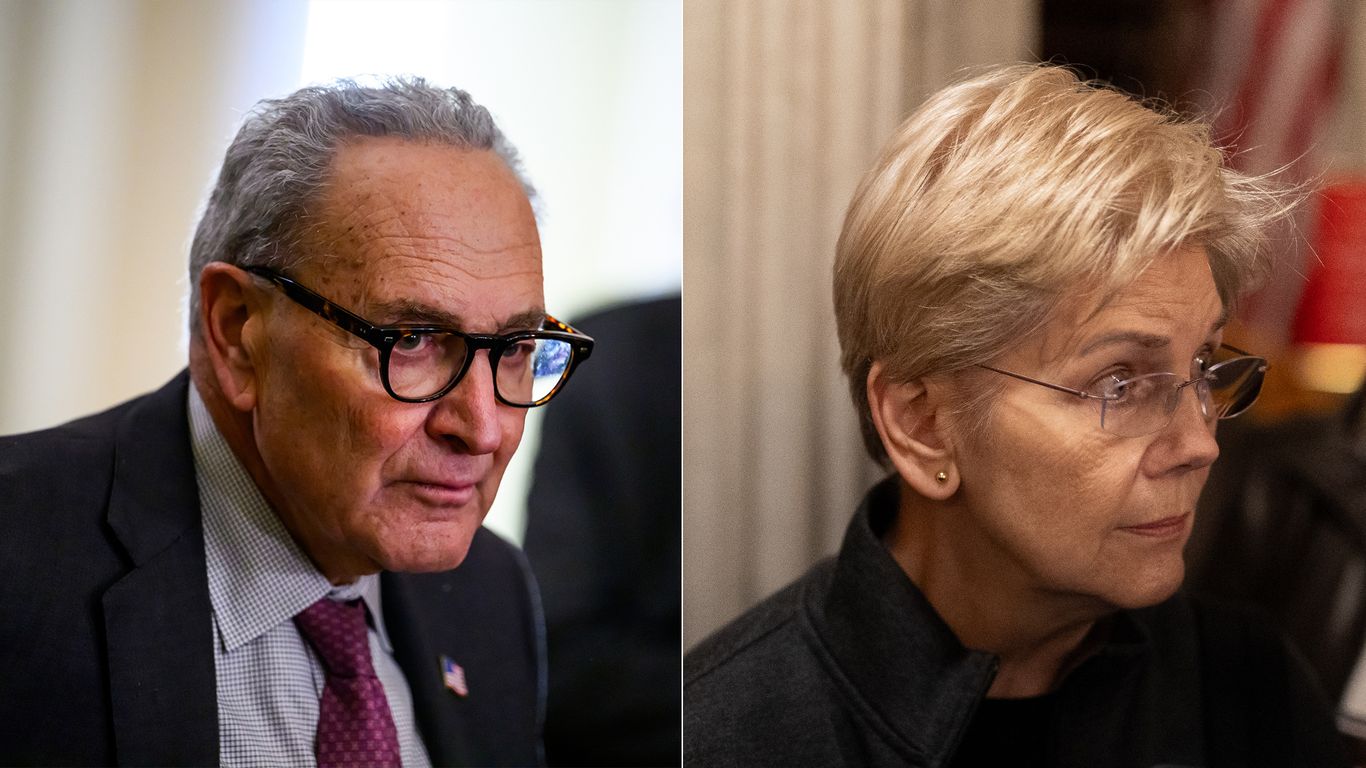
David Axelrod, a former adviser to President Barack Obama, suggested that Senate Minority Leader Chuck Schumer might not lead the Democrats in 2027. This speculation comes amid challenges from a government shutdown and tensions within the Democratic Party concerning legislative strategies. The Senate recently approved a temporary funding bill to end the shutdown, though it didn't meet all Democratic demands.
Key Facts
David Axelrod believes Chuck Schumer may not lead Senate Democrats by 2027.
Schumer faces criticism due to a long government shutdown and internal party disagreements.
Some Democratic senators supported a Republican-led funding bill to end the shutdown.
Schumer opposed the funding bill because it did not extend Affordable Care Act subsidies.
Eight Democratic senators backed the temporary funding measure, revealing party splits.
The government shutdown disrupted services and delayed federal workers' pay.
The funding bill still needs approval from the House and President Donald Trump to become law.
Read the Original
Want the full story? Tap a source to open the original
article.
A new survey shows that Muslim voters in the United States largely supported Democratic candidates in recent elections. The Council on American-Islamic Relations conducted this poll, which highlighted strong backing for Democratic candidates and high voter turnout among Muslims.
Key Facts
Muslim voters in the U.S. showed strong support for Democratic candidates in recent elections.
The poll was conducted by the Council on American-Islamic Relations (CAIR).
In New York, 97% of Muslim voters backed Mayor-elect Zohran Mamdani.
Virginia’s Democratic Senator Ghazala Hashmi received 95% of the Muslim vote for lieutenant governor.
Democratic candidates Abigail Spanberger and Mikie Sherrill both received about 85% support from Muslim voters.
California's Proposition 50, which supports Democrats, was approved by 90% of Muslim voters.
CAIR interviewed 1,626 Muslim respondents for this survey.
The survey showed that 38 out of 76 Muslim candidates won in recent elections.
Read the Original
Want the full story? Tap a source to open the original
article.
Senate Minority Leader Chuck Schumer urged moderate Democrats to maintain the government shutdown until November, despite facing pressure to reopen. He hoped to negotiate better terms when the Affordable Care Act enrollment began. However, some Democrats eventually voted with Republicans to end the shutdown.
Key Facts
Chuck Schumer is the Senate Minority Leader and a member of the Democratic Party.
Schumer privately encouraged moderates to extend the government shutdown until early November.
The shutdown lasted two weeks when moderate Democrats began considering a vote to reopen the government.
The moderates wanted to wait until the Affordable Care Act (ACA) enrollment started.
Schumer opposed a bipartisan deal aimed at ending the shutdown.
Democratic Senator Jeanne Shaheen led efforts to find a compromise but did not comment on Schumer's role.
The shutdown ended when some Democrats voted with Republicans after securing a promised vote in December on ACA tax credits.
Read the Original
Want the full story? Tap a source to open the original
article.
House Democrats held a private call where they expressed anger over Senate Democrats' agreement with Republicans to end a government shutdown. Many House Democrats are upset, feeling the deal makes their party look like they are giving in. The deal involves a promise for a Senate vote on health care tax credits, but it lacks assurance of passing due to needing 60 votes.
Key Facts
House Democrats are upset with Senate Democrats for making a shutdown deal with Republicans.
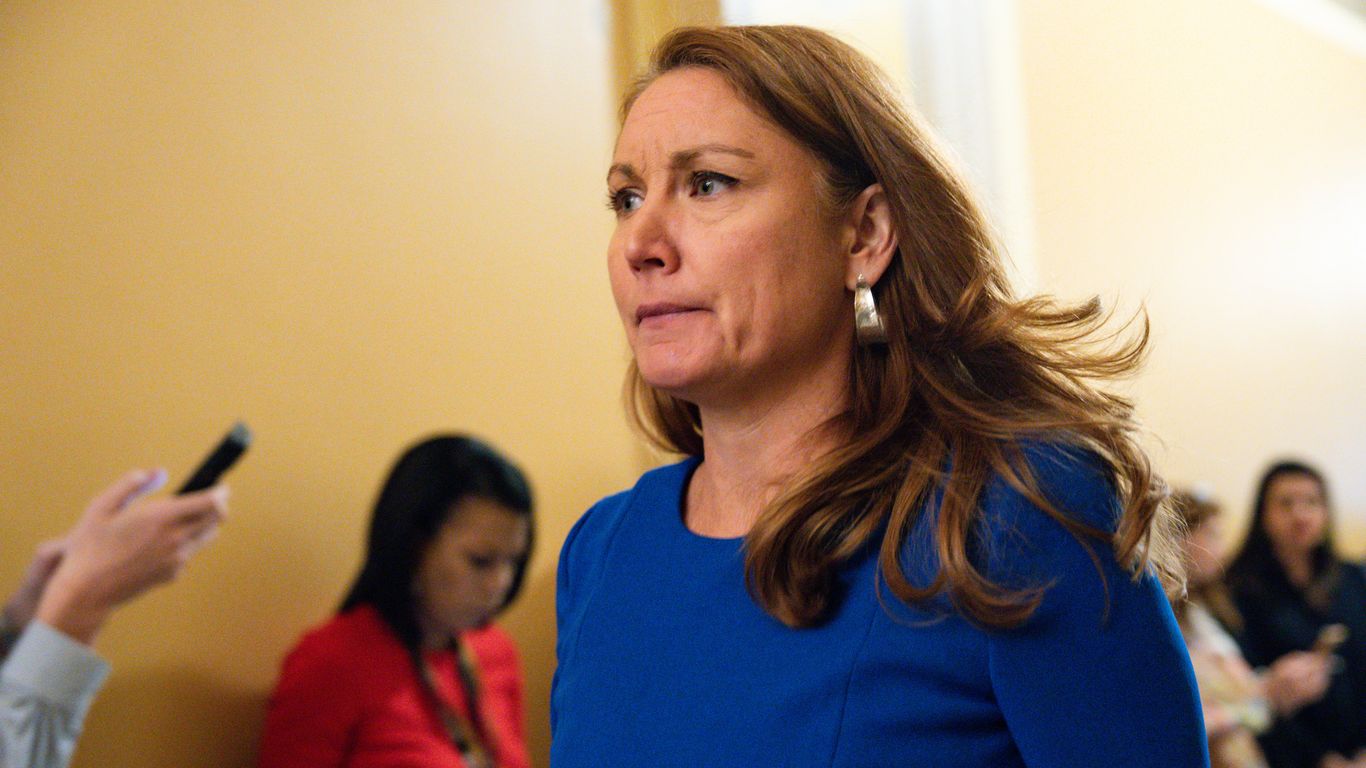
Rep. Melanie Stansbury expressed that the public is angry with Democrats for appearing to back down.
House Minority Leader Hakeem Jeffries urged members to focus on health care issues.
The deal includes a Senate vote on health care tax credits but lacks a guaranteed House vote.
Many criticized Senate Minority Leader Chuck Schumer for his role in the deal.
Some centrist House Democrats are open to the deal, despite widespread anger from others.
Rep. Jared Golden expressed support for the deal as he opposed his party's shutdown approach.
Read the Original
Want the full story? Tap a source to open the original
article.
The Supreme Court received a filing from the Justice Department arguing that a federal judge exceeded authority by ordering full funding of SNAP benefits during a government shutdown. This legal fight involves ensuring food assistance for about 42 million Americans, but complications have arisen due to government budget issues. The government shutdown may soon end, which could resolve some of the funding challenges.
Key Facts
The Justice Department filed a brief with the Supreme Court about a federal judge's order to fully fund SNAP benefits.
About 42 million Americans rely on SNAP, which provides food assistance.
The legal dispute stems from a government shutdown affecting SNAP funding.
Charities and cities have sued to ensure the government pays full SNAP benefits.
The USDA has tried to manage SNAP funding using emergency funds.
Supreme Court Justice Kentaji Brown temporarily paused a judge's order demanding full SNAP payments.
The First Circuit Court of Appeals rejected a request to avoid fully funding SNAP.
The ongoing legal battle might be resolved if the government shutdown ends, with legislative steps already in motion.
Read the Original
Want the full story? Tap a source to open the original
article.
A group of Democratic Senators voted with Republicans to temporarily end the longest U.S. government shutdown in history. The Senate passed the bill 60-40, but it caused divisions within the Democratic Party as the deal did not include an extension for Affordable Care Act tax credits.
Key Facts
The government shutdown lasted over 40 days, making it the longest in U.S. history.
The shutdown affected federal services and delayed payments to federal workers.
The Senate vote to end the shutdown was 60 in favor and 40 against.
Some Democratic Senators joined Republicans in voting for the bill.
Key Democratic figures who voted yes included Senators Jeanne Shaheen, Dick Durbin, and Tim Kaine.
The bill did not guarantee extending Affordable Care Act tax credits, a significant issue for many Democrats.
These events have highlighted differences within the Democratic Party regarding legislative priorities.
Read the Original
Want the full story? Tap a source to open the original
article.
President Donald Trump proposed giving $2,000 to most Americans using money collected from tariffs. Economists say this plan could cost more than the government makes in a year from tariffs. The Supreme Court might cancel these tariffs, affecting how any payments could be funded.
Key Facts
President Trump wants to give $2,000 payments to most Americans from tariff money.
Economists estimate this could cost hundreds of billions of dollars.
Tariffs have generated $195 billion in revenue in the fiscal year 2025.
Trump said the payments would be for people earning $100,000 or less.
A proposed $300 billion in payments is more than the $90 billion net revenue from tariffs.
Secretary Scott Bessent mentioned possible tax savings under Trump's tax policies.
The Supreme Court is reviewing the legality of Trump's tariffs, expressing concern over their nature as a revenue source.
Read the Original
Want the full story? Tap a source to open the original
article.
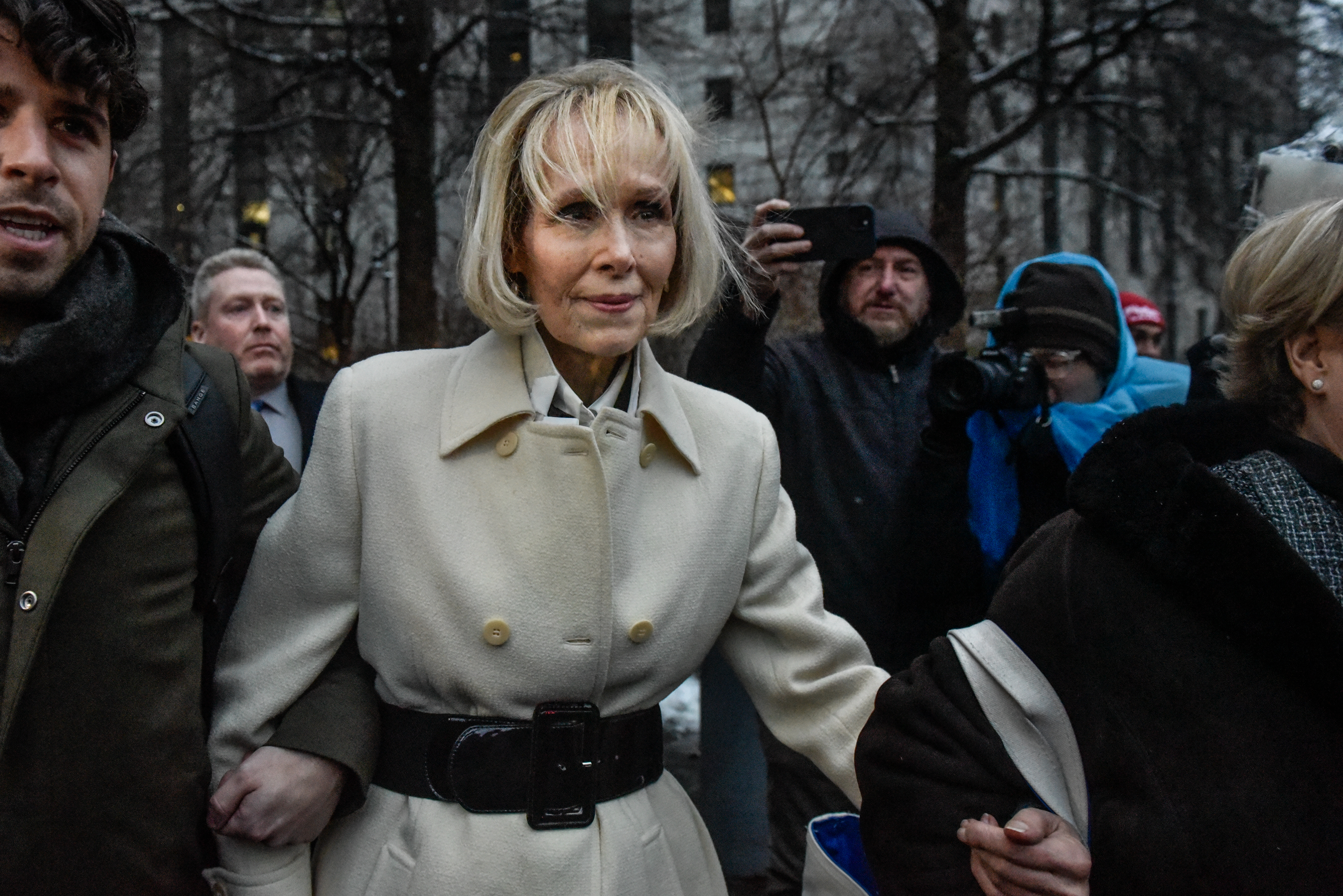
President Donald Trump has asked the U.S. Supreme Court to overturn a civil lawsuit verdict in which he was found responsible for sexually abusing and defaming writer E. Jean Carroll. The case involves questions about how evidence is handled in trials and what actions public figures can be held accountable for. It could influence future legal cases involving high-profile individuals.
Key Facts
President Trump is seeking to overturn a verdict that found him liable for abusing and defaming E. Jean Carroll.
Carroll accused Trump of assaulting her in a department store dressing room in 1996 and later defaming her.
In 2023, a jury awarded Carroll $5 million in damages.
An appellate court upheld this verdict in December 2024.
Trump's lawyer claims the incident was a "politically motivated hoax" and notes a lack of physical evidence or eyewitnesses.
The Supreme Court's decision could affect legal standards for evidence and public figure accountability.
Carroll is known as an advice columnist and former TV host.
Read the Original
Want the full story? Tap a source to open the original
article.
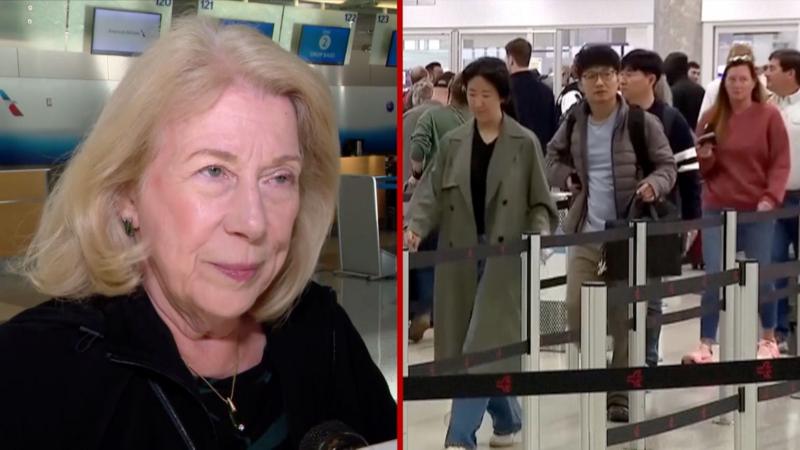
The U.S. government shutdown is causing significant delays and cancellations for airline passengers across the country. President Donald Trump is urging air traffic controllers to return to work, with promises of payment for those who continue working without pay. There are concerns about ongoing staffing shortages affecting flight schedules.
Key Facts
The U.S. government shutdown is affecting air travel, causing many delays and cancellations.
Delays are averaging over an hour at major airports like New York's LaGuardia and around 44-46 minutes at others, like Chicago O'Hare.
On Thursday, there were 1,700 flight cancellations and over 5,000 delays in the U.S.
Airlines for America says that over four million passenger travel plans were disrupted since the shutdown began on October 1.
President Trump ordered air traffic controllers to return to work, threatening pay cuts for those who do not comply.
Staffing shortages have reached 20-40% of air traffic controllers not showing up, with the worst day recorded over a weekend.
The FAA is reducing flights by several percentages at major airports due to safety concerns.
Some general aviation operations at major U.S. airports have been suspended.
Read the Original
Want the full story? Tap a source to open the original
article.
Many airline travelers in the United States are upset about ongoing flight delays and cancellations caused by a government shutdown. Staffing shortages at airports have been worsened by the shutdown, prompting the Federal Aviation Administration (FAA) to mandate reductions in flight operations. A government deal was recently passed by U.S. senators to potentially end the shutdown.
Key Facts
The U.S. is experiencing a government shutdown.
This shutdown has led to staffing shortages at airports.
The FAA announced it would require flight reductions due to these shortages.
Flight operations may be reduced by up to 10% by November 14.
U.S. senators passed an agreement that could end the shutdown.
Travelers are frustrated with the government due to ongoing flight delays and cancellations.
The FAA cited "operational strain" as a reason for the flight cutbacks.
Read the Original
Want the full story? Tap a source to open the original
article.
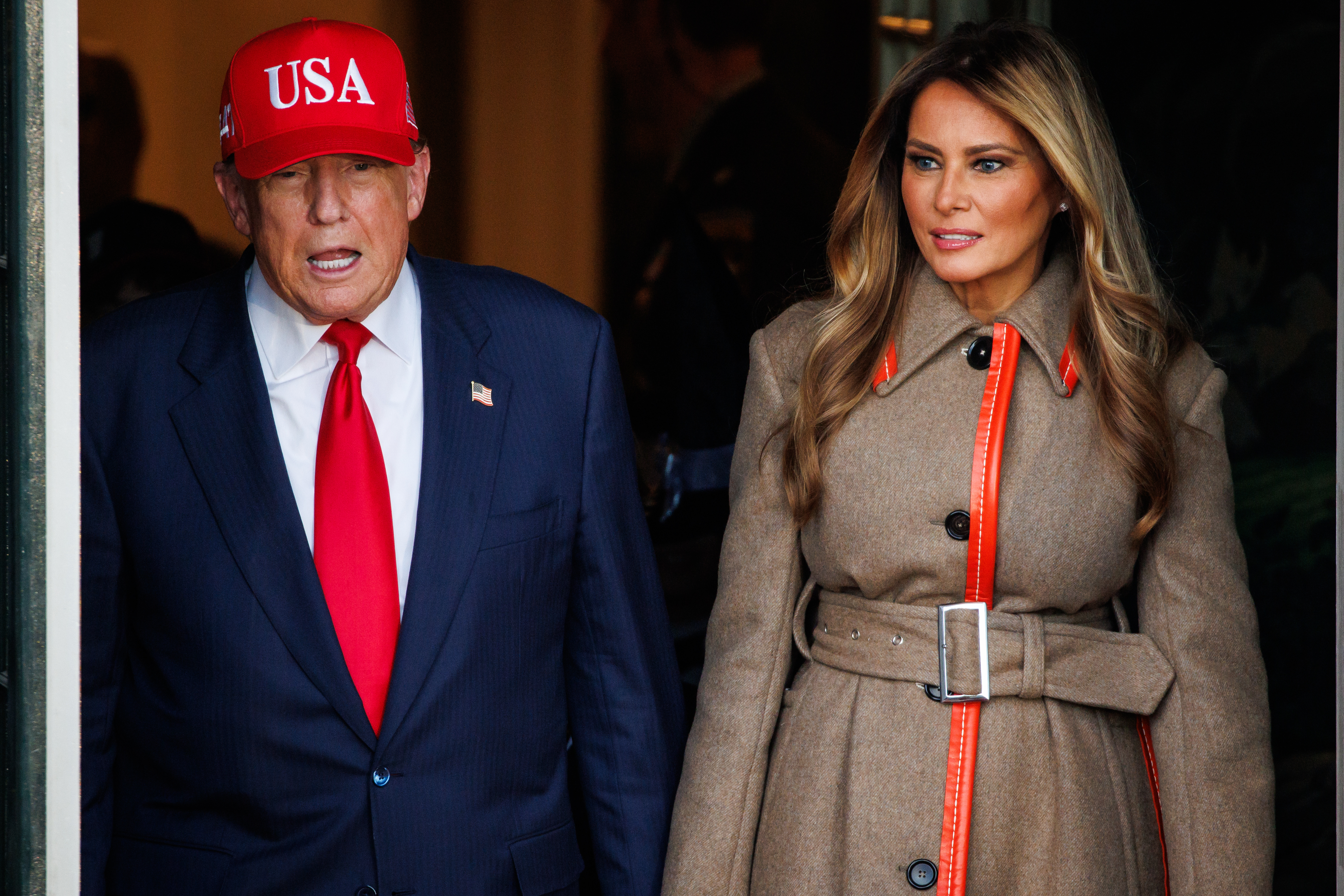
President Donald Trump discussed plans to demolish the East Wing of the White House to build a new $300 million ballroom. He addressed concerns reportedly raised by First Lady Melania Trump, stating she now supports the project. The East Wing, which houses the First Lady's offices, will be rebuilt as part of the renovation.
Key Facts
President Trump plans to demolish the East Wing to construct a new ballroom.
The project is estimated to cost $300 million.
First Lady Melania Trump reportedly had private concerns about the demolition.
President Trump stated Melania Trump now supports the project.
The East Wing contains offices for the First Lady and her staff.
Trump criticized the current state of the East Wing, noting past renovations.
The White House will rebuild the East Wing as part of the ballroom construction.
Read the Original
Want the full story? Tap a source to open the original
article.
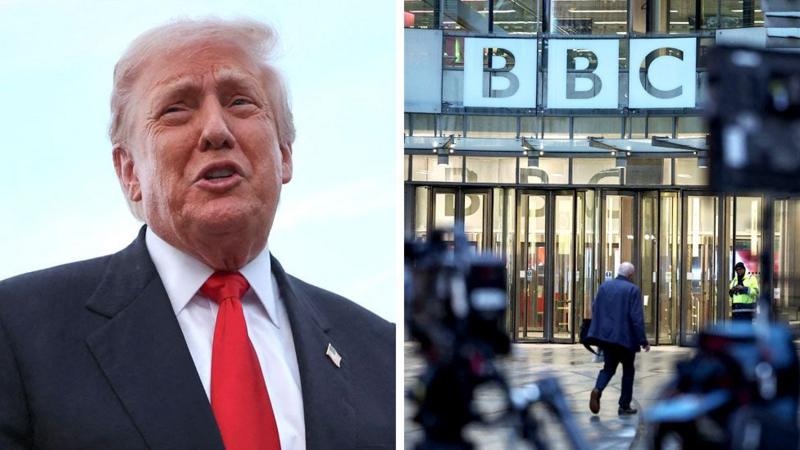
President Donald Trump plans to sue the BBC for $1 billion, claiming that a documentary edited his speech in a misleading way. The BBC admitted an error in judgment over the edit and is deciding how to respond to Trump's legal threat. The podcast episode discusses Trump's issues with the media and other current topics like the US government shutdown.
Key Facts
President Donald Trump claims the BBC edited his speech in a way that was false and harmful.
Trump is threatening to sue the BBC for $1 billion because of this edited documentary.
The BBC's chair, Samir Shah, apologized and called it a mistake in judgment.
The BBC is currently considering its response to Trump's legal threat.
The issue relates to a documentary about Trump's January 6th speech.
The podcast also covers other topics such as a US government shutdown and Elon Musk's new project.
The episode panel includes Justin Webb, Anthony Zurcher, and Marianna Spring.
Read the Original
Want the full story? Tap a source to open the original
article.
On the biggest stories we show what the outlets agree on and where they differ. Readers keep that going, and get the daily digest by email every morning. Most choose $3.99/month.
President Donald Trump is threatening to sue the BBC for $1 billion. He claims that a BBC documentary wrongly edited his January 6, 2021, speech to make it appear as if he urged people to attack the U.S. Capitol. The BBC has admitted an error in judgment regarding the edit but insists there was no attempt to hide issues raised about this.
Key Facts
President Trump threatened to sue the BBC for $1 billion over a documentary.
The issue centers around a January 6, 2021, speech that was allegedly edited by the BBC's Panorama program.
The speech edit made it appear as if Trump urged an attack on the U.S. Capitol.
The BBC set a deadline of November 14 to retract the documentary or face legal action.
The documentary was highlighted in a leaked memo that accused the BBC of anti-Trump bias.
BBC chair Samir Shah apologized for the editing error.
Trump's attorney accused the BBC of defamation under Florida law.
The edited sections of the speech were originally over 50 minutes apart.
Read the Original
Want the full story? Tap a source to open the original
article.
Congressional Democrats are unhappy with a Senate deal to reopen the government after a long shutdown. The deal didn't include their main request for extending health care subsidies, causing frustration with party leadership. Despite securing a future vote on the subsidies, many Democrats feel they lost leverage against President Trump and Republicans.
Key Facts
The Senate deal is expected to fund the government until late January.
Eight Senate Democrats broke ranks to support the deal.
The deal reverses federal worker layoffs during the shutdown.
Democrats wanted a one-year extension of Affordable Care Act tax credits, helping 22 million people.
Many blame the shutdown issues on Republicans and President Trump.
House Democrats are likely to oppose the Senate's deal, complicating its passage.
Senate Minority Leader Chuck Schumer faces criticism from fellow Democrats.
The Trump administration's handling of the shutdown increased pressure to reach a deal.
Read the Original
Want the full story? Tap a source to open the original
article.
A group of Democrats and one independent have worked with Republicans to potentially end the longest government shutdown in U.S. history. The agreement needs approval from the Senate, House, and President Trump. If accepted, the government could reopen as soon as this week.
Key Facts
The government shutdown has lasted 41 days, making it the longest in U.S. history.
Some Democrats and an independent have reached a deal with Republicans.
The agreement needs approval from the Senate, House of Representatives, and President Trump.
If all parties approve, the government could reopen this week.
The deal aims to restore normal government operations.
The shutdown has affected many government services and employees.
Read the Original
Want the full story? Tap a source to open the original
article.
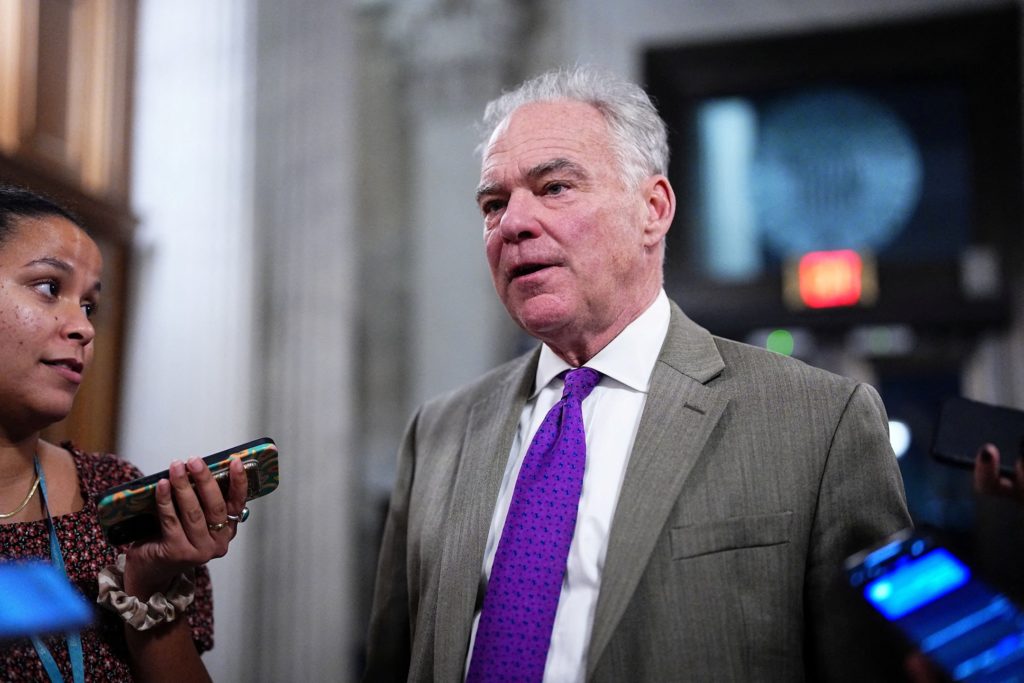
The government shutdown ended after a vote in the Senate. Senator Tim Kaine from Virginia was one of eight Democrats who voted to end it. He explained his decision in a discussion with Geoff Bennett.
Key Facts
The government shutdown was resolved by a Senate vote.
Eight Democratic senators voted in favor of ending the shutdown, including Senator Tim Kaine.
Senator Tim Kaine represents the state of Virginia.
The shutdown caused a stalemate, which refers to a situation where no progress can be made, in the government.
The discussion about the vote took place between Senator Kaine and Geoff Bennett.
The vote to end the shutdown showed differing opinions among Senate Democrats.
Read the Original
Want the full story? Tap a source to open the original
article.
Senator Chris Murphy from Connecticut voted against a deal to end the government shutdown. He discussed the situation with Amna Nawaz, mentioning how the involvement of some Democrats might impact President Trump's actions.
Key Facts
Senator Chris Murphy represents Connecticut.
40 Democrats, including Murphy, voted against ending the shutdown.
8 Democrats voted in favor of the deal to end the shutdown.
President Trump may feel encouraged by some Democrats supporting the deal.
The discussion about the shutdown and votes happened on a show with Amna Nawaz.
Read the Original
Want the full story? Tap a source to open the original
article.
President Trump has pardoned several of his allies who were accused of trying to change the results of the 2020 election. These pardons are related to efforts disputing the election won by Joe Biden.
Key Facts
President Donald Trump granted pardons to people connected to attempts to overturn the 2020 election results.
The pardons cover former administration officials and allies.
The 2020 election was won by Joe Biden.
The pardons aim to protect those accused of trying to change the election outcome.
This action is part of President Trump's continued claims about the 2020 election.
Read the Original
Want the full story? Tap a source to open the original
article.
US House Speaker Mike Johnson stated that the House of Representatives is preparing to vote on a deal to end the government shutdown. The announcement follows a Senate vote that backed the legislation to reopen the government and provide necessary funding. The bill includes stopgap funding to keep government operations going until January 30.
Key Facts
US House Speaker Mike Johnson announced an upcoming House vote to end the federal shutdown.
The Senate's 60-40 vote supports legislation to reopen the government.
Seven Senate Democrats and one independent senator voted with Republicans.
The bill funds federal operations and programs like the SNAP food aid until January 30.
The legislation includes back pay for federal workers who were furloughed.
A decision on healthcare subsidies, a significant issue for Democrats, is delayed until next month.
Cancellation and staffing issues in aviation continue to impact flight schedules.
Read the Original
Want the full story? Tap a source to open the original
article.
House Minority Leader Hakeem Jeffries supports Senator Chuck Schumer despite some Democrats being angry at Schumer for not stopping senators from advancing a government reopening deal. Jeffries plans to oppose the deal in the House, calling it a "Republican spending bill." Jeffries has stated that most Senate Democrats, led by Schumer, have been fighting against the deal for several weeks.
Key Facts
Hakeem Jeffries is the House Minority Leader from New York.
Jeffries supports Senate Leader Chuck Schumer, who is also from New York.
Some Democrats are upset with Schumer over a government reopening deal.
The deal includes a promise of a vote on Affordable Care Act tax credits in December.
Jeffries calls the deal a "partisan Republican spending bill" and pledges to fight it in the House.
Schumer did not vote for the deal, and most Senate Democrats oppose it.
Representative Jared Moskowitz mocked Schumer in a social media post.
Jeffries will discuss the bill's opposition in a caucus meeting.
Read the Original
Want the full story? Tap a source to open the original
article.