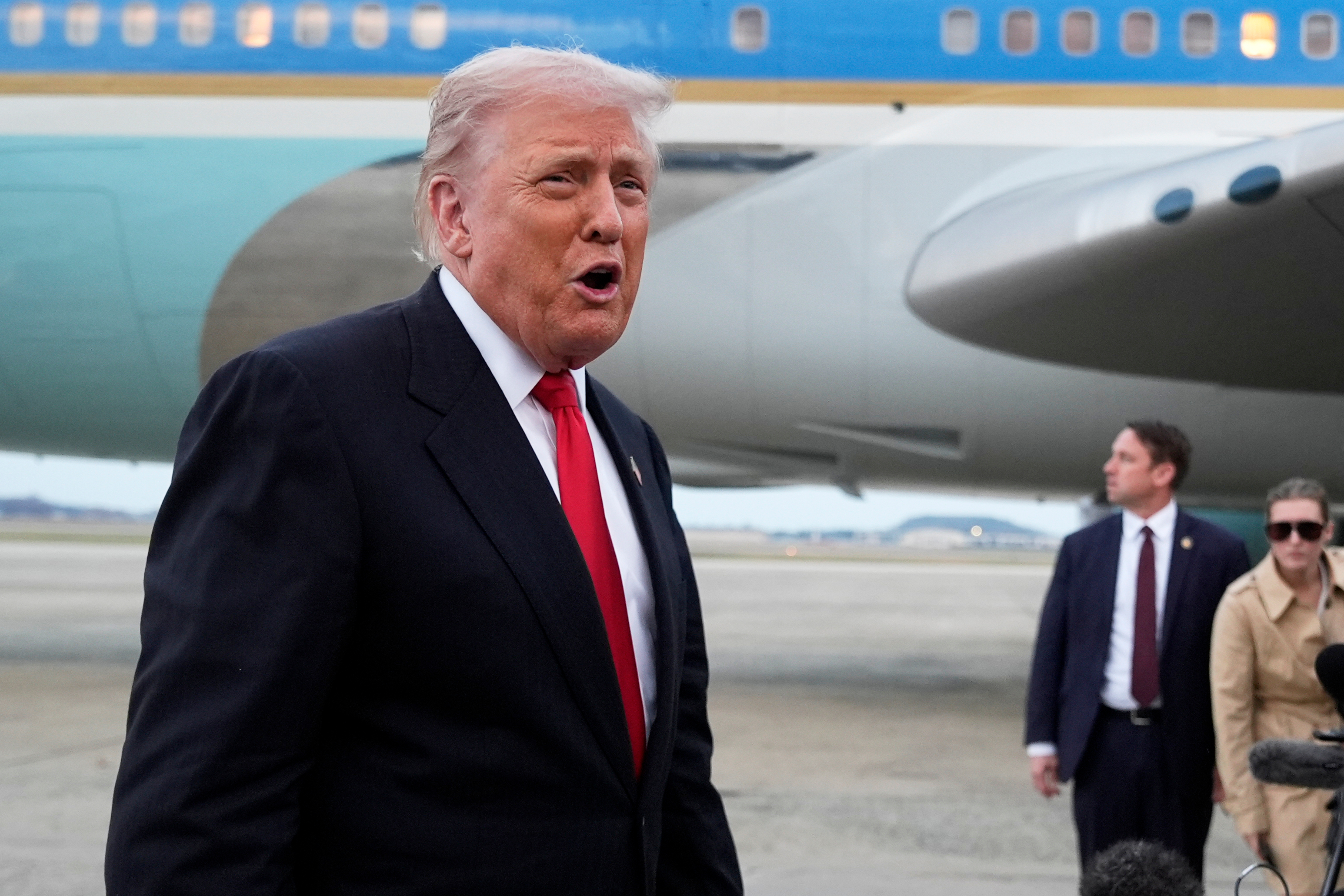
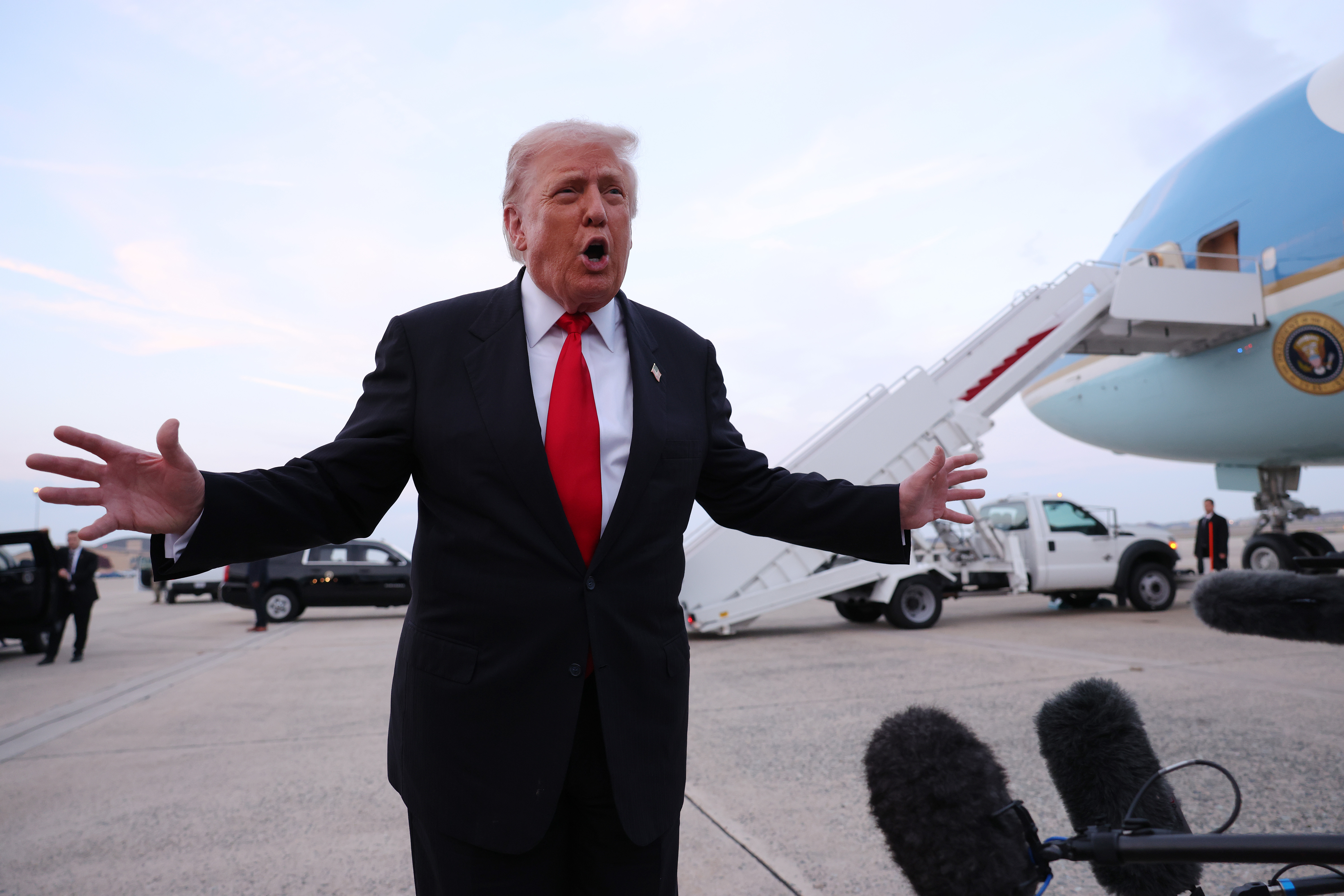
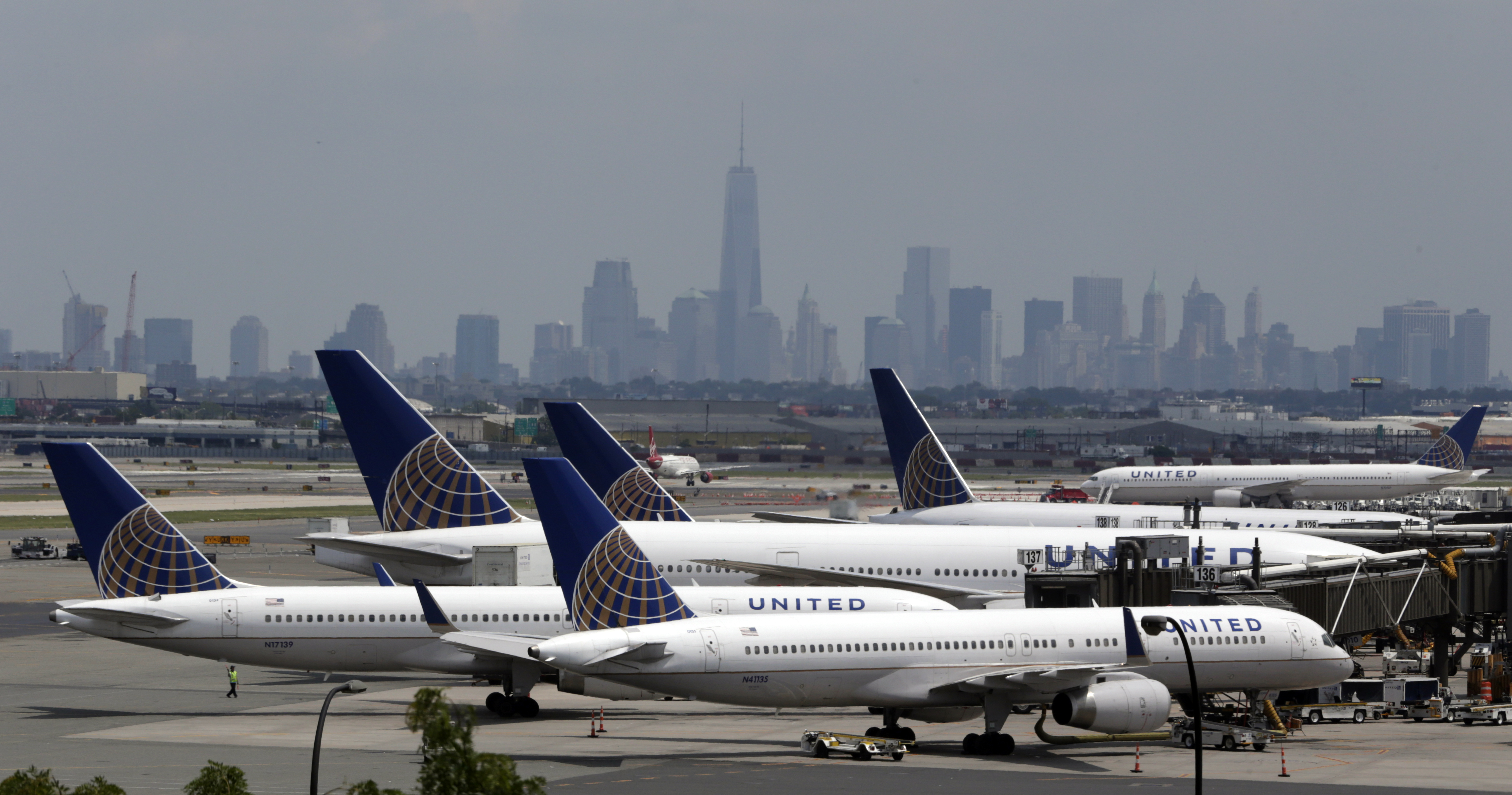
President Donald Trump's administration is asking the Supreme Court to continue freezing full SNAP payments during the government shutdown. This affects the grocery aid program that helps 42 million Americans. Lower courts have ruled to keep payments active, but the Supreme Court is reviewing the situation.
Key Facts
The Trump administration asked the Supreme Court to freeze full SNAP payments while the government is shut down.
SNAP is a federal program that helps 42 million Americans buy groceries.
Lower courts have ordered the government to keep SNAP payments flowing.
A U.S. appeals court in Boston maintained this order, keeping full benefits in place for now.
Some states are giving out partial SNAP benefits, using federal or state funds.
The Supreme Court is expected to decide soon whether to extend the freeze on full payments.
Congress may soon end the shutdown, which could resolve the funding issue.
Millions of people have received their SNAP payments, but others are waiting for further instructions.
Read the Original
Want the full story? Tap a source to open the original
article.
A bipartisan group of Senate Democrats and Republicans agreed to end the longest U.S. government shutdown by funding most federal agencies until January 30. The deal ensures Supplemental Nutrition Assistance Program (SNAP) benefits will continue, as it provides full-year funding for several agencies, including the Department of Agriculture. This agreement also ensures federal employees affected by the shutdown will get back pay.
Key Facts
The government shutdown lasted 40 days.
A bipartisan Senate group reached an agreement to reopen the government until January 30.
The deal provides full-year funding for the Department of Agriculture and other agencies.
SNAP benefits, which help 42 million Americans with groceries, were disrupted but are now secured with full-year funding.
Federal employees who were not working because of the shutdown will be rehired and receive back pay.
Senate Republicans agreed to a future vote on extending Affordable Care Act tax credits, a key issue for Democrats.
Legal challenges have been filed against the White House regarding SNAP benefits, leading to court orders to pay full benefits.
Read the Original
Want the full story? Tap a source to open the original
article.
Emergency crews are responding to a plane crash in a residential area near Coral Springs, Florida. The crash occurred near a preschool, and police and fire departments are investigating. Details about injuries or fatalities are not yet available.
Key Facts
A plane crashed near Coral Springs, Florida.
The crash happened in a densely populated area, close to a preschool.
Emergency response teams, including police and fire departments, are at the site.
The area is under active investigation.
A staging area has been set up for emergency responders.
No information about injuries or fatalities is currently available.
The Federal Aviation Administration (FAA) has been contacted for more information.
Read the Original
Want the full story? Tap a source to open the original
article.
Nearly 100 American faith leaders have sent a letter to President Donald Trump, asking him to discuss the persecution of religious minorities in southern Syria during a meeting with Syrian President Ahmed al-Sharaa at the White House. The meeting is significant because it is the first time a Syrian head of state will visit the White House, during a shift in U.S. policy toward Syria. The faith leaders want an end to the blockade of humanitarian aid to affected areas and protection for religious minorities.
Key Facts
Nearly 100 faith leaders sent an open letter to President Trump.
The letter asks Trump to discuss the plight of religious minorities in Syria.
Syrian President Ahmed al-Sharaa is visiting the White House for the first time.
Faith leaders want an end to the blockade of humanitarian aid in southern Syria.
President Trump's leadership on religious freedom is acknowledged in the letter.
U.S. policy toward Syria has changed since the fall of the Assad regime.
The letter warns of atrocities against Christians and other minorities by extremists.
The meeting could impact U.S.-Syria relations and humanitarian aid policies.
Read the Original
Want the full story? Tap a source to open the original
article.
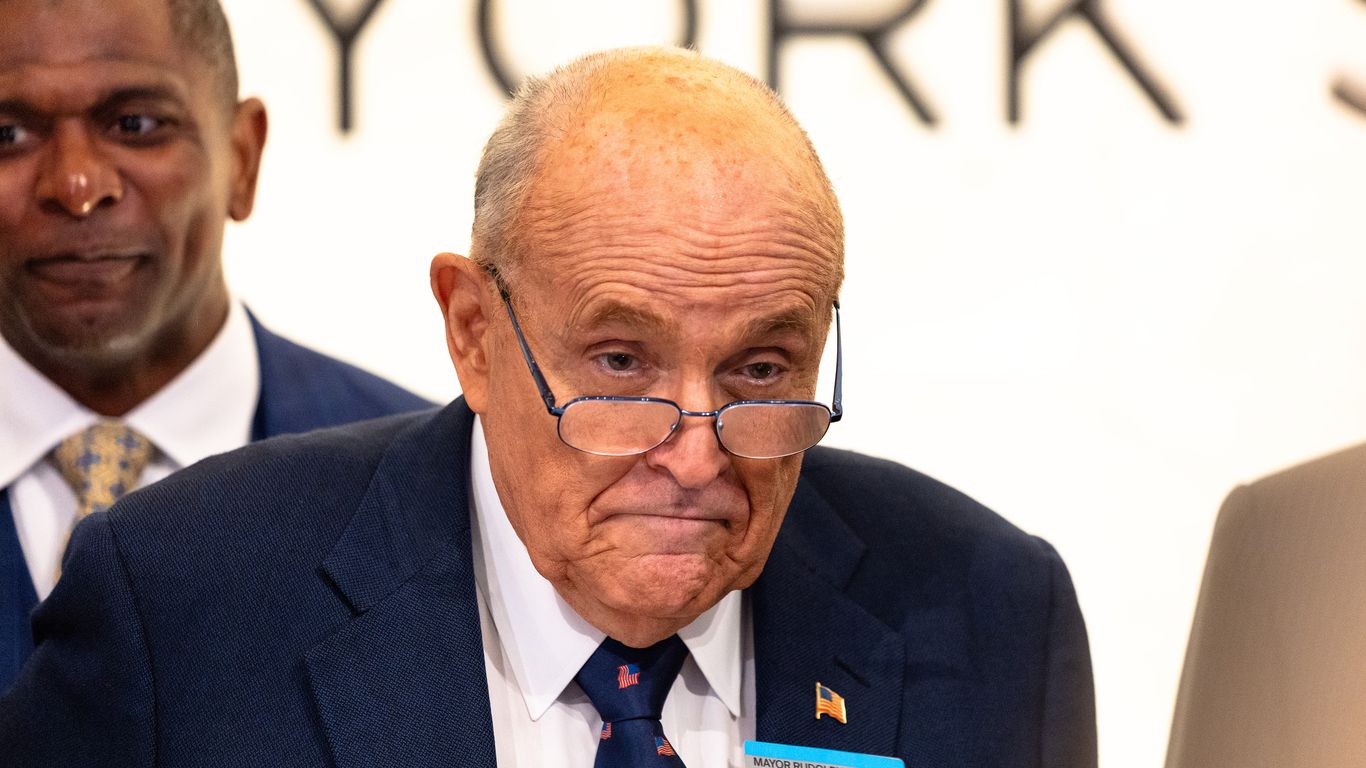
President Donald Trump granted pardons to Rudy Giuliani and 76 others who were accused of trying to interfere with the 2020 presidential election results. The pardons are "full, complete, and unconditional," but none of those pardoned were facing federal charges at the time. State crimes, which the President cannot pardon, were not affected by this action.
Key Facts
President Trump pardoned Rudy Giuliani and 76 others related to the 2020 election.
The pardons were announced by U.S. pardon attorney Ed Martin.
The document shows the pardons as "full, complete and unconditional."
None of the individuals pardoned were facing federal charges.
Presidents cannot pardon state crimes, and this applies to the allegations.
Giuliani and others were charged in state investigations about the 2020 election.
Sidney Powell pleaded guilty to state charges and received probation.
The case in Georgia is ongoing, with a new prosecutor to be assigned.
Read the Original
Want the full story? Tap a source to open the original
article.
U.S. flight operations are affected by a government shutdown that has reduced flights by 10% at major airports due to some air traffic controllers not working without pay. As a result, more than 4,400 flights were canceled and 10,000 flights were delayed, impacting both everyday travelers and celebrities. Senators passed a bill to reopen the government, which needs approval from the House and President Trump.
Key Facts
The U.S. government shutdown is the longest in American history.
Flight cuts of 10% have been made at 40 major airports.
Over 4,400 flights were canceled, and 10,000 experienced delays.
Air traffic controllers not working without pay contributed to delays.
Celebrities shared their experiences with disrupted travels on social media.
A bill to reopen the government was passed by the Senate and awaits further approval.
The bill also needs President Trump's signature to become law.
Transportation Secretary Sean Duffy emphasized aviation safety during the shutdown.
Read the Original
Want the full story? Tap a source to open the original
article.
The Supreme Court has agreed to decide if states can keep counting mail ballots that arrive after Election Day. This decision follows an appeal from Mississippi, where a lower court ruled against the practice under federal law. Mississippi is one of several states that accept such ballots if postmarked by Election Day.
Key Facts
The Supreme Court will decide on the legality of counting late-arriving mail ballots.
This issue has been a focus of President Donald Trump.
The appeal comes from Mississippi, challenging a state law on this.
A lower court had ruled the Mississippi law violated federal law.
18 states and Washington D.C. allow late-arriving ballots if postmarked by Election Day.
The decision could impact how mail ballots are handled in future elections.
Read the Original
Want the full story? Tap a source to open the original
article.
President Donald Trump directed air traffic controllers to return to work during the government shutdown. He threatened to reduce the pay of those who do not comply and promised a $10,000 bonus to those who continued working. The shutdown has led to the cancellation of thousands of flights due to a lack of staff.
Key Facts
President Trump ordered air traffic controllers to return to work immediately.
He warned that pay would be reduced for those who did not return.
A $10,000 bonus was offered to controllers who worked during the shutdown.
The federal government shutdown has resulted in many flight cancellations.
Employees are dealing with staff shortages affecting flight safety.
President Trump used Truth Social to share his message.
Trump criticized those taking time off, calling it a "Democrat Shutdown Hoax."
Read the Original
Want the full story? Tap a source to open the original
article.
An early-season arctic blast has brought extreme winter weather to parts of the U.S., affecting over 80 million people. Experts advise taking steps like using humidifiers, thermal curtains, and portable heaters to protect homes and stay safe during the cold snap.
Key Facts
An arctic blast is affecting a large part of the U.S., with more than 80 million people under freeze alerts.
At least 13 states, including Tennessee, Illinois, and New York, are experiencing significant snowfall and ice.
Record-low temperatures and high winds have disrupted travel across several areas.
Experts recommend using humidifiers to add moisture to dry indoor air caused by heating systems.
Thermal curtains can help retain heat by blocking drafts around windows.
Portable power banks are useful for keeping phones charged during power outages.
A backup portable heater can provide heat if the main heating system fails.
Door draught excluders can help keep cold air out and warm air in, improving energy efficiency.
Read the Original
Want the full story? Tap a source to open the original
article.
A new bill, introduced by Senator Elizabeth Warren, seeks to increase Social Security payments by $200 per month for six months. This bill has over 10 cosponsors and aims to help seniors with rising costs, which some lawmakers attribute to President Trump's trade policies. The proposal highlights challenges such as Social Security's funding issues and political divisions.
Key Facts
The bill is called the Social Security Emergency Inflation Relief Act.
It proposes a $200 monthly increase in Social Security and Veterans Affairs benefits for six months.
Senator Elizabeth Warren introduced the bill on October 30.
Over 10 lawmakers, including Senate Minority Leader Chuck Schumer, support the bill.
Supporters link rising costs to President Trump's trade policies, including tariffs.
Social Security may face funding shortages by the early 2030s, reducing payments by about 20%.
Some experts and politicians doubt the bill's passage due to political divisions.
Read the Original
Want the full story? Tap a source to open the original
article.
The FAA has instructed airlines to reduce flights at 40 major U.S. airports due to a federal government shutdown. This has caused staffing issues among air traffic controllers and TSA agents, leading to hundreds of flight cancellations by major airlines. Airlines like Delta, American, United, and Southwest are allowing ticket changes or refunds without penalties.
Key Facts
The FAA ordered airlines to cut flights at 40 large U.S. airports.
This action is due to the long-lasting government shutdown that started on October 1.
Air traffic controllers and TSA agents are working without pay during the shutdown.
On November 5, Transportation Secretary Sean Duffy demanded at least 4% of flight cuts, rising to 10% if the shutdown continues.
On November 8, over 1,500 flights were canceled as per FlightAware data.
Delta, American, United, and Southwest have all announced significant cancellations.
Passengers on these airlines can change or cancel flights without extra fees.
Read the Original
Want the full story? Tap a source to open the original
article.
President Donald Trump's administration is highlighting Zohran Mamdani, the soon-to-be mayor of New York City, as a reason for stricter immigration policies. There is concern among some Republicans about Mamdani's influence on other cities with large immigrant populations. The administration has made immigration laws stricter, focusing on reducing admissions from certain countries and increasing visa requirements.
Key Facts
Zohran Mamdani, born in Uganda, is set to become New York City's next mayor.
President Trump and his administration are focusing on Mamdani to argue against legal immigration.
Immigration policies are being tightened, including fewer refugee admissions and stricter visa requirements.
The Trump administration is scrutinizing new citizens' records for potential denaturalization.
New immigration tests will be more difficult, stressing English language skills and community ties.
U.S. Citizenship and Immigration Services is now assessing "good character" in citizenship applications.
Some Republicans have raised questions about Mamdani's citizenship.
President Trump has made statements questioning Mamdani's political beliefs and citizenship.
Read the Original
Want the full story? Tap a source to open the original
article.
Each summary links back to the original reporting, so you can check the work. Support that, and get the daily digest every morning. Most choose $3.99/month.
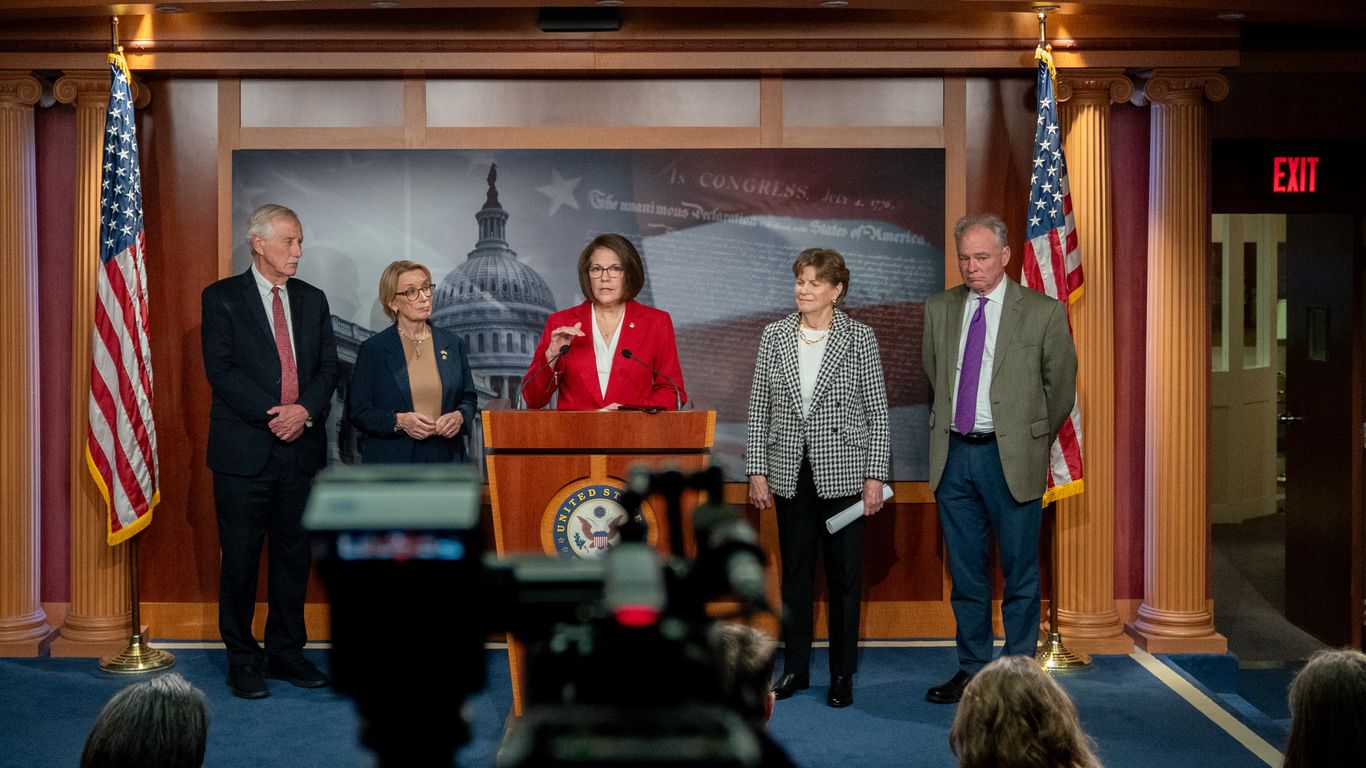
Senate Democrats and Republicans are working on a legislative package to end the longest government shutdown in U.S. history. The package would provide funding to reopen the government and include measures such as backpay for furloughed workers. However, it does not resolve the issue of expiring health care subsidies, which has been a major concern for Democrats.
Key Facts
A group of Senate Democrats joined Republicans to push for ending the government shutdown.
The legislative package provides funding to keep the government running temporarily until January 30.
The package includes backpay for federal workers affected by the shutdown.
The deal does not address health care subsidies, leading to dissatisfaction among some Democrats.
A procedural vote passed in the Senate with a 60-40 margin, allowing the bill to proceed.
The House will need to approve the bill before it goes to President Trump for signing.
The proposed funding includes full financing for programs like agriculture and military construction until September 2026.
An agreement on health care funds is postponed, with a vote expected next month.
Read the Original
Want the full story? Tap a source to open the original
article.
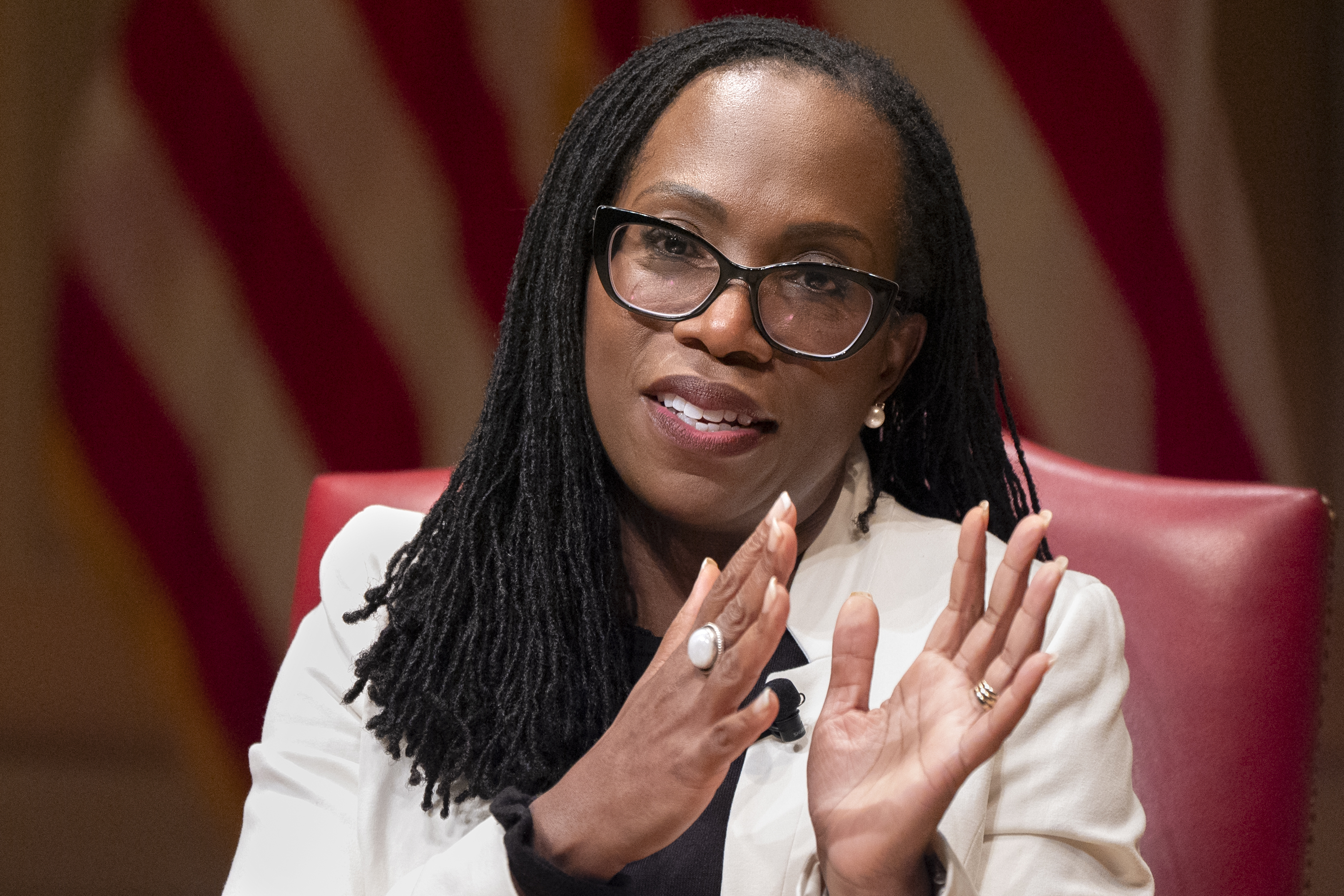
Supreme Court Justice Ketanji Brown Jackson gave the Trump administration a deadline to provide additional legal arguments regarding a ruling on SNAP benefits during the government shutdown. The case involves funding for food assistance programs, and the Supreme Court will decide on how the benefits are paid. The urgency of the case indicates its importance and potential impact on federal policies.
Key Facts
Justice Ketanji Brown Jackson is involved in a case about SNAP (Supplemental Nutrition Assistance Program) benefits.
The Trump administration faced a deadline to submit additional legal arguments by 4 p.m. on a specific Monday.
This case is part of a dispute about paying SNAP benefits during a government shutdown.
The case is Rollins v. Rhode Island State Council of Churches.
Agriculture Secretary Brooke Rollins leads the applicants seeking a legal stay.
The Rhode Island State Council of Churches is one of the respondents.
Responses from the opposing side were due by 8 a.m. the next day.
The Supreme Court could make a quick decision after receiving all filings.
Read the Original
Want the full story? Tap a source to open the original
article.
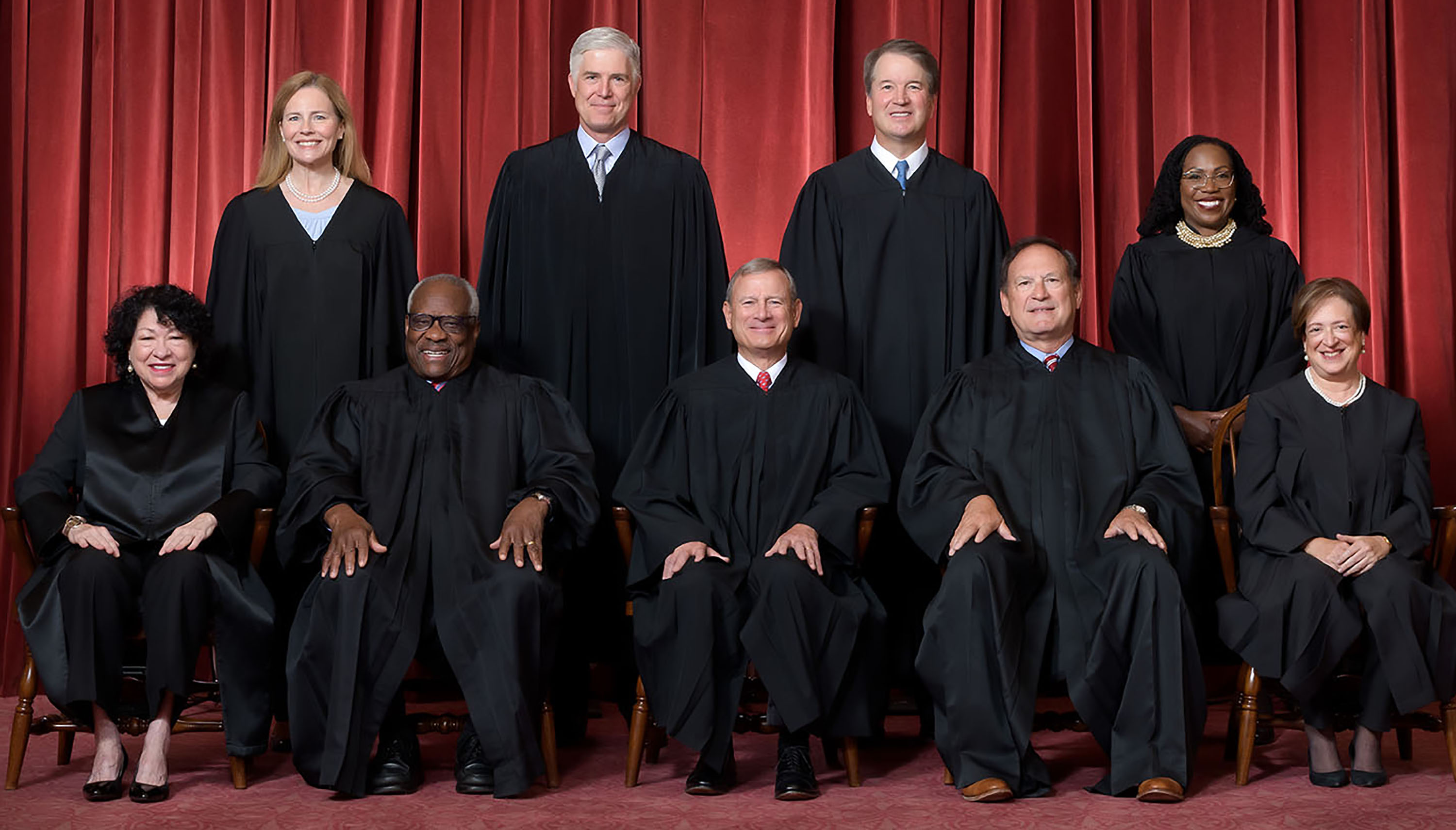
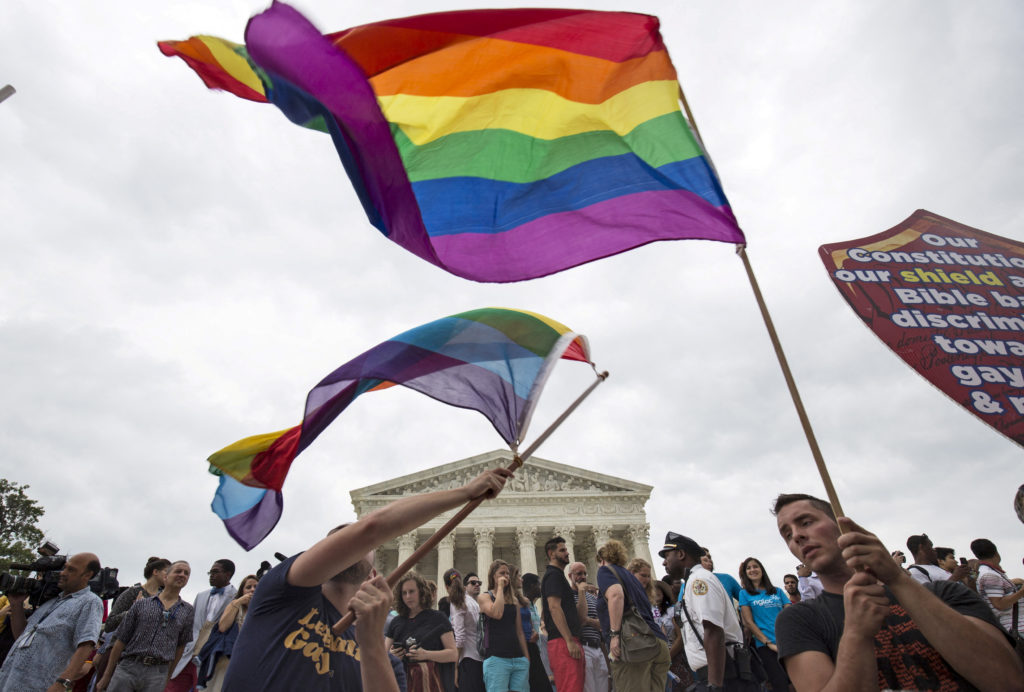
The U.S. Supreme Court is considering whether to revisit its 2015 decision on same-sex marriage. A petition from Kim Davis, a former Kentucky clerk who refused to issue marriage licenses to same-sex couples, challenges the ruling based on religious freedom. The court may soon decide if it will hear Davis's case.
Key Facts
In 2015, the Supreme Court's Obergefell v. Hodges ruling legalized same-sex marriage across the United States.
The decision was made with a 5-4 vote, establishing same-sex marriage as a constitutional right.
Kim Davis, a former Kentucky clerk, is challenging the 2015 ruling, citing religious freedom under the First Amendment.
Davis's petition suggests that the Obergefell decision was not grounded in the constitutional text or history.
The justices recently met to discuss whether they will review Davis's appeal.
Chief Justice John Roberts dissented in the Obergefell ruling and favors restraint, not favoring revisiting the ruling.
Justice Clarence Thomas is a long-time critic of the Obergefell decision and has voiced concerns about its impact on religious freedom.
Read the Original
Want the full story? Tap a source to open the original
article.
Some moderate Senate Democrats made an agreement with Republicans to end a government shutdown, causing disagreement within the Democratic Party. House Democrats and progressive groups are upset because they believe the deal does not address important issues like healthcare. The deal involves funding the government until January and promises a future vote on healthcare credits, but it's unlikely to pass in its current form.
Key Facts
Moderate Senate Democrats and Republicans reached a deal to end the government shutdown.
The deal funds the government through the end of January 2024.
It includes a promise for a December vote on extending healthcare tax credits, but this vote needs 60 votes to pass.
House Minority Leader Hakeem Jeffries said the deal does not properly address healthcare issues.
Many House Democrats, both progressive and centrist, are opposed to the deal.
Progressive groups criticize Senate Democrats who voted for the deal after recent election results.
House Democrats are considering supporting primary challengers against some Senate Democrats.
Senate Minority Leader Chuck Schumer also opposed the deal but faces criticism for not preventing party splits.
Read the Original
Want the full story? Tap a source to open the original
article.
Moderate Senate Democrats agreed to a deal to end the 40-day government shutdown. The deal includes funding the government until late January and a promise to vote on Affordable Care Act tax credits, though it does not guarantee their extension. The agreement came after Democrats decided their negotiations were not making progress, and it will allow federal workers to get back to work.
Key Facts
The government shutdown lasted 40 days.
Eight Senate Democrats broke ranks to help end the shutdown.
The deal funds the government until late January.
There is a promise to vote on Affordable Care Act tax credits, but no guarantee of passing them.
Democrats had hoped to extend the tax credits for 22 million people.
Some Democratic leaders voted against the deal, wanting more ground on health care.
Federal workers are expected to return to work, and services like food assistance and flights should resume normal operations.
The shutdown's end came after negotiations among Democrats, Republicans, and the White House.
Read the Original
Want the full story? Tap a source to open the original
article.
The Supreme Court refused to overturn its 2015 decision that legalized same-sex marriage in the U.S. The decision concerns Kim Davis, a former Kentucky clerk, who did not want to issue marriage licenses to same-sex couples.
Key Facts
The Supreme Court upheld its 2015 decision on same-sex marriage.
The case was originally decided in Obergefell v. Hodges.
Kim Davis, a former court clerk in Kentucky, appealed to have the decision overturned.
Davis did not issue marriage licenses to same-sex couples after the 2015 ruling.
The court also rejected Davis's appeal regarding her requirement to pay $360,000 in damages and attorney’s fees.
The fees were related to a lawsuit from a couple denied a marriage license by Davis.
The Supreme Court's 2015 ruling made same-sex marriage legal across the U.S.
Read the Original
Want the full story? Tap a source to open the original
article.
There are no ads, so there is no reason to bait you. Readers who chip in keep it that way. Most choose $3.99/month, and get the daily digest every morning.
President Donald Trump has pardoned Rudy Giuliani, Mark Meadows, and others who supported his efforts to challenge the 2020 election results. The pardons apply to federal crimes and do not affect Trump himself. The pardons include individuals like Sidney Powell, John Eastman, and Jeffrey Clark, who were involved in legal actions or accusations related to efforts to overturn the election.
Key Facts
President Trump pardoned his former lawyer Rudy Giuliani and others involved in challenging the 2020 election results.
The pardon was announced by Ed Martin, the government's pardon attorney.
Sidney Powell, John Eastman, and Jeffrey Clark are among the individuals pardoned.
The pardon only applies to federal crimes; these individuals were not charged with federal crimes related to the 2020 election.
The proclamation described the prosecution of Trump's allies as a "grave national injustice."
President Trump himself was not included in this pardon.
Giuliani and others had faced legal challenges in various states for actions related to the 2020 election.
Trump’s legal case over the 2020 election was dropped after his 2024 presidential victory.
Read the Original
Want the full story? Tap a source to open the original
article.
Democratic Senators have introduced two bills to increase Social Security benefits. One bill proposes a $200 monthly rise in payments until July 2026, while the other aims to change how cost-of-living adjustments are calculated. These changes are in response to inflation and the financial needs of retirees.
Key Facts
Democratic Senators propose raising Social Security payments by $200 a month until July 2026.
More than 50 million Americans receive Social Security, providing steady retirement income.
The current inflation rate in the U.S. is 3%, the highest since January.
President Trump supports strengthening Social Security.
The Social Security Emergency Inflation Relief Act and the Boosting Benefits and COLAs for Seniors Act are under consideration in Congress.
The second bill suggests changing how annual cost-of-living adjustments are calculated from CPI-W to CPI-E, which better reflects retiree expenses.
Senator Elizabeth Warren criticizes spending abroad versus domestic support for seniors.
The Senior Citizens League, an advocacy group, supports changing the COLA formula to better benefit seniors.
Read the Original
Want the full story? Tap a source to open the original
article.