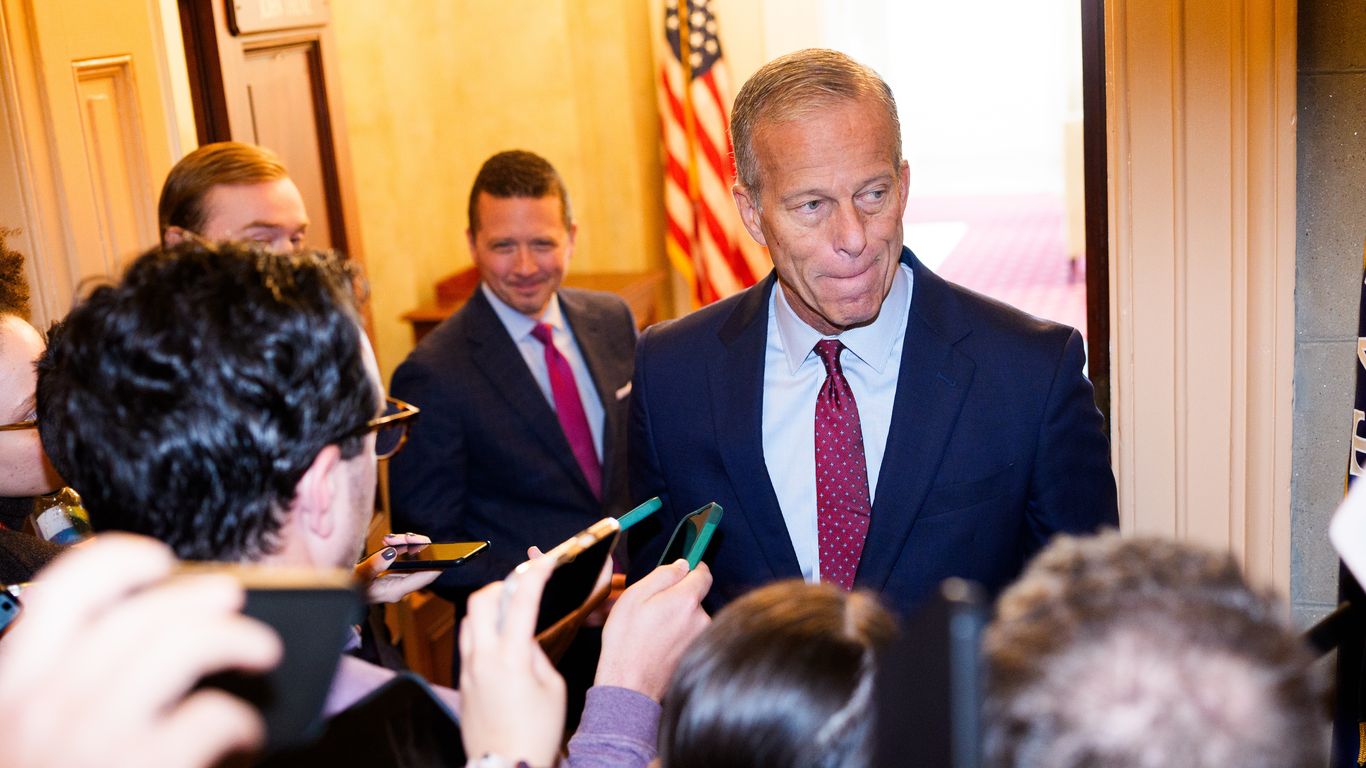
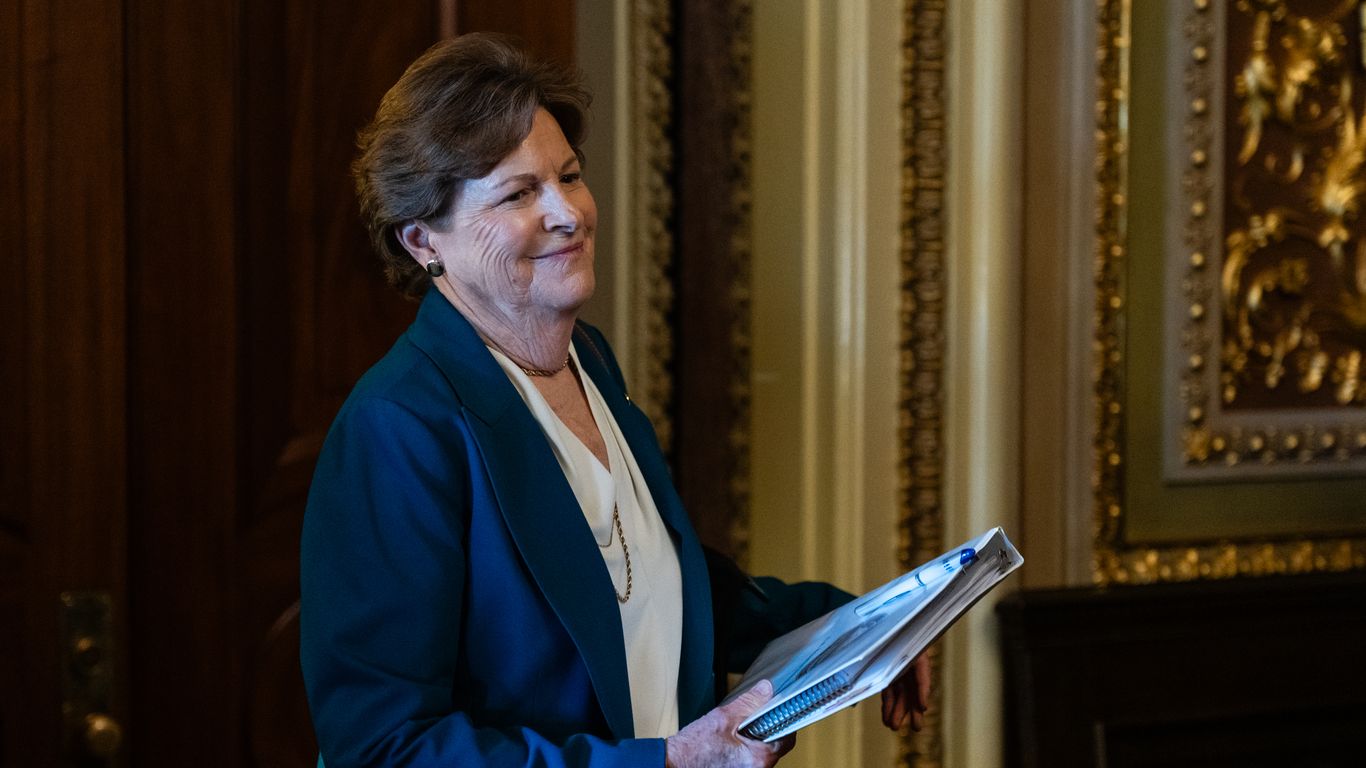
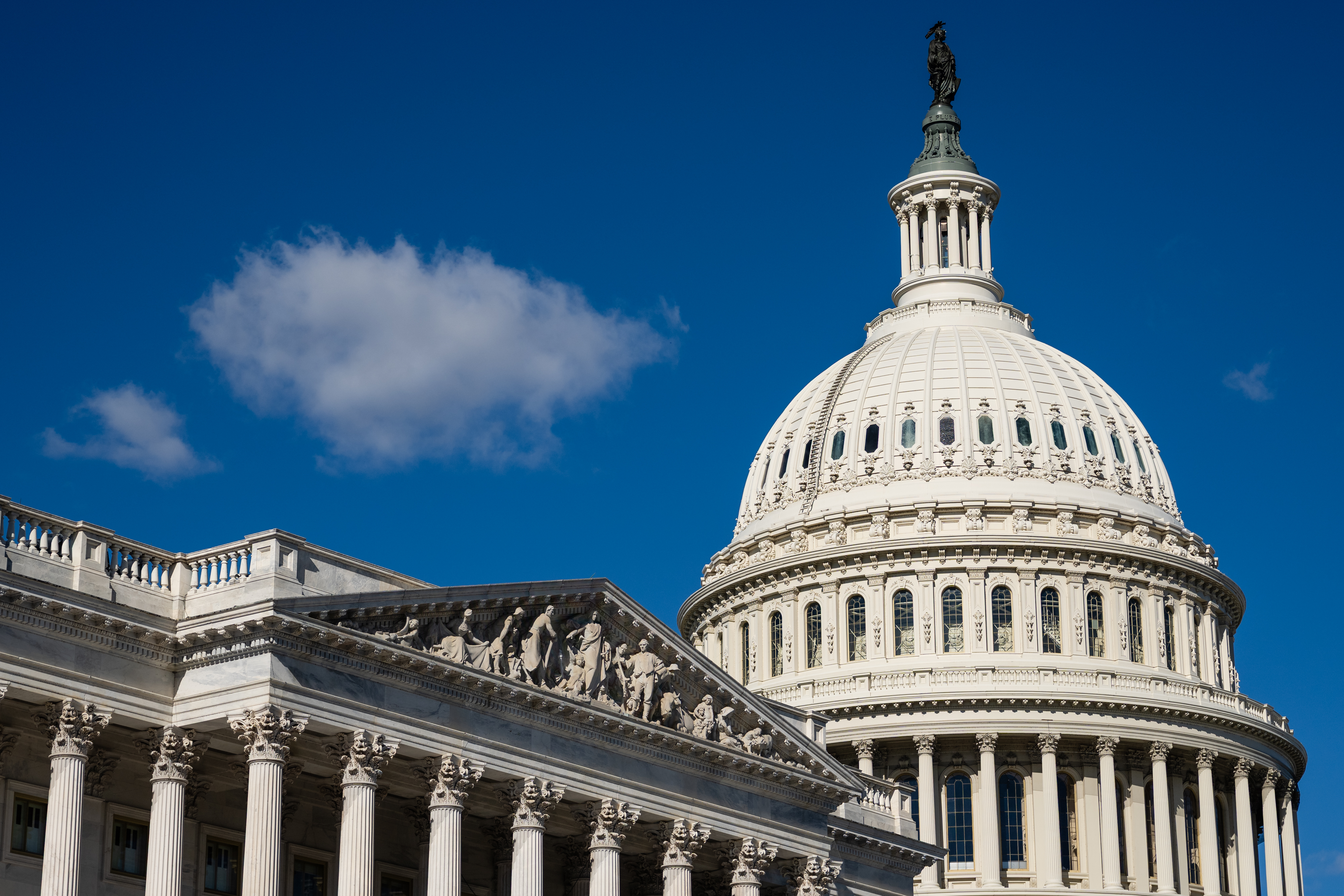
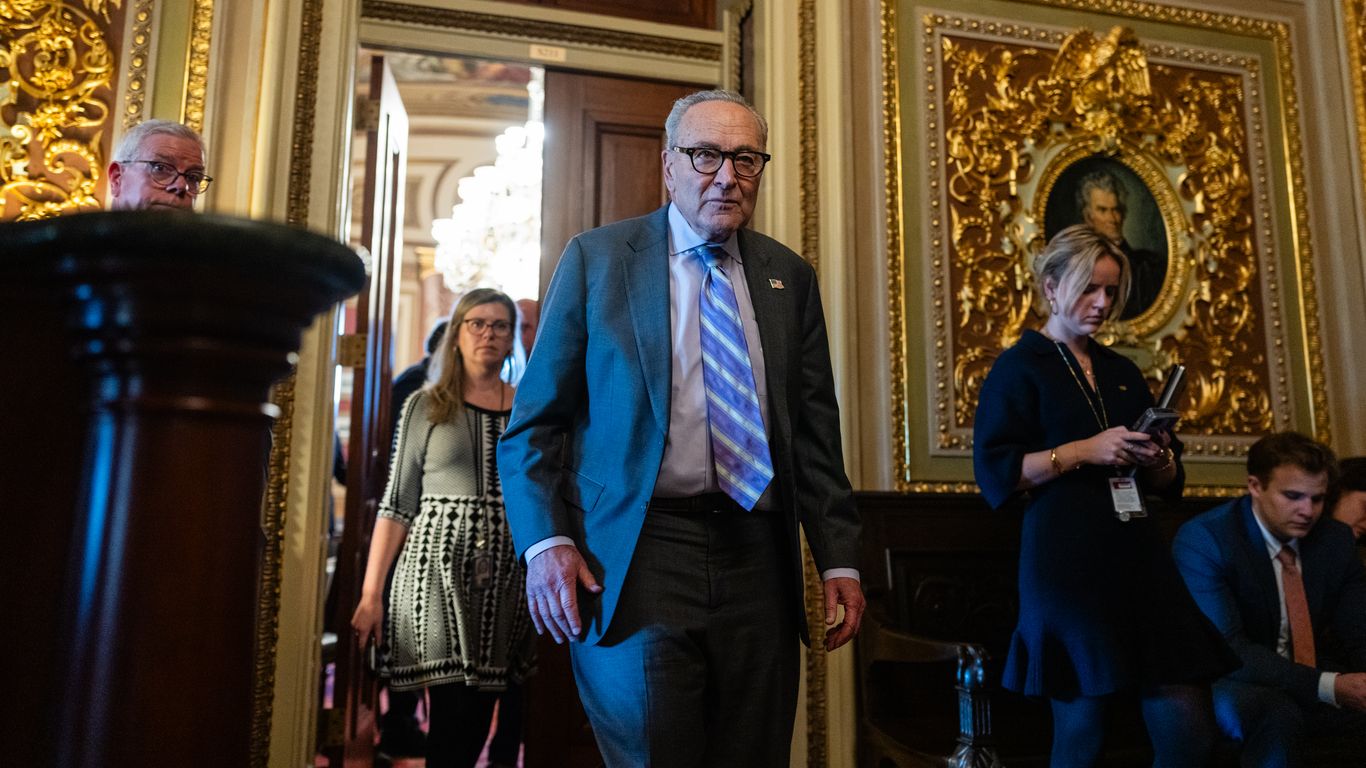
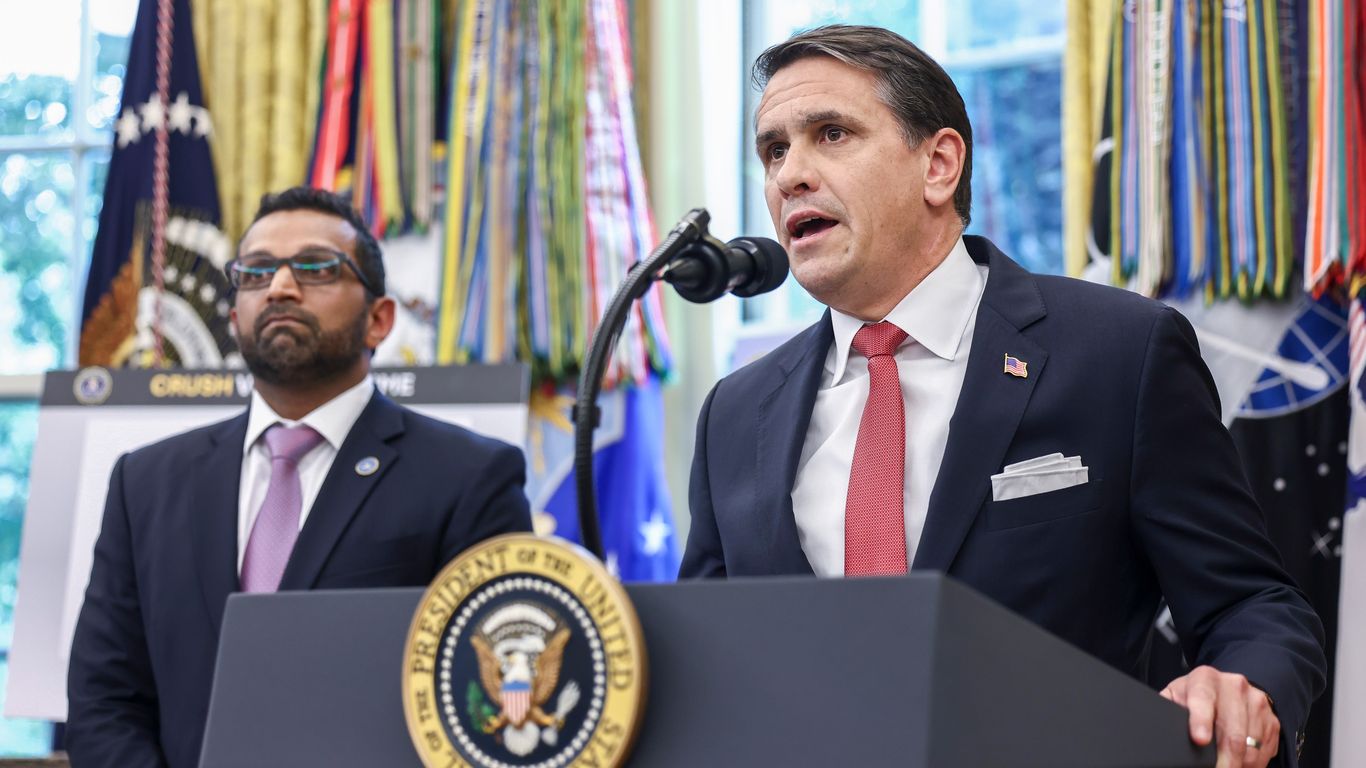
Some Democratic Senators joined Republicans to vote on a plan to temporarily reopen the U.S. government, which is experiencing its longest shutdown in history. This plan includes funding the government for a few weeks and scheduling a future vote on healthcare tax credits. President Trump noted progress towards ending the shutdown, while Democratic leader Chuck Schumer opposed the deal.
Key Facts
Democratic Senators and one independent voted with Republicans to temporarily reopen the government.
The government shutdown is the longest in U.S. history.
The plan includes a future vote on extending Affordable Care Act tax credits.
The deal would reverse the firing of federal workers during the shutdown and include back pay for them.
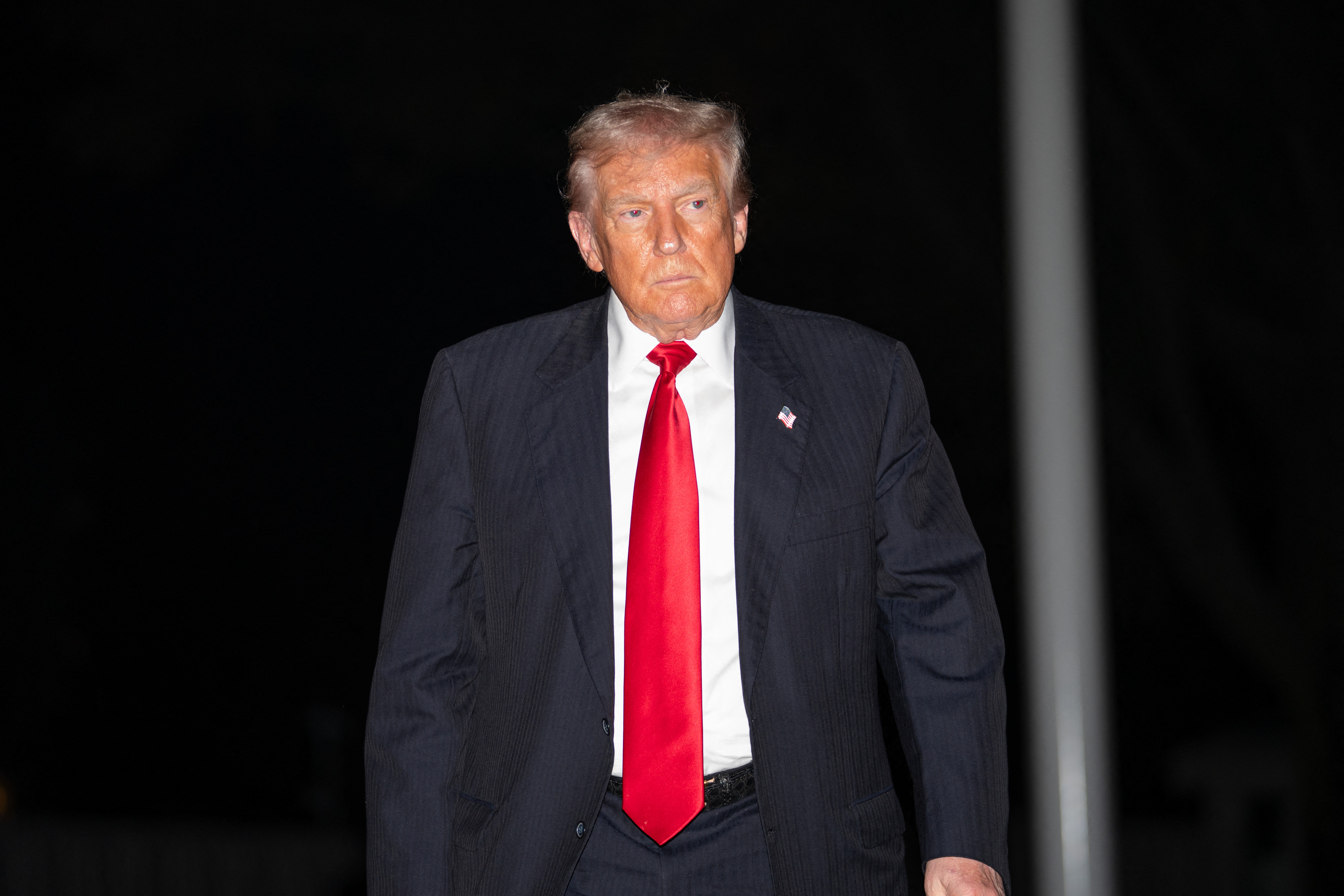
President Trump stated that an end to the shutdown seems near.
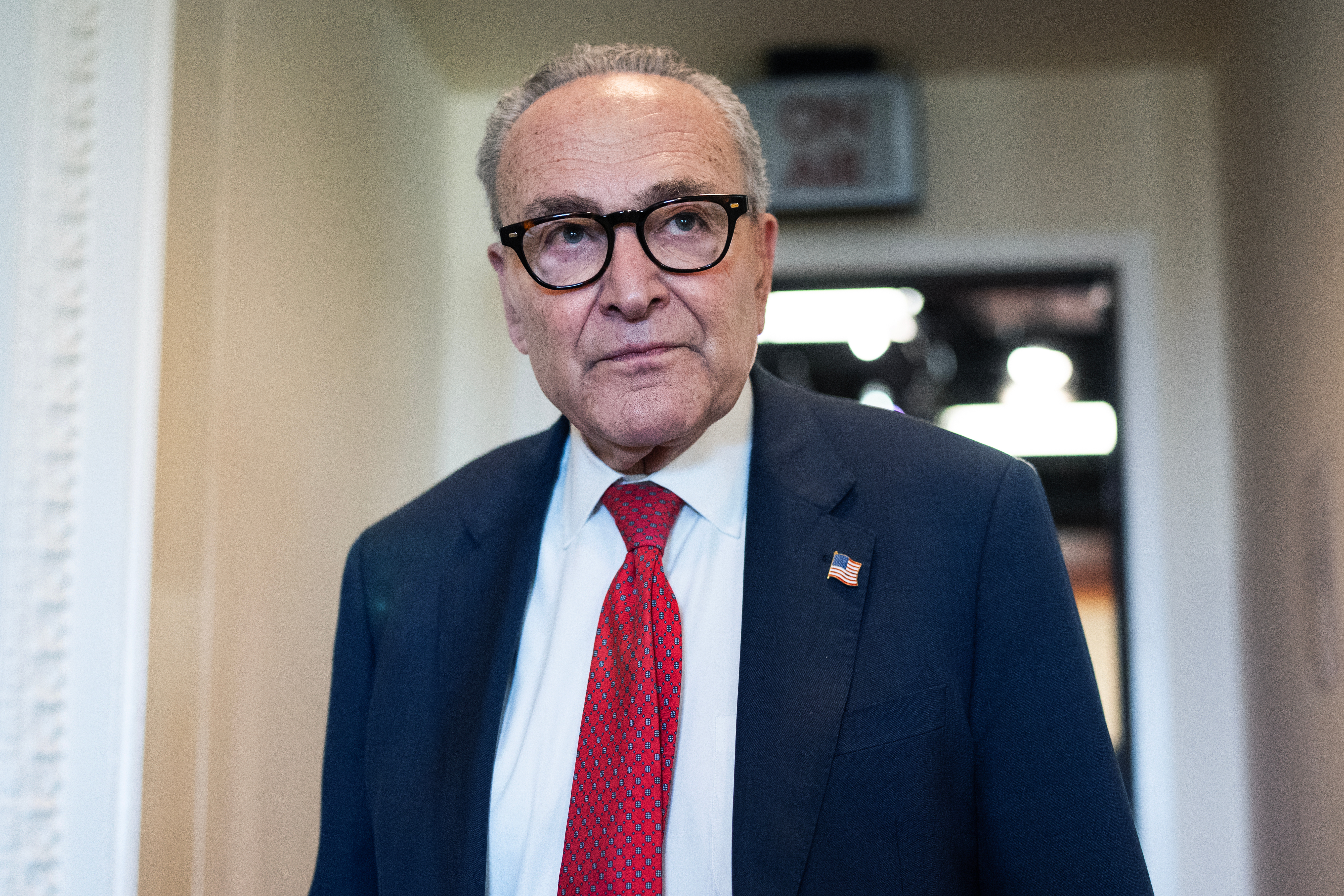
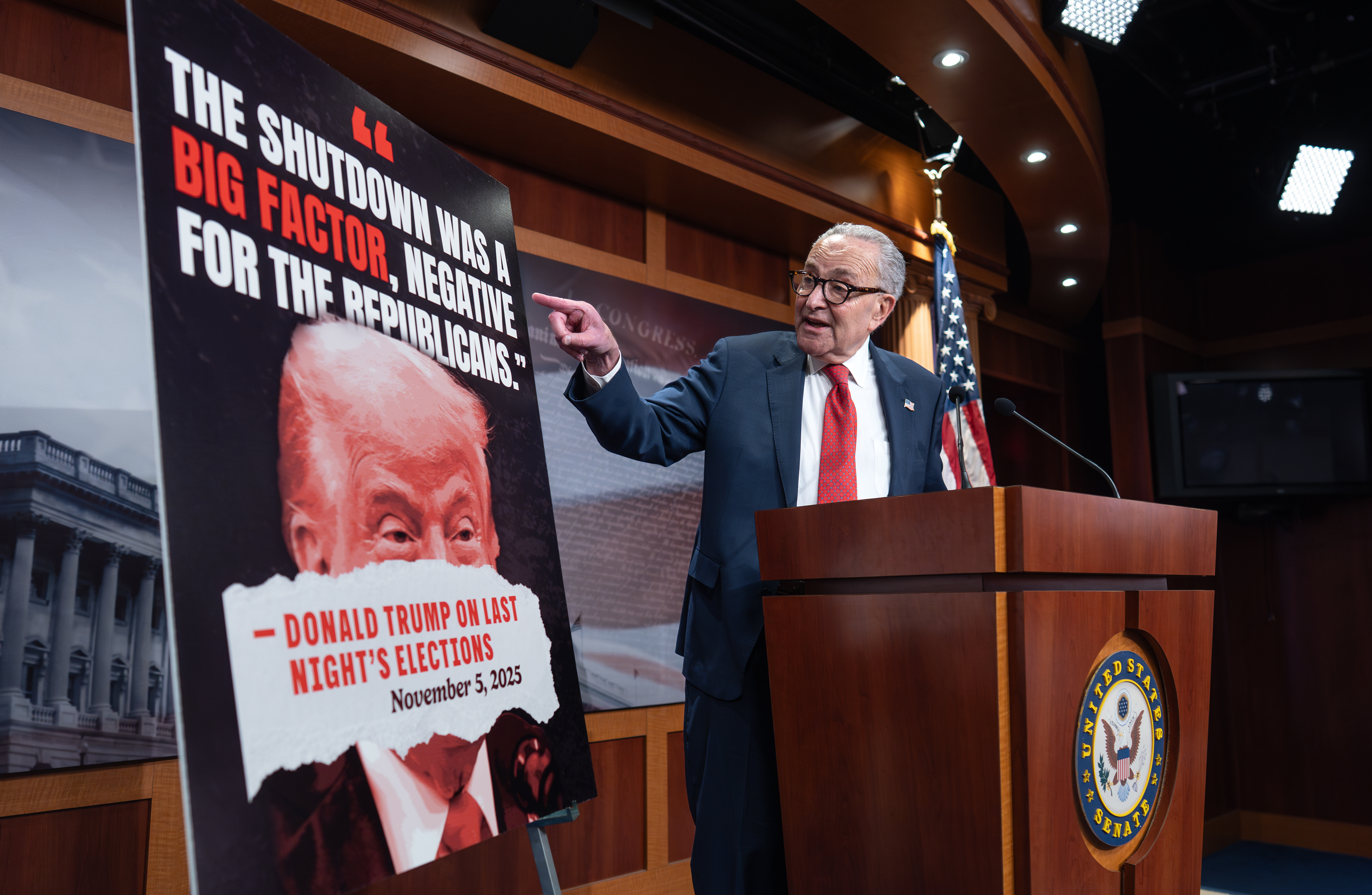
Chuck Schumer expressed disagreement with the proposed deal.
The shutdown has caused problems such as flight cancellations and delays in food assistance benefits.
Read the Original
Want the full story? Tap a source to open the original
article.
President Donald Trump has issued pardons for 77 people, many of whom were involved in declaring themselves as electors for Trump in the 2020 election. The list includes individuals like Rudy Giuliani and Mark Meadows who were allegedly part of efforts to challenge the election outcome.
Key Facts
President Trump has pardoned 77 individuals.
The pardons were described as "full, complete and unconditional" by the DOJ.
The individuals were involved in efforts related to the 2020 election.
The pardoned individuals acted as electors in states won by President Joe Biden.
Notable individuals pardoned include Rudy Giuliani, Mark Meadows, John Eastman, Kenneth Chesebro, and Sidney Powell.
These actions are related to attempts to change the 2020 election results.
Read the Original
Want the full story? Tap a source to open the original
article.
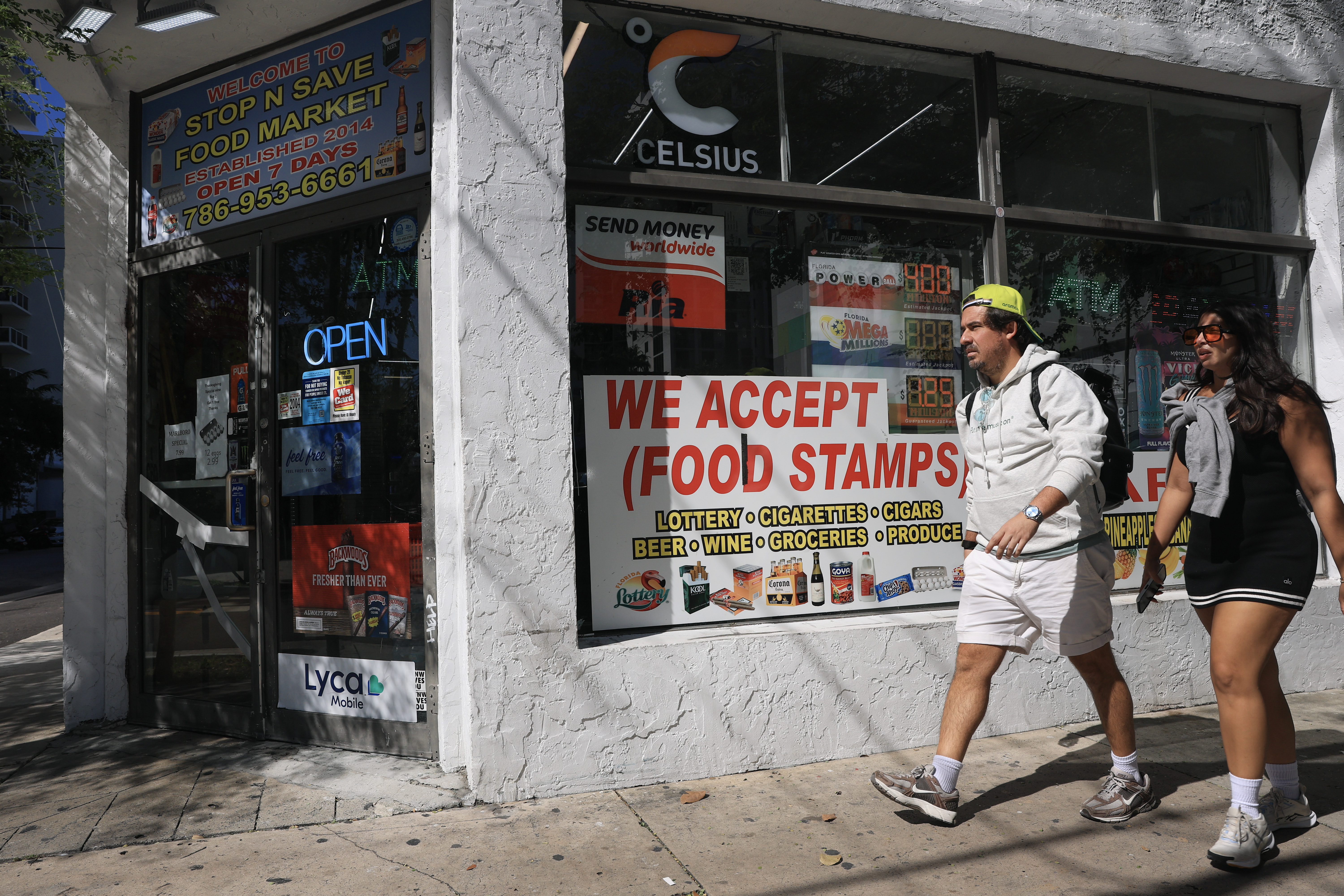
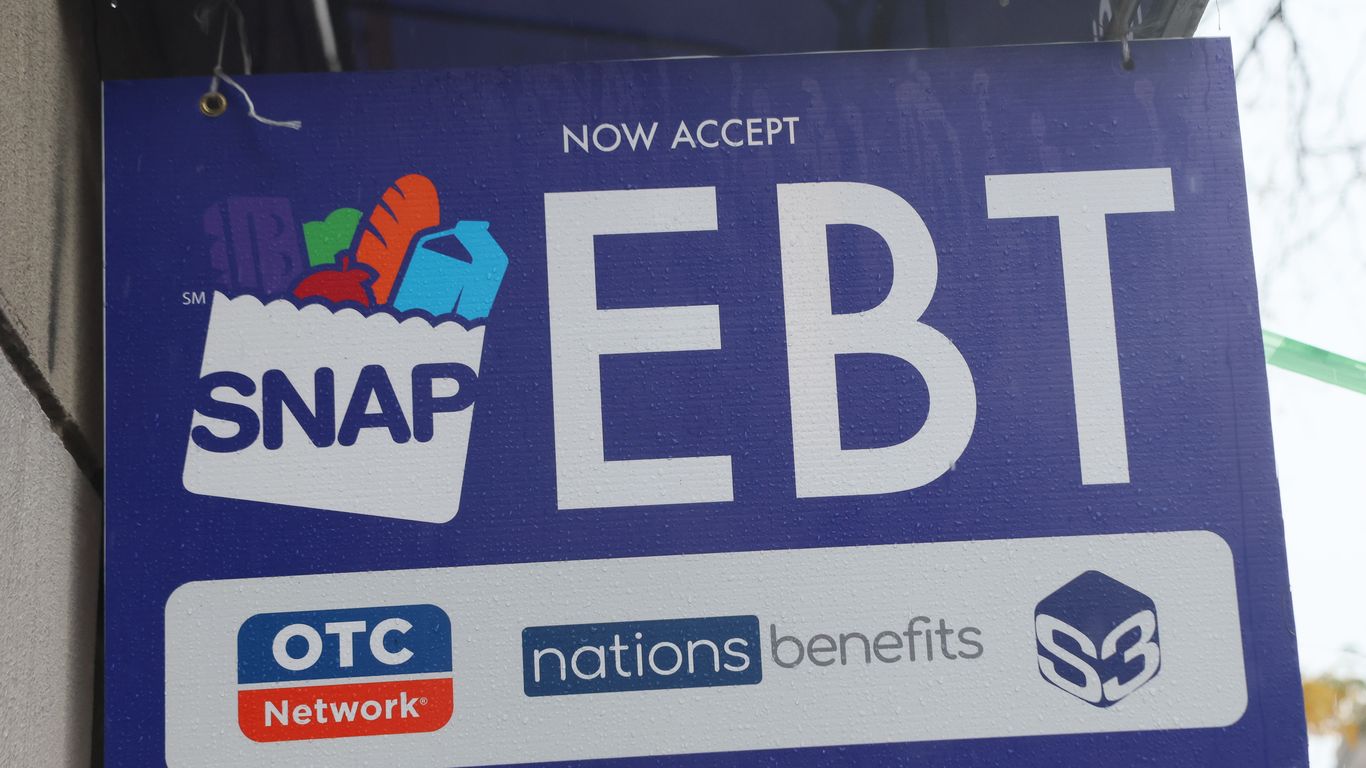
A court has ordered the Trump administration to pay full November SNAP benefits within 48 hours after an appeals court denied their request to delay payments. The administration argued it shouldn't have to use money from other nutrition programs due to a government shutdown. The court decided that delaying payments would harm many people who rely on the benefits.
Key Facts
A court gave the Trump administration 48 hours to pay full SNAP benefits for November.
The First Circuit appeals court denied the administration's request to delay these payments.
SNAP stands for Supplemental Nutrition Assistance Program, which helps people buy food.
The administration argued it should not have to use funds from Child Nutrition Programs due to the government shutdown.
The court said delaying payments would cause significant harm to people relying on SNAP.
The Supreme Court had allowed the earlier decision to stand by not intervening further.
The administration's argument for a stay was not strong enough, according to the court.
Read the Original
Want the full story? Tap a source to open the original
article.
The U.S. Senate is preparing to vote on a plan to end a 40-day government shutdown. This plan involves temporary funding to reopen the government, with an agreement to discuss health care subsidies later. The plan needs both Senate and House approval, and President Trump must sign it into law.
Key Facts
The government shutdown has lasted 40 days, the longest in U.S. history.
A Senate vote could approve a temporary funding package to reopen the government through January 31.
The decision to vote on health care subsidies later helped reach an agreement between Republicans and Democrats.
Around 750,000 federal workers have been furloughed due to the shutdown.
Thousands of flights have been canceled or delayed due to air traffic staff shortages.
Food aid for 42 million Americans using the Supplemental Nutrition Assistance Program (SNAP) is at risk.
A Supreme Court ruling affects the distribution of SNAP benefits during the shutdown.
Republicans hold a simple majority in the Senate and need a few Democratic votes to pass the funding measure.
Read the Original
Want the full story? Tap a source to open the original
article.
Senate Minority Leader Chuck Schumer is facing criticism from his own Democratic Party after some members voted with Republicans to advance a deal to end the 40-day government shutdown. The agreement did not meet key Democratic demands related to healthcare. This situation has highlighted tensions within the Democratic Party about leadership and legislative strategy.
Key Facts
The government shutdown lasted 40 days and was the longest in U.S. history.
Eight members of the Senate Democratic Caucus voted with Republicans to advance a deal to end the shutdown.
Democrats wanted to extend the enhanced Affordable Care Act (ACA) tax credits, but the deal did not include this.
Senate Minority Leader Chuck Schumer's leadership is being questioned due to the handling of the situation.
Democrats have criticized Schumer for not uniting the party against the Republicans' plan.
The deal promised a future vote on the ACA tax credits but did not immediately address them.
Some Democratic Representatives, such as Ro Khanna and Alexandria Ocasio-Cortez, have openly questioned or criticized Schumer's leadership.
There is speculation about potential challenges to Schumer's leadership position within the party.
Read the Original
Want the full story? Tap a source to open the original
article.
The Senate reached a deal to reverse fired federal workers during the government shutdown and promised backpay for those affected. This agreement would cancel over 4,000 layoff notices and stop further workforce reductions until January 30. The deal is not final, but the White House supports it.
Key Facts
The Senate deal reverses over 4,000 layoff notices for federal workers.
Affected workers will receive backpay for the time they were furloughed.
The bill prevents using federal funds for further layoffs until January 30.
The White House originally aimed to cut up to 10,000 federal jobs.
The bill says any layoffs that happened since October 1, 2025, have no effect.
Workers returned to employment as if they were never laid off.
The agreement is awaiting final approval, with White House support.
Future layoffs could still occur starting in February if protections aren't extended.
Read the Original
Want the full story? Tap a source to open the original
article.
Senate Democrats are ready to move forward with a plan to end the government shutdown. This plan involves passing new spending bills and providing short-term funding through January.
Key Facts
Several Senate Democrats support moving forward with bills to end the government shutdown.
At least 10 Senate Democrats plan to vote on a short-term funding measure until January.
The proposed deal includes a vote on extending ACA tax credits for one year.
The plan requires 60 votes to pass in the Senate.
The deal includes help for federal workers affected by the shutdown.
It also provides funding for SNAP benefits until September 30.
Senators are meeting in Washington over the weekend to work on this agreement.
Lawmakers must return to Washington on Sunday if they are not present.
Read the Original
Want the full story? Tap a source to open the original
article.
The Trump administration increased border enforcement in El Paso, Texas, leading to quieter streets and fewer migrants in the area. The number of people crossing the US-Mexico border is at its lowest in 50 years, with significant decreases in detention figures compared to previous years. Many shelters that once housed migrants in El Paso have closed due to the reduced influx.
Key Facts
President Trump's administration increased enforcement measures on the US-Mexico border.
El Paso, Texas, which once saw many migrants, now has quiet streets.
The number of illegal border crossings is the lowest since 1970.
Fewer shelters for migrants are needed in El Paso, with only two operating compared to 22 before.
In September, 11,647 people were detained at the border, down from higher numbers in past years.
The administration states it has achieved full operational control of the border.
Many undocumented migrants are deported or remain in detention, rather than being released into the US.
Read the Original
Want the full story? Tap a source to open the original
article.
Late on Sunday, seven Democrats and one independent joined Republicans in the Senate to vote for a deal to end a 40-day government shutdown. The agreement will fund three spending bills, extend government funding through January, and promises a vote on healthcare subsidies by mid-December. The deal still needs approval from the House and President Trump.
Key Facts
Seven Democrats and one independent voted with Republicans to end the government shutdown.
The shutdown, lasting 40 days, affected airlines and federal workers' pay.
The deal funds three annual spending bills and extends government funding through January.
Republicans agreed to hold a vote on expiring healthcare subsidies by mid-December.
The agreement reverses some federal worker firings that occurred during the shutdown.
Senators Tim Kaine, Catharine Cortez Masto, John Fetterman, Maggie Hassan, Dick Durbin, Angus King, Jeanne Shaheen, and Jacky Rosen voted for the deal.
The agreement needs approval from the House and President Trump to become law.
Read the Original
Want the full story? Tap a source to open the original
article.
A shooting outside a Safeway supermarket in San Francisco's Outer Richmond neighborhood injured five people, including one adult with life-threatening injuries. The police consider the incident isolated and are investigating without any arrests yet.
Key Facts
Five people were injured in a shooting outside a Safeway in San Francisco.
The incident took place in the Outer Richmond neighborhood on a Saturday night.
One adult male was critically injured; four juveniles had minor injuries.
Police do not believe the shooting poses a wider threat to the public.
No arrests have been made, and the investigation is continuing.
San Francisco's new mayor, Daniel Lurie, faces early tests of public safety capabilities.
Witnesses reported panic as bystanders fled the scene near Golden Gate Park.
Read the Original
Want the full story? Tap a source to open the original
article.
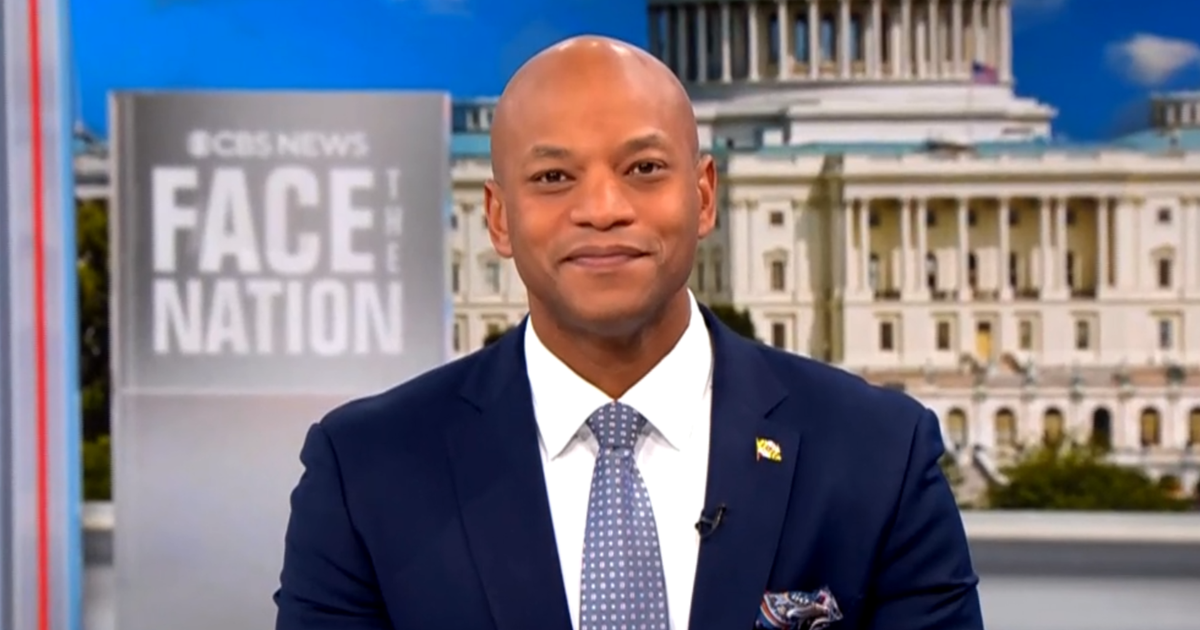
Maryland Governor Wes Moore created a committee to explore redrawing the state's congressional districts, aiming to challenge the single Republican-held seat. He said Maryland should not avoid the process just because President Trump opposes it, and wants the commission to represent the people and protect democracy.
Key Facts
Governor Wes Moore formed a bipartisan commission to consider mid-decade redistricting in Maryland.
The goal is to possibly redraw the congressional map to reduce the Republican-held seat in the state.
Maryland's congressional map is usually drawn by the state Assembly, where Democrats have a large majority.
The commission is led by U.S. Senator Angela Alsobrooks and includes state political leaders.
Senate President Bill Ferguson opposes mid-cycle redistricting, citing legal risks and the current map's strength.
Moore stated the importance of preserving democracy and not letting President Trump decide Maryland's actions.
Other states led by Republicans, like Texas and Florida, have pushed redistricting efforts to gain more seats.
California's Democratic Governor Gavin Newsom recently passed a measure to redraw districts to help Democrats.
Read the Original
Want the full story? Tap a source to open the original
article.
A group of senators reached a tentative deal to reopen the U.S. government and extend its funding until late January. The agreement, involving both Democratic and Independent senators, also includes a promise from Republicans to vote on healthcare subsidies by mid-December. However, the deal is not final as it needs more support from both parties.
Key Facts
The U.S. government has been shut down for 40 days.
The deal aims to extend government funding until late January.
Senators Jeanne Shaheen, Maggie Hassan, and Angus King helped broker the agreement.
The deal includes a promise to hold a vote on healthcare subsidies by mid-December.
Many federal workers have not been paid during the shutdown.
Airlines canceled over 2,000 flights due to the shutdown.
Food assistance programs face disruptions, affecting operations in over two dozen states.
The deal seeks to reverse some terminations of federal workers that occurred since October 1.
Read the Original
Want the full story? Tap a source to open the original
article.
U.S. airlines canceled over 2,100 flights on a Sunday due to staffing shortages caused by the federal government shutdown, which has affected air traffic controllers. Transportation Secretary Sean Duffy warned that air traffic might slow even more if the shutdown continues into the Thanksgiving holiday travel season.
Key Facts
More than 2,100 flights were canceled on a Sunday due to the government shutdown.
The Federal Aviation Administration (FAA) has cut flights at 40 major airports because many air traffic controllers, unpaid for nearly a month, are not working.
There were over 7,000 flight delays on the same day, with previous cancellations on Friday and Saturday.
The FAA's flight reduction started at 4% and will increase to 10% by November 14.
Hartsfield-Jackson International Airport in Atlanta had over 570 cancellations, the most in the country.
Transportation Secretary Sean Duffy warned that air travel could slow significantly if the shutdown continues, especially during Thanksgiving.
Some air traffic controllers are retiring faster because of the shutdown, according to Duffy.
The Department of Defense offered military air traffic controllers to help, but it's uncertain if they can work with civilian systems.
Read the Original
Want the full story? Tap a source to open the original
article.
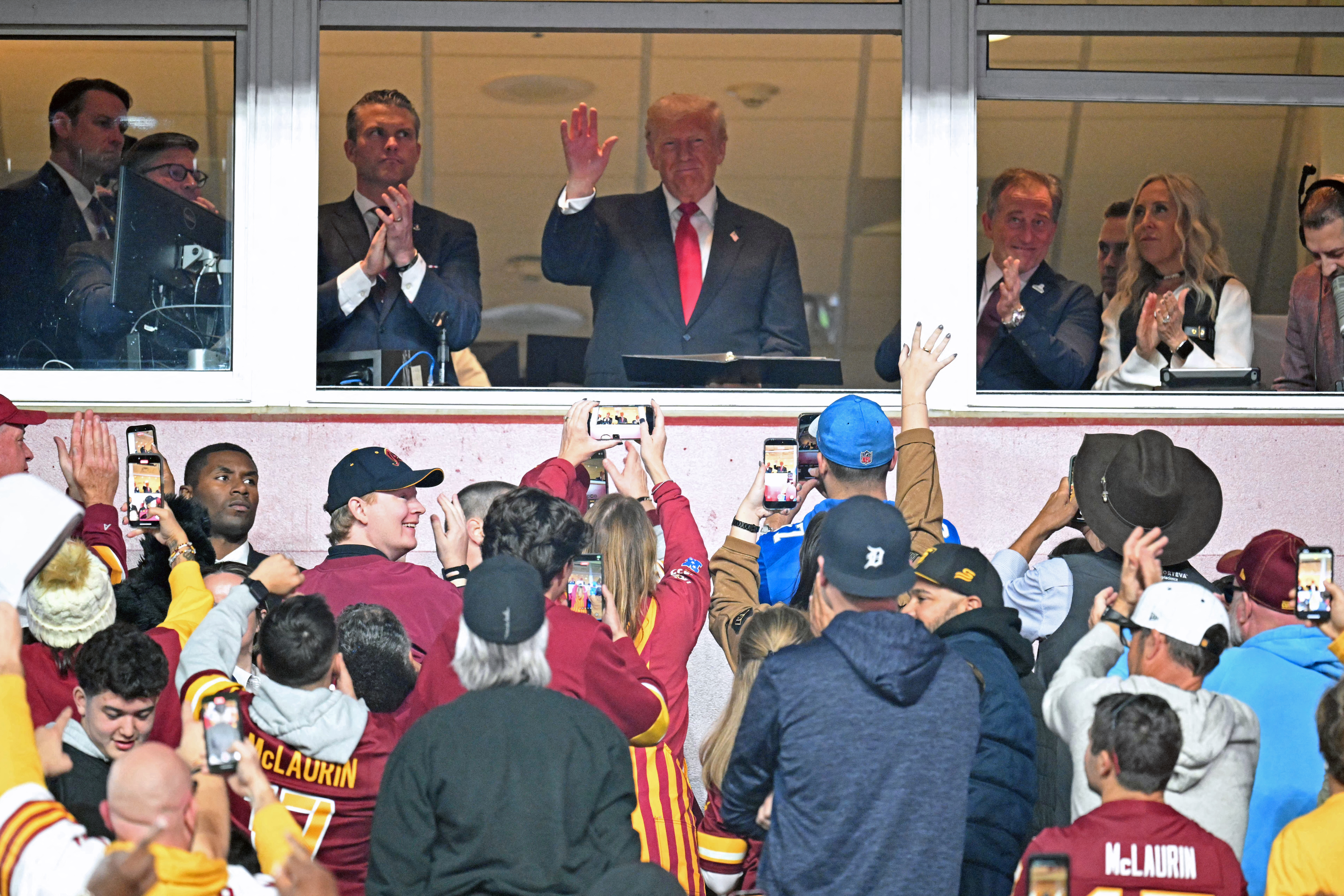
President Donald Trump attended an NFL game between the Washington Commanders and Detroit Lions. This marked the first time in nearly 50 years a sitting U.S. president has attended a regular-season NFL game. Trump received mixed reactions from the crowd, including boos during his appearance on the stadium's big screen.
Key Facts
President Trump attended a regular-season NFL game on Sunday.
He is the first sitting president to attend such a game since Jimmy Carter in 1978.
Trump watched from a suite with House Speaker Mike Johnson.
He received boos from portions of the crowd during his appearance.
The event took place at Northwest Stadium.
Trump had previously attended a Super Bowl while in office.
Lions receiver Amon-Ra St. Brown performed the "Trump dance" during the game.
Several government officials, including cabinet secretaries and a senator, were with Trump.
Read the Original
Want the full story? Tap a source to open the original
article.
Senate Democrats showed readiness to move forward with a set of bills that could end the U.S. government shutdown. At least 10 Senate Democrats are expected to back a motion to advance spending bills and a short-term funding solution.
Key Facts
Senate Democrats are ready to advance a set of bills to end the government shutdown.
This action is significant towards reaching a bipartisan agreement to reopen the government.
At least 10 Senate Democrats plan to support a procedural motion to move forward with these bills.
The proposed deal includes a vote on extending Obamacare tax credits by December.
Multiple sources from both political parties have provided this information.
The situation is ongoing and updates will be provided as it develops.
Read the Original
Want the full story? Tap a source to open the original
article.
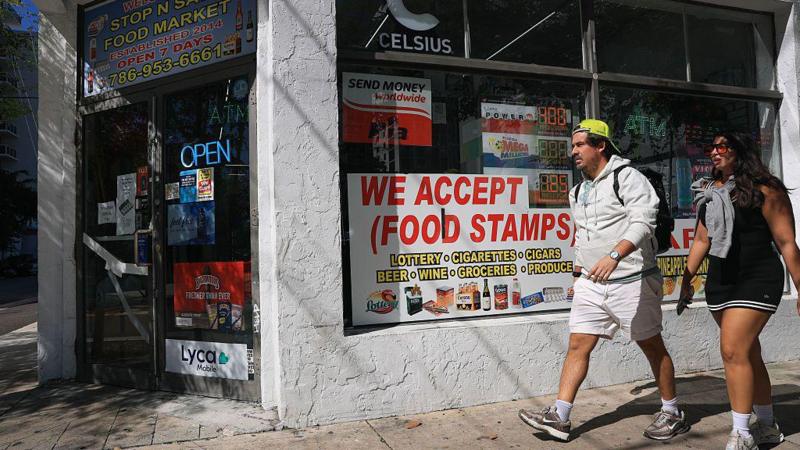
The Trump administration instructed states to stop paying full benefits under the Supplemental Nutrition Assistance Program (SNAP), also known as food stamps. A Supreme Court order allows the administration to withhold some funding, which has led to recipients only receiving partial benefits due to the ongoing government shutdown.
Key Facts
The Trump administration ordered states to stop giving full SNAP benefits.
SNAP, or food stamps, assists over 42 million Americans.
States can now only provide 65% of SNAP benefits.
The Supreme Court allowed the withholding of funds until further legal hearings.
The U.S. government shutdown has caused only partial SNAP benefits to be distributed.
Some states were using their own funds to provide full benefits before this order.
SNAP helps about one in eight Americans and costs nearly $9 billion a month.
The Supreme Court temporarily agreed to the administration withholding $4 billion in SNAP funding.
Read the Original
Want the full story? Tap a source to open the original
article.
U.S. Deputy Attorney General Todd Blanche called on young lawyers to join a "war" against judges he describes as activist and political. He also criticized state bar associations for targeting conservative lawyers and suggested changes to reduce their oversight. His remarks highlight tensions between the Trump administration and the judiciary.
Key Facts
Deputy Attorney General Todd Blanche described a "war" against what he calls "rogue activist judges."
Blanche spoke at a Federalist Society conference, urging young lawyers to join this effort.
The Trump administration views certain judges as challenging its policy goals.
The administration labels some judges as "activists" and has made efforts to remove them.
Federal district judges have blocked some of Trump's policies using legal actions like injunctions.
The administration has faced accusations of not complying with court orders.
Blanche criticized the D.C. Bar for targeting conservative lawyers and suggested limiting bar associations' oversight powers.
The Justice Department plans to support its lawyers facing bar complaints with outside counsel.
Read the Original
Want the full story? Tap a source to open the original
article.
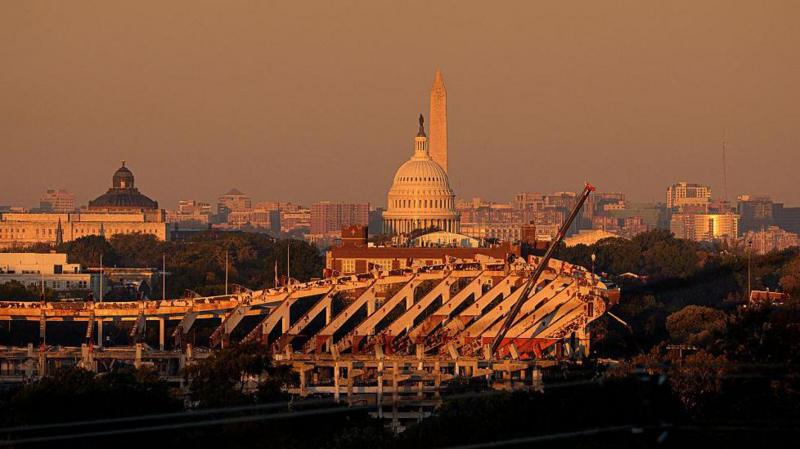
President Donald Trump wants the new Washington Commanders football stadium to be named after him. The stadium, costing $3.7 billion, is being built on the old RFK Stadium site in Washington D.C. Trump is discussing this naming idea with the football team's owners and could soon announce it during a game.
Key Facts
President Trump is interested in having the new Washington Commanders stadium named after him.
The stadium will be constructed on the site of the old RFK Stadium, currently being demolished.
The new stadium project is estimated to cost $3.7 billion.
Trump does not want to buy naming rights or have a corporation pay for it; he wants it as a tribute to his help with the stadium deal.
Trump plans to attend a Commanders football game and might announce his naming wish there.
The White House press secretary has hinted that Trump is keen on having the stadium named in his honor.
Typically, stadiums sell naming rights to companies, but not all do; some are named after people or historical events.
Other projects Trump is reportedly undertaking in Washington D.C. include changes to the White House's East Wing and proposing a triumphal arch.
Read the Original
Want the full story? Tap a source to open the original
article.
U.S. air travel faces significant disruptions due to a government shutdown, with many flights delayed or canceled. Transportation Secretary Sean Duffy warned that if the shutdown continues, air travel might come to a near halt. Efforts are ongoing in Congress to resolve the funding issue and reopen the government.
Key Facts
The U.S. government shutdown is causing major disruptions in air travel with about 1,400 flights canceled and 2,700 delayed.
The longest flight delays were over two hours in Newark, New Jersey.
Lawmakers are trying to negotiate a deal to end the shutdown and restore government funding.
The Federal Aviation Administration (FAA) plans to cut air travel capacity by up to 10% at 40 major U.S. airports.
Air traffic controllers are working without pay, leading to fatigue and reduced air traffic operations.
Defense Secretary Pete Hegseth offered military air traffic controllers to help, but they are not certified for civilian airports.
The shutdown has affected federal workers' pay and food assistance programs for low-income Americans.
The political impasse is over budget disagreements, including health insurance subsidies, between Republicans and Democrats.
Read the Original
Want the full story? Tap a source to open the original
article.
The U.S. Department of Agriculture (USDA) has told states to stop giving full food assistance benefits through the SNAP program, following a recent Supreme Court decision. The court decision halted a previous judge's order that required full funding for these benefits, leaving states uncertain about how to proceed.
Key Facts
The USDA instructed states to stop issuing full SNAP benefits.
This follows a Supreme Court ruling that paused an earlier order requiring full funding.
SNAP stands for the Supplemental Nutrition Assistance Program, which helps Americans buy food.
About 40 million Americans depend on SNAP for food aid.
States were told to continue providing partial benefits as per earlier instructions.
The USDA warned that continuing full benefits could result in losing federal administrative funding.
Read the Original
Want the full story? Tap a source to open the original
article.