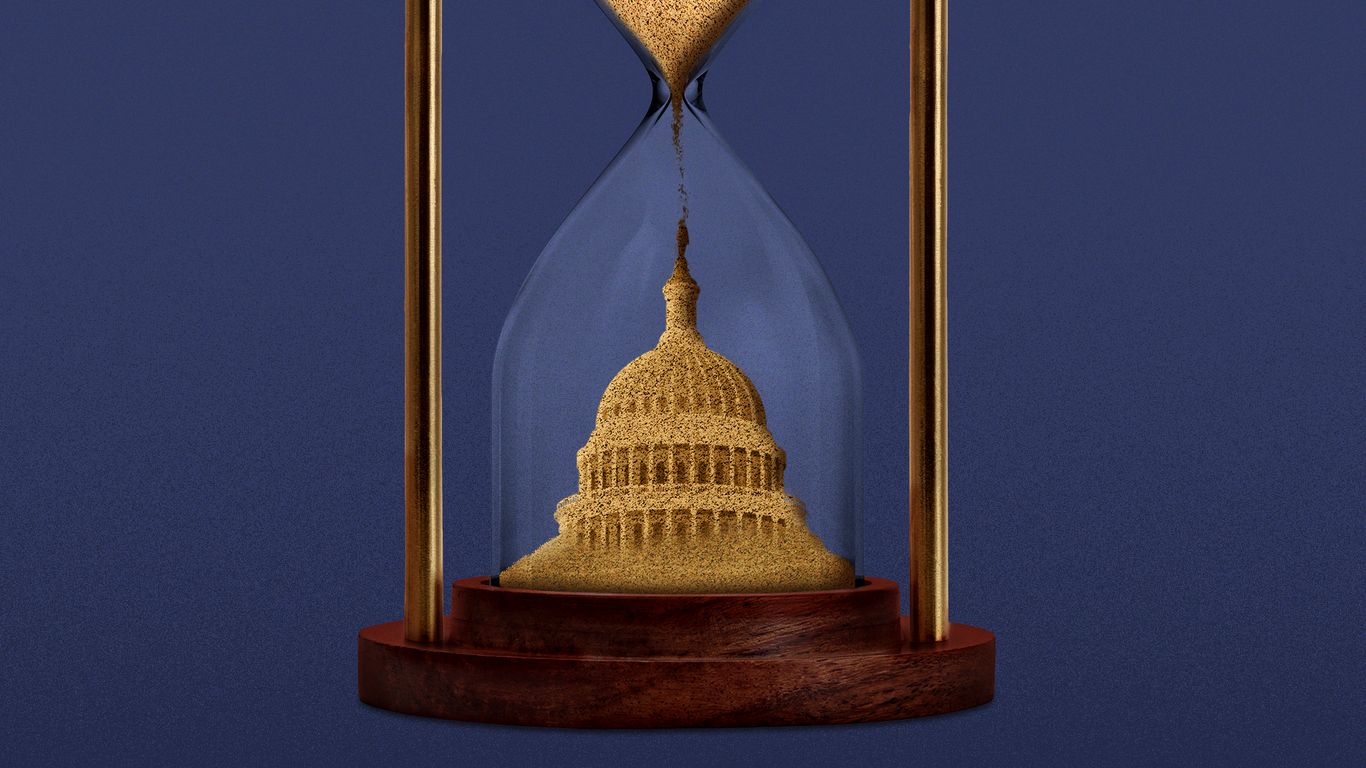
Americans will set their clocks back one hour early Sunday morning due to daylight saving time. Congress remains divided on whether to make daylight saving time permanent, with recent efforts to do so failing. President Trump supports more daylight in the evenings, but no changes have been decided.
Key Facts
Americans will gain one hour of sleep when clocks go back at 2 a.m. on Sunday.
A proposal to make daylight saving time permanent did not pass earlier this week.
President Donald Trump supports permanent daylight saving time for more evening daylight.
Current U.S. federal law requires Congress to approve permanent daylight saving time.
In 1974, the U.S. tried permanent daylight saving time, but it ended within a year.
Most smartphones will automatically update the time; some household clocks may need manual resetting.
A recent poll shows 56% of Americans prefer permanent daylight saving time, while 42% prefer standard time.
The next daylight saving time change is scheduled for March 8, 2026.
Read the Original
Want the full story? Tap a source to open the original
article.
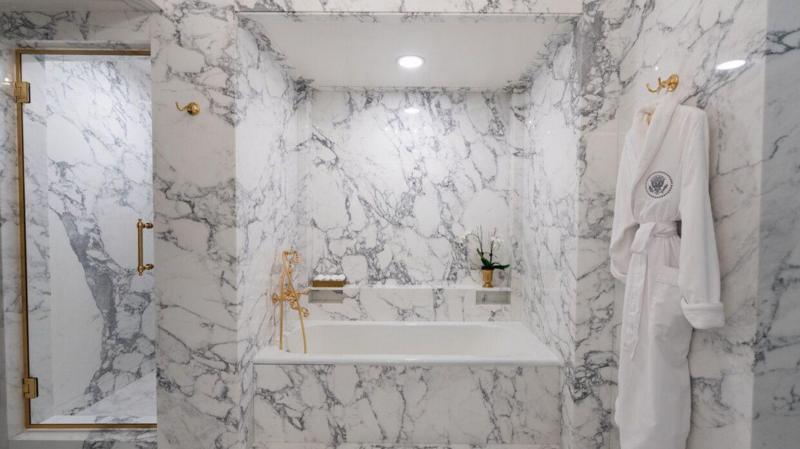
President Donald Trump has made changes to the Lincoln Bathroom in the White House, adding marble and gold fixtures. This is part of ongoing renovations that have included significant changes to areas like the East Wing and the Rose Garden. Some people have criticized these changes, saying they should have involved public input or focused on bigger issues like the government shutdown.
Key Facts
President Trump remodeled the Lincoln Bathroom with marble and gold accents.
The bathroom's previous style was from the 1940s and Trump said it didn't match the Lincoln Era.
Renovations are part of Trump's wider changes to the White House, including a new ballroom in the East Wing.
The Lincoln Bedroom and office were originally renovated by President Truman in the late 1940s.
Furniture and fixtures now have gold accents, including a chandelier and bathroom fixtures.
Some groups and political opponents have criticized these changes, especially for lack of public review.
Democrats have criticized Trump for focusing on the White House renovations during a government shutdown.
Read the Original
Want the full story? Tap a source to open the original
article.
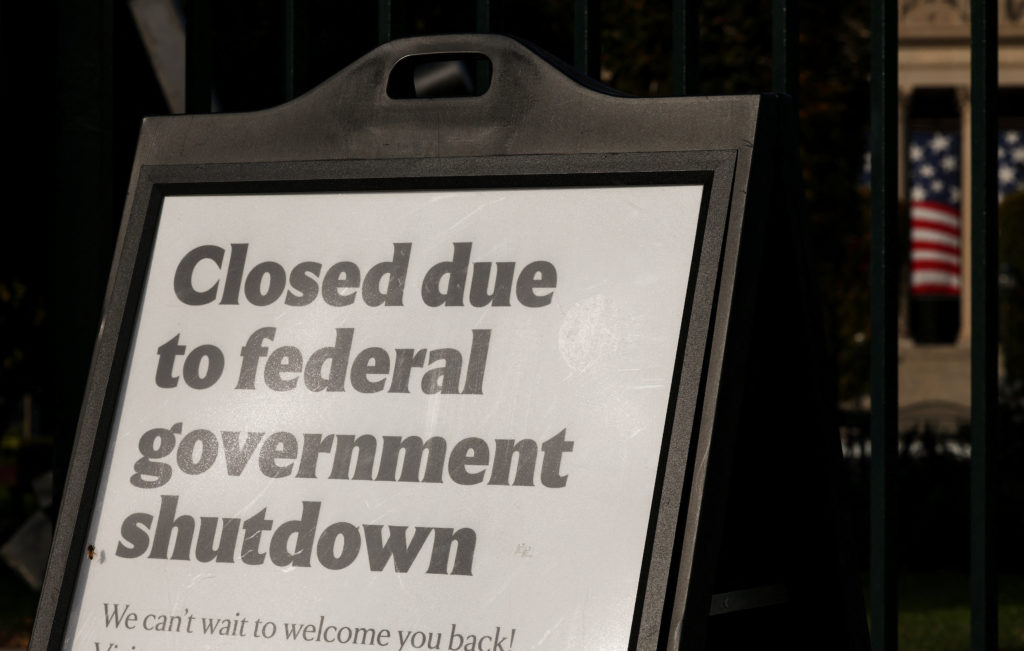
The Trump administration is finding new ways to keep government functions running during shutdowns without Congress’s approval. This approach might violate the Antideficiency Act, a law that forbids spending money without Congress agreeing to it first. There is ongoing debate about how strictly the law should be applied during funding gaps.
Key Facts
The Antideficiency Act is a 150-year-old law that stops the U.S. government from spending money without congressional approval.
President Trump’s administration has been trying new methods to keep parts of the government open during shutdowns.
The Government Accountability Office (GAO) previously ruled some of these actions during his first term as unlawful.
Violating the Antideficiency Act can lead to criminal charges, although none have been made in recent history.
The debate around the Antideficiency Act involves whether government functions should continue during funding lapses.
Some legal experts argue the Act limits government unnecessarily, while others say strict adherence is needed.
Government shutdowns in the U.S. became more impactful after a strict interpretation of the Act in 1980.
Read the Original
Want the full story? Tap a source to open the original
article.
Millions of Americans who get food help from SNAP are worried about their benefits. Two judges said the Trump administration must use emergency money to provide some benefits, but people might still experience a break in their assistance due to the government shutdown.
Key Facts
SNAP stands for Supplemental Nutrition Assistance Program, which helps people buy food.
Tens of millions rely on SNAP assistance in the United States.
Two judges have ordered the Trump administration to use emergency funds for SNAP.
Even with the emergency funds, benefits might temporarily stop.
The ongoing government shutdown is causing problems with the distribution of SNAP benefits.
Emergency funds are meant to provide at least partial benefits during the shutdown.
The situation creates uncertainty for those dependent on SNAP for food supplies.
Read the Original
Want the full story? Tap a source to open the original
article.
A government shutdown has stopped SNAP payments, affecting millions of Americans who rely on this aid to buy food. One out of every eight Americans is now unsure of how they will afford their next meal.
Key Facts
A government shutdown is currently happening.
SNAP payments, which help people buy food, have been halted.
One in eight Americans relies on SNAP payments.
The sudden stop in aid has caused worry about access to food.
SNAP is a program that started during the Great Depression to help fight hunger.
Many Americans depend on this program for their nutrition needs.
Read the Original
Want the full story? Tap a source to open the original
article.
Millions of Americans may face higher healthcare costs because subsidies, which help make insurance affordable, are set to end. This change could lead some people to lose their health coverage if the subsidies are not extended. Lawmakers are debating whether to extend these subsidies, especially as the government shutdown continues.
Key Facts
Subsidies for health insurance bought through the Affordable Care Act marketplace are set to expire.
Around 24 million Americans currently use these subsidies to lower their monthly insurance costs.
Without the subsidies, insurance costs could rise by 114% on average, adding about $1,000 more per year.
About seven million people might stop buying health insurance if the subsidies end.
Lawmakers are divided, with Democrats wanting to extend the subsidies and some Republicans opposing them.
The subsidies are a key part of the Affordable Care Act, known as Obamacare.
The current debate is happening during a federal government shutdown, which affects various services.
Read the Original
Want the full story? Tap a source to open the original
article.
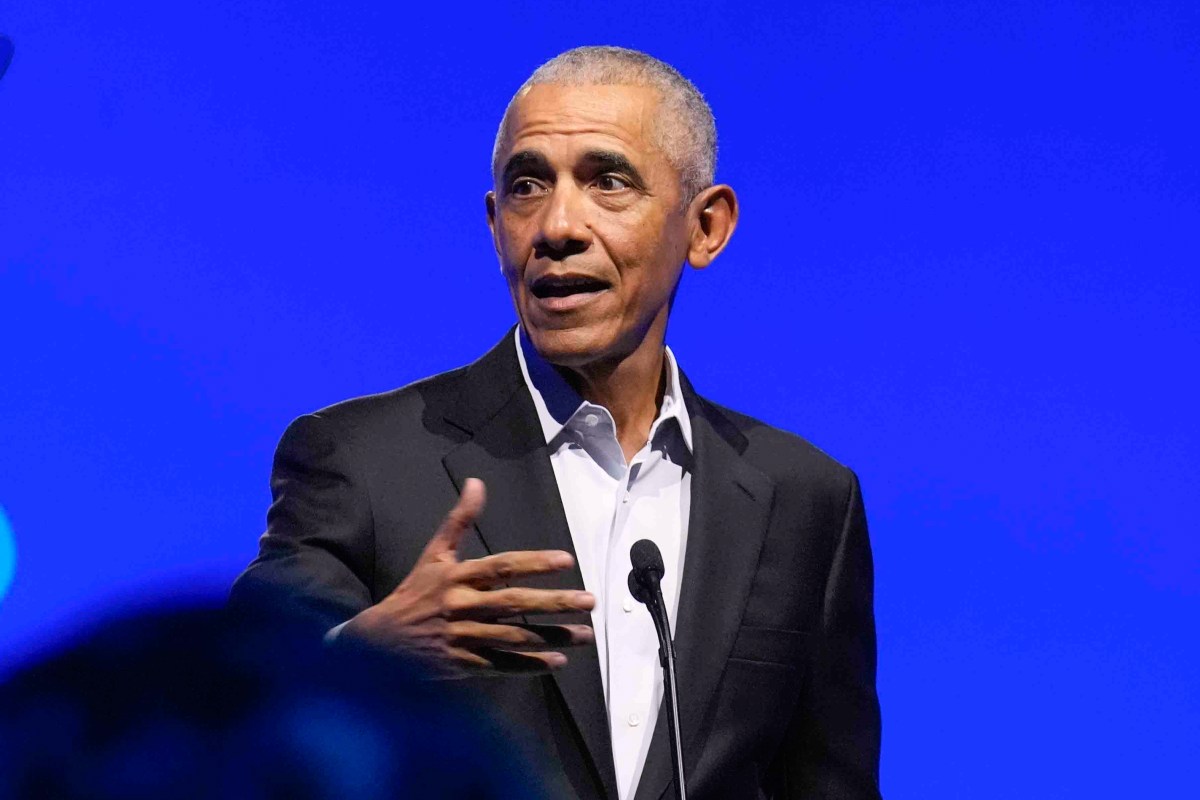
Former President Barack Obama called New York mayoral candidate Zohran Mamdani to express his support. They talked for about 30 minutes about Mamdani's campaign and policies. Mamdani currently leads in the polls over his opponents.
Key Facts
Barack Obama called Zohran Mamdani to show support for his mayoral campaign.
The phone conversation lasted about 30 minutes.
Mamdani is leading in the polls against Andrew Cuomo and Curtis Sliwa.
During the call, Obama offered advice and discussed Mamdani's plans for affordable policies.
This news was reported by The New York Times.
Newsweek reached out to the Obama Foundation and Mamdani's team for comments.
Read the Original
Want the full story? Tap a source to open the original
article.
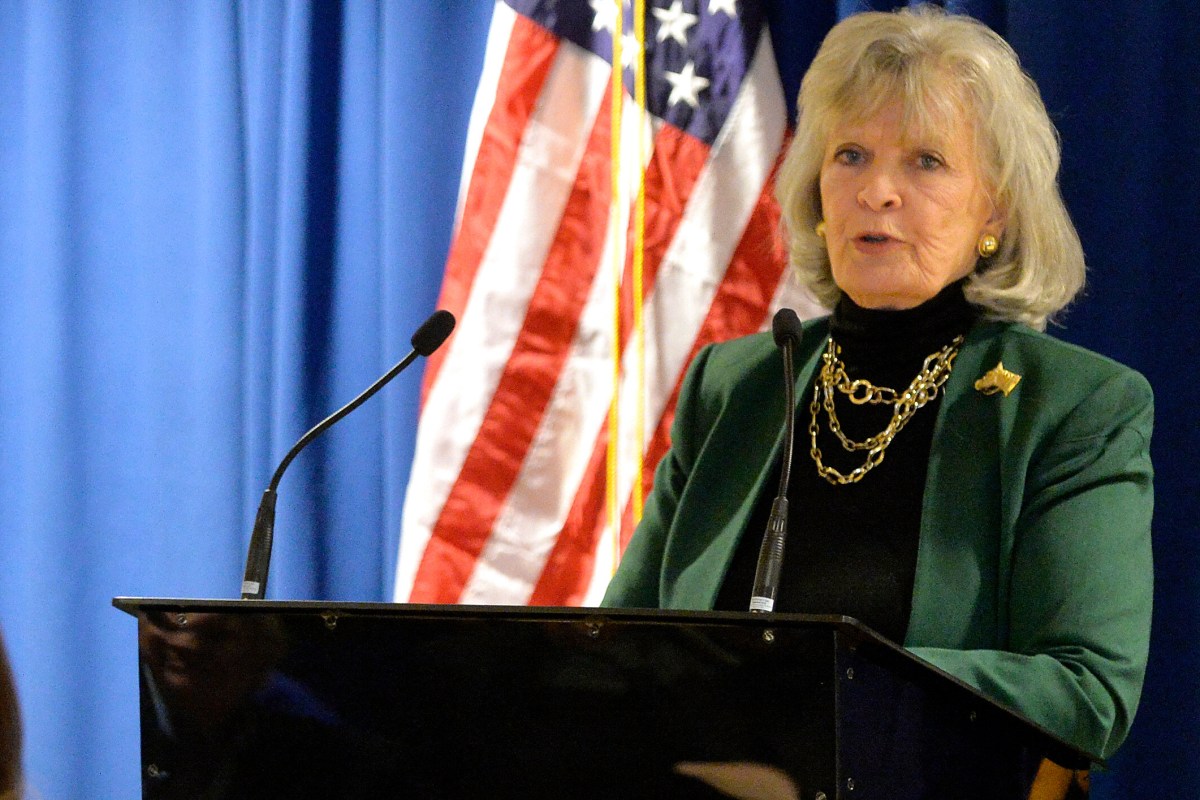
Kentucky's first female governor, Martha Layne Collins, passed away at age 88. She served as governor from 1982 to 1987 and was known for bringing the first Toyota factory to the U.S., setting it up in Kentucky.
Key Facts
Martha Layne Collins was Kentucky's first and only female governor.
She served as governor from 1982 to 1987.
Collins was instrumental in bringing the first Toyota factory to Kentucky.
She focused on increasing funding for public schools during her term.
No cause of death was reported.
Collins was considered as a potential vice-presidential candidate in 1984.
She was a Democrat and served as lieutenant governor before becoming governor.
Current Governor Andy Beshear and others paid tribute to her legacy after her passing.
Read the Original
Want the full story? Tap a source to open the original
article.
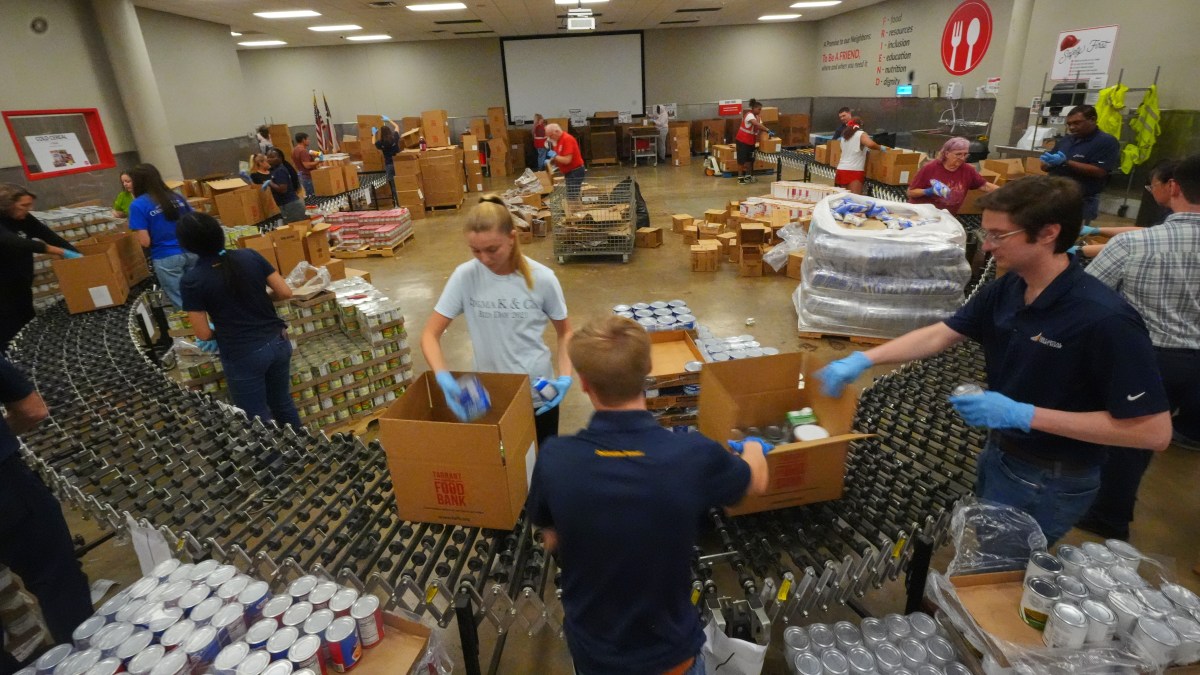
Food banks in the U.S. are facing higher demand and shortages because of issues with government funding for the Supplemental Nutrition Assistance Program (SNAP). SNAP benefits, which support about 42 million Americans, are at risk due to a government shutdown, and courts have ruled that existing funds must be used to keep the program running. Food banks are requesting specific donation items to help meet increased needs.
Key Facts
SNAP provides food assistance to over 42 million people, including 16 million children, in the U.S.
A government shutdown led to uncertainty in SNAP funding starting November 1.
Democrat state attorneys general and governors from 25 states challenged the decision to stop funding SNAP.
A judge ordered the government to use contingency funds to continue SNAP payments.
Judges declared that the USDA must use funds to support SNAP during the shutdown.
Food banks requested donations of non-perishable food and personal care items.
Cash donations to food banks can help them buy needed items and cover costs.
Food banks advised against donations of homemade or expired goods.
Read the Original
Want the full story? Tap a source to open the original
article.
The Pentagon has introduced a new policy affecting transgender troops in the U.S. military. This policy makes it harder for them to challenge bans on their service by overriding military board decisions and requiring adherance to birth-assigned uniform standards. These changes are based on directives from President Donald Trump’s administration.
Key Facts
The Pentagon has issued a new policy regarding transgender troops, affecting their ability to stay in the military.
Under the policy, military commanders can override separation board decisions that typically act independently.
Transgender service members must attend separation board hearings in uniforms that match their birth-assigned gender.
If transgender members don't attend hearings for uniform reasons, it can negatively affect their case.
President Trump’s administration has enacted this policy in efforts to make the military more focused on combat effectiveness.
Legal challenges are ongoing, but the U.S. Supreme Court has allowed the ban to be enforced for now.
Many transgender troops currently do not possess uniforms that match their birth-assigned gender.
The new policy resembles a recent Air Force directive requiring separation if a troop is diagnosed with gender dysphoria.
Read the Original
Want the full story? Tap a source to open the original
article.
Nineteen U.S. states have passed laws to make Daylight Saving Time (DST) permanent, but they need approval from Congress first. Senator Tom Cotton recently opposed a bill that would eliminate the twice-yearly clock changes, so Americans will continue to adjust their clocks in March and November. President Donald Trump supports making DST permanent and has urged Congress to pass related legislation.
Key Facts
Daylight Saving Time ends on November 2 at 2 a.m. local time.
Nineteen states have passed laws to adopt permanent DST, but they need Congress to approve this change.
Senator Tom Cotton blocked efforts to fast-track a federal bill to end clock changes.
President Trump has expressed support for making DST permanent.
Studies link time changes to health issues like heart attacks and traffic accidents.
Pets are also impacted by time changes as they rely on routine.
Nearly 40% of U.S. states would switch to permanent DST if Congress allows it.
U.S. states can currently adopt permanent standard time but not permanent DST without federal approval.
Read the Original
Want the full story? Tap a source to open the original
article.
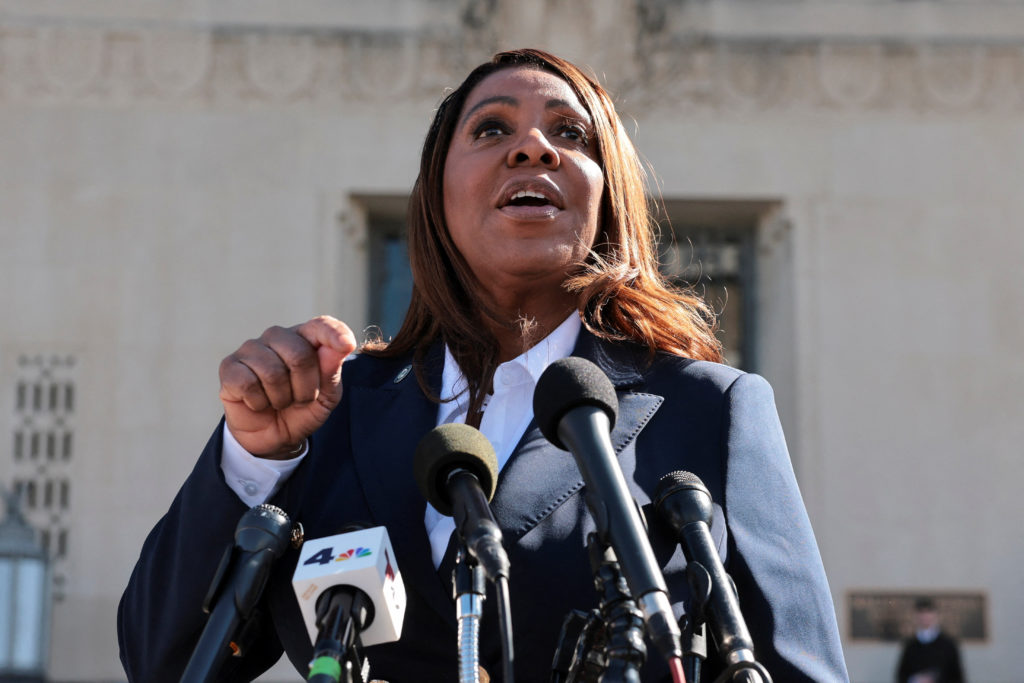
New York Attorney General Letitia James is trying to stop subpoenas from the Trump administration. She claims that the subpoenas, related to cases against President Trump and the National Rifle Association, were issued without proper authority. James also argues that the subpoenas are retaliatory, and a judge has allowed many case documents to be made public.
Key Facts
New York Attorney General Letitia James filed a motion to block subpoenas from acting U.S. Attorney John Sarcone.
The subpoenas seek records from a civil case against President Trump and a lawsuit involving the National Rifle Association.
James argues that Sarcone was improperly appointed and lacks authority to issue the subpoenas.
Many court documents related to this case have been unsealed, or made public, by a federal judge.
James claims the Trump administration is using the Justice Department for retaliation.
A federal mortgage fraud case against James, backed by President Trump, is ongoing.
James is also challenging Sarcone's appointment based on claims that his term as acting U.S. attorney was improperly extended.
James’ legal team plans to challenge similar appointments in her mortgage fraud case.
Read the Original
Want the full story? Tap a source to open the original
article.
Many federal workers are facing delays in getting unemployment pay during the government shutdown. These workers must navigate a complicated system to get aid, with some needing proof of income that is hard to verify due to the shutdown. Workers who do get aid may have to pay it back if they receive back pay after the shutdown ends.
Key Facts
Imelda Avila-Thomas, a federal worker in San Antonio, is struggling to get unemployment benefits during the shutdown.
About 670,000 federal workers are furloughed, with 26,000 filing for unemployment benefits over a recent three-week period.
If federal workers receive back pay after the shutdown, they must repay any unemployment aid received.
Unemployment benefits vary by state, with weekly benefits ranging from $235 in Mississippi to $1,105 in Massachusetts.
The government shutdown is causing delays because federal agencies cannot verify workers’ wages promptly.
In Texas, where Avila-Thomas lives, the maximum weekly unemployment benefit is $605 for up to 26 weeks.
States require verification of job and income from federal employers, which is delayed by the shutdown.
Some workers face difficulties due to states’ requirements to prove they are seeking new jobs while on unemployment.
Read the Original
Want the full story? Tap a source to open the original
article.
A 13-year-old boy was shot and killed by police in North Carolina during an attempt to arrest him. He was suspected of killing his grandmother. The North Carolina State Bureau of Investigation is reviewing the shooting.
Key Facts
A 13-year-old boy was accused of killing his 68-year-old grandmother in North Carolina.
Police were trying to arrest the boy after he was charged with first-degree murder.
The boy was found in a vehicle reportedly stolen from his grandmother.
During the arrest attempt, the boy ran into a wooded area and approached police with a piece of wood.
A deputy fired his gun, hitting the boy, who died at the scene.
The North Carolina State Bureau of Investigation is reviewing the shooting, as is done in similar cases.
The incident has raised concerns about how law enforcement deals with minors involved in serious crimes.
Read the Original
Want the full story? Tap a source to open the original
article.
President Trump is using campaign funds to help the Republican candidates in the Virginia and New Jersey governor races. His team is spending over a million dollars in each state to reach out to Republican voters who often skip elections when Trump is not on the ballot.
Key Facts
President Trump is funding efforts in the Virginia and New Jersey governor races using campaign money.
Over $1 million is spent in each state to encourage Republican voter turnout.
The focus is on reaching Trump supporters and Republicans who do not usually vote in off-year elections.
The strategy includes identifying voters less likely to participate and contacting them through calls, ads, and mail.
The campaign targets areas where Trump previously had strong support.
President Trump participates in tele-rallies to energize his supporters.
Polls show that Republican candidates lag behind in Virginia, while the attorney general race is tightly contested.
President Trump has not visited either state in person for these campaigns.
Read the Original
Want the full story? Tap a source to open the original
article.
The episode looks at Zohran Mamdani, a candidate running for mayor of New York City. It discusses how the media and wealthy political figures have opposed him due to his views and background, and how he has gained support despite these challenges.
Key Facts
Zohran Mamdani is running for mayor of New York City.
He is known as a democratic socialist and critic of Israel's actions in Gaza.
Mamdani has faced negative coverage from US mainstream media.
Some media have questioned his identity as a Muslim and immigrant.
Mamdani is leading in the polls with international online support.
His candidacy has challenged traditional Democratic Party dynamics.
The episode features insights from various media and communication experts.
Read the Original
Want the full story? Tap a source to open the original
article.
U.S. senators voted on a plan regarding barred owls, resulting in a decision to continue with a strategy to control their population. The plan aims to protect the spotted owl species, which is threatened by the barred owl, through targeted population reduction across several states over the next 30 years. The measure received 25 votes in favor and 72 against stopping the plan.
Key Facts
U.S. senators voted on a plan to manage barred owl populations to protect the spotted owl species.
Barred owls, originally from eastern North America, threaten spotted owls by competing for resources.
The plan, created during the Biden administration, involves reducing barred owl numbers over 30 years.
The aim is to protect the northern spotted owl and minimize impacts on California spotted owl populations.
The vote to stop the plan was rejected, with 72 senators voting to continue the current strategy.
Barred owls have expanded westwards since 1900, affecting local ecosystems.
The decision reflects bipartisan agreement between the administrations of President Biden and President Trump on this issue.
Read the Original
Want the full story? Tap a source to open the original
article.
Category: us
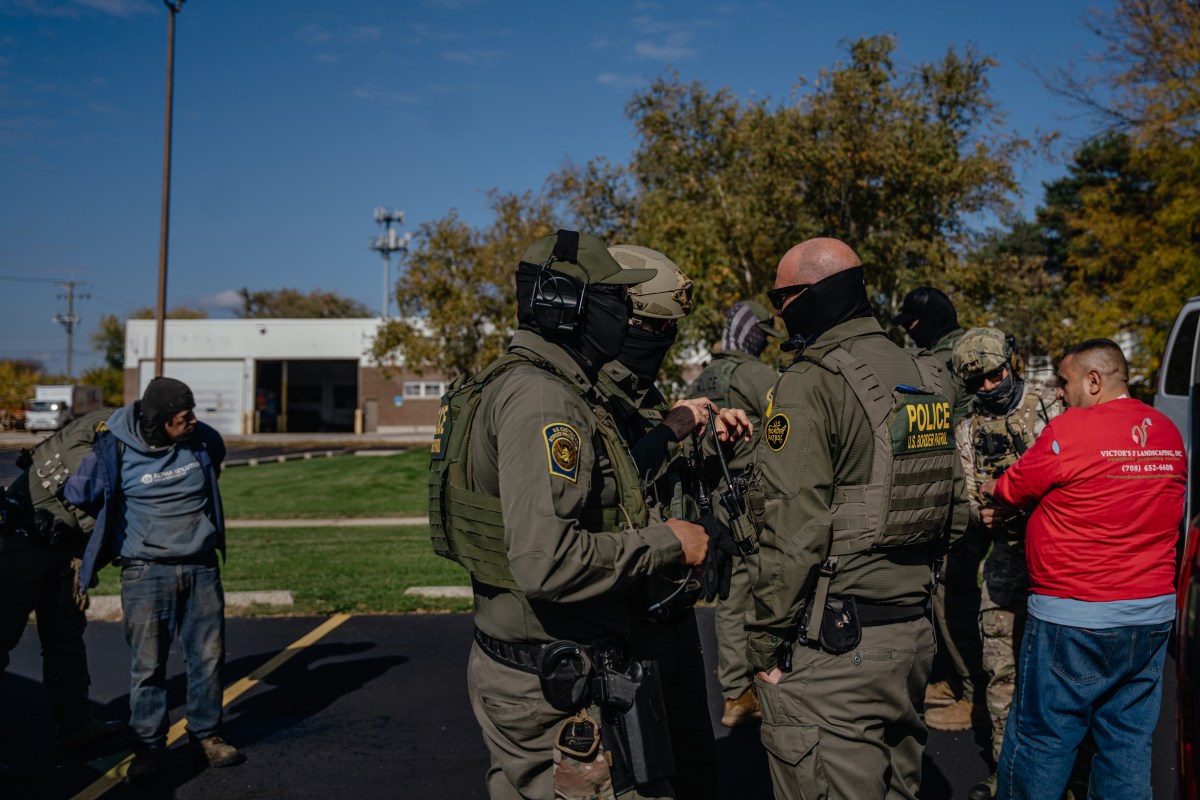
Federal immigration agents in Chicago clashed with local residents during enforcement operations that continued despite a request to pause them for Halloween. Three U.S. citizens were arrested in Evanston after a car crash with federal agents. The Department of Homeland Security stated that agents were surrounded by a hostile crowd.
Key Facts
Federal immigration agents conducted enforcement operations in Chicago over Halloween weekend.
Illinois Governor J.B. Pritzker requested a pause in operations, but Homeland Security Secretary Kristi Noem rejected the request.
Three U.S. citizens were involved in an incident with agents in Evanston, resulting in their arrest.
Witnesses in Evanston reported a car crash caused by federal agents braking abruptly.
Tensions escalated when a crowd gathered around agents, and some members were allegedly aggressive towards them.
In Albany Park, agents detained two U.S. citizens, prompting a local alderwoman to intervene.
Homeland Security justified continuing the operations as necessary for community safety.
Read the Original
Want the full story? Tap a source to open the original
article.
Staying informed here is free for everyone. If it's worth something to you, pay what you want. Supporters also get the daily digest by email every morning.
Vice President JD Vance shared Halloween-themed social media posts that became widely popular and led to many memes. Vance wore a curly-haired wig as a play on a meme of himself, engaging with meme culture on platforms like X and Instagram.
Key Facts
JD Vance posted Halloween images wearing a curly-haired wig.
The posts quickly became memes, especially on social media sites like X and Instagram.
Vance’s posts received tens of millions of views on X and over half a million likes on Instagram.
An AI-generated video featured the meme of Vance in Las Vegas.
The meme prompted various reactions, including comments about a potential future presidential run.
Some people reacted positively, calling Vance’s costume funny.
Others criticized the attempt, calling it creepy or pandering.
Vance appeared at a recent event where some speculated about a future presidential bid.
Read the Original
Want the full story? Tap a source to open the original
article.
Two federal judges have ordered President Donald Trump's administration to use contingency funds to continue payments for the Supplemental Nutrition Assistance Program (SNAP) during the government shutdown. Despite this, it is uncertain when beneficiaries will receive their delayed SNAP benefits for November due to the logistical challenges in processing the payments.
Key Facts
SNAP is a federal program that helps about 42 million low- and no-income Americans buy food.
The U.S. Department of Agriculture (USDA) wanted to pause SNAP payments starting November 1 due to a government shutdown.
The program costs about $8 billion each month, while the available contingency funds are $5-6 billion.
Two federal judges have ruled that the USDA must use the contingency funds to continue SNAP payments during the shutdown.
Judges rejected the administration's claim that the contingency funds can only be used for natural disasters.
The funding shortfall means November benefits will be delayed, and it may not cover the full month's costs.
Without benefits, many SNAP recipients worry about affording food.
State attorneys general and governors from 25 states challenged the decision to pause SNAP.
Read the Original
Want the full story? Tap a source to open the original
article.