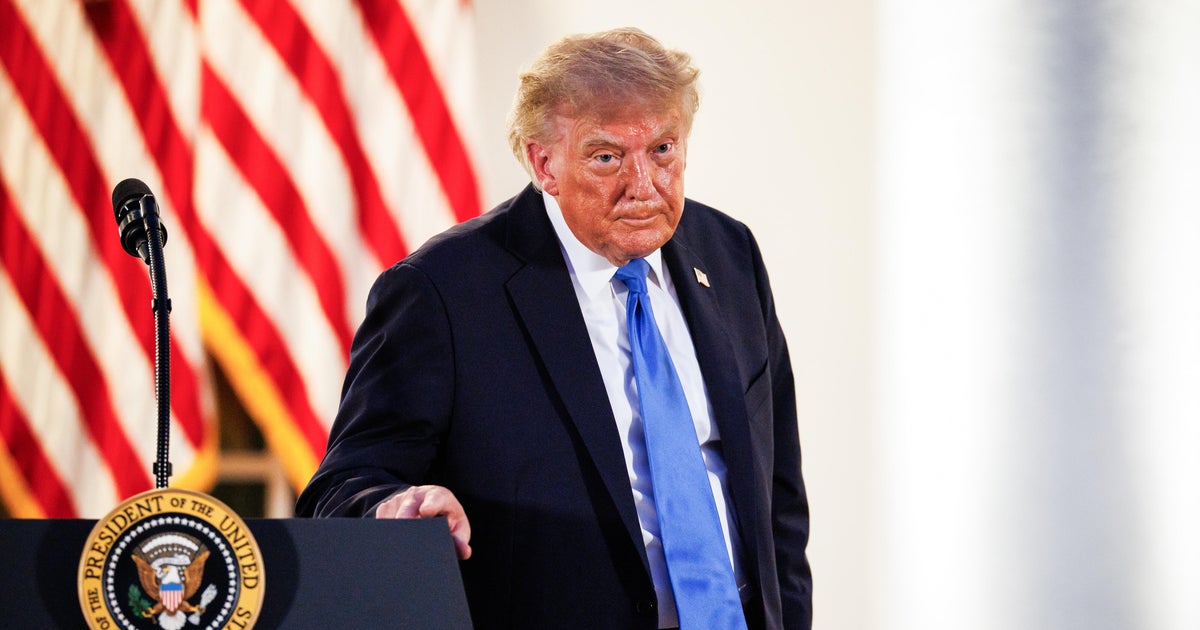
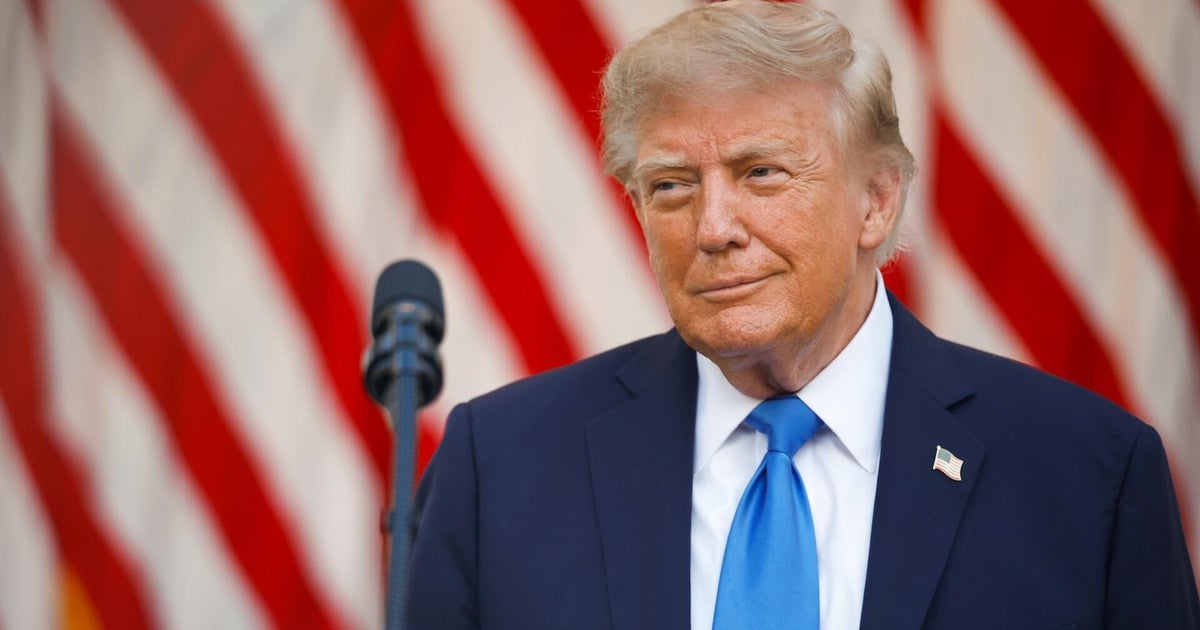
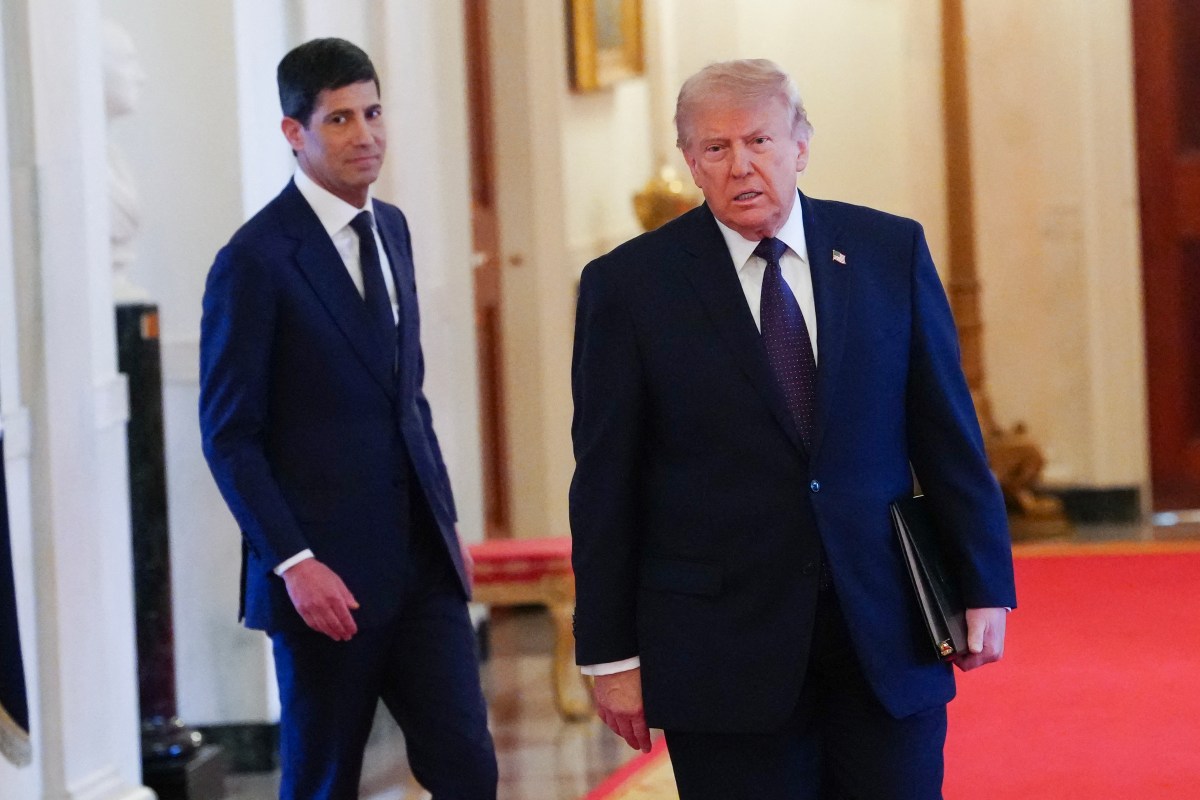
President Donald Trump has raised about $400 million for the upcoming midterm elections, but most of this money has not yet been spent on local candidates. His team is focusing on getting his supporters to vote by emphasizing his role, even though few funds have gone directly to congressional campaigns so far.
Key Facts
President Trump has a $400 million war chest for the midterm elections.
The nonprofit Securing American Greatness, linked to Trump's super PAC MAGA Inc., released an ad focused on Trump, not local candidates.
Trump said he raised about $850 million total and plans to spend much of it supporting Republican candidates.
MAGA Inc. gave $827,000 to Senator Darlene Graham’s campaign, the only major donation so far.
MAGA Inc. spent $1.7 million last year and had raised $401 million by mid-2026.
A Republican midterm convention in Dallas will highlight party rising stars, but some candidates in tight races will focus on campaigning locally instead.
Vice President JD Vance emphasized the importance of candidates meeting voters directly.
Read the Original
Want the full story? Tap a source to open the original
article.
President Donald Trump has $400 million saved for his political efforts. Some Republicans are waiting to see when he will start using this money before the November elections.
Key Facts
President Trump currently has $400 million in a fund for his political activities.
This money is often called a "war chest," meaning it is saved for campaigns and elections.
The November elections are approaching soon.
Many Republicans are watching closely to see when he will spend this money.
The report about this comes from CBS News and journalist Ed O’Keefe.
President Trump's fundraising is significant compared to many other politicians.
The timing of spending this money could influence election results and party strategies.
Read the Original
Want the full story? Tap a source to open the original
article.
President Donald Trump’s administration plans to build a new United States Triumphal Arch in Washington, DC, that will be 250 feet tall. This arch will be taller than famous arches in Paris, London, Rome, and other world capitals. Construction work is expected to begin soon, although some approval and legal challenges remain.
Key Facts
The United States Triumphal Arch will be 250 feet tall.
It will be about 54% taller than Paris’s Arc de Triomphe, which stands 162.5 feet tall.
The design includes granite covering, gold statues, an observation deck, and inscriptions like “ONE NATION UNDER GOD.”
The arch will commemorate the 250th anniversary of American independence.
Excavation work is planned to start within weeks.
The project has preliminary federal approvals but awaits final design approval from the National Capital Planning Commission.
Some veterans, families of fallen soldiers, preservation groups, and architects oppose the arch, saying it may overshadow nearby landmarks like the Lincoln Memorial and Arlington National Cemetery.
Supporters say Washington, DC, is the only major Western capital without a triumphal arch and that this will become a major architectural landmark.
Read the Original
Want the full story? Tap a source to open the original
article.
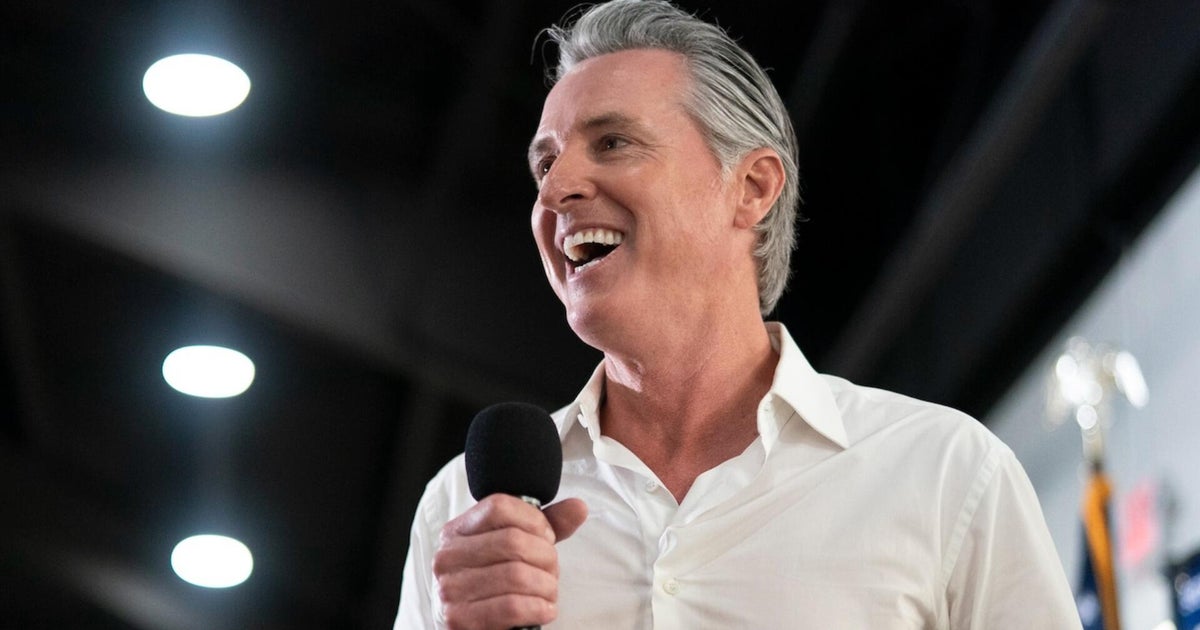
California Governor Gavin Newsom visited South Carolina while rumors continue about him possibly running for president. News outlets are watching his moves closely as speculation about his future political plans grows.
Key Facts
Gavin Newsom is the governor of California.
He traveled to South Carolina recently.
There is growing talk that he might run for president.
Newsom is a member of the Democratic Party.
Media outlets are reporting on his visit in connection with this speculation.
South Carolina is an important state in early presidential primary contests.
Newsom has not officially announced any plans to run for president.
Read the Original
Want the full story? Tap a source to open the original
article.
About half of Americans face economic insecurity, meaning they worry about money for basic needs like food, housing, healthcare, and emergencies. This issue affects a large part of the population and raises questions about how the country can improve their financial stability.
Key Facts
Nearly 50% of Americans feel economically insecure.
Economic insecurity means people struggle to afford essentials like food, housing, and healthcare.
Many Americans do not have enough savings for emergencies.
This problem affects a broad range of people, not just those at the lowest incomes.
Policymakers are considering different solutions to help improve economic security for families.
Economic insecurity can impact overall health and well-being.
The issue calls for discussions on government and social support programs to help people.
Read the Original
Want the full story? Tap a source to open the original
article.
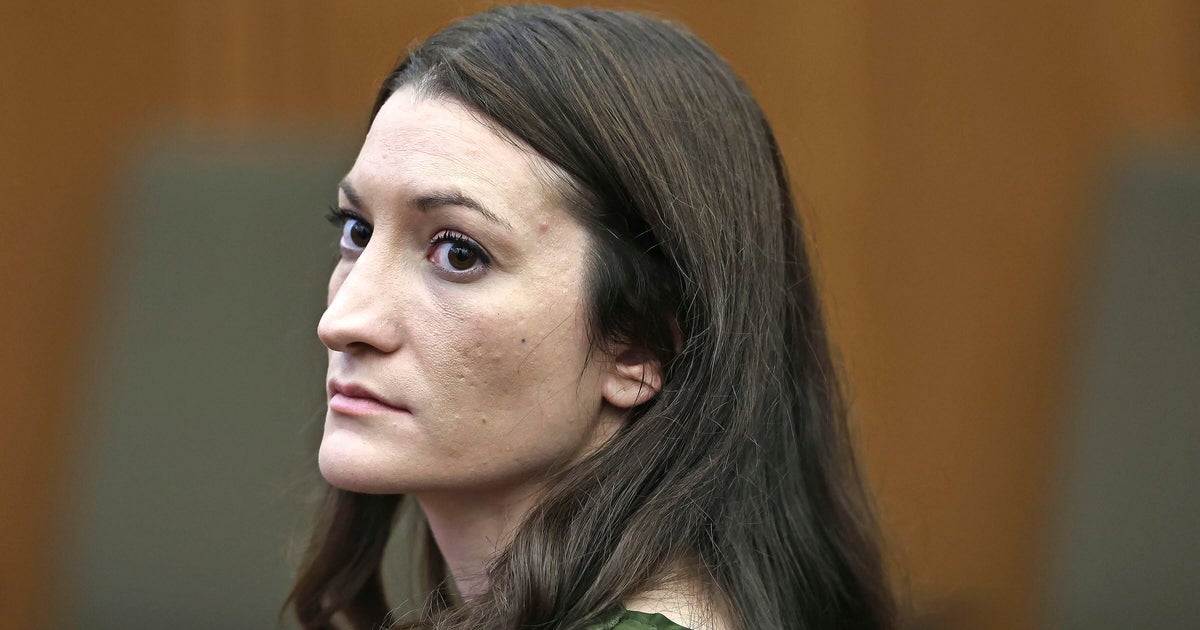
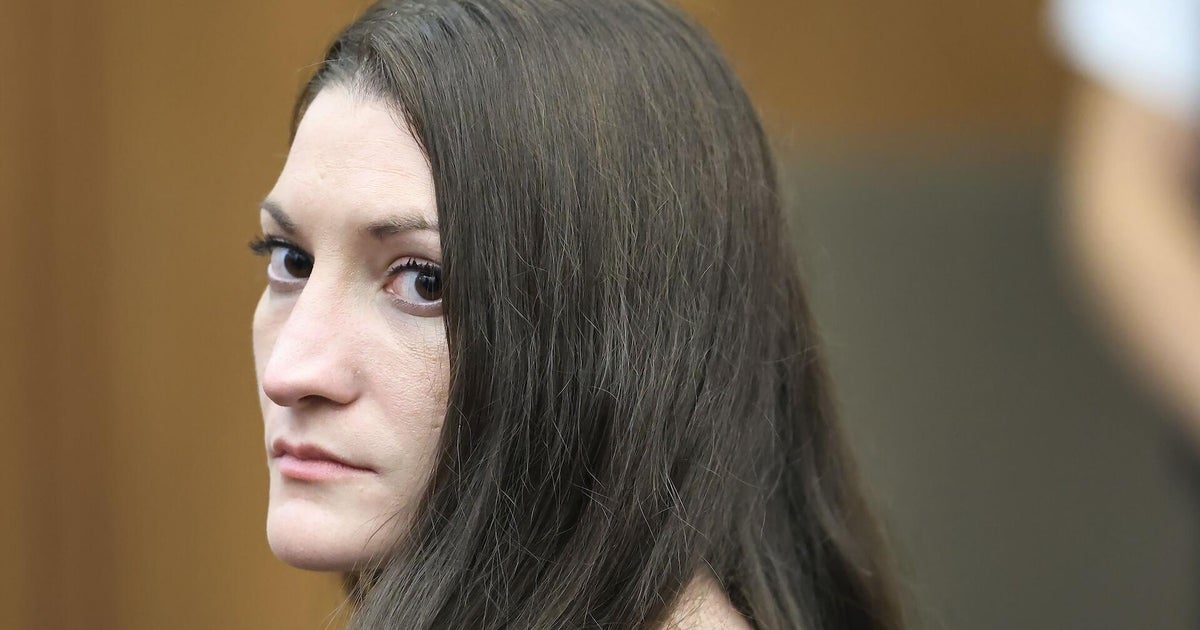
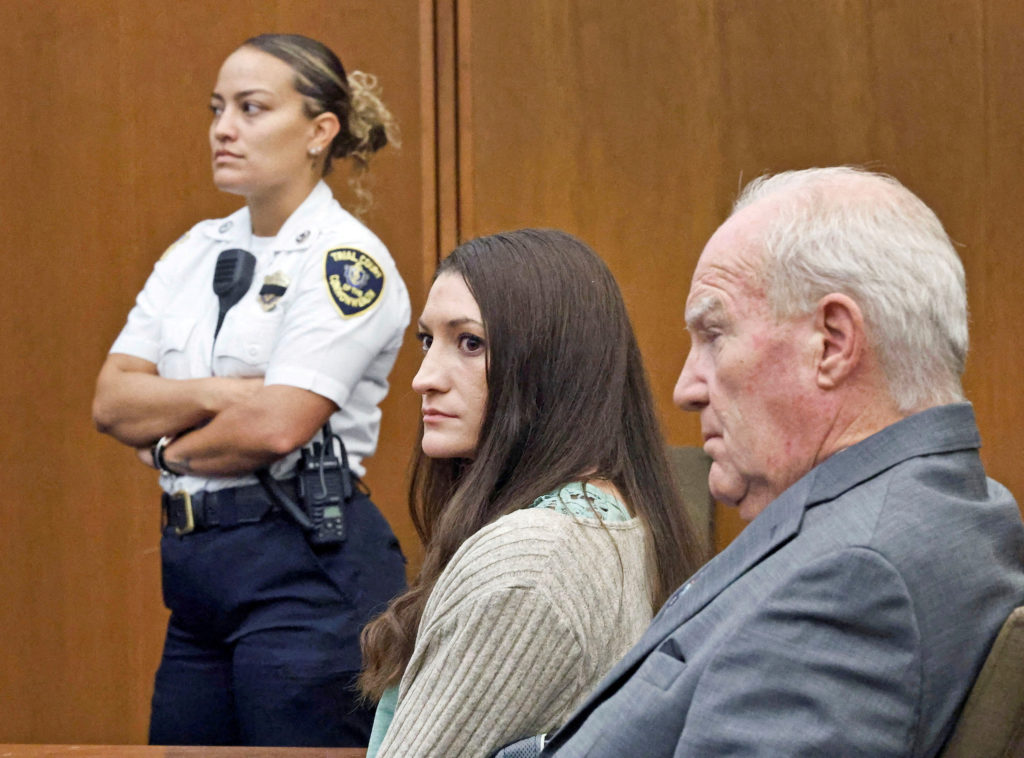
The jury in Lindsay Clancy’s murder trial in Massachusetts has been deliberating for seven days and is split 11-to-1. The judge denied a request to remove a holdout juror, and the jury continues to deliberate on charges related to the deaths of Clancy’s three children.
Key Facts
The jury has spent 35 hours deliberating and is divided 11-to-1.
Lindsay Clancy is charged with first-degree murder in the deaths of her three children.
Clancy’s lawyer claims she was overmedicated and had postpartum psychosis, arguing she is not criminally responsible.
Prosecutors say Clancy planned the killings and knew right from wrong.
The judge refused to remove the holdout juror despite requests from Clancy’s attorney.
The jury can decide on five possible verdicts, including not guilty, guilty of various degrees of murder, manslaughter, or not guilty by reason of insanity.
A not guilty by reason of insanity verdict would require Clancy to stay in a state hospital with periodic reviews.
If found guilty of murder or manslaughter, Clancy faces prison.
Read the Original
Want the full story? Tap a source to open the original
article.
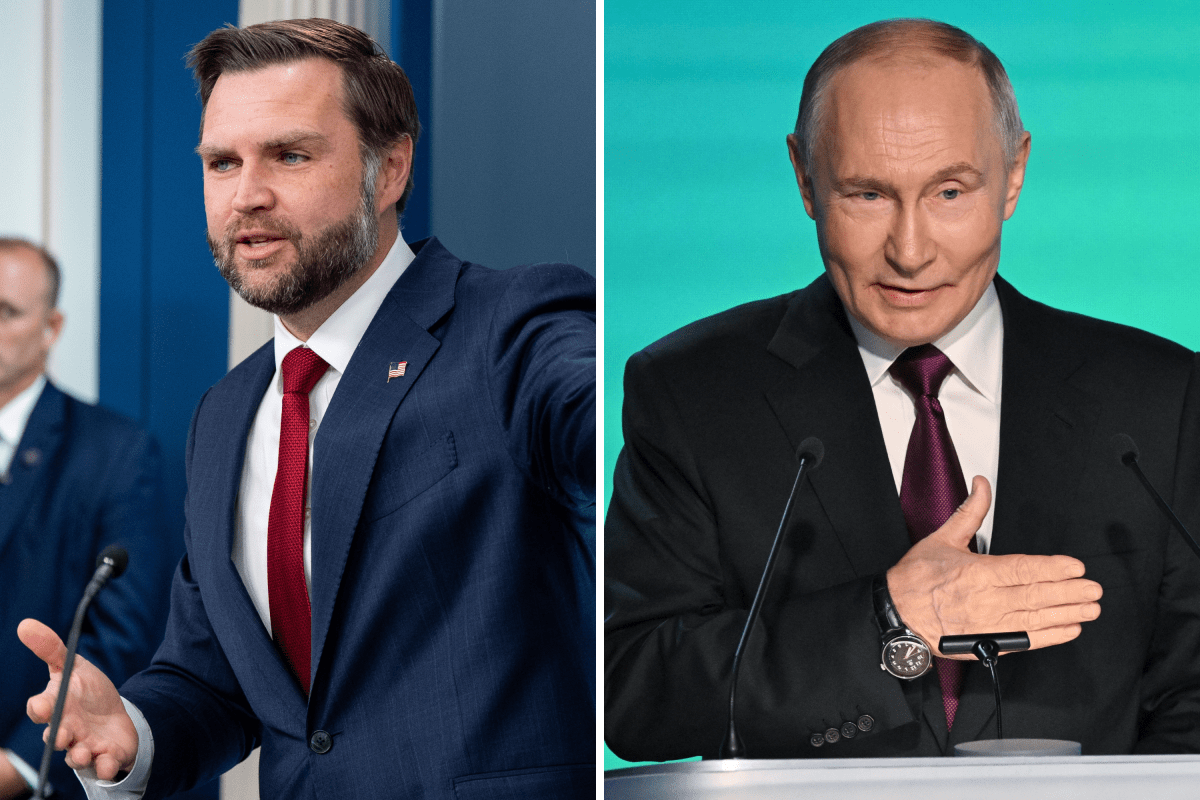
Vice President JD Vance described the intense U.S. military campaign against Iran as “not a war,” similar to how Russia called its invasion of Ukraine a “special military operation.” The U.S. has carried out thousands of attacks in the region, causing significant damage and casualties, while officials avoid using the word “war” publicly.
Key Facts
Vice President JD Vance said the U.S. air campaign in Iran should not be called a war.
Russia described its invasion of Ukraine as a “special military operation,” avoiding the war label.
Since February 28, the U.S. launched Operation Epic Fury targeting Iran’s military forces and leadership.
More than 10,200 flights and 13,500 attacks have damaged key Iranian defenses.
The U.S. deployed warships and imposed a naval blockade on Iranian ports.
Over 50,000 U.S. troops are in the Middle East, with 18 killed and over 750 wounded during the conflict.
The U.S. imposed heavy economic sanctions on Iran, aiming to isolate it internationally.
Recent fighting included missile strikes near the Strait of Hormuz and attacks by Iran on several neighboring countries.
Read the Original
Want the full story? Tap a source to open the original
article.
An ICE officer named Christian Castro is charged with lying about shooting a Venezuelan migrant during deportations in Minnesota earlier in 2024. He turned himself in and is now in federal custody in Texas.
Key Facts
Christian Castro is an ICE (Immigration and Customs Enforcement) officer.
He is accused of making false statements about a shooting incident.
The shooting involved a Venezuelan migrant.
The event took place during deportation efforts under President Donald Trump’s administration.
A federal grand jury indicted Castro on charges.
Castro surrendered and is currently in custody in Texas.
The case relates to immigration enforcement actions earlier this year.
Read the Original
Want the full story? Tap a source to open the original
article.
The CBS News "48 Hours" podcast covers the Lindsay Clancy trial, focusing on the jurors’ difficulty in deciding a verdict. The podcast explores the jury’s tensions, the influence of closing arguments, and talks about postpartum mental health related to the case.
Key Facts
Jurors in the Lindsay Clancy trial are struggling to reach a decision.
The "48 Hours" podcast discusses the tensions inside the jury room.
Closing arguments have had a significant impact on the jurors.
Postpartum mental health is a key issue in the trial.
The coverage is presented by CBS News correspondent Natalie Morales and WBZ-TV anchor Kristina Rex.
The case is being discussed in the "Case by Case" series on the "48 Hours" podcast.
Listeners can watch the full report on CBS News platforms, including the CBS News app.
Read the Original
Want the full story? Tap a source to open the original
article.
The jury in the trial of Lindsay Clancy, accused of killing her three children, has been unable to reach a verdict after seven days. The judge and lawyers are dealing with one juror who refuses to follow instructions on reasonable doubt, and the trial focuses on whether Clancy acted criminally or was affected by postpartum psychosis.
Key Facts
The jury has been deliberating for seven days without reaching a decision.
One juror refused to follow the judge’s instructions about reasonable doubt.
Judge William Sullivan questioned jurors privately and reread instructions on reasonable doubt.
Defense lawyer asked to remove the juror; the judge declined, saying it wouldn’t be fair.
Lindsay Clancy, paralyzed from a suicide attempt, is accused of strangling her three children.
The defense argues Clancy was affected by postpartum psychosis, a severe mental illness after childbirth.
Prosecutors say Clancy planned the killings and question the seriousness of her suicide attempt.
If the jury cannot decide, the judge might declare a mistrial, leading to possible retrial or plea deal.
Read the Original
Want the full story? Tap a source to open the original
article.
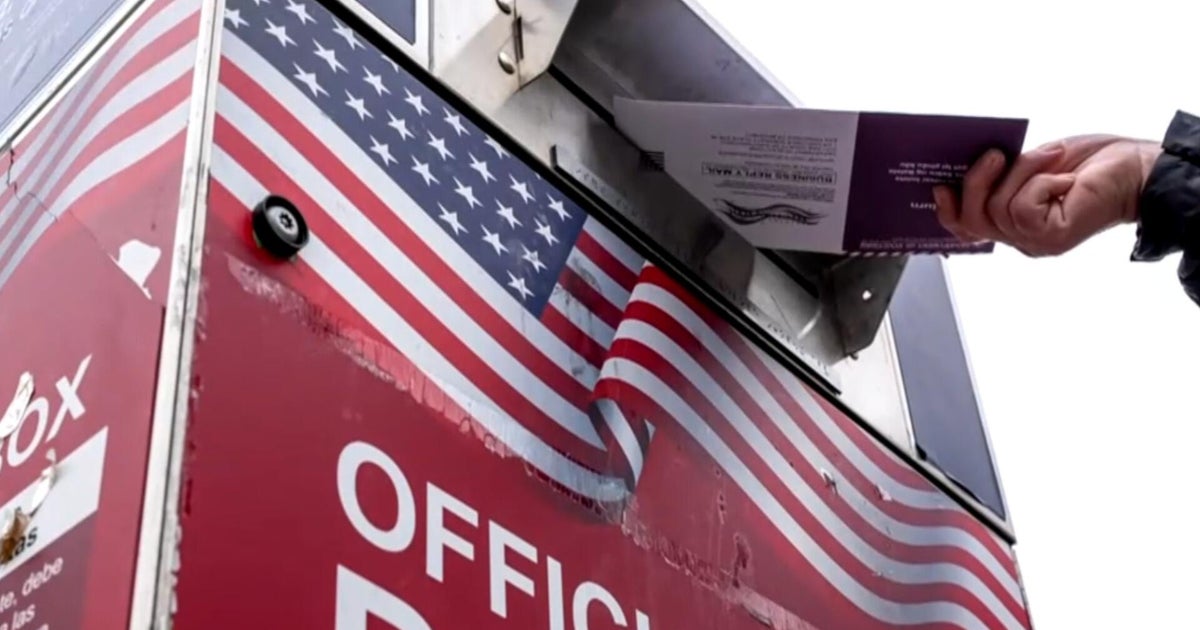
The Trump administration has asked the Supreme Court to review rules set by the U.S. Postal Service (USPS) about mail-in ballots. The Supreme Court has also requested states to share their opinions soon about these mail ballot rules.
Key Facts
The Trump administration wants the Supreme Court to decide on USPS rules for mail ballots.
These rules affect how mail-in ballots are handled and delivered.
The Supreme Court has asked states to provide their views on these rules quickly.
The issue involves the process and timing of mail-in voting.
This case is part of legal discussions ahead of elections where mail ballots are important.
The Supreme Court's decision will impact how mail ballots are processed nationwide.
The situation involves both federal government (USPS and Trump administration) and state election officials.
Read the Original
Want the full story? Tap a source to open the original
article.
President Donald Trump expressed disappointment that Maria Bartiromo will no longer have her shows on Fox News. He praised her professionalism and said her fans will be unhappy about this change.
Key Facts
President Trump made his statement on Truth Social.
Maria Bartiromo had three shows on Fox News and Fox Business.
Her shows were consistently top-rated.
Trump described Bartiromo as a "total professional."
Bartiromo is no longer hosting shows on Fox News.
Trump believes her fans will be unhappy with her departure.
Read the Original
Want the full story? Tap a source to open the original
article.
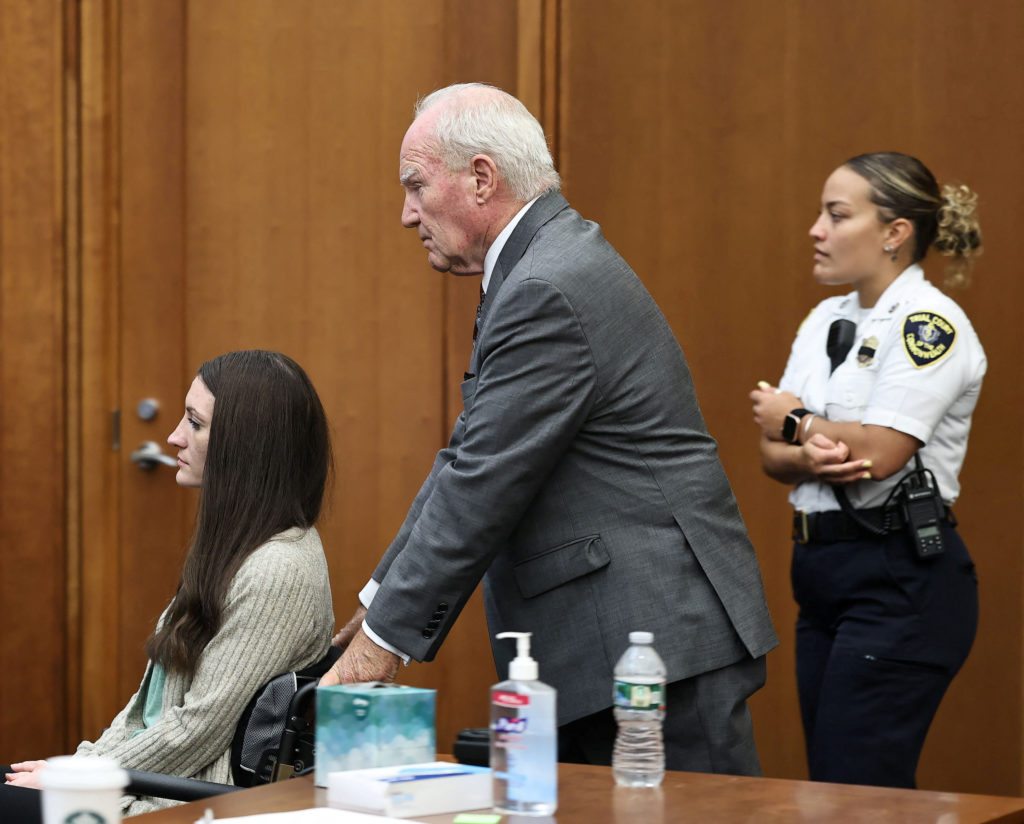
The jury in the trial of Lindsay Clancy has been unable to reach a unanimous decision after several days of discussion. A lawyer for Clancy requested that one juror who disagrees be removed, but the judge decided not to remove this juror.
Key Facts
The Lindsay Clancy trial jury has been deliberating for several days.
The jury has not reached a unanimous verdict, meaning they do not all agree.
One juror is dissenting, or disagreeing, with the rest of the jury.
Lindsay Clancy’s lawyer asked the judge to remove this dissenting juror.
The judge denied the request and kept the juror on the jury.
The situation shows the jury remains deadlocked, or stuck without agreement.
Read the Original
Want the full story? Tap a source to open the original
article.
A jury in Massachusetts is struggling to reach a decision in the murder trial of Lindsay Clancy, who is accused of killing her three children. One juror refuses to follow the court's instructions about reasonable doubt, causing a deadlock after six days of deliberations.
Key Facts
Lindsay Clancy is on trial for the deaths of her three children.
Clancy admits to strangling her children but claims postpartum psychosis affected her actions.
Postpartum psychosis is a rare mental condition that can severely affect a mother’s reality after childbirth.
The jury has been deliberating for seven days and remains split 11-1, with one juror not agreeing to the court’s instructions.
The judge questioned jurors privately and restated legal instructions before sending them back to deliberate.
If the jury cannot agree on a verdict, the judge may declare a mistrial.
Defense attorneys want a public discussion on how to question the holdout juror.
The case highlights issues related to postpartum mental health treatment.
Read the Original
Want the full story? Tap a source to open the original
article.
The U.S. economy added 162,000 jobs in August, more than expected, while the unemployment rate stayed at 4.1 percent. This strong jobs report creates pressure for Federal Reserve Chair Kevin Warsh to raise interest rates, despite President Donald Trump’s push for lowering them.
Key Facts
The U.S. added 162,000 jobs in August, beating the monthly average gain of 31,000 over the past year.
The unemployment rate remained steady at 4.1 percent.
June and July job numbers were revised upward by 55,000 combined.
Inflation is still high, with the core Personal Consumption Expenditures (PCE) price index 3.3 percent above last year.
Kevin Warsh became Federal Reserve Chair on May 22 after being nominated by President Trump.
President Trump and Vice President JD Vance want the Fed to lower interest rates to help the economy.
Warsh emphasized the need to focus on controlling inflation, which is above the Fed’s 2 percent target.
Warsh faces a decision on raising interest rates at the Fed meeting on September 15-16, influenced by upcoming inflation data.
Read the Original
Want the full story? Tap a source to open the original
article.
President Donald Trump's White House launched a website featuring online arcade games where players can deport migrants and build a border wall. The games were released as part of the administration's increased efforts to arrest and deport undocumented migrants, and they quickly faced criticism from rights groups.
Key Facts
The White House introduced arcade-style games with immigration themes.
Players in the games can deport migrants and construct a border wall.
The launch happened while the Trump administration is expanding deportation efforts.
Rights groups criticized the games, seeing them as insensitive.
The games have a "MAGA" (Make America Great Again) theme, reflecting Trump’s political brand.
The website release occurred on Thursday, April 9, 2026.
The games are online and designed for public access.
Read the Original
Want the full story? Tap a source to open the original
article.
The article discusses concerns about President Donald Trump’s approach to free speech and media fairness. It suggests that actions against journalists could lead to attacks on perceived unfairness across all political groups.
Key Facts
President Donald Trump is reported to take a hard stance on free speech.
There is a specific example mentioned about punishing journalist Kristen Welker.
The article warns this approach could affect media fairness overall.
Both political sides might face criticism or punishment under this approach.
The concern is about opening a wider attack on what is called “fake news.”
This situation relates to how the government and media interact in the U.S.
Read the Original
Want the full story? Tap a source to open the original
article.
Supporters of President Donald Trump’s Make America Great Again (MAGA) movement have adopted an AI-generated character that was originally made to mock them as a new mascot. The character, shown with a MAGA hat and doing stereotypical activities, has been widely shared and embraced by conservative influencers on the social media platform X.
Key Facts
An AI-made video showed a caricature with a MAGA hat, depicted in a mocking way, wearing a stained shirt and engaging in activities like drinking beer and eating snacks.
The video went viral on X, with over 13 million views by Friday.
Some MAGA supporters called the character a “patriot” and turned it into a symbol they use proudly.
Conservative influencers responded positively, creating their own videos and memes with the character.
The character was originally created by a satirical X account to insult MAGA supporters.
Experts say adopting this caricature is a way for MAGA supporters to reject insults and use them as a form of expression.
Many MAGA-related accounts on X are based outside the U.S., in countries such as Chile and Morocco.
Some accounts promote American political views despite being listed in other countries.
Read the Original
Want the full story? Tap a source to open the original
article.