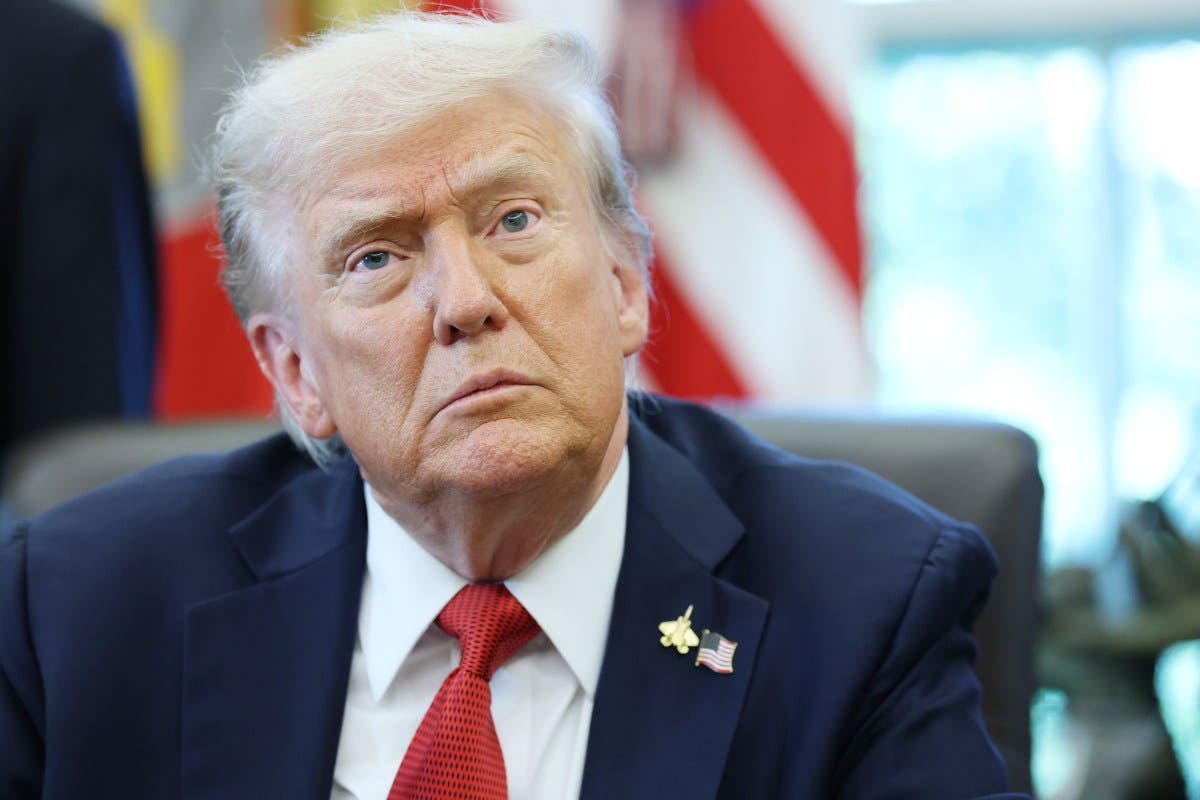
President Donald Trump is planning a bailout package of at least $10 billion to help farmers who are financially affected by tariffs on China. The proposal aims to provide relief to farmers dealing with challenges due to trade issues involving tariffs.
Key Facts
President Trump is planning a bailout package worth at least $10 billion.
The package is meant to help farmers who are financially impacted by tariffs.
Tariffs are taxes on imports or exports between countries.
The tariffs specifically involve trade with China, affecting the farming market.
Aaron Lehman, President of the Iowa Farmers Union, is involved in discussions about the impact on farmers.
Iowa is the second-largest soybean-producing state in the U.S.
The bailout aims to provide financial relief to U.S. farmers, especially soybean growers.
Read the Original
Want the full story? Tap a source to open the original
article.
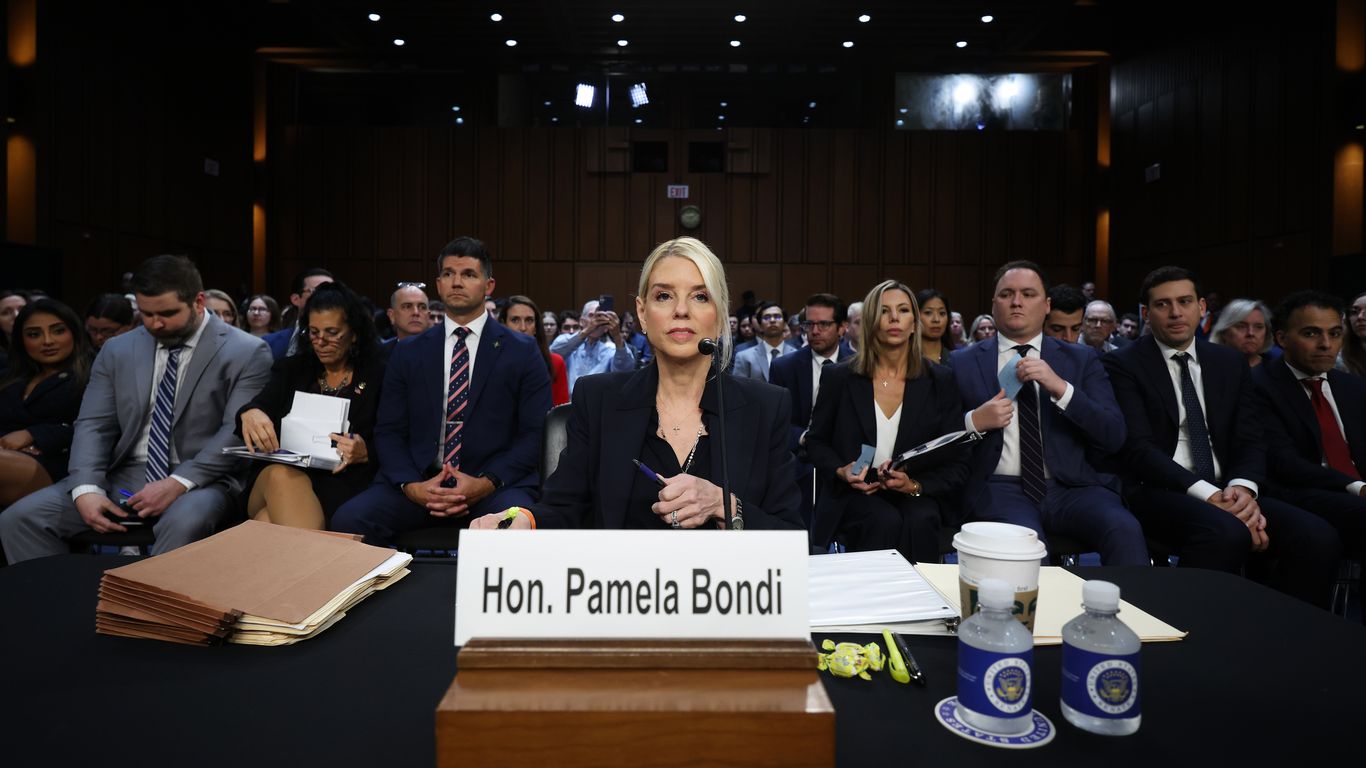
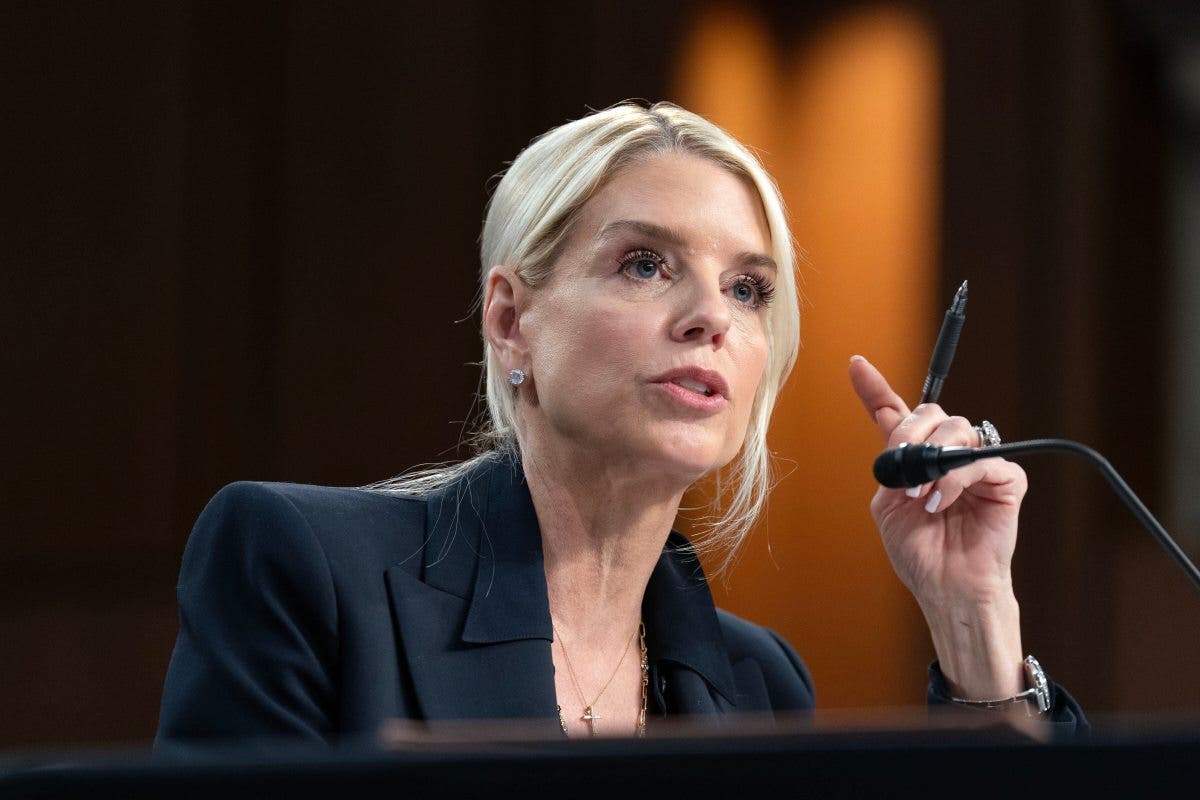
Attorney General Pam Bondi did not answer senators' questions about investigations involving James Comey, Jeffrey Epstein, and President Donald Trump. During a Senate hearing, Democratic lawmakers accused Bondi of protecting President Trump while going after his political enemies. Bondi avoided giving details about her conversations and decisions related to high-profile cases.
Key Facts
Pam Bondi is the Attorney General and part of President Trump's administration.
Bondi refused to answer questions about investigations into James Comey and Jeffrey Epstein during a Senate hearing.
Democratic senators questioned if Bondi was influenced by the White House regarding whom to investigate.
Bondi mentioned Comey was indicted in a Virginia federal court but gave few details.
During the hearing, Bondi met questions with deflection and did not discuss her talks with President Trump.
Democratic lawmakers accused Bondi of stonewalling, or avoiding giving clear answers, in the oversight hearing.
Allegations related to Trump border czar Tom Homan and a potential bribe were also brought up, but Bondi said no wrongdoing was found.
Bondi's handling of various topics, including Trump and Epstein, was repeatedly questioned by senators.
Read the Original
Want the full story? Tap a source to open the original
article.
Two researchers have written a book called "Science Under Siege," which claims that the Trump Administration is trying to undermine science. They point out issues like skepticism about vaccines and climate change denial as part of this effort.
Key Facts
The book "Science Under Siege" discusses challenges to science by the Trump Administration.
Authors argue there's an organized effort against scientific findings.
They mention skepticism towards vaccines as a significant concern.
The book claims the administration rejects climate change consensus.
The authors highlight how dubious research about autism is part of this issue.
The book aims to alert the scientific community and the public.
Read the Original
Want the full story? Tap a source to open the original
article.
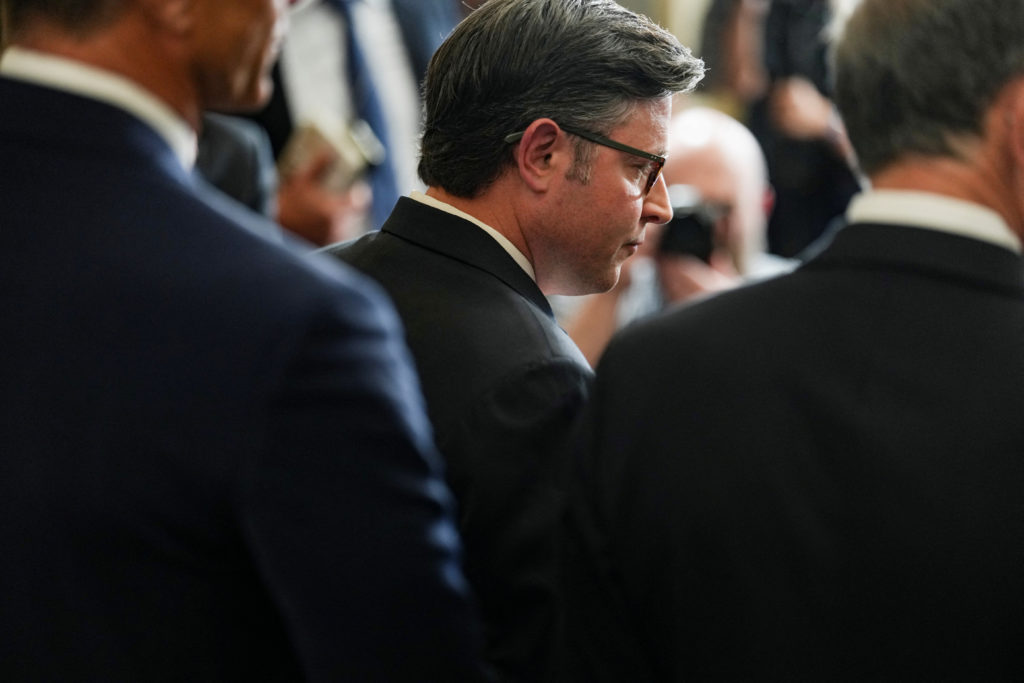
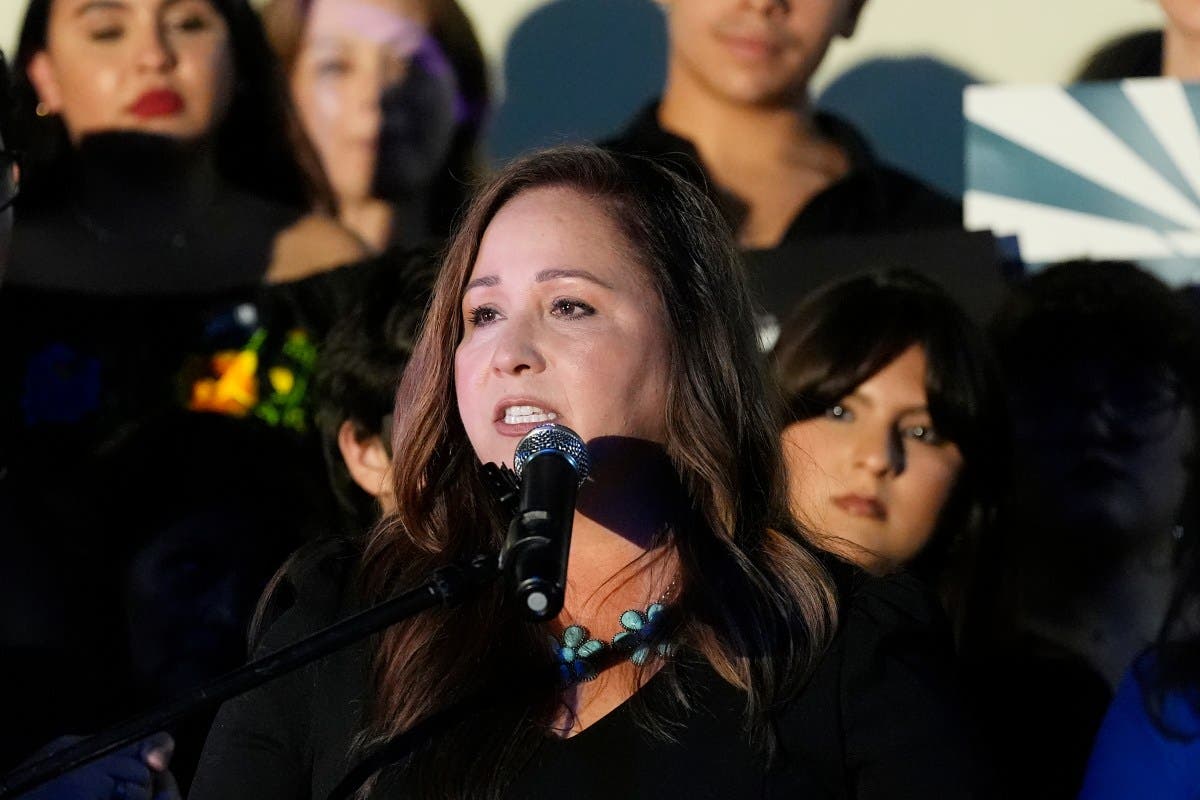
Adelita Grijalva, who won a special election in Arizona, is waiting to be sworn into her new role in Congress. House Speaker Mike Johnson has not yet scheduled this event, as the House isn't holding regular sessions during a government shutdown.
Key Facts
Adelita Grijalva won a special election for a House seat on September 24.
She cannot start her role until she is officially sworn in by the House Speaker.
House Speaker Mike Johnson has said he will swear her in "as soon as she wants."
The House is not conducting regular business due to a government shutdown.
Grijalva might be sworn in during a short session when no major business is discussed, called a pro-forma session.
After taking office, Grijalva plans to support a bill related to releasing case files on Jeffrey Epstein.
Read the Original
Want the full story? Tap a source to open the original
article.
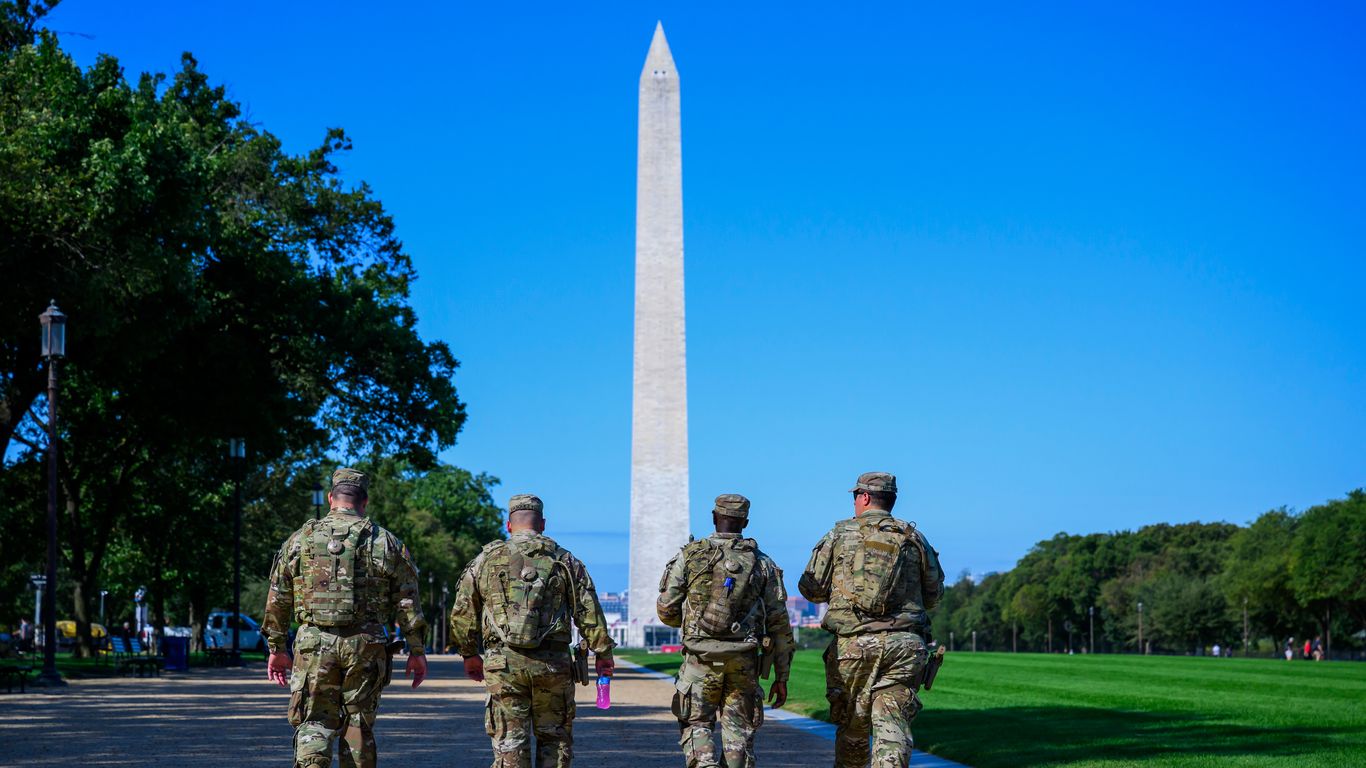
President Donald Trump has suggested using the Insurrection Act of 1807 to deploy federal troops to cities to handle crime and protests. The Insurrection Act lets the President send military forces inside the U.S. if states can't manage significant disturbances or break federal laws. There is debate about whether Trump's potential use of the act is justified.
Key Facts
The Insurrection Act allows the President to deploy military forces domestically without a governor's consent.
President Trump mentioned possibly using this act to address crime in cities like Chicago.
There is debate over whether current conditions meet the requirements for using the Insurrection Act.
Legal experts disagree on the limits and justifications of the President's authority under this act.
Historically, the act has been used during significant events like the Civil War and the civil rights movement.
It has not been used in over thirty years.
States like Illinois and Oregon have taken legal steps to stop federal troop deployment in cities like Chicago and Portland.
The act was used in the past to handle situations like slave rebellions and to protect civil rights during the Reconstruction Era.
Read the Original
Want the full story? Tap a source to open the original
article.
Homeland Security Secretary Kristi Noem told National Guard members in Oregon to be ready for deployment, despite a judge's order stopping the action. President Donald Trump had earlier approved sending National Guard troops to Oregon, but the move was halted by court orders. Oregon's Governor Tina Kotek has requested the troops be sent home.
Key Facts
Kristi Noem, the Homeland Security Secretary, visited Oregon and met with National Guard members.
A judge's order has blocked President Trump's plan to deploy the National Guard in Oregon.
President Trump intended the National Guard to protect Portland, calling it "war ravaged."
Two restraining orders were issued by U.S. District Judge Karin J. Immergut to stop the deployment.
Governor Tina Kotek of Oregon asked for the National Guard troops to be demobilized and sent home.
Noem instructed the Guard members to be "ready," but a team lead stated they were already prepared.
The situation is ongoing, and further updates are expected.
Read the Original
Want the full story? Tap a source to open the original
article.
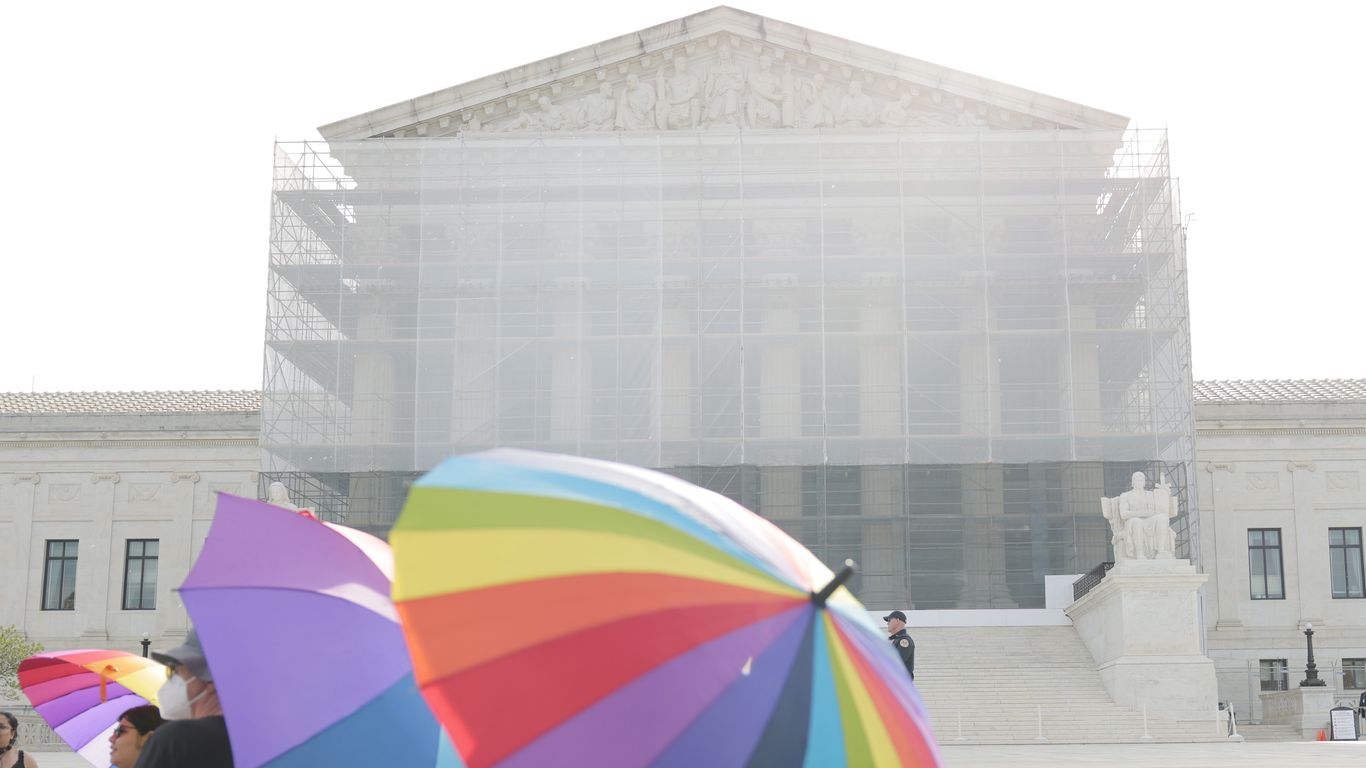
The Supreme Court is considering a case about whether Colorado's ban on conversion therapy for minors violates free speech rights. The case focuses on whether the ban limits the counselor's ability to express her religious views. A decision could impact similar laws in more than 20 states.
Key Facts
The Supreme Court is hearing a case about Colorado's ban on youth conversion therapy.
A counselor, Kaley Chiles, argues that the ban limits her First Amendment right to free speech.
Conversion therapy aims to change sexual orientation and gender identities to match religious beliefs.
Many medical associations have discredited conversion therapy as harmful.
Colorado argues the ban regulates professional conduct, not free speech.
The court's conservative justices questioned whether the ban restricts speech too much.
A decision in this case could lead other states to review their own bans.
The Supreme Court's ruling is expected by summer.
Read the Original
Want the full story? Tap a source to open the original
article.
Airports across the United States experienced flight delays for a second day due to a lack of air traffic controllers. This problem is a result of the ongoing government shutdown.
Key Facts
Air traffic control delays affected flights in New York, Los Angeles, and Denver.
The shortage of air traffic controllers is because of the government shutdown.
The government shutdown is causing disruptions in commercial aviation.
Flight delays have been occurring for two days.
The delays are impacting airports and travelers nationwide.
Read the Original
Want the full story? Tap a source to open the original
article.
Six former U.S. surgeons general are warning that policies by Health and Human Services Secretary Robert F. Kennedy Jr. are putting the nation's health at risk. They criticize his approach to vaccines and public health decisions, expressing concerns about scientific integrity and public trust. President Trump supports Kennedy despite the growing opposition.
Key Facts
Six ex-surgeons general, who served under various presidents from both parties, expressed concerns over Kennedy's policies.
They believe Kennedy's actions are threatening the nation's vaccine policies and health workforce.
The officials criticize Kennedy for prioritizing ideology over science and causing low morale among health experts.
President Trump continues to support Kennedy amid mounting criticism.
Kennedy replaced all 17 members of a panel that makes vaccine policy suggestions in June.
In August, Kennedy set new restrictions on COVID vaccine eligibility.
Concerns have risen about Kennedy spreading misinformation regarding vaccines and the link between Tylenol and autism.
Prominent health figures and groups demand Kennedy's resignation for "dangerous" rhetoric.
Read the Original
Want the full story? Tap a source to open the original
article.
Ranchers in Colorado are having a tough time rebuilding fences destroyed by wildfires over the summer. These fences are important for keeping livestock safe and rebuilding them is expensive.
Key Facts
Ranchers in Colorado lost thousands of miles of fence in wildfires.
Rebuilding the fences can cost up to $20,000 per mile.
These fences are crucial for managing and protecting livestock.
Wildfires over the summer caused significant damage.
The rebuilding process is both costly and challenging for ranchers.
Read the Original
Want the full story? Tap a source to open the original
article.
Many Americans depend on food pantries that are mostly run by volunteers. However, a large number of these volunteers are elderly, and there is a lack of younger people to help with the demanding tasks.
Key Facts
Food pantries help provide food to Americans in need.
These pantries depend heavily on volunteers to operate.
The majority of the volunteers are elderly.
There is a shortage of younger volunteers to handle physically demanding tasks.
The increasing need for these services and reliance on elderly volunteers is a growing concern.
Read the Original
Want the full story? Tap a source to open the original
article.
A recent poll shows President Donald Trump's approval rating among Hispanic voters has reached a record low during his second term. His approval with this group has dropped to 25 percent, with a 71 percent disapproval rating. This trend could affect future election strategies for both major political parties in the U.S.
Key Facts
President Trump's approval rating with Hispanics is 25 percent, with 71 percent disapproving.
This gives him a net approval of -46 among Hispanic voters.
The poll was conducted by Economist and YouGov with 1,648 U.S. adults.
The survey took place from October 4 to October 6 and has a margin of error of 3.4 percent.
Hispanic voters are a growing and influential demographic in U.S. elections.
Trump's net approvals are also low among women and Americans over 65.
Parties may adjust their strategies for upcoming elections based on these results.
The decline in approval ratings has continued from early in the year.
Read the Original
Want the full story? Tap a source to open the original
article.
That's the point of this site, and readers keep it that way. Support for any amount and the daily digest lands in your inbox every morning at 7am Eastern.
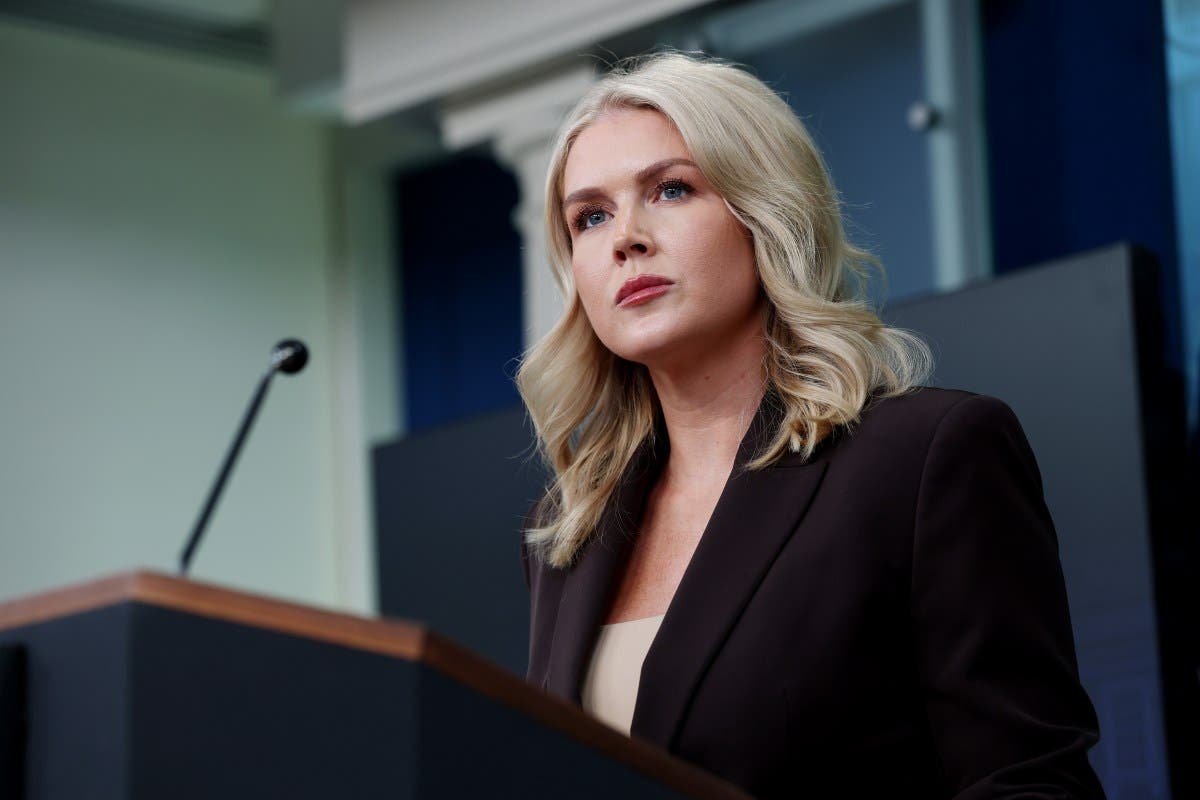
The White House press secretary, Karoline Leavitt, announced that tariff funds will be redirected to support the WIC nutrition program, which helps low-income women and children. This move comes after funds for WIC reportedly ran out during a government shutdown, which Leavitt attributed to Democratic actions.
Key Facts
The White House is redirecting tariff funds to support the WIC program.
WIC provides nutritional aid to low-income women and children.
The funds reportedly ran out due to a government shutdown.
White House press secretary Karoline Leavitt blamed Democrats for the shutdown.
The use of Section 232 tariff funds was mentioned but details are not provided.
It is unclear if the new funds will fully restore WIC services.
The situation is ongoing, and more information is expected later.
Read the Original
Want the full story? Tap a source to open the original
article.
The National Weather Service has issued flash flood warnings for Louisville, Kentucky, and nearby areas due to heavy rainfall. The region experienced over a month's worth of rain in just a few hours, making conditions dangerous and prompting alerts for residents.
Key Facts
Over 1 million people in Louisville and surrounding areas are under flash flood warnings.
Louisville received 4.7 inches of rain in just a few hours, exceeding the average October rainfall of 3.6 inches.
Flash floods are occurring, with warnings of life-threatening conditions in creeks, streams, urban areas, and roads.
The heaviest rain fell between 9 a.m. and 1 p.m. local time.
Additional rainfall of 0.5 to 1 inch is expected in the region.
Many emergency calls related to water have been reported, and residents are advised to avoid flooded roads.
The heavy rain is part of a cold front moving across the area.
The flash flood warning is expected to stay in place until 6 p.m. local time.
Read the Original
Want the full story? Tap a source to open the original
article.
President Trump mentioned the possibility of using the Insurrection Act to deploy federal troops in U.S. cities. This law could allow him to bypass court rulings and send troops without needing state approval. The Insurrection Act has not been updated for many years and gives the president broad powers.
Key Facts
President Trump mentioned using the Insurrection Act to send troops to cities.
The Insurrection Act is an old law from 1807 that allows military deployment within the U.S.
It can be used when it's hard to enforce the law due to rebellions or other disturbances.
The law lets the president call in troops even if states do not agree, in some situations.
The act is different from the Posse Comitatus Act, which usually stops military from acting like police within the country.
The Insurrection Act was last used during the 1992 Los Angeles riots and after Hurricane Hugo.
States could sue if they believe the act is used wrongly, but the president has wide discretion.
Read the Original
Want the full story? Tap a source to open the original
article.
Democrats are challenging language used by the Trump administration on federal websites and emails, which blames Democrats for a government shutdown. They argue this violates the Hatch Act, which prevents political activity by government employees while on the job. A formal complaint has been filed, and a union is also taking legal action.
Key Facts
The Trump administration has posted language on federal websites and emails blaming Democrats for a government shutdown.
Democrats and a federal workers' union claim this language breaks the Hatch Act, a law from 1939 that bars political activity by government employees.
Former Idaho Democratic legislator Todd Achilles filed a complaint with the U.S. Office of Special Counsel.
The complaint argues that public infrastructure should not be used for political messaging.
A federal workers' union has sued the U.S. Department of Education over similar automated email language.
The U.S. Department of Agriculture, which manages the Forest Service, has not responded to requests for comment.
The Hatch Act Unit is currently not operating due to budget issues caused by the shutdown.
Read the Original
Want the full story? Tap a source to open the original
article.
During a Senate Judiciary Committee hearing, Senator Thom Tillis asked Attorney General Pam Bondi about the use of the National Guard in cities like Chicago and Portland. Bondi defended the deployments as necessary for safety, though Tillis questioned whether it is an effective strategy. The hearing highlighted debates on federal intervention in local law enforcement and the balance of power between state and federal authorities.
Key Facts
Senator Thom Tillis asked if using the National Guard in cities is becoming a common safety practice.
Attorney General Pam Bondi defended the National Guard's role in protecting federal buildings.
Bondi indicated the National Guard is deployed to ensure safety where needed.
The Trump administration’s deployment of the National Guard has led to controversies and legal battles.
Some cities and states filed lawsuits to stop the National Guard deployments.
Tillis questioned whether deploying the military signals local leadership failures.
The hearing discussed other issues like the Justice Department’s independence and government shutdown impacts.
Bondi denied political influence from President Trump on Justice Department actions.
Read the Original
Want the full story? Tap a source to open the original
article.
House Speaker Mike Johnson stated that Arizona Democrat Adelita Grijalva would be sworn in as soon as she wishes. Questions arose about delays due to her support for a petition related to the Jeffrey Epstein files. Johnson said the delay is standard procedure and not linked to her petition support.
Key Facts
Mike Johnson is the House Speaker who will oversee Adelita Grijalva's swearing-in.
Adelita Grijalva is an Arizona Democrat who has pledged to support a petition about the Jeffrey Epstein files.
Grijalva would be the 218th signer on this petition, which would force a vote.
Questions were raised about delays in her swearing-in due to her petition support.
Johnson stated the delay is due to standard practice and not connected to her petition role.
Two Republicans were sworn in earlier in special elections while the House was not in session.
Grijalva won a special election in southern Arizona, succeeding her father, Raúl Grijalva.
She is the first Latina to represent Arizona in Congress.
Read the Original
Want the full story? Tap a source to open the original
article.
On the biggest stories we show what the outlets agree on and where they differ. Readers keep that going, and get the daily digest by email every morning. Most choose $3.99/month.
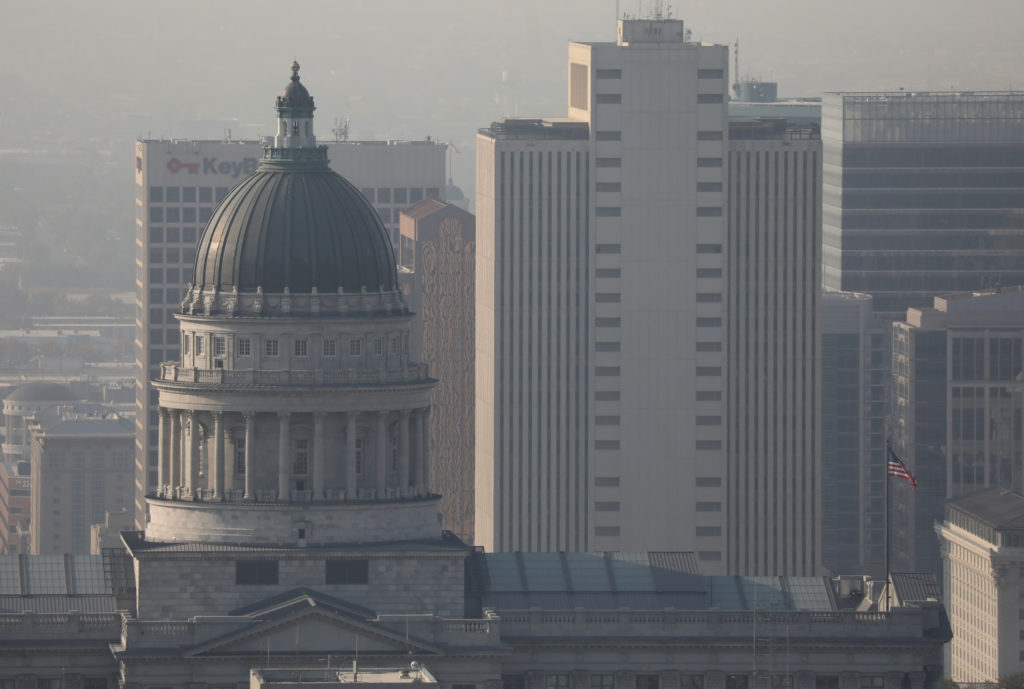
Utah's Republican-led Legislature approved a new map for congressional districts. This map could slightly improve the chances for Democrats to win a House seat, but Republicans are still likely to keep control. The map must be reviewed by a judge before it's finalized.
Key Facts
Utah's Legislature, controlled by Republicans, approved a new congressional map.
The map could make two districts slightly more competitive for Democrats.
All four current Utah House seats are held by Republicans.
The map puts Salt Lake City into a single district with rural areas.
A judge will review the map, with a decision expected by November.
The previous map was rejected for not meeting voter standards against gerrymandering.
There is a national push by Republicans for mid-decade redistricting to add seats.
Utah's governor, Spencer Cox, signed the new district rules into law.
Read the Original
Want the full story? Tap a source to open the original
article.
Texas Attorney General Ken Paxton has started an undercover operation to find and investigate groups he calls "leftist terror cells" in Texas. He mentioned an increase in political violence as a reason for this move.
Key Facts
Texas Attorney General Ken Paxton announced a new undercover investigation.
The operation aims to infiltrate groups Paxton calls "leftist terror cells."
Paxton cited an increase in political violence as a reason for the investigation.
He mentioned the shooting of podcaster Charlie Kirk as an example.
Paxton did not comment on recent attacks on other political figures.
The investigation plans to identify and investigate these groups.
Read the Original
Want the full story? Tap a source to open the original
article.