A judge ruled that President Donald Trump's ban on certain media outlets must be lifted because it likely violated their legal rights. Despite this, reporters from CNN, Politico, and MS NOW were still denied some access to the White House, with some having their press passes taken away.
Key Facts
A federal judge ordered the White House to restore access to CNN, Politico, and MS NOW reporters.
The judge said the ban probably violated the reporters’ constitutional due process rights.
Despite the ruling, some reporters were still denied entry and had their credentials confiscated.
The White House initially banned these outlets for spreading what President Trump called "fake news."
The White House later cited national security as the reason for the ban.
Lawyers for the media outlets have asked for an emergency court hearing to enforce the judge’s order.
The issue arose just before President Trump hosted Chinese President Xi Jinping at the White House.
The White House has not yet publicly responded to the judge’s decision.
Read the Original
Want the full story? Tap a source to open the original
article.
Fewer people in the U.S. applied for unemployment benefits last week, with claims dropping to 197,000, the lowest level since mid-July. This shows that job losses remain rare and the U.S. job market is stable, despite some economic pressures like higher energy prices.
Key Facts
197,000 people applied for unemployment benefits last week, down from 198,000 the previous week.
The four-week average of claims fell to 202,250, indicating steady low layoffs.
Jobless claims have mostly stayed below 220,000 so far this year, which is historically low.
Businesses are hiring modestly but are cautious about layoffs due to past labor shortages.
Employers have added an average of 80,000 jobs per month this year, with 162,000 jobs added in August.
In 2025, monthly job creation was very low, averaging 9,700 jobs per month.
The upcoming September jobs report is expected to show 52,500 new jobs and a stable unemployment rate of 4.1%.
Hiring is still lower than the averages for 2023-2024 and much lower than the post-pandemic boom in 2021-2022.
Read the Original
Want the full story? Tap a source to open the original
article.
Federal immigration agents have shot at least 21 people during President Trump's second term, with eight fatal shootings including three U.S. citizens. The latest case involved an ICE officer shooting a Venezuelan man making deliveries in Austin, Texas, which has caused protests and ongoing debate about federal immigration enforcement.
Key Facts
At least 21 people were shot by federal immigration agents during President Trump's second term.
Eight of these shootings were fatal.
Three of the people fatally shot were U.S. citizens.
The most recent shooting happened in Austin, Texas, where ICE shot Wilber Rafael Garces Perez, a Venezuelan delivery worker.
Wilber Garces Perez’s attorney says he was in the U.S. legally and had applied for asylum.
The ICE officer involved in the Austin shooting was not wearing a body camera.
The Department of Homeland Security (DHS) said ICE will continue its operations in Austin despite local protests.
DHS Secretary Markwayne Mullin criticized Austin officials for prioritizing illegal immigrants over community safety.
Read the Original
Want the full story? Tap a source to open the original
article.
Senator Elizabeth Warren criticized President Trump for welcoming Chinese President Xi Jinping with a warm reception at Joint Base Andrews. She said President Trump admires dictators and the power that President Xi represents.
Key Facts
President Trump greeted Chinese President Xi Jinping at Joint Base Andrews.
Senator Elizabeth Warren spoke about this event in an interview with CNN.
Warren said President Trump likes dictators.
She also said President Trump respects the power that Xi Jinping shows.
The criticism from Warren reflects her view on President Trump’s approach to foreign leaders.
Read the Original
Want the full story? Tap a source to open the original
article.
Democratic Representative Madeleine Dean said she is more concerned about Republican lawmakers who support President Donald Trump than about democratic socialists joining the House of Representatives. She expressed that she trusts her own party can manage members with different views.
Key Facts
Rep. Madeleine Dean is a Democrat from Pennsylvania.
She spoke on Wednesday about political concerns in the House.
Dean said she worries less about democratic socialists joining Democrats.
She is more concerned about Republicans who work closely with President Trump.
Dean mentioned the Democratic Socialists of America (DSA) as a group some candidates belong to.
She implied unity within the Democratic caucus despite different viewpoints.
Her comments focused on the potential impact of Republicans aligned with Trump on governance.
Read the Original
Want the full story? Tap a source to open the original
article.
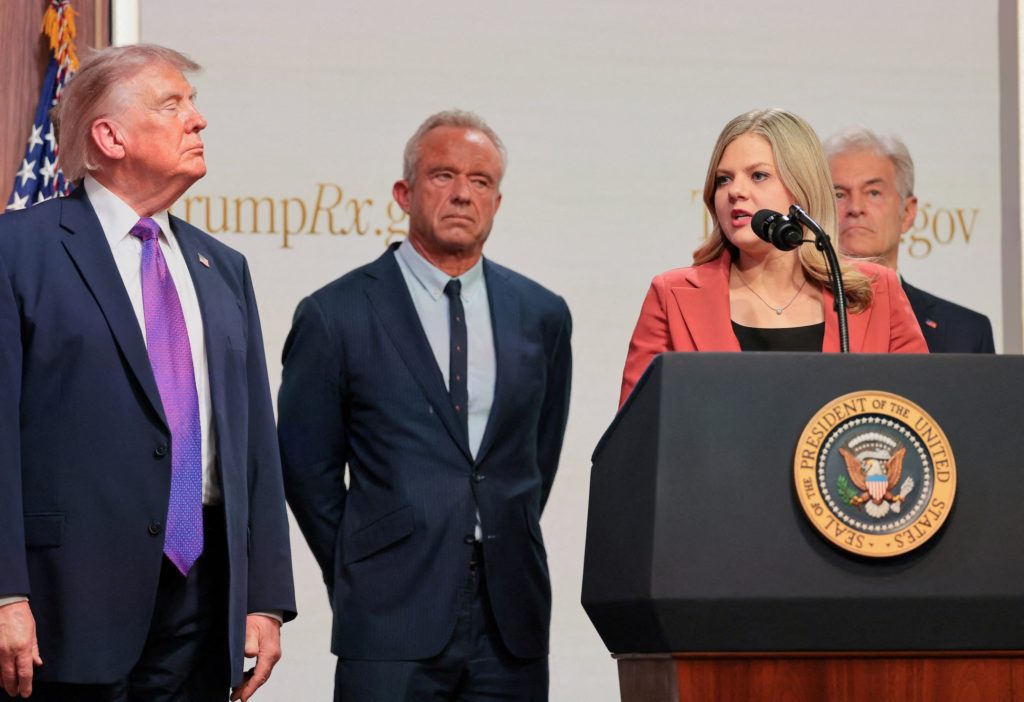
President Donald Trump's nominee for the Food and Drug Administration (FDA) commissioner, Dr. Heidi Overton, is appearing before the Senate for a confirmation hearing. Senators will ask her about her plans for vaccines, the abortion pill, and other products regulated by the FDA.
Key Facts
Dr. Heidi Overton is nominated by President Trump to lead the FDA.
The Senate confirmation hearing is scheduled for 10:30 a.m. Eastern Time.
Senators will likely question her about vaccine policies.
The abortion pill and other FDA-regulated products will also be topics of discussion.
Overton is a physician and has worked closely with President Trump and conservative groups.
Some senators may challenge her because of her past work with Trump's agenda.
The hearing is part of the process to approve her as FDA commissioner.
Read the Original
Want the full story? Tap a source to open the original
article.
The fight for control of the U.S. Senate is growing as more states become competitive for both political parties. Some states are showing new chances for winning or losing, and experts see concerns for Republicans among voters who don’t strongly identify with either party. The 2026 elections might have a high number of new lawmakers.
Key Facts
More Senate races are becoming competitive for Democrats and Republicans.
Certain states are newly considered winnable or at risk.
Independent voters are showing signs that could be a challenge for Republicans.
Experts expect many current members of Congress to leave, leading to high turnover in 2026.
This could result in one of the largest changes in congressional membership in recent history.
Read the Original
Want the full story? Tap a source to open the original
article.
The article says the U.S. government does not need a new review to find border security problems. Instead, it should complete the recommendations made by the 9/11 Commission to improve security.
Key Facts
The 9/11 Commission created security recommendations after the September 11 attacks.
Many of these recommended actions have not been fully completed.
The article suggests the government should focus on finishing existing work.
It implies that starting another review or commission is unnecessary.
The main topic is improving U.S. border security based on previous advice.
Read the Original
Want the full story? Tap a source to open the original
article.
President Obama said on his new podcast that the U.S. government is less corrupt now than it was in the past. He explained that there are fewer bribes, favors, and unfair exchanges in how the government works today.
Key Facts
President Obama spoke on a new podcast focused on books and literature.
He stated that the federal government is less corrupt now than in previous times.
Corruption refers to bribery, patronage (giving jobs or favors for support), and special favors.
Obama said people are often surprised by how much corruption has decreased.
His comment highlights changes in government behavior over time.
The podcast is one of Obama's recent public engagements since leaving office.
He did not mention specific examples of past or current corruption.
This statement reflects his view on government ethics and transparency.
Read the Original
Want the full story? Tap a source to open the original
article.
Senator John Kennedy criticized the leaders of Iran by calling them “part of a colony of reptiles.” He grouped Iran with other countries the U.S. considers adversaries, such as China, Russia, and North Korea. The remarks came during a discussion about President Donald Trump attending the United Nations General Assembly.
Key Facts
Senator John Kennedy made the statement on a Fox News show.
He described Iranian leaders using the phrase “colony of reptiles.”
Kennedy included China, Russia, and North Korea in this group of adversaries.
The comments were made in the context of President Donald Trump’s attendance at the UN General Assembly.
The statement reflects the senator’s critical view of these foreign governments.
The discussion was hosted by Fox News personality Will Cain.
The remarks highlight ongoing tensions between the U.S. and these countries.
Read the Original
Want the full story? Tap a source to open the original
article.
Dr. Heidi Overton, chosen by President Trump to lead the Food and Drug Administration (FDA), is testifying before a Senate committee for approval. She is meeting with senators to answer questions about her plans and views before potentially leading the FDA.
Key Facts
Dr. Heidi Overton is nominated by President Trump to be the FDA leader.
She is a physician specializing in preventive medicine.
Overton currently works as a White House domestic policy aide.
The Senate Committee on Health, Education, Labor and Pensions (HELP) is holding the confirmation hearing.
The hearing is taking place on a Thursday.
Senators will ask her about issues related to vaccines and other FDA responsibilities.
The confirmation is necessary before she can officially lead the FDA.
Read the Original
Want the full story? Tap a source to open the original
article.
President Donald Trump denied a report that said his administration tried to add his name to Ford’s Theatre in Washington, D.C., where President Abraham Lincoln was assassinated. He called the report false and said it was made up.
Key Facts
A report claimed that President Trump’s administration wanted to put his name on Ford’s Theatre.
Ford’s Theatre is the historic site where Abraham Lincoln was shot in 1865.
President Trump called the report a “ridiculous lie” and “fake.”
He denied that the White House had any plans to add his name to the theatre.
The statement was made on a Wednesday.
The report and denial refer to a politically sensitive historical landmark.
Read the Original
Want the full story? Tap a source to open the original
article.
Texas has updated its school history standards to change how students learn about Israel’s founding in 1948 and its cultural influence. These new rules will be used in third grade starting in 2030-31 and high school starting in 2033-34. Other states like Oklahoma and Maryland have also made changes recently as part of broader updates to social studies teaching.
Key Facts
Texas’ State Board of Education approved new social studies standards revising how Israel’s creation in 1948 is described, emphasizing the U.S. President Truman’s role in recognizing Israel.
The new standards highlight moral and ethical teachings from the Torah as an influence on the United States.
Changes will first apply to third-grade classes in 2030-31 and high school classes in 2033-34.
Other states, including Oklahoma, Iowa, Maryland, and Alabama, have updated their Israel-related curriculum since 2023.
These education changes began after the October 7, 2023, Hamas attack on Israel, which led to a military response from Israel in Gaza.
The Texas revisions avoid crediting the United Nations with establishing Israel and remove some previous explanations about Israel’s founding events.
Texas high school World History class now focuses on Israel, Rome, and Greece for cultural and political influences, reducing the list from previous versions.
The updates are part of broader changes to social studies teaching, not separate laws just about Israel.
Read the Original
Want the full story? Tap a source to open the original
article.
On September 23, 2026, a total of 781 migrants arrived in the UK in 10 small boats, the highest number for a single day this year. So far in 2026, 18,565 people have crossed the English Channel by small boat, which is 42% fewer than the same time in 2025. The UK government is working to reduce these crossings and combat the people-smuggling gangs behind them.
Key Facts
781 migrants arrived in the UK on small boats on one day, September 23, 2026.
There were 10 boats total, including one dinghy that carried 51 people from Normandy.
So far in 2026, around 18,565 people have crossed the Channel by small boat, down 42% from 2025.
Most people crossing claim asylum, which lets them stay while their claims are reviewed.
Small boat arrivals made up 40% of asylum applications in the UK from July 2025 to June 2026.
Boats have become more crowded, with an average of 67 people per boat in the last year.
At least 84 people died trying to cross the Channel in 2024.
The UK government wants to stop these risky crossings by targeting the gangs involved.
Read the Original
Want the full story? Tap a source to open the original
article.
Five police officers in Indianapolis face criminal charges for allegedly misusing automated license plate readers called Flock cameras. These cameras, meant for law enforcement use, were reportedly used to track romantic partners and other individuals without proper justification.
Key Facts
Five police officers in Indianapolis are accused of misusing Flock cameras.
Flock cameras are automated license plate readers used by police.
The officers allegedly used the cameras to follow romantic partners.
The misuse involved tracking others outside official investigations.
Criminal charges have been filed against these officers.
The case raises concerns about privacy and misuse of surveillance technology by law enforcement.
Flock cameras are meant to enhance public safety by tracking vehicles related to crimes.
Read the Original
Want the full story? Tap a source to open the original
article.
Many women experience burnout not just because of busy schedules but due to a struggle with their identity and pressure to meet others' expectations. This burnout affects not only the women but also their families, workplaces, and communities.
Key Facts
31% of full-time working women in the U.S. often or always feel burned out, compared to 23% of men.
Despite burnout, many women remain motivated and engaged in their careers.
In 2023, about 708 million women worldwide were outside the labor force due to unpaid care work.
Women often feel pressured to meet others’ needs, leading to disconnection from their true selves.
Burnout can begin with negative thoughts about worth and approval.
Identity changes over time but women may feel guilty leaving old roles behind.
Childhood lessons about obedience and approval can contribute to adult burnout.
Teaching children to understand and express emotions may help reduce future burnout.
Read the Original
Want the full story? Tap a source to open the original
article.
A man named Mario David Coronado Juarez died in a car crash in Grand Rapids, Michigan, after trying to avoid a stop by ICE agents. Michigan officials and lawmakers are calling for a clear investigation into what happened, as the federal agencies have not yet explained the incident.
Key Facts
Mario David Coronado Juarez, a 36-year-old Guatemalan construction worker, died when his car crashed and caught fire during an ICE traffic stop.
The crash happened in Grand Rapids, Michigan, on Sunday.
Governor Gretchen Whitmer ordered a review of the incident.
Michigan State Police are now involved in the investigation to gather more information.
ICE and the Department of Homeland Security have not commented publicly about the case.
The incident happened on the same day as two other ICE-related violent encounters in Texas and Illinois.
A recent report showed federal agents have shot at least 17 motorists during immigration stops, with six deaths.
Local leaders and immigration advocates want a transparent and full investigation into the crash.
Read the Original
Want the full story? Tap a source to open the original
article.
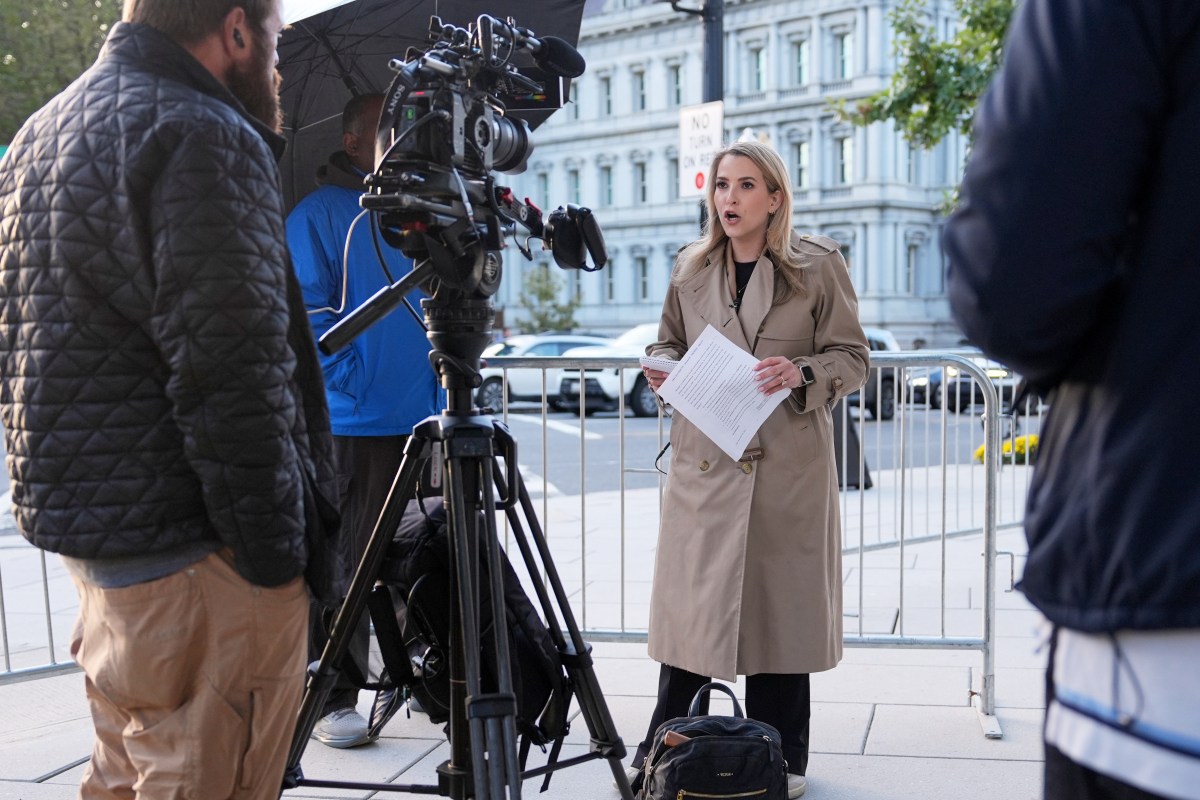
Journalists from CNN, Politico, and MS NOW were denied entry to the White House on Thursday, even though a judge ordered the Trump administration to restore their access. The court order stopped the ban for 14 days while a legal challenge is ongoing, but the reporters were still blocked without clear explanation.
Key Facts
The White House banned reporters from CNN, Politico, and MS NOW last week.
President Donald Trump accused these outlets of spreading false information.
A judge issued a temporary order to stop the ban for two weeks.
Despite the order, the reporters were denied entry when trying to attend press briefings.
MS NOW reporter Laura Barrón-López was stopped at a security gate; her press badge was disabled and then taken.
The White House has not yet commented on the situation.
The legal fight over press access is still ongoing.
Read the Original
Want the full story? Tap a source to open the original
article.
A recent poll shows Democratic candidates James Talarico for Senate and Gina Hinojosa for governor leading their Republican opponents in Texas ahead of the 2026 midterm elections. Talarico is at 50 percent support, while the current Texas Attorney General Ken Paxton, a Republican, has 44 percent.
Key Facts
James Talarico is the Democratic candidate for the U.S. Senate seat in Texas.
Gina Hinojosa is the Democratic candidate for Texas governor.
Ken Paxton, a Republican, is the current Texas Attorney General and running for Senate.
The poll used is the Marist Poll Texas.
Talarico holds 50 percent support in the poll.
Paxton has 44 percent support according to the poll.
4 percent of respondents are undecided.
2 percent of respondents chose other options or did not answer.
Read the Original
Want the full story? Tap a source to open the original
article.
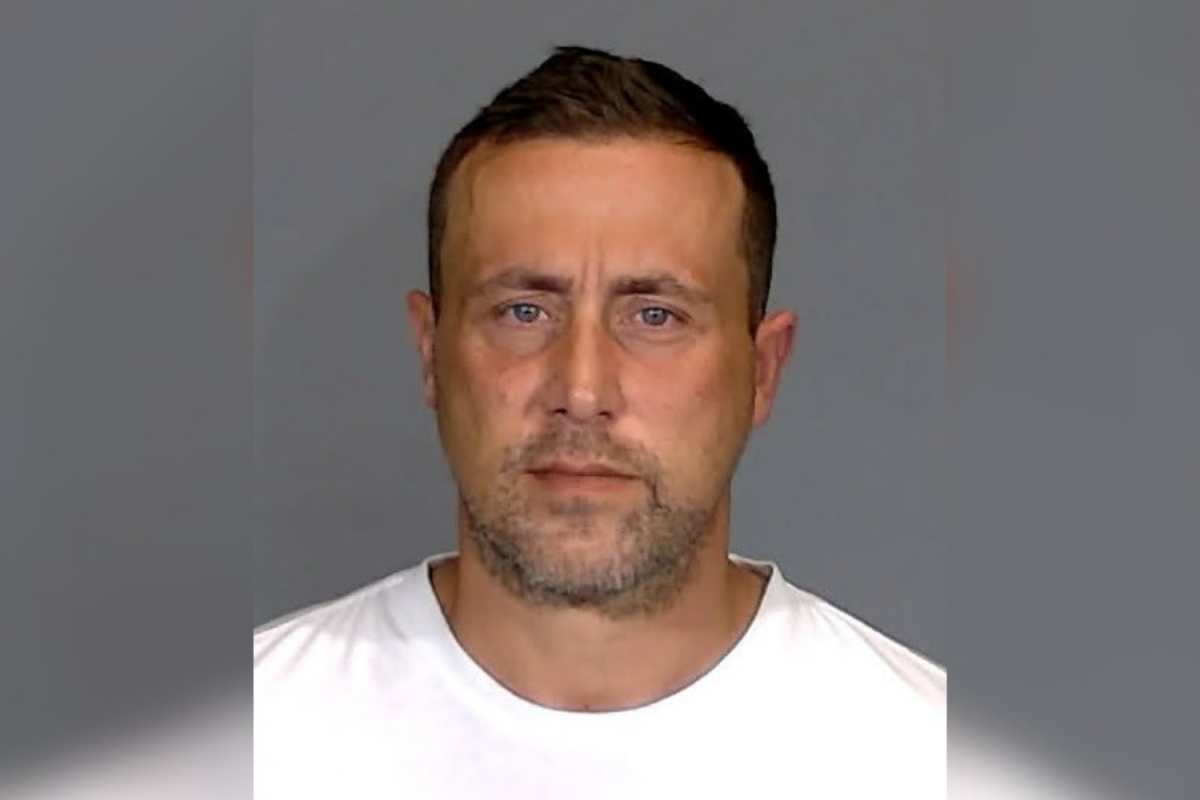
An Indianapolis police officer, Jonathan Schultz, faces 26 criminal charges including stalking and fraud for misusing a surveillance system called Flock cameras to track license plates without a valid law-enforcement reason. The police department suspended five officers over similar misuse of this technology and is investigating the incidents.
Key Facts
Officer Jonathan Schultz used Flock cameras to track the license plates of seven women and four men, many of whom he did not know.
Schultz is charged with 12 counts of official misconduct, 12 counts of fraud, and two counts of stalking.
Prosecutors say Schultz performed 1,396 searches without a legitimate law-enforcement purpose.
Schultz allegedly began stalking a woman nine days after meeting her and used the system to monitor his ex-wife and another woman.
Five Indianapolis police officers, including Schultz, are suspended for improper use of automated license plate reader technology.
The department revoked their access to the surveillance system and recommended termination for four remaining officers.
The misuse happened before a new policy requiring officers to provide a case number and crime justification was introduced in August 2026.
Similar misuse of Flock cameras has been reported in at least 12 other US states.
Read the Original
Want the full story? Tap a source to open the original
article.