A federal judge in Boston is deciding whether to extend a ban on the U.S. Postal Service’s new rules for handling mail ballots in the upcoming midterm elections. The judge said the Postal Service has not explained how it will enforce these rules, which were created under President Donald Trump’s executive order and have faced legal challenges.
Key Facts
Judge Indira Talwani is deciding whether to keep blocking new Postal Service mail ballot rules.
These rules were introduced by President Trump’s executive order to regulate mail voting.
The judge issued a temporary ban on the rules, which expires soon as states start sending mail ballots.
The Postal Service has not explained how it plans to enforce the new rules.
The administration may ask the Supreme Court to allow the rules to proceed.
The rules require states to upload voter lists and get ballot envelope designs approved by the Postal Service.
Voting rights groups argue only states and Congress can set election rules, not the President.
A whistleblower warned the rules could cause millions of mail ballots to be discarded over barcode errors.
Read the Original
Want the full story? Tap a source to open the original
article.
A federal judge temporarily stopped the Trump administration's plan to use Congress to undo California's clean car emission rules. The judge blocked the Environmental Protection Agency's attempt to let Congress and President Donald Trump overturn these state rules.
Key Facts
A federal judge paused the Trump administration's effort to overturn California's clean car laws.
The rules involve limits on emissions from vehicles and lawn equipment in California.
The Environmental Protection Agency (EPA) made a move to let Congress and President Trump overturn the rules.
Judge Beryl Howell issued the block; she was appointed by President Obama.
The decision is temporary, meaning the issue may be reviewed again or continued later.
California has special clean car standards that are stricter than federal rules.
The Trump administration aimed to eliminate these stricter state standards through federal action.
The court ruling stops this federal action for now, protecting California’s ability to enforce its clean car rules.
Read the Original
Want the full story? Tap a source to open the original
article.
Beverly Aikins, the mother of Vice President Vance, said in an interview that she would probably punch Michigan Senate candidate Abdul El-Sayed because of things he said about her son. The comments from El-Sayed were shown to Aikins during the interview on Fox News.
Key Facts
Beverly Aikins is the mother of Vice President Vance.
Abdul El-Sayed is running for the U.S. Senate in Michigan.
Aikins said she would “probably punch” El-Sayed due to his past statements about her son.
The interview took place on the Fox News show “Tomi Lahren is Fearless.”
Fox News host Tomi Lahren showed Aikins a clip of El-Sayed’s comments during the interview.
Read the Original
Want the full story? Tap a source to open the original
article.
President Donald Trump said his commerce secretary, Howard Lutnick, made a mistake by saying no Americans died in the war with Iran. The Pentagon counts 18 U.S. service members killed in the conflict. Lutnick clarified he was thinking of a different U.S. operation in Venezuela when he made the error.
Key Facts
President Trump corrected commerce secretary Howard Lutnick, who said no Americans died in the Iran war.
The Pentagon reports 18 U.S. service members have died in the conflict involving Iran and Israel.
Lutnick admitted he was thinking of a U.S. operation in Venezuela, where no American deaths occurred.
Iranian strikes reportedly killed 18 people and injured over 100, according to Iran’s health ministry and Red Crescent.
The U.S. military denies targeting civilians and is reviewing the Iranian reports.
The campaign against Iran has cost at least $37.5 billion as of July 2024 and involves military and economic actions.
Public opinion polls show 54% of Americans disapprove of the war, with some Trump voters reconsidering their support.
The conflict intensified after U.S. attacks on Iranian rocket launchers and resulted in Iranian missile attacks on U.S. and allied forces in the Middle East.
Read the Original
Want the full story? Tap a source to open the original
article.
Rep. Claudia Tenney from New York said she thinks President Donald Trump’s decision to rename Lake Ontario to “Lake America” is likely a joke or a prank. Despite this, the federal government and big map companies are starting to use the new name.
Key Facts
President Trump changed the name of Lake Ontario to “Lake America.”
Rep. Claudia Tenney doubts the name change is serious and calls it a “troll.”
Tenney represents a district in New York near Lake Ontario.
The federal government is beginning to use the new name officially.
Major mapping services are also adopting the name “Lake America.”
There is uncertainty about whether the new name will be permanent.
Read the Original
Want the full story? Tap a source to open the original
article.
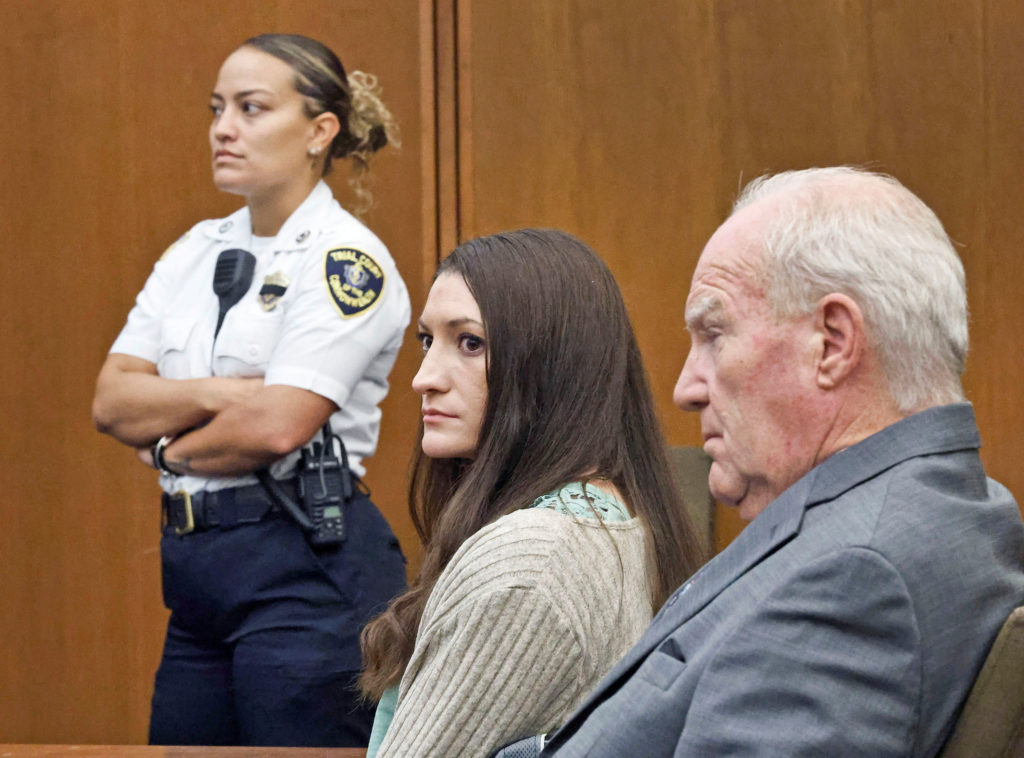
Jury members in the trial of Lindsay Clancy, charged with killing her three young children, have been unable to agree on a verdict after several days of discussions. The judge may declare a mistrial if the jury cannot reach a decision, while the defense says Clancy suffered from a mental illness called postpartum psychosis, and prosecutors say she planned the killings.
Key Facts
The trial is taking place in Plymouth, Massachusetts.
Lindsay Clancy is accused of killing her three young children.
The jury has deliberated for six days but has not agreed on a verdict.
The judge could declare a mistrial if the jury remains deadlocked.
The defense argues Clancy had postpartum psychosis, a serious mental illness after childbirth.
The defense says poor medical care made her condition worse.
Prosecutors argue Clancy planned the murders intentionally.
Prosecutors state the health care system is not being judged in this trial.
Read the Original
Want the full story? Tap a source to open the original
article.
A news article discusses that 911 professionals, who handle emergency calls, are currently not officially called first responders by law. The article argues that Congress should change this to give these workers proper recognition and support.
Key Facts
911 professionals answer emergency calls and play a crucial role in public safety.
Despite their important work, they are not legally considered first responders.
Being a first responder can affect access to benefits and protections for workers.
The article suggests that Congress should update laws to include 911 workers as first responders.
This change would acknowledge the risks and stress these professionals face daily.
Recognizing 911 workers as first responders could improve their workplace support and resources.
Read the Original
Want the full story? Tap a source to open the original
article.
Federal authorities have issued a warning and recall on popular squishy toys for kids. The small beads inside these toys could cause choking or block a child's intestines, which is dangerous.
Key Facts
The toys contain small beads that children might swallow.
Swallowing these beads can cause choking or intestinal blockage.
Federal agencies have issued a recall and safety warning.
These toys are marketed as squishy toys for children.
The recall aims to prevent serious injuries to kids.
Parents are advised to stop giving these toys to children.
The warning highlights the possible health risks of these toys.
Read the Original
Want the full story? Tap a source to open the original
article.
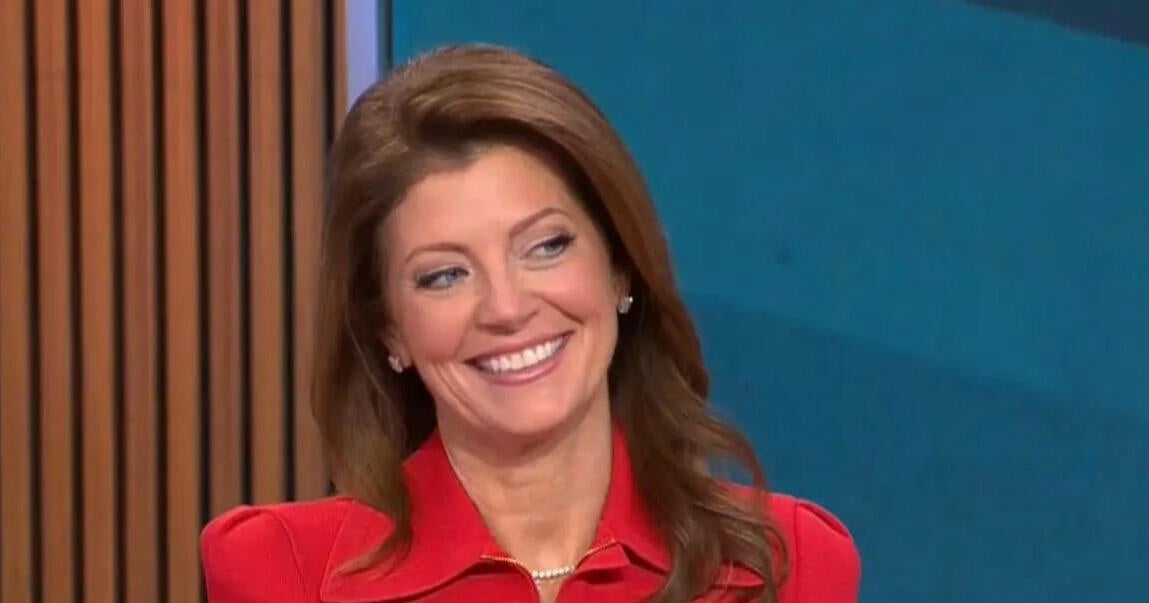
Norah O'Donnell is returning to co-host "CBS Mornings" alongside Gayle King and Nate Burleson starting Tuesday. She previously co-hosted the show for seven years before anchoring "CBS Evening News" and becoming a correspondent for "60 Minutes."
Key Facts
Norah O'Donnell will rejoin "CBS Mornings" as co-host with Gayle King and Nate Burleson.
She co-hosted "CBS Mornings" for seven years before 2019.
O'Donnell has been a main anchor for "CBS Evening News" and a "60 Minutes" correspondent.
She has covered eight U.S. presidential elections and interviewed every living U.S. president.
O'Donnell conducted a historic papal interview with Pope Francis in 2024.
She has received major journalism awards like the Edward R. Murrow Award and the Alfred I. duPont-Columbia Award.
O'Donnell was CBS News’ chief White House correspondent during the Obama administration.
She is the author of a bestselling book called "We the Women: Hidden Heroes Who Shaped America."
Read the Original
Want the full story? Tap a source to open the original
article.
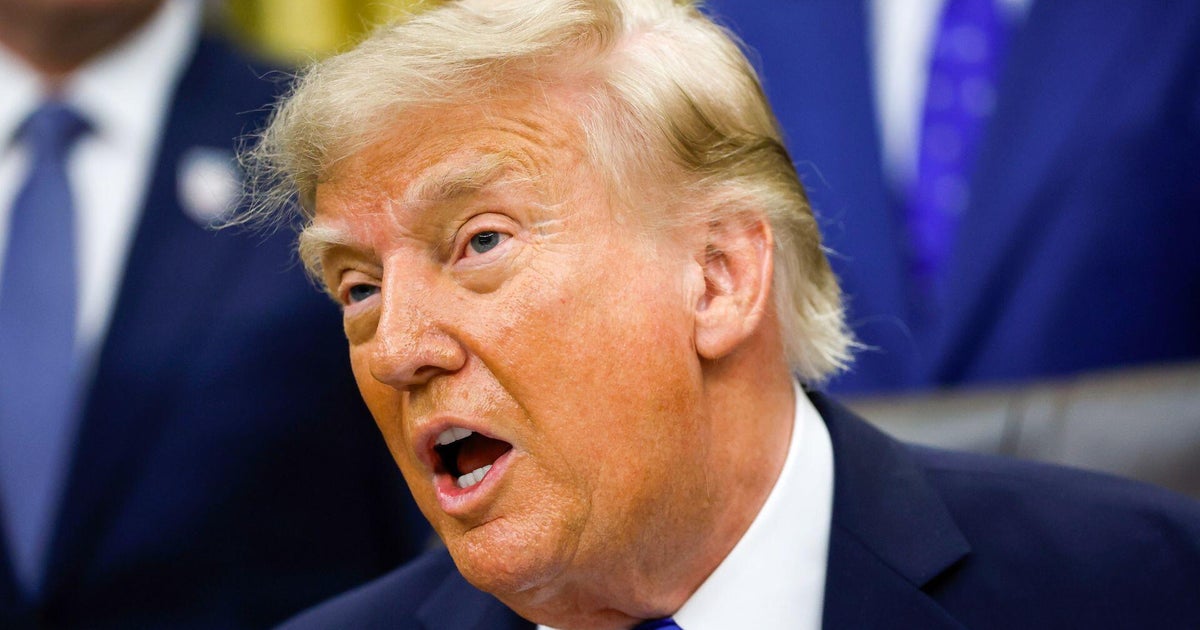
President Donald Trump held a dinner with Republican leaders in the White House Rose Garden to discuss ways to increase voter turnout for the upcoming midterm elections. His meeting comes amid rising tensions and renewed fighting between the U.S. and Iran.
Key Facts
President Trump invited Republican officials to a dinner at the White House.
The dinner took place in the Rose Garden, a prominent location at the White House.
The main topic was how to boost voter participation for the midterm elections.
Midterm elections are scheduled to happen soon and will decide control of Congress.
There has been a rise in conflict between the U.S. and Iran recently.
The increased tensions with Iran are a background issue at the same time as the political planning.
Republicans aim to use this situation to strengthen their voter base in battleground states.
Read the Original
Want the full story? Tap a source to open the original
article.
Leon Black, a wealthy private equity investor, sued to avoid giving testimony and documents in a congressional inquiry about his connections to Jeffrey Epstein, a convicted sex offender. He was scheduled to be questioned by a House committee on the same day.
Key Facts
Leon Black is a billionaire private equity investor.
He filed a lawsuit to block subpoenas from Congress.
The subpoenas asked him to testify and provide documents.
The investigation is by the House Oversight and Government Reform Committee.
The inquiry relates to Black’s ties to Jeffrey Epstein.
Jeffrey Epstein was a convicted sex offender.
Black was supposed to attend a deposition (official questioning) on the day of the lawsuit.
Read the Original
Want the full story? Tap a source to open the original
article.
House Minority Leader Hakeem Jeffries will speak after two Democrats voted with Republicans to advance GOP-backed measures. This unusual move has created challenges for Jeffries as he manages disagreements within the Democratic Party.
Key Facts
Two Democrats voted with Republicans on important Republican-supported measures.
This vote is unusual because it goes against the Democratic Party’s usual position.
Jeffries is the House Minority Leader, representing Democrats.
He faces challenges balancing different views within the Democratic Party.
The Democratic Party is split between more traditional members and progressive members.
The vote occurred ahead of important upcoming political discussions.
Jeffries plans to address the situation in a public speech.
Read the Original
Want the full story? Tap a source to open the original
article.
Gloria Steinem, a leader in the women's liberation movement, spoke out in the 1970s against a New York bill that would have made it harder to get abortions. She protested the Donovan-Crawford Bill and urged people across the country to support abortion rights.
Key Facts
Gloria Steinem was a key figure in the women's liberation movement.
She died at the age of 92.
In the 1970s, she opposed the Donovan-Crawford Bill in New York.
The bill would have limited access to abortion if signed by Governor Nelson Rockefeller.
Steinem called for national support to fight against this bill.
The news clip is from CBS News archives.
Read the Original
Want the full story? Tap a source to open the original
article.
Commerce Secretary Howard Lutnick apologized for incorrectly saying no American soldiers had died in the war with Iran. He clarified that 18 U.S. military members have died and expressed sympathy for their families, explaining he had been thinking about Venezuela when he misspoke.
Key Facts
Commerce Secretary Howard Lutnick made a mistake during a TV interview about U.S. military deaths.
He originally said no Americans had died in the war with Iran.
Lutnick corrected himself, confirming that 18 U.S. service members have died.
He apologized and showed sympathy to the families of those who died.
Lutnick said he was thinking about Venezuela when he gave the wrong information.
Read the Original
Want the full story? Tap a source to open the original
article.
Billionaire Leon Black did not attend a House committee deposition about his connections to Jeffrey Epstein. Instead, he filed a lawsuit claiming the committee cannot force him to share certain secret agreements. The committee is investigating Black’s relationship with Epstein and possible non-disclosure agreements.
Key Facts
Leon Black was a longtime client of Jeffrey Epstein.
The House oversight committee is investigating their relationship and any secret deals Epstein helped Black create.
Black has denied wrongdoing and expressed regret over his dealings with Epstein.
Black’s lawyers say the committee is abusing its power and want the court to stop the subpoenas.
Democratic Rep. Robert Garcia called for Black to be held in contempt for ignoring subpoenas.
Black previously refused to answer questions about secret agreements during a June interview.
James Comer, committee chair, said Black’s decision means he will be absent at the deposition and said they will decide next steps.
Read the Original
Want the full story? Tap a source to open the original
article.
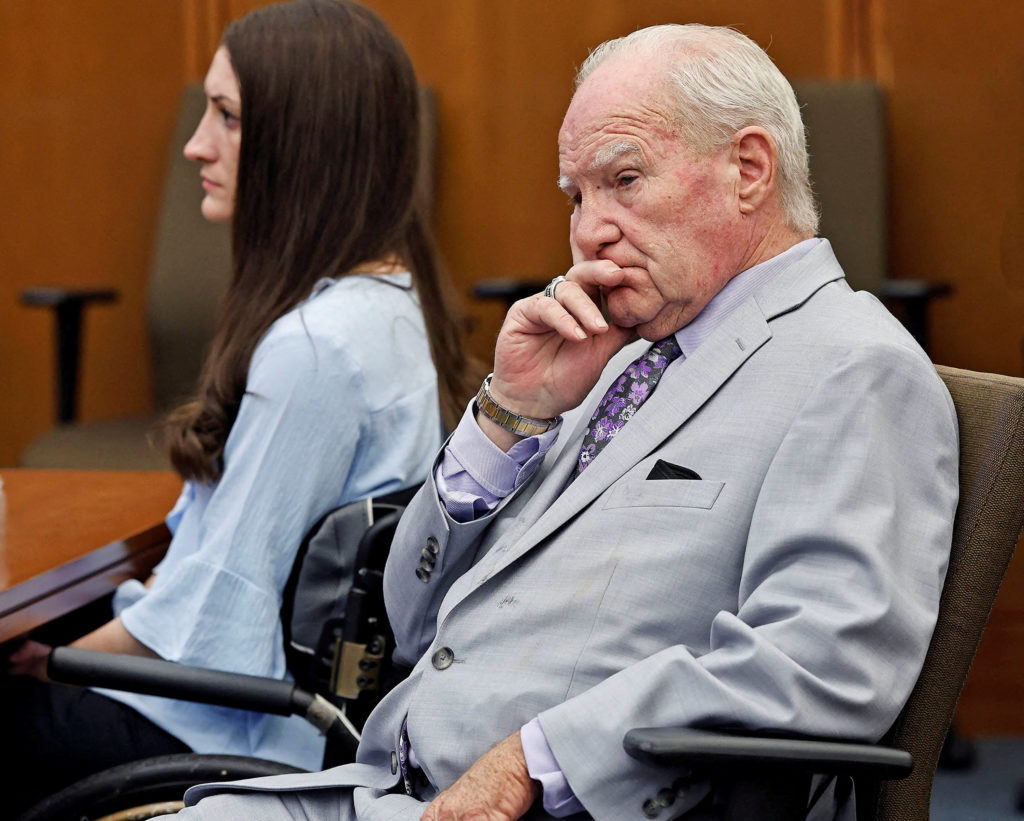
The jury in the trial of Lindsay Clancy, a Massachusetts mother accused of killing her three children, has been unable to reach a decision after six days of deliberation. Clancy admits she strangled her children but claims postpartum psychosis affected her actions, while prosecutors say she understood what she was doing.
Key Facts
The jury is deadlocked and has struggled to agree on a verdict for six days.
Lindsay Clancy is charged with killing her three children in 2023.
The children’s ages were 5, 3, and 8 months.
Clancy admits to strangling her children in their home basement.
Her lawyer says she acted under postpartum psychosis, a mental illness after childbirth.
Prosecutors argue she was aware of her actions during the killings.
The judge has been informed twice that the jury cannot agree on a verdict.
The trial is at risk of ending in a mistrial, which means no verdict is reached.
Read the Original
Want the full story? Tap a source to open the original
article.
Two months after a wildfire destroyed much of Lahaina, Hawaii, many residents who returned are not receiving mail delivery at their rebuilt homes. The US Postal Service (USPS) treats the rebuilt area as a new development, so it has stopped door-to-door mail delivery until enough homes are rebuilt.
Key Facts
A wildfire in August 2023 destroyed large parts of Lahaina, including homes and the local post office.
Some mailboxes survived the fire, but mail carriers are not delivering mail to the rebuilt homes.
USPS says the area is being treated as a new development, which under policy means no street delivery.
Only about 25% of homes damaged in the fire have been rebuilt so far.
Residents must now pick up mail at a main post office two miles away, which has long lines and limited hours.
The original Lahaina post office burned down and USPS plans to close it permanently.
Some elderly residents find it difficult to travel to the post office to get their mail.
The cheapest PO boxes that residents can rent do not fit packages and cost $250 per year.
Read the Original
Want the full story? Tap a source to open the original
article.
New York City will pause the use of artificial intelligence (AI) tools in most public school classrooms from kindergarten through eighth grade for one year. This decision aims to limit AI use while officials consider its effects on education.
Key Facts
The ban applies to New York City public schools for students in grades 2-K through eighth grade.
The pause will last for one year.
The city wants to study how AI affects teaching and learning before allowing its use again.
Parents and organizers have expressed concerns about AI use in schools.
AI tools include programs that can write, answer questions, or assist students digitally.
The ban does not specify restrictions for high school classrooms.
This is a temporary measure, not a permanent ban.
Officials plan to review policies on AI in education during the moratorium.
Read the Original
Want the full story? Tap a source to open the original
article.
Gloria Steinem, a well-known author and activist who played a major role in the U.S. women's movement, has died at the age of 92. She was a co-founder of Ms. Magazine and spent much of her life speaking at events and advocating for feminist causes.
Key Facts
Gloria Steinem died at her home in New York City.
She was 92 years old.
Steinem was a leading voice in the U.S. women's movement.
She co-founded Ms. Magazine.
She was known for her streaked hair and large aviator glasses.
She traveled widely to speak at colleges, community centers, rallies, and marches.
Her death was announced on her and her foundation's social media pages.
Read the Original
Want the full story? Tap a source to open the original
article.