The Air Force has changed its policy to automatically separate transgender airmen diagnosed with gender dysphoria without a hearing. This decision is part of recent moves to limit the role of transgender individuals in military service. Legal experts and advocacy groups criticize the policy, stating it undermines fairness and trust.
Key Facts
The Air Force memo states transgender airmen diagnosed with gender dysphoria will be separated without a board hearing.
Military separation boards will no longer decide if transgender airmen can stay in service.
Transgender legal advisors say the policy is unlawful and could influence other military branches.
Advocacy groups argue this change erodes trust in military leadership.
Recently, the Air Force decided to deny early retirement benefits to transgender troops.
The policy aligns with Department of Defense guidelines for members with gender dysphoria.
Separation boards usually allow service members to present defenses in quasi-legal hearings.
Military lawyers say the new guidance removes the board's ability to assess service value and fairness.
Read the Original
Want the full story? Tap a source to open the original
article.
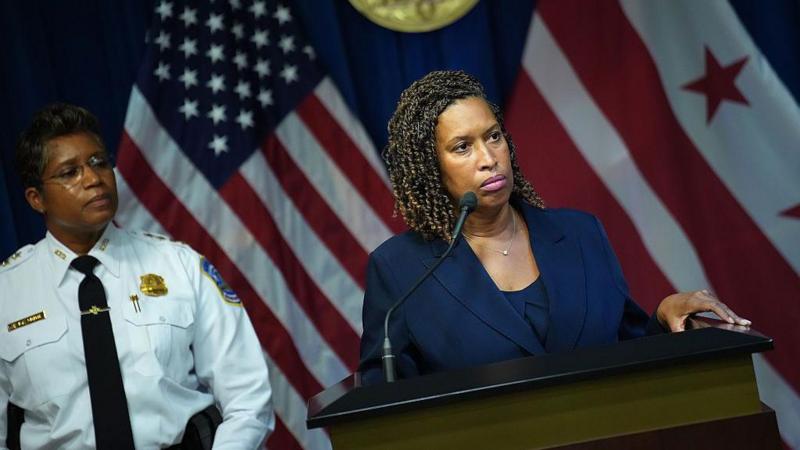
The Trump administration initially attempted to place the Washington, D.C., police under federal control but later agreed to allow the city's police chief, Pamela Smith, to remain in place. A legal battle followed, with the Trump administration pushing for cooperation between local police and federal immigration authorities, despite city laws that restrict such collaboration. The situation underscores tensions between the federal government and D.C. officials regarding police governance and immigration enforcement.
Key Facts
The Trump administration attempted to take control of Washington, D.C.'s police but later backed down.
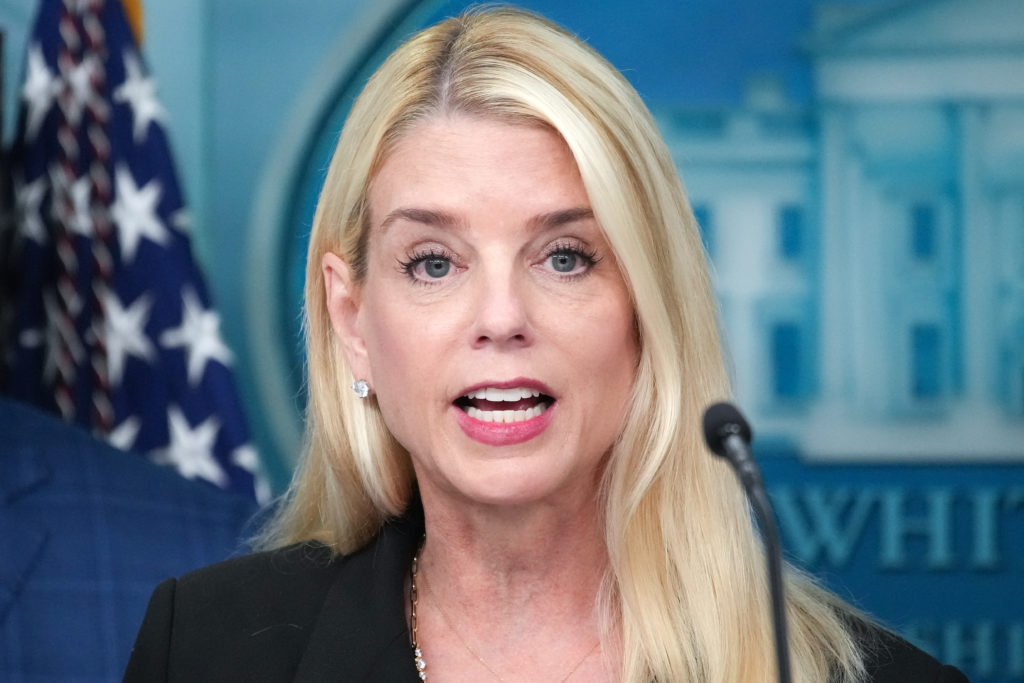
Attorney General Pam Bondi issued a memo urging D.C. police to work with federal immigration authorities.
City officials sued to block the federal takeover of the D.C. police department.
Chief Pamela Smith opposed the takeover, citing risks to law and order.
A federal judge, Ana Reyes, indicated that full federal control might not be legally permissible.
The legal conflict reflects broader tensions between D.C.'s local governance and federal authorities under Trump’s administration.
The judge asked both parties to seek a compromise while promising a court order if they couldn't agree.
The controversy involves debates over immigration enforcement and city autonomy.
Read the Original
Want the full story? Tap a source to open the original
article.
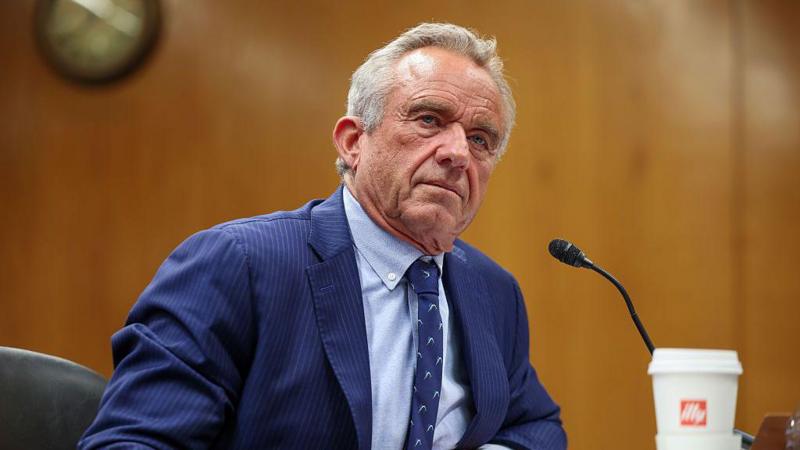
The U.S. Health and Human Services (HHS) is re-establishing a task force focused on childhood vaccine safety. This decision came after pressure from anti-vaccine activists, including a lawsuit from Children's Health Defense, led by Robert F. Kennedy Jr. The task force will give advice on how to make vaccines safer for children.
Key Facts
HHS is reviving the Task Force on Safer Childhood Vaccines, initially created in 1986.
The task force was initially disbanded in 1998.
The goal is to improve vaccine safety and reduce adverse reactions in children.
Robert F. Kennedy Jr., an anti-vaccine advocate, influenced this decision.
Children's Health Defense, an anti-vaccine group, sued to have the task force reinstated.
The task force will include members from NIH, FDA, and CDC.
Kennedy has made changes affecting vaccine guidelines, including removing CDC recommendations for certain vaccines.
Read the Original
Want the full story? Tap a source to open the original
article.
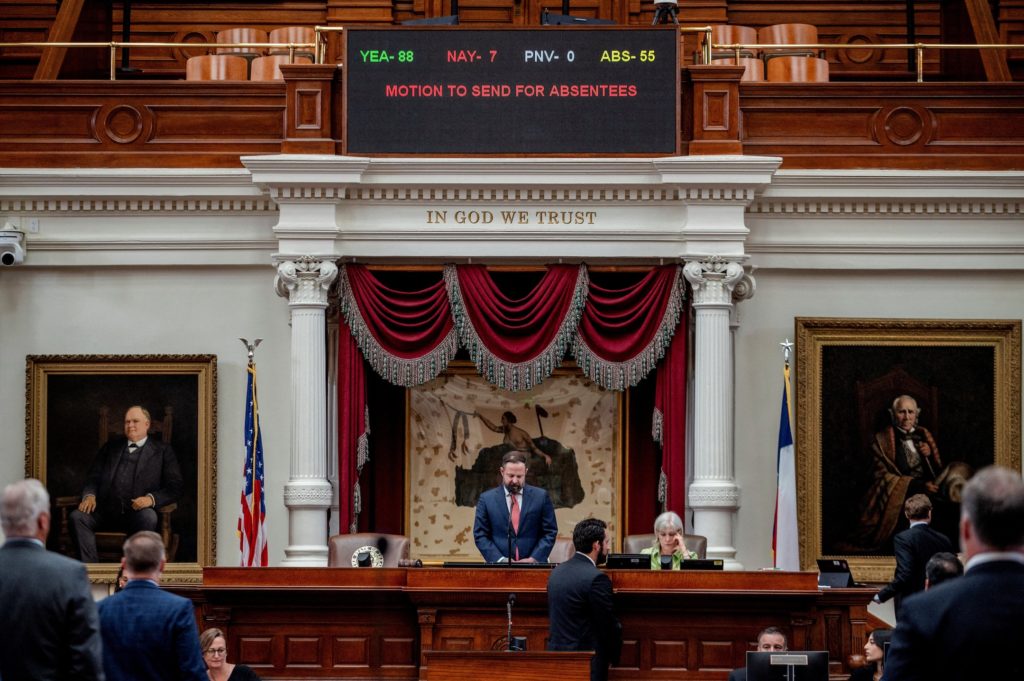
Texas Governor Greg Abbott asked lawmakers to meet again to approve new congressional maps that support Republicans. A storm named Erin became the first hurricane of the year in the Atlantic. Heavy rains caused floods in northern Pakistan and India, resulting in at least 280 deaths.
Key Facts
Governor Greg Abbott of Texas called for another special session to address congressional maps.
The proposed maps aim to favor Republican candidates.
A storm named Erin strengthened into a hurricane in the Atlantic.
Erin is the first hurricane of the current Atlantic season.
Severe floods in northern Pakistan and India caused at least 280 deaths.
The floods resulted from heavy rainfall affecting those regions.
Read the Original
Want the full story? Tap a source to open the original
article.
Washington, D.C. officials claim success in stopping a Trump administration plan to appoint a federal official as an emergency police commissioner for the city. This decision followed the city filing a lawsuit aimed at preventing federal control of its police department.
Key Facts
Washington, D.C. filed a lawsuit to stop the Trump administration from taking over its police department.
The plan involved appointing the DEA chief as an "emergency police commissioner."
City officials argued that this move was an overreach of federal power.
The Trump administration decided not to pursue the plan.
The decision marked a win for the city in maintaining control over its local police force.
Read the Original
Want the full story? Tap a source to open the original
article.
Columnists David Brooks and Jonathan Capehart discussed U.S. politics. They talked about President Trump's meeting with Russia's President Putin in Alaska, Trump's federal actions in Washington, and disputes over redistricting.
Key Facts
President Trump met with Russia's President Putin in Alaska.
The discussion includes Trump's federal control over Washington.
There is a political debate surrounding redistricting in the U.S.
David Brooks is a columnist for The New York Times.
Jonathan Capehart is affiliated with MSNBC.
Amna Nawaz hosted the discussion on politics.
The topics cover recent and significant political events in the United States.
Read the Original
Want the full story? Tap a source to open the original
article.
Many rural newspapers in the United States have recently shut down. This is part of a larger trend where local journalism is disappearing in smaller communities.
Key Facts
Dozens of rural newspapers have closed down.
These newspapers were primarily located in the United States.
The closures contribute to a decline in local journalism, especially in small towns.
Local newspapers often struggle financially due to reduced advertising revenue.
The disappearance of these newspapers impacts local communities' access to news.
Local journalism provides coverage on issues specific to a community, which broader media outlets may not cover.
The decline of rural newspapers reflects a wider trend in the media industry.
Read the Original
Want the full story? Tap a source to open the original
article.
Washington, D.C., sued to stop President Trump's appointed federal official from taking over its police department. The lawsuit argues that the takeover disrupts local control and might not be fully legal. A judge suggested Trump's authority has some limits, but could be broader than the city prefers.
Key Facts
Washington, D.C., filed a lawsuit against President Trump's administration over the control of its police department.
Trump's administration appointed a federal official to lead D.C.'s police.
The city's police chief stated this move could harm law and order.
A judge noted that Trump likely can't fully control the police, but does have some authority.
The legal issue highlights tensions regarding local governance and federal authority in Washington, D.C.
The city attorney argues the president's power over local police is limited to federal purposes.
Trump's decision is seen as an assertion of federal power over local government.
The law allows temporary control over the city's police for 30 days without Congress's approval.
Read the Original
Want the full story? Tap a source to open the original
article.
Different Democrats have different views on President Trump's efforts to take control of D.C. police to address crime. While some agree with the idea in certain conditions, others oppose it and focus on different priorities. These differing views could affect how Democrats respond if there is a vote on the issue.
Key Facts
Some House Democrats are careful about critiquing Trump's D.C. crime efforts.
Democrats' centrist wing wants to avoid being seen as anti-law enforcement.
President Trump is using his power to take control of D.C. police and deploy the National Guard.
Democrats argue that D.C. crime is at a 30-year low, while Republicans say it's still too high.
Rep. Jared Golden believes courts should decide disagreements over Trump's authority.
Rep. Henry Cuellar wants crime reduction efforts to work with local and federal agencies.
Some Democrats criticize Trump for reducing D.C.'s funding by $1 billion.
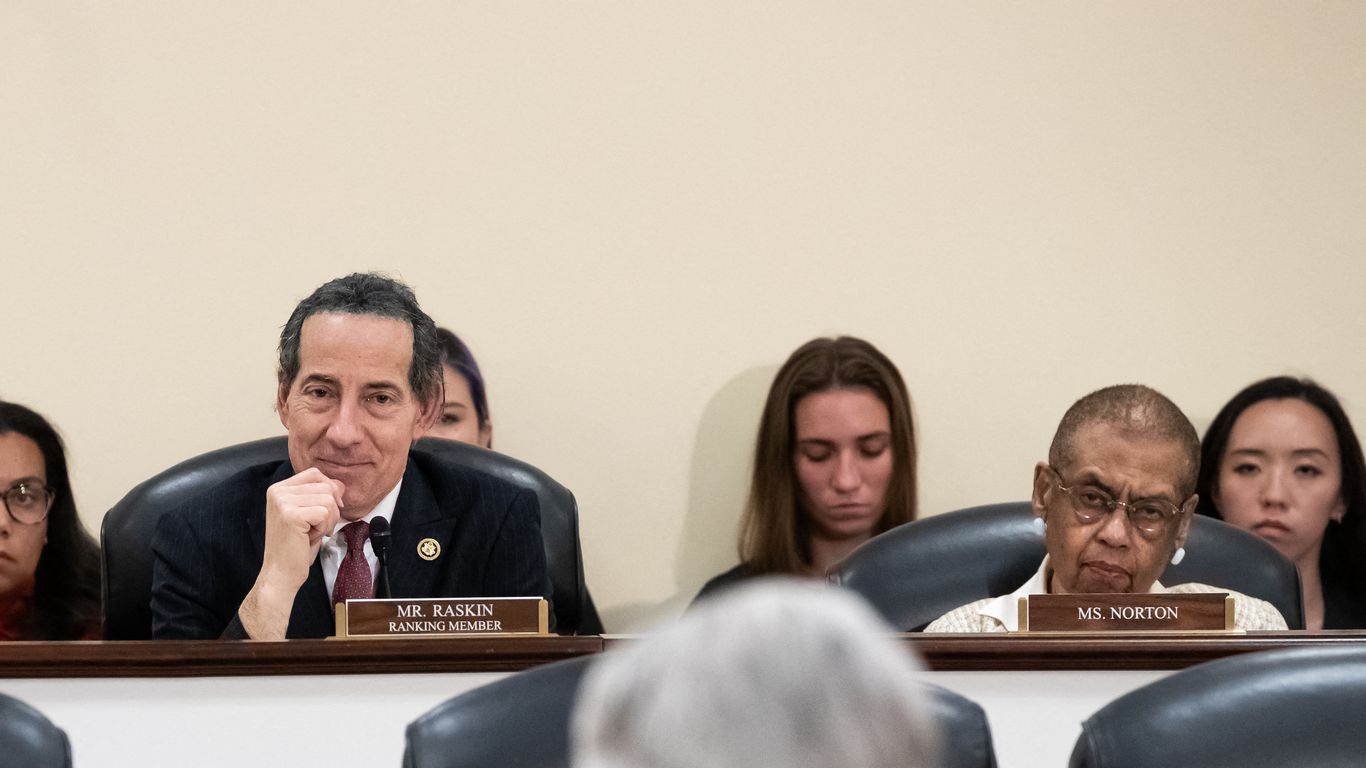
A group led by Rep. Jamie Raskin proposed a resolution to end Trump's "crime emergency."
Read the Original
Want the full story? Tap a source to open the original
article.
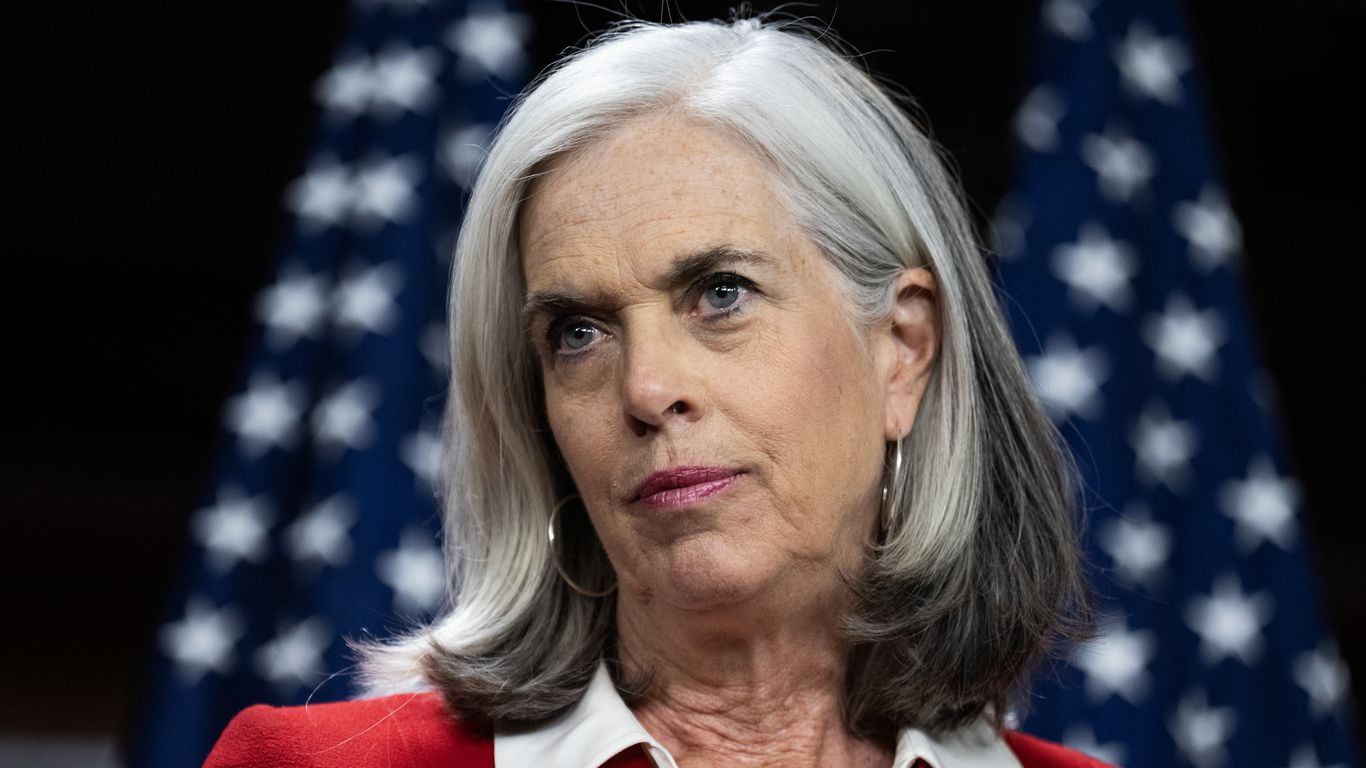
House Minority Whip Katherine Clark called the conflict in Gaza "genocide" at an event, becoming one of the highest-ranking U.S. lawmakers to use this term. Her comments were made in response to pro-Palestinian protests and have sparked attention due to her position in Congress.
Key Facts
Katherine Clark is the House Minority Whip and a top-ranking Democrat.
She called Israel's actions in Gaza "genocide" at an event in her district.
Only 13 other House members have used the term "genocide" for the situation in Gaza.
The comments came during an event with pro-Palestinian protesters.
Clark stated the need for a permanent ceasefire and humanitarian aid.
She highlighted the importance of a two-state solution for peace.
Clark previously received support from AIPAC but indicated her actions are based on her beliefs.
Read the Original
Want the full story? Tap a source to open the original
article.
House and Senate Democrats have introduced a resolution to stop former President Trump's control over Washington D.C.'s police force, declared under a "crime emergency." The resolution cites a decline in violent crime and argues that the emergency is not justified. However, with Congress out of session, the resolution is unlikely to move forward soon.
Key Facts
Democrats are trying to end Trump's control of D.C.'s police, which he declared as a "crime emergency."
The resolution claims Trump misused the Home Rule Act by not proving an actual emergency.
Violent crime in D.C. has decreased over the past two years and is at a 30-year low.
The federal government has reduced D.C.'s budget by $1 billion recently.
Rep. Jamie Raskin and Del. Eleanor Holmes Norton, among others, introduced the resolution.
Lawmakers believe the takeover lacks legal justification and see it as an attempt to federalize local police forces.
The resolution is unlikely to pass as Republicans control both legislative chambers.
Congress is currently out of session, limiting immediate action on the matter.
Read the Original
Want the full story? Tap a source to open the original
article.
Many Afghans who were evacuated to the United States after the Taliban took control of Kabul are still in a difficult legal situation. They face uncertainty due to changing U.S. immigration policies under former President Donald Trump and current policies. Thousands of Afghans are concerned about their future in the U.S. as immigration policy changes continue to create uncertainty.
Key Facts
Hanifa Girowal is one of many Afghans who fled Afghanistan during the August 15 Taliban takeover and is now in legal uncertainty in the U.S.
Girowal worked in human rights in Afghanistan and now seeks stable legal status in the U.S.
U.S. policies under Donald Trump affected many immigrant communities, including Afghans.
As of now, around 180,000 Afghans remain in the U.S., with diverse legal statuses.
About 75,000 Afghans arrived on evacuation flights after the U.S. withdrawal from Afghanistan.
Other Afghans entered the U.S. through asylum at the border or special visa programs.
Special Immigrant Visas (SIVs) and refugee programs provide paths to residency and potential citizenship.
Advocacy groups have pushed for clearer and more permanent solutions for Afghan evacuees.
Read the Original
Want the full story? Tap a source to open the original
article.
On the biggest stories we show what the outlets agree on and where they differ. Readers keep that going, and get the daily digest by email every morning. Most choose $3.99/month.
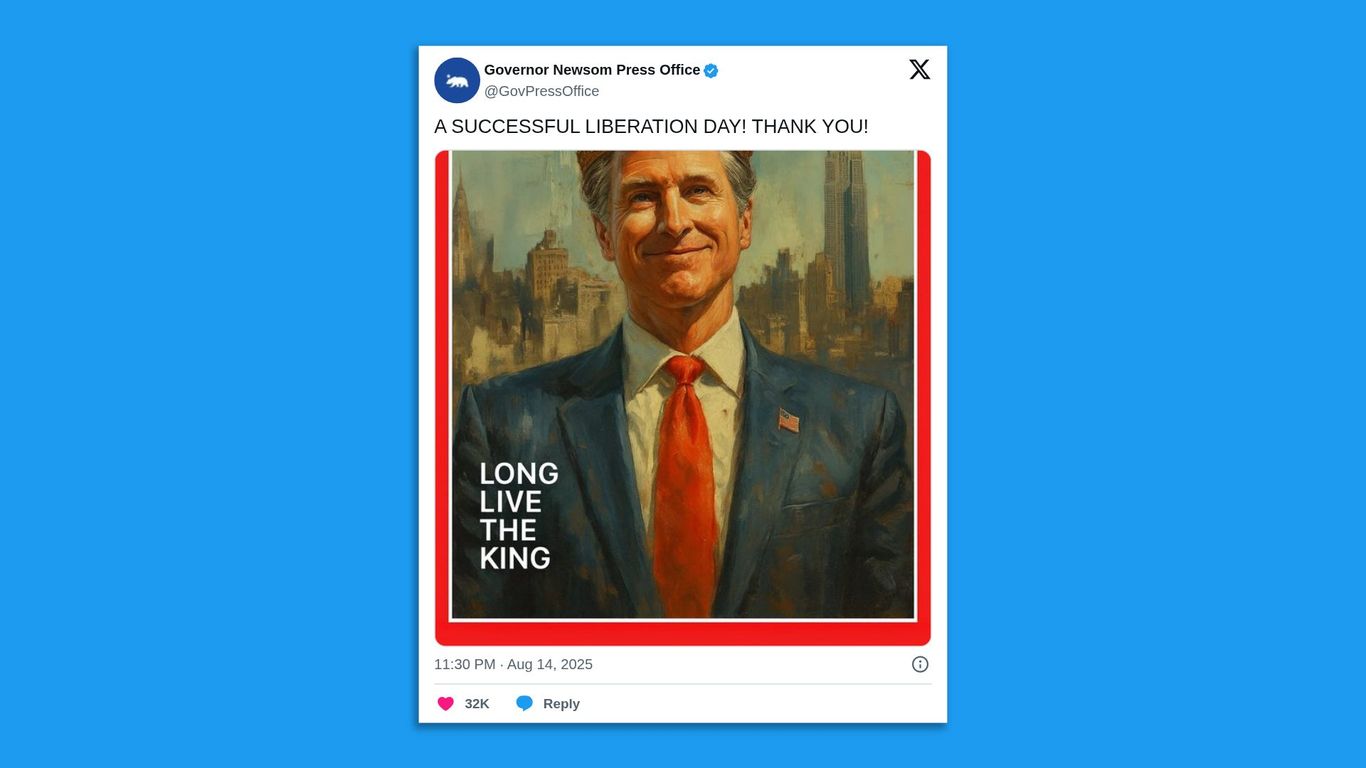
California Governor Gavin Newsom is using a social media strategy that mimics former President Trump's style to comment on the ongoing redistricting issue in the U.S. Newsom's posts playfully imitate Trump's online communication, focusing on the conflict over new congressional maps.
Key Facts
Gavin Newsom, the governor of California, is copying Trump's all-caps posting style on social media.
Newsom is highlighting the redistricting battle where states are drawing new congressional maps.
Newsom aims to oppose Trump's influence and Republicans' efforts in redistricting.
He uses his press office's social media to share these messages, often signing them "GCN."
Newsom's posts make fun of Trump's social media habits, like using exaggerated language.
California plans to introduce its new congressional maps, reacting to redistricting moves by Republican states.
The White House did not respond to the comments Newsom made through his posts.
Newsom's social media activity is part of a broader discussion on the acceptance of Trump's online communication style.
Read the Original
Want the full story? Tap a source to open the original
article.
Washington DC is suing the federal government after US Attorney General Pam Bondi appointed the DEA head as the district's emergency police commissioner. The lawsuit argues this action is illegal and requests a judge to void the order. The federal government claims this step is to address crime, which it says is rising in the district.
Key Facts
Washington DC sued over a federal takeover of its police force.
US Attorney General Pam Bondi appointed the DEA head as emergency police commissioner.
The city's lawsuit seeks to stop the DEA head from commanding the local police.
President Trump deployed federal agents and National Guard troops to the district.
The government's actions are based on a 1970s law called the Home Rule Act.
DC Mayor Muriel Bowser and Attorney General Brian Schwalb call the order unlawful.
Crime data shows a decrease in violent crimes and robberies in recent years.
The lawsuit highlights a clash between local and federal authorities over police control.
Read the Original
Want the full story? Tap a source to open the original
article.
A lawsuit has been filed by Washington, DC's Attorney General against former President Donald Trump's move to take control of the city's police department. Trump appointed the DEA chief as the emergency head of the police, which city officials argue is beyond presidential powers. The lawsuit aims to keep control with the city and opposes the increased federal presence in DC.
Key Facts
Washington, DC's Attorney General filed a lawsuit against Trump's takeover of the city's police department.
Trump appointed the DEA chief as the head of the DC police with full powers.
City officials argue that Trump exceeded his legal authority with this decision.
The District's lawsuit seeks an emergency restraining order to stop the changes.
DC Mayor Muriel Bowser challenged the legality of the federal control on social media.
Trump said the federal takeover is to address rising crime in Washington, DC.
National Guard and federal forces have increased presence in the city.
President has the power to control federal law enforcement for 30 days without Congress review.
Read the Original
Want the full story? Tap a source to open the original
article.
The Trump administration named DEA head Terry Cole as Washington, D.C.'s "emergency police commissioner," granting him powers typically held by the city's police chief. This directive, issued by Attorney General Pam Bondi, sparked opposition from D.C. leaders, who claim it is illegal and undermines local authority. The move is part of a broader federal effort to increase control over the capital's policing and aligns with the administration's immigration enforcement goals.
Key Facts
The DEA head, Terry Cole, was appointed as D.C.'s "emergency police commissioner" by the Trump administration.
Attorney General Pam Bondi issued the directive giving Cole police chief powers.
D.C. officials, including the city's attorney general, say the move is unlawful and should not be followed.
The directive arose after Police Chief Pamela Smith ordered increased cooperation with federal immigration agencies.
Bondi disagreed with Smith's policy, rescinding it and other related local policies.
D.C. Mayor Muriel Bowser stated no existing law allows a federal takeover of local police authorities.
The situation has led to increased federal presence and law enforcement activity in Washington, D.C.
Read the Original
Want the full story? Tap a source to open the original
article.
The article discusses President Trump's efforts to change college admissions by focusing on merit and test scores, without considering race. Critics question why his reforms don't address legacy admissions, which favor students with wealthy or alumni family ties. A recent executive action requires colleges to provide more data on their admissions decisions to ensure fairness.
Key Facts
President Trump aims to reform college admissions to focus on merit and test scores.
Critics note Trump's plans do not address legacy admissions, benefiting children of alumni or donors.
Legacy admissions are sometimes referred to as "affirmative action for the rich."
Around 500 universities, including more than half of the U.S.'s 100 most selective schools, consider legacy status.
Trump's reforms respond to a 2023 Supreme Court decision against affirmative action.
An executive action requires universities to share more data on admissions for fairness.
Some Republicans and Democrats in Congress support ending legacy admissions nationwide.
Stanford University plans to continue legacy admissions despite state laws against it.
Read the Original
Want the full story? Tap a source to open the original
article.
A federal appeals court ruled that the Consumer Financial Protection Bureau (CFPB) can proceed with layoffs affecting most of its staff. This decision allows the Trump administration to move forward with substantial job cuts, leaving only about 200 employees at the agency. The cuts have been challenged in court, but the ruling permits the layoffs to proceed.
Key Facts
A federal appeals court ruled that layoffs at the CFPB can go ahead.
The Trump administration plans to cut the CFPB workforce from over 1,400 to around 200 employees.
The court decision was made by a 2-1 vote from a three-judge panel.
The layoffs had been blocked by an earlier injunction that the new ruling has vacated.
The CFPB is an independent agency created after the 2008 financial crisis to protect consumers.
The Trump administration argues that job cuts will make the CFPB more efficient.
Consumer groups and a federal employees' union argue that the layoffs could weaken consumer protection duties.
Judge Nina Pillard dissented, expressing concern that the agency's existence could be endangered without intervention.
Read the Original
Want the full story? Tap a source to open the original
article.
There is a legal battle in Washington, D.C. over control of the city's police department. The city's Attorney General has sued the federal government, challenging President Trump's attempt to take control of local police authority. The lawsuit argues this action violates local governance laws.
Key Facts
Washington, D.C.'s Attorney General, Brian Schwalb, filed a lawsuit against the Trump administration over police control.
The lawsuit claims Trump's actions violate the city's Home Rule, which allows local self-governance.
U.S. Attorney General Pam Bondi appointed a new "emergency police commissioner" to oversee D.C. police.
D.C. Mayor Muriel Bowser and local police leaders oppose the federal takeover.
Crime rates in the city have hit a 30-year low, despite Trump's claims of rising danger.
Mayor Bowser asserts that no law allows the federal government to take over D.C.'s police personnel authority.
Experts say this conflict could be dangerous for U.S. democracy and public safety.
Read the Original
Want the full story? Tap a source to open the original
article.
The White House has created a scorecard to rate over 550 companies based on their support for President Trump's major legislative bill. The scorecard assesses how companies promote the bill through various activities like social media posts and event attendance. This rating helps the administration decide on future corporate interactions.
Key Facts
The White House’s scorecard rates 553 companies on their support for a major legislative bill.
Companies are evaluated through social media, press releases, and event participation.
Ratings are categorized as strong, moderate, or low support.
This scorecard is used by White House staff to consider corporate requests.
Companies such as Uber, DoorDash, and AT&T are examples of strong supporters.
The scorecard will be updated with ongoing corporate engagement in other initiatives.
The scorecard aims to identify companies' genuine support versus minimal engagement.
Read the Original
Want the full story? Tap a source to open the original
article.