Gloria Steinem was a key leader in the American feminist movement. She fought for women’s rights like abortion, equal pay, and same-sex marriage, and helped start the feminist magazine Ms.
Key Facts
Gloria Steinem was born in 1934 in Toledo, Ohio.
Her childhood was difficult; her father left when she was 10 and she helped care for her mentally ill mother.
In the late 1950s, Steinem spent two years in India working with women activists.
She undercover reported on the harsh working conditions of Playboy Bunnies in 1963.
By 1968, she was a columnist on social issues and women’s rights for New York Magazine.
Her 1970s article "After Black Power, Women's Liberation" brought her national fame.
In 1972, she co-founded Ms. magazine, the first magazine created by and for women focused on feminist issues.
Steinem spoke out against sexism, the death penalty, and female genital mutilation during her career.
Read the Original
Want the full story? Tap a source to open the original
article.
Gloria Steinem, a well-known American feminist and journalist, died at age 92 in New York City. She spent her life working to improve women’s rights and supported many social causes through writing, activism, and public speaking.
Key Facts
Gloria Steinem died peacefully at her home in New York City at age 92.
She was an author of nine books and a leading voice for feminism.
Steinem fought against issues like domestic violence, female genital mutilation, and the pornography industry.
She also supported movements such as Black Lives Matter, LGBTQ rights, and Times Up.
In 1984, she was arrested protesting apartheid outside the South African embassy.
Steinem worked undercover as a Playboy Bunny in 1963 to expose poor working conditions.
She coined the term “reproductive freedom” in an article about abortion rights.
Her activism was inspired by Black feminists like Shirley Chisholm and Fannie Lou Hamer.
Read the Original
Want the full story? Tap a source to open the original
article.
An American journalist named Thomas Pauken was sentenced to two years in prison for secretly working for the Chinese government in the U.S. He pleaded guilty and will also face three years of supervised release without leaving the country.
Key Facts
Thomas Weir Pauken II, 51, admitted to acting as an agent for China's government.
Pauken worked for Chinese state media, including Xinhua and CCTV, after moving to China in 2010.
He was paid at least $100,000 for supporting Chinese intelligence activities, including recruiting for classified information.
Pauken used the alias Tom McGregor while working as a commentator at his father's request.
He was arrested in February after being stopped by U.S. Customs in January 2025.
Pauken’s lawyer said he did not share any classified information with China.
Pauken's father is a former Texas Republican Party chairman who ran for governor.
The Justice Department emphasized holding people accountable for aiding Chinese espionage efforts.
Read the Original
Want the full story? Tap a source to open the original
article.
A US federal judge blocked President Donald Trump’s new order that aimed to limit birthright citizenship, which is the right of children born in the US to become citizens. The judge said the order is likely unconstitutional, continuing legal setbacks for President Trump’s efforts on immigration. Meanwhile, Apple changed the name of Lake Ontario to “Lake America” for US users after President Trump’s order, but Canada refuses to recognize the change.
Key Facts
A judge in Maryland stopped enforcement of President Trump’s August executive order on birthright citizenship.
The order targeted “birth tourism,” where people come to the US to give birth and claim citizenship for their children.
The judge said the order likely violates the US Constitution.
This is another legal defeat following the Supreme Court rejecting a previous Trump effort on the same issue.
Apple Maps renamed Lake Ontario to “Lake America” for users in the US after Trump’s executive order.
Canada’s prime minister said the lake’s name comes from Indigenous language and refused to change it.
House Democrats blocked a Republican proposal to limit the Supreme Court to nine justices permanently.
Some lawmakers introduced a resolution to stop military boat strikes authorized without Congress approval.
Read the Original
Want the full story? Tap a source to open the original
article.
A tax conviction against London Mayor Sadiq Khan was withdrawn after it was found he did not own the car involved. The DVLA (the UK agency that handles vehicle licensing) admitted the case was caused by a scam and asked for the charges to be dropped.
Key Facts
Sadiq Khan was convicted for not taxing a 24-year-old Nissan Micra he did not own.
The DVLA requested the withdrawal of the conviction at Hereford Magistrates' Court.
Khan's team said the conviction was due to a scam involving false claims about car ownership.
The unpaid tax and related court fines initially totaled over £340.
Letters about the unpaid tax were mistakenly sent to a restaurant owned by chef Gordon Ramsay instead of to Khan.
The DVLA failed to get confirmation about the car owner's identity, which led to the prosecution.
The mayor was not present during the original conviction hearing.
The DVLA plans to investigate the false car registration further.
Read the Original
Want the full story? Tap a source to open the original
article.
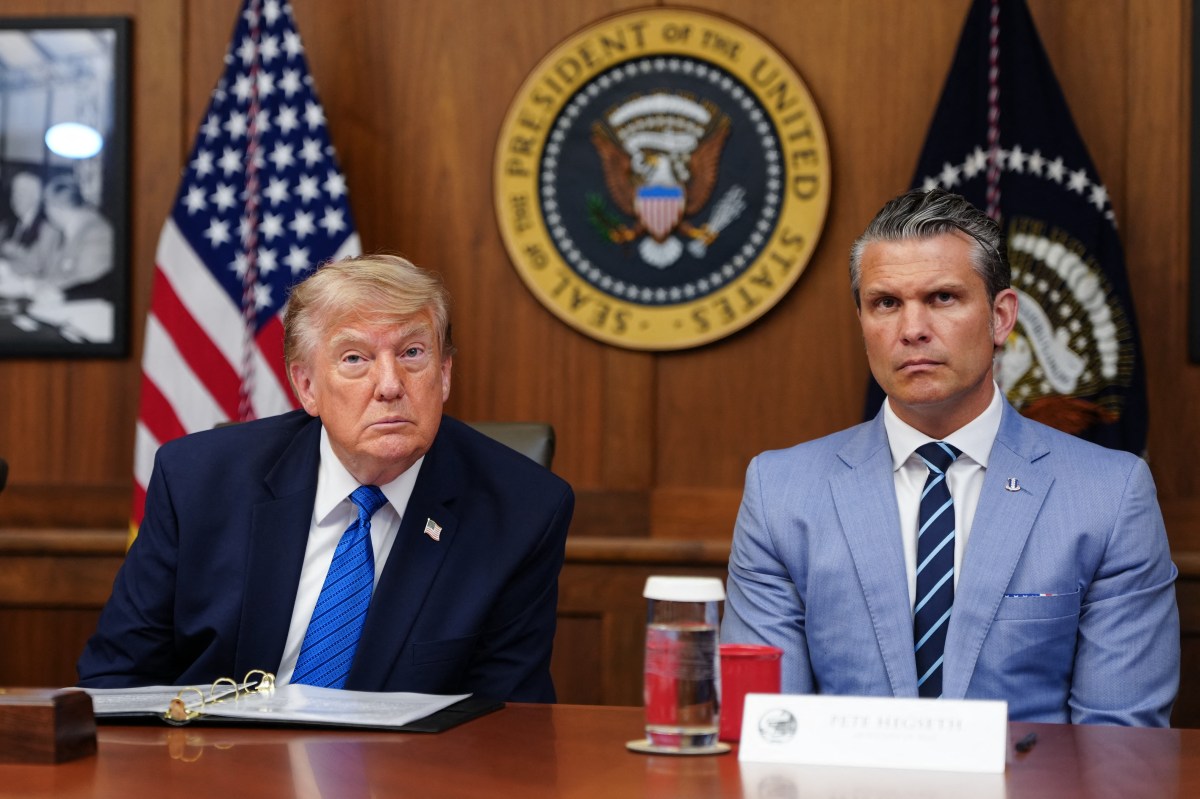
President Donald Trump’s defense secretary, Pete Hegseth, remains in his position despite criticism and calls for his removal. The ongoing war in Iran and recent personnel changes in the Pentagon have made it difficult for Trump to replace Hegseth.
Key Facts
Pete Hegseth is the current defense secretary under President Trump.
The U.S. war in Iran is ongoing, with around 50,000 troops deployed in the Middle East.
Hegseth has extended troop deployments into 2027.
Republican senators have called for Hegseth’s removal, but no replacement is ready.
Dan Driscoll resigned as Army secretary, leaving no confirmed civilian leader or chief of staff.
Hegseth’s personnel decisions have removed many leaders who could have succeeded him.
Military commanders for Europe, the Pacific, and Latin America opposed the extended deployments in writing but still followed orders.
Recent fighting between U.S. forces and Iran shows the conflict is active with no easy end in sight.
Read the Original
Want the full story? Tap a source to open the original
article.
A man named Thomas Fahmy was hit by lightning while walking to the dentist in Staten Island, New York. He described the experience as very painful but did not have serious injuries after being taken to the hospital.
Key Facts
The incident happened on August 27 in Staten Island, United States.
Thomas Fahmy was walking to the dentist when lightning struck him.
He saw a bright white flash before falling to the ground.
Fahmy described the sensation as unlike anything he had felt before.
A local resident helped by calling 911 for emergency assistance.
Fahmy was taken to the hospital for treatment.
He did not suffer serious injuries from the lightning strike.
The story was reported by CBS News, a US media partner of BBC News.
Read the Original
Want the full story? Tap a source to open the original
article.
President Donald Trump called himself the greatest U.S. president ever, placing himself above leaders like Abraham Lincoln and George Washington. However, many presidential experts and scholars rank Trump among the worst presidents in American history.
Key Facts
President Trump shared a social media post ranking himself the greatest U.S. president.
The ranking placed Trump above famous presidents like Lincoln, Roosevelt, and Washington.
Historians and experts generally disagree with Trump's self-assessment.
The Presidential Greatness Project survey ranked Trump last out of 45 presidents with a score of 10.92.
Lincoln was ranked highest with a score of 93.87 in the same survey.
Another study by Siena University also ranked Trump near the bottom in areas like integrity and intelligence.
Both Republican and Democratic scholars rated Trump poorly in surveys.
A White House spokesperson said Trump aims to create a strong and prosperous country and believes he will be remembered as very successful.
Read the Original
Want the full story? Tap a source to open the original
article.
Hundreds of children who came to the United States without parents have been kept in government care for about six months on average. More than 50 legal groups are now working together to use courts to demand that these children either be released to family members or properly justified for continued detention.
Key Facts
About 1,900 unaccompanied children are held by the federal government as of August.
These children have stayed in shelters or foster care for an average of 183 days.
Many children have family members in the US waiting to care for them.
Over 50 legal organizations have formed the Children’s Due Process Project to help these children.
Lawyers are filing habeas corpus petitions, a legal way to challenge unlawful detention.
The project started quietly in the summer and has grown over time.
The administration cut funding for attorneys representing these children last month.
The Department of Health and Human Services says they follow care standards similar to the US foster care system.
Read the Original
Want the full story? Tap a source to open the original
article.
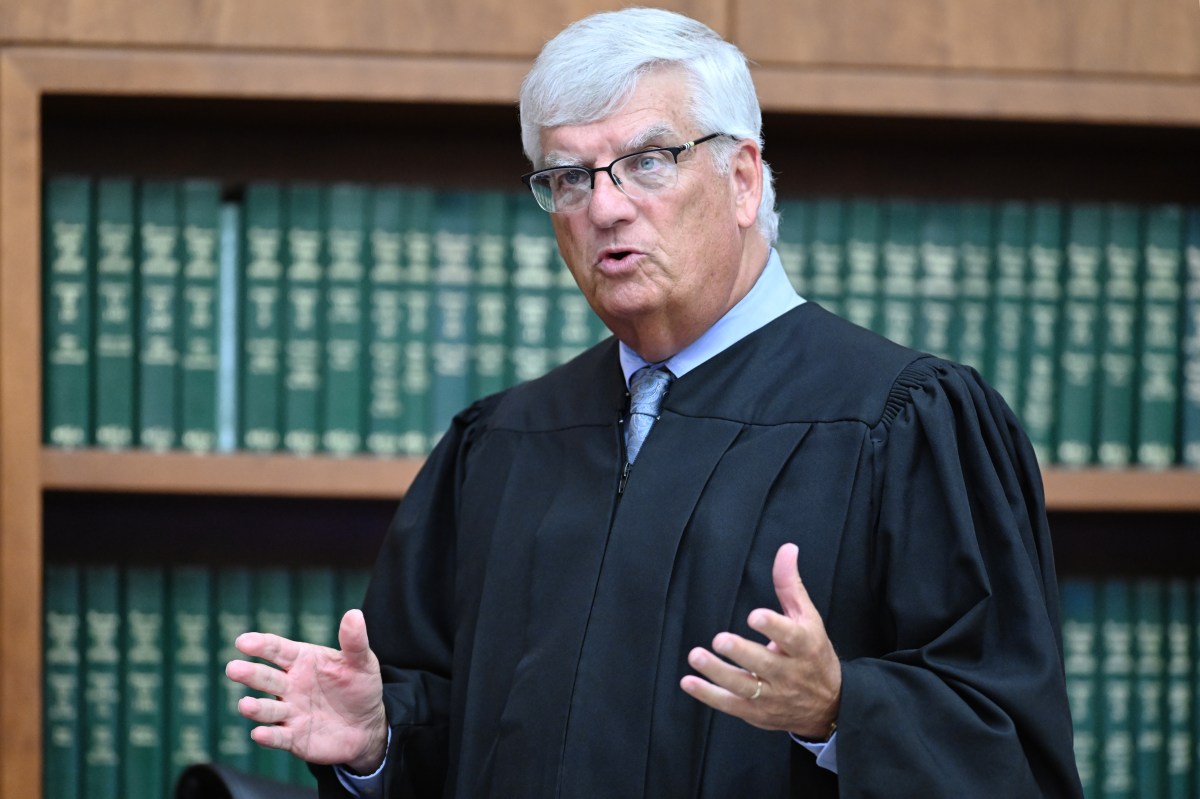
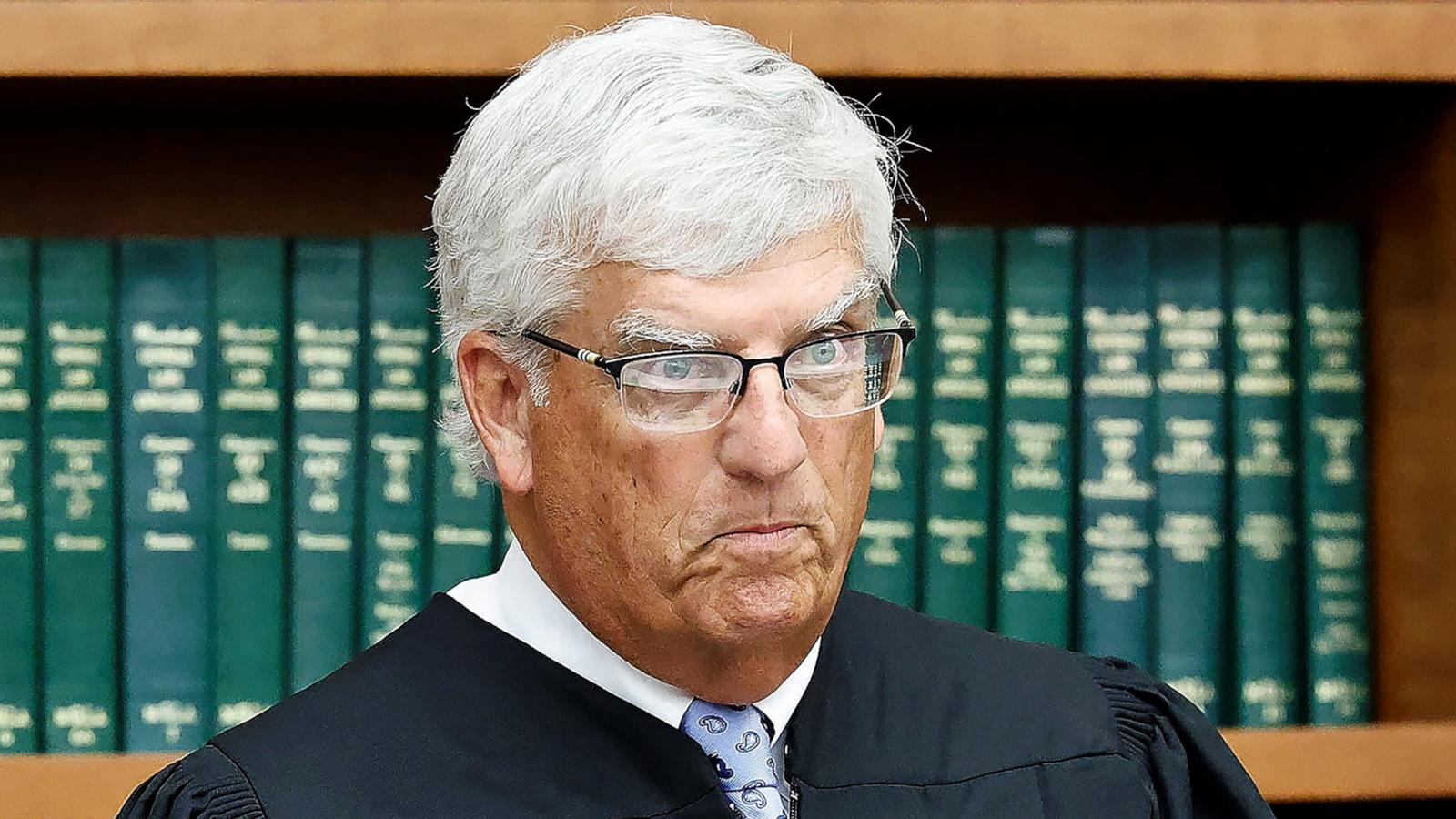
Judge William F. Sullivan is overseeing the Massachusetts murder trial of Lindsay Clancy, who is accused of killing her three children while possibly experiencing severe psychosis. The jury is struggling to reach a unanimous decision, and Sullivan has instructed them to keep discussing before potentially declaring a mistrial.
Key Facts
Judge William F. Sullivan is presiding over Lindsay Clancy’s murder trial in Plymouth County Superior Court, Massachusetts.
Clancy’s defense centers on whether she was criminally responsible while having severe psychosis.
The jury has twice said they are stuck and cannot agree on a verdict.
Sullivan gave a “dynamite charge” asking jurors to keep discussing but be honest about their views.
Sullivan was once a criminal defense attorney and handled many cases, including one using a psychosis defense.
In 2013, Sullivan defended Nathaniel Fujita, who claimed psychosis after killing his ex-girlfriend but was convicted despite the defense.
Sullivan also judged a similar case involving Latarsha Sanders, who killed her two sons and claimed mental illness but was convicted before that decision was overturned.
If the jury cannot reach a verdict, Sullivan may declare a mistrial, which means the trial would end without a decision and possibly restart later.
Read the Original
Want the full story? Tap a source to open the original
article.
Four Democratic senators wrote to Education Secretary Linda McMahon asking for information about how her department spent $1 billion meant for managing student loans. They want to understand where the money went and how it was used.
Key Facts
The letter was sent by Senators Cory Booker, Jeff Merkley, Chris Van Hollen, and Elizabeth Warren.
The letter was sent on a Wednesday (exact date not specified).
The senators asked for details on spending related to student loan administration.
The total amount in question is $1 billion.
The senators are seeking transparency on the use of these funds within the Education Department.
Education Secretary Linda McMahon leads the U.S. Department of Education.
Student loan administration involves managing and servicing loans given to students for college costs.
Read the Original
Want the full story? Tap a source to open the original
article.
Democratic state auditor Rob Sand is ahead of Republican Zach Lahn in the race for Iowa governor, according to a new poll. In the U.S. Senate race in Iowa, Republican Rep. Ashley Hinson is leading Democrat Josh Turek.
Key Facts
Rob Sand, a Democrat and Iowa state auditor, leads Zach Lahn, a Republican businessman, in the governor’s race.
Sand has 49% of the voter support in the poll.
Zach Lahn is the Republican candidate running for governor.
In the Iowa Senate race, Republican Ashley Hinson leads Democrat Josh Turek.
Ashley Hinson is a current U.S. Representative from Iowa.
Josh Turek is the Democratic candidate for Senate.
The poll was conducted by Emerson College Polling and Nexstar Media Iowa.
The races in Iowa for governor and Senate are competitive and closely watched.
Read the Original
Want the full story? Tap a source to open the original
article.
Secretary of Defense Pete Hegseth is facing growing concerns from Republican senators. Lawmakers are worried about frequent staff changes, no clear plan to end the war in Iran, and the administration not working with Democrats on funding decisions.
Key Facts
Secretary of Defense Pete Hegseth is experiencing disagreements with GOP senators.
Senators are concerned about high turnover in senior Defense Department staff.
There is no clear plan from the administration on how to end the war in Iran.
Lawmakers say the administration has not reached out to Democrats for support on funding.
These issues have caused tension between Hegseth and key Republican senators.
The situation reflects frustrations with how the Defense Department is handling priorities now.
President Donald Trump’s administration is involved in these defense and funding challenges.
Read the Original
Want the full story? Tap a source to open the original
article.
House Minority Leader Hakeem Jeffries is facing a challenge after two centrist Democrats, Jared Golden and Marie, left the party. Some Democrats want Jeffries to punish them, while others advise careful handling to avoid divisions before upcoming elections.
Key Facts
Two centrist Democratic representatives, Jared Golden and Marie, recently left the Democratic Party.
House Minority Leader Hakeem Jeffries is dealing with reactions inside the party about this defection.
Some Democrats on the left want Jeffries to take strong action against the defectors.
Other party members suggest being cautious to keep the party united ahead of midterm elections.
The situation highlights differing views within the Democratic Party between progressives and centrists.
Jeffries must manage these disagreements while leading the party in the House of Representatives.
Read the Original
Want the full story? Tap a source to open the original
article.
Defense Secretary Pete Hegseth is facing criticism from members of both the Republican and Democratic parties. Some Republicans are unhappy with how he is managing the war in Iran and recent changes in Pentagon leadership.
Key Facts
Pete Hegseth is the U.S. Secretary of Defense.
Both Republicans and Democrats are criticizing Hegseth’s handling of the war in Iran.
There is disapproval over recent leadership changes at the Pentagon.
Some Republican senators have publicly called Hegseth “inept.”
The criticism shows a rare bipartisan disagreement over defense matters.
This debate comes amid ongoing conflicts and tensions involving Iran.
Hegseth’s performance is being closely watched by lawmakers on both sides.
The Pentagon is the U.S. Department of Defense responsible for military operations.
Read the Original
Want the full story? Tap a source to open the original
article.
The jury in the Lindsay Clancy murder trial has not reached a decision after 30 hours of discussion over five days. The judge asked the jury to keep trying, but if they stay deadlocked, a mistrial may be declared, meaning the case could be retried or negotiated.
Key Facts
The jury has been deliberating for 30 hours across five days without reaching a verdict.
The case involves Lindsay Clancy, who is accused of strangling her children and attempting suicide in January 2023.
The key issue is whether Clancy was experiencing postpartum psychosis, a severe mental health condition, at the time.
Judge William Sullivan gave the jury a Tuey-Rodriguez instruction, encouraging them to try to reach a decision.
If the jury remains deadlocked, the judge can declare a mistrial, meaning the trial ends without a verdict.
After a mistrial, the defense may ask for Clancy’s release while the prosecution decides whether to retry the case.
The prosecution might also choose to drop the charges or offer a plea deal for a lesser charge.
Experts say a mistrial is likely to lead to a new trial rather than dropping the case.
Read the Original
Want the full story? Tap a source to open the original
article.
Two months before the U.S. midterm elections, polls and prediction markets show Democrats have a better chance of winning the House of Representatives, while control of the Senate is uncertain and could go either way. Polls show Democrats have higher voter enthusiasm and President Donald Trump’s approval remains steady at 33%.
Key Facts
An Emerson College poll showed Democrats leading Republicans by 8 points nationally for Congress (51% to 43%).
Prediction markets suggest Democrats have about an 89% chance to win the House but the Senate race is close, with almost equal chances for both parties.
Different markets like Polymarket and Kalshi give varying odds on who will control the Senate.
President Donald Trump’s approval rating stands at 33% in recent polls.
Democratic voters are more enthusiastic about voting than Republicans (46% vs. 31%).
Independents favor Democrats over Republicans in congressional races by 36% to 22%.
Decision Desk HQ’s model gives Democrats a 67% chance to win the House.
The Cook Political Report lists more competitive House seats currently held by Republicans, giving Democrats a clearer path to gain seats.
Read the Original
Want the full story? Tap a source to open the original
article.
Two months before the 2026 U.S. midterm elections, President Donald Trump’s approval ratings are low nationwide and in every important swing state. He has stronger support in Republican states but has lost ground compared to when he started his second term in January 2025.
Key Facts
Nationally, Trump’s approval rating is 35% and disapproval is 59%, a net approval of -24.
Trump is trailing in all major battleground states like Arizona, Florida, Georgia, Nevada, North Carolina, Ohio, Pennsylvania, and Wisconsin.
Republican-leaning states such as Wyoming and North Dakota still show positive approval but with much smaller margins than in early 2025.
Tennessee and Utah have moved to roughly equal approval and disapproval, while Indiana has a negative net rating.
Strongest support comes from older voters, men, and non-college graduates; younger voters, women, independents, and postgraduates rate him poorly.
Approval in Wyoming dropped from +47 to +22 net since January 2025, showing declining enthusiasm even in Trump strongholds.
Democratic-leaning states like Hawaii, Vermont, and Maryland show very low approval ratings, below -50 net.
Swing states like Florida and Ohio have moved sharply from positive or even ratings to negative ones for Trump.
Read the Original
Want the full story? Tap a source to open the original
article.
A toddler named Olive from Arizona had two febrile seizure episodes in 2023 but was told by doctors that she was likely fine. Tragically, Olive died unexpectedly at 18 months old, with an autopsy unable to explain her death, which may be linked to a rare condition called Sudden Unexplained Death in Childhood (SUDC).
Key Facts
Olive Tenney, 18-and-a-half months old, died unexpectedly on November 1, 2023.
She had two seizure episodes earlier in the year—one in July and another in September—both related to fever or possible dehydration.
Doctors told the family febrile seizures are common in young children and no further testing was done.
Febrile seizures happen because of a rapid rise in body temperature and usually are not dangerous.
Olive’s autopsy was inconclusive, meaning there was no clear medical reason found for her death.
Sudden Unexplained Death in Childhood (SUDC) is a rare condition studied as possibly linked to children who had febrile seizures.
Olive’s mother is raising awareness about febrile seizures and SUDC through social media.
Olive is remembered as a lively and friendly child who brought joy to her family.
Read the Original
Want the full story? Tap a source to open the original
article.
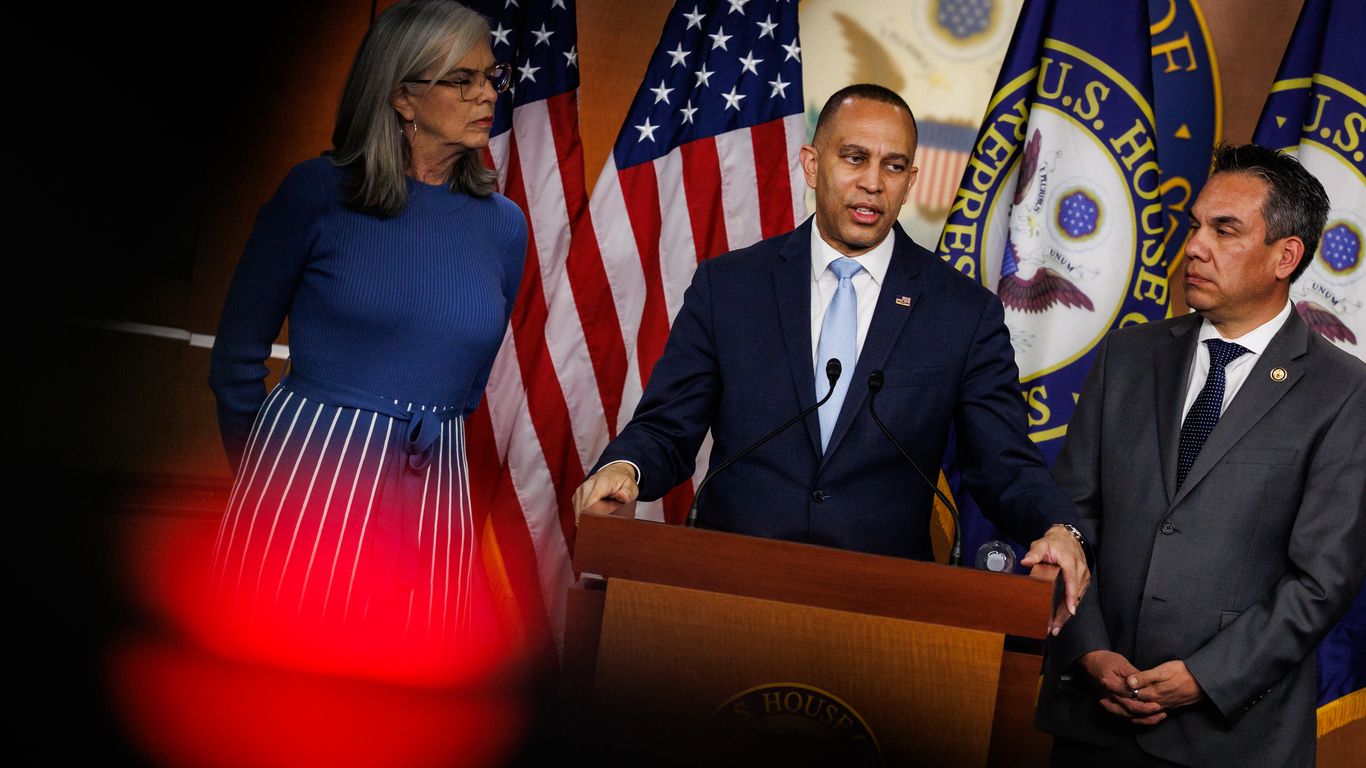
House Democratic leaders are upset because two members voted with Republicans on an important rule without warning. Party leaders want new rules to keep members in line, but some Democrats, especially progressives, strongly oppose these changes.
Key Facts
Representatives Jared Golden and Marie Gluesenkamp Perez voted with Republicans on a procedural rule, angering House Democrats.
The vote allowed for measures like a GOP resolution against socialism and a bipartisan bill protecting lobstermen.
Democratic leaders called this a "breach of trust" and are considering consequences like removing members from committees.
A proposed rule would require Democrats to attend key votes, follow party leadership on rules, and pay campaign dues to stay in good standing.
Progressive Democrats oppose this rule change, fearing it could be used unfairly against them.
Some centrists say punishing these two members would unfairly target moderates, as similar actions by progressives in the past went without penalty.
House Democratic Caucus chair Pete Aguilar said the caucus will decide if they want to change the rules.
Read the Original
Want the full story? Tap a source to open the original
article.