Ford expects to spend around $2 billion due to tariffs this year, which is more than it thought earlier. The costs come from tariffs on materials like aluminum and steel and from higher duties on goods from Mexico and Canada. Ford's expenses are less than some competitors because it makes most of its cars in the US.
Key Facts
Ford predicts tariffs to cost it about $2 billion in 2023.
The company paid an extra $800 million in tariffs from April to June.
Tariffs include duties on car parts and materials like aluminum and steel.
Duties from Mexico and Canada stayed high longer than expected.
Ford has most of its manufacturing in the US, lowering its tariff impact compared to some competitors.
Ford is discussing with the White House to try to lower the tariffs.
Ford's stock value dropped about 1.5% after tariff-related cost news.
Read the Original
Want the full story? Tap a source to open the original
article.
Canada and Malta announced they will recognize Palestine as a state in September. This move aligns them with France and the United Kingdom, which are also supporting a two-state solution to the Israeli-Palestinian conflict. Israel strongly disagrees with this recognition, while many countries at the U.N. are supporting the idea of a Palestinian state.
Key Facts
Canada and Malta will recognize the state of Palestine in September 2025.
France and the United Kingdom have also agreed to recognize Palestine.
Canada’s recognition depends on the Palestinian Authority holding elections in 2026 without the involvement of Hamas and demilitarizing Palestine.
Malta's decision supports efforts for lasting peace in the Middle East.
Over 145 countries already recognize the state of Palestine.
Israel and the United States are not participating in the U.N. meeting discussing this topic.
Israel's U.N. ambassador criticized countries recognizing Palestine, linking it to terrorism concerns.
Read the Original
Want the full story? Tap a source to open the original
article.
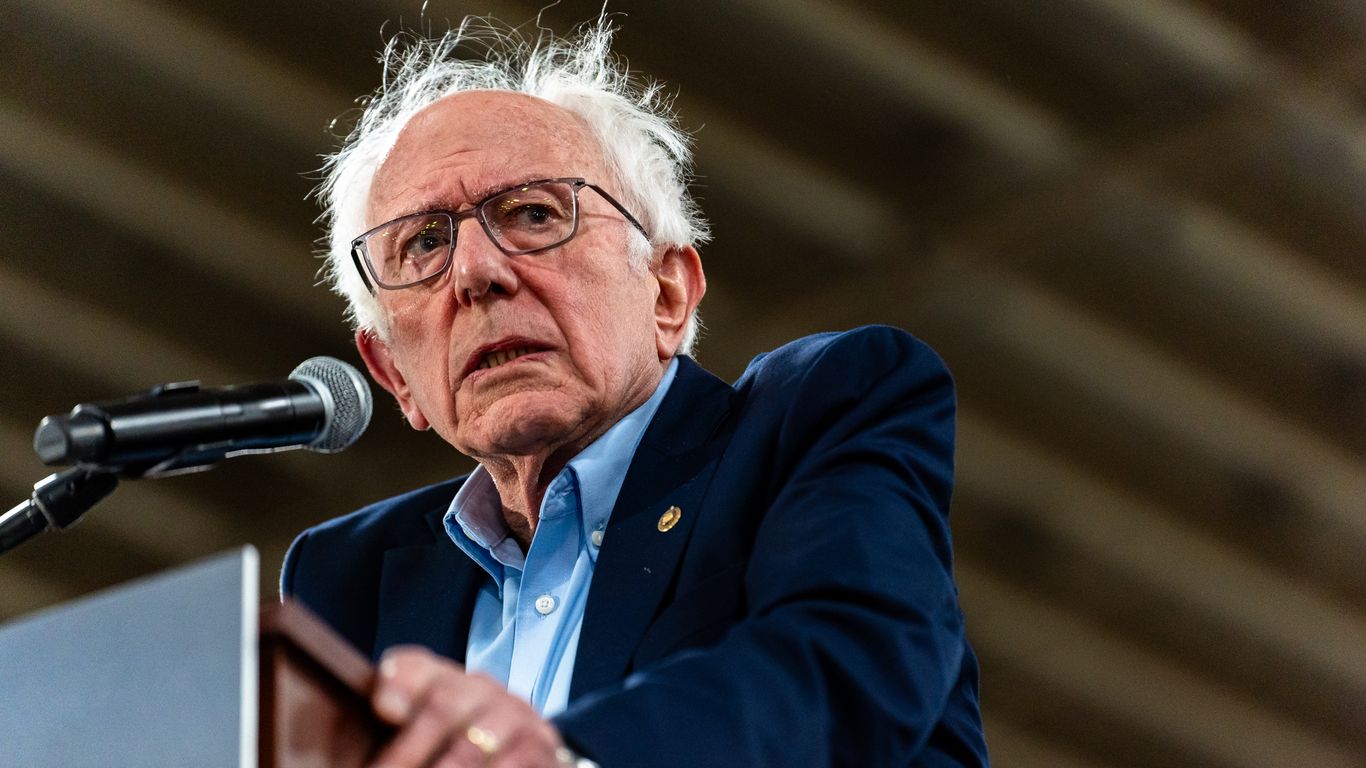
The Senate voted against two proposals to stop the sale of over $675 million in weapons to Israel. Despite the Senate's decision, more Democrats than before supported these measures due to concerns over humanitarian issues in Gaza.
Key Facts
The Senate voted 70-27 and 72-24 against stopping the arms sales to Israel.
The proposed measures aimed to block the sale of 5,000 bombs and thousands of assault rifles.
27 Democrats voted to support the embargo on weapons sales.
Senator Bernie Sanders led the effort to bring the votes to the Senate.
The humanitarian situation in Gaza has influenced more Democrats to reconsider support for arms sales.
Despite the increased support, a majority of Democrats and all Republicans voted against the resolutions.
Over half of Senate Minority Leader Chuck Schumer's caucus backed the measures.
In earlier votes in January, only 10 Democrats supported restricting arms sales to Israel.
Read the Original
Want the full story? Tap a source to open the original
article.
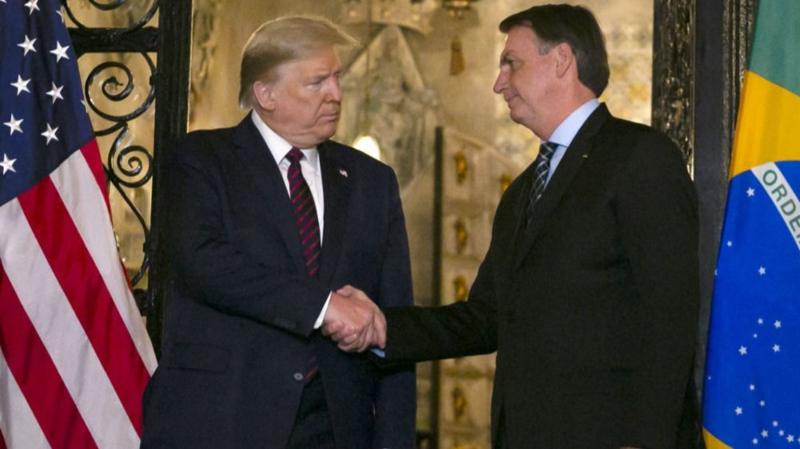
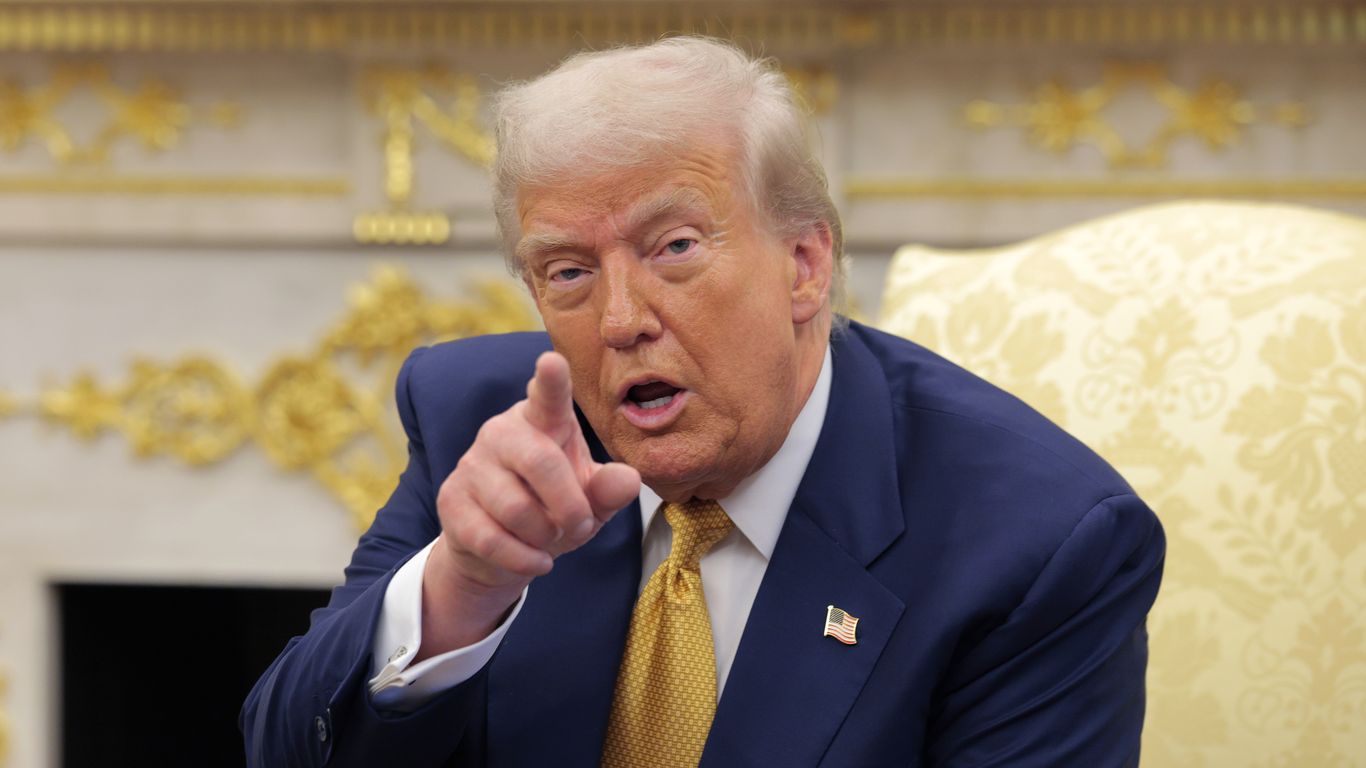
The United States has raised tariffs on Brazilian goods from 10% to 50%. This decision occurs as a 90-day pause on the tariffs ends and is tied to political issues involving former Brazilian President Jair Bolsonaro. The increased tariffs are linked to U.S. President Donald Trump's reaction to the legal proceedings against Bolsonaro, which include accusations of trying to overturn an election.
Key Facts
The U.S. has increased tariffs on Brazilian goods from 10% to 50%.
Brazil exports items like beef, coffee, and steel to the United States.
Despite Trump's claim of a U.S. trade deficit with Brazil, the U.S. actually has a trade surplus.
The tariff increase is related to political tensions involving former Brazilian President Jair Bolsonaro.
Bolsonaro faces accusations of attempting a coup after losing the 2022 election.
Trump argues these charges against Bolsonaro are politically motivated.
The U.S. has also imposed sanctions on Brazilian Supreme Court Judge Alexandre de Moraes.
De Moraes took actions against misinformation and social media accounts linked to Bolsonaro.
Read the Original
Want the full story? Tap a source to open the original
article.
Brown University agreed to pay $50 million to Rhode Island workforce groups as part of a deal with the U.S. government. This deal restores federal research funding and ends investigations into alleged discrimination at the university. Brown will adopt certain policies in line with federal guidelines but maintains its right to academic freedom.
Key Facts
Brown University will pay $50 million to Rhode Island workforce development organizations.
The agreement with the government will restore lost federal research funding.
The deal ends investigations into alleged discrimination at Brown University.
Brown will use government definitions of "male" and "female" and will not consider race in admissions.
Brown will not be subject to a government-controlled monitor as part of the agreement.
The federal government will reimburse Brown $50 million for unpaid grant costs.
Brown agreed to measures addressing antisemitism, including partnerships with Israeli academics.
The university will conduct a survey on the campus climate for Jewish students through a jointly chosen organization.
Read the Original
Want the full story? Tap a source to open the original
article.
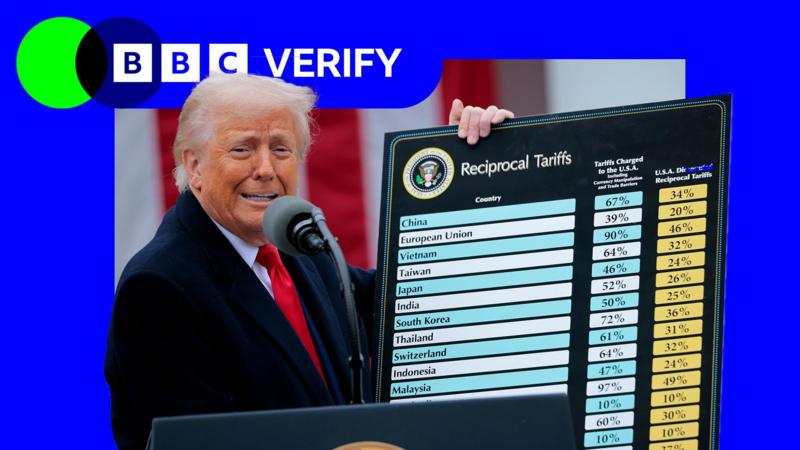
Since Donald Trump announced new import taxes known as tariffs, the average tariff rate has risen significantly. These tariffs have increased US government revenue but also led to a larger trade deficit, as US companies rushed to import goods before the tariffs took effect. The tariffs specifically targeting China have reduced its exports to the US, though China has increased its trade with other countries.
Key Facts
Donald Trump announced new import taxes or tariffs on April 2.
The average US tariff rate rose to 18.2% by July 2025, up from 2.4% in 2024.
US government revenue from tariffs reached $28 billion in June 2025, triple the amount from 2024.
The tariffs are expected to reduce US government borrowing by $2.5 trillion by 2035.
Despite tariff goals, the US goods trade deficit was $86 billion in June 2025, after a record $162 billion earlier that year.
Tariffs on Chinese imports have dropped to 30%, but Chinese exports to the US fell by 11% in early 2025 compared to 2024.
China's exports to other regions, like the EU and India, have increased.
Read the Original
Want the full story? Tap a source to open the original
article.
Brown University has reached an agreement with the administration of President Donald Trump to restore frozen federal funding. Under the deal, Brown will pay $50 million over 10 years for workforce development and comply with certain demands related to its policies and community support.
Key Facts
Brown University is the third Ivy League school to make a deal with Trump's administration.
The agreement involves $50 million to be paid over 10 years to support workforce development in Rhode Island.
Brown has pledged to support its local Jewish community through research and educational programs.
The university must conduct a survey to ensure a welcoming environment for Jewish students and staff.
The deal restricts Brown's acknowledgment of transgender students in certain university policies.
Brown must provide data on student admissions for a comprehensive audit, avoiding racial proxies.
Brown managed to avoid an independent monitor to ensure compliance, which Columbia University was required to accept.
Read the Original
Want the full story? Tap a source to open the original
article.
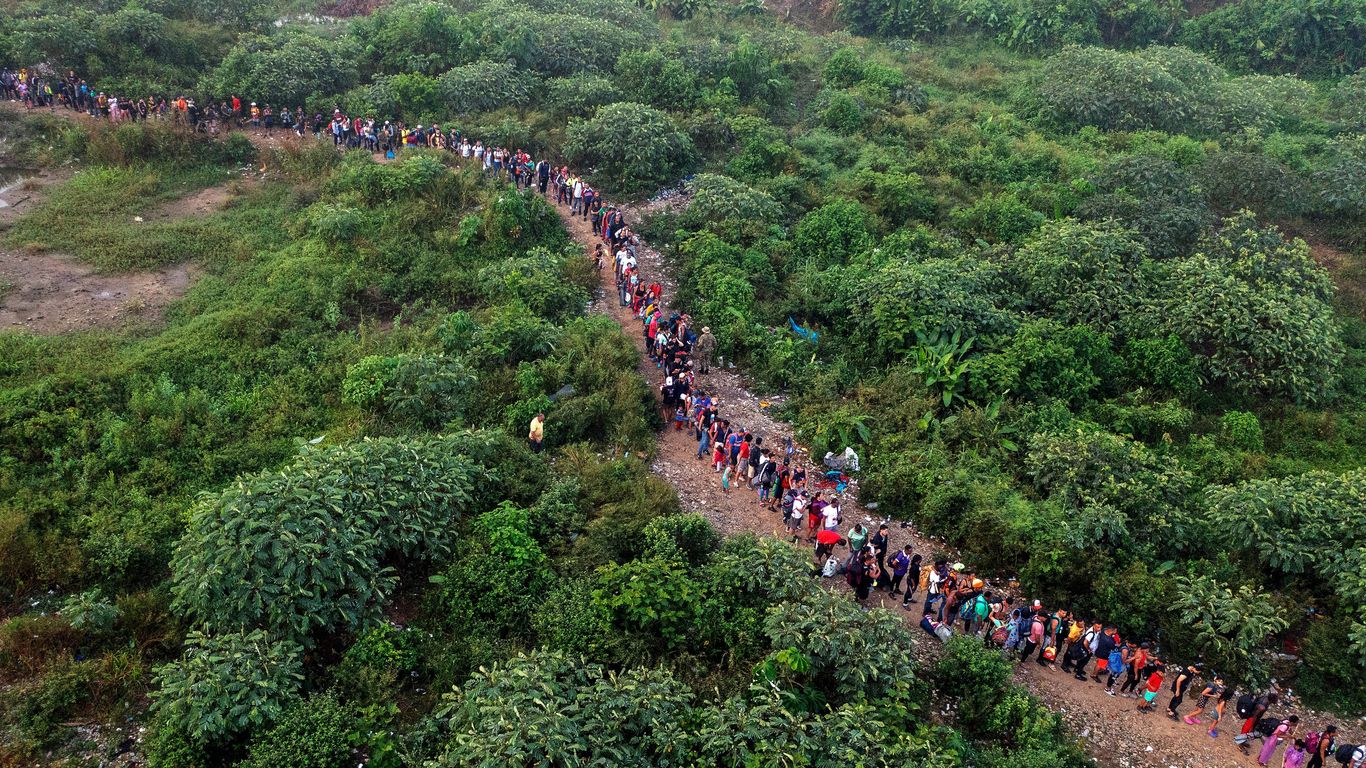
The number of migrants trying to cross the Darién Gap from Colombia to Panama has decreased drastically, nearly reaching zero. This drop corresponds with new enforcement measures at the U.S.-Mexico border and Panama's efforts to close the route.
Key Facts
In June 2023, only 10 migrants used the Darién Gap to move northward, the lowest since the pandemic.
The Darién Gap is a hazardous 60-mile jungle area that migrants cross to reach the U.S.
Migración Panama reported nearly 82,000 migrants crossed the Gap in August 2023.
The U.S. administration attributes the decrease to stricter border controls.
Panama's President Mulino claims his policies reduced migrant numbers by closing migrant transit centers.
Villages along the Darién Gap that once supported migrant travel are now mostly deserted.
The area exposes migrants to dangers like crocodiles, snakes, and diseases such as malaria.
The exact reason for the decreased migration is not fully understood but may involve changes in migrant and smuggling activities.
Read the Original
Want the full story? Tap a source to open the original
article.
House Speaker Mike Johnson helped broker a truce between Representative Thomas Massie and former President Trump. However, Massie soon broke the agreement by accusing top Republicans of hiding information about Jeffrey Epstein. This led to renewed attacks against Massie from a pro-Trump super PAC.
Key Facts
House Speaker Mike Johnson appealed to President Trump to stop attacks on Representative Thomas Massie.
A peace agreement was made, and attack ads were paused.
Massie later accused Republicans of covering up files related to Jeffrey Epstein.
Massie shifted his vote on a key procedural measure but still opposed the final bill.
A pro-Trump super PAC announced a new ad campaign against Massie.
Massie introduced a petition to release the Epstein files and partnered with Rep. Ro Khanna.
Massie's actions are a challenge to Republican leadership.
Massie has a history of opposing Trump's initiatives and recently launched a TV ad about the Epstein files.
Read the Original
Want the full story? Tap a source to open the original
article.
The gunman responsible for a New York City shooting that left four people dead obtained the rifle used in the attack from his supervisor at a Las Vegas casino. The shooter, Shane Tamura, was found dead by suicide and left a note suggesting he suffered from a brain disease related to head injuries. Police are continuing their investigation into the incident and the sale of the rifle.
Key Facts
The shooting took place in a New York City skyscraper and resulted in four deaths.
The gunman, Shane Tamura, bought the rifle from his boss at a Las Vegas casino.
It is unclear if the sale of the rifle was legal; his boss is cooperating with police.
Tamura left a note claiming to suffer from chronic traumatic encephalopathy (CTE), a brain condition linked to repeated head injuries.
Police found anti-psychotic medication and a suicide note in Tamura’s Las Vegas apartment.
Another pistol, legally purchased, was found in Tamura’s car.
Investigators believe Tamura intended to attack the NFL offices but went to the wrong location.
Funerals for the victims, including NYPD officer Didarul Islam, have been held or are planned.
Read the Original
Want the full story? Tap a source to open the original
article.
Companies are raising prices because tariffs have made their costs go up. This increase may affect inflation, which has been stable recently. Companies like Adidas and Procter & Gamble have announced price hikes, and surveys show that many Americans have noticed higher prices.
Key Facts
Companies face higher costs due to tariffs, leading to price increases.
Adidas plans to raise prices in the U.S. due to a $231 million cost increase in 2025.
Procter & Gamble will increase prices on about 25% of its products.
Other companies like Walmart, Ralph Lauren, Mattel, Subaru, and Nike have announced price hikes.
Tariffs take time to affect consumer prices but are starting to show in inflation data.
A survey found that 62% of Americans noticed price increases linked to tariffs.
Not all price hikes are due to tariffs; Hershey raised prices because of cocoa supply issues.
Tariff effects on prices are ongoing and not yet fully resolved.
Read the Original
Want the full story? Tap a source to open the original
article.
The Trump administration issued new guidelines stating that federal funding recipients cannot engage in Diversity, Equity, and Inclusion (DEI) programs. These guidelines interpret federal antidiscrimination laws to also cover DEI initiatives, which the administration claims involve discriminatory practices. Critics believe the new rules could affect various programs and face legal challenges.
Key Facts
The U.S. Department of Justice released guidelines about federal funding and DEI programs.
The guidelines highlight that DEI programs may violate federal antidiscrimination laws.
Recipients of federal funds are warned they might face legal risks if involved in DEI.
Activities must not discriminate based on race, color, national origin, sex, or religion.
The guidelines might impact universities, media companies, and nonprofits by possibly ending certain programs.
The new rules have been criticized and are likely to face legal challenges.
Trump's administration has made similar changes to Civil Rights-era policies before.
America First Legal, linked to Trump, has been involved in efforts to change DEI programs, citing the Civil Rights Act of 1964.
Read the Original
Want the full story? Tap a source to open the original
article.
Canada announced plans to recognize a Palestinian state at the United Nations General Assembly in 2025. This decision aligns with similar moves by the UK and France, and it comes amid ongoing conflict in the region. The recognition is based on certain conditions for Palestinian political reforms and elections.
Key Facts
Canada plans to recognize a Palestinian state in September 2025 during the United Nations General Assembly.
This decision is part of a shift from trying to achieve a two-state solution through negotiations.
The announcement follows similar decisions by the United Kingdom and France.
The impact of this recognition on the current conflict in Gaza and settlement expansions is unclear.
Canada’s recognition is based on promises of reform from the Palestinian Authority and elections in 2026.
Hamas, a Palestinian group, will not be allowed to participate in these elections.
The United States opposes recognizing a Palestinian state, viewing it as support for Hamas.
Read the Original
Want the full story? Tap a source to open the original
article.
Krysten Lawton works at Ford's engine plant in Windsor, Canada, where her family has been employed for generations. The plant and the local economy are heavily impacted by tariff threats from the United States, which could affect jobs and manufacturing output.
Key Facts
Krysten Lawton works in health and safety at Ford's engine plant in Windsor, Ontario.
Lawton's family has a long history of working in the auto industry in Windsor.
Windsor has a strong manufacturing sector, employing 19% of its workforce.
The U.S. has imposed tariffs on steel, aluminum, and automobiles, impacting Canada.
President Trump has threatened further tariffs on Canadian goods.
Canadian manufacturing significantly contributes to exports, with millions of jobs linked.
Tariffs and uncertainty have led to anxiety among workers and affected investments.
Canada’s GDP fell, mainly due to the hit on manufacturing jobs and output.
Read the Original
Want the full story? Tap a source to open the original
article.
The US Federal Reserve decided to keep interest rates the same for the fifth time in a row, even though President Trump wanted them lowered. Two board members disagreed with the decision, suggesting some support for lower rates. The Commerce Department noted the economy grew by 3% in the April to June period after it shrank earlier in the year.
Key Facts
The US Federal Reserve chose not to change interest rates.
President Trump had urged for lower interest rates.
Chairman Jerome Powell announced the decision.
Two Federal Reserve board members wanted a rate cut, indicating differing opinions.
The US economy grew at 3% from April to June, following a shrinkage in the first quarter.
The Commerce Department provided the economic growth data.
Read the Original
Want the full story? Tap a source to open the original
article.
Violence during protests against a fuel price hike in Angola resulted in at least 22 deaths and injuries to 197 people. The unrest began when minibus taxi groups went on strike over a 33% increase in diesel prices. The protests involved clashes, looting, and vandalism in multiple provinces.
Key Facts
The protests began as a response to a diesel price increase of one-third.
At least 22 people were killed, including a police officer, and 197 were injured during the protests.
The violence started in Luanda, the capital, and spread to six other provinces.
A total of 1,214 people were arrested amid the unrest.
Looters targeted 66 shops and 25 vehicles, and incidents of looting occurred at some supermarkets and warehouses.
The Angolan army was deployed to restore order due to widespread insecurity.
Human Rights Watch accused the police of using excessive force against largely peaceful protesters.
Angola has been gradually reducing fuel subsidies since 2023, influenced by organizations like the International Monetary Fund.
Read the Original
Want the full story? Tap a source to open the original
article.
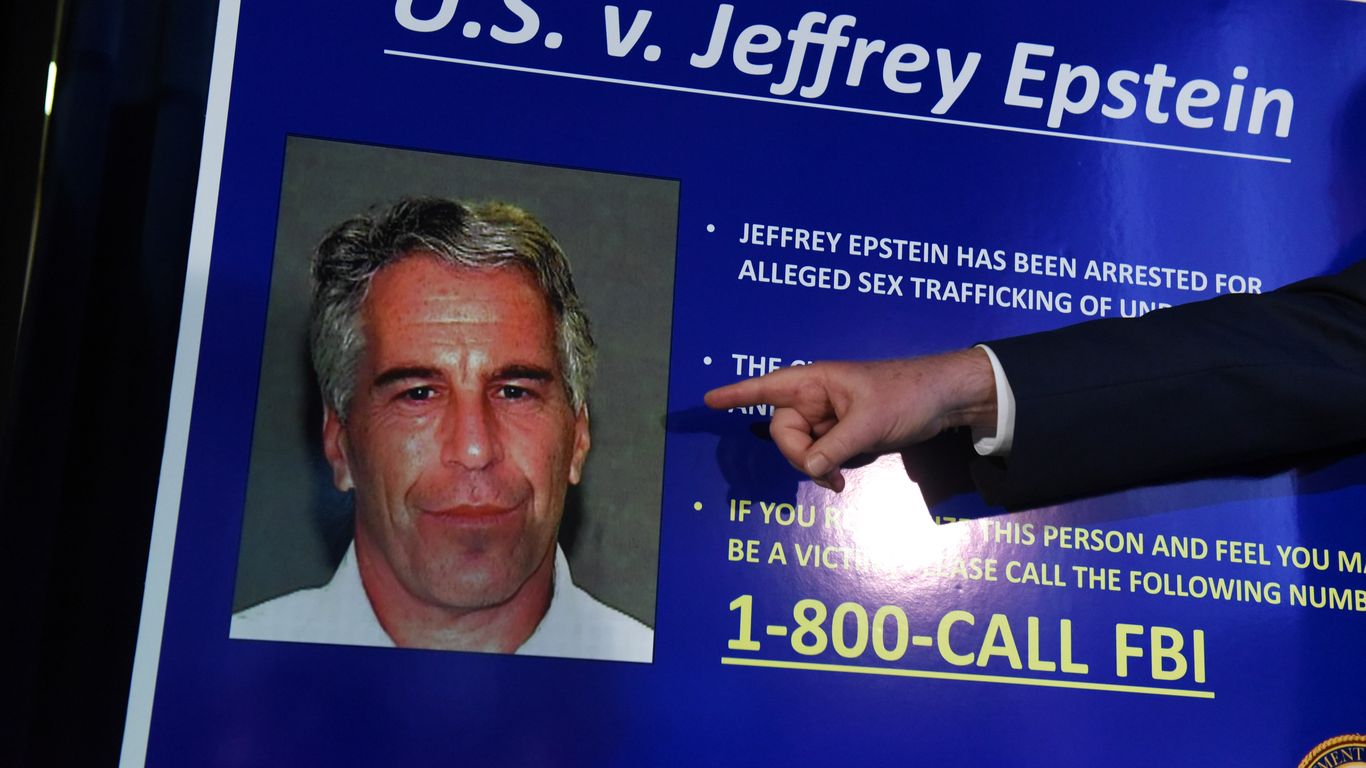
The investigation into Jeffrey Epstein focuses on allegations of sex trafficking. Epstein had connections with many influential people, including former President Trump. Epstein was arrested in 2019 for sex trafficking charges but died in jail that same year, which led to widespread public interest and calls for more information from the ongoing investigation.
Key Facts
Jeffrey Epstein was a wealthy financier who was charged with sex trafficking of minors in 2019.
Epstein had connections with well-known figures like Bill Clinton, Prince Andrew, and Donald Trump.
Trump and Epstein were acquaintances in the 1990s, but Trump later distanced himself from Epstein.
Epstein died in 2019 in a New York jail by apparent suicide, according to law enforcement.
At the time of his death, Epstein was under watch in a special prison unit but not on suicide watch.
There have been calls for the Justice Department to release more documents related to Epstein's case.
Senate Democrats, led by Chuck Schumer, are pushing to make more Epstein-related court files public.
Some people believe there is a list of powerful individuals linked to Epstein, though this has not been confirmed.
Read the Original
Want the full story? Tap a source to open the original
article.
President Trump announced new tariffs on copper and Brazil, and ended a tariff exemption for packages under $800. These changes are expected to make many products more expensive for American consumers. The de minimis exemption will end on August 29, affecting goods shipped internationally.
Key Facts
President Trump imposed new tariffs on copper and Brazil.
The global tariff exemption for packages worth less than $800, known as the "de minimis" exemption, will end on August 29.
The de minimis exemption helped keep prices low for U.S. consumers by exempting low-cost items from tariffs.
Critics say ending the exemption could lead to higher prices for American consumers, while supporters argue it helps U.S. businesses.
New Brazil tariffs are set at 50% and will begin on Friday.
An executive order accuses Brazil's current government of politically targeting former President Jair Bolsonaro.
Trump's new copper tariff caused copper prices to drop nearly 20% in the futures market.
After six months, all international packages will be taxed using an "ad valorem duty" method, which taxes based on the product's origin.
Read the Original
Want the full story? Tap a source to open the original
article.
That's the point of this site, and readers keep it that way. Support for any amount and the daily digest lands in your inbox every morning at 7am Eastern.
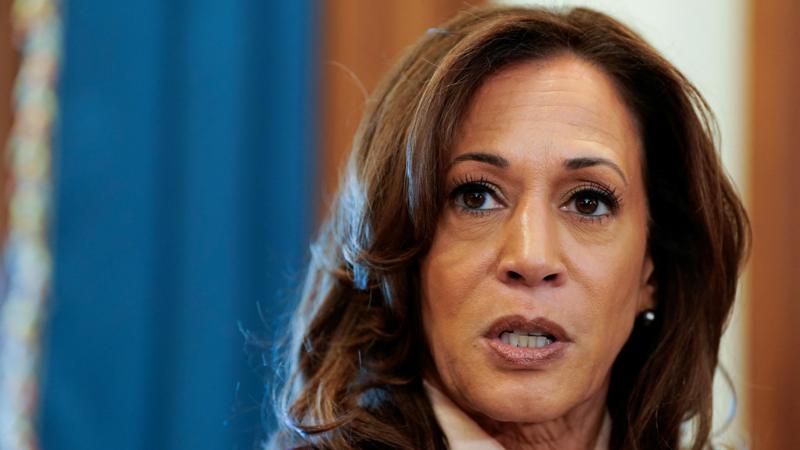
Kamala Harris announced she will not run for governor of California. She made this decision after considering her future plans and said she will not hold an elected office for now but will share more details later.
Key Facts
Kamala Harris confirmed she will not enter the California governor race.
This decision follows her unsuccessful 2024 presidential bid.
Harris has previously served as a U.S. senator and prosecutor in California.
She mentioned her future public service will not involve elected office at this time.
The primary elections for California governor are scheduled for June 2026.
Gavin Newsom, the current governor, is finishing his last term.
Democrats are the dominant political party in California.
California is the 5th largest economy in the world if it were a country, housing major tech companies in Silicon Valley.
Read the Original
Want the full story? Tap a source to open the original
article.
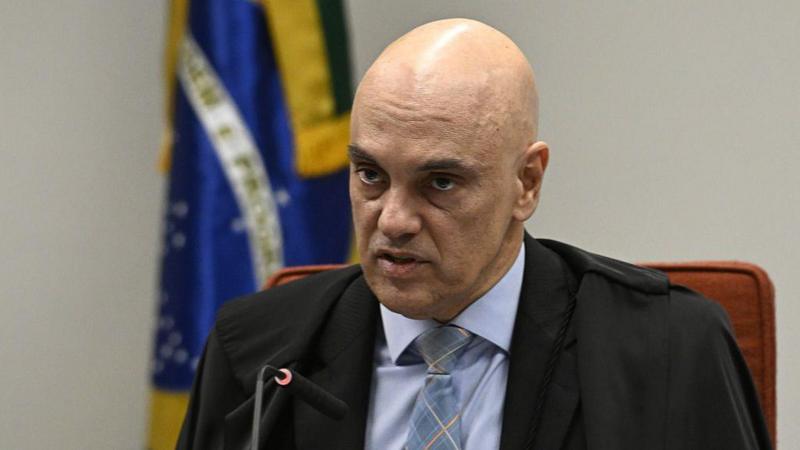
US officials have imposed sanctions on Alexandre de Moraes, a Brazilian Supreme Court judge, accusing him of unjust detentions and limiting free speech. The sanctions relate to his role in investigating former Brazilian President Jair Bolsonaro, who is accused of attempting a coup. In a related move, US President Trump increased tariffs on Brazil in response to perceived attacks on US tech companies.
Key Facts
US sanctioned Brazilian judge Alexandre de Moraes for alleged misconduct, including unjust pre-trial detentions.
Judge Moraes is leading an investigation into claims that Bolsonaro and his supporters tried to execute a coup after losing the 2022 election.
US President Trump raised tariffs on Brazilian imports to 50% shortly after announcing sanctions.
The US Treasury accused Judge Moraes of a campaign against US and Brazilian citizens and companies.
Moraes previously ordered shutdowns of certain social media accounts, which affected US tech companies like Trump's platform.
Brazil briefly banned Elon Musk's platform, X, for not removing accounts spreading misinformation about the election.
Former President Bolsonaro is under pre-trial restrictions, including a curfew and 24-hour surveillance.
Tensions have increased between the US and Brazil under Trump's presidency, differing from the previously friendly relations during Trump's first term.
Read the Original
Want the full story? Tap a source to open the original
article.